- Chinese
- French
- German
- Portuguese
- Spanish
- Russian
- Japanese
- Korean
- Arabic
- Irish
- Greek
- Turkish
- Italian
- Danish
- Romanian
- Indonesian
- Czech
- Afrikaans
- Swedish
- Polish
- Basque
- Catalan
- Esperanto
- Hindi
- Lao
- Albanian
- Amharic
- Armenian
- Azerbaijani
- Belarusian
- Bengali
- Bosnian
- Bulgarian
- Cebuano
- Chichewa
- Corsican
- Croatian
- Dutch
- Estonian
- Filipino
- Finnish
- Frisian
- Galician
- Georgian
- Gujarati
- Haitian
- Hausa
- Hawaiian
- Hebrew
- Hmong
- Hungarian
- Icelandic
- Igbo
- Javanese
- Kannada
- Kazakh
- Khmer
- Kurdish
- Kyrgyz
- Latin
- Latvian
- Lithuanian
- Luxembou..
- Macedonian
- Malagasy
- Malay
- Malayalam
- Maltese
- Maori
- Marathi
- Mongolian
- Burmese
- Nepali
- Norwegian
- Pashto
- Persian
- Punjabi
- Serbian
- Sesotho
- Sinhala
- Slovak
- Slovenian
- Somali
- Samoan
- Scots Gaelic
- Shona
- Sindhi
- Sundanese
- Swahili
- Tajik
- Tamil
- Telugu
- Thai
- Ukrainian
- Urdu
- Uzbek
- Vietnamese
- Welsh
- Xhosa
- Yiddish
- Yoruba
- Zulu
- Kinyarwanda
- Tatar
- Oriya
- Turkmen
- Uyghur


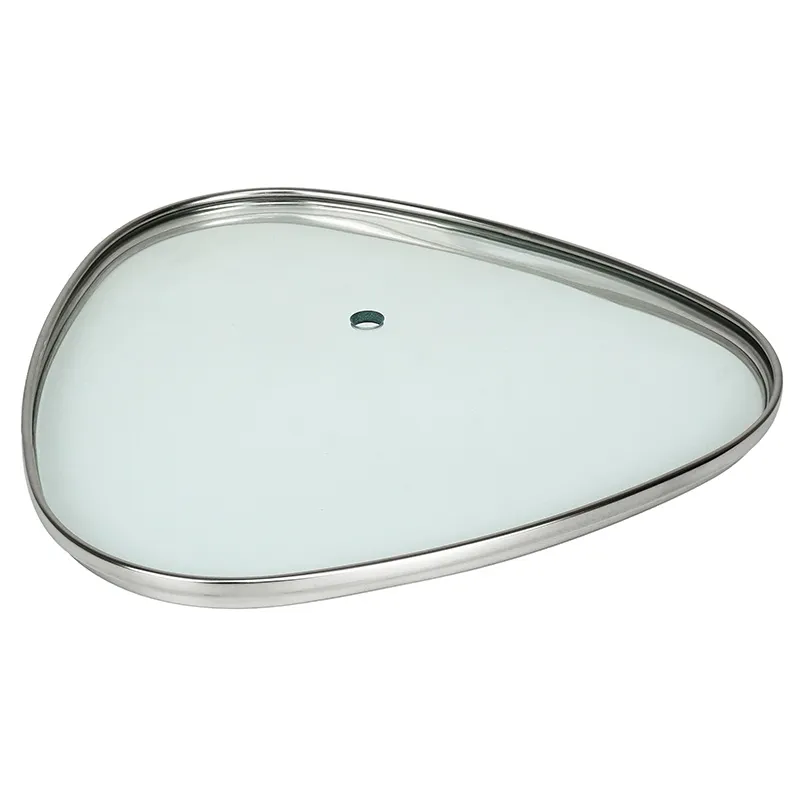
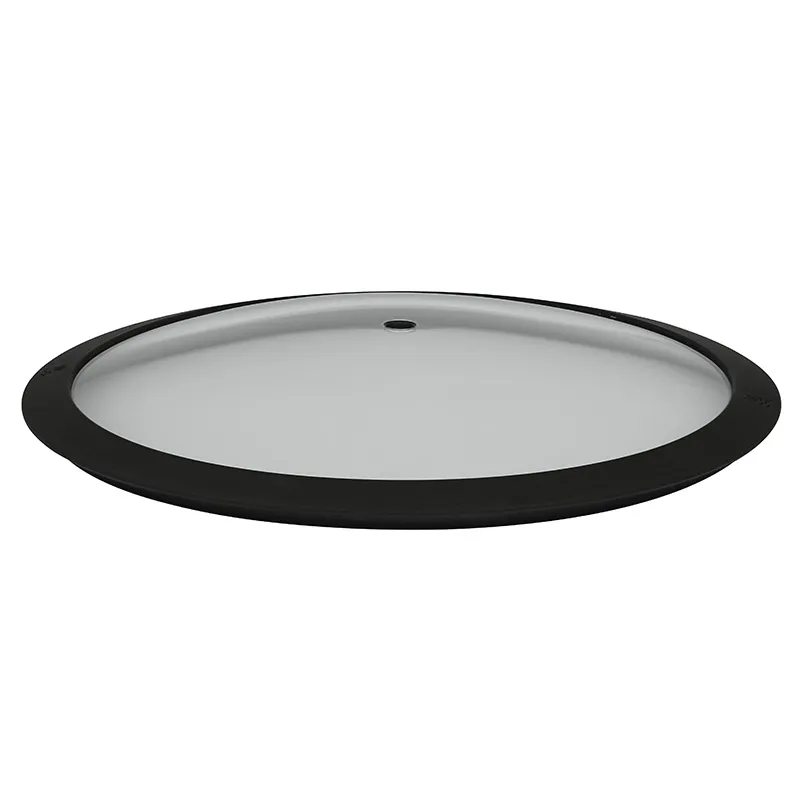
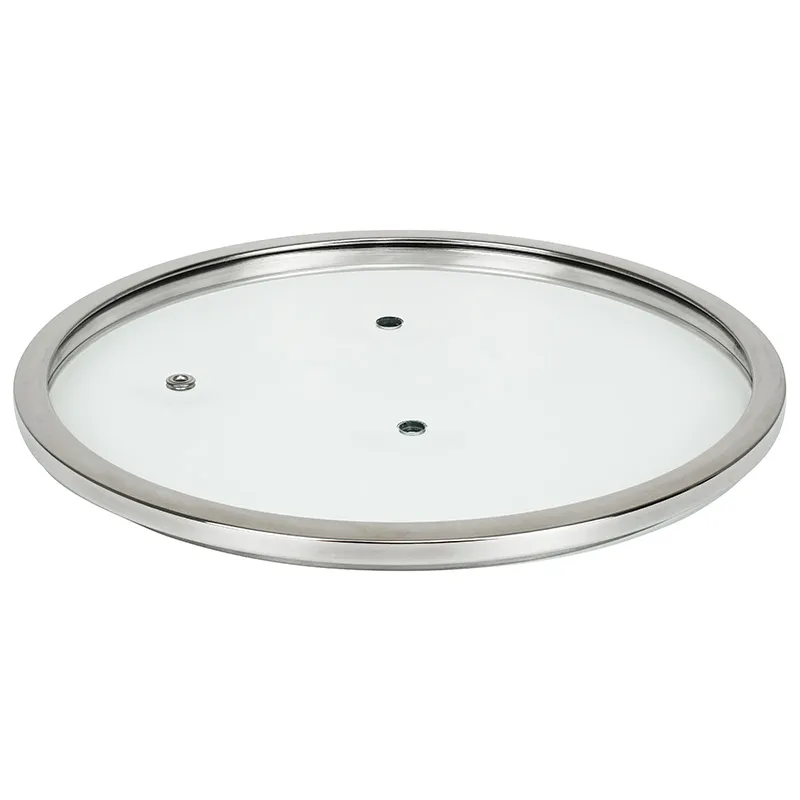
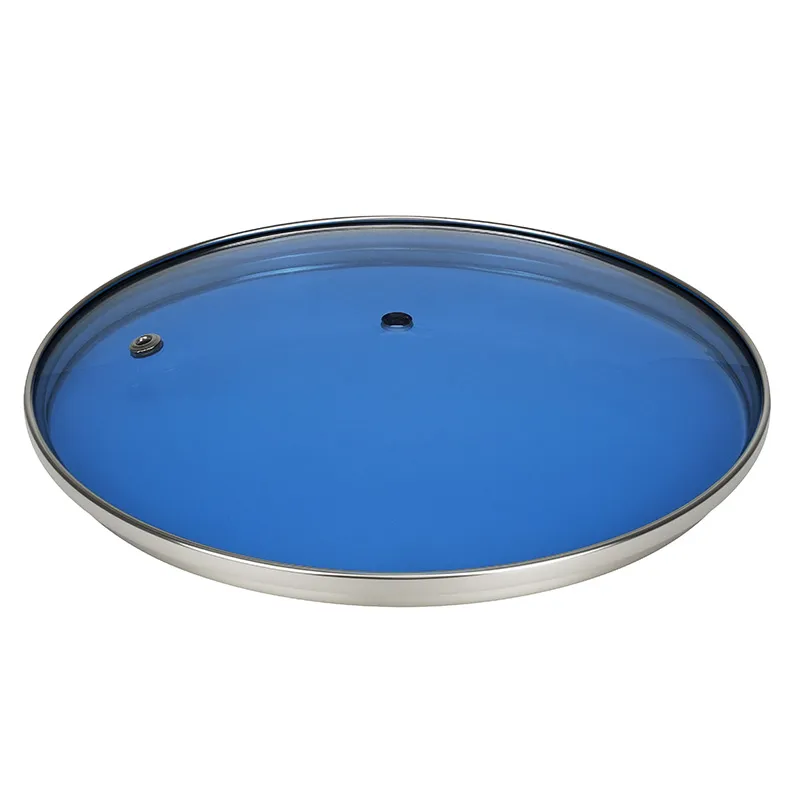
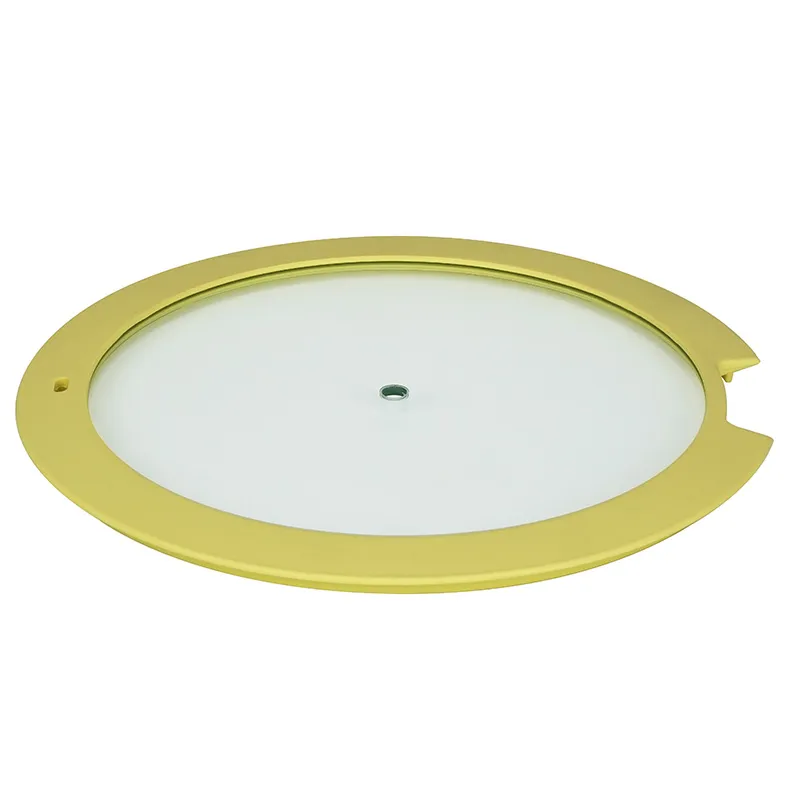
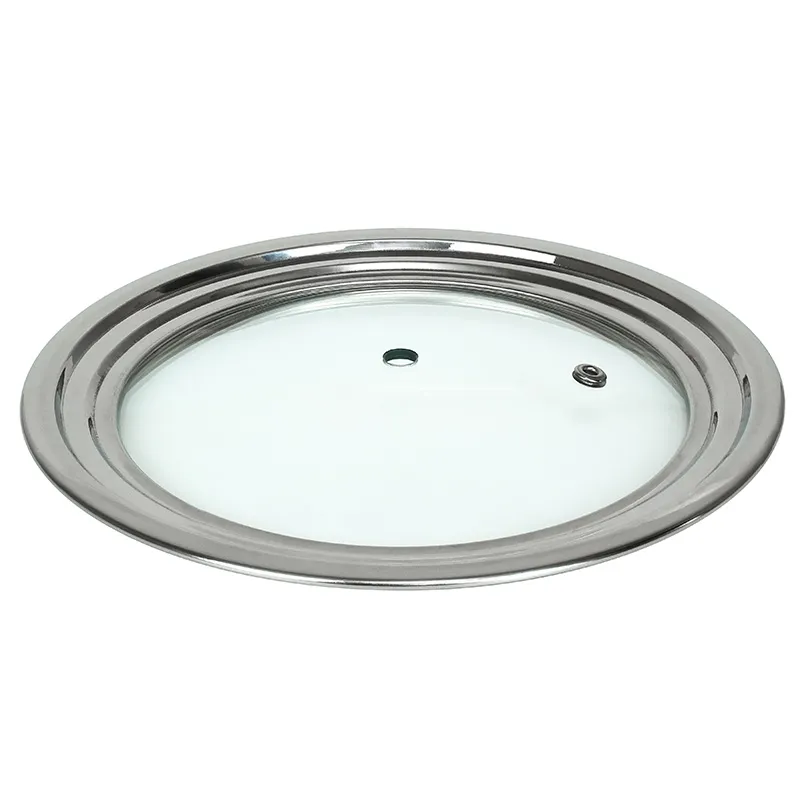
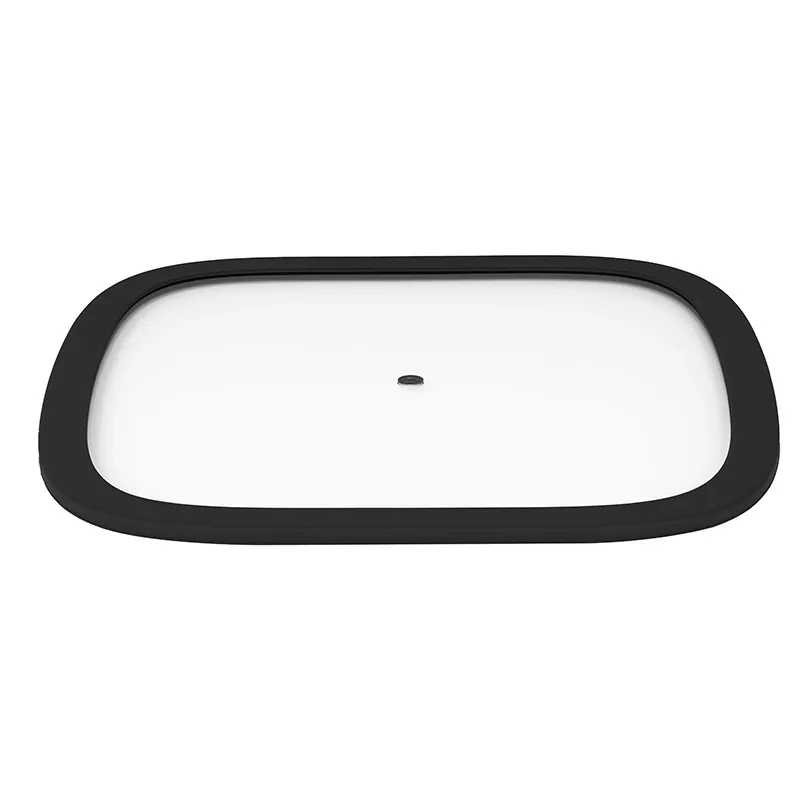
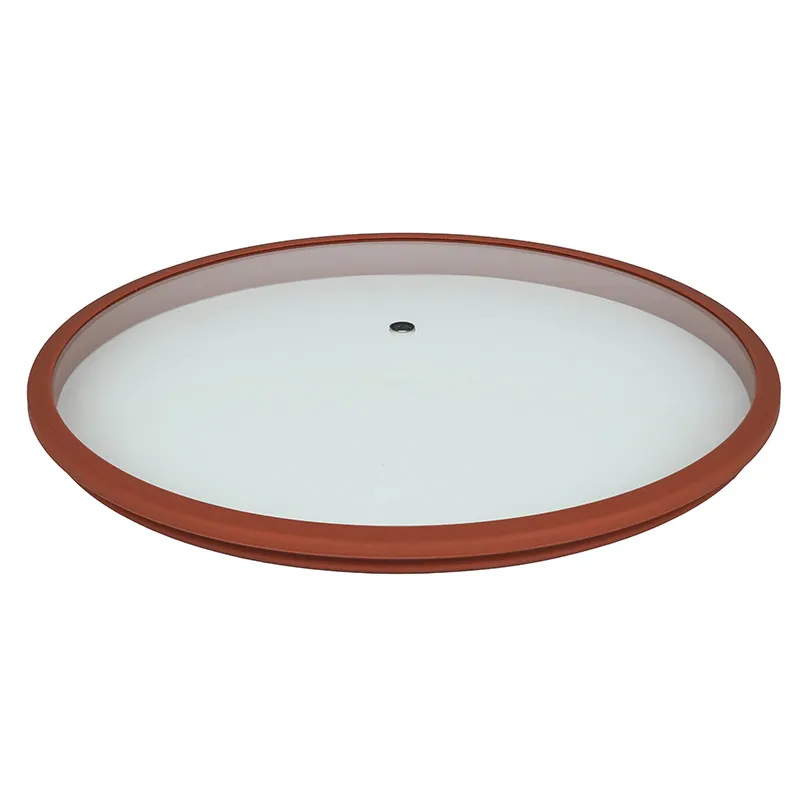
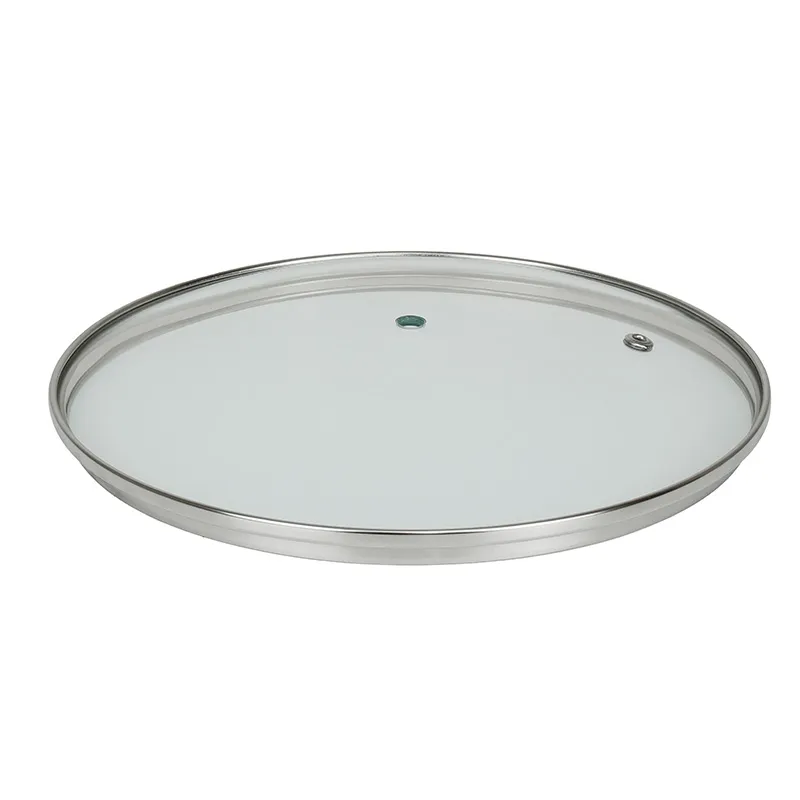
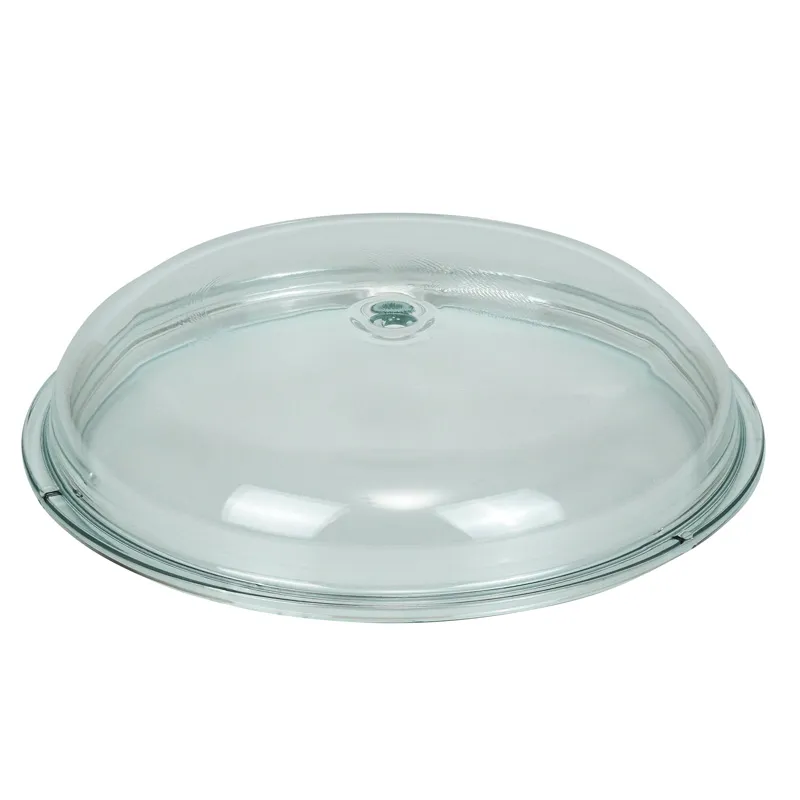
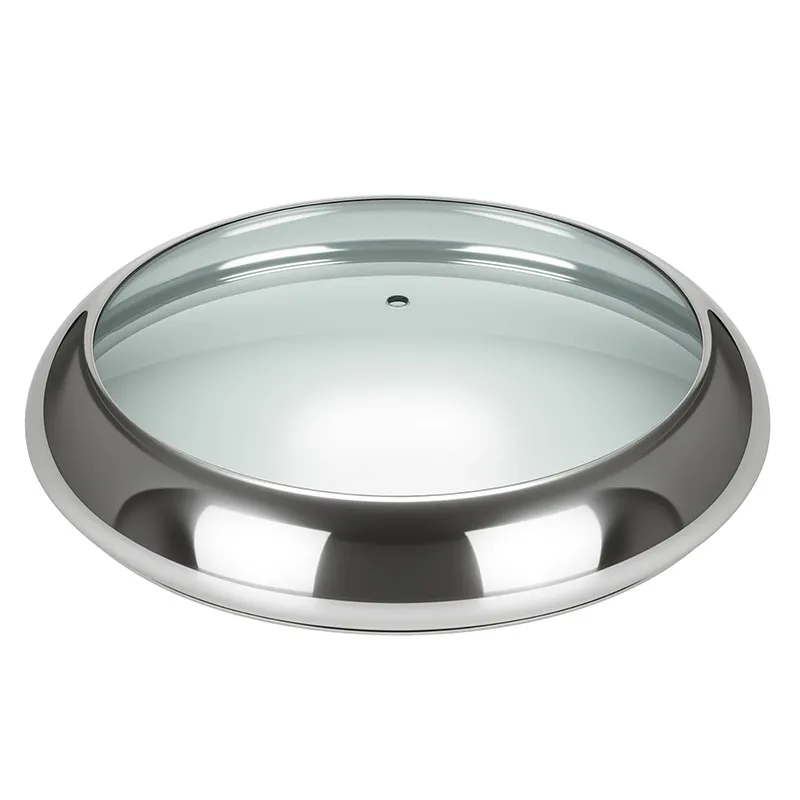
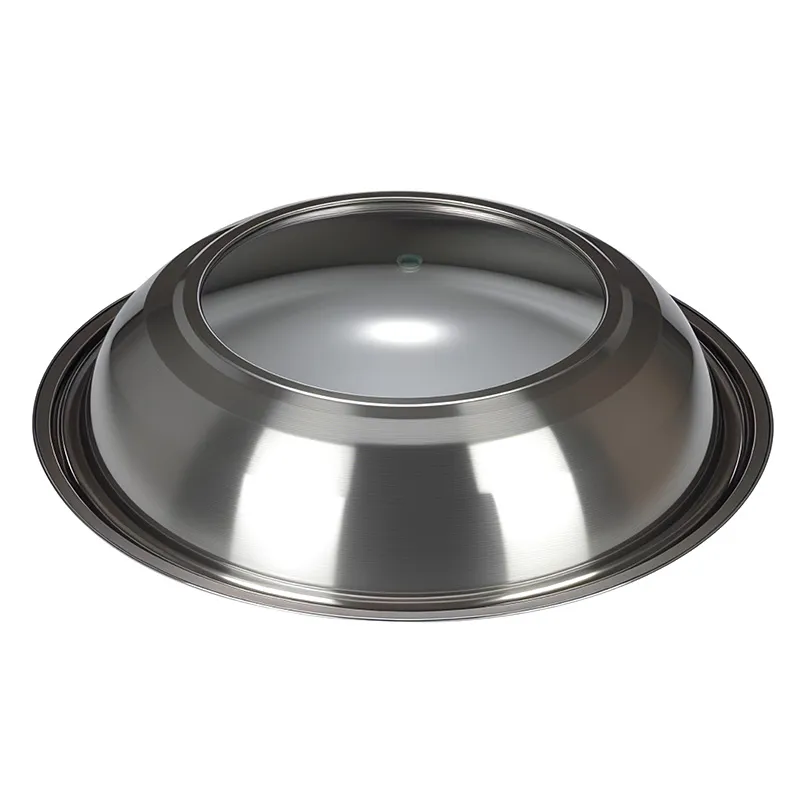
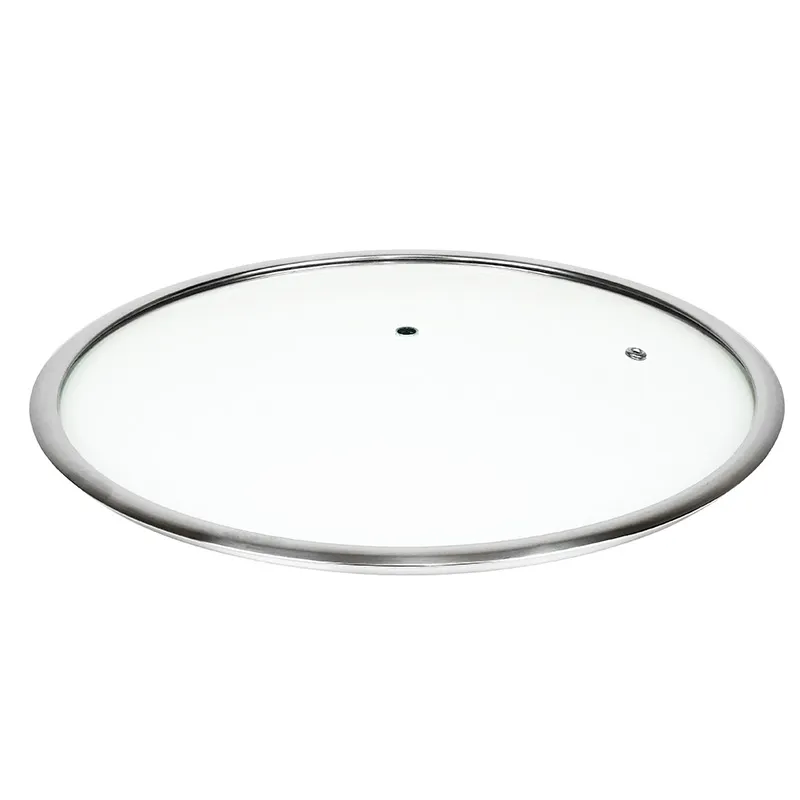
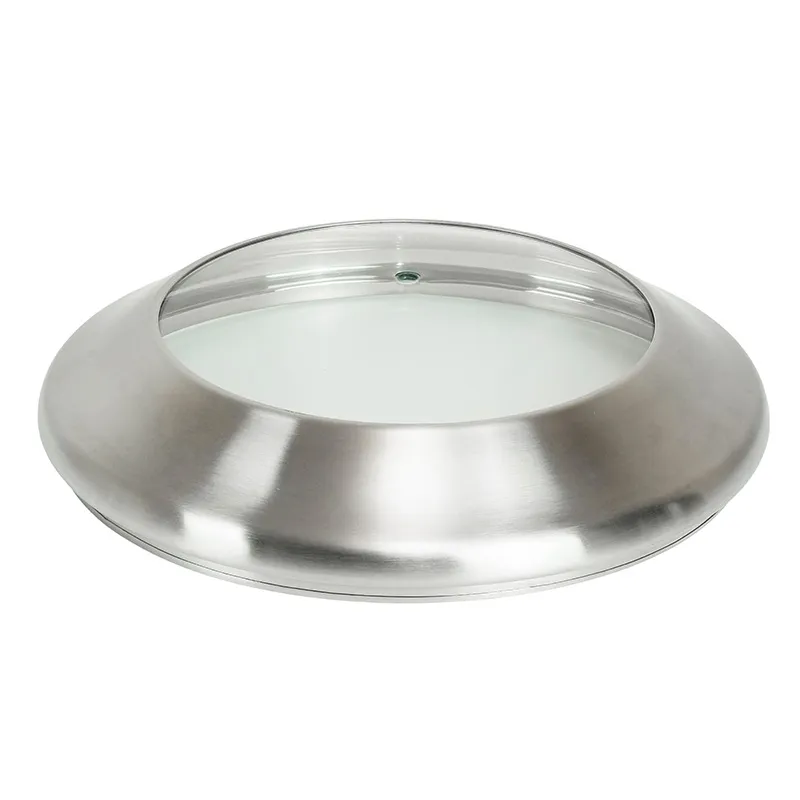
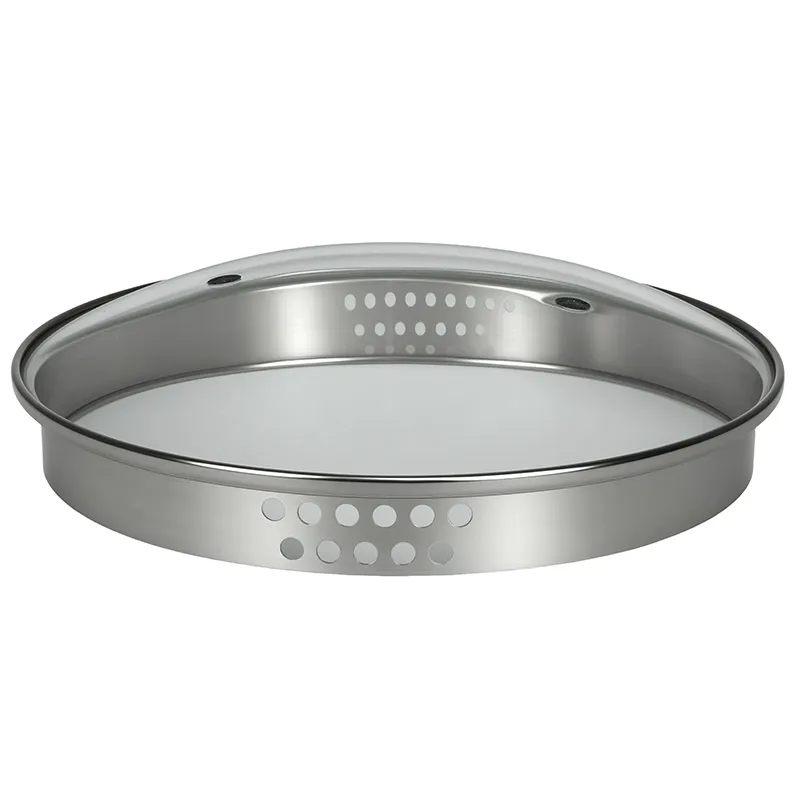
12 tempered glass lid
When you see '12 tempered glass lid' on a spec sheet or a product listing, it seems straightforward. A lid, 12 inches, made of tempered glass. But in practice, that phrase glosses over a world of nuance that determines whether you have a reliable kitchen workhorse or a ticking thermal shock bomb. The biggest misconception? That all tempered glass is created equal, and that the '12' is just a diameter. It's not. It's a commitment to a specific pot or pan ecosystem, and getting it wrong means a lid that wobbles, doesn't seal, or worse, shatters during a rapid cool-down. I've seen too many buyers, even some smaller importers, focus solely on price per unit based on that simple description, only to get burned by field returns.
The 12 Isn't Just a Number
Let's start with the dimension. A true 12-inch lid isn't necessarily 12 inches in outer diameter. That's often the nominal size, matching the cookware's top diameter. The critical measurement is the sealing diameter—the part that actually sits inside the rim. I've handled lids where the OD was spot-on, but the flange was millimetres off, leading to constant rocking and steam escape. For a company like EUR-ASIA COOKWARE CO.,LTD, which pumps out over 15 million pieces annually, this precision in moulds and grinding is where the rubber meets the road. Their production base in Taian's high-tech zone isn't just real estate; it's where the tolerance specs live or die.
Then there's the curvature. A flat tempered glass lid for a stock pot is different from a domed one for a sauté pan. The dome height affects internal volume for condensation runoff. Get a flat lid for a pan that needs a dome, and you'll have boiling water dripping back onto your food in a steady, annoying stream. It's a subtle detail often overlooked in bulk sourcing.
And the handle. That's part of the 'lid system' too. Is it a stainless steel knob riveted through the glass? Or a phenolic resin handle bonded on? The rivet type and the thermal expansion coefficient of the bonding material matter. A poorly bonded handle on a hot lid is a safety issue. I recall a batch from a different supplier years ago where the epoxy couldn't handle dishwasher cycles; handles just popped off after a few months. It's these ancillary components that separate a quality piece from a liability.
Tempering: The Invisible Make-or-Break
Tempering is the magic, but it's also where shortcuts hide. The process of heating and rapid cooling induces surface compression. Good tempering gives you that safety feature—if it breaks, it crumbles into small, blunt pieces. But the quality of the raw glass, the annealing history before tempering, and the quenching uniformity are everything. A poorly tempered 12 tempered glass lid can have inherent stress points. It might pass a basic impact test but fail spectacularly under thermal shock.
Thermal shock resistance isn't a standard spec you always get. It's the ability to go from a 200°C stovetop to a wet granite countertop. I've tested lids by pouring cold water on them straight from the heat—a brutal but real-world test. The ones that survived weren't just tempered; they were made from the right soda-lime silica composition and had a perfectly controlled tempering cycle. This is where a specialized manufacturer's experience shows. From their website, EUR-ASIA COOKWARE focusing on low to high-level products suggests they likely run different lines or processes for different market tiers. A lid for the German market (with strict safety norms) probably undergoes different QC than a basic economy line.
The edge work post-tempering is another tell. Smooth, evenly ground edges feel safe to handle and resist chipping. Rough, sharp edges are a sign of rushed finishing. When you're producing millions, the de-burring and polishing stage is a cost centre, but it's also a brand reputation centre.
The Export Reality & Fitment Chaos
EUR-ASIA COOKWARE states over 90% export to Europe, Japan, Korea, etc. This isn't trivial. It means their tempered glass lid designs aren't generic; they're likely tailored to replace or OEM for specific cookware brands in those regions. A 12-inch lid for a German brand's saucepan series has to match that series' unique rim profile. This is the hidden complexity. It's not one-size-fits-all; it's one-size-fits-one-specific-pan-from-one-specific-brand.
This creates a nightmare for universal replacement lid sellers. They might stock a 'universal 12-inch lid,' but it's often a compromise—a slightly flexible silicone seal around the edge to accommodate variations. In my experience, these universal lids are mediocre at sealing. The best fit always comes from a lid made for that specific cookware line, which is why OEM production for established brands is such a core business for factories like theirs.
The export focus also dictates material standards. Europe's compliance with food contact materials regulations (like EU 10/2011) means the glass composition, any paints on the rim (for sealing indicators), and the handle materials all need documentation and testing. A factory serving these markets has to have that infrastructure in place. It's a barrier to entry that many smaller workshops can't clear.
Failures and Learning the Hard Way
Early in my sourcing days, I made the classic mistake. I ordered a container of 12-inch lids based on beautiful samples. The production run came, and they looked identical. But in kitchen tests, a disturbing number developed tiny, hairline cracks radiating from the rivet points after several heat-cool cycles. The failure was in the drilling. The supplier drilled the holes for the handle rivets after tempering. Tempered glass cannot be cut or drilled post-process without risking catastrophic failure. The correct process is to cut, drill, and grind the glass to its final shape before it goes into the tempering furnace. That batch was a total loss.
Another lesson was in packaging. A well-tempered lid can still break in transit if packed poorly. The old-school styrofoam corner pads often aren't enough. Good suppliers use form-fitting cardboard cradles or full-wrap edge protectors. I've seen lids shattered because they were allowed to shift and knock against each other in the carton. The packaging is part of the product. Visiting a facility and seeing the packing line tells you a lot about their attention to detail.
Beyond the Lid: The Ecosystem
A 12 tempered glass lid doesn't exist in a vacuum. It's part of a system that includes the pot, the heat source, and the user. A lid meant for gas might have a slightly different thermal profile than one primarily for induction, though that's less critical. The real interaction is with the pot's material. A glass lid on a thin, warped aluminum pot will never seal properly, no matter how perfect the lid is. That's not the lid's fault, but it's the lid that gets returned.
Looking at a manufacturer's full range, like the other kitchen accessories mentioned by EUR-ASIA COOKWARE, is insightful. It often means they understand the kitchen ecosystem. They might be producing casserole dishes, saucepans, or other glassware that informs their lid design—understanding how handles balance, how steam vents should be integrated (if at all), and what visual clarity is needed for monitoring a simmer.
Finally, the low-medium-high level distinction on their site is key. It's an honest admission of the market's stratification. A high-level lid might have superior optical clarity, laser-etched measurement markings, a stainless steel rim guard, and a handle designed for ergonomics. A low-level lid does the basic job: it covers. Knowing which tier you're sourcing for which market is the core of a profitable, low-return business. The 12 tempered glass lid is, in the end, a deceptively simple product that embodies material science, precision manufacturing, and a deep understanding of global kitchen habits.
Related Products
Related Products