- Chinese
- French
- German
- Portuguese
- Spanish
- Russian
- Japanese
- Korean
- Arabic
- Irish
- Greek
- Turkish
- Italian
- Danish
- Romanian
- Indonesian
- Czech
- Afrikaans
- Swedish
- Polish
- Basque
- Catalan
- Esperanto
- Hindi
- Lao
- Albanian
- Amharic
- Armenian
- Azerbaijani
- Belarusian
- Bengali
- Bosnian
- Bulgarian
- Cebuano
- Chichewa
- Corsican
- Croatian
- Dutch
- Estonian
- Filipino
- Finnish
- Frisian
- Galician
- Georgian
- Gujarati
- Haitian
- Hausa
- Hawaiian
- Hebrew
- Hmong
- Hungarian
- Icelandic
- Igbo
- Javanese
- Kannada
- Kazakh
- Khmer
- Kurdish
- Kyrgyz
- Latin
- Latvian
- Lithuanian
- Luxembou..
- Macedonian
- Malagasy
- Malay
- Malayalam
- Maltese
- Maori
- Marathi
- Mongolian
- Burmese
- Nepali
- Norwegian
- Pashto
- Persian
- Punjabi
- Serbian
- Sesotho
- Sinhala
- Slovak
- Slovenian
- Somali
- Samoan
- Scots Gaelic
- Shona
- Sindhi
- Sundanese
- Swahili
- Tajik
- Tamil
- Telugu
- Thai
- Ukrainian
- Urdu
- Uzbek
- Vietnamese
- Welsh
- Xhosa
- Yiddish
- Yoruba
- Zulu
- Kinyarwanda
- Tatar
- Oriya
- Turkmen
- Uyghur


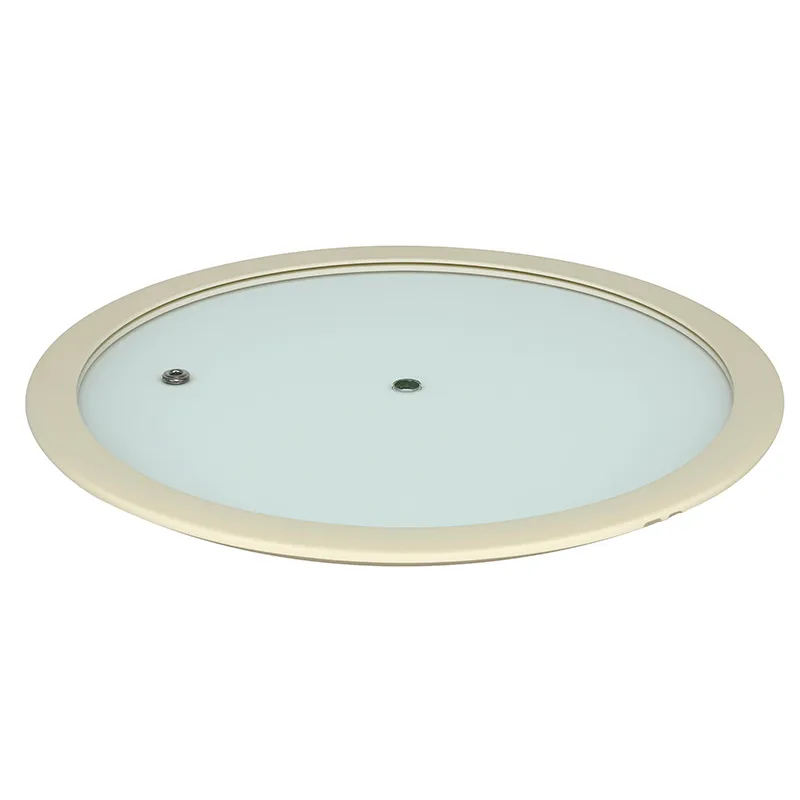
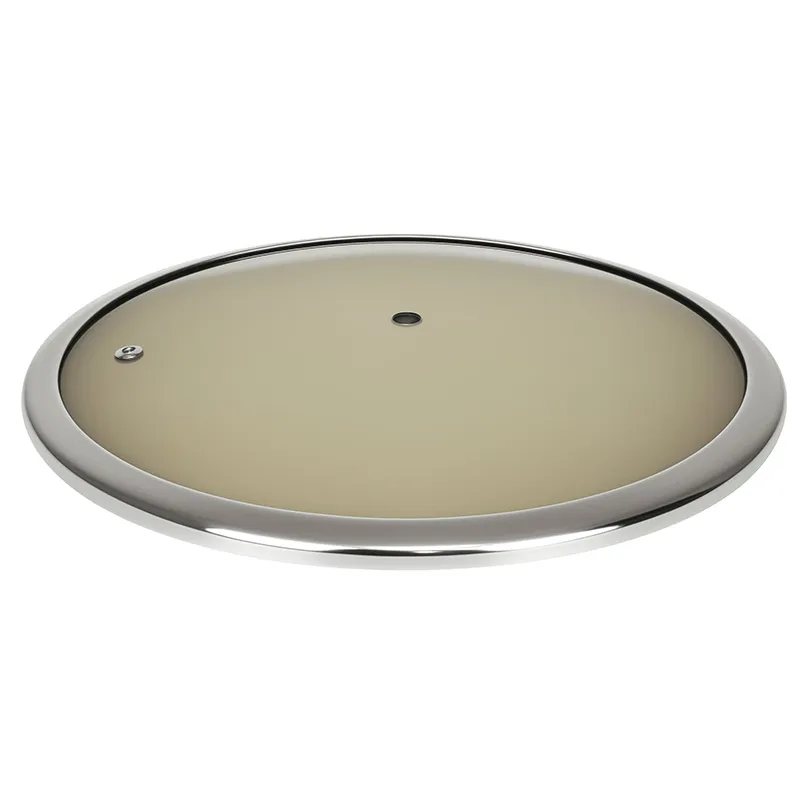
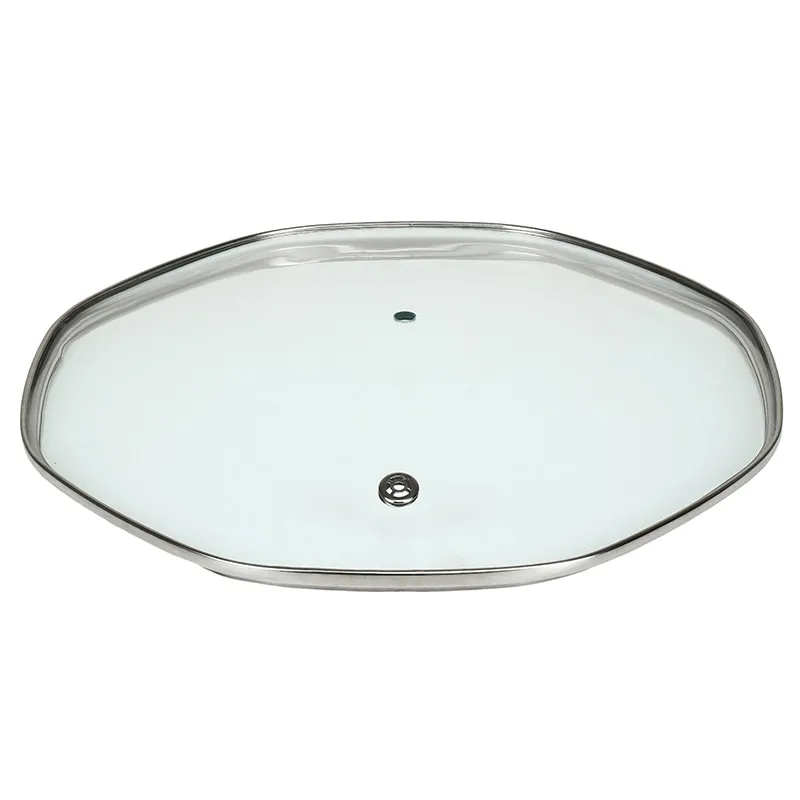
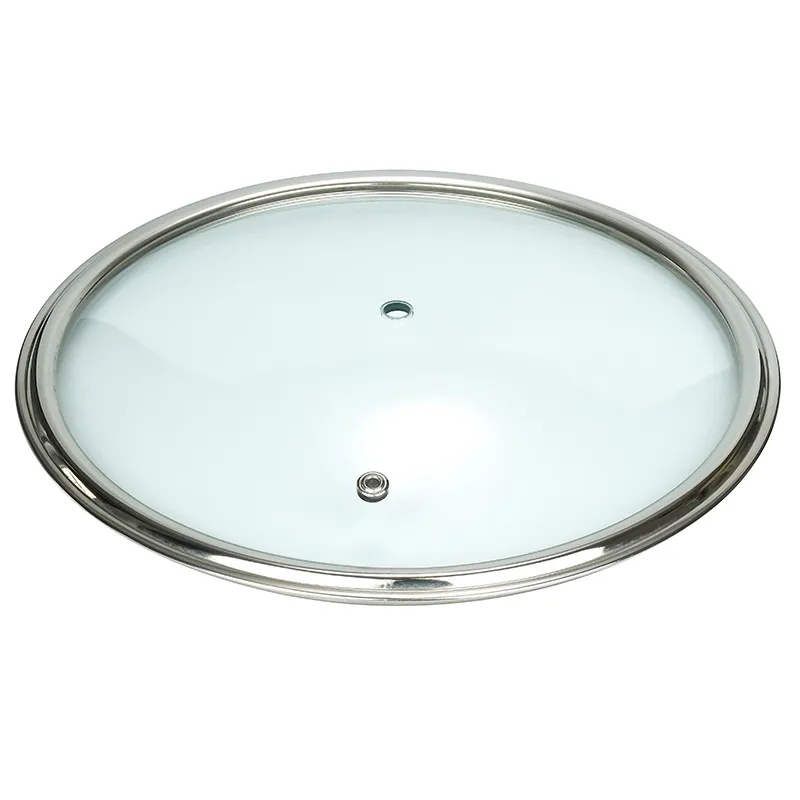
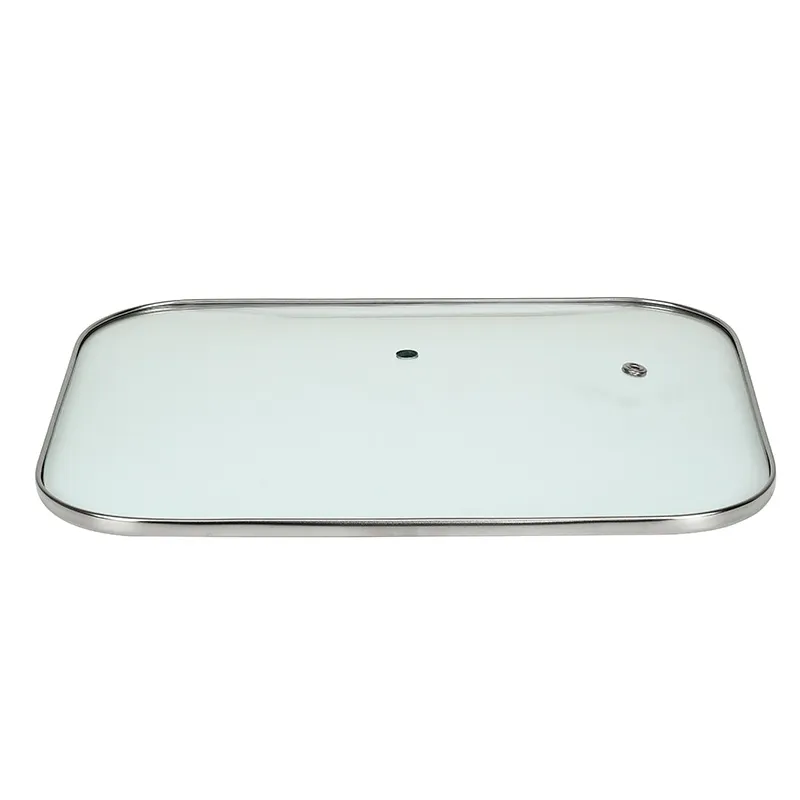
13 inch glass lid for frying pan
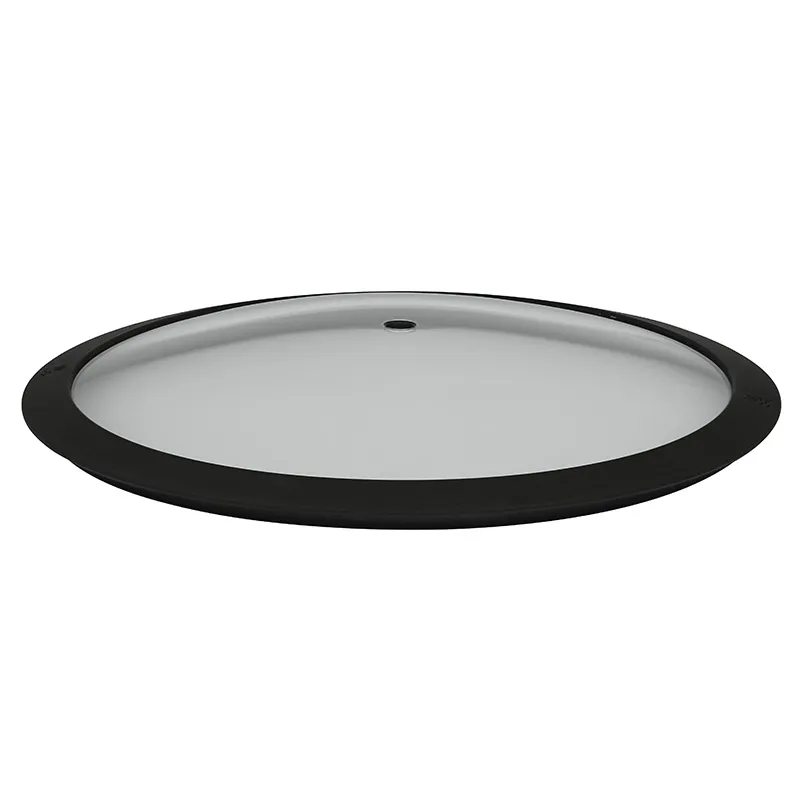
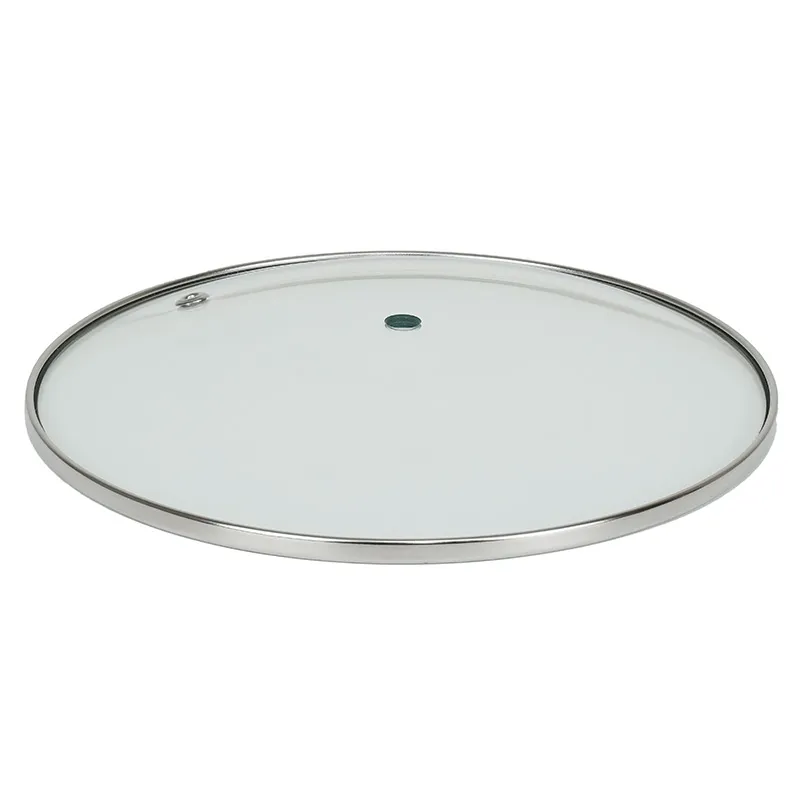
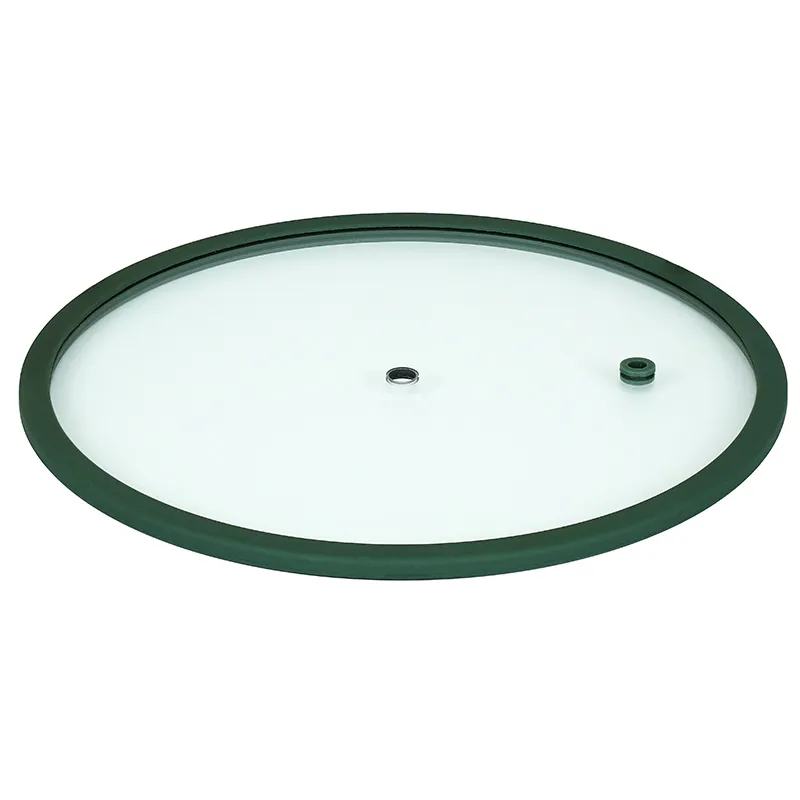
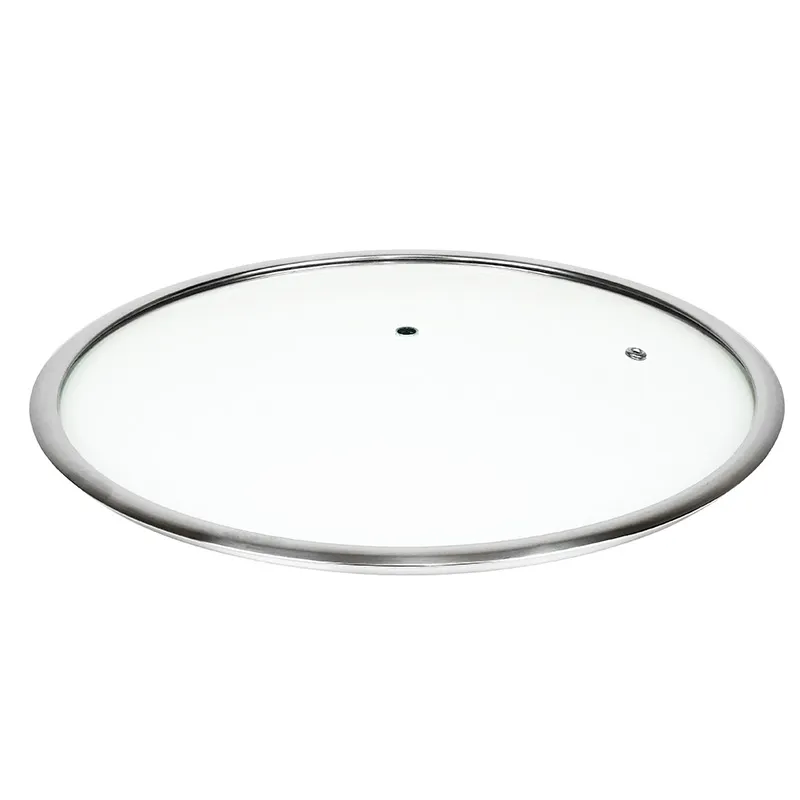
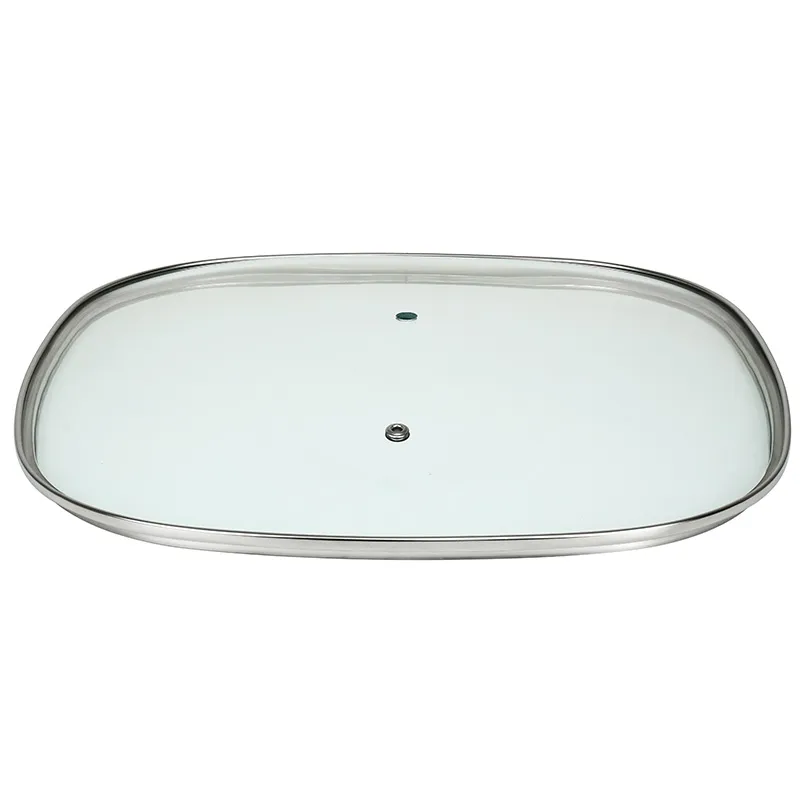
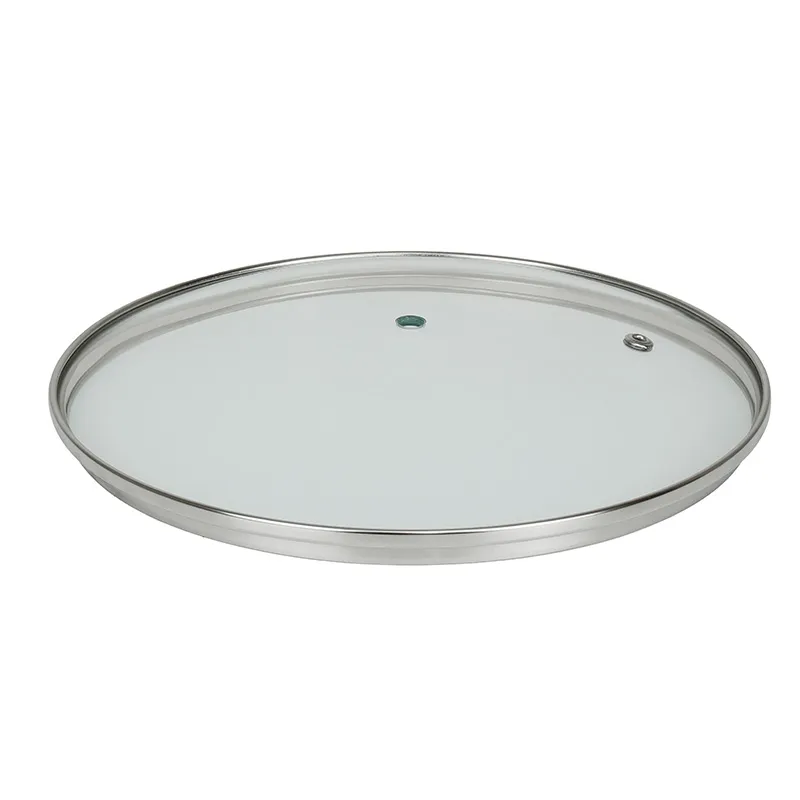
When you hear 13 inch glass lid for frying pan, most folks picture a simple cover, maybe something they grab off the shelf without a second thought. That's the first mistake. In this line of work, I've seen too many treat it as an afterthought, a generic accessory. But the reality? That specific 13-inch diameter, paired with tempered glass, sits in a weirdly crucial niche. It's not for your small sauté pan; it's for the large, often cast iron or heavy-gauge aluminum frying pans and skillets where heat retention and visibility during long, slow cooks matter. The market is flooded with options, but the difference between a lid that cracks under thermal stress and one that lasts for years comes down to details most product listings never mention.
Why 13 Inches Isn't Just a Number
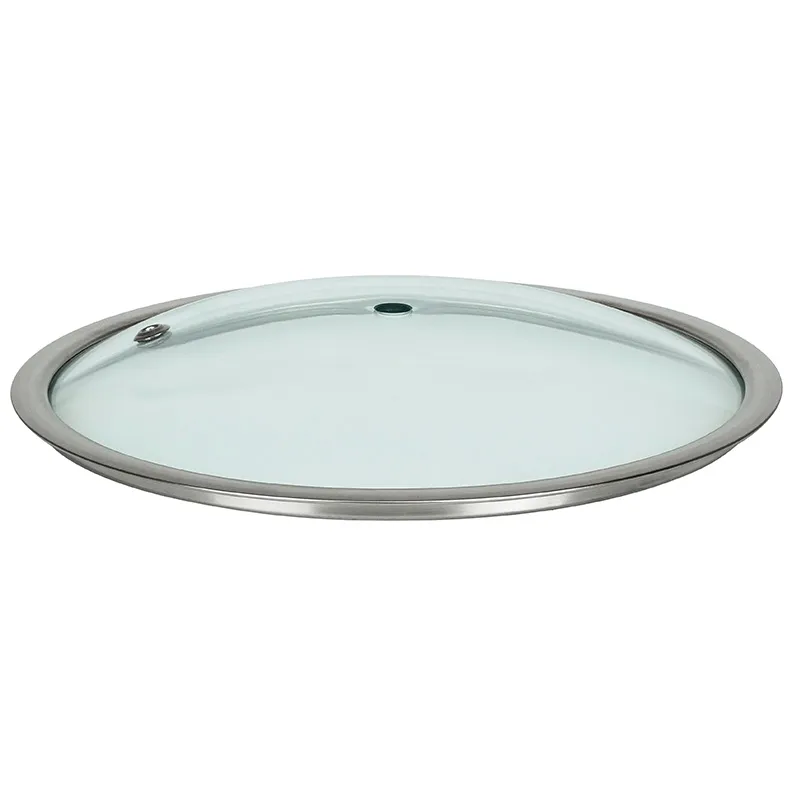
Let's get specific. A 13-inch lid isn't just a scaled-up 10-inch lid. The engineering challenge shifts. The larger the glass span, the more susceptible it is to thermal shock and stress concentration, especially if the pan beneath it isn't perfectly flat (and many aren't). I've had samples from suppliers where the glass would audibly ping when placed on a preheated pan, a sure sign of poor tempering or incorrect curvature. The fit is another thing. It needs a gentle, consistent dome—too flat and it traps too much condensation, causing water to drip back in uneven streams; too steep and it doesn't sit securely. The ideal has a slight, even arch that allows condensation to roll to the edges.
I remember a batch we tested years ago where the stainless steel rim (the band that goes around the glass edge) was too rigid. On paper, that sounds durable, right? In practice, it didn't allow for the minute expansion of the glass when heat hit it centrally. After a few cycles of high-heat searing followed by a lid-on simmer, we got stress fractures radiating from the center. The failure wasn't immediate, which is the dangerous part. It happened after what a consumer would call normal use. That's when you learn that the flexibility of that metal rim is as critical as the glass itself.
This is where a manufacturer's focus matters. A company like EUR-ASIA COOKWARE CO.,LTD, which lists an annual output of over 15 million tempered glass lids, is operating at a scale where these parameters have to be dialed in. Their specialization suggests they've likely iterated on the rim design, the glass thickness profile, and the tempering process specifically for these larger formats. A general glassware shop might not have that depth of failure analysis.
The Tempering Process: Where the Magic (or Disaster) Happens
Tempered glass isn't just strong glass. For a lid, the process must create balanced internal stresses to handle point impacts (like a spoon dropping) and overall thermal differentials. The quench—the rapid cooling phase—is everything. If the air jets aren't calibrated for a 13-inch disc, you get uneven tension. I've seen lids that passed a basic impact test but would shatter into a million pieces when a cold droplet hit the center while the edges were resting on a hot pan rim. That's a specific, real-world failure mode.
You can sometimes spot a poorly tempered lid by looking at it through polarized sunglasses. You might see blotchy patterns or lines (stress patterns). A good one should look mostly uniform. It's a quick, non-scientific check, but it's saved me from approving questionable shipments before. The product pages at glass-lid.com emphasize their production base and volume, which indirectly speaks to process control. High-volume, export-focused production for markets like Germany and Japan implies they're facing stringent import quality checks, which often include standardized thermal shock and impact tests.
Another detail is the handle. For a 13-inch lid, it can't be a dainty knob. It needs a broad base to dissipate heat and a shape you can grab with a pot holder. I prefer stainless steel bolted through the glass with a large, insulating washer. Plastic or phenolic knobs can loosen or degrade over time with steam and heat cycling. The bolt torque is critical—overtighten, and you create a stress point; undertighten, and it wobbles.
Fit and Function: Beyond Covering a Hole
The primary job is to cover, but its secondary functions define quality. Steam control. A good lid should have a subtle, often overlooked feature: the gap between the glass and the rim isn't uniform. There's usually a slightly tighter seal at the front, where you'd pour, and a minimal, consistent gap elsewhere. This manages steam release without it all blasting out one side. Some brands add a steam vent, which I find often becomes a clogged grease trap. I generally prefer the simplicity of a controlled natural gap.
Then there's warping of the pan itself. You might have a perfectly flat lid, but your 13-inch cast iron skillet might have a slight warp from seasoning and cooling. A rigid lid will rock. A well-designed one, with a slightly resilient rim gasket (sometimes just a silicone bead fused into the metal rim), will conform just enough to sit steady without creating an airtight seal. That's a nuance you only appreciate after trying to braise a large cut of meat and hearing the lid clatter with every simmer bubble.
Cleaning is a practical headache. Glass shows every smear of oil. The best lids have a rim design that doesn't trap gunk in a seam between the glass and metal. A fully fused or encapsulated edge is superior to one where the metal is crimped over the glass, leaving a tiny channel for grease to solidify. EUR-ASIA COOKWARE CO.,LTD's focus on household glass products suggests they've probably standardized on a cleaner edge profile for easier cleaning, a big plus for commercial kitchens and home users alike.
The Export Market as a Quality Proxy
When a manufacturer lists that over 90% of products go to Europe, East Asia, and South America, it tells a story. Markets like Germany, Denmark, and Japan have different but universally high standards. Germany might focus on mechanical safety and material compliance (like heavy metal leaching from the rim), while Japan values flawless finish and precise fit. A lid that satisfies these diverse, strict markets is likely a robust product. It's not a guarantee, but it's a stronger signal than a no-name brand with no disclosed market.
This export pressure forces consistency. A 15-million-piece annual output from a single facility, as stated in EUR-ASIA COOKWARE CO.,LTD's intro, means they're running a tight, repeatable process. For a 13 inch glass lid for frying pan, consistency in diameter and curvature is non-negotiable. A retailer doesn't want to deal with returns because a lid doesn't fit a standard 13-inch pan. The volume suggests they've likely standardized their molds and tempering cycles to a high degree.
However, high volume can also mean corners cut. That's why even with such a manufacturer, due diligence is key. You have to ask for their test protocols: What's their thermal shock test cycle? (e.g., from 220°C to 20°C immersion). What's the drop test height? For a 13-inch lid, I'd want to see it survive a 1-meter drop onto a steel frame. Their website, glass-lid.com, serves as a hub, but the real data is usually in the technical sheets you have to request.
Final Thoughts: The Unsexy Necessity
So, the 13 inch glass lid for frying pan is a piece of kitchen gear that operates in the background. You don't celebrate it, but you notice immediately when it's wrong—when it rocks, cracks, or drips all over your stove. The choice ultimately hinges on trusting the manufacturer's process over the product's appearance. A thick, heavy-looking lid isn't necessarily better if the tempering is off.
My advice? Look for transparency in manufacturing origin and market destination. A company that specifies its production scale and export markets, like EUR-ASIA COOKWARE does, is often more reliable than a brand with vague imported labels. Check the rim and handle attachment. Think about the weight—it should have a substantial feel but not be unwieldy.
In the end, it's a component. But in professional cooking and serious home kitchens, the right component lets you focus on the food, not the equipment failing. That's the real value of getting this particular piece right. It's not glamorous, but it's a sign you know what you're doing when you equip a kitchen.
Related Products
Related Products