- Chinese
- French
- German
- Portuguese
- Spanish
- Russian
- Japanese
- Korean
- Arabic
- Irish
- Greek
- Turkish
- Italian
- Danish
- Romanian
- Indonesian
- Czech
- Afrikaans
- Swedish
- Polish
- Basque
- Catalan
- Esperanto
- Hindi
- Lao
- Albanian
- Amharic
- Armenian
- Azerbaijani
- Belarusian
- Bengali
- Bosnian
- Bulgarian
- Cebuano
- Chichewa
- Corsican
- Croatian
- Dutch
- Estonian
- Filipino
- Finnish
- Frisian
- Galician
- Georgian
- Gujarati
- Haitian
- Hausa
- Hawaiian
- Hebrew
- Hmong
- Hungarian
- Icelandic
- Igbo
- Javanese
- Kannada
- Kazakh
- Khmer
- Kurdish
- Kyrgyz
- Latin
- Latvian
- Lithuanian
- Luxembou..
- Macedonian
- Malagasy
- Malay
- Malayalam
- Maltese
- Maori
- Marathi
- Mongolian
- Burmese
- Nepali
- Norwegian
- Pashto
- Persian
- Punjabi
- Serbian
- Sesotho
- Sinhala
- Slovak
- Slovenian
- Somali
- Samoan
- Scots Gaelic
- Shona
- Sindhi
- Sundanese
- Swahili
- Tajik
- Tamil
- Telugu
- Thai
- Ukrainian
- Urdu
- Uzbek
- Vietnamese
- Welsh
- Xhosa
- Yiddish
- Yoruba
- Zulu
- Kinyarwanda
- Tatar
- Oriya
- Turkmen
- Uyghur


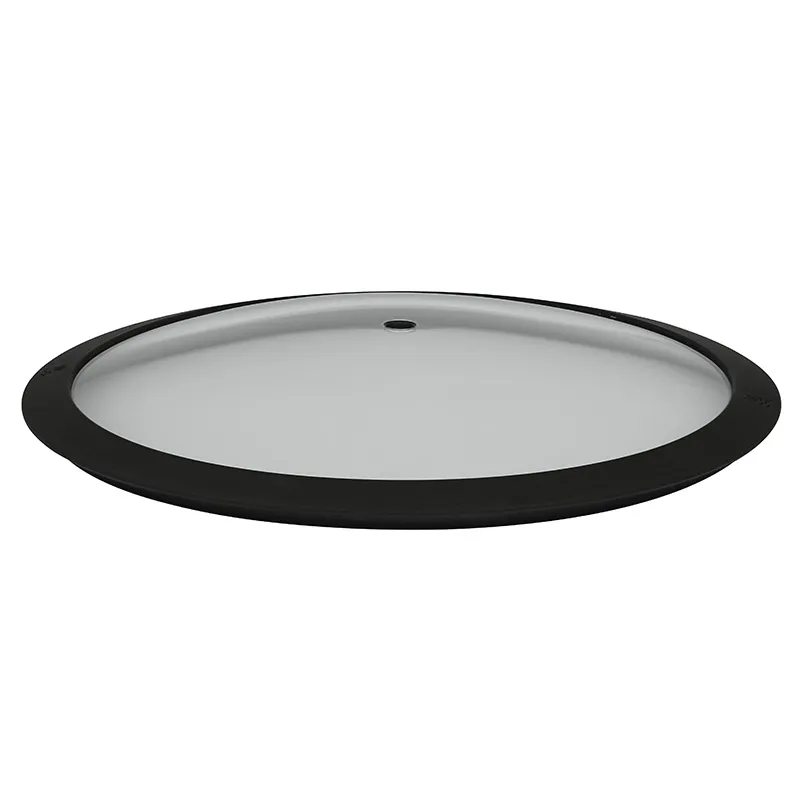
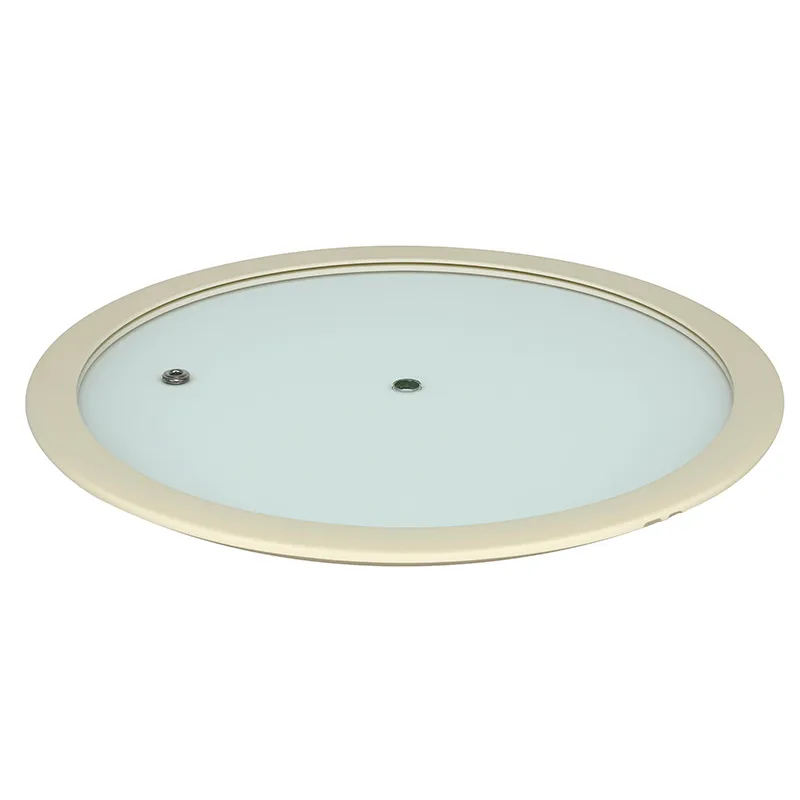
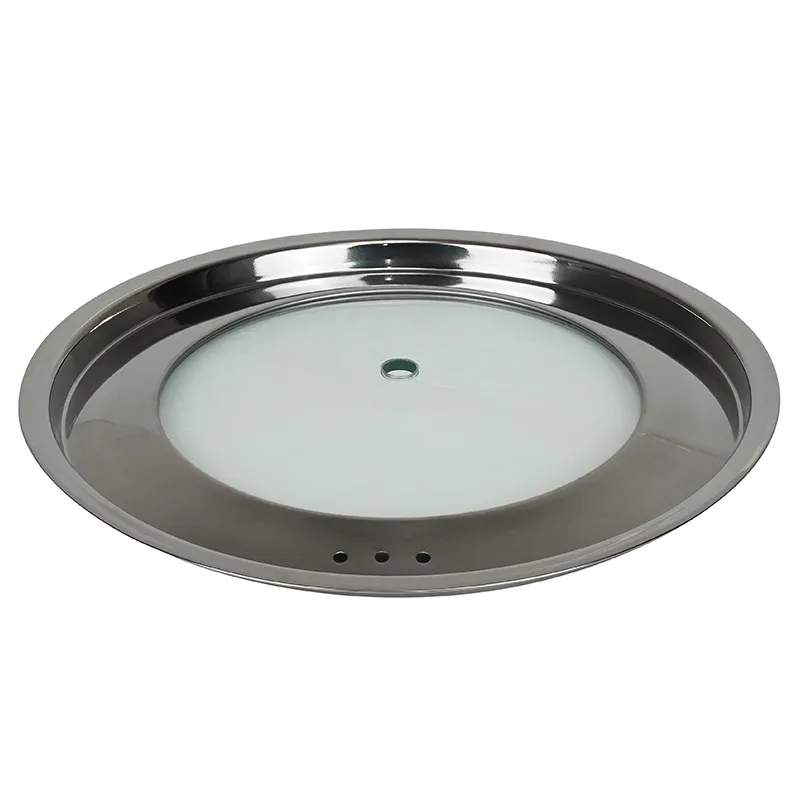
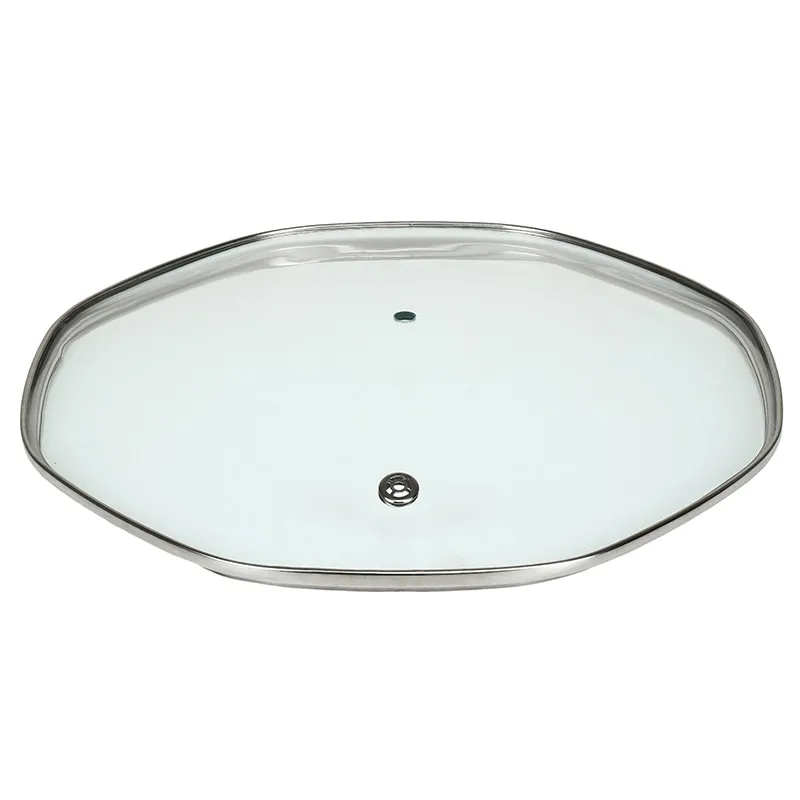
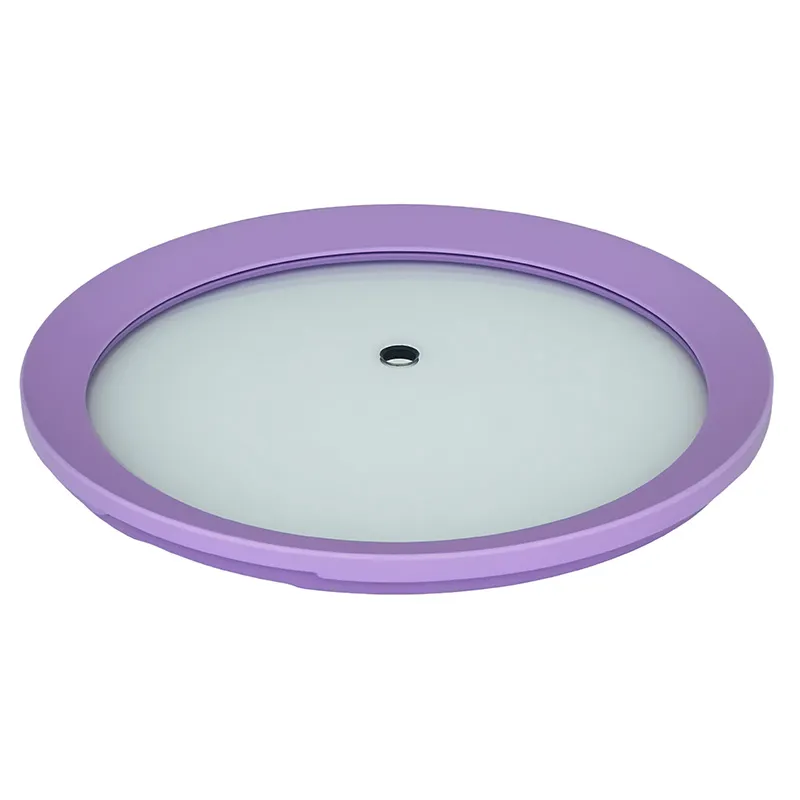
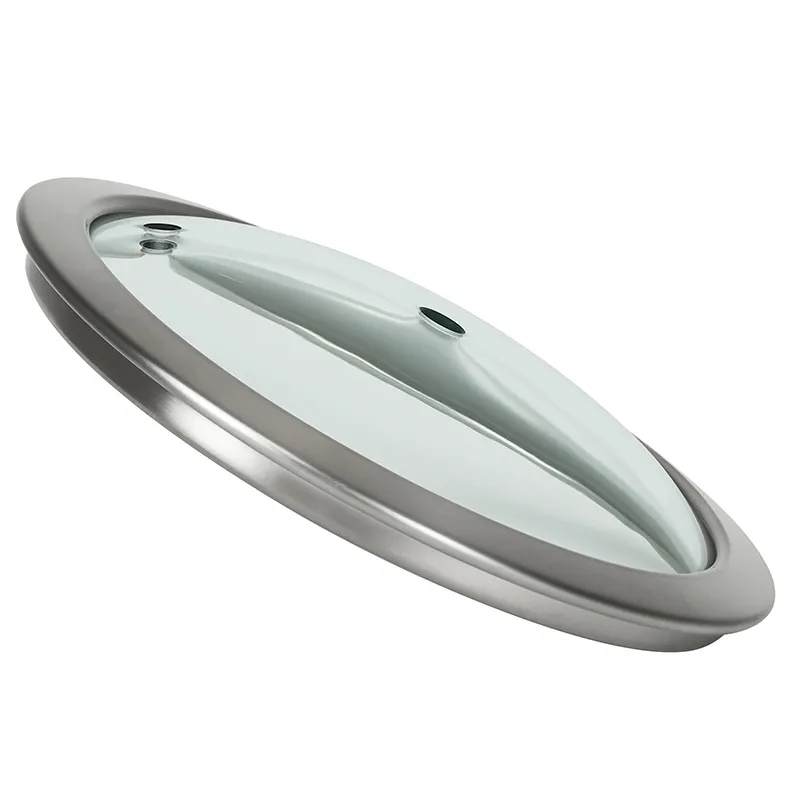
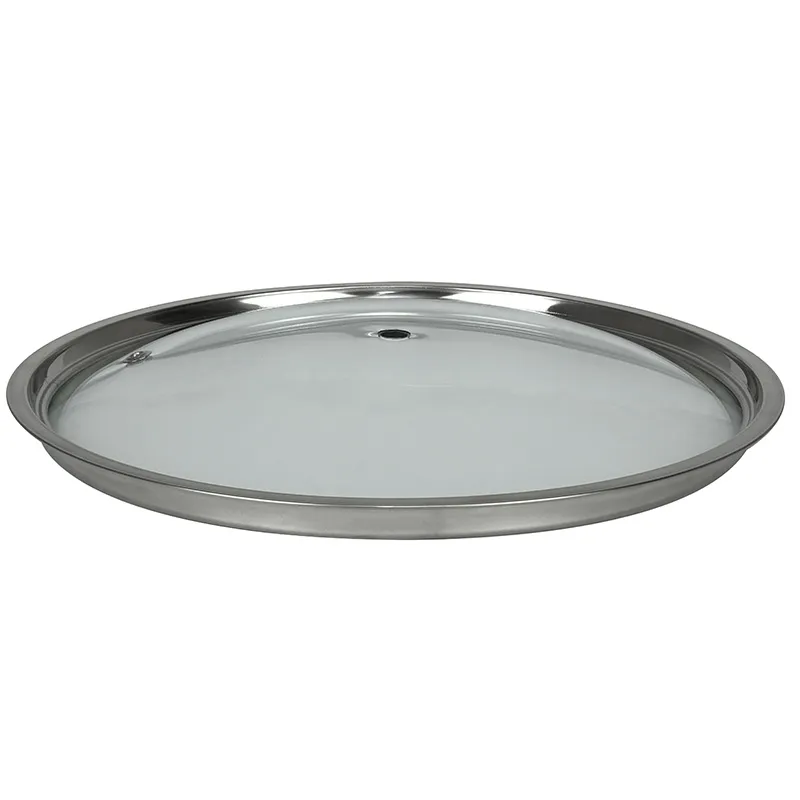
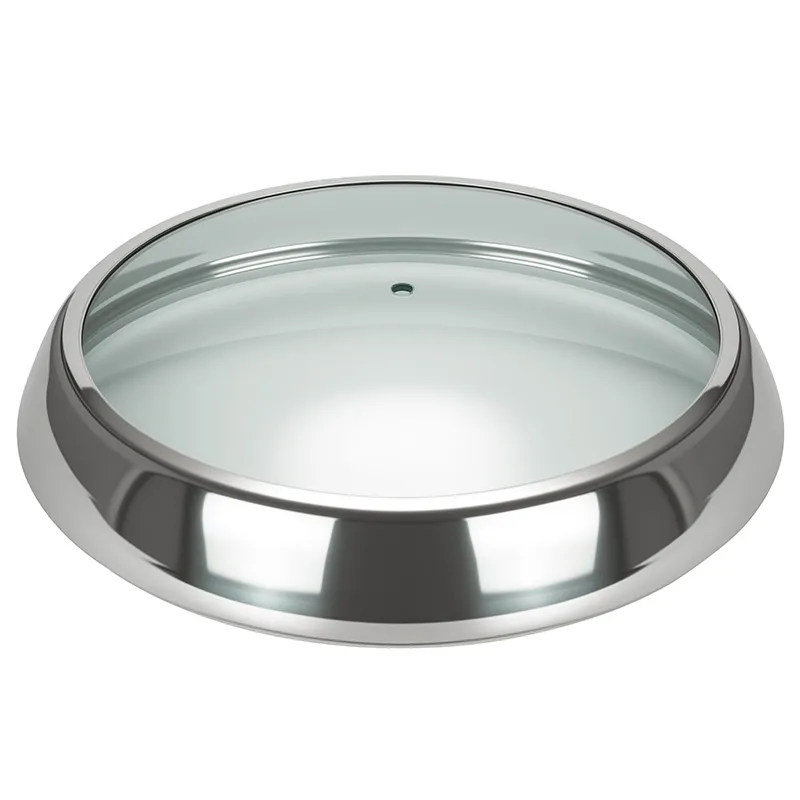
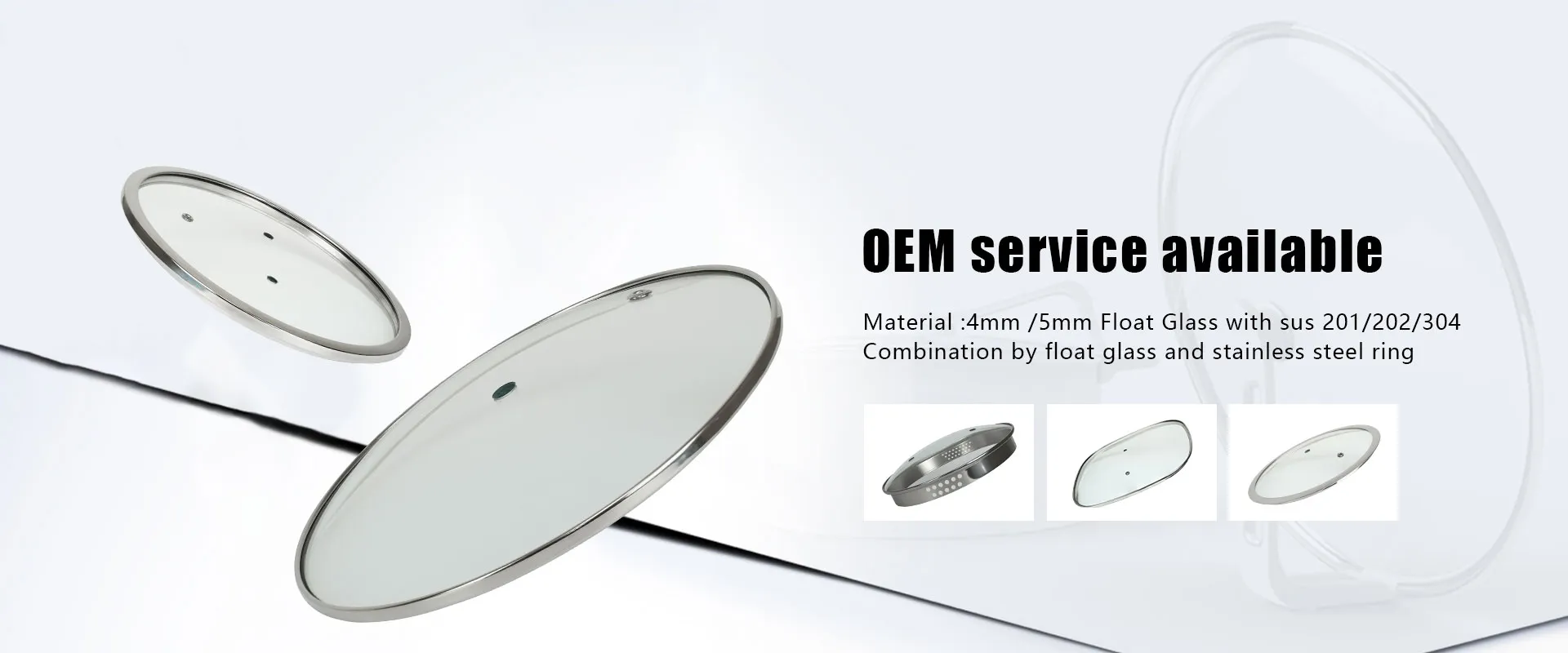
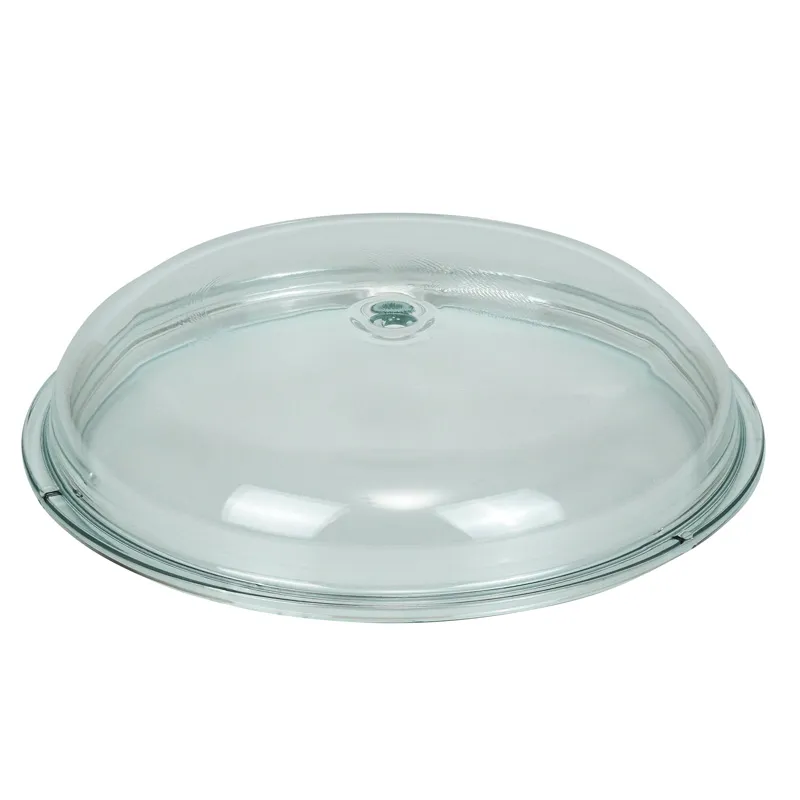
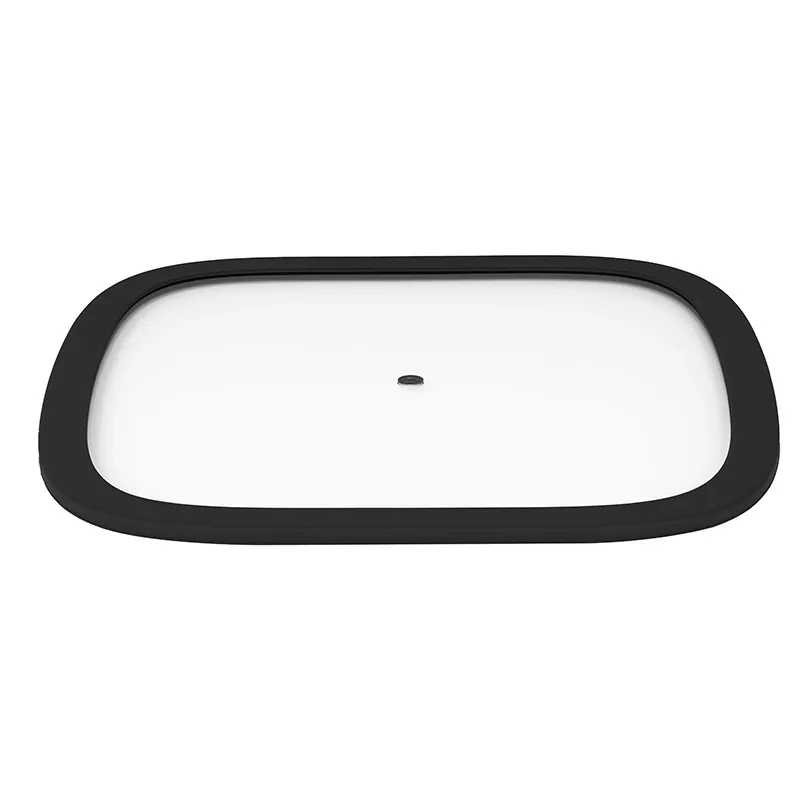
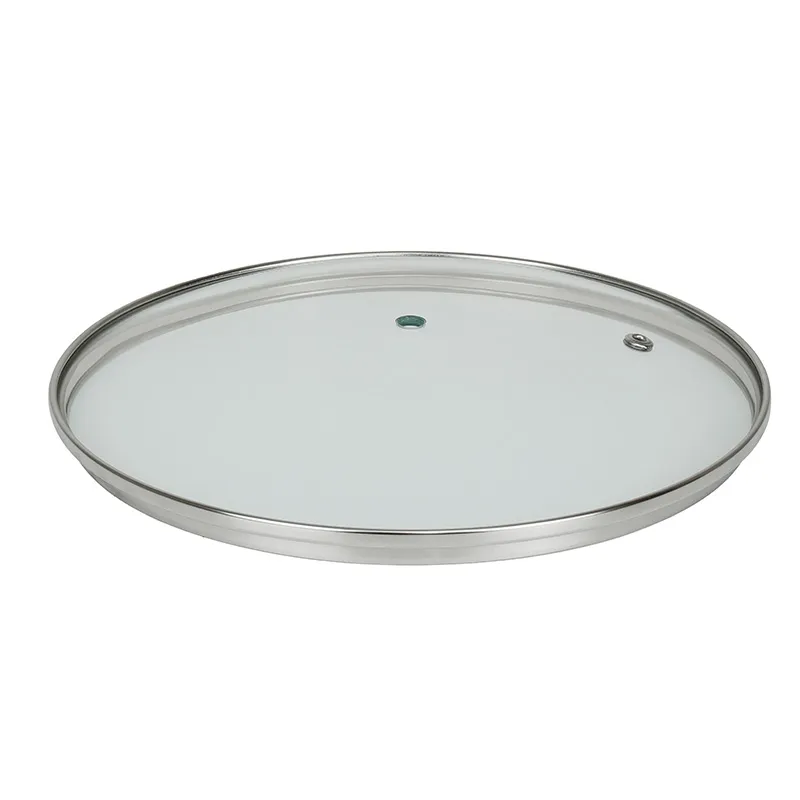
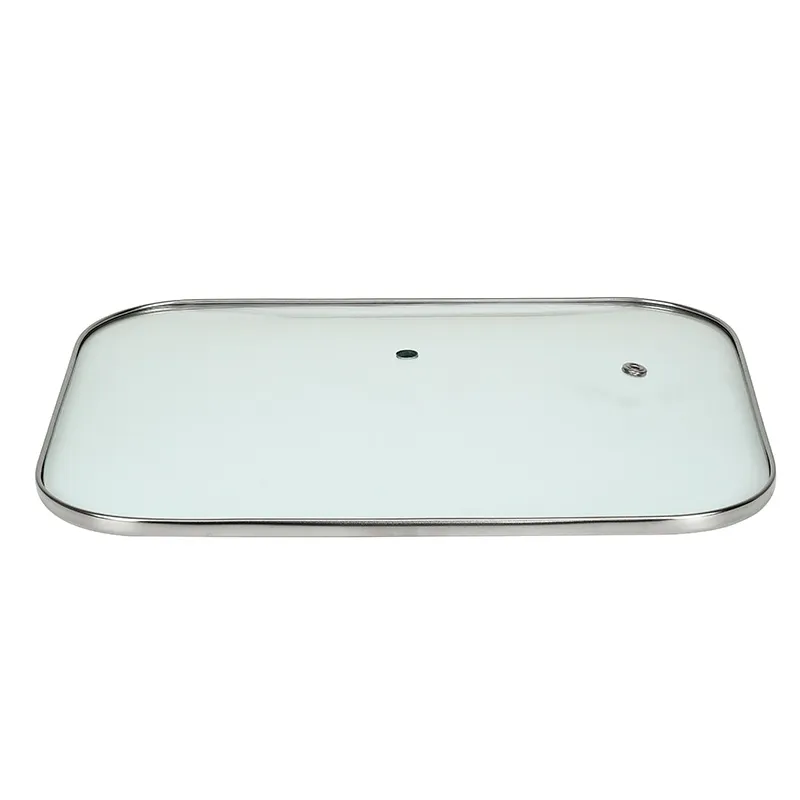
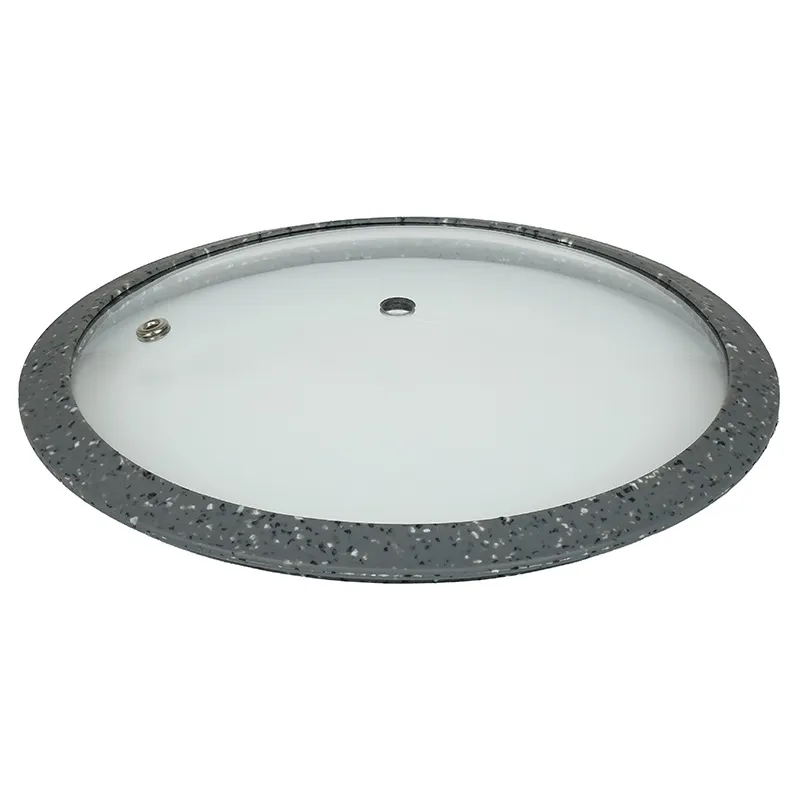
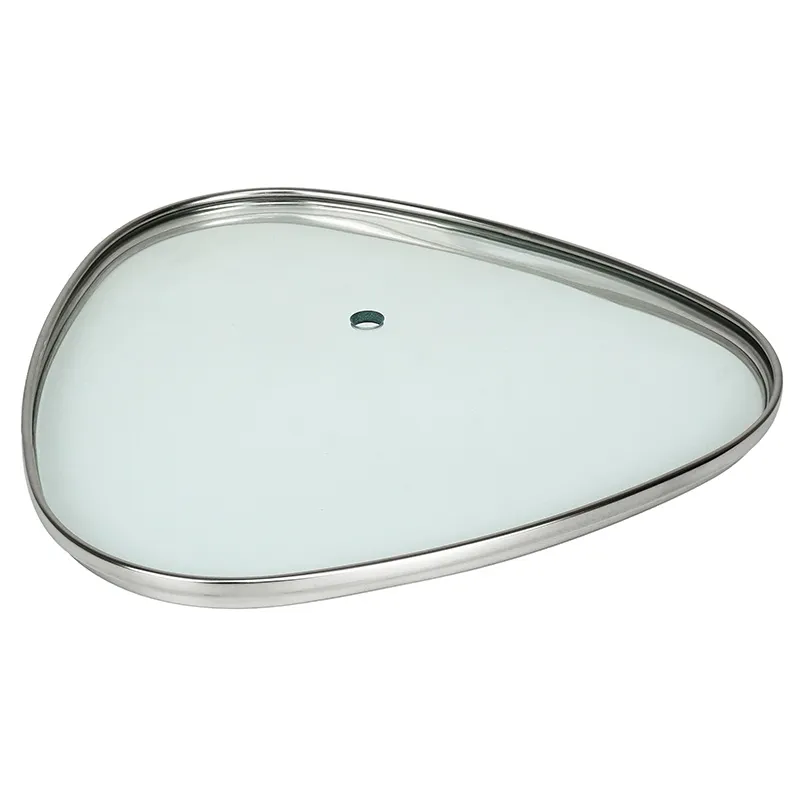
13 inch tempered glass lid
Let's talk about the 13 inch tempered glass lid. It sounds straightforward, right? A piece of toughened glass cut to a specific diameter. But in the cookware industry, especially when you're sourcing or specifying for OEMs, that's where the assumptions start to crack. Most buyers, even seasoned ones, fixate on the diameter and the tempered label, thinking that's the whole spec sheet. They'll order a container of 13 inch lids based on price per unit and maybe a basic thickness, and then get blindsided by issues in production or returns from end-users. The reality is, the diameter is just the starting point for a conversation that involves edgework, thermal shock resistance, bowing, and the often-overlooked fit for the specific pot or pan curvature. I've seen too many projects stall because someone treated this as a commodity item.
Beyond the Diameter: The Unspoken Specs
When we say 13 inch, we're typically talking about the nominal outer diameter. The first pitfall is not clarifying the actual measurement. Is it 13 inches exactly, or 330mm? There's a difference, and it matters for fit. More critically, the inner diameter or the fit diameter for the pot's flange is what actually determines functionality. A lid that sits on top versus one that sits inside the rim behaves completely differently under steam pressure.
The tempering process itself is a black box for many. True thermal tempering for a lid this size isn't just about strength; it's about managing stress patterns to prevent spontaneous breakage—a rare but catastrophic failure mode. I recall a batch for a European client where we had to adjust the quenching air flow specifically for the 13 inch size. Smaller lids were fine with the standard setup, but the larger surface area of the 13 inch meant the center and edges were cooling at drastically different rates, leading to subtle bowing and stress points. We dialed it in over three production runs, tweaking the furnace conveyor speed and air knife pressure. It wasn't in any manual; it was trial, error, and a lot of fragmented glass.
Then there's the edgework. A simple seamed edge is cheap and common, but for a lid that will be handled frequently, a polished or even a softly ground edge makes a tangible difference in user perception and safety. For a company like EUR-ASIA COOKWARE CO.,LTD, which exports over 90% of its output to markets like Germany and Japan, this detail is non-negotiable. Their production base in Taian has the polishing lines to handle these finer finishes at scale, which isn't a given for every factory. You can find their specific approach to these finishing touches on their portal at https://www.glass-lid.com.
The Curvature Conundrum and Real-World Testing
This is where theoretical specs meet the real world. A 13 inch lid is rarely flat. It's usually domed to accommodate food and allow steam condensation to roll back into the pot. The radius of that dome is critical. We once worked on a line of stock pots where the lid curvature was off by just 3mm in sagitta (the height of the dome). The result? The lid would rock on the pot, creating a poor seal and an annoying wobble. The client's quality control missed it because they were only checking diameter and thickness. We caught it during a pre-shipment fit check on random samples from the production line.
Thermal shock testing is another area full of half-truths. The standard test might involve moving the lid from a 200°C oven to a 20°C water bath. But in a real kitchen, the stress is more uneven—a hot lid placed on a cold granite countertop, or cold water splashed on one spot while cooking. We've moved towards more asymmetric testing, like applying a localized cold spray to the center of a hot lid. It's brutal, but it reveals weaknesses in the tempering uniformity that the standard test won't. A well-tempered 13 inch lid from a proficient manufacturer should withstand this.
Speaking of manufacturers, the scale of operation matters. A facility producing 15 million pieces annually, like EUR-ASIA's setup, has a different rhythm and consistency than a smaller shop. Their volume allows for dedicated lines and more controlled processes for a 13 inch tempered glass lid. The downside, if any, is the need for massive, standardized orders. They're built for filling containers for Brazil or Poland, not for a boutique brand's 500-piece trial run. Their company intro mentions this export focus, which tells you about their compliance and packaging standards for long-haul logistics.
Handles, Knobs, and the Points of Failure
The glass is one thing; the attachment point for the handle or knob is another common failure vector. For a 13 inch lid, the handle needs to be substantial enough for a secure grip but attached in a way that doesn't compromise the glass. The industry has largely moved away from glued-on metal handles for high-end lines. The preferred method is a stainless steel bolt-through assembly with a large, insulating phenolic or stainless knob, using a compliant silicone gasket to cushion the glass.
I've seen failures where the silicone gasket was either too hard or too thin, transmitting stress directly to the glass. Under repeated heating and cooling, this creates micro-cracks around the mounting hole, eventually leading to a radial crack. The fix was specifying a softer, food-grade silicone washer with a specific durometer and thickness. It seems minor, but it's the kind of detail that separates a lid that lasts years from one that fails in months.
Another anecdote: a client insisted on a very small, minimalist metal knob for a sleek design. For an 8 inch lid, it was fine. For the heavy 13 inch version, it was a usability and safety nightmare—hard to grip with a pot holder, leading to drops. We had to push back and redesign. The lesson was that accessory specs cannot be scaled linearly with lid diameter.
Packaging, Logistics, and the Hidden Cost
Never underestimate packaging for a large, fragile glass item. A 13 inch tempered glass lid requires rigid, form-fitting packaging that protects the edges and the surface from abrasion during shipping. In a container from China to Europe, vibrations can be incredible. Simple cardboard sleeves result in a 5-8% breakage rate, which kills any margin. Molded pulp inserts or high-density EPS foam are the standard for serious exporters.
EUR-ASIA COOKWARE CO.,LTD has this down to a science, given their export volume. Their packaging likely accounts for stackability in the container and humidity resistance. A visit to their site at glass-lid.com shows an emphasis on their comprehensive process, from production to export-ready packaging. This isn't marketing fluff; it's a core competency when you're shipping millions of pieces. The low- medium- high level range in their description hints at their ability to tailor this entire chain, from the glass quality to the final packaging, based on the buyer's price point and market.
The logistics cost per unit is a hidden factor. A 13 inch lid in a protective box takes up significant space. When you're sourcing, the FOB price might look good, but the shipping cost per unit (CIF) can surprise you. It often makes financial sense to consolidate orders for multiple lid sizes or related kitchen accessories to fill a container efficiently. This is where a supplier with a broad range, like one producing various types of tempered glass lids and other kitchen glassware, provides an advantage.
Final Thoughts: It's a Component, Not a Commodity
So, wrapping this up, the key takeaway is to stop thinking of a 13 inch tempered glass lid as a simple, off-the-shelf buy. It's a precision component for a cooking system. The diameter is the entry ticket. The real discussion needs to be about edgework (polished, seamed, ground), dome curvature (to match your pot profile), thermal shock resilience under asymmetric conditions, handle attachment methodology, and packaging specs that will get it to your assembly line or end customer intact.
Companies that have been through this, like EUR-ASIA, have the jigs, the testing protocols, and the experience with different market standards (German vs. Brazilian vs. Korean preferences can vary) baked into their process. Their specialization in household glass products across tiers means they've likely seen most of the failure modes and requirements.
If you're specifying or buying, your checklist should go far beyond 13 inch tempered glass. Ask for samples and subject them to your own torture tests—uneven heating, grip tests with oven mitts, fit checks on your actual pots. The difference between a good lid and a great one isn't always on the spec sheet; it's in the hands-on, slightly messy experience of making them work day after day in a real kitchen. That's what you're ultimately paying for.
Related Products
Related Products