- Chinese
- French
- German
- Portuguese
- Spanish
- Russian
- Japanese
- Korean
- Arabic
- Irish
- Greek
- Turkish
- Italian
- Danish
- Romanian
- Indonesian
- Czech
- Afrikaans
- Swedish
- Polish
- Basque
- Catalan
- Esperanto
- Hindi
- Lao
- Albanian
- Amharic
- Armenian
- Azerbaijani
- Belarusian
- Bengali
- Bosnian
- Bulgarian
- Cebuano
- Chichewa
- Corsican
- Croatian
- Dutch
- Estonian
- Filipino
- Finnish
- Frisian
- Galician
- Georgian
- Gujarati
- Haitian
- Hausa
- Hawaiian
- Hebrew
- Hmong
- Hungarian
- Icelandic
- Igbo
- Javanese
- Kannada
- Kazakh
- Khmer
- Kurdish
- Kyrgyz
- Latin
- Latvian
- Lithuanian
- Luxembou..
- Macedonian
- Malagasy
- Malay
- Malayalam
- Maltese
- Maori
- Marathi
- Mongolian
- Burmese
- Nepali
- Norwegian
- Pashto
- Persian
- Punjabi
- Serbian
- Sesotho
- Sinhala
- Slovak
- Slovenian
- Somali
- Samoan
- Scots Gaelic
- Shona
- Sindhi
- Sundanese
- Swahili
- Tajik
- Tamil
- Telugu
- Thai
- Ukrainian
- Urdu
- Uzbek
- Vietnamese
- Welsh
- Xhosa
- Yiddish
- Yoruba
- Zulu
- Kinyarwanda
- Tatar
- Oriya
- Turkmen
- Uyghur


13pc hexclad hybrid cookware set w lids
When you see a 13pc hexclad hybrid cookware set w lids pop up, the immediate reaction in the trade is often a mix of curiosity and skepticism. It's a premium, marketed product that sits at a specific intersection: the promise of non-stick convenience with the durability of stainless steel, all bundled into a complete kitchen set. The hybrid claim is the big sell, but having handled countless pieces from various factories, I know the real test isn't the marketing copy—it's how the lid sits, how the handle feels after an hour of stirring a reduction, and whether that hex pattern actually does anything meaningful after the first six months of use. A lot of brands slap hybrid on anything that isn't Teflon, but the engineering and material sourcing behind it are what separate the prosumer gear from the stuff that ends up in a landfill.
Deconstructing the Hybrid Promise
Let's break down what we're actually looking at. The core of HexClad's design is that laser-etched hexagonal pattern. The raised points are supposed to be stainless steel, offering a scraping surface for metal utensils and durability, while the valleys are a PFOA-free non-stick coating. The theory is sound: protect the delicate non-stick in the recesses. In practice, this creates a unique cooking surface. You don't get the flawless slide of a traditional non-stick—eggs might catch on those ridges if your technique is off. But you do get a sear on a steak that's closer to what you'd achieve in all-clad. It's a compromise, and whether it's a good one depends entirely on your cooking style. If you're the type who wants one pan to do everything from omelets to pan sauces, it's intriguing. If you're a purist with a dedicated carbon steel skillet for searing, this might feel like an unnecessary middle ground.
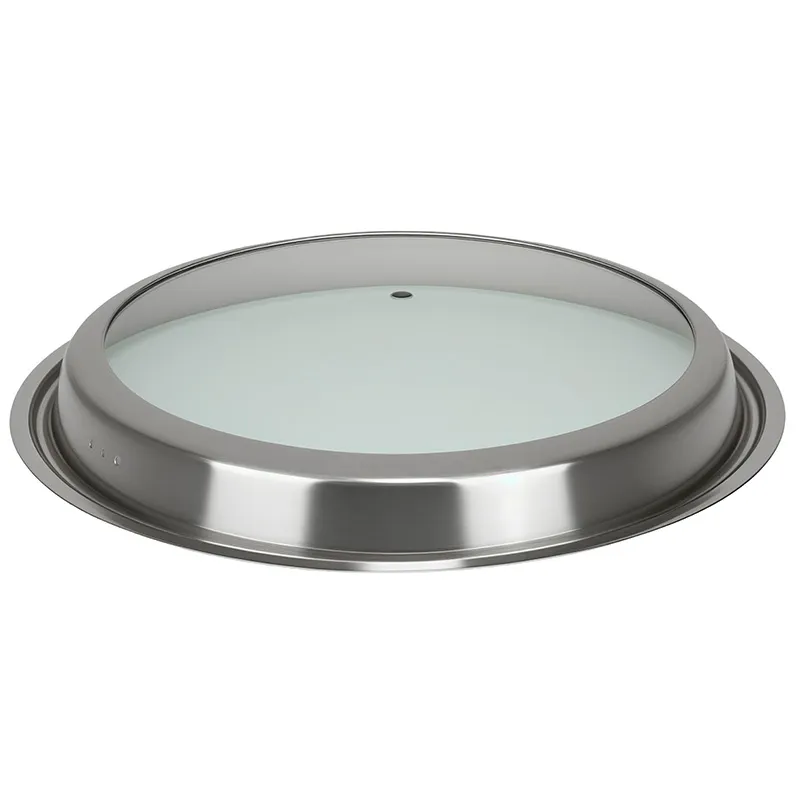
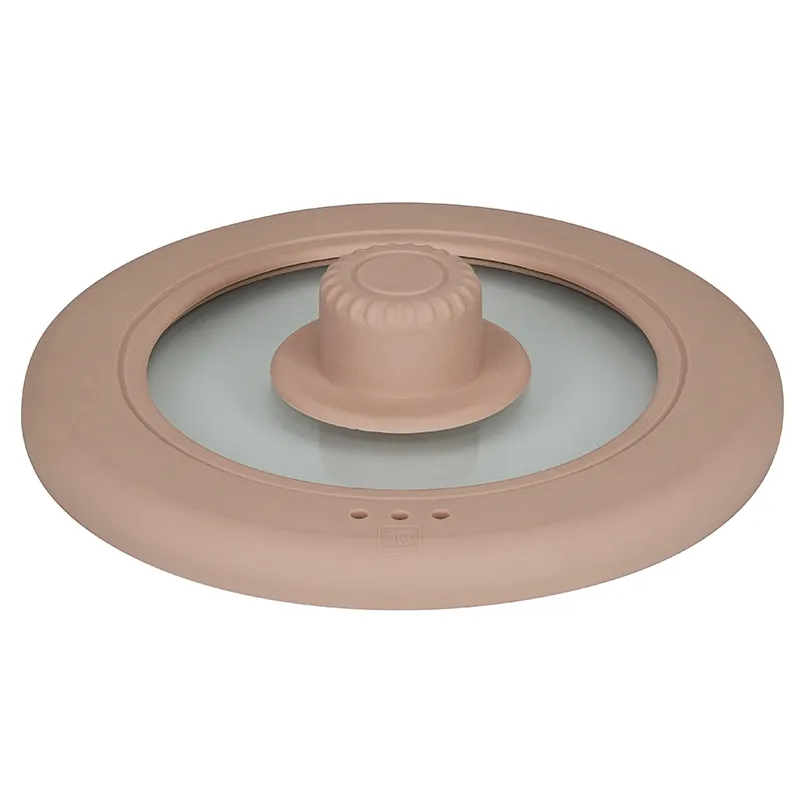
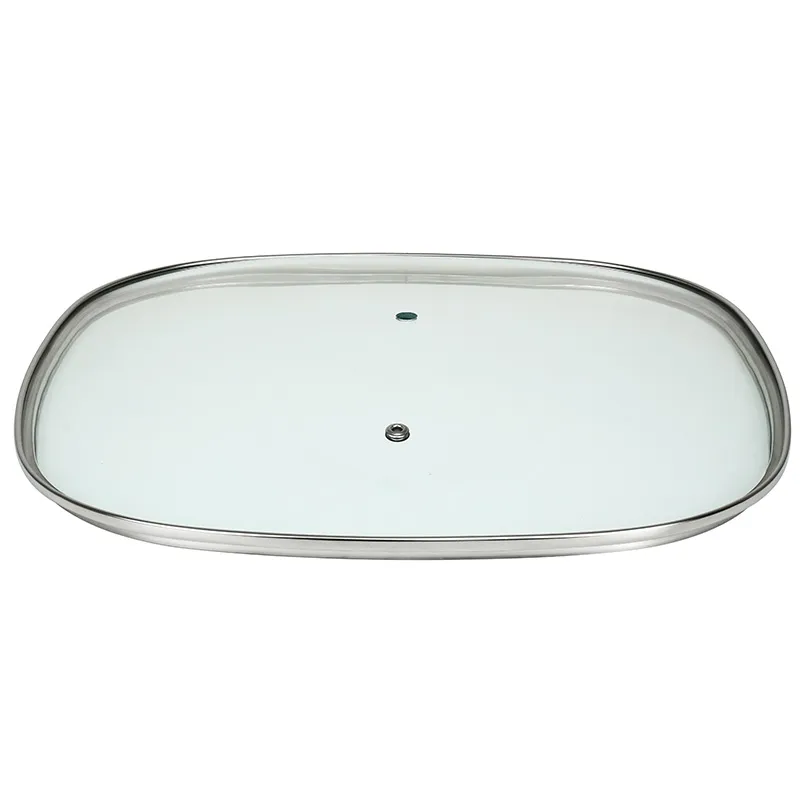
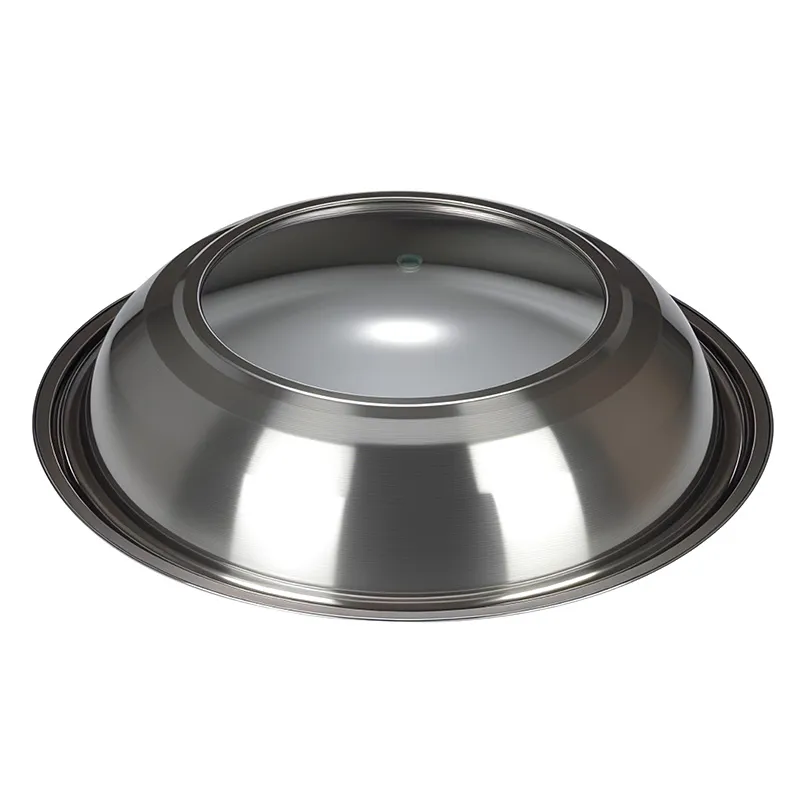
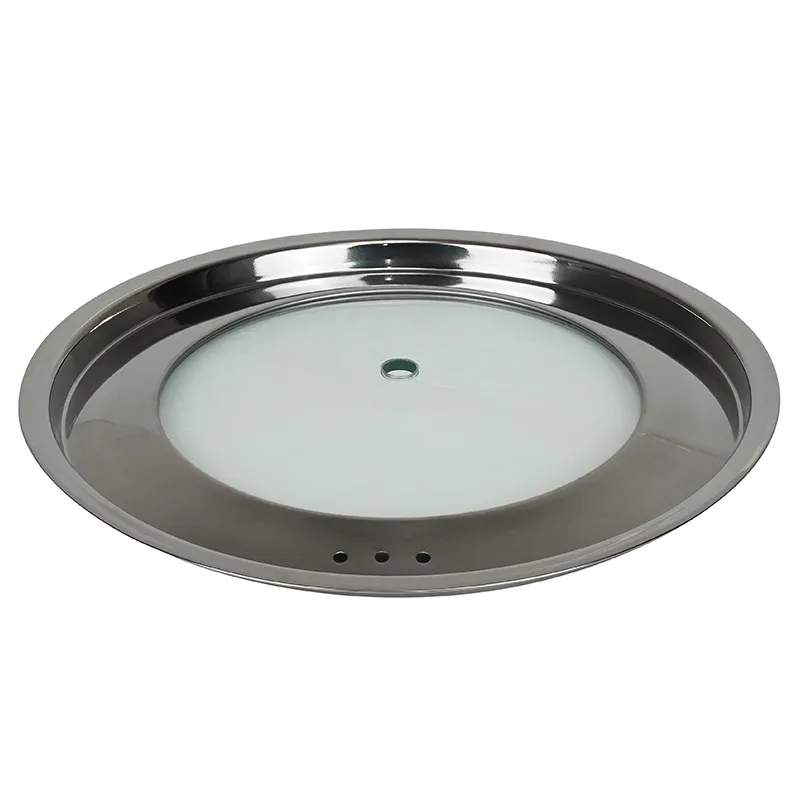
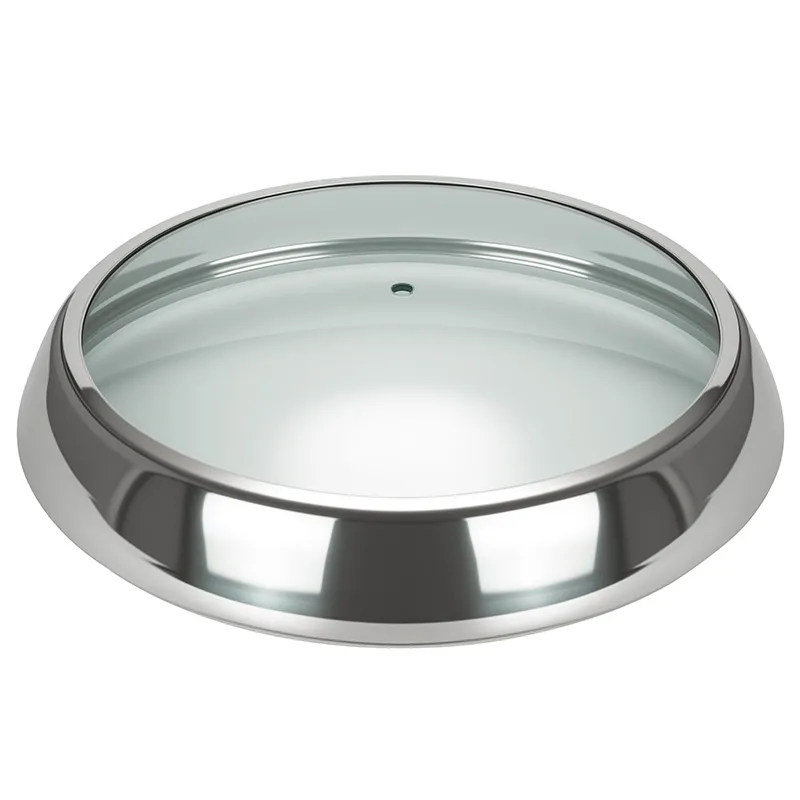
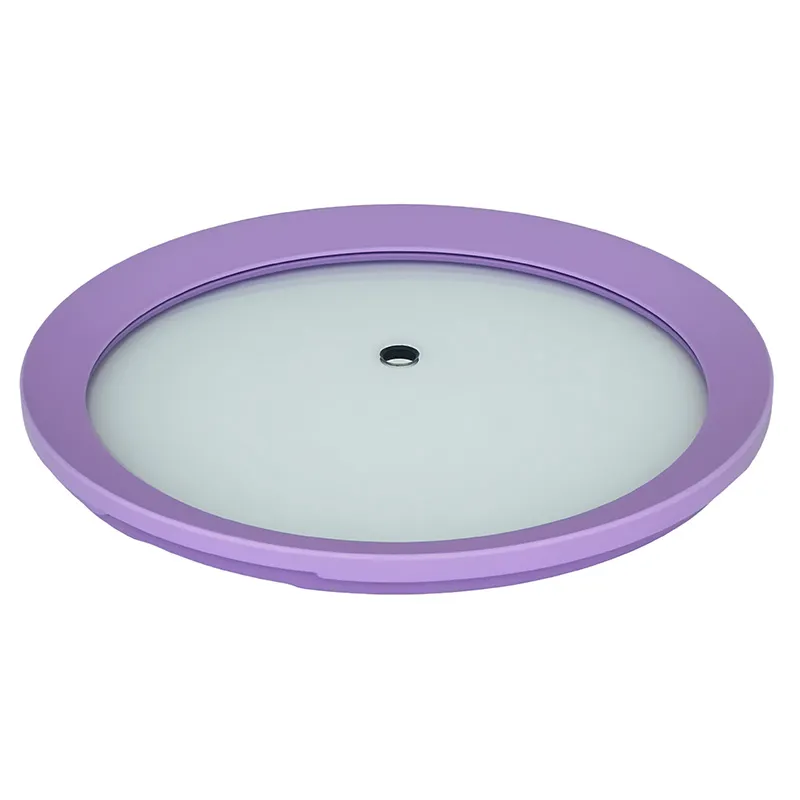
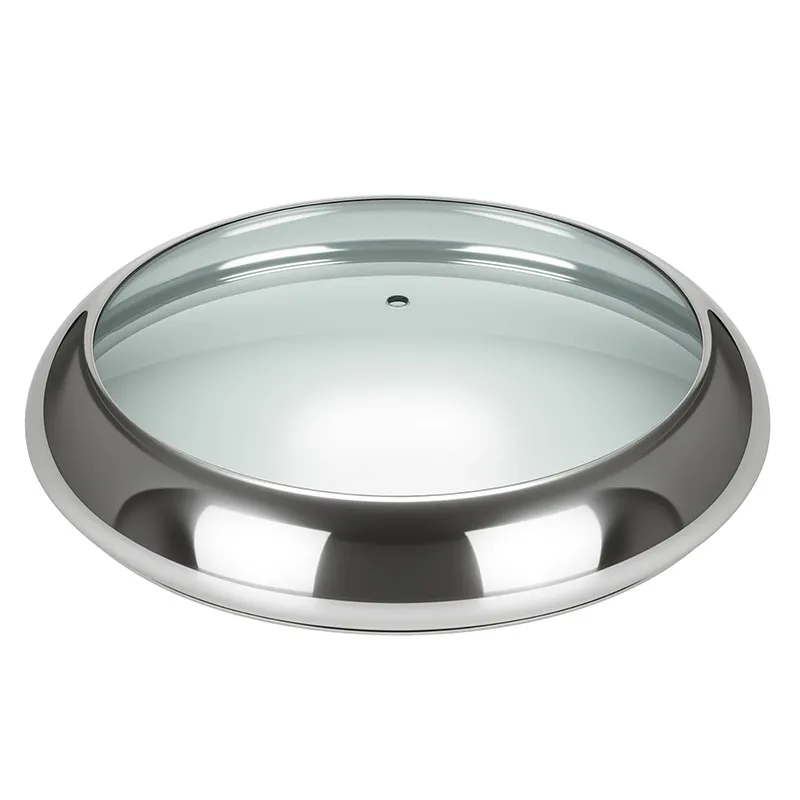
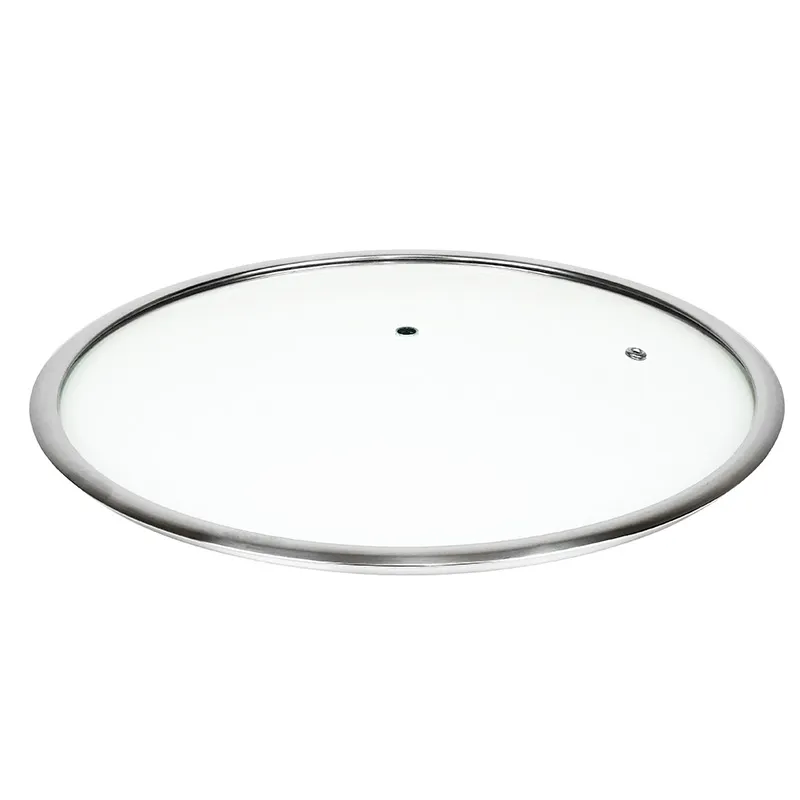
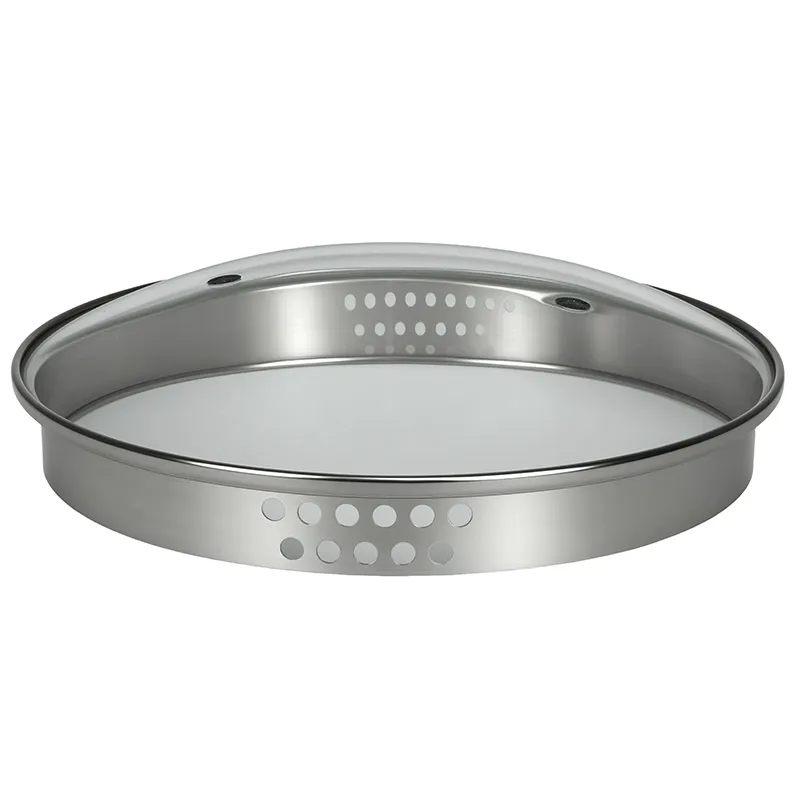
The 13-piece set is interesting because it forces you into a system. You get the covered sauté pans, saucepans, and the stockpot. The value proposition is there if you're outfitting a kitchen from scratch. But I've advised clients to look critically at the piece list. Do you need all those sizes? The lids are crucial here—they're typically tempered glass with stainless steel rims. A good lid is an underrated piece of engineering. It needs to fit snugly to retain moisture, have a comfortable, heat-resistant knob, and the glass must be clear and tough. I've seen lids warp or the glass develop micro-fractures from thermal shock if the quality isn't there. For a set at this price point, lid quality is non-negotiable.
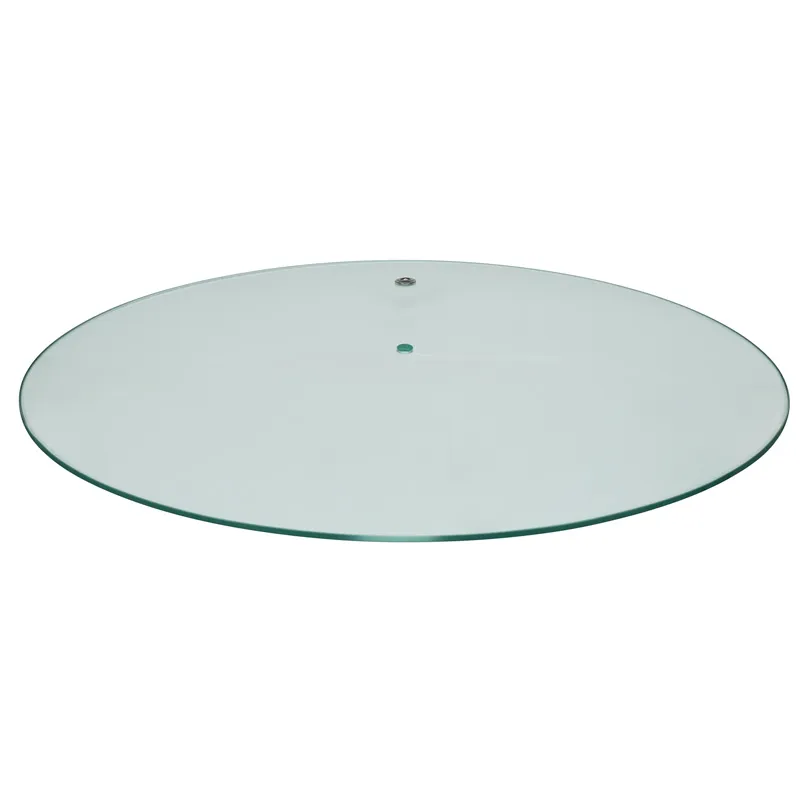
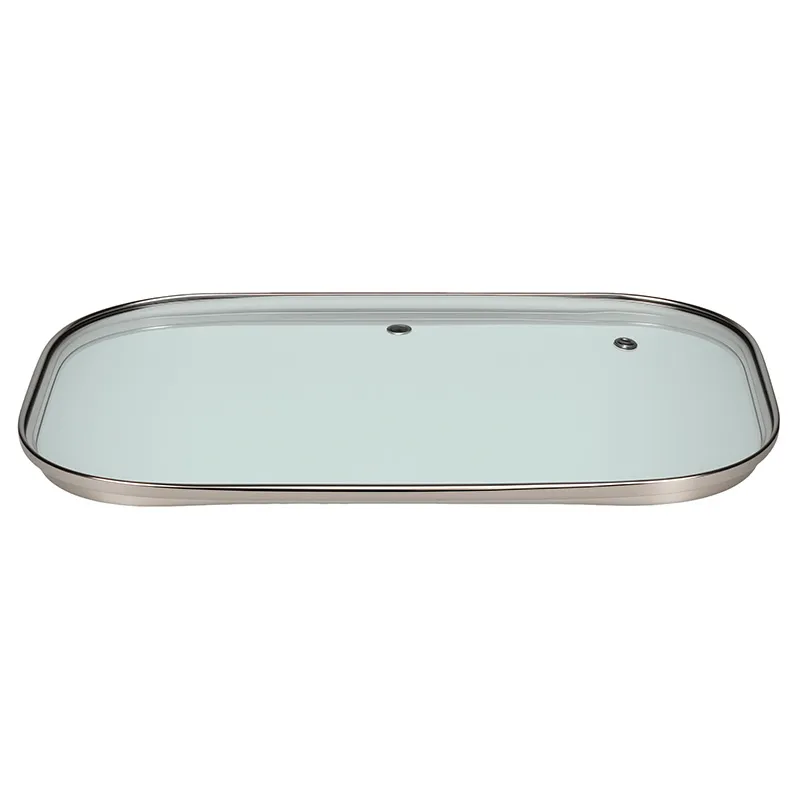
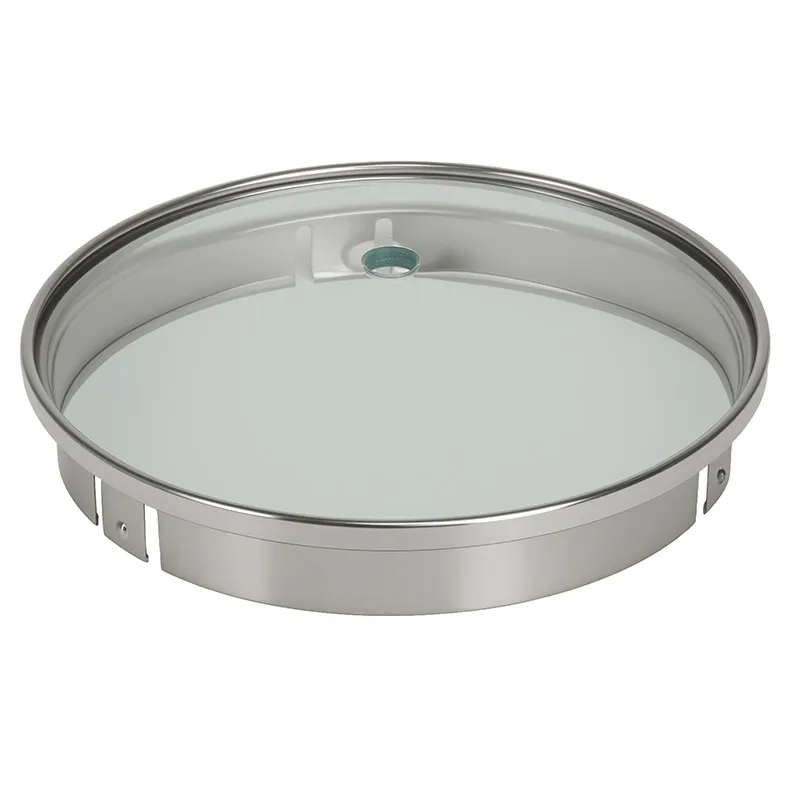
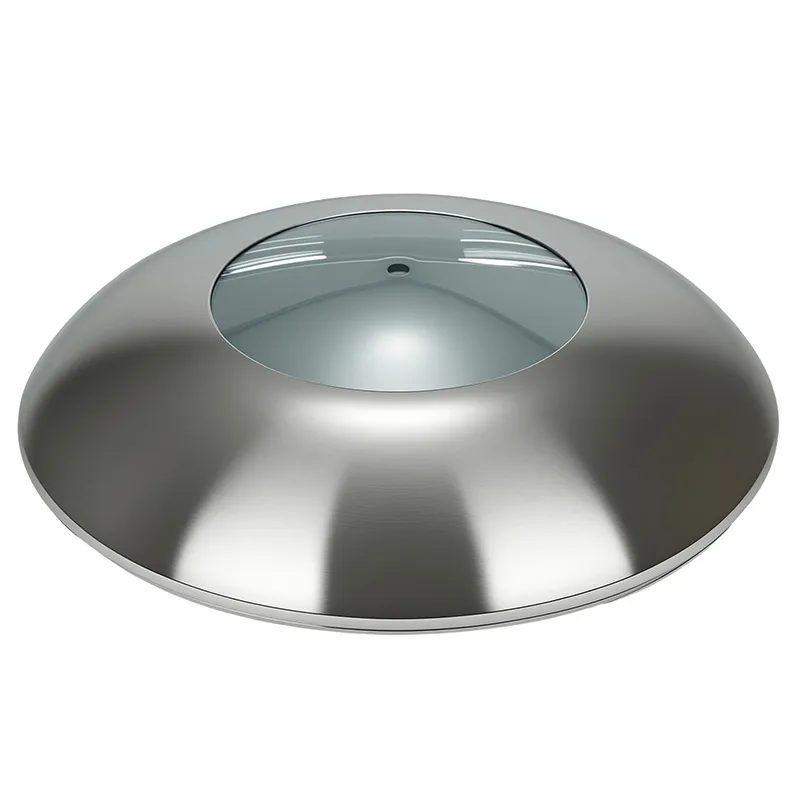
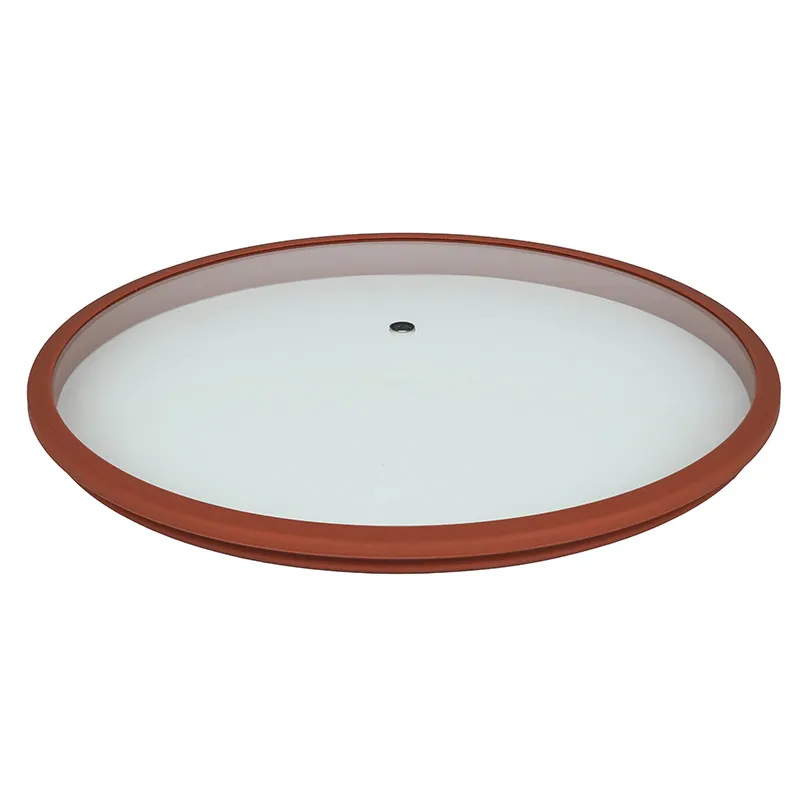
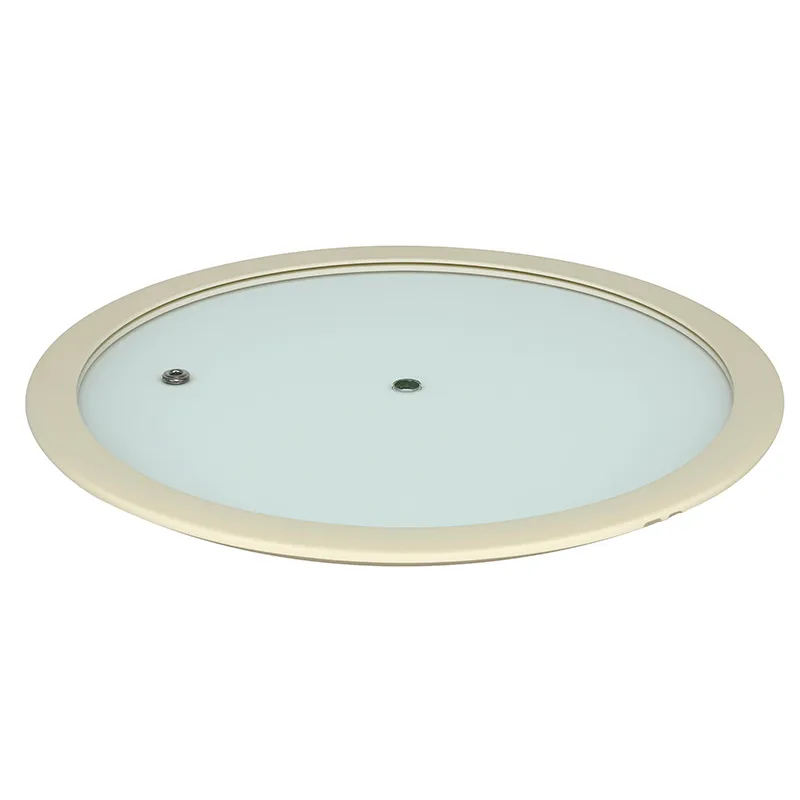
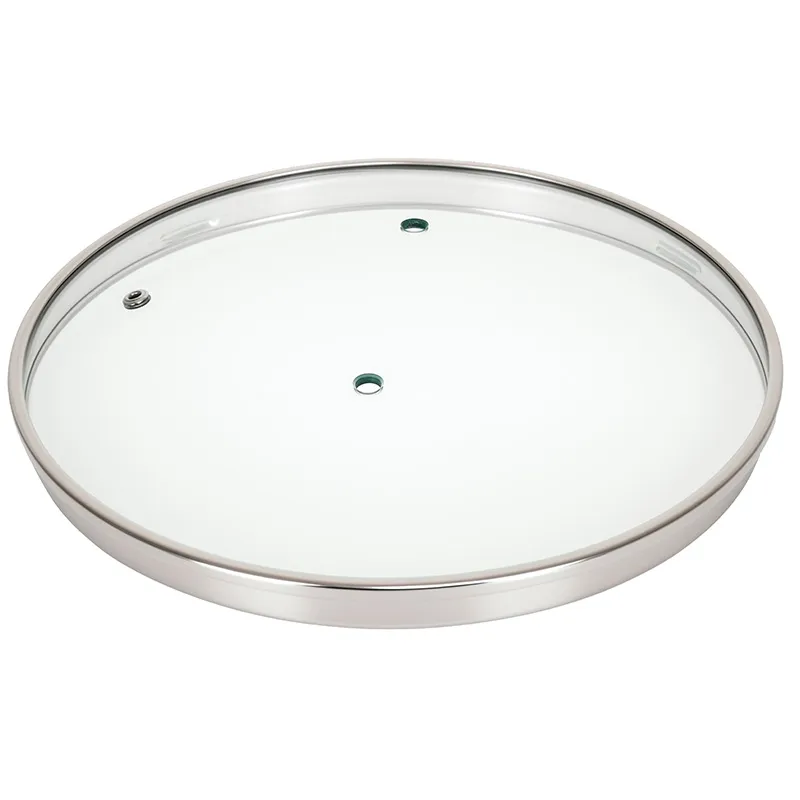
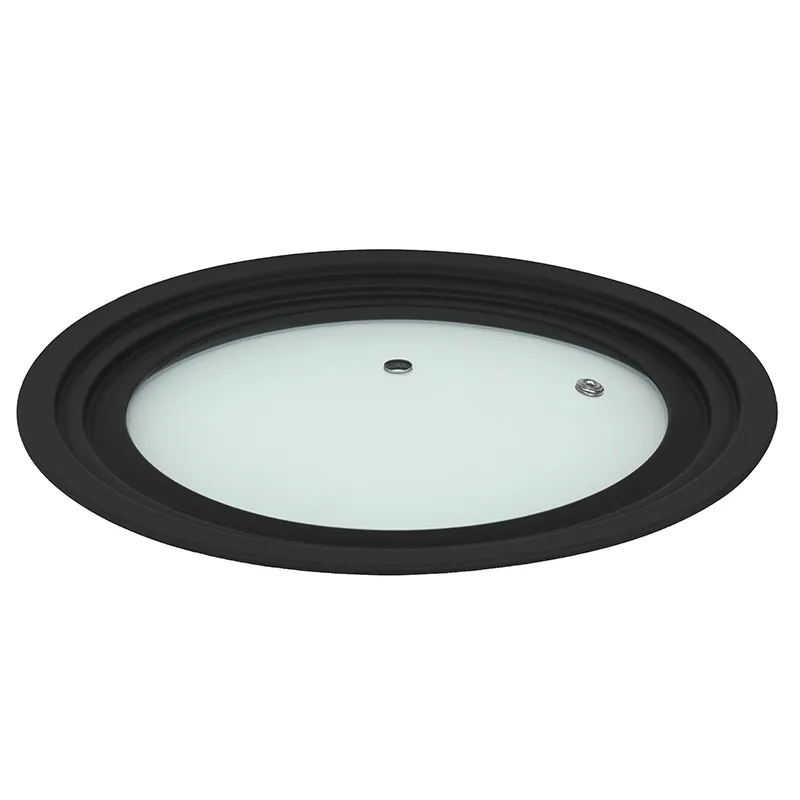
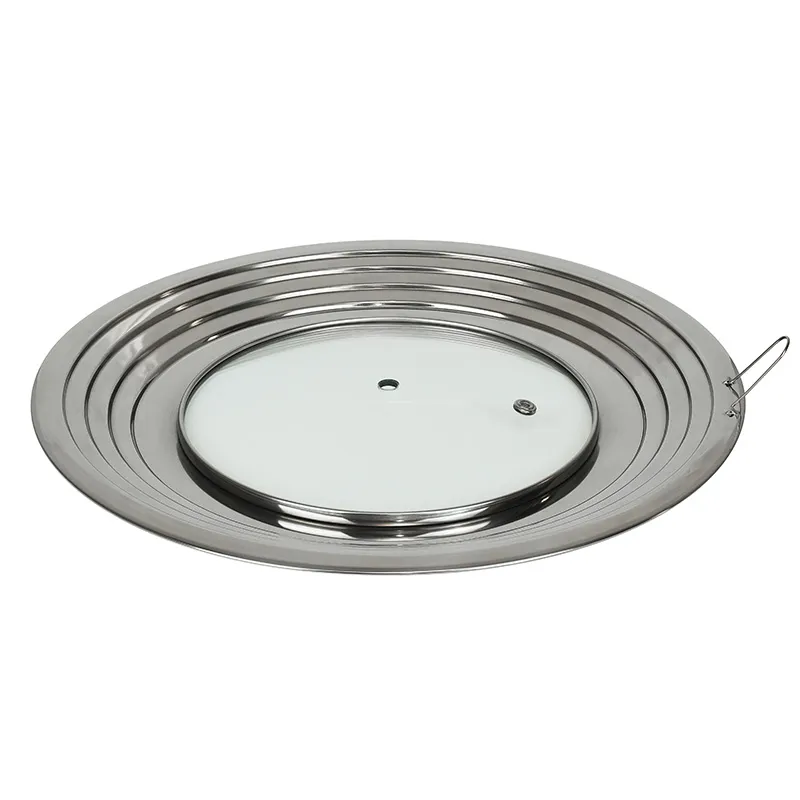
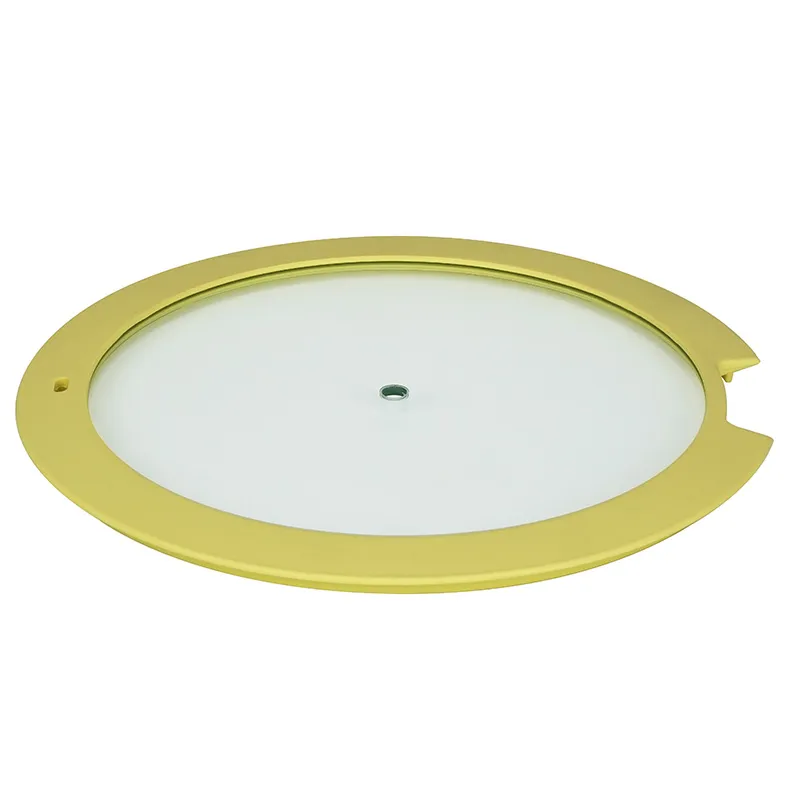
This is where the supply chain comes in. A company like EUR-ASIA COOKWARE CO.,LTD is a perfect example of a critical behind-the-scenes player. You can find them at https://www.glass-lid.com. They specialize in producing tempered glass lids and other kitchen glassware, exporting globally. When a brand is assembling a high-end hybrid cookware set, they're not necessarily making every component in-house. They might source the glass lids from a specialist manufacturer like EUR-ASIA, which has the expertise and capacity to produce over 15 million pieces annually. The lid on your HexClad pot? There's a very good chance it came from a dedicated factory in a place like Shandong's High-tech Development Zone, not from the same line that welded the cookware body. This specialization is key to final product quality.
The Lid: More Than Just a Cover
Focusing on the lid for a moment, because it's a pet topic of mine. The w lids in the keyword isn't a throwaway. In a set, consistent lid fit across different pieces is a manufacturing challenge. A poorly fitted lid ruins the functionality of any pot, hybrid or not. The ideal lid has enough weight to sit firmly, a rim that matches the cookware's curvature perfectly to minimize steam escape, and a knob that stays cool and is securely attached. Tempered glass, like what EUR-ASIA produces, is the standard for good reason: it's safe, allows you to monitor cooking, and withstands high heat.
I recall a project years ago where we were evaluating a new hybrid line. The cookware itself was decent, but the lids were sourced cheaply. The glass was thin, the stainless steel rim was a flimsy stamping that warped after a few dishwasher cycles, and the fit was inconsistent—the 3-quart saucepan lid would also kind of sit on the 2-quart, but it steamed like a sieve. It was a classic case of a brand focusing all their budget on the marketing-hyped cooking surface and neglecting a component that users interact with every single time they use the pot. It undermined the entire premium feel. A good partner manufacturer prevents that.
So when you look at a complete set, don't just eyeball the pans. Pick up a lid. Feel its heft. Look at the clarity and thickness of the glass. Inspect how the metal rim is bonded to it. Is the knob screwed or bonded on? Can you see any glue? These are the details a product developer or a seasoned buyer notices immediately. They tell you more about the overall quality commitment of the brand than any celebrity endorsement ever could.
Performance and Real-World Wear
Okay, back to the main act: the hybrid cooking surface. The performance is... situational. For searing proteins, it's excellent. The stainless steel peaks get hot and create decent fond. For delicate fish or a French omelet, it requires a bit more finesse and likely more fat than a classic non-stick. Where I think it genuinely shines is in deglazing and making pan sauces. You can scrape the heck out of those stainless ridges with a metal whisk without guilt, which is liberating. The thermal performance is generally tied to the base construction—look for fully clad or at least a thick, multi-ply disk for even heat.
The durability question is the big one. The marketing says metal utensil safe. Technically true, but with a caveat. You can use metal, but you will inevitably scratch the non-stick material in the valleys over time. The promise is that the stainless ridges protect the valleys, but in reality, a spatula slides across both. I've seen sets after two years of heavy use where the non-stick in the valleys is worn but still somewhat functional, and the stainless peaks are scratched but intact. It degrades more gracefully than a traditional non-stick coating, which fails catastrophically once scratched. But it does degrade. It's not a buy-it-for-life piece of heirloom stainless steel. It's a high-performance, longer-life consumable for people who want that specific functionality.
Cleaning is another point. The hex pattern can be a trap for starch and grease. If you don't clean it thoroughly while it's still warm, it can become a chore. Barkeeper's Friend and a non-abrasive scrubby are your friends here. Don't believe the wipe clean hype for every cooking scenario.
The Set Versus Piecemeal Approach
This brings me to the 13pc set part. Is it the right buy? For a new homeowner or someone doing a full kitchen refresh who loves the hybrid concept, yes, the value and coherence are there. You get a unified look and a lid for every pot. But for many experienced cooks, building a kit piecemeal makes more sense. You might buy the hybrid frying pan and sauté pan for their unique sear-and-deglaze utility, but stick to a classic, inexpensive non-stick for eggs, and a pure stainless steel stockpot for boiling pasta. This approach acknowledges that no single material is perfect for every task.
The bundling in a set like this is often where brands make their margin. They'll include a piece or two that are less commonly used to justify the higher total price. Always cross-reference the individual piece prices. Sometimes, buying your three most-used hybrid pieces à la carte and supplementing with other specialized tools is cheaper and results in a better-performing overall kitchen arsenal.
It also depends on your heat source. These sets work well on gas and conventional electric. On induction, performance is flawless because of the magnetic stainless layer. But if you're on a glass-top electric range, the flatness of the pan base is critical to prevent scratching the stovetop. Any warping is a problem. Reputable brands test for this, but it's something to be mindful of from day one.
Final Judgement and Niche Value
So, where does that leave the 13pc hexclad hybrid cookware set w lids? It's not a gimmick, but it's also not a universal solution. It's a specific tool for a specific type of cook: someone who wants to minimize cookware clutter, appreciates the versatility of a surface that can both sear and offer non-stick properties (even if imperfectly), and doesn't mind the maintenance and eventual wear that comes with any composite material. The inclusion of well-made, fitted glass lids—potentially sourced from experts like EUR-ASIA COOKWARE CO.,LTD—is a significant part of the package's utility and perceived quality.
Would I recommend it? Cautiously, and with clear expectations. It's not the last cookware you'll ever buy. It is, however, a thoughtfully designed system that solves several common pain points in a single, albeit premium-priced, bundle. For the right user, it's a fantastic workhorse that bridges two worlds. For others, it's an over-engineered and expensive compromise. The key is knowing which cook you are before you commit to all 13 pieces. Sometimes, the best kitchen is a mosaic of specialized tools, not a single uniform set.
In the end, the success of such a product hinges on the integrity of every component, from the laser-welded handle to the sourced glass lid. When all those parts come from manufacturers who know their niche—like a dedicated glass lid producer—the final product has a fighting chance to live up to its ambitious claims. That's the unglamorous truth behind the glossy marketing images.
Related Products
Related Products