- Chinese
- French
- German
- Portuguese
- Spanish
- Russian
- Japanese
- Korean
- Arabic
- Irish
- Greek
- Turkish
- Italian
- Danish
- Romanian
- Indonesian
- Czech
- Afrikaans
- Swedish
- Polish
- Basque
- Catalan
- Esperanto
- Hindi
- Lao
- Albanian
- Amharic
- Armenian
- Azerbaijani
- Belarusian
- Bengali
- Bosnian
- Bulgarian
- Cebuano
- Chichewa
- Corsican
- Croatian
- Dutch
- Estonian
- Filipino
- Finnish
- Frisian
- Galician
- Georgian
- Gujarati
- Haitian
- Hausa
- Hawaiian
- Hebrew
- Hmong
- Hungarian
- Icelandic
- Igbo
- Javanese
- Kannada
- Kazakh
- Khmer
- Kurdish
- Kyrgyz
- Latin
- Latvian
- Lithuanian
- Luxembou..
- Macedonian
- Malagasy
- Malay
- Malayalam
- Maltese
- Maori
- Marathi
- Mongolian
- Burmese
- Nepali
- Norwegian
- Pashto
- Persian
- Punjabi
- Serbian
- Sesotho
- Sinhala
- Slovak
- Slovenian
- Somali
- Samoan
- Scots Gaelic
- Shona
- Sindhi
- Sundanese
- Swahili
- Tajik
- Tamil
- Telugu
- Thai
- Ukrainian
- Urdu
- Uzbek
- Vietnamese
- Welsh
- Xhosa
- Yiddish
- Yoruba
- Zulu
- Kinyarwanda
- Tatar
- Oriya
- Turkmen
- Uyghur


14 glass lid for frying pan
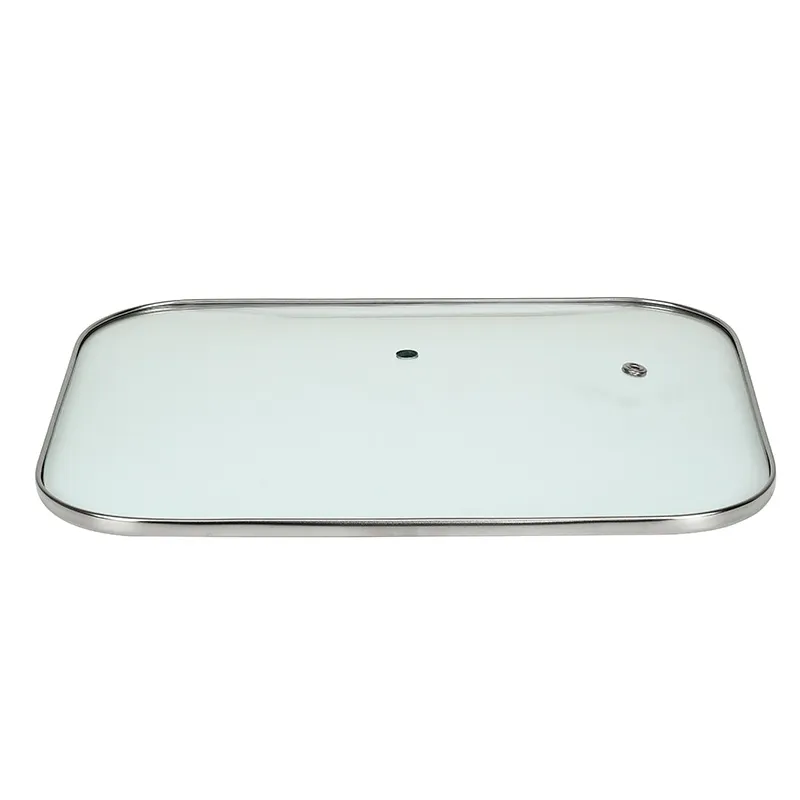
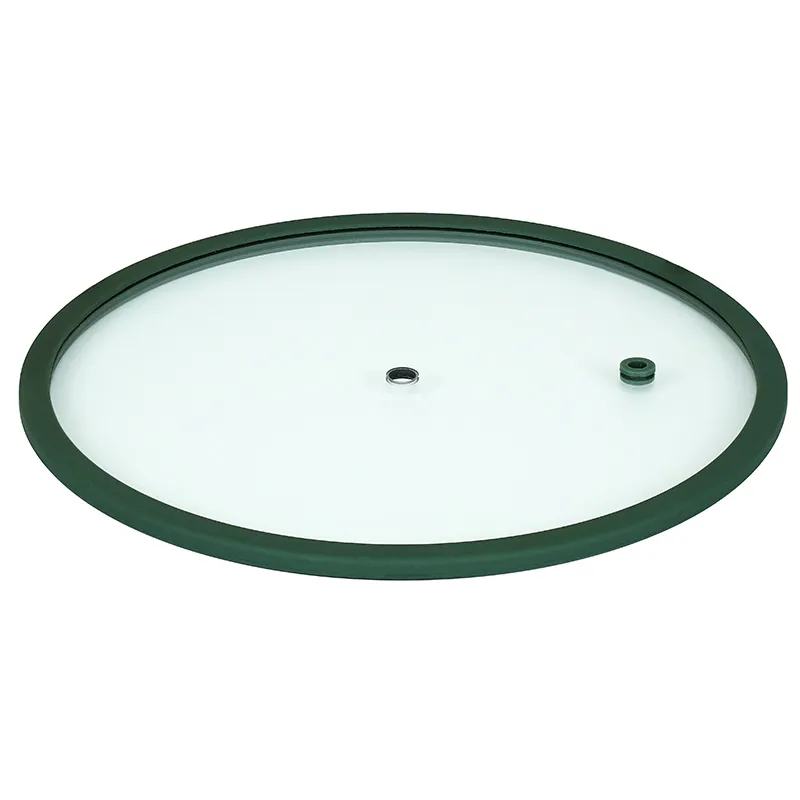
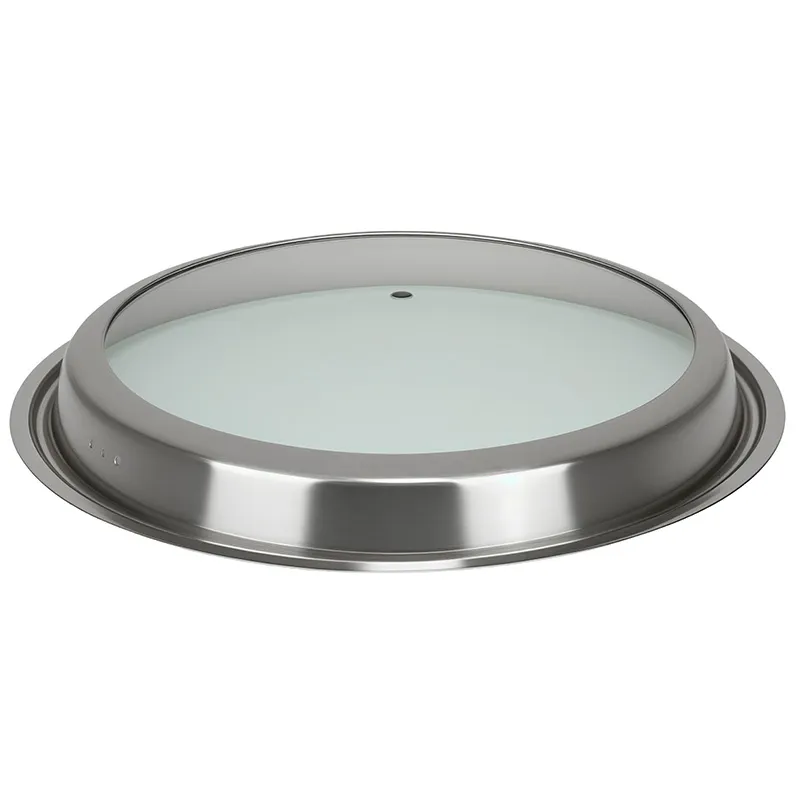
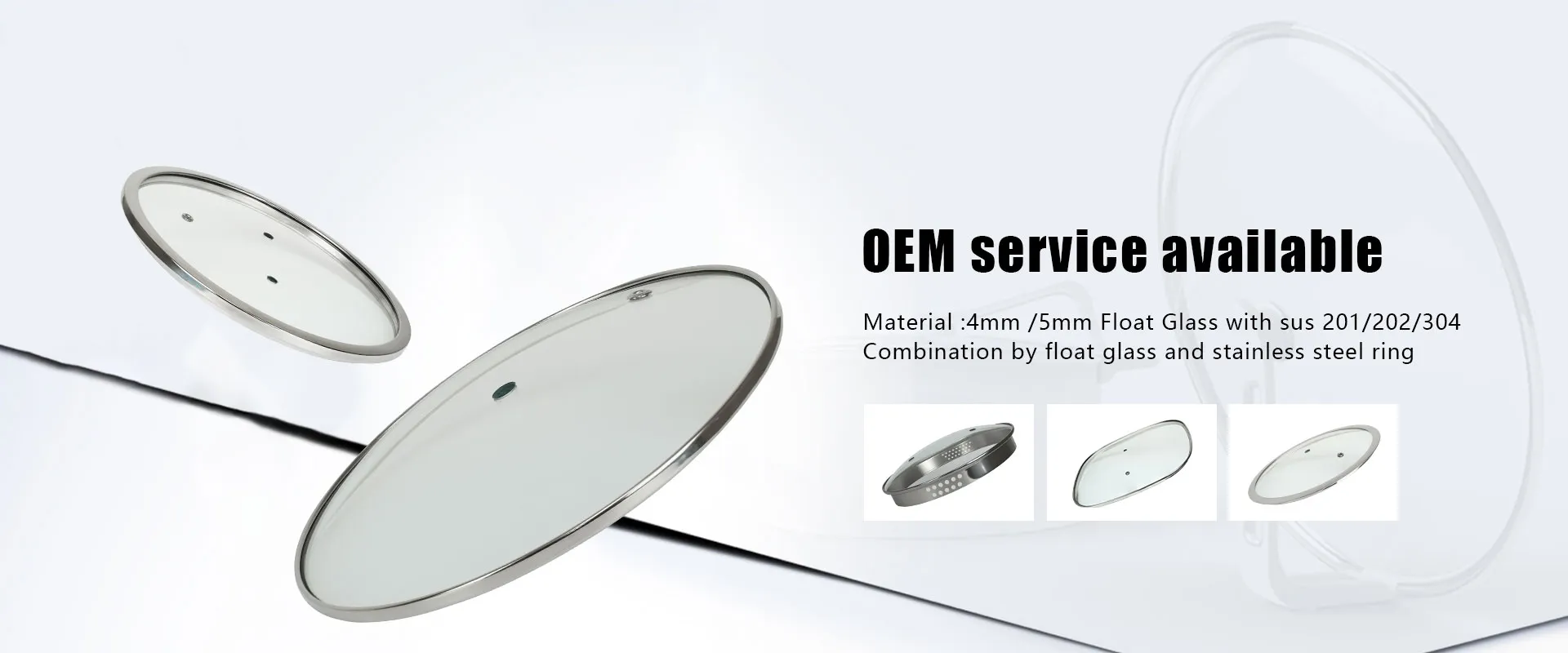
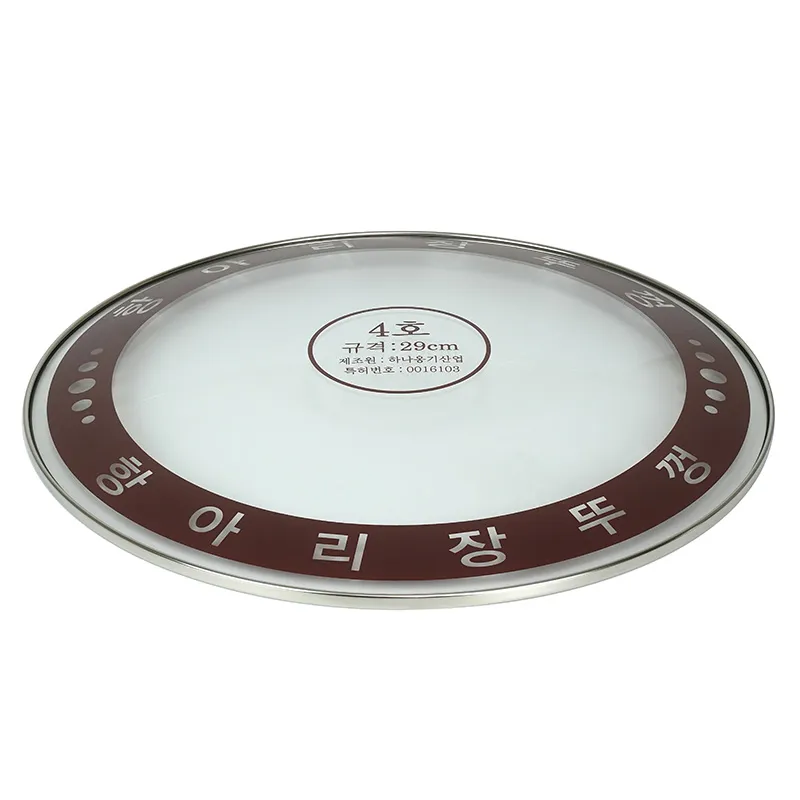
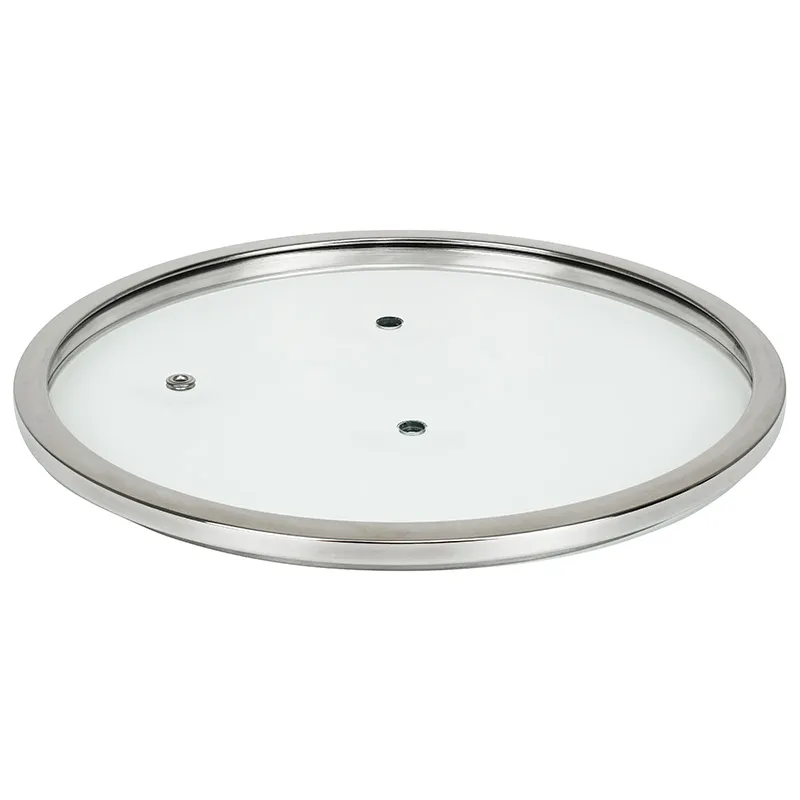
When you hear 14 glass lid for frying pan, most people just think about a piece of tempered glass that fits a 14-inch pan. That's the surface-level view. In reality, specifying a lid involves navigating material thickness, handle design, thermal shock resistance, and the often-overlooked issue of rim fitment. It's not just a cover; it's a functional component that directly impacts cooking performance and safety. I've seen too many buyers, even some retailers, get this wrong by focusing solely on the diameter and price, leading to returns and complaints about shattering or poor fit. Let's dig into what actually matters.
The 14-Inch Spec is a Starting Point, Not a Guarantee
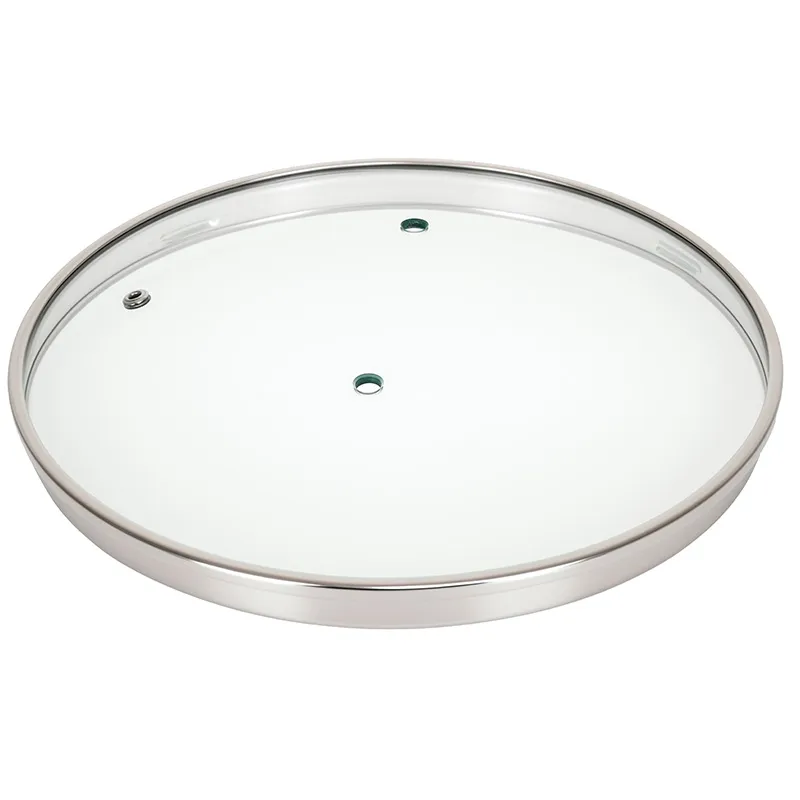
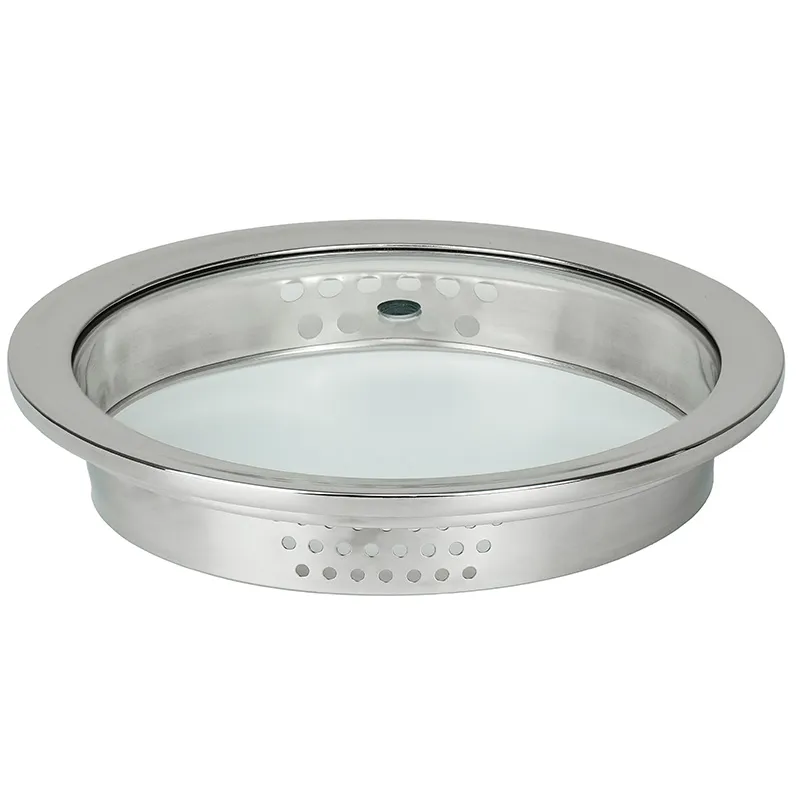
The first trap is assuming all 14-inch pans are created equal. They're not. We're usually talking about the outer diameter of the pan's top opening. But the critical measurement is the inner diameter of the lid's seating rim—the part that actually rests on the pan. A pan marketed as 14 inches might have a top OD of 14.25 inches. If your lid is made to a true 14.00-inch inner rim, you get a wobbly, ill-fitting lid that lets all the steam out. I learned this the hard way early on, approving a production run based on the nominal size. The result? A container full of lids that only fit about 60% of the 14-inch pans on the market. The client was not amused.
This is where working with a specialized manufacturer makes a difference. A company like EUR-ASIA COOKWARE CO.,LTD (you can find their catalog at glass-lid.com) typically has a library of rim profiles. They understand that a lid for a thick-walled cast iron pan needs a different rim design than one for a thin, stamped steel pan. Their production base in Shandong's high-tech zone churns out over 15 million pieces annually, largely for European markets like Germany and Italy where fit and finish are non-negotiable. That volume means they've seen every pan variation under the sun.
The takeaway? Always provide the manufacturer with the exact inner diameter of your pan's top opening, or better yet, send a physical sample. Don't just say 14-inch lid.
Tempered Glass: It's All About the Edges and the Quench
Tempering is what gives the glass lid its strength. But not all tempered glass is equal. The process involves heating the cut glass to around 620°C and then rapidly cooling it with high-pressure air jets (quenching). This creates surface compression. The quality of this process determines everything. A poor quench can leave weak spots, often near the handle mounting point or the edges.
I've had lids fail spectacularly—not from a drop, but from thermal shock during a slow braise. One would think gradual heating is safe, but if there's a microscopic flaw in the edge finishing from the cutting and grinding stage, a temperature differential across the lid can cause it to pop. It sounds like a gunshot. After such a failure, we started paying obsessive attention to the edge work. A properly seamed and polished edge isn't just for aesthetics; it's the first line of defense against stress concentration.
EUR-ASIA's product line mentions low to high-level household glass, which in industry terms often refers to the raw glass quality and the control over the tempering process. Their export focus to markets with strict safety standards (think Germany's GS certification or France's NF mark) suggests their quenching process and quality control are geared to pass rigorous impact and thermal shock tests. That's a reliable signal.
The Handle: The Most Under-Engineered Component
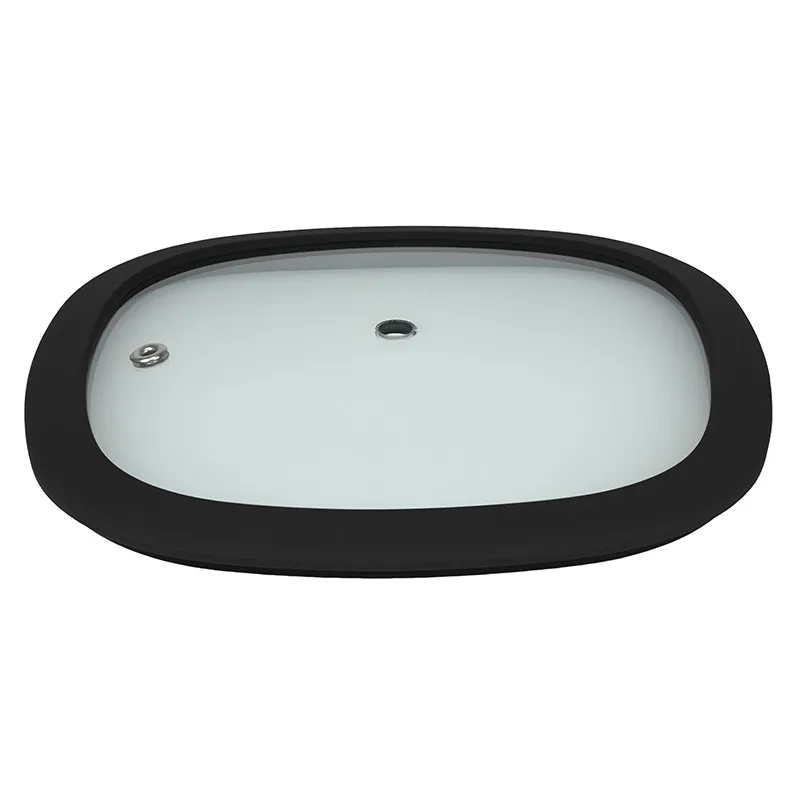
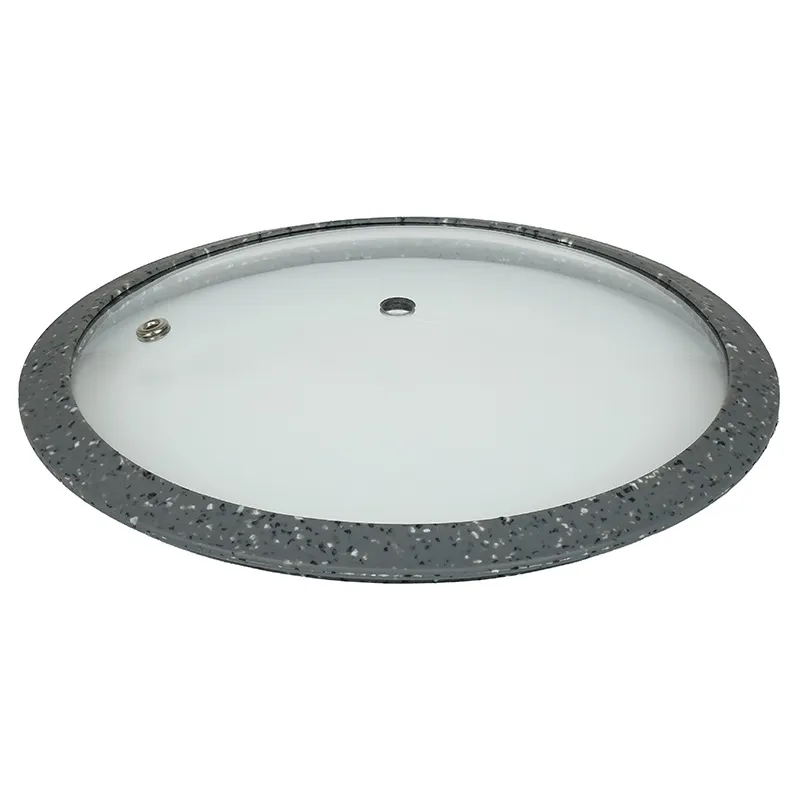
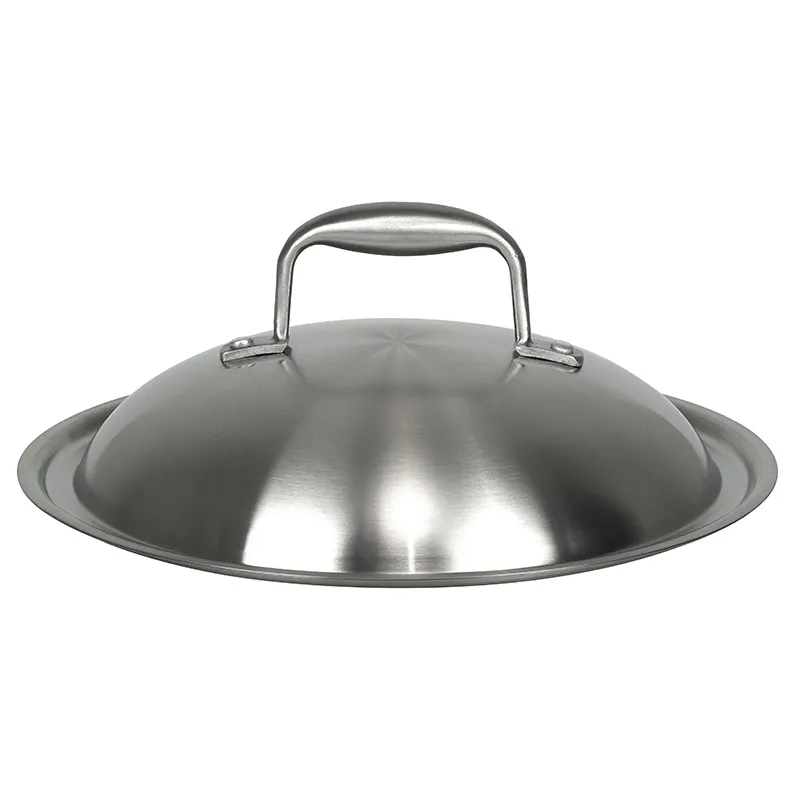
This might be the most common point of failure. The handle on a 14 glass lid for frying pan has a tough job: it's a thermal insulator, a grip, and a structural anchor. Many cheap lids use a simple phenolic (Bakelite) knob attached with a single metal screw and washer. The problem? Differential expansion. The glass expands with heat, the screw expands, the phenolic expands at a different rate. Over time, this loosens the fastener, or worse, cracks the glass around the mounting hole.
We experimented with various fixes. Silicone gaskets under the washer helped a bit. Switching to a stainless steel bolt with a wider, flanged base was better. The best designs I've seen, often from European suppliers, use a two-part handle system: a metal base plate bonded to the glass with a high-temperature silicone, and then the knob screws into that plate. This isolates the stress. Looking at EUR-ASIA's range, their handles appear to follow these more robust principles, which is likely a key reason for their penetration into the European OEM market.
A loose handle isn't just annoying; it's dangerous. You go to lift a hot, heavy lid, and the knob spins or comes off. Now you're dealing with a scalding hot piece of glass with no safe way to grab it. Never, ever cheap out on the handle design.
The Steam Vent: Small Hole, Big Decisions
To vent or not to vent? Most glass lids for frying pans have a small hole, but its placement and size are critical. If it's too small, condensation builds up and drips off the lid in a stream, potentially soggying your food. If it's too large or poorly placed, you lose too much moisture and heat. I recall a batch where the vent was drilled after tempering. This is a cardinal sin. You must drill the hole before the tempering process. Drilling post-temper releases the compressive stress at that point, creating a massive weak spot. We had a return rate of nearly 25% for breakage originating at the vent hole on that batch.
The ideal vent is a smoothly ground hole, located off-center (so condensate drips to the pan's side, not onto the food), and it should be part of the initial glass cutting plan. Some high-end lids even have a little stainless steel baffle or a movable slider, but for a standard 14 glass lid for frying pan, a well-executed simple hole is perfectly functional.
Fit for Purpose: Beyond the Home Kitchen
When we talk about a 14 glass lid for frying pan, the context is usually residential. But there's a growing niche in light commercial settings—small cafes, bistros, catering. Here, the demands are different. The lid might see 200 cycles in a week, not 200 in a year. It's being slammed down, scraped against, and washed in industrial machines.
For this, the standard 3mm thick tempered glass might be insufficient. We've spec'd 4mm or even 5mm for such clients. The handle absolutely must be the reinforced, metal-anchored type I mentioned earlier. The rim needs to be more robust. This is where a manufacturer's capability to offer gradations—low, medium, high level, as EUR-ASIA describes—becomes valuable. Their ability to export to diverse markets from Brazil to Japan suggests they can tailor thickness, handling, and packaging to different use-case expectations and price points.
The key is communicating the actual use case. Is this for a gentle home simmer, or for a busy line cook? That decision dictates the entire spec sheet and, frankly, the cost. Trying to use a lightweight residential lid in a commercial setting is a recipe for rapid, often dramatic, failure.
So, when you're sourcing a 14 glass lid for frying pan, move beyond the basic diameter. Interrogate the rim fit, the edge work, the tempering quality, the handle anchoring, and the vent. Partner with a maker who has the technical depth and production scale to get these details right consistently. It's the difference between a lid that's just a cover and one that genuinely becomes part of the cooking tool. The devil, as always, is in the details you only learn after a few failures and a lot of customer feedback.
Related Products
Related Products