- Chinese
- French
- German
- Portuguese
- Spanish
- Russian
- Japanese
- Korean
- Arabic
- Irish
- Greek
- Turkish
- Italian
- Danish
- Romanian
- Indonesian
- Czech
- Afrikaans
- Swedish
- Polish
- Basque
- Catalan
- Esperanto
- Hindi
- Lao
- Albanian
- Amharic
- Armenian
- Azerbaijani
- Belarusian
- Bengali
- Bosnian
- Bulgarian
- Cebuano
- Chichewa
- Corsican
- Croatian
- Dutch
- Estonian
- Filipino
- Finnish
- Frisian
- Galician
- Georgian
- Gujarati
- Haitian
- Hausa
- Hawaiian
- Hebrew
- Hmong
- Hungarian
- Icelandic
- Igbo
- Javanese
- Kannada
- Kazakh
- Khmer
- Kurdish
- Kyrgyz
- Latin
- Latvian
- Lithuanian
- Luxembou..
- Macedonian
- Malagasy
- Malay
- Malayalam
- Maltese
- Maori
- Marathi
- Mongolian
- Burmese
- Nepali
- Norwegian
- Pashto
- Persian
- Punjabi
- Serbian
- Sesotho
- Sinhala
- Slovak
- Slovenian
- Somali
- Samoan
- Scots Gaelic
- Shona
- Sindhi
- Sundanese
- Swahili
- Tajik
- Tamil
- Telugu
- Thai
- Ukrainian
- Urdu
- Uzbek
- Vietnamese
- Welsh
- Xhosa
- Yiddish
- Yoruba
- Zulu
- Kinyarwanda
- Tatar
- Oriya
- Turkmen
- Uyghur


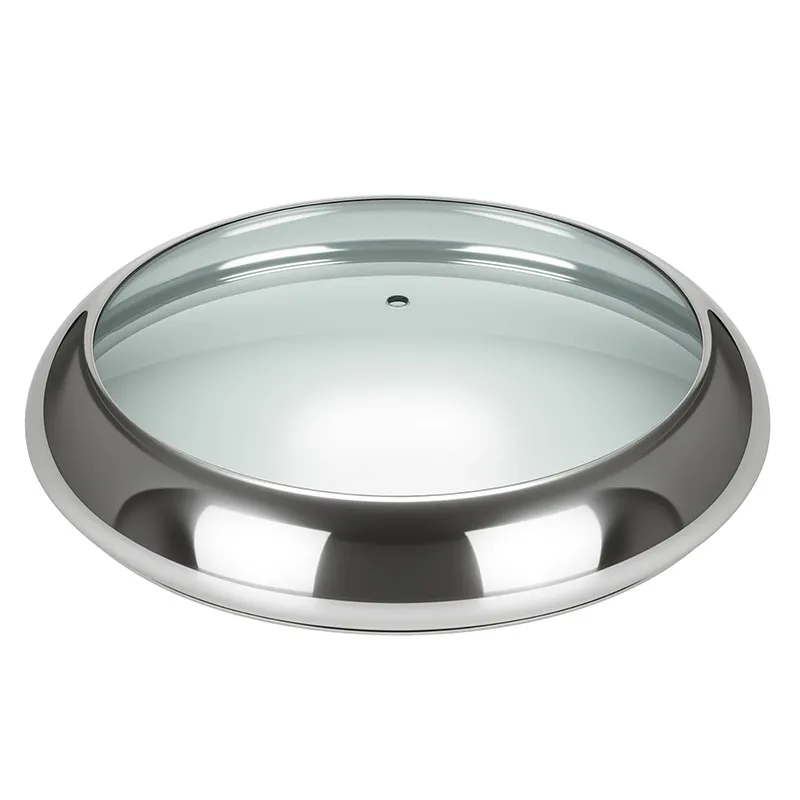
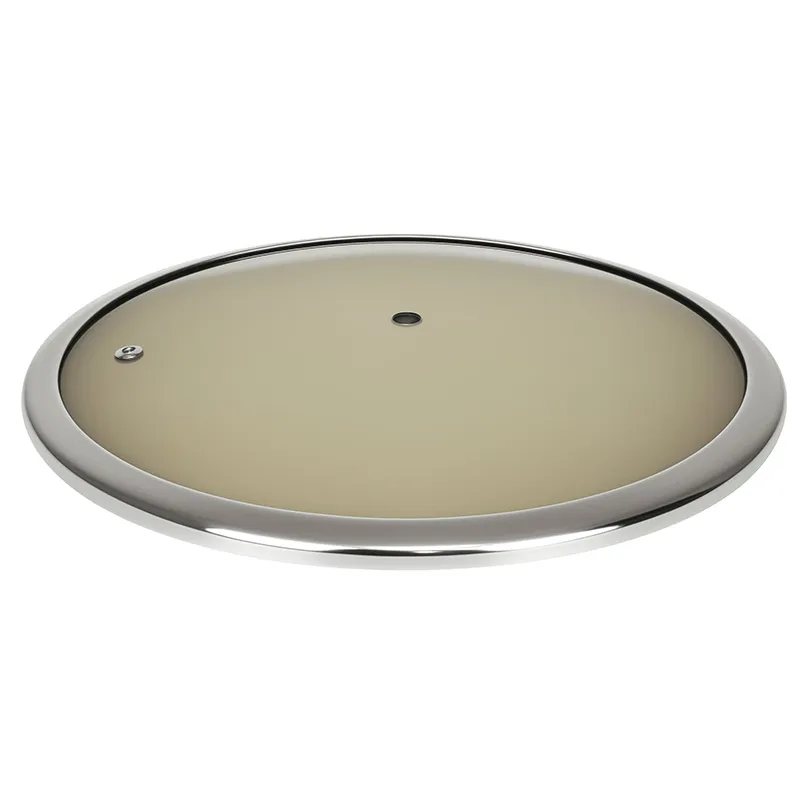
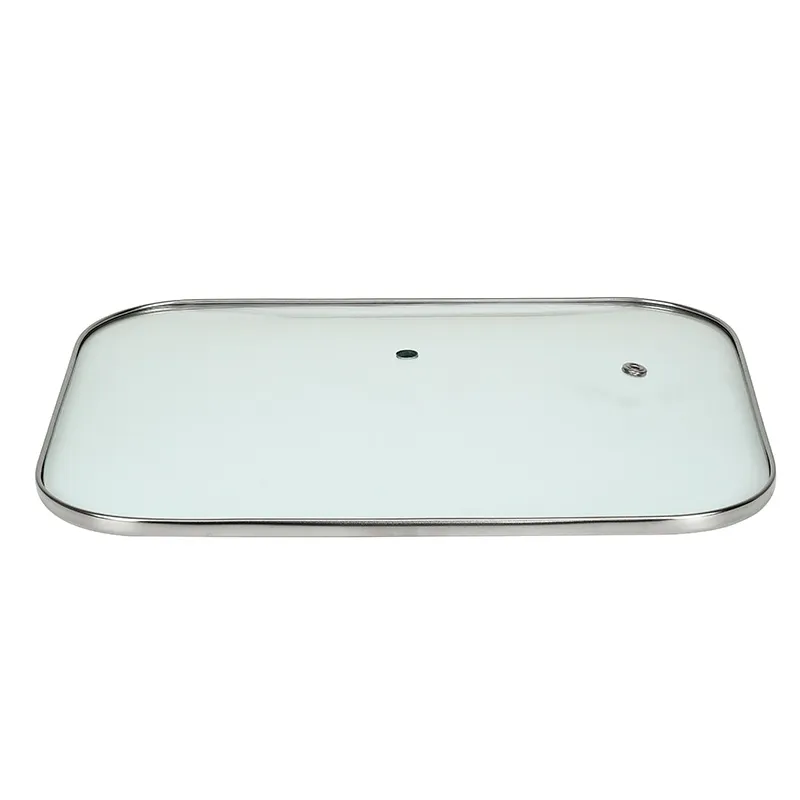
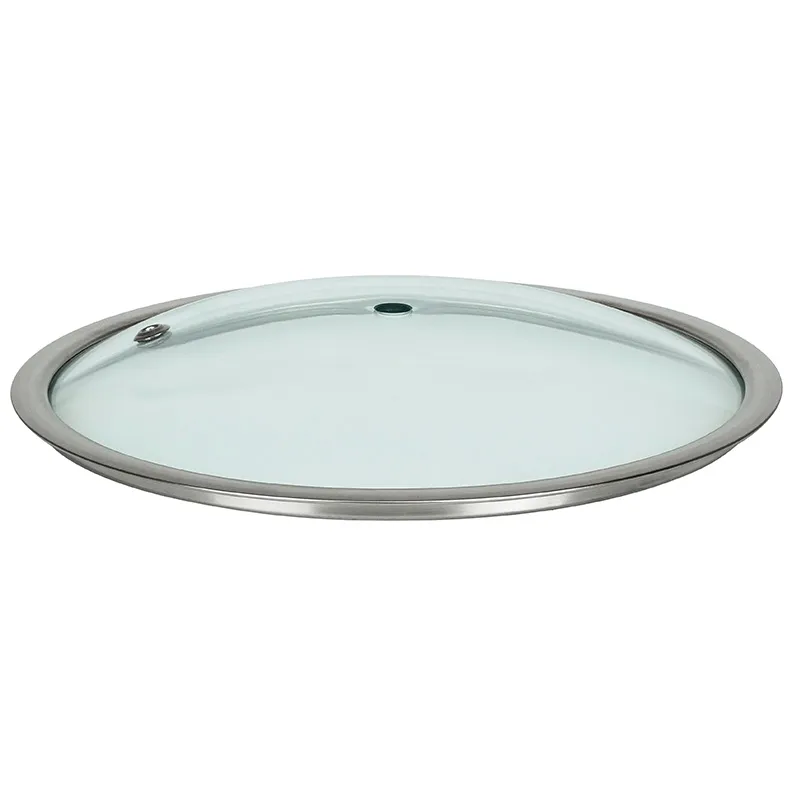
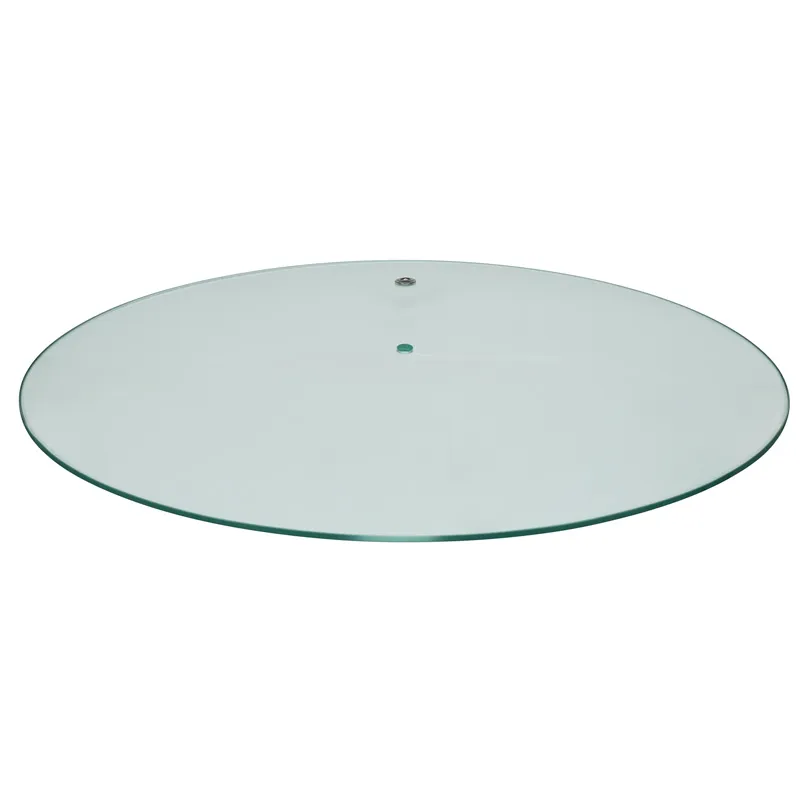
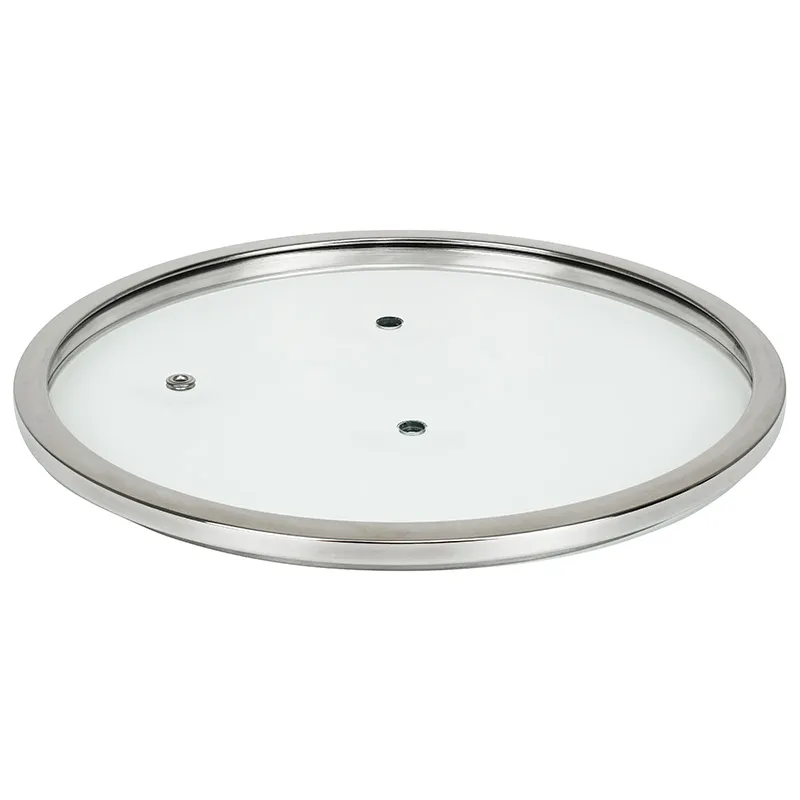
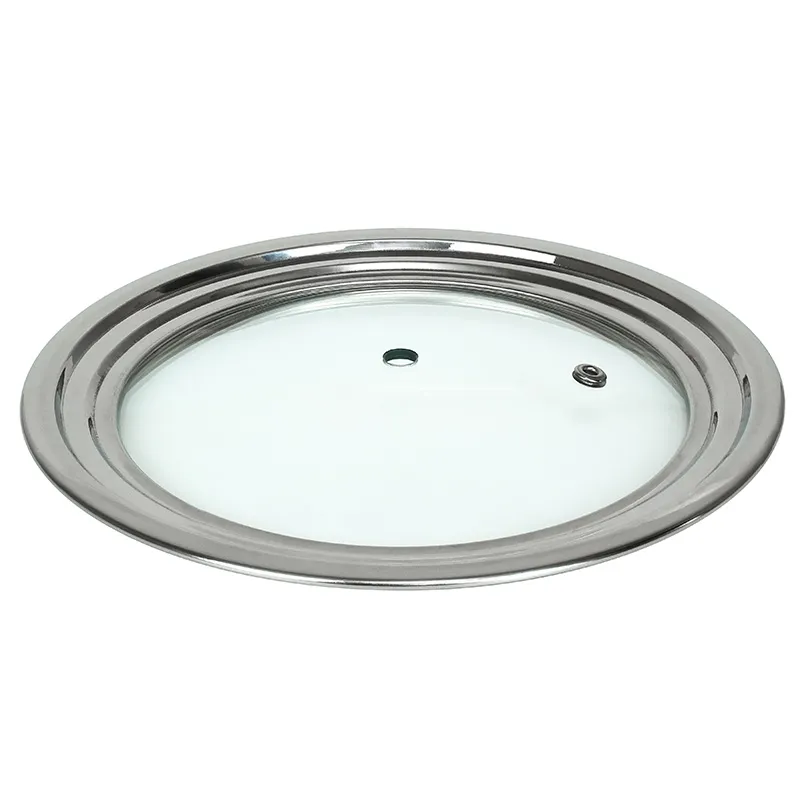
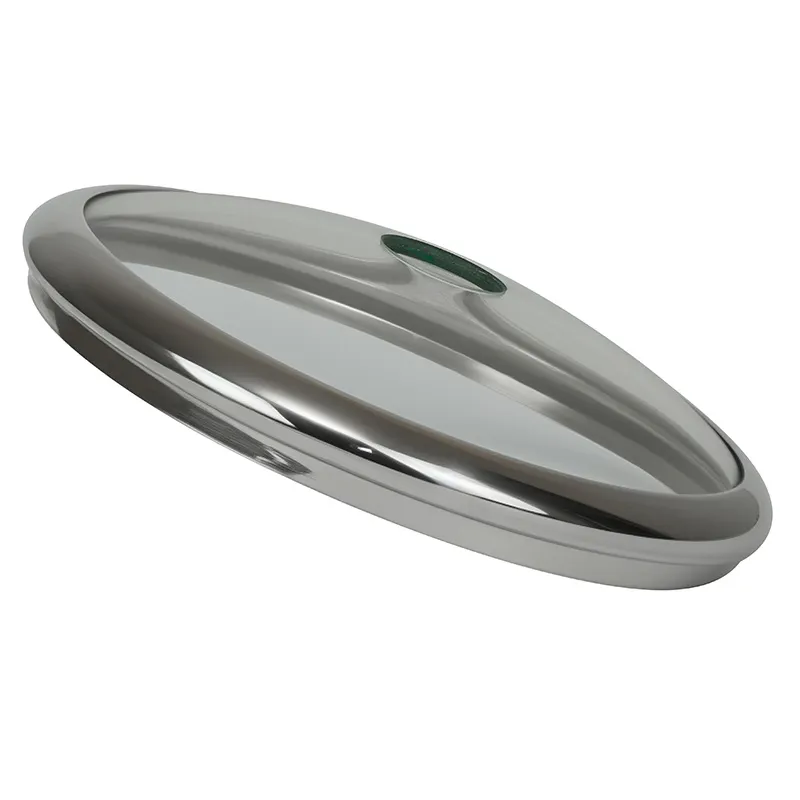
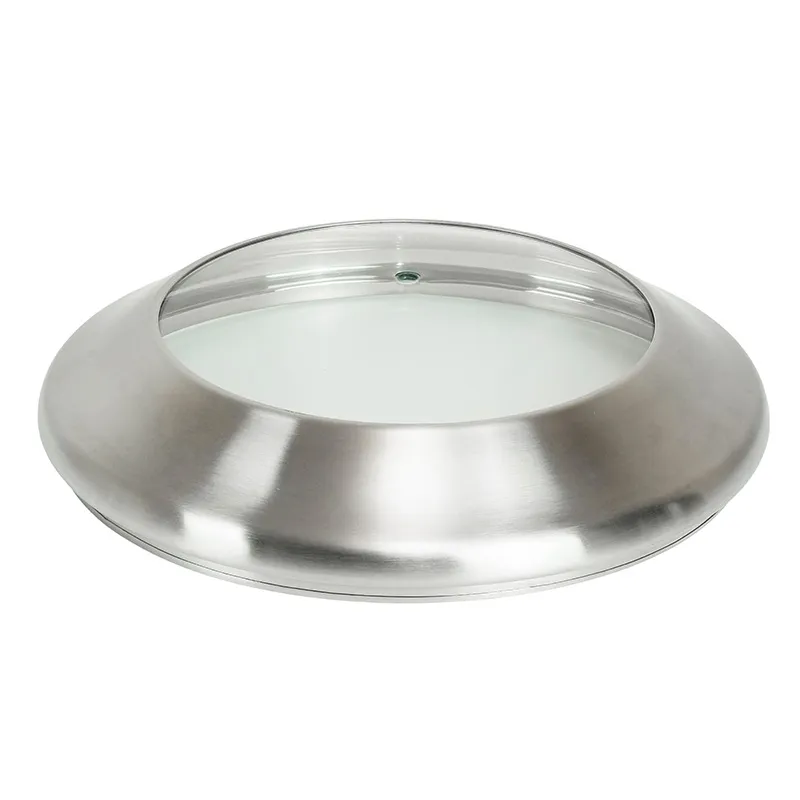
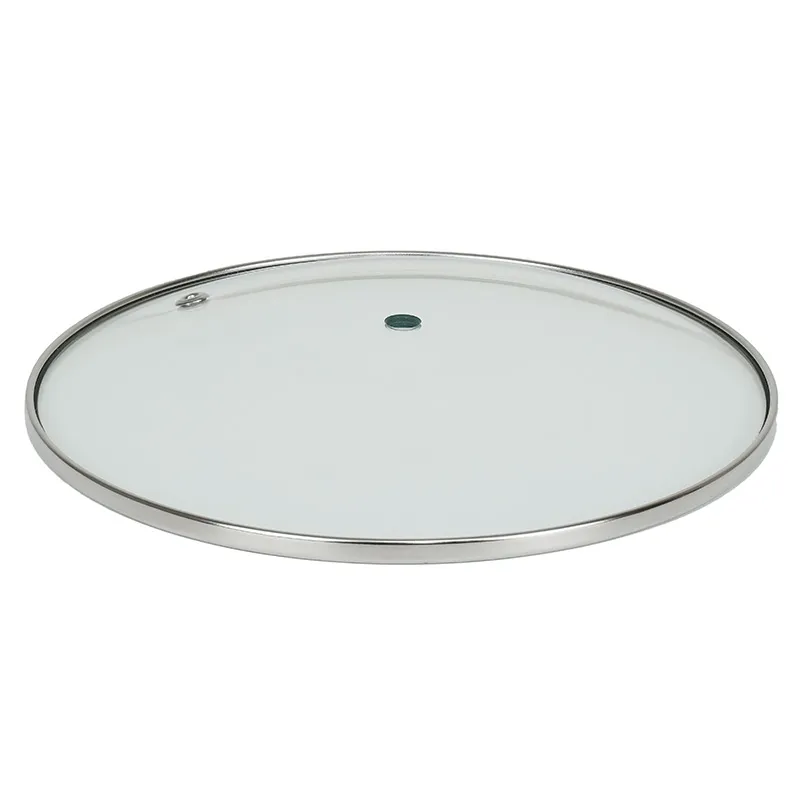
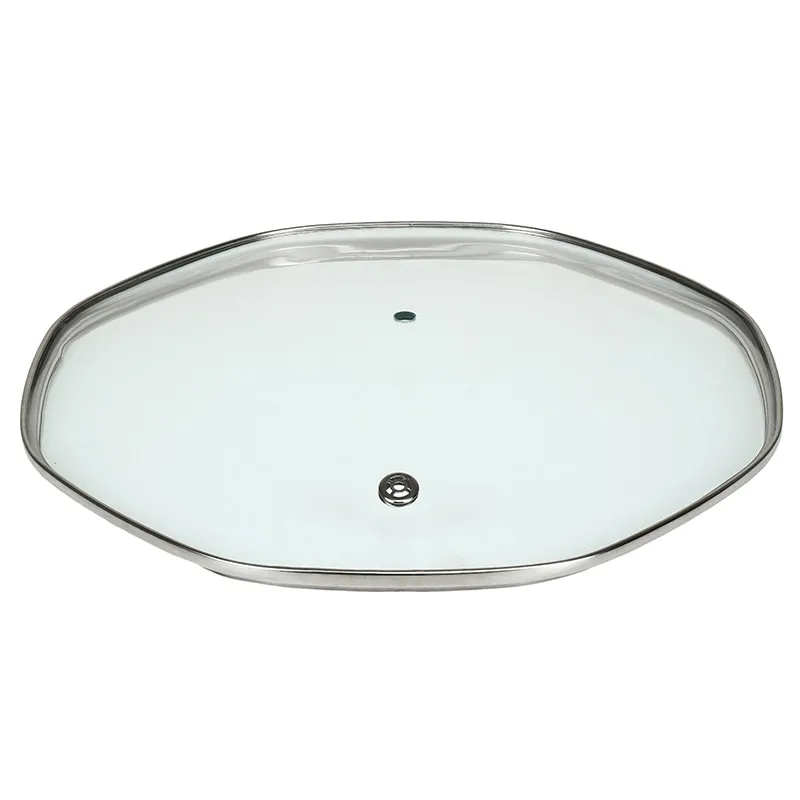
14 inch glass lid
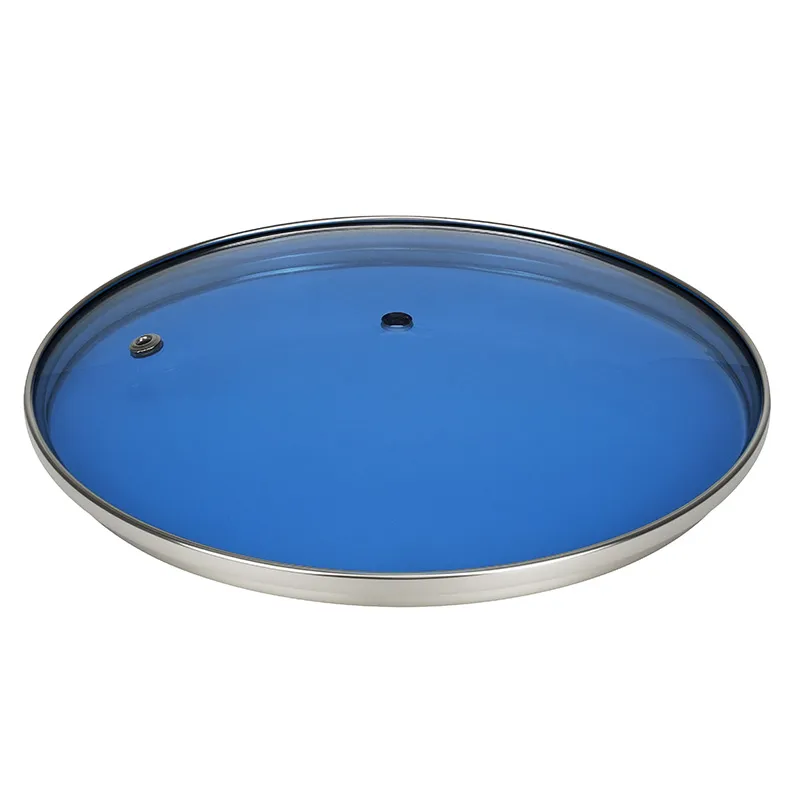
When you hear '14 inch glass lid', most people, even some buyers, think it's just a big piece of tempered glass. That's the first mistake. The real story isn't the diameter; it's about the warp resistance under intense, uneven heat from a large burner, the clarity that fades over time with cheap coatings, and the frustrating search for a knob that doesn't loosen after the 50th wash. I've seen too many projects stall on these specifics.
The Diameter is a Lie, Sort Of
A true 14-inch lid doesn't just measure 14 inches at the rim. If you're fitting it to a pan, you need to account for the flange or the curvature of the cookware's wall. We learned this the hard way early on. A batch for a European client was rejected because our nominal 14-inch lids, perfect on paper, sat awkwardly on their specific sauté pan series. The pan's top diameter was actually 13.75 inches. The lid must match the cooking surface diameter, not just a number. That's where a partner like EUR-ASIA COOKWARE CO.,LTD gets it right—they ask for the pan profile, not just the size. Their production base in Taian's high-tech zone has the tooling flexibility for these nuances, which is probably why they're moving over 15 million pieces a year.
The glass thickness for this span is non-negotiable. Go below 4mm on tempered, and you're flirting with deflection. I've witnessed lids that dome in the center when placed on a steaming pot, creating a gap. It's not always a failure; sometimes it's just poor thermal design. The glass needs to be arched ever so slightly during tempering to pre-compensate for heat expansion. It's a subtle art.
And the knob. God, the knob. On a lid this size, it's a handle. Silicone-over-stainless steel is the standard, but the bonding is everything. Epoxy fails with grease and heat cycles. Mechanical locking with a bolt through the glass is safer, but then you have a metal stem acting as a heat sink in the center of the glass, creating a stress point. The best ones I've seen use a broad, low-profile stainless base that's bonded and mechanically locked, distributing the stress. You'll find this attention to detail in products destined for markets like Germany and Japan, which are a huge part of EUR-ASIA COOKWARE's export footprint.
Tempering Isn't a Magic Shield
Everyone specifies tempered glass lid for safety. True. But tempering also builds in surface tension. That tension is what makes a 14 inch glass lid susceptible to spontaneous breakage if the edges are nicked. A microscopic chip from clanging against a pot rim during service can be the seed for a full shatter later. It doesn't happen often, but when it does, it's dramatic. The solution isn't just better packaging; it's about edge finishing. A seamed or polished edge is more resilient than a straight-cut one.
Then there's the heat shock rating. A good lid should handle a 300°C differential. But that's lab-perfect. In a real kitchen, dropping a cold, wet lid onto a blazing hot pan creates localized stress no standard test fully replicates. We once had a returns spike from a Nordic customer—turns out, their tap water was near freezing, and cooks would rinse the lid and immediately cover a searing pan. The failures always originated near the knob assembly. The fix was adjusting the tempering recipe for a slightly lower surface tension, trading a bit of impact resistance for better thermal shock performance. It's these trade-offs that define quality.
Clarity is another underrated factor. A hazy or greenish tinted glass isn't just ugly; it makes monitoring a braise or fry difficult. Low-iron glass is the answer, but it adds cost. For a high-volume producer, offering tiers—standard vs. low-iron—makes sense. Scanning through the portfolio at glass-lid.com, you can infer they cater to this spectrum, from medium to high-level household products. The low-iron versions are likely what end up in the EU and Korean markets, where visual appeal is part of the functional requirement.
The Fit and the Steam Dilemma
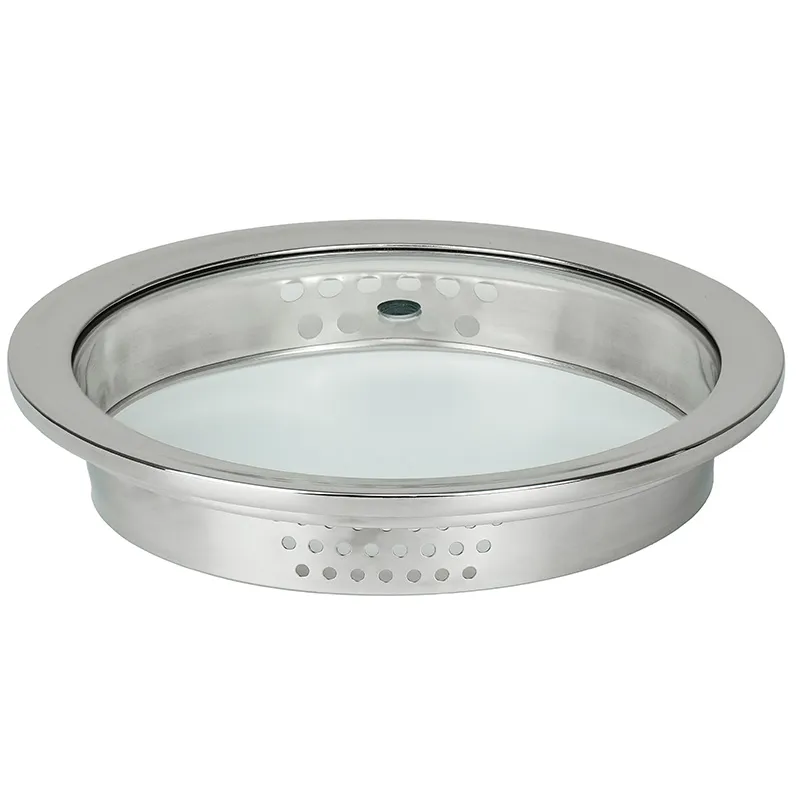
A lid isn't a plug. It needs to control evaporation, not eliminate it. On a 14-inch pan, often used for boiling or braising, the steam vent is critical. A tiny hole in the knob? Usually insufficient. The best designs incorporate a channel or a notched rim. I prefer a subtle notch—it's less likely to clog with food residue compared to a drilled hole. However, a notched lid doesn't sit flush, which some chefs dislike for certain techniques. There's no universal solution.
The sealing surface is usually a thin silicone gasket around the rim. On large lids, this gasket can warp or peel over time if the adhesive isn't rated for continuous steam exposure. I've peeled back failed gaskets to find degraded, sticky glue underneath. The high-heat food-grade silicone adhesive used by reputable makers is a different beast altogether. It stays pliable. This is one area where you can't cut corners, and a manufacturer's longevity in exports, like to Italy or Switzerland, is a decent proxy for having solved this glue problem.
Weight is a final, practical note. A solid 4-5mm tempered glass lid of this size has heft. Too heavy, and it's cumbersome; too light, and it feels cheap and may not sit securely. The balance point, when you lift it by the knob, should be just forward of the knob itself, so it tilts naturally for pouring off condensation. It's a small thing you only notice when it's wrong.
Beyond the Lid: The Ecosystem
You rarely buy just a lid. It's part of a system. Compatibility is the silent challenge. A lid made for a specific cookware line, like those produced in bulk at a facility with 15,000㎡ of building area, is engineered to match. But the aftermarket universal lid is a tough proposition. We tried developing one with adjustable clamps. It was a commercial failure—too complex, too expensive, too prone to failure. The market voted for simplicity: well-made, specific-diameter lids that retailers can match to common pan lines.
This is where a specialized supplier's depth matters. A company focused on glass lid and kitchen accessories, like EUR-ASIA COOKWARE, isn't just molding glass. They're managing a catalog of hundreds of SKUs—different diameters, rim profiles, knob types, gasket colors—to service brands across the world. Their 90+ employees aren't just operators; they're handling complex logistics for exports to Brazil, Turkey, Poland, etc., each with its own labeling and compliance quirks.
The trend I see is toward oven-safe ratings. More lids are now expected to go from stovetop into a 220°C oven. This puts immense stress on every component: the glass, the gasket, the knob, the adhesive. The knob material becomes the limiting factor. It's pushing innovation in composite materials. It's no longer just a cover; it's a dual-purpose tool.
Wrapping It Up: A Component, Not an Accessory
So, a 14 inch glass lid. It's a precision component disguised as a simple accessory. Its success hinges on metallurgical-grade glass science, mechanical design, material chemistry (that gasket glue!), and an intimate understanding of chaotic kitchen environments. The good ones, from experienced producers, disappear into daily use—they don't warp, cloud, break, or lose their knob. The bad ones become a nagging problem in a drawer.
When sourcing or evaluating, look past the basic specs. Ask about the tempering curve for thermal shock. Inquire about the gasket adhesive's temperature range. Check the knob attachment. The real cost isn't in the unit price; it's in the total cost of ownership, which includes not having to replace it or deal with customer complaints.
In the end, the goal is invisibility through reliability. A cook shouldn't have to think about their lid. They should just use it, steam swirling against its clear surface, confident it can handle the heat. That's the mark of a piece that's been thought through by people who've seen them fail, and who've bothered to fix it. That's what you're really buying.
Related Products
Related Products