- Chinese
- French
- German
- Portuguese
- Spanish
- Russian
- Japanese
- Korean
- Arabic
- Irish
- Greek
- Turkish
- Italian
- Danish
- Romanian
- Indonesian
- Czech
- Afrikaans
- Swedish
- Polish
- Basque
- Catalan
- Esperanto
- Hindi
- Lao
- Albanian
- Amharic
- Armenian
- Azerbaijani
- Belarusian
- Bengali
- Bosnian
- Bulgarian
- Cebuano
- Chichewa
- Corsican
- Croatian
- Dutch
- Estonian
- Filipino
- Finnish
- Frisian
- Galician
- Georgian
- Gujarati
- Haitian
- Hausa
- Hawaiian
- Hebrew
- Hmong
- Hungarian
- Icelandic
- Igbo
- Javanese
- Kannada
- Kazakh
- Khmer
- Kurdish
- Kyrgyz
- Latin
- Latvian
- Lithuanian
- Luxembou..
- Macedonian
- Malagasy
- Malay
- Malayalam
- Maltese
- Maori
- Marathi
- Mongolian
- Burmese
- Nepali
- Norwegian
- Pashto
- Persian
- Punjabi
- Serbian
- Sesotho
- Sinhala
- Slovak
- Slovenian
- Somali
- Samoan
- Scots Gaelic
- Shona
- Sindhi
- Sundanese
- Swahili
- Tajik
- Tamil
- Telugu
- Thai
- Ukrainian
- Urdu
- Uzbek
- Vietnamese
- Welsh
- Xhosa
- Yiddish
- Yoruba
- Zulu
- Kinyarwanda
- Tatar
- Oriya
- Turkmen
- Uyghur


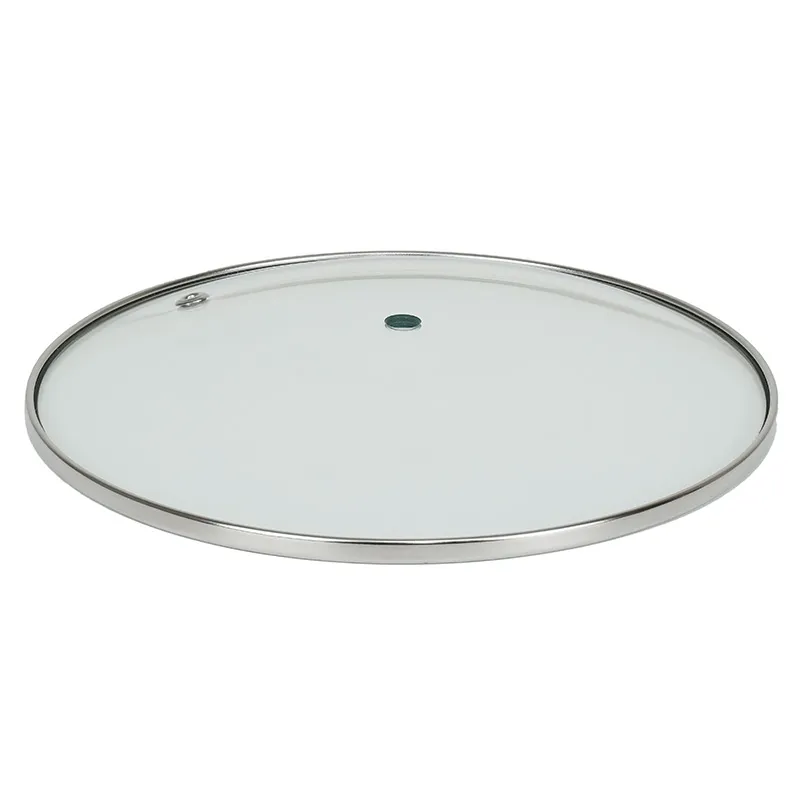
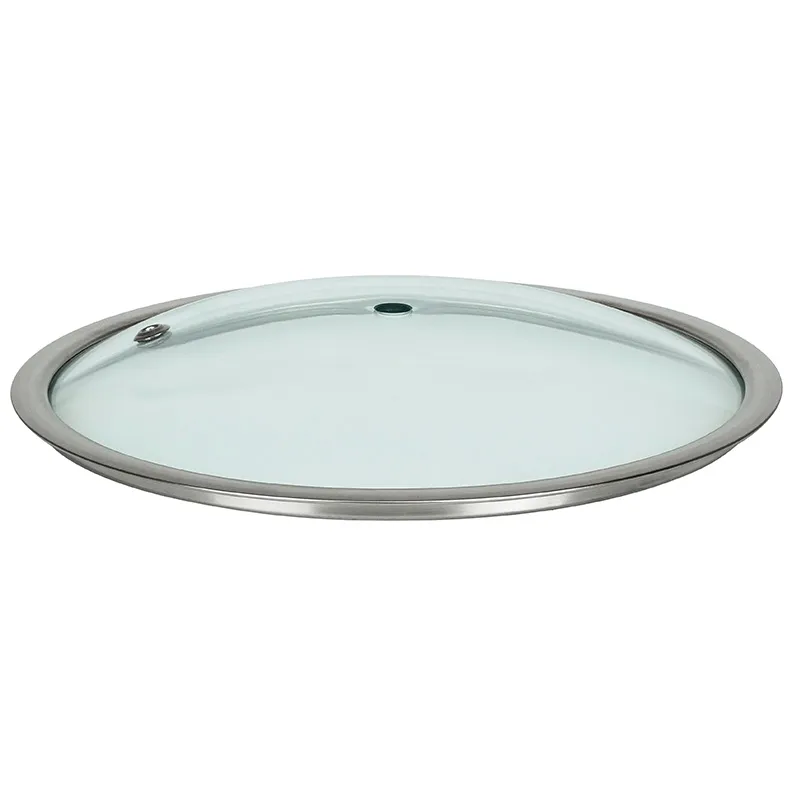
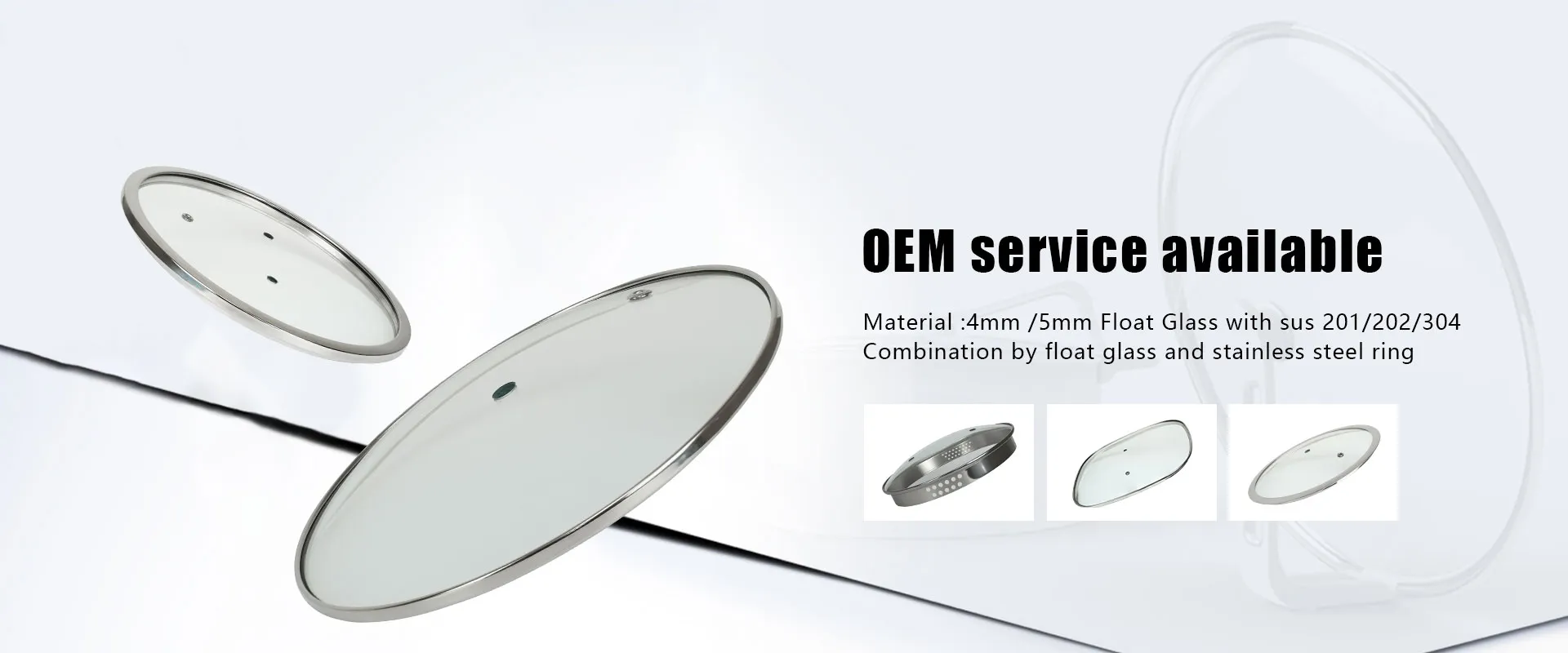
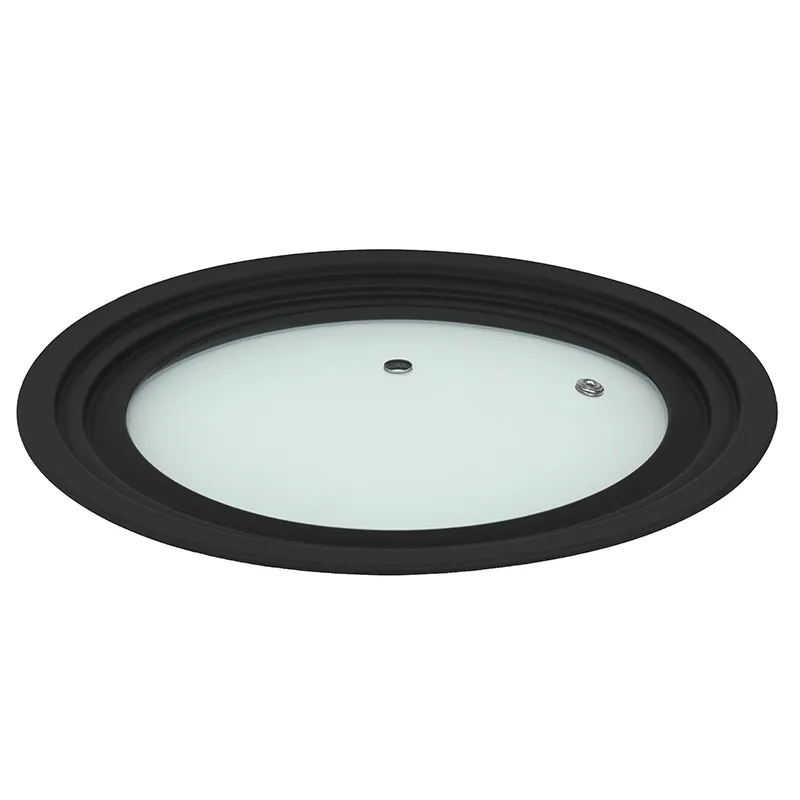
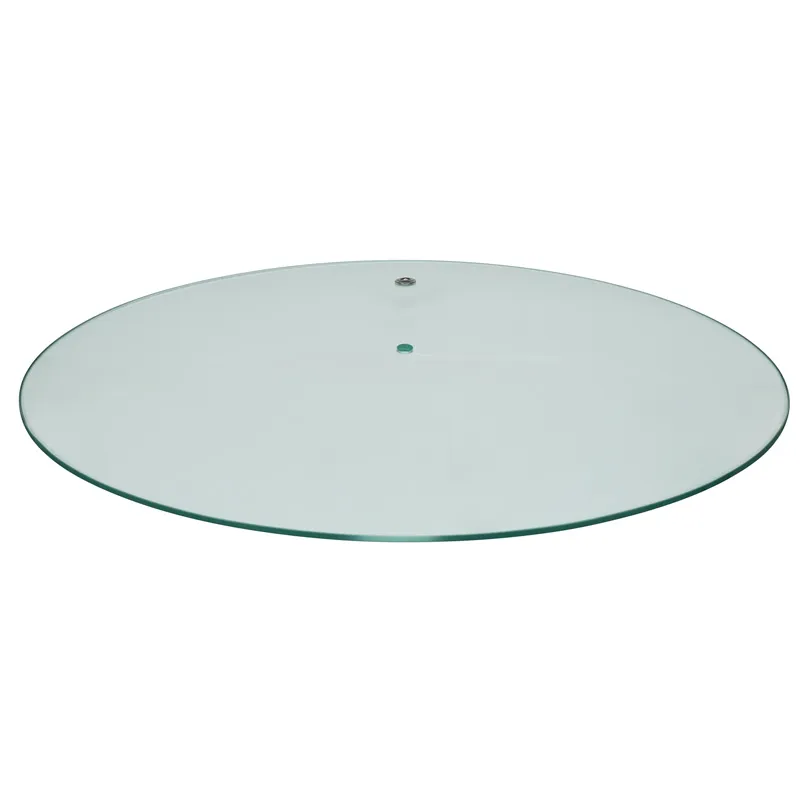
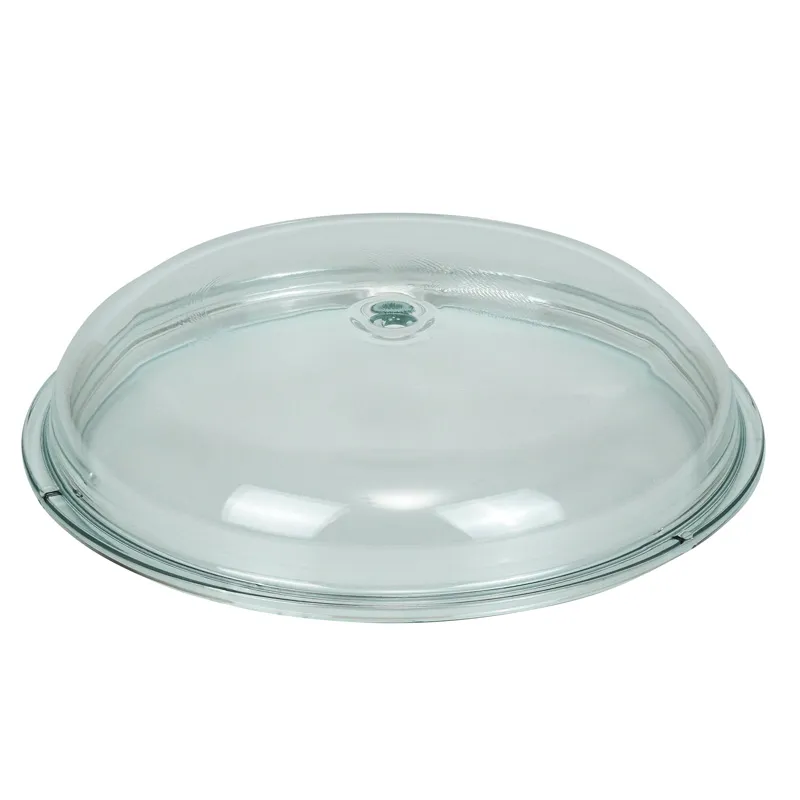
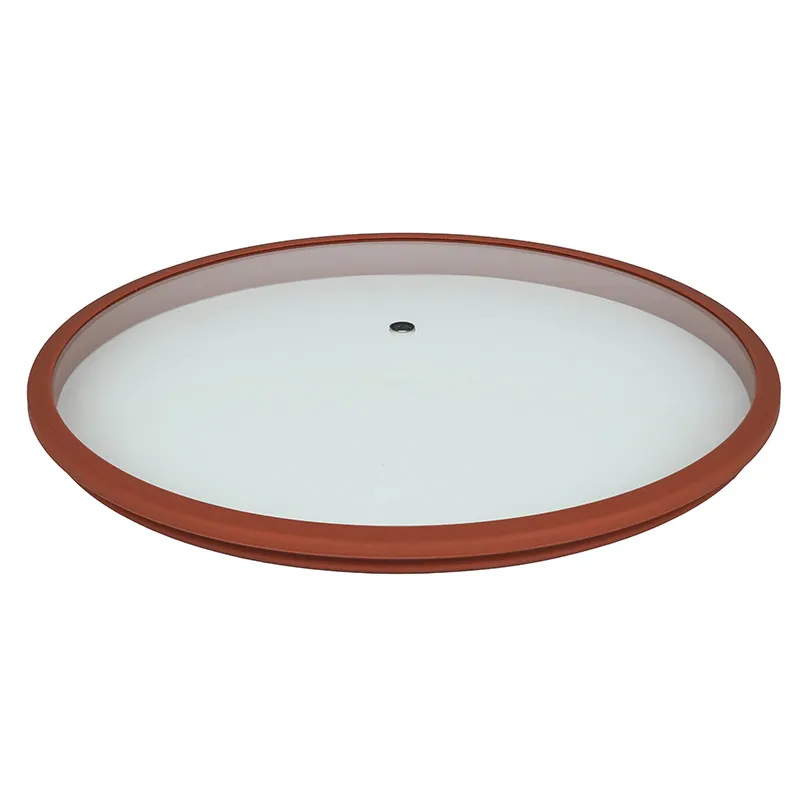
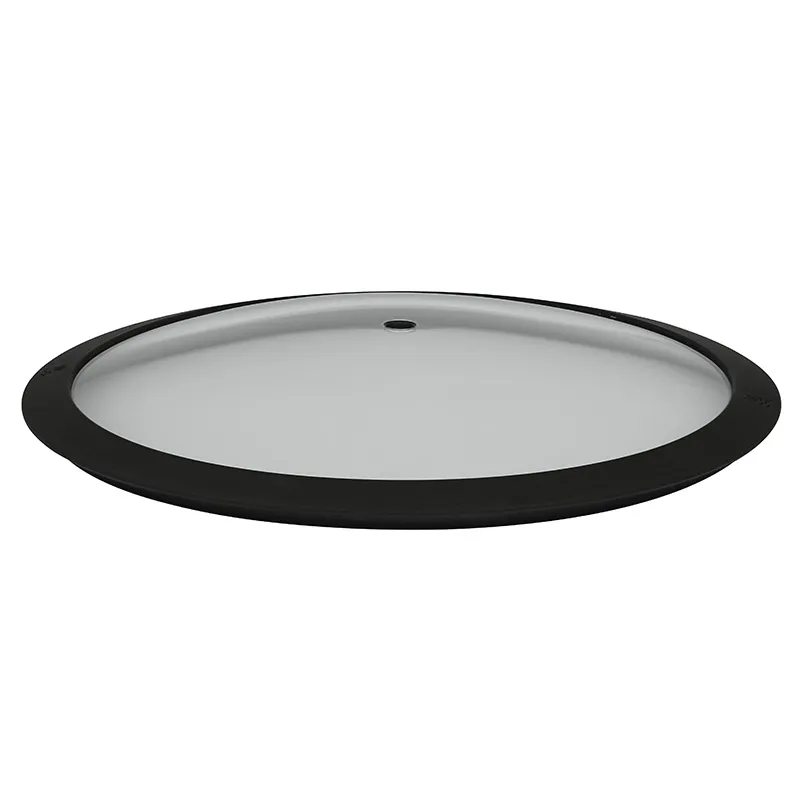
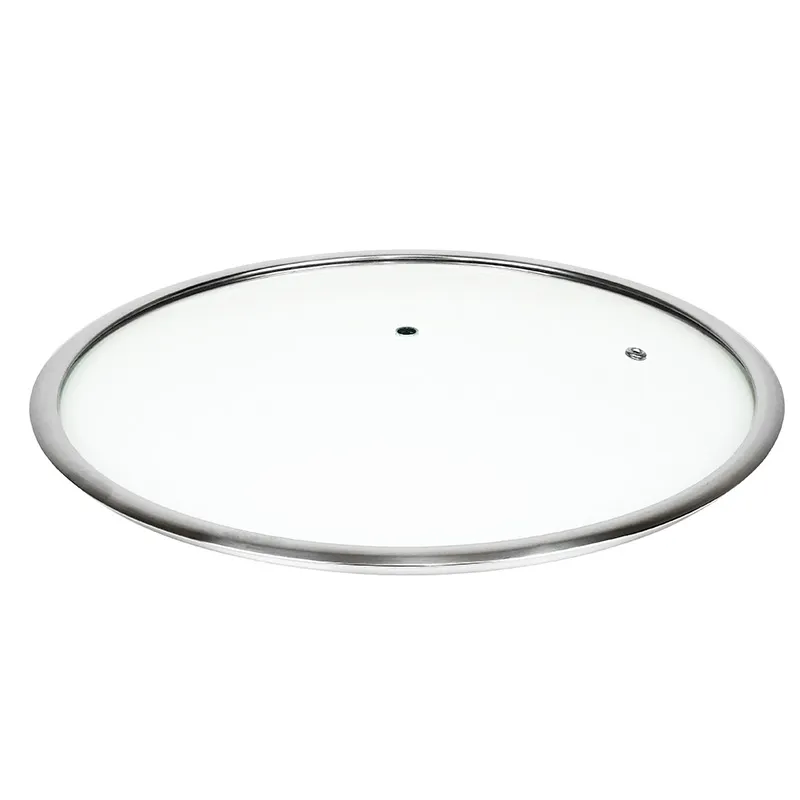
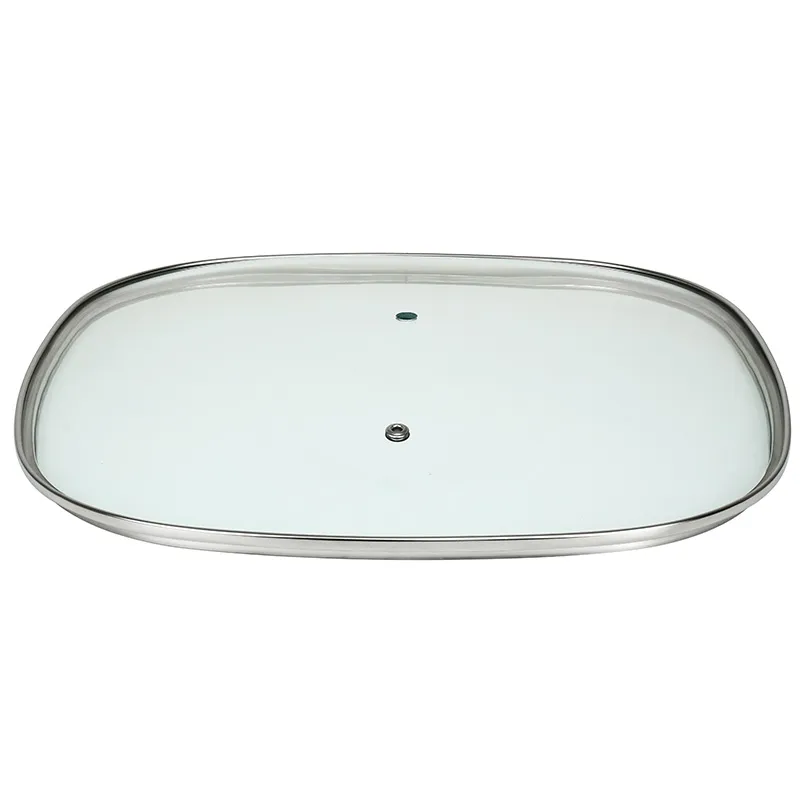
14 tempered glass lid
You see '14 tempered glass lid' and think, 'right, a 14-inch lid, made of tempered glass.' That's the first trap. In this line, that number rarely tells the whole story. Is it the outer diameter of the glass? The inner sealing diameter? Or just the nominal size of the pot it's supposed to fit? I've spent years sourcing and quality-checking these, and the mismatch between a spec sheet and what arrives on the dock is where the real work begins. It's not just a piece of glass; it's a component that has to survive thermal shock, clumsy handling, and maintain a seal. The '14' is just the starting point of the conversation.
The Manufacturing Reality Check
When you visit a factory floor, the scale hits you first. Take a place like EUR-ASIA COOKWARE CO.,LTD. Their operation in Taian is a case study in volume. 15 million pieces a year? That's a staggering output. It means their processes are dialed in for consistency. But high volume has its own pitfalls. The focus is on throughput. I've seen lines where the tempering oven's conveyor speed is tweaked by a few seconds to meet daily targets, and that minor shift can affect the stress pattern in the tempered glass lid. The resulting lid might still pass a basic impact test, but its long-term resistance to repeated thermal cycling—from a freezer to a stovetop, for instance—could be compromised. It's a detail you only catch if you're there, watching, asking why the schedule is suddenly faster.
The material sourcing is another silent variable. Not all clear glass is equal. For a lid that needs to be both crystal clear and incredibly strong, the silica quality and the iron content matter. Low-iron glass gives that premium, colorless look but adds cost. In a price-sensitive order, a supplier might quietly switch to a standard soda-lime batch. The lid still functions, but it has that faint greenish edge when you look at it from the side. For a brand selling into the European market, where aesthetics are tightly coupled with perceived quality, that's a rejection waiting to happen. You learn to specify not just 'glass,' but the raw material standards, and then verify the ingots on-site.
Then there's the edge work. A 14 tempered glass lid isn't just cut and tempered. The edge grinding is crucial. A poorly finished edge is a stress concentrator, a perfect starting point for a crack. I remember a shipment from a different supplier a while back where the edges felt just slightly rougher under a fingertip. We approved it based on paperwork. Six months later, we got a spike in customer complaints about lids chipping during hand-washing. The failure analysis traced it back to micro-fractures along that edge. Now, edge smoothness is a tactile check on every pre-shipment sample. It's a lesson written in broken glass and refunds.
Fit, Function, and the Universal Myth
The diameter is the headline, but the curvature is the story. A lid for a stainless steel pot has a different radius than one for a ceramic Dutch oven, even if both are called '14-inch'. A flat glass lid on a curved pot rim will rock, steam will escape, and the user experience is ruined. We once worked on a project for a line of casserole dishes. The lids were technically the correct diameter, but they sat unevenly. The issue was the 'dome height'—the slight arch of the lid. It was off by just 3 millimeters. The factory argued it was within tolerance. We had to cook with them, show the condensation dripping unevenly and pooling instead of running back into the dish. That visual evidence, the practical failure, is what finally got the mold adjusted.
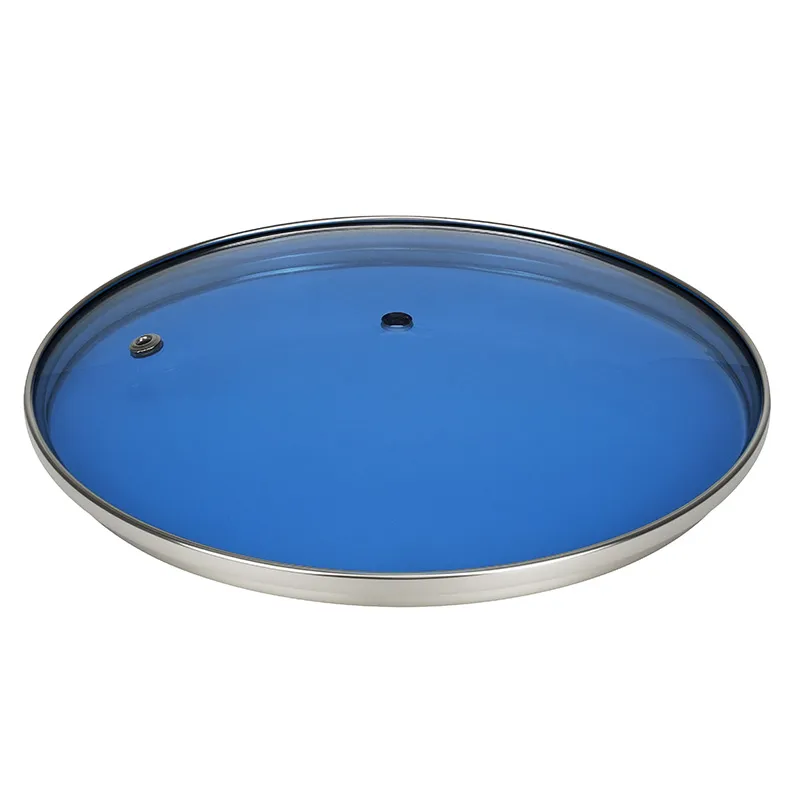
The handle and knob attachment is the most common point of mechanical failure. It seems simple: a metal or phenolic knob screwed onto the glass. But the thermal expansion rates of metal, plastic, and glass are all different. The epoxy or silicone gasket used as a buffer and adhesive must be chosen with care. I've seen knobs pop off when a lid is taken from a hot stove and placed on a cold granite countertop. The shock isn't just thermal to the glass; it's also shear stress on that adhesive bond. EUR-ASIA's product pages show a variety of knob styles, which suggests they've had to solve this for different markets. The ones with a wider base plate distributing the stress are almost always more reliable than a single-point screw post.
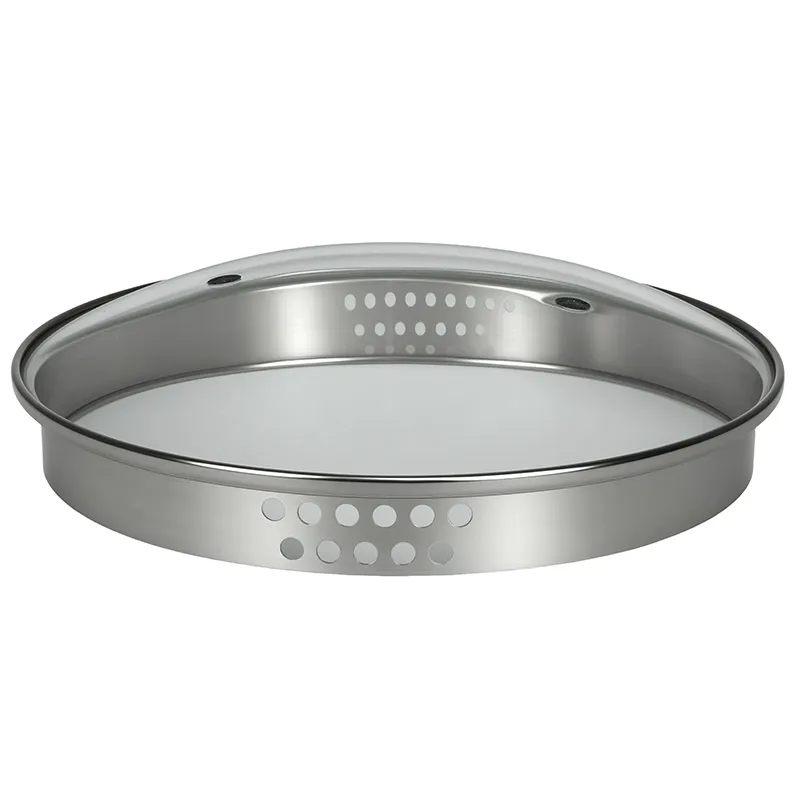
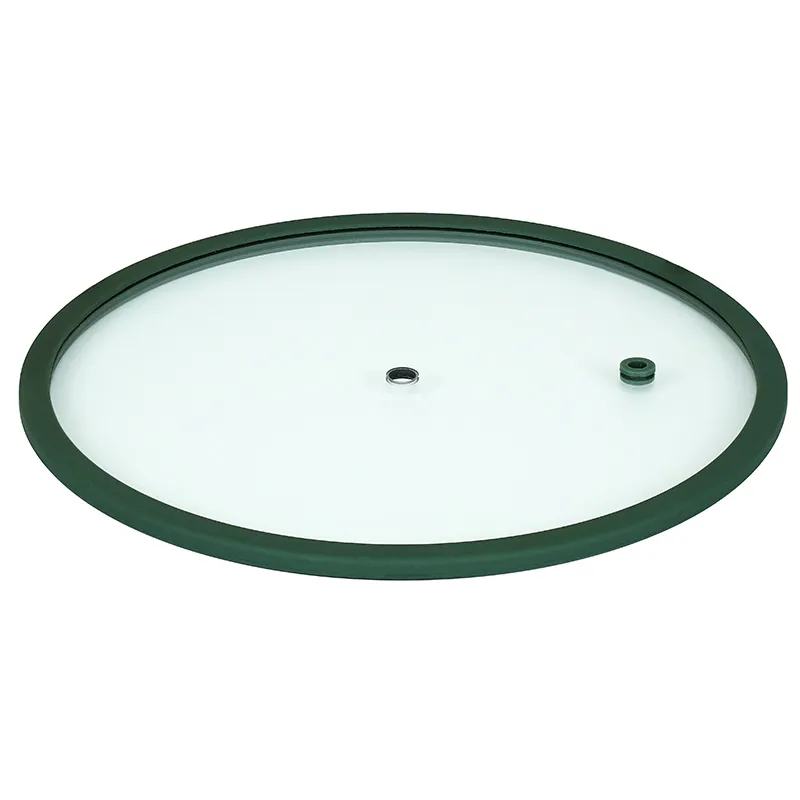
Venting is an under-engineered feature. A simple hole with a stainless steel insert seems adequate. But the positioning matters. Is it directly over the food? That can lead to splatter clogging it. Is the insert loose or press-fit? A loose one rattles and can fall out in the dishwasher. For a company exporting over 90% of its output to places like Germany and Japan, these aren't minor quibbles. They are the difference between a repeat order and a container stuck in a port awaiting inspection. The good suppliers get this; they design the vent as an integrated component, not an afterthought.
The Export Equation: Compliance and Perception
EUR-ASIA's export list reads like a who's who of demanding markets: Germany, Switzerland, Japan. Each has its own unspoken standards. German retailers might demand specific packaging that allows for efficient shelf stacking and clear recycling symbols. Japanese buyers are obsessed with finish and will inspect for the tiniest optical distortion or bubble in the glass. You can't just ship the same product everywhere. The 14 tempered glass lid for Brazil might be functionally identical to the one for Denmark, but the paperwork, the testing certifications (like LFGB for food contact in Germany), and even the carton design are completely different.
This is where a specialized producer has an edge. Their website, https://www.glass-lid.com, focuses squarely on this niche. It signals they understand the product category deeply, unlike a general glassware factory. When I see a company profile stating a dedicated production base of 20,000㎡ for household glass, it tells me they have the machinery and molds specifically for lids—not repurposed from making table tops or shower doors. That specialization reduces the 'surprise' factor in production. They're likely thinking about lid-specific issues every day: how to improve the cladding process for a heat-resistant rim, how to pack them to minimize transit breakage.
The 'low- medium- high level' mention in their intro is a telling bit of industry jargon. It's an acknowledgment that not all lids are created equal. A 'low-level' lid might be for a budget supermarket chain, thinner glass, simpler tempering, a basic plastic knob. The 'high-level' version for a European brand could involve borosilicate-like properties, a polished edge, a brushed stainless steel knob with a silicone grip, and individual foam sleeves for protection. The core process is similar, but the tolerances, finishes, and material grades create a completely different cost and performance tier. When you're sourcing, you need to be brutally clear about which tier you're buying into. The keyword '14 tempered glass lid' spans all three.
Failure as a Teacher: A Personal Anecdote
Early in my career, I was too trusting of a mill certificate for tempering. The paperwork said the surface compression was well over the 10,000 psi safety standard. We got a shipment of beautiful, clear 14 tempered glass lid units. During a routine—and somewhat dramatic—quality demo where we pour boiling water on a lid at room temperature, one of them exploded. Not just cracked, but violently shattered into the small granular pieces tempered glass is supposed to. It was a sobering moment. The paperwork was perfect. The reality was a batch that likely saw a quench air flow imbalance in the tempering oven.
We instituted a destructive batch testing protocol after that. Random lids from each production run are subjected to thermal shock and a point-impact test. It's the only way to be sure. This is the kind of hands-on, slightly paranoid quality control that separates a workable supplier from a great one. I'd wager a facility with 90+ employees and that export volume has a similar, if not more rigorous, QA cage in their factory. They have to. The cost of a single container being rejected in Hamburg would be catastrophic.
This experience also taught me about the 'annealing' vs. 'tempering' confusion. Some suppliers use the terms loosely. Annealed glass is heat-treated for stress relief but isn't safety glass. It breaks into large, sharp shards. A true tempered glass lid is a safety product. The difference is in the cooling process. Now, part of my factory audit is to physically walk to the tempering oven and understand its cycle. It's not micromanaging; it's risk management.
Wrapping It Up: The Lid as a System
So, when you come back to the term '14 tempered glass lid', it should feel heavier now. It's not a commodity. It's the result of specific material choices, precise engineering for fit and venting, a deeply understood manufacturing process with tight thermal controls, and a logistics chain built around diverse international compliance. A company like EUR-ASIA COOKWARE survives in that competitive export space because they've presumably baked these considerations into their system. Their specialization is their strength.
The next time you're specifying or buying these, look past the diameter. Ask about the dome height, the edge finish, the knob attachment method, and the specific standards the tempering meets. Request the failure rate data. The best suppliers in this field, and I'd include specialized makers like the one behind https://www.glass-lid.com in that category, will have these answers at the ready. They live in these details. Because in the end, a lid is a simple thing until it fails. And then, it's the only thing your customer remembers.
It's a niche world, this. You're dealing with physics, chemistry, metallurgy, and international trade law, all baked into a single, transparent circle of glass. The '14' is just where you start the conversation, not where you end it.
Related Products
Related Products