- Chinese
- French
- German
- Portuguese
- Spanish
- Russian
- Japanese
- Korean
- Arabic
- Irish
- Greek
- Turkish
- Italian
- Danish
- Romanian
- Indonesian
- Czech
- Afrikaans
- Swedish
- Polish
- Basque
- Catalan
- Esperanto
- Hindi
- Lao
- Albanian
- Amharic
- Armenian
- Azerbaijani
- Belarusian
- Bengali
- Bosnian
- Bulgarian
- Cebuano
- Chichewa
- Corsican
- Croatian
- Dutch
- Estonian
- Filipino
- Finnish
- Frisian
- Galician
- Georgian
- Gujarati
- Haitian
- Hausa
- Hawaiian
- Hebrew
- Hmong
- Hungarian
- Icelandic
- Igbo
- Javanese
- Kannada
- Kazakh
- Khmer
- Kurdish
- Kyrgyz
- Latin
- Latvian
- Lithuanian
- Luxembou..
- Macedonian
- Malagasy
- Malay
- Malayalam
- Maltese
- Maori
- Marathi
- Mongolian
- Burmese
- Nepali
- Norwegian
- Pashto
- Persian
- Punjabi
- Serbian
- Sesotho
- Sinhala
- Slovak
- Slovenian
- Somali
- Samoan
- Scots Gaelic
- Shona
- Sindhi
- Sundanese
- Swahili
- Tajik
- Tamil
- Telugu
- Thai
- Ukrainian
- Urdu
- Uzbek
- Vietnamese
- Welsh
- Xhosa
- Yiddish
- Yoruba
- Zulu
- Kinyarwanda
- Tatar
- Oriya
- Turkmen
- Uyghur


1l glass jar with lid
When you hear '1l glass jar with lid', most people picture a simple storage item. In reality, it's a precision component where the lid's fit, the glass's thermal stability, and the overall finish dictate its real-world performance. Many buyers, even some in procurement, get hung up on price per unit or basic aesthetics, missing the critical engineering that separates a good jar from one that fails in daily use—like a lid that warps after a few dishwasher cycles or a neck finish that chips during capping. That's where the real conversation should start.
Defining the Specs: It's in the Details
The capacity seems straightforward—one liter. But is that a brimful volume or a working volume? For practical filling lines and consumer use, you need a consistent 1l glass jar with clear headspace. I've seen batches where the internal volume varied by +/- 30ml, causing overfills and sealing issues on automated lines. That's a spec that needs locking down at the design phase.
Then there's the glass itself. Soda-lime is standard, but the composition and annealing process matter immensely for thermal shock resistance. A jar meant for hot-fill applications, like preserves, can't be the same as one for cold-stored dry goods. I recall a project where we sourced what looked like perfect jars, but a pilot batch of hot-packed jam led to a 5% breakage rate upon cooling. The failure wasn't visible; it was microscopic stress fractures from improper annealing.
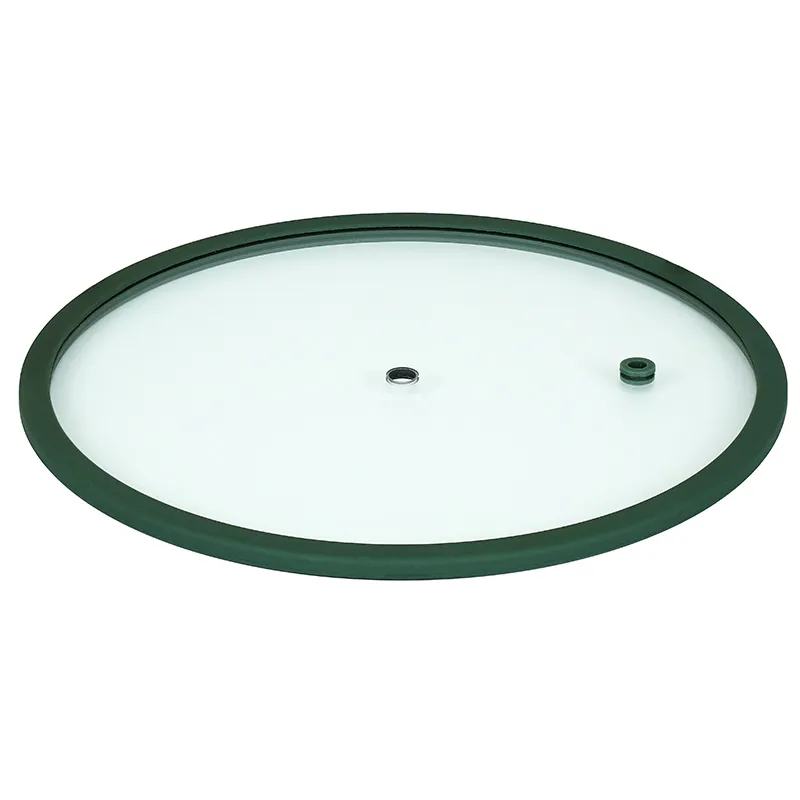
The lid is its own universe. Whether it's a twist-off metal cap, a plastic click-seal, or a glass lid with a rubber gasket, the sealing surface on the jar's finish is everything. A tiny imperfection in the thread or the sealing ridge, often invisible to the eye, compromises the hermetic seal. We learned this the hard way with a shipment for a European client where the failure rate on vacuum seals was unacceptable. The root cause? Inconsistent glass finishing at the jar's neck.
The Manufacturing Reality: From Batch to Consistency
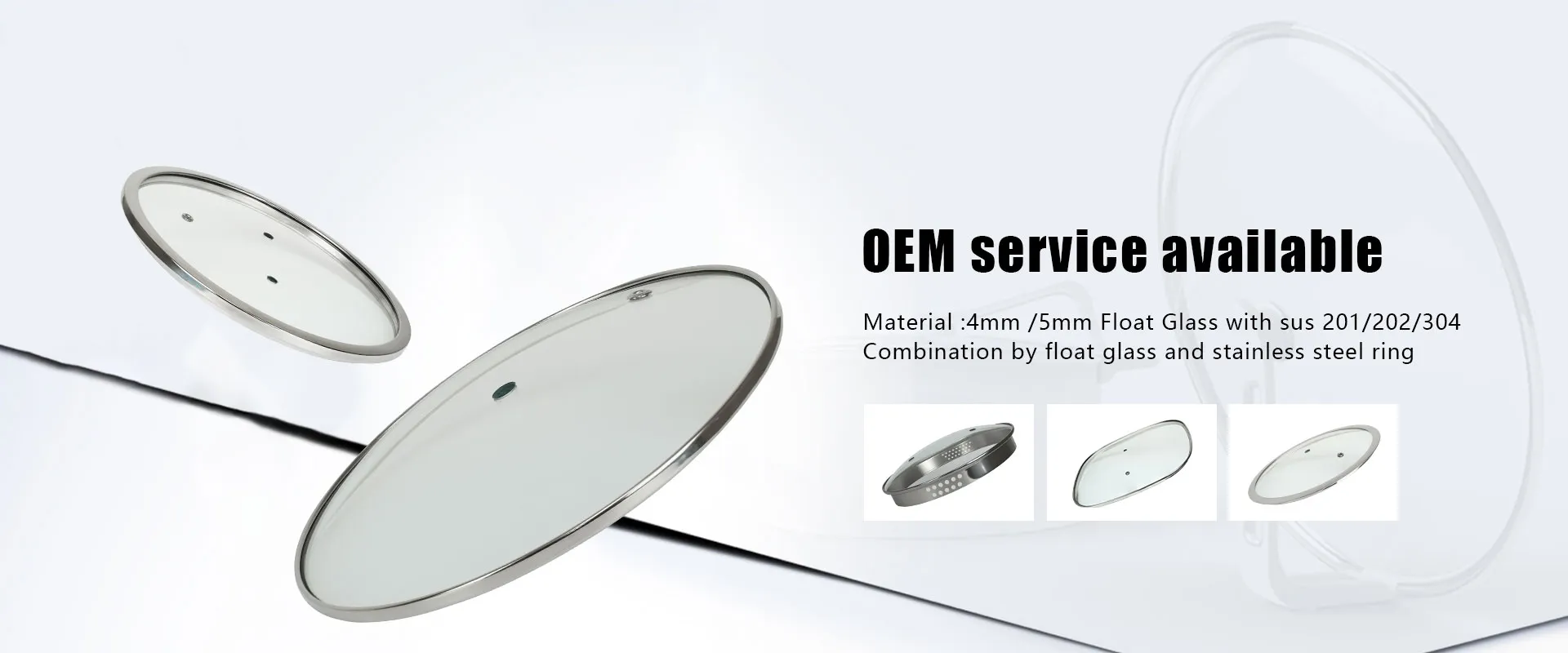
This is where a supplier's capability shows. Take a company like EUR-ASIA COOKWARE CO.,LTD. Their focus on tempered glass lids and household glass products (https://www.glass-lid.com) points to a specialization in precision glass forming. A production base with 15,000㎡ of building area and an output of over 15 million pieces annually suggests they're geared for volume, but the key is control over that volume.
Their export footprint—over 90% to markets like Germany, Italy, and Japan—is a telling data point. These are markets with stringent quality norms for kitchenware. A Japanese buyer will scrutinize the clarity of the glass and the smoothness of the finish in a way that other markets might not. This export pressure forces a factory to maintain higher standards. It's not just about making a jar; it's about making the same perfect jar, million after million.
However, high output can be a double-edged sword. The risk is in automation and quality checkpoints. When visiting facilities of this scale, I always ask to see the QC station for the jar's sealing surface. Is it a manual spot-check or an automated optical inspection for every unit? The answer often predicts the consistency you'll get. For a reliable glass jar with lid, that consistency is non-negotiable.
Application Pitfalls and Real-World Testing
Beyond manufacturing, application dictates design. A jar for retail sale of gourmet foods needs aesthetic appeal—crisp labeling surfaces, a pleasing shape. An identical jar for industrial bulk ingredient storage prioritizes stackability and durability. We once ordered what we thought was a standard 1L jar for a bakery's cookie mix, only to find the shoulder design made them unstable when palletized three layers high. A slight design tweak to the base curvature solved it.
Lid compatibility is the most common headache. The assumption that any standard 70mm lid will fit a 70mm jar is a major industry misconception. Tolerances differ. A metal closure from one supplier might seal perfectly, while a plastic one from another might leak. The only real test is a production-line trial with the exact lid and capping torque you plan to use. Don't rely on supplier samples alone; run a few hundred through your own equipment.
Then there's the user end. Dishwasher safety is a big claim. True dishwasher durability for a 1l glass jar and its lid requires the glass to withstand high-alkaline detergents and thermal cycling without etching, and the lid (if not glass) must not degrade or warp. I've seen plastic lids that seal beautifully new but become unusable after 20 dishwasher runs. Always ask for and review accelerated lifecycle test data.
Case in Point: The EUR-ASIA Profile and What It Signals
Looking at EUR-ASIA COOKWARE's profile again—specialized in low to high-level household glass, based in a National High-tech Development Zone in Shandong. This location is significant. Shandong is a glass manufacturing hub in China, meaning access to raw materials and a skilled labor pool. The high-tech zone designation often comes with better infrastructure and sometimes more rigorous environmental and operational standards, which indirectly benefits production quality.
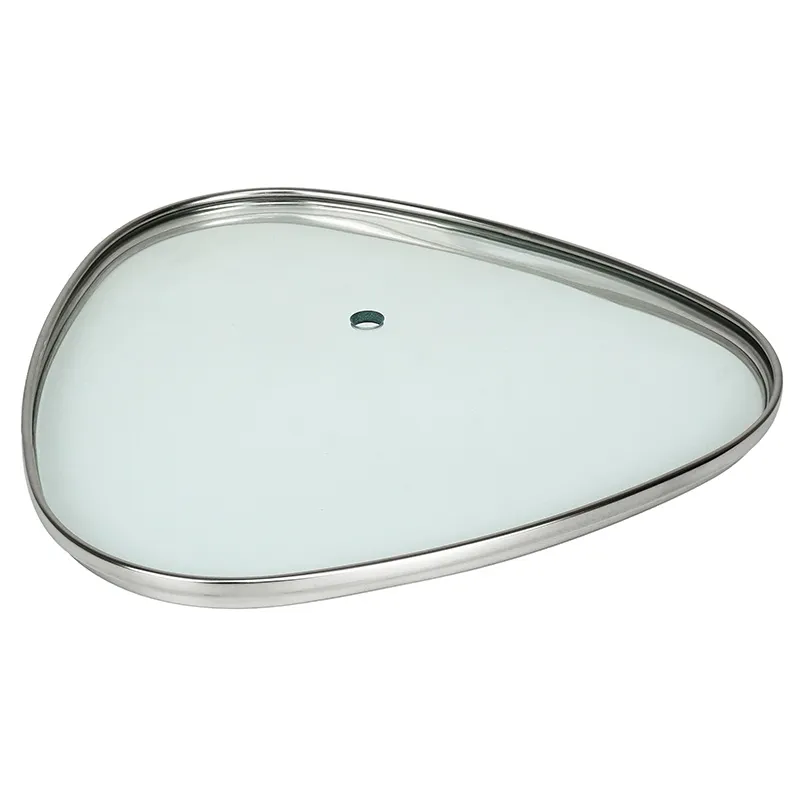
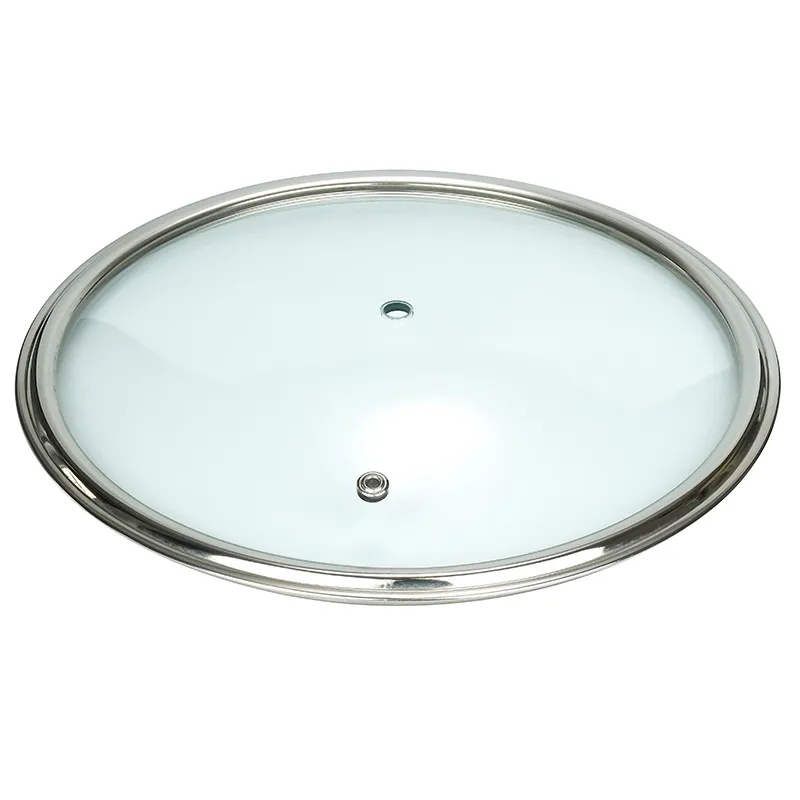
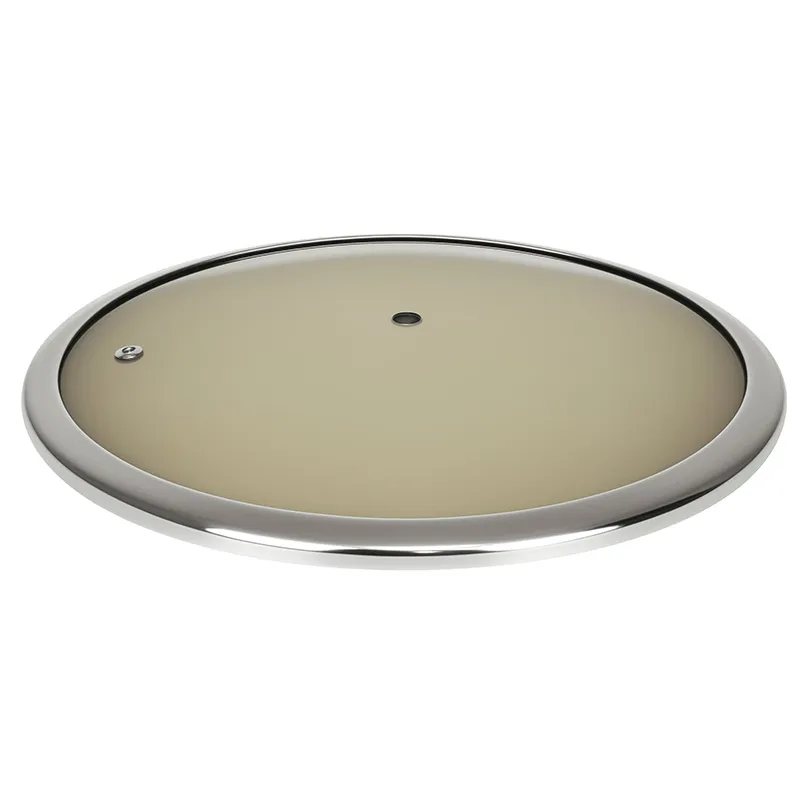
Their specialization in tempered glass lids is a competitive edge for a glass jar with lid system. A tempered glass lid is more premium, allows microwave use, and doesn't retain odors like some plastics. But it's harder to make—it requires precise thermal tempering to be safe and must mate perfectly with the jar. The fact that this is their stated focus, rather than just jars, suggests deeper expertise in the sealing system as a whole, not just one component.
The export dominance to Europe speaks volumes. EU regulations on food contact materials (like EU 10/2011 for plastics in lids) and heavy metal limits in glass are strict. A factory consistently passing these barriers has its chemical compliance and material sourcing in order. For a buyer, this reduces a significant portion of the compliance risk. It's a proxy for a certain level of assured quality.
Final Thoughts: Sourcing with Context
So, when you're sourcing a 1l glass jar with lid, you're not just buying a container. You're buying into a supply chain's quality philosophy, its manufacturing discipline, and its understanding of your end-use. The jar is the visible part; the specs, the tolerance control, and the testing protocols are the invisible foundation.
A supplier like EUR-ASIA COOKWARE represents a certain tier—high-volume, export-oriented, with a specific technical focus on glass components. That makes them a strong candidate for projects needing scale and compliance. But the final step is always application-specific validation. Their jar might be perfect for one client's herbal tea blend but wrong for another's acidic pickling brine unless the glass composition is adjusted.
In the end, treat the keyword as a starting point for a deeper technical discussion. Ask about the jar's thermal shock delta, the lid's torque tolerance, and the factory's AQL (Acceptable Quality Level) for critical defects. The answers, or sometimes the hesitation in them, will tell you more than any product catalog ever could. That's the difference between a smooth project and one filled with unexpected breakage and sealing failures.
Related Products
Related Products