- Chinese
- French
- German
- Portuguese
- Spanish
- Russian
- Japanese
- Korean
- Arabic
- Irish
- Greek
- Turkish
- Italian
- Danish
- Romanian
- Indonesian
- Czech
- Afrikaans
- Swedish
- Polish
- Basque
- Catalan
- Esperanto
- Hindi
- Lao
- Albanian
- Amharic
- Armenian
- Azerbaijani
- Belarusian
- Bengali
- Bosnian
- Bulgarian
- Cebuano
- Chichewa
- Corsican
- Croatian
- Dutch
- Estonian
- Filipino
- Finnish
- Frisian
- Galician
- Georgian
- Gujarati
- Haitian
- Hausa
- Hawaiian
- Hebrew
- Hmong
- Hungarian
- Icelandic
- Igbo
- Javanese
- Kannada
- Kazakh
- Khmer
- Kurdish
- Kyrgyz
- Latin
- Latvian
- Lithuanian
- Luxembou..
- Macedonian
- Malagasy
- Malay
- Malayalam
- Maltese
- Maori
- Marathi
- Mongolian
- Burmese
- Nepali
- Norwegian
- Pashto
- Persian
- Punjabi
- Serbian
- Sesotho
- Sinhala
- Slovak
- Slovenian
- Somali
- Samoan
- Scots Gaelic
- Shona
- Sindhi
- Sundanese
- Swahili
- Tajik
- Tamil
- Telugu
- Thai
- Ukrainian
- Urdu
- Uzbek
- Vietnamese
- Welsh
- Xhosa
- Yiddish
- Yoruba
- Zulu
- Kinyarwanda
- Tatar
- Oriya
- Turkmen
- Uyghur


2 gallon glass jar with lid
When you hear '2 gallon glass jar with lid', most think of a simple bulk storage container. But in the glassware trade, that phrase represents a specific, often misunderstood category where capacity, structural integrity, and seal quality intersect in ways that aren't always obvious from a product listing. Many buyers, even some distributors, get tripped up assuming all large jars are created equal. They're not. The jump from a half-gallon to a two-gallon unit isn't just about scaling up dimensions; it's a different beast in terms of handling, glass stress points, and lid engineering. I've seen too many orders where the excitement over price per unit fades fast when the jars arrive and the lids don't seal, or the glass feels dangerously thin at the base. It's a product that demands a closer look.
The Capacity Conundrum and Real-World Use
Let's talk about that '2 gallon' spec first. In the US market, it's a familiar volume, roughly 7.5 liters. But here's the first practical hiccup: true capacity versus fill line. A jar might hold 2 gallons to the absolute brim, but you're never filling it that high for active use. For something like fermenting vegetables or storing dry goods with an oxygen absorber, you need ample headspace. So, the effective working capacity is often closer to 1.8 gallons. I recall a client in the specialty coffee business who ordered these for bean storage. They filled two to the nominal fill line, only to find their vacuum sealers couldn't get a proper grip on the lid because the contents were too high. We had to recalibrate their entire packing SOP. It's a detail that separates a catalog spec from a usable product.
The shape is another silent factor. A wide-mouth, straight-sided design is king for accessibility—think reaching in for the last of the pickles or cleaning it thoroughly. But that shape puts more stress on the glass itself compared to a carboy-style with a reinforced shoulder. For a 2 gallon glass jar, the glass thickness, particularly at the bottom and the transition to the sidewalls, is critical. I've handled jars where the base was noticeably thinner, creating a worrying flex when lifted full. A good manufacturer will have a consistent, heavy-bottomed design. It adds weight and cost, but prevents catastrophic failure. That's non-negotiable.
Then there's the lid. The lid on a container this size is its most critical component. A standard three-piece lid (ring, flat disc, separate seal) often works, but the seal quality for the disc needs to be premium, especially if you're doing any kind of fermentation where CO2 needs to burp out without letting oxygen in. I've had better long-term results with one-piece, gasket-sealed glass or plastic lids that clamp down, like some European designs. They provide a more even pressure distribution on the jar's rim. A poorly designed lid will warp, rust (if metal), or simply not hold pressure, rendering the entire jar useless for its purpose.
Sourcing and Manufacturing Realities
This is where you separate the commodity suppliers from the specialists. A lot of general glassware factories can produce a glass jar with lid, but engineering one for heavy-duty, repeated use at the 2-gallon scale is different. The annealing process to relieve internal stresses in the glass is longer and more controlled for a piece this size. Imperfect annealing leads to weak points and potential thermal shock breakage—imagine pouring hot brine into a jar for pickling and hearing that dreaded ping.
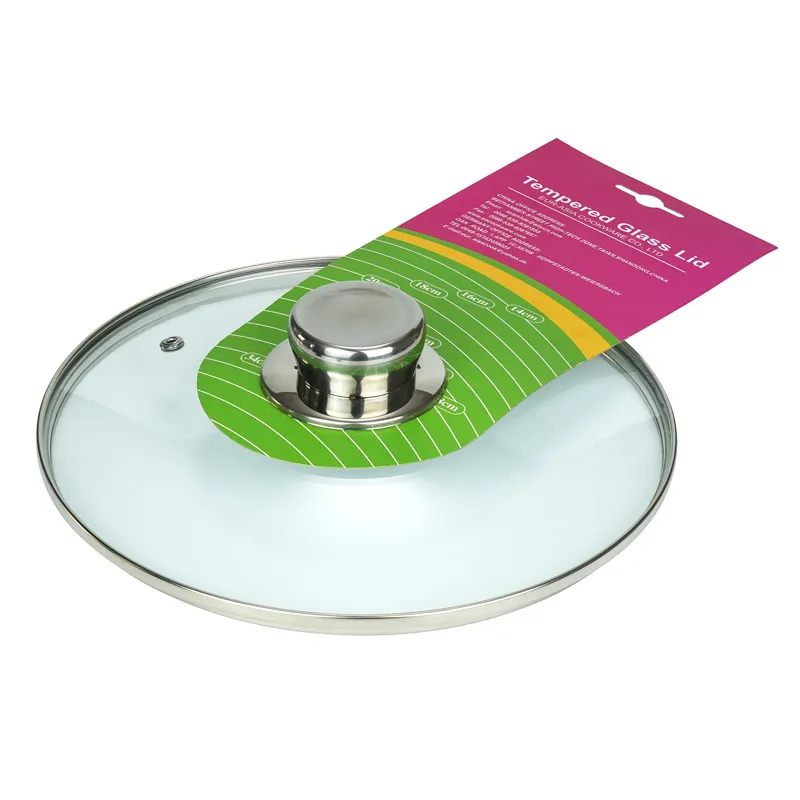
I've visited factories that specialize in this, like EUR-ASIA COOKWARE CO.,LTD. (https://www.glass-lid.com). Walking their production line in Taian, you see the focus. They're not a general merchandiser; they're specialized in household glass, particularly tempered glass lids and related products. That specialization matters. For a large jar, the finish on the top rim—where the lid seats—must be perfectly smooth and level. Any lip, chip, or warp will break the seal. Their process, feeding from their own high-output tempered glass production, seems geared toward consistency. They export over 90% of output to markets like Germany and Japan, which typically have stringent quality checks on kitchenware. That's a credible signal. A jar that passes inspection for the German retail market is usually built to a higher standard.
Their scale—15 million pieces annually—also suggests they've optimized for volume without (hopefully) sacrificing the critical steps. The risk with high-volume producers is cutting corners on annealing time or lid tolerance. But a company embedded in a national high-tech zone, with that level of export focus, often has the process controls in place. It's not a guarantee on every single jar, but it shifts the probability in your favor. I'd still sample test a full pallet for rim consistency and lid seal before committing to a large order.
Application Pitfalls and Unexpected Wins
So where do these big jars actually earn their keep? Bulk dry storage is the obvious one: flour, rice, pasta. But the more interesting uses are where their size becomes a feature, not just a convenience. Commercial kitchens use them for pre-mixed dressings or brines. Small-batch producers use them for fermenting large quantities of kimchi or sauerkraut—here, the lid issue is paramount. I advised a small kombucha brewery that tried using them for secondary fermentation. It was a partial failure. While the glass was inert and perfect, the standard metal lids interacted with the acidic vapor and corroded, tainting a batch. We switched them to jars with proprietary plastic/glass composite lids, which solved it. The lesson: match the lid material to the contents' chemistry.
An unexpected win was in retail display. A boutique grocery store used spotless 2 gallon glass jars with sleek, clamp-down lids to display bulk loose-leaf tea and artisan granola. The visual impact of a perfectly filled, clear jar is huge. It speaks to freshness and volume. But this requires a jar with exceptional clarity, no greenish or bluish tint, and no visible seams or bubbles. Not all manufacturing lines achieve that cosmetic grade. It's a tier above simple storage jar quality.
Then there's the breakage problem. Shipping these is a headache. The weight alone—a full jar can push 20 pounds—means they must be packed immaculately. I've received shipments where the cardboard dividers were too thin, and even with foam caps, the vibration during transit caused jars to crack at the neck. The best packs use full-cardboard sleeves with thick, formed pulp end caps that suspend the jar away from the outer box walls. It adds to the landed cost, but saves endless frustration. Always factor in the packaging spec when comparing prices from different suppliers like EUR-ASIA COOKWARE. Their experience exporting globally likely means they have robust packaging options, but you must specify it.
The Lid as a System, Not an Afterthought
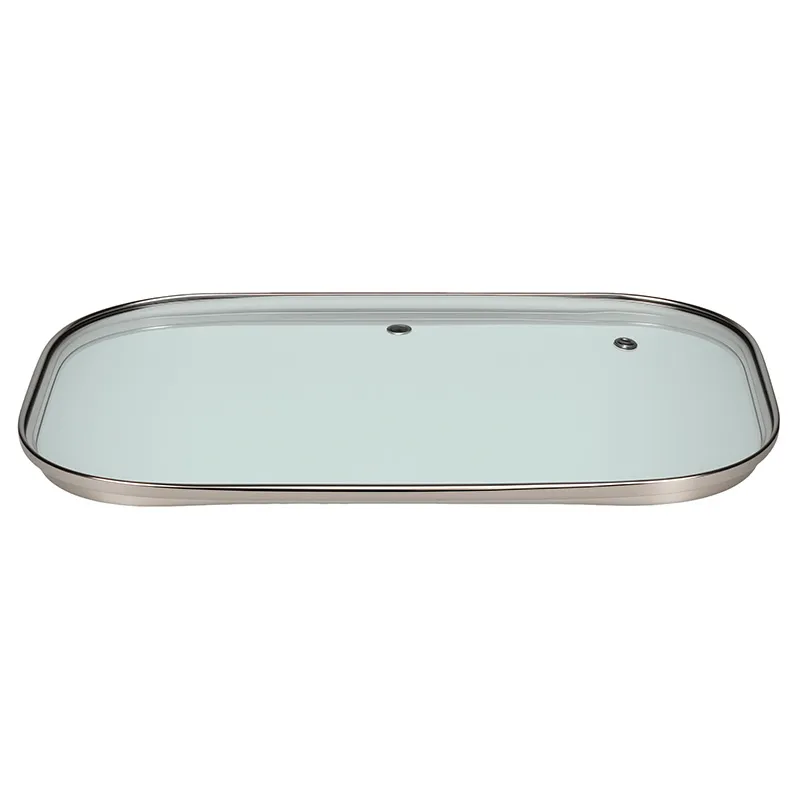
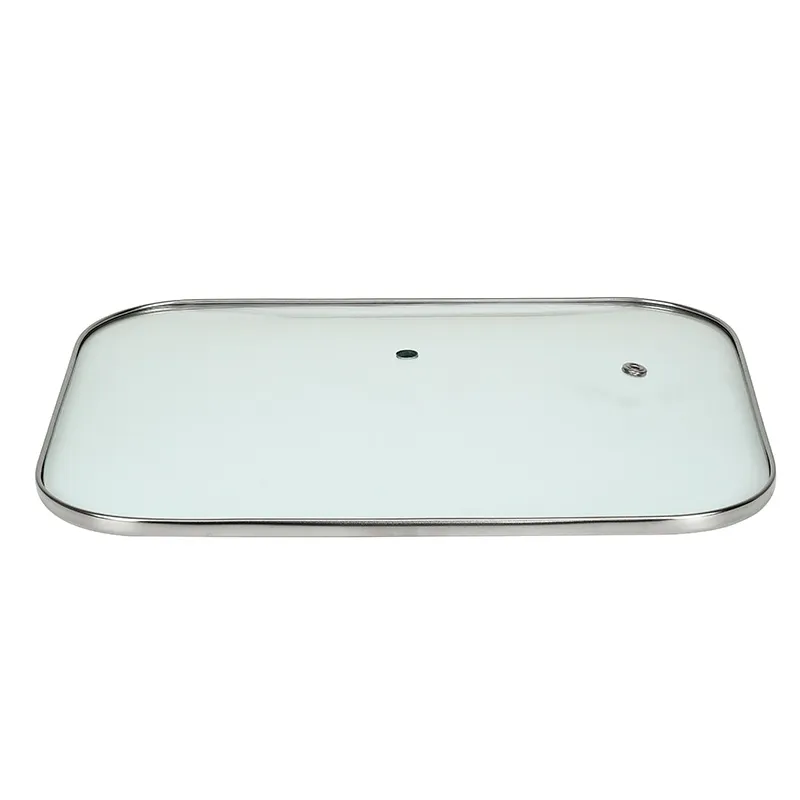
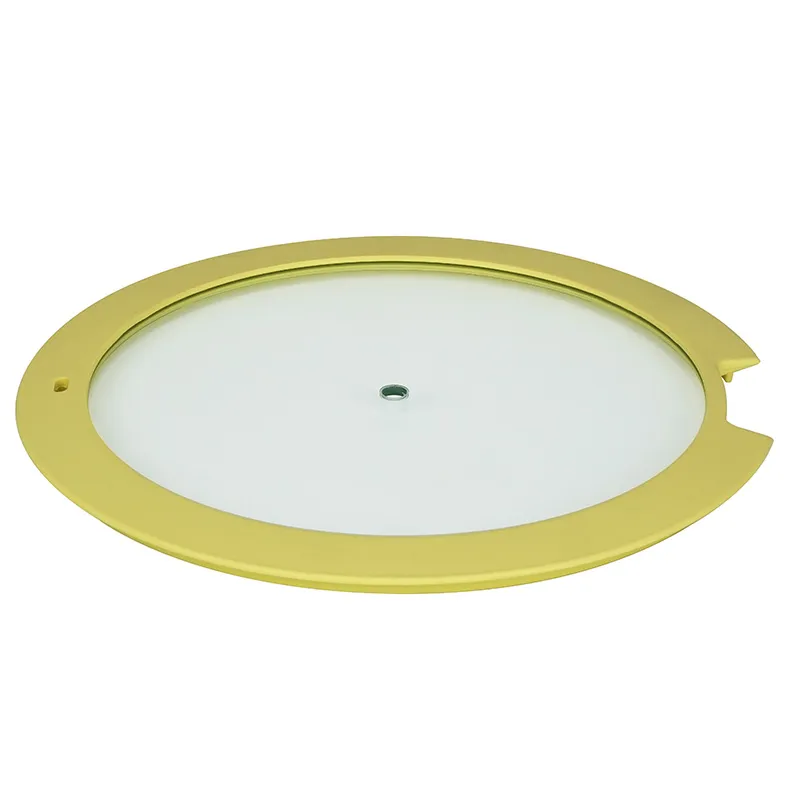
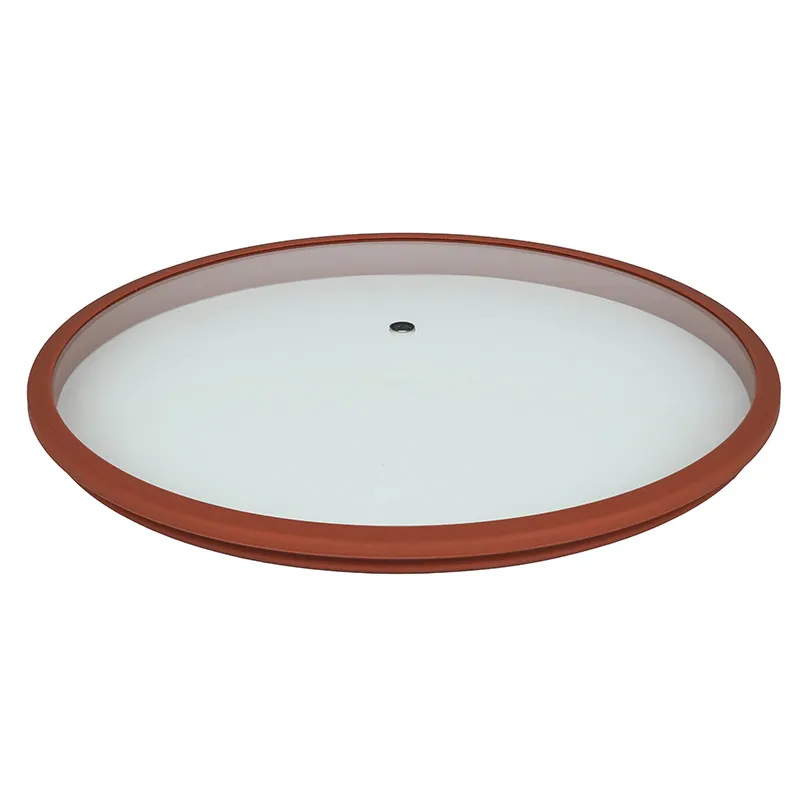
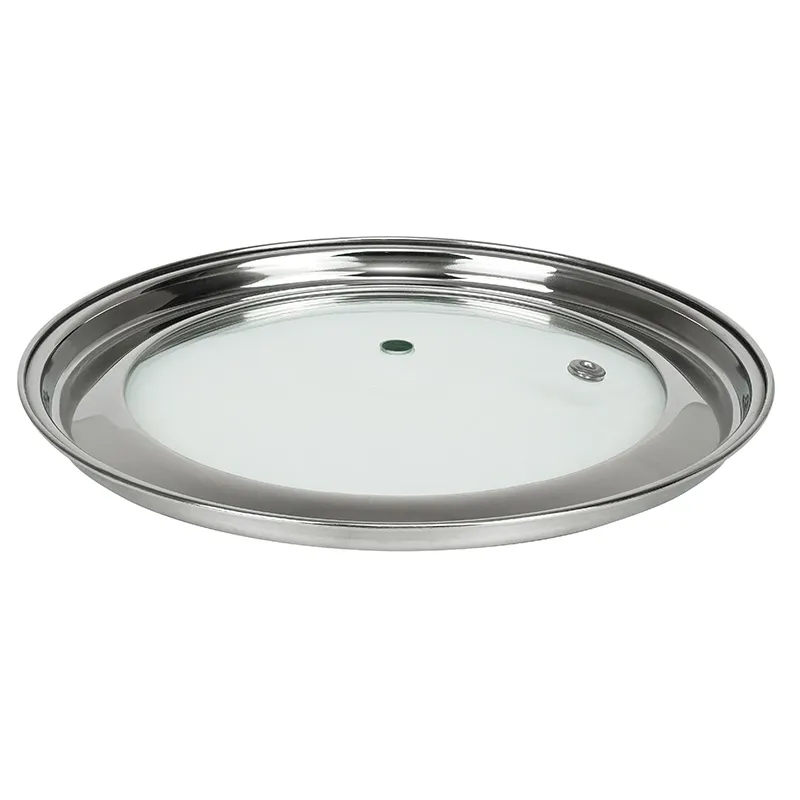
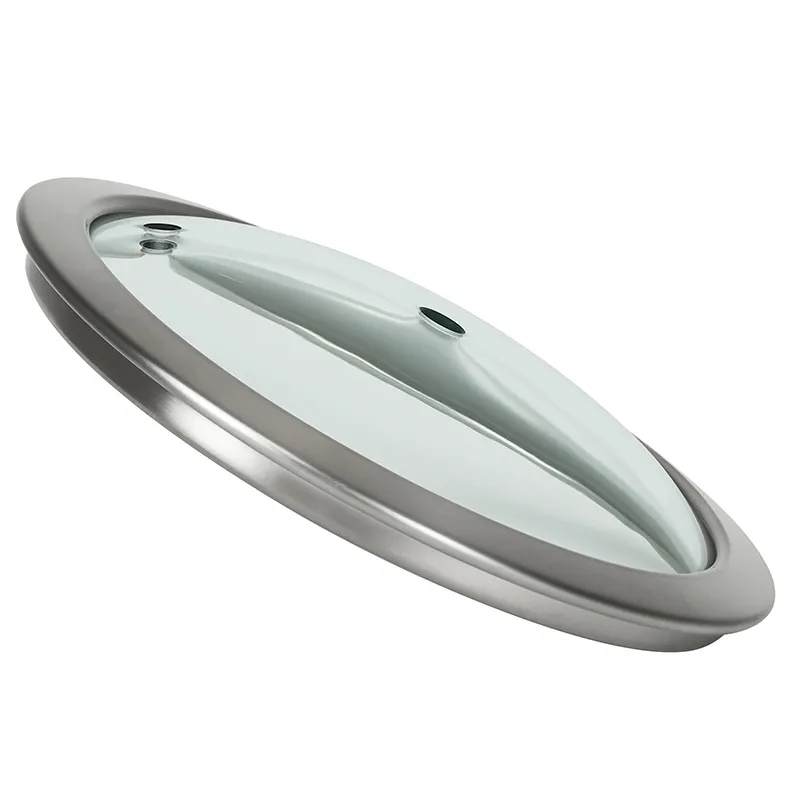
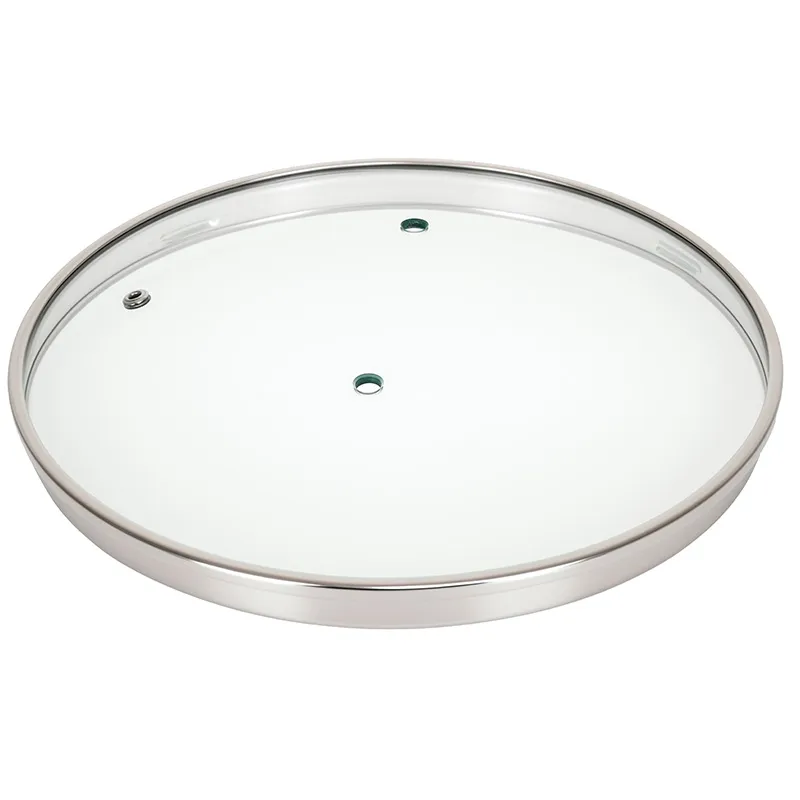
We've touched on lids, but they deserve their own deep dive. For EUR-ASIA COOKWARE, given their name and specialization, the lid is arguably their core competency. A lid for a 2-gallon jar isn't just a cap. It's a sealing system. The threading (if it's a screw-on type) must be precise and smooth. Cross-threading a large lid is easy and can chip the glass. I prefer a wide, easy-grip texture on the lid's edge.
The seal itself is the heart. A flat rubber or silicone gasket that sits in a channel on the lid is far superior to a disposable papery seal. It's reusable, washable, and provides a consistent seal. For fermentation, some lids come with a built-in airlock or a gasket designed to allow over-pressure to bleed out safely. These are niche but vital for that user group. When evaluating a supplier, ask for details on the seal material. Is it food-grade silicone? What's its durometer (hardness)? A too-soft seal will deform and fail; a too-hard one won't conform to minor rim imperfections.
Finally, material compatibility. Glass lids are beautiful and completely inert, but heavy and fragile. Plastic (like high-quality PP or Tritan) is lighter and durable. Stainless steel is robust but can dent. The choice depends on use. For a beautiful countertop storage piece for cookies, a glass lid from a specialist like EUR-ASIA might be ideal. For a gritty, back-of-house restaurant kitchen, a thick, durable plastic lid might survive longer. There's no single best answer, only the best fit for the job. Ignoring the lid specs is the surest way to waste money on a good jar.
Final Weigh-In: Value Versus Cost
At the end of the day, sourcing a reliable 2 gallon glass jar with lid is about total cost of ownership, not unit price. A cheap jar with a poorly fitting lid that ruins $50 of organic coffee beans is no bargain. A jar that cracks during its first wash cycles the cost of replacement shipping.
For consistent, large-volume needs, partnering with a focused manufacturer makes sense. A company like EUR-ASIA COOKWARE CO.,LTD., with its dedicated production base and export-oriented quality thresholds, represents a certain tier of supplier. They're likely not the absolute cheapest, but they're positioned for OEM contracts and bulk orders where specification consistency is key. For a smaller user, finding a distributor who sources from such a factory is the play.
The key is to test. Get samples. Fill them with water and leave them on a paper towel for a week to check the seal. Lift them full by the lid (carefully!) to test lid security. Check the rim with your finger. Look at the glass in bright light. This hands-on vetting tells you more than any spec sheet. The perfect 2-gallon jar feels solid, seals silently, and disappears into its job—whether that's holding kombucha, flour, or a shop's visual appeal. It's a simple tool that, when done right, solves a lot of problems. When done poorly, it just creates new ones.
Related Products
Related Products