- Chinese
- French
- German
- Portuguese
- Spanish
- Russian
- Japanese
- Korean
- Arabic
- Irish
- Greek
- Turkish
- Italian
- Danish
- Romanian
- Indonesian
- Czech
- Afrikaans
- Swedish
- Polish
- Basque
- Catalan
- Esperanto
- Hindi
- Lao
- Albanian
- Amharic
- Armenian
- Azerbaijani
- Belarusian
- Bengali
- Bosnian
- Bulgarian
- Cebuano
- Chichewa
- Corsican
- Croatian
- Dutch
- Estonian
- Filipino
- Finnish
- Frisian
- Galician
- Georgian
- Gujarati
- Haitian
- Hausa
- Hawaiian
- Hebrew
- Hmong
- Hungarian
- Icelandic
- Igbo
- Javanese
- Kannada
- Kazakh
- Khmer
- Kurdish
- Kyrgyz
- Latin
- Latvian
- Lithuanian
- Luxembou..
- Macedonian
- Malagasy
- Malay
- Malayalam
- Maltese
- Maori
- Marathi
- Mongolian
- Burmese
- Nepali
- Norwegian
- Pashto
- Persian
- Punjabi
- Serbian
- Sesotho
- Sinhala
- Slovak
- Slovenian
- Somali
- Samoan
- Scots Gaelic
- Shona
- Sindhi
- Sundanese
- Swahili
- Tajik
- Tamil
- Telugu
- Thai
- Ukrainian
- Urdu
- Uzbek
- Vietnamese
- Welsh
- Xhosa
- Yiddish
- Yoruba
- Zulu
- Kinyarwanda
- Tatar
- Oriya
- Turkmen
- Uyghur


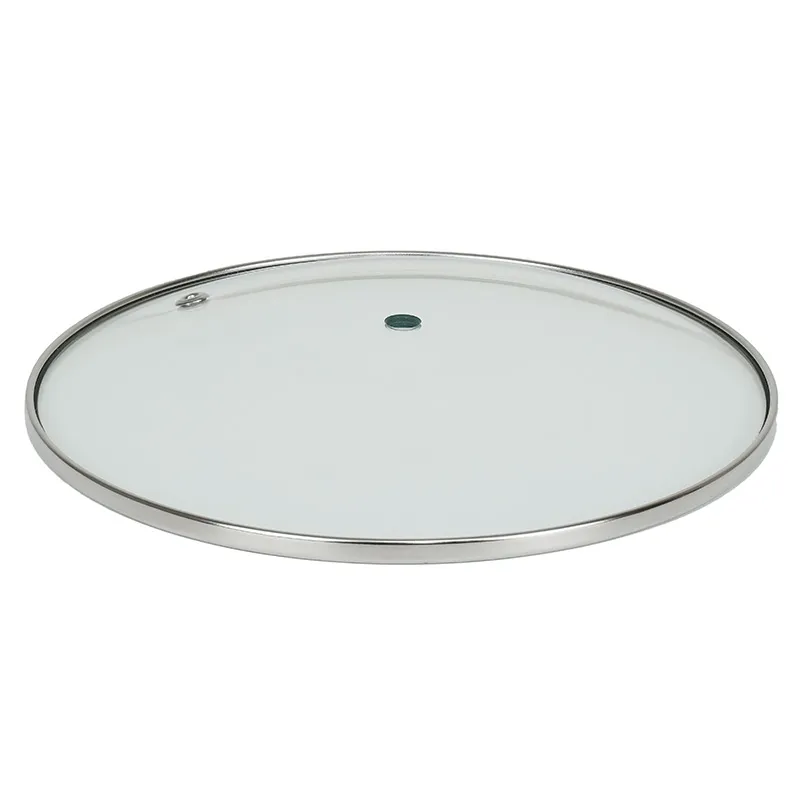
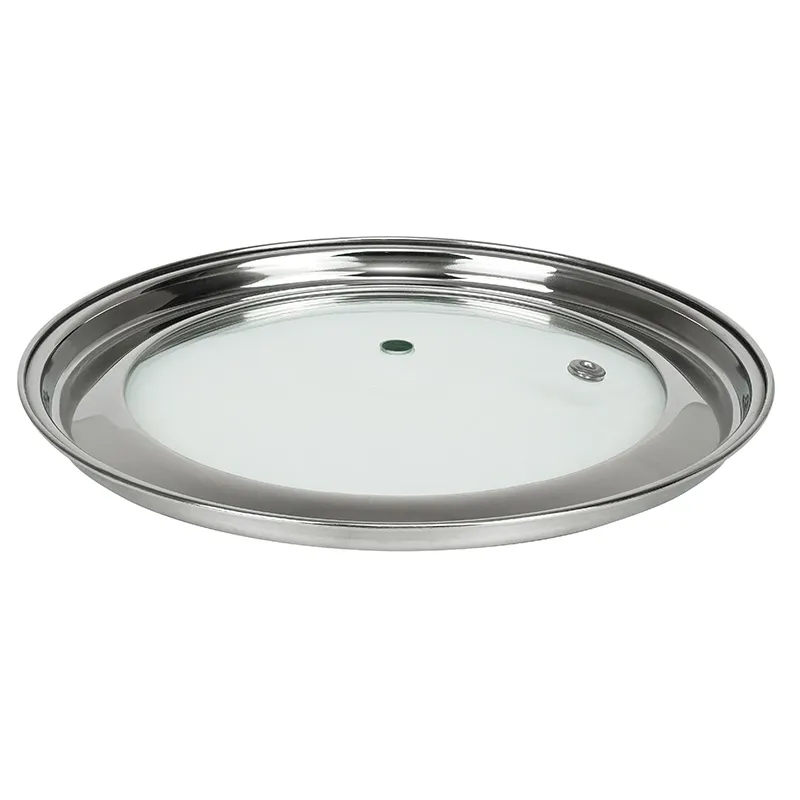
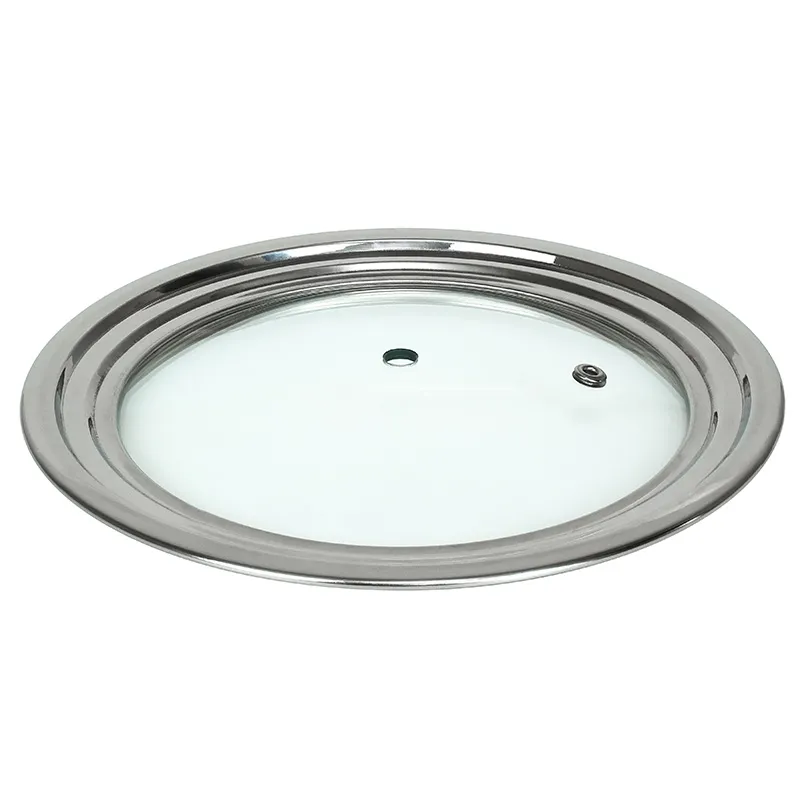
2 liter glass jar with lid
When you hear '2 liter glass jar with lid', most people picture a simple storage jar, maybe for pickles or bulk beans. That's the common misconception—it's often seen as a commodity item, where one is as good as another. In reality, the spec is just the starting point. The real story is in the glass composition, the lid seal integrity, and the intended thermal processing, if any. I've seen too many projects stall because someone sourced a cheap jar that couldn't handle a hot-fill process or a lid that rusted after three washes. It's not just a jar; it's a critical component in a product's lifecycle.
Defining the Spec Beyond Volume
So, a 2-liter capacity. Straightforward, right? Not exactly. Is it measured to the brim or to the fill line? For hot-fill applications, you need significant headspace—sometimes 10% or more—to account for vacuum formation as the contents cool. Using a jar filled to its literal 2L mark for canning is a recipe for seal failure or, worse, breakage. The glass thickness and annealing process become paramount here. A jar meant for room-temperature dry storage can be lighter, but one destined for a pantry staple that might be shipped internationally needs to withstand stacking pressure.
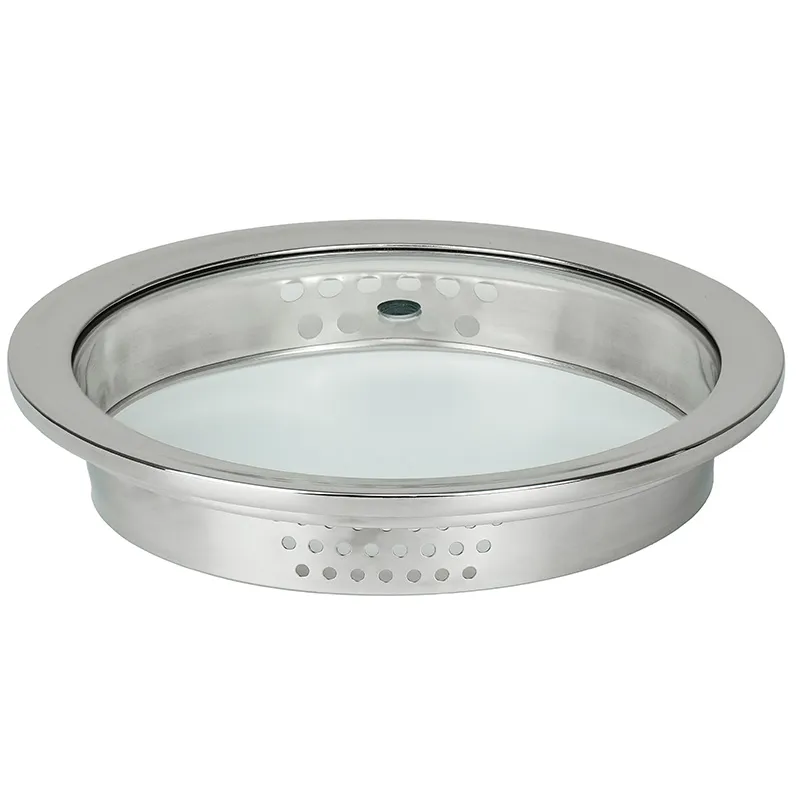
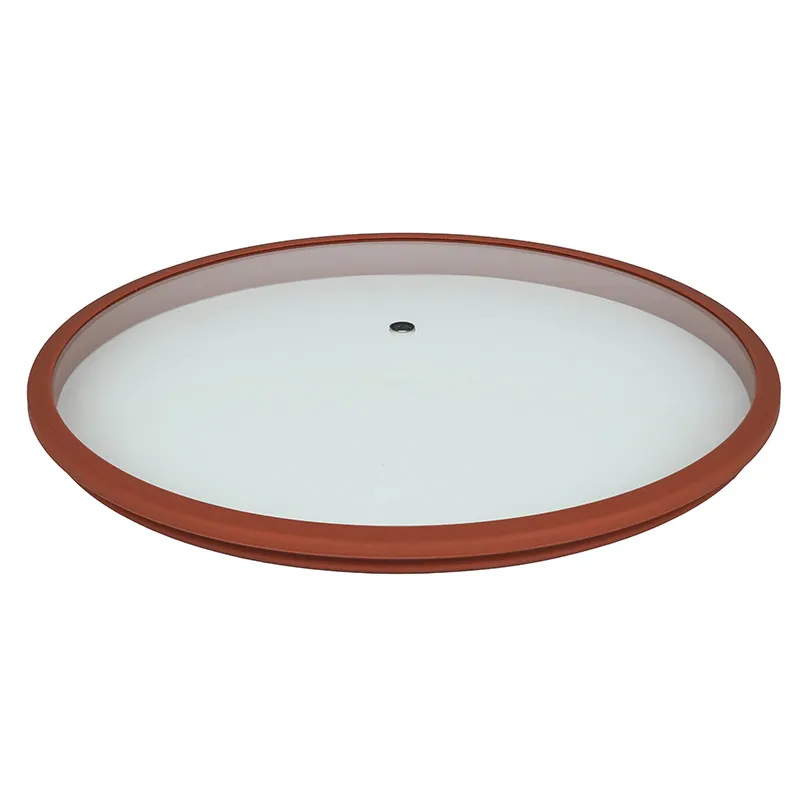
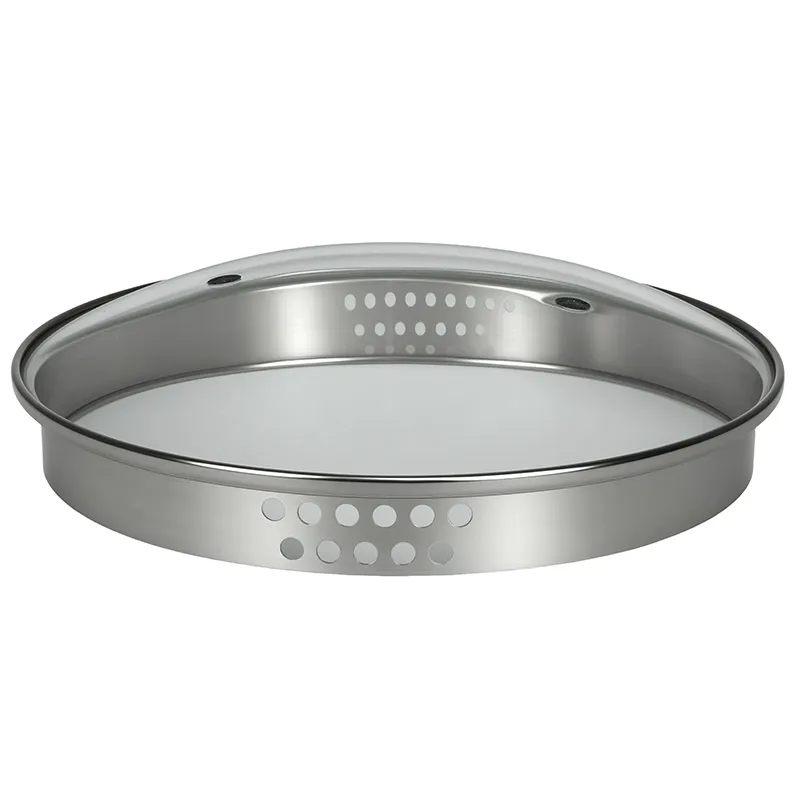
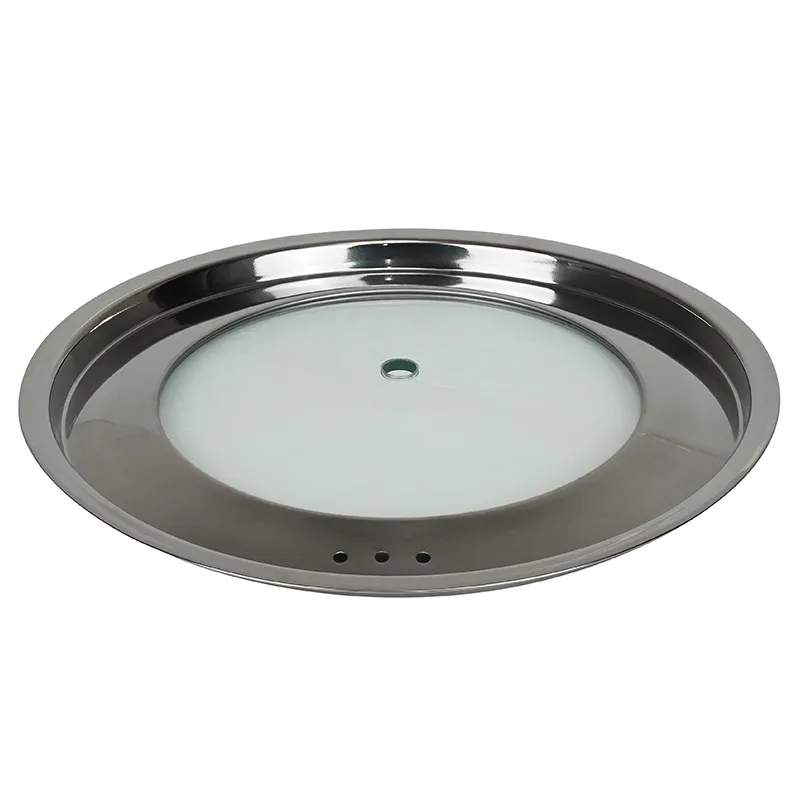
Then there's the mouth opening. Wide-mouth is typical for versatility, but the diameter dictates the lid size and, consequently, the sealing surface. A millimeter's difference in the glass finish—the sealing rim—can make a standard lid useless. This is where working with a specialized manufacturer makes the difference. A company like EUR-ASIA COOKWARE CO.,LTD, which focuses on glass lids and kitchen glassware, understands these tolerances intrinsically. Their production of over 15 million tempered glass lids annually means they've seen every compatibility issue in the book.
The lid itself is a system. Is it a one-piece twist-off with a plastisol lining? A two-piece canning lid with a separate band? For long-term preservation, the compound in the lining must be food-safe and resilient. I recall a batch where the lining was slightly off-spec; it sealed initially but lost its elasticity after a few months, leading to spoilage. The devil is in these details.
The Tempering Question and Real-World Stress
Tempered glass is often touted as the upgrade for jars, and for good reason—it's stronger and safer if it breaks. But it's not always the automatic choice. For a 2 liter glass jar that will undergo thermal shock (like going from a boiling water bath to a cool counter), tempered glass can be excellent. However, the tempering process can sometimes introduce minor optical distortions or make the glass slightly thicker at points, which isn't ideal for premium products where crystal clarity is a selling point.
I've worked with EUR-ASIA COOKWARE CO.,LTD's tempered offerings before. Their specialization means they can control the process for kitchenware applications. A key advantage is their ability to temper the lid separately. A tempered glass lid on a standard glass jar body can be a smart compromise—adding strength where it's most likely to be stressed during handling or dropping, without the full cost of a fully tempered jar. Their export focus to markets like Germany and Japan, which have stringent safety standards, suggests a baseline of quality control that's essential.
One failure point I've encountered is the transition between the jar's shoulder and the neck. In a cheap jar, this curve can have micro-stresses that become fracture points under internal pressure or impact. A well-made jar has a smooth, gradual curve. It's something you learn to check by holding it up to the light and looking for any ripples or lines in that area.
Lid Compatibility and the Seal
This is arguably the most critical partnership: jar finish to lid. The website https://www.glass-lid.com rightly highlights their core competency. A lid isn't an afterthought. For a 2-liter jar, the sealing surface is larger, so any inconsistency in the glass threading or rim flatness is magnified. A common issue is false seals, where the lid appears tight but the compound hasn't fully compressed, allowing air seepage over time.
The choice of lid material matters. Metal lids with enamel coatings are common, but for acidic contents, you need to ensure the enamel is fully baked and covers every millimeter, including the cut edge of the metal. Plastic lids are great for dry storage and frequent access but often aren't suitable for hermetic sealing. Some of the best systems use a glass lid with a separate silicone gasket and a metal clamp—common in European storage jars. This is likely a strong suit for a manufacturer with deep EU export experience.
In practice, we always conduct a vacuum test on a random sample from a production batch. Submerging sealed jars in hot water and looking for a stream of bubbles from the lid isn't just textbook; it's a non-negotiable step. A supplier that understands and facilitates this testing protocol is worth its weight.
Logistics and the Unseen Challenges
You've got a perfect jar and lid. Now you have to move it. A pallet of empty 2-liter glass jars is heavy and fragile. The packaging—partition inserts, master carton strength—is a huge part of the total cost. A minor design flaw in the jar, like an unstable base or a protruding handle, can make automated packing lines jam or increase breakage rates exponentially. A production base like EUR-ASIA's, with 15,000㎡ of building space, suggests they're set up for scale, which usually includes efficient packing lines.
Another hidden factor is labeling. Is the glass surface smooth enough for a wet-glue label to adhere properly, or does it require a shrink sleeve? Some glass treatments can cause label adhesive to fail. It's a small thing that can bring a production line to a halt. I've had to source a completely different adhesive on short notice because of this.
Finally, consider the end-user. A 2-liter jar, when full, can be quite heavy. Does the design afford a good grip? Are the lid knobs or tabs easy for arthritic hands to open? These human-factor details separate a good product from a great one.
Sourcing and the Manufacturer Relationship
Going direct to a specialist manufacturer, rather than a general trading company, changes the game. With a company focused on household glass products, you can talk about annealing lehr temperatures, lid torque specifications, and drop-test standards in the same conversation. Their expertise in tempered glass lids, as indicated by EUR-ASIA COOKWARE's product focus, means they can advise on the right lid-jar combination for your specific use case, whether it's for gourmet cookies in Poland or fermented vegetables in South Korea.
The fact that over 90% of their output is exported is a significant data point. It means they are accustomed to meeting varied international standards, from EU food contact materials regulations to retailer-specific packaging protocols. This experience translates to fewer surprises during compliance checks.
In the end, specifying a 2 liter glass jar with lid is an exercise in systems thinking. It's not about buying a jar; it's about sourcing a integrated packaging solution that considers filling, sealing, shipping, storing, and end-use. The container is passive, but its design and manufacture are the result of active, detailed problem-solving. Getting it right feels invisible; getting it wrong is painfully obvious.
Related Products
Related Products