- Chinese
- French
- German
- Portuguese
- Spanish
- Russian
- Japanese
- Korean
- Arabic
- Irish
- Greek
- Turkish
- Italian
- Danish
- Romanian
- Indonesian
- Czech
- Afrikaans
- Swedish
- Polish
- Basque
- Catalan
- Esperanto
- Hindi
- Lao
- Albanian
- Amharic
- Armenian
- Azerbaijani
- Belarusian
- Bengali
- Bosnian
- Bulgarian
- Cebuano
- Chichewa
- Corsican
- Croatian
- Dutch
- Estonian
- Filipino
- Finnish
- Frisian
- Galician
- Georgian
- Gujarati
- Haitian
- Hausa
- Hawaiian
- Hebrew
- Hmong
- Hungarian
- Icelandic
- Igbo
- Javanese
- Kannada
- Kazakh
- Khmer
- Kurdish
- Kyrgyz
- Latin
- Latvian
- Lithuanian
- Luxembou..
- Macedonian
- Malagasy
- Malay
- Malayalam
- Maltese
- Maori
- Marathi
- Mongolian
- Burmese
- Nepali
- Norwegian
- Pashto
- Persian
- Punjabi
- Serbian
- Sesotho
- Sinhala
- Slovak
- Slovenian
- Somali
- Samoan
- Scots Gaelic
- Shona
- Sindhi
- Sundanese
- Swahili
- Tajik
- Tamil
- Telugu
- Thai
- Ukrainian
- Urdu
- Uzbek
- Vietnamese
- Welsh
- Xhosa
- Yiddish
- Yoruba
- Zulu
- Kinyarwanda
- Tatar
- Oriya
- Turkmen
- Uyghur


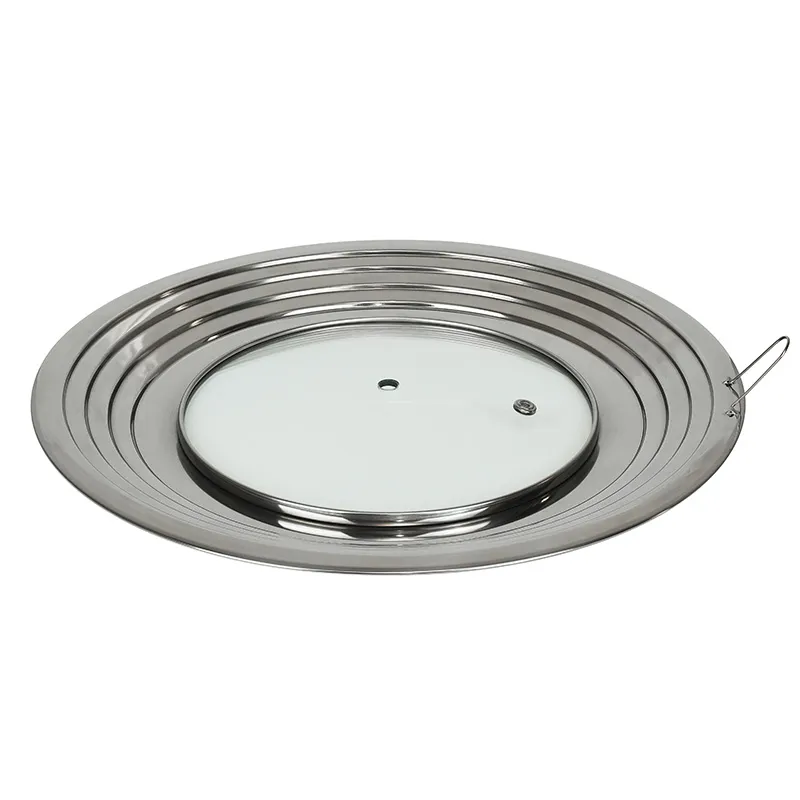
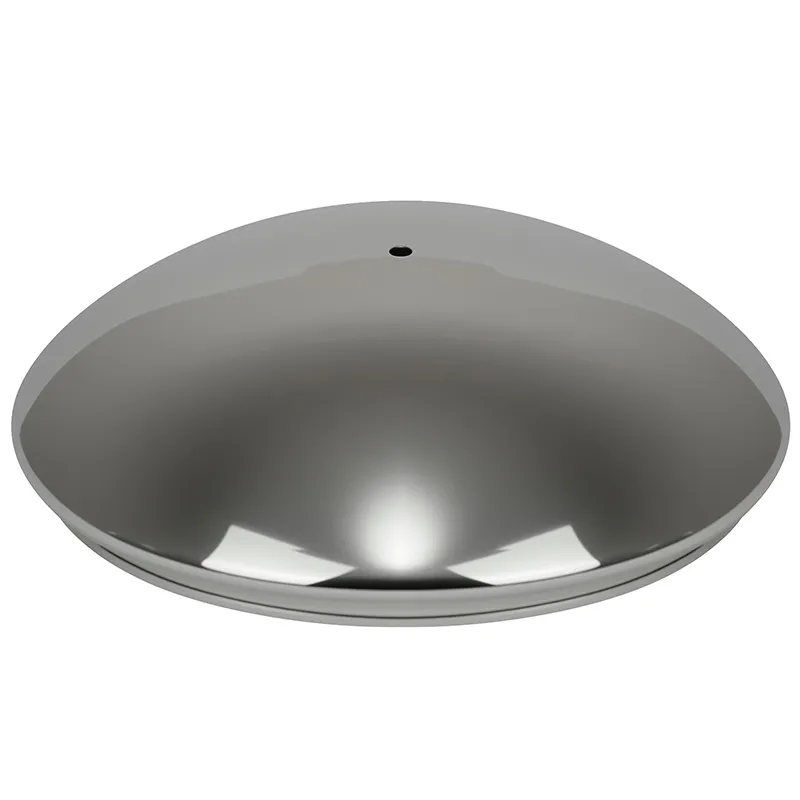
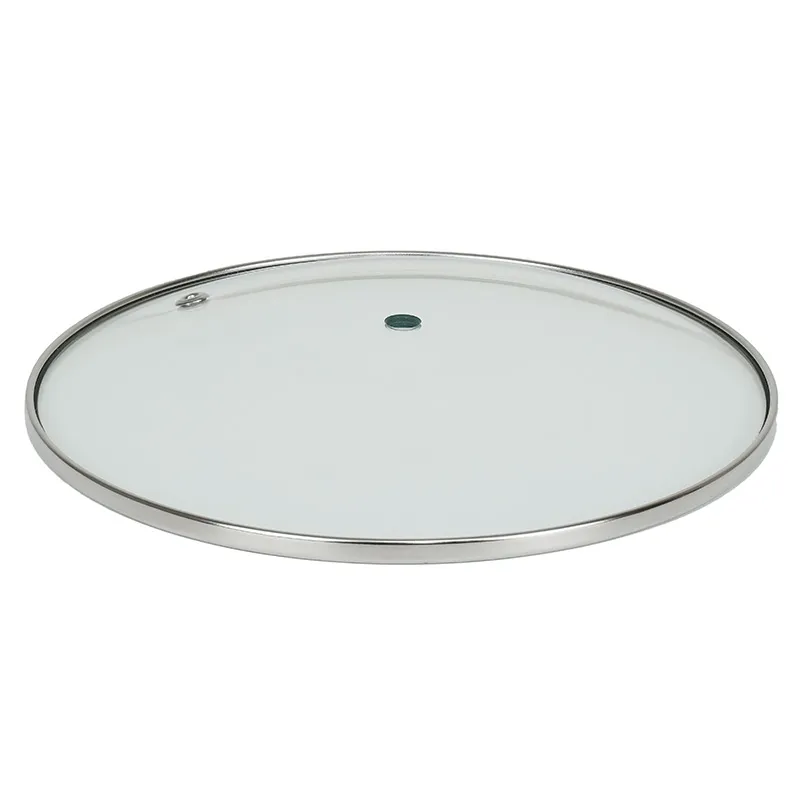
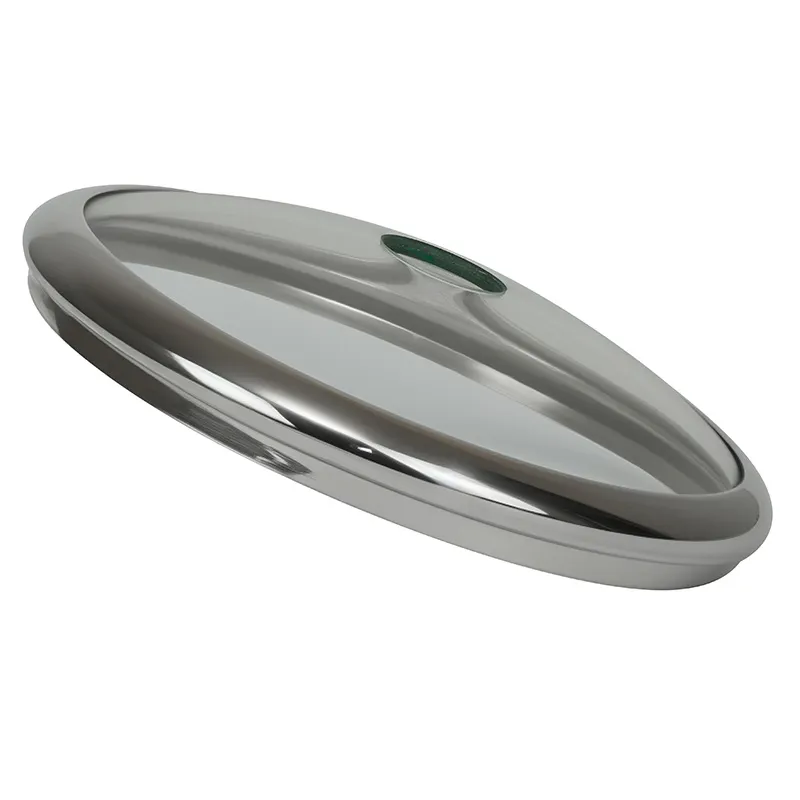
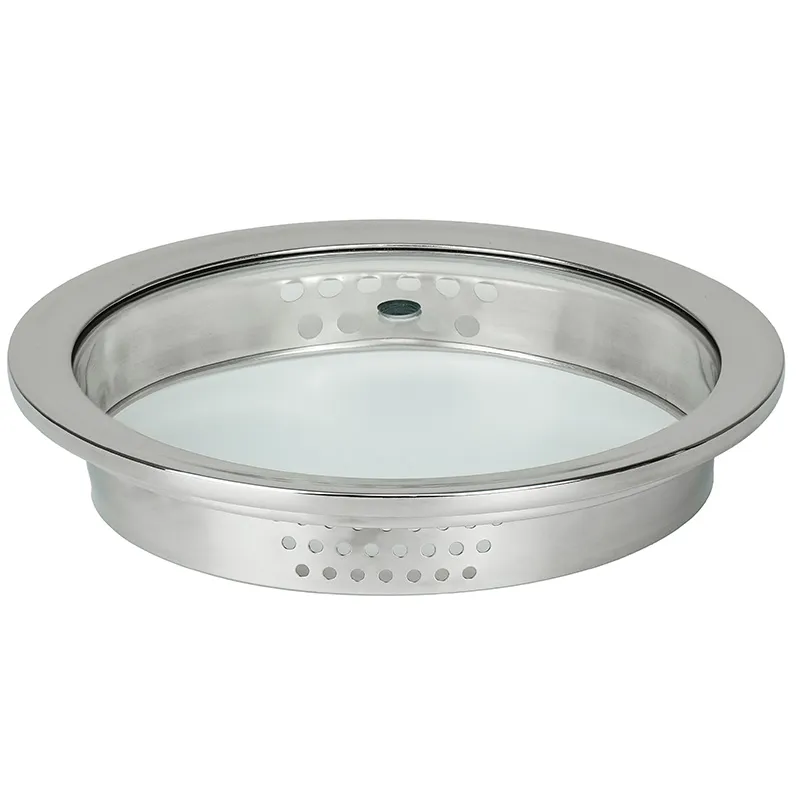
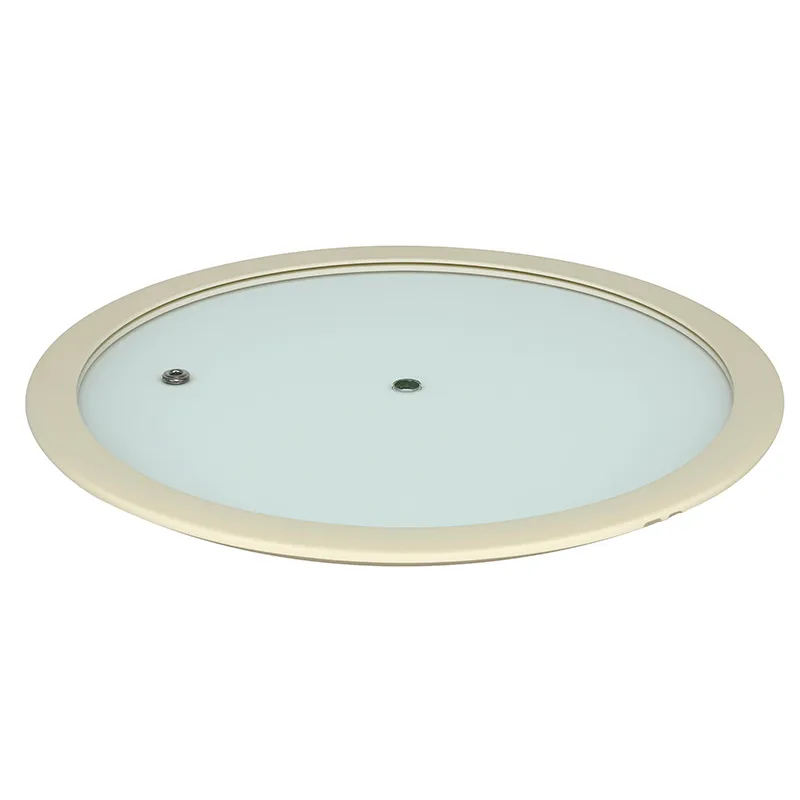
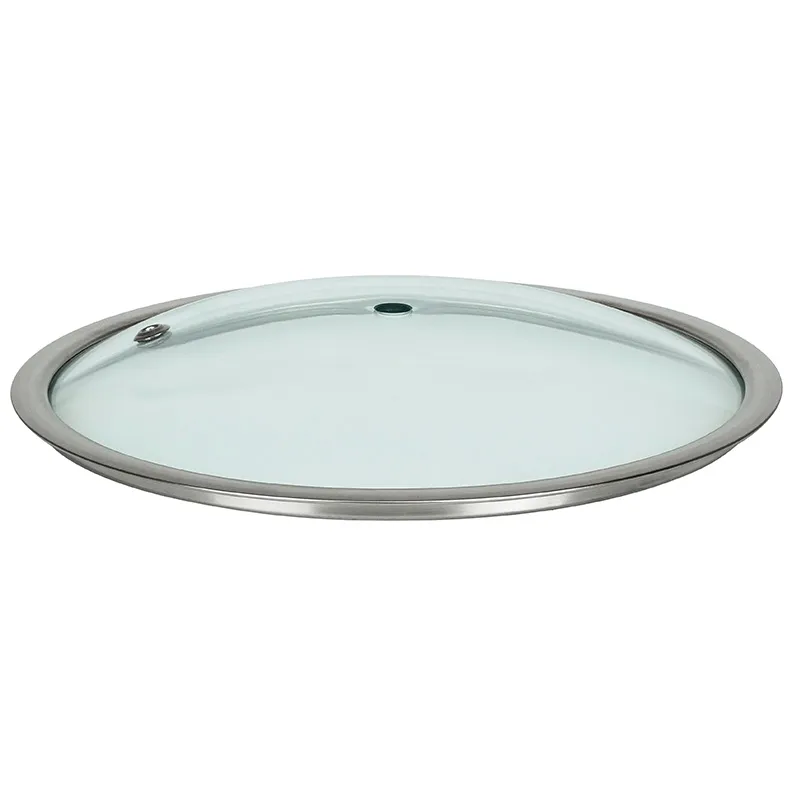
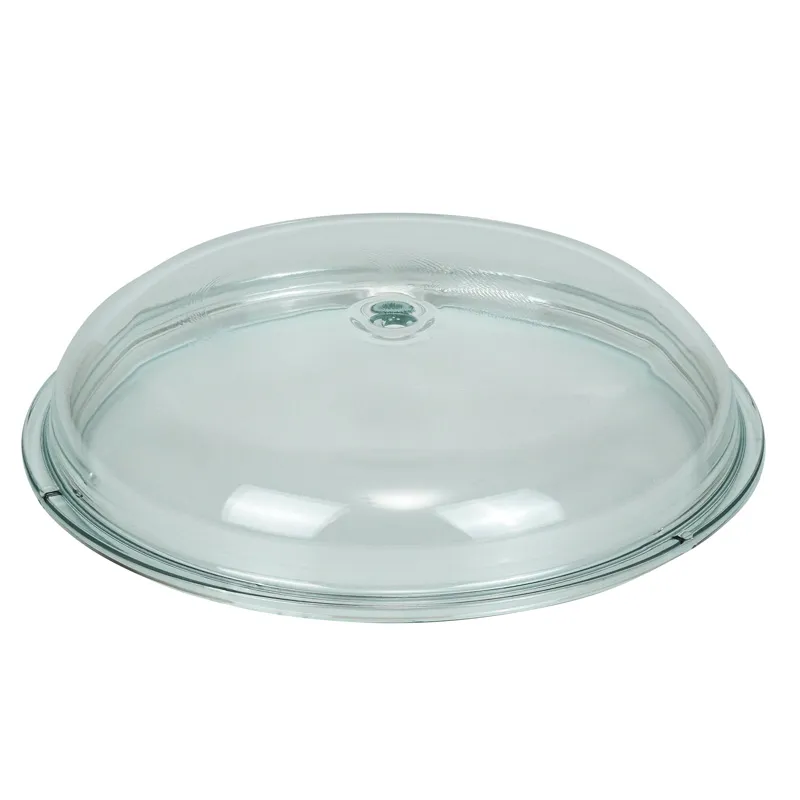
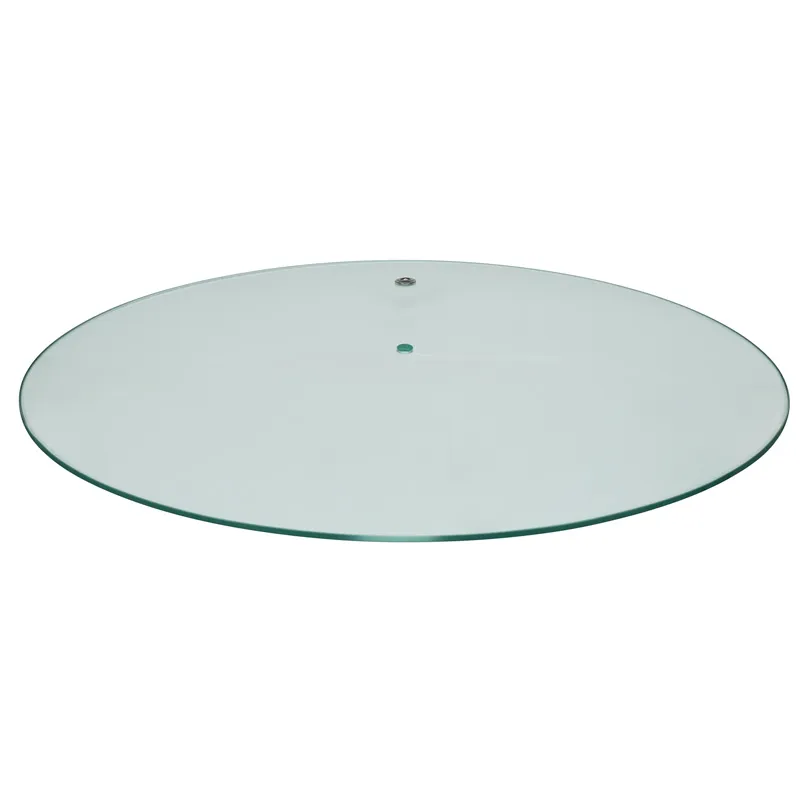
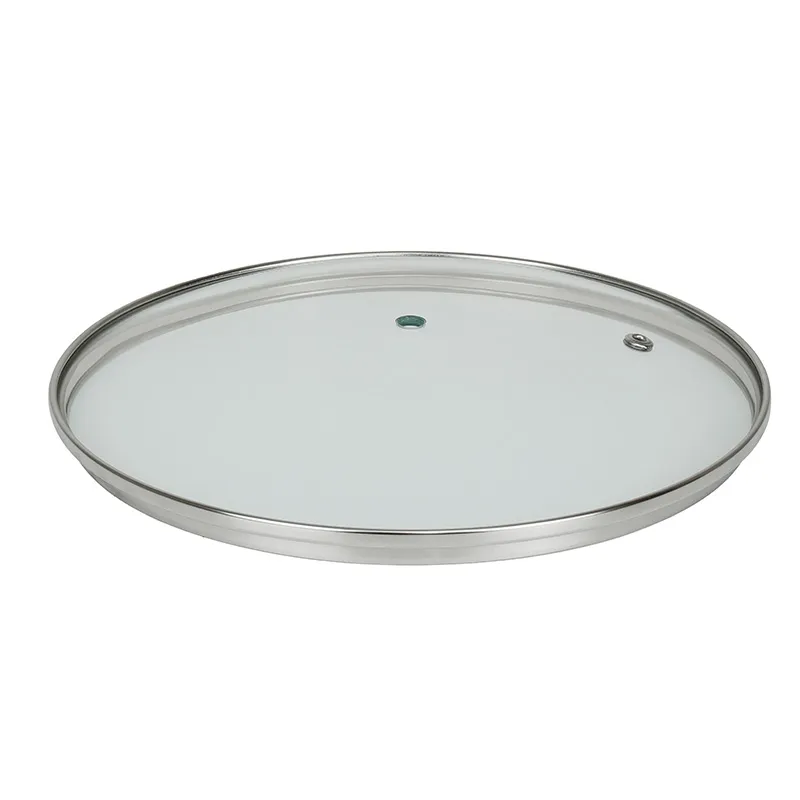
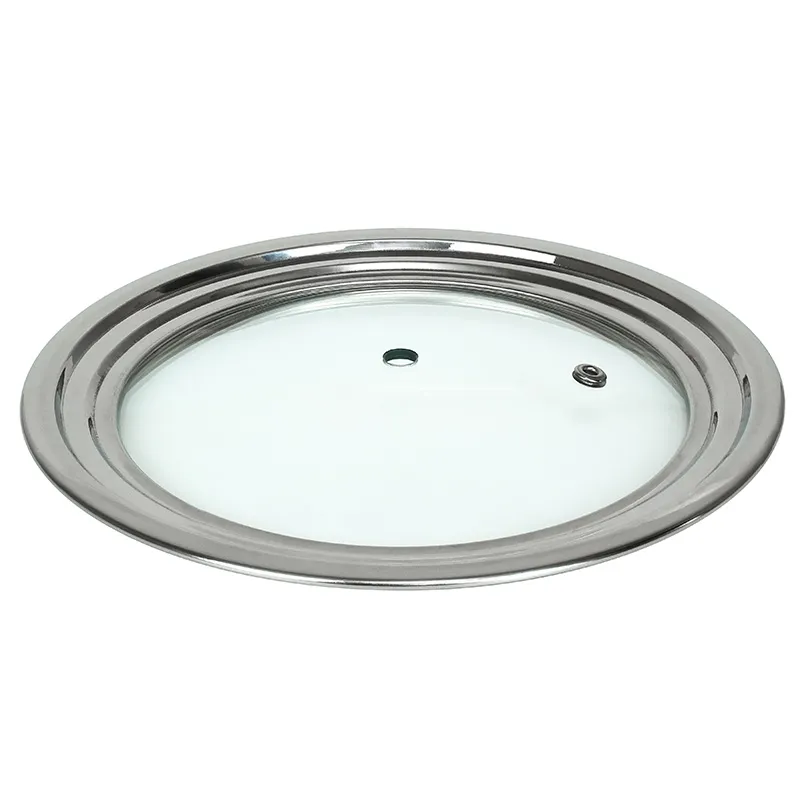
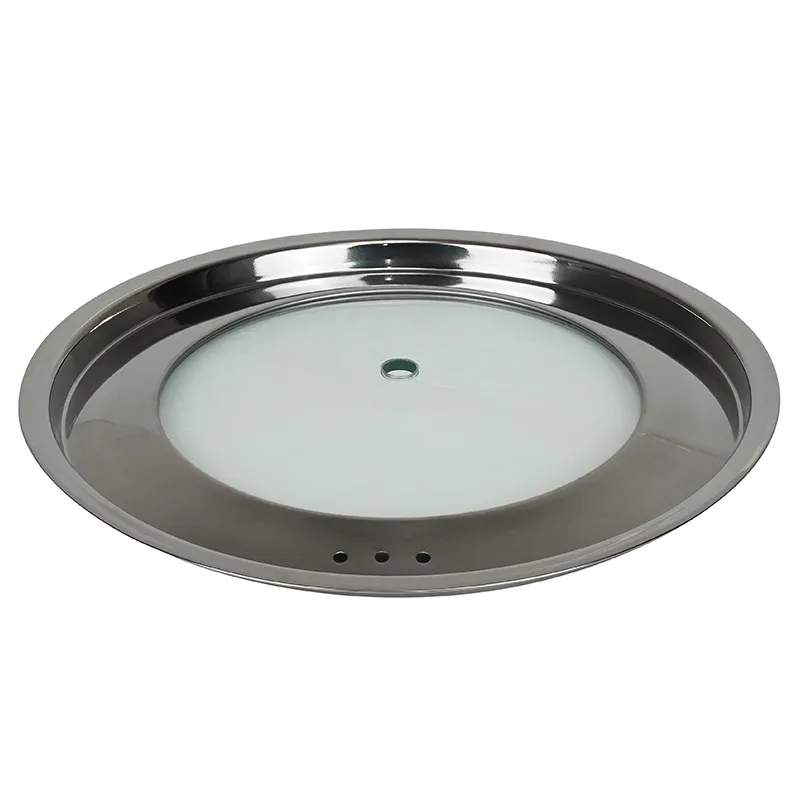
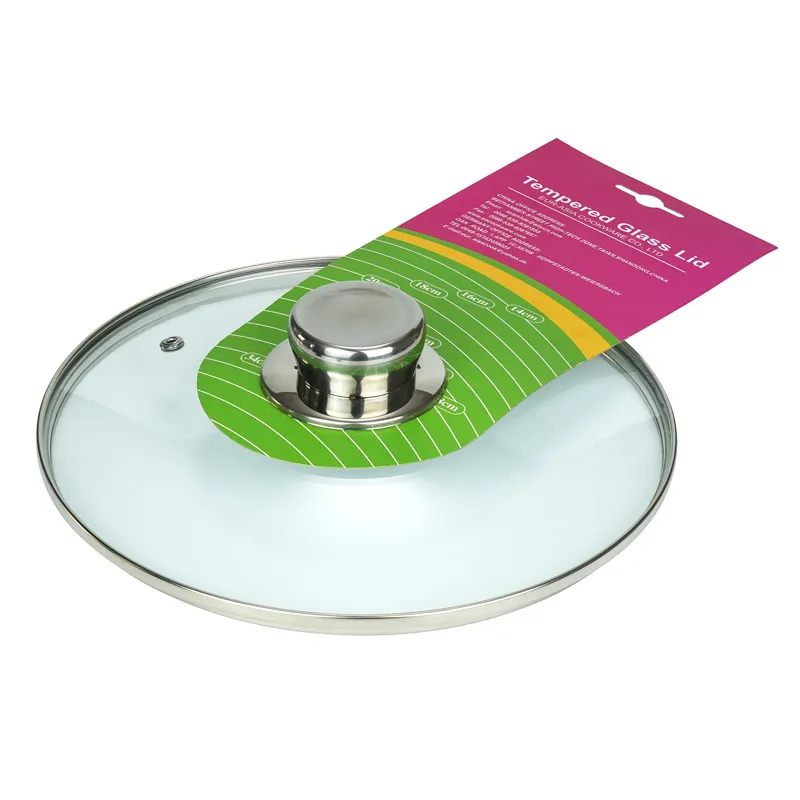
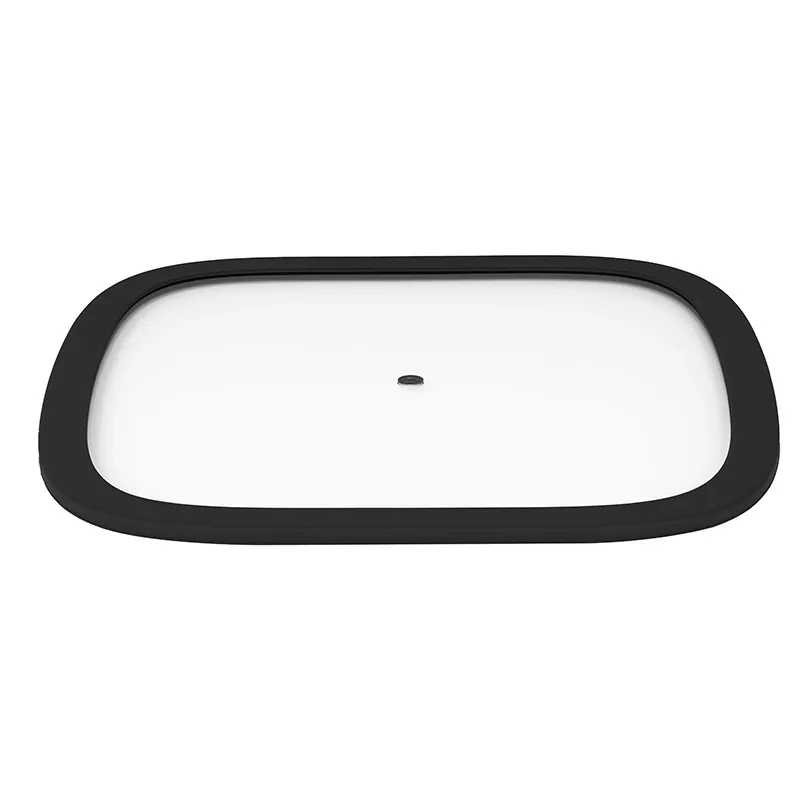
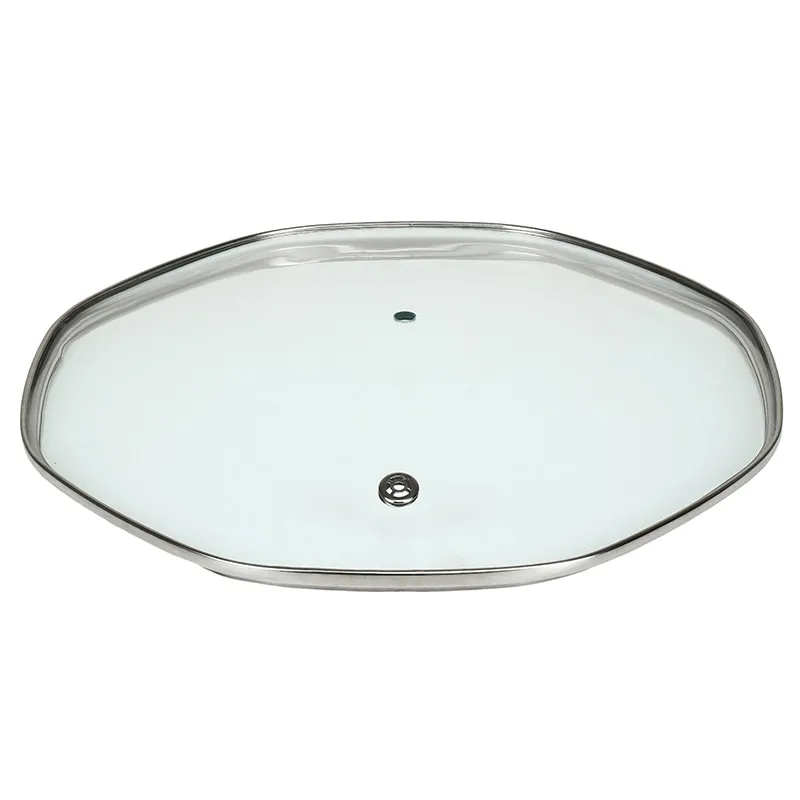
24 cm glass lid
When you hear '24 cm glass lid', the immediate thought is often just the diameter. In reality, that single measurement is the starting point for a dozen practical decisions. A common misconception, especially among smaller retailers or startups designing their first cookware line, is that a lid is a simple cover. They focus on the 24 cm, assuming it's a universal fit, and overlook the critical variables: the radius of the curvature, the flange depth, the handle's thermal performance, and, most importantly, the tempering process that dictates its entire life cycle. I've seen beautifully designed prototypes shatter in transit because the tempering was off by a few degrees, or lids that sit unevenly because the curvature was calculated for a different pan profile. It's never just about the 24 cm.
The Dimensional Nuances Beyond the Number
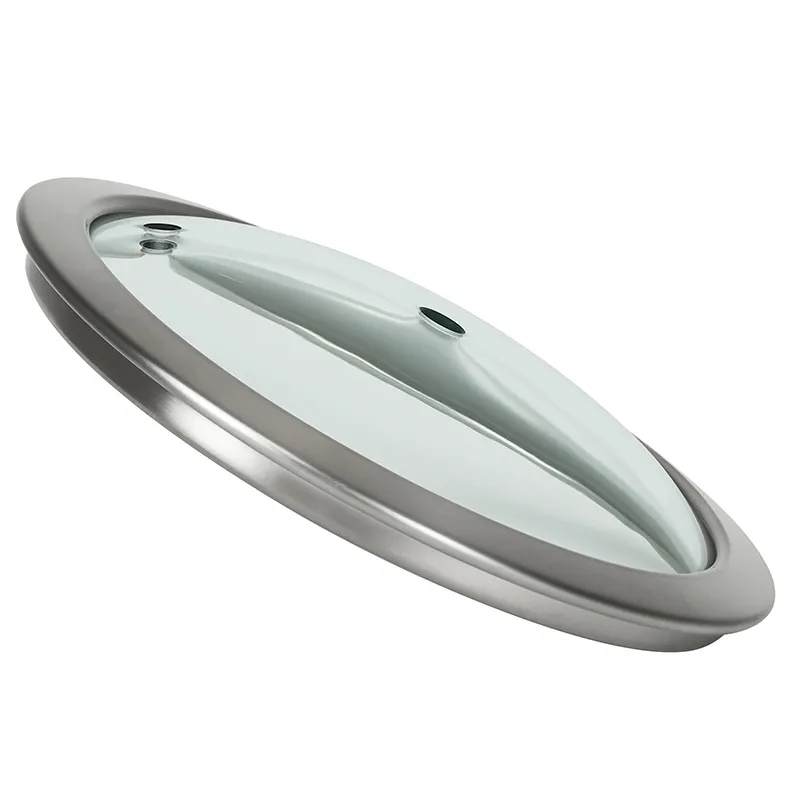
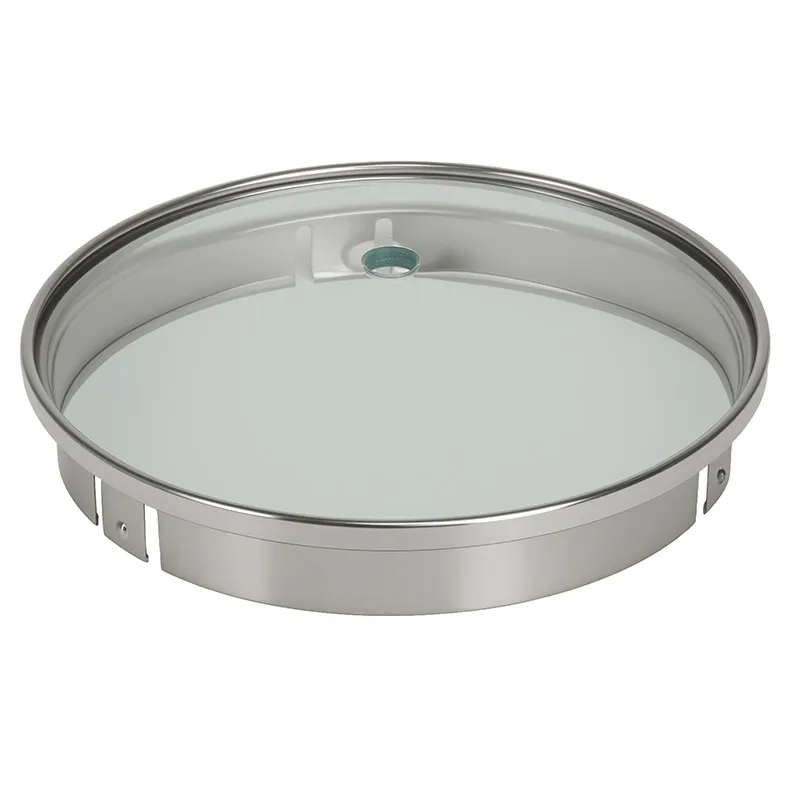
Let's break down the 24 cm. It's not an outer diameter, it's typically the inner sealing diameter, meant to sit inside the pot rim. The actual outer glass diameter can be 25.5 cm or more. Get this wrong, and you have a lid that rattles or, worse, doesn't sit flush, letting all the steam escape. The curvature—the dome—is another silent variable. A shallow dome looks sleek but offers little headroom for boiling contents. A high dome is functional for braising but may not stack neatly in cabinets. For a standard saucepan, we found a mid-range curvature of about 2.5 cm at the center works best for the 24 cm glass lid, balancing capacity and stability.
Then there's the flange, the downward lip. Too short, and it's prone to sliding off with a slight tilt. Too deep, and it becomes difficult to remove or clean. We standardized on a 1.8 cm flange depth after a series of drop tests and real-kitchen trials. It's these unglamorous specs that separate a product that gets returned from one that becomes a kitchen staple. I recall a batch for a European client where the flange was machined 2mm too deep; the lids kept getting stuck on their specific pot design, leading to a costly recall. The nominal size was perfect, but the devil was in those two millimeters.
This is where partnering with a factory that understands these intricacies is non-negotiable. A company like EUR-ASIA COOKWARE CO.,LTD (you can find their portfolio at https://www.glass-lid.com) has built its export business on navigating these details. Their specialization isn't just making glass; it's engineering a component that interacts perfectly with a metal pot. Their production base in Taian's high-tech zone is set up for this precision, handling the tolerances required by German or Japanese buyers, which are notoriously tight. When they quote for a 24 cm glass lid, they're factoring in this entire geometry.
The Heart of It: Thermal Tempering and Stress Points
The glass itself is the core drama. Annealed glass is a non-starter for lids—it's a safety hazard. The process is all about thermal tempering. The glass is heated to over 600°C and then quenched in a blast of air. This creates surface compression and internal tension, making it 4-5 times stronger than annealed glass. But the key is uniformity. If the air jets are uneven, or the heating has cold spots, you create stress points. These points don't fail in the factory; they fail under thermal shock—when a hot lid meets a cold granite countertop or a splash of cold water.
We learned this the hard way early on. A shipment of lids to a distributor in Scandinavia had a failure rate of about 3% in the first month—just spontaneous cracking. The diagnosis wasn't contamination or bad cutting. It was a subtle inconsistency in the quenching stage for that particular production run. The stress pattern was irregular. The factory, to their credit, didn't argue. They reviewed their furnace logs and quenching air pressure charts for that batch and identified a calibration drift. It was a costly lesson in data tracking, but it cemented the need for process control over final inspection.
EUR-ASIA's stated annual output of over 15 million pieces of tempered glass lids speaks to a scaled, repeatable process. That volume suggests they've likely ironed out these consistency gremlins. A high output in this context isn't about being a factory; it's about having the cycle time and process stability to make each unit reliably. Their export focus to markets with strict consumer safety standards (Germany, France, Japan) is a de facto quality signal. A lid that passes TüV or similar scrutiny has been through the wringer on thermal shock and mechanical strength tests.
The Handle: Interface and Heat Management
The handle is the user's only touchpoint, and it's a thermal bridge. Get it wrong, and the lid is unusable. Plastic knobs are common, but the material matters. Cheap phenolic resin can crack or discolor over repeated heating. Better grades like PBT or thermoset polymers are needed. The fixing method is critical: a metal screw through the glass is a major no-go. It creates a direct stress concentration point. The standard is a bonded stud—a metal post glued into a pre-drilled hole in the glass with a high-temperature silicone adhesive. The bond must withstand heat, steam, and mechanical torque from repeated grabbing.
We once tested a supplier's lid where the handle simply spun after a dozen dishwasher cycles. The adhesive had degraded. The fix wasn't a stronger glue; it was redesigning the stud interface with undercuts for the adhesive to mechanically lock into, and specifying a different curing process for the silicone. Now, when I evaluate a lid, I grip the handle and try to torque it—not to break it, but to feel for any give. A solid one feels monolithic.
Some high-end lines use all-stainless steel handles, which are oven-safe but get hotter. They often have a folded design or a heat-resistant insert to mitigate this. For a standard 24 cm glass lid aimed at the medium market, a robust, heat-resistant plastic knob is the pragmatic choice. It's a cost, safety, and function balance that factories like EUR-ASIA are constantly calculating for different export destinations.
Export Realities: Packing, Logistics, and Market Fit
Producing a perfect lid is only half the battle. Getting it to Hamburg or Tokyo intact is the other. Packaging for glass is an engineering discipline. You need rigid, form-fitting inserts—usually molded pulp or EPS foam—that suspend the lid and prevent point contact during impacts. Corners of the cardboard master carton are the weakest points. We shifted from standard RSC boxes to double-walled B-flute cartons for all sea shipments after a pallet showed up with crushed corners and a 10% breakage rate, even though each lid was individually sleeved.
Market fit is also fascinating. A 24 cm glass lid for the South Korean market might need a slightly different aesthetic—smoother lines, maybe a clearer glass—compared to one for Brazil, where durability and cost might be prioritized over optical clarity. EUR-ASIA's export list, covering over 90% of output to diverse countries from Poland to Turkey to Japan, suggests they have the flexibility to adjust finishes, packaging, and even minor specs to meet these regional preferences. It's not a one-lid-fits-all world.
This adaptability is crucial. A client in Italy might want a lid with a pronounced pouring lip on the rim. A German client might insist on a specific recycled glass content percentage. The factory's ability to accommodate these without retooling the entire line is a mark of experience. It's about having a robust base design—like a reliable 24 cm glass lid platform—that can be accessorized or slightly modified.
Closing Thoughts: It's a Component, Not an Accessory
The biggest shift in my thinking over the years has been to stop calling it a glass lid as if it's a generic accessory. It's a precision-engineered component of a cooking system. Its job is to seal, vent, provide visibility, withstand thermal cycling, survive cleaning, and feel good in the hand—all while being inherently fragile compared to metal. Every millimeter, every degree in the tempering oven, and every gram of adhesive matters.
When you look at a company's profile like EUR-ASIA's, with its 20,000㎡ facility and 90+ employees dedicated to this, it underscores that this is a specialized manufacturing niche. The 24 cm glass lid is a high-volume, repeatable product for them, but achieving that requires a depth of tacit knowledge on materials, thermodynamics, and international compliance. The next time you lift one off a pot, there's a whole world of considered engineering—and a few past failures—holding it together in your hand.
So, if you're sourcing these, dig past the diameter. Ask about the tempering cycle data. Request a thermal shock test report. Inquire about the handle adhesive spec. The answers, or the willingness to provide them, will tell you far more about what you're really buying than any catalog image ever could.
Related Products
Related Products