- Chinese
- French
- German
- Portuguese
- Spanish
- Russian
- Japanese
- Korean
- Arabic
- Irish
- Greek
- Turkish
- Italian
- Danish
- Romanian
- Indonesian
- Czech
- Afrikaans
- Swedish
- Polish
- Basque
- Catalan
- Esperanto
- Hindi
- Lao
- Albanian
- Amharic
- Armenian
- Azerbaijani
- Belarusian
- Bengali
- Bosnian
- Bulgarian
- Cebuano
- Chichewa
- Corsican
- Croatian
- Dutch
- Estonian
- Filipino
- Finnish
- Frisian
- Galician
- Georgian
- Gujarati
- Haitian
- Hausa
- Hawaiian
- Hebrew
- Hmong
- Hungarian
- Icelandic
- Igbo
- Javanese
- Kannada
- Kazakh
- Khmer
- Kurdish
- Kyrgyz
- Latin
- Latvian
- Lithuanian
- Luxembou..
- Macedonian
- Malagasy
- Malay
- Malayalam
- Maltese
- Maori
- Marathi
- Mongolian
- Burmese
- Nepali
- Norwegian
- Pashto
- Persian
- Punjabi
- Serbian
- Sesotho
- Sinhala
- Slovak
- Slovenian
- Somali
- Samoan
- Scots Gaelic
- Shona
- Sindhi
- Sundanese
- Swahili
- Tajik
- Tamil
- Telugu
- Thai
- Ukrainian
- Urdu
- Uzbek
- Vietnamese
- Welsh
- Xhosa
- Yiddish
- Yoruba
- Zulu
- Kinyarwanda
- Tatar
- Oriya
- Turkmen
- Uyghur


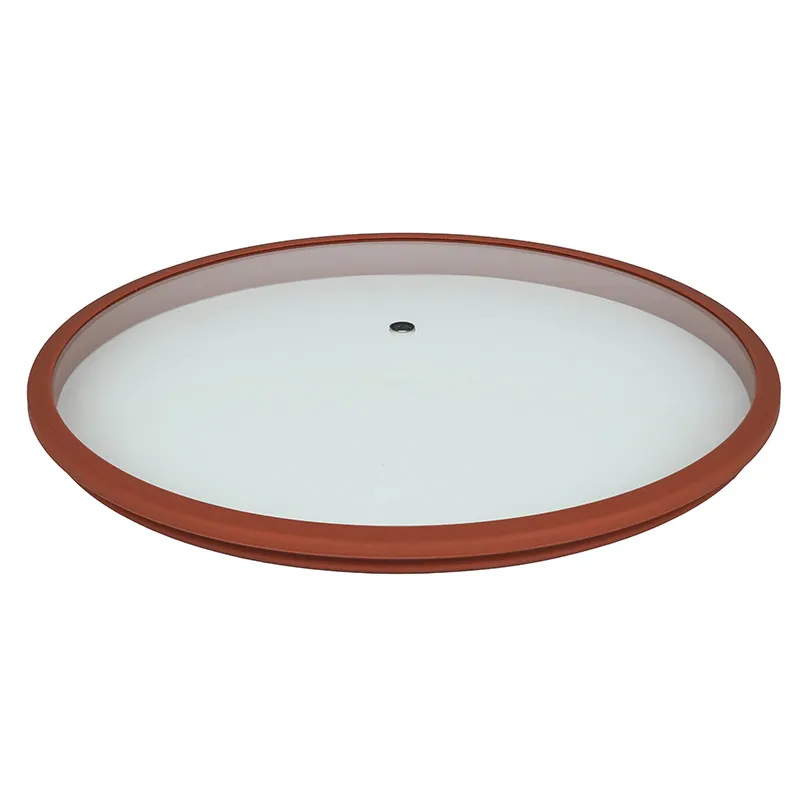
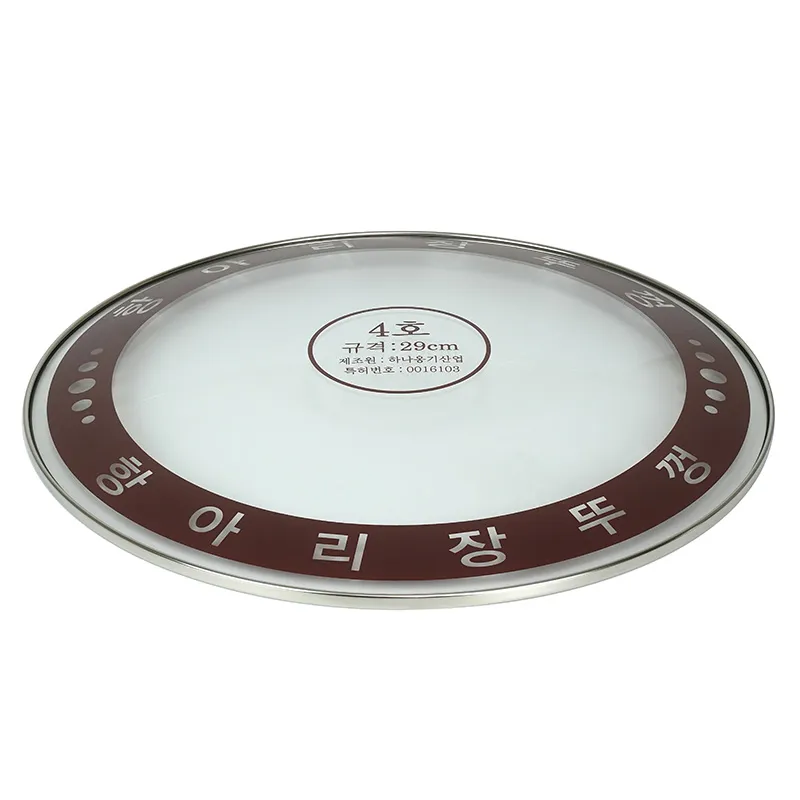
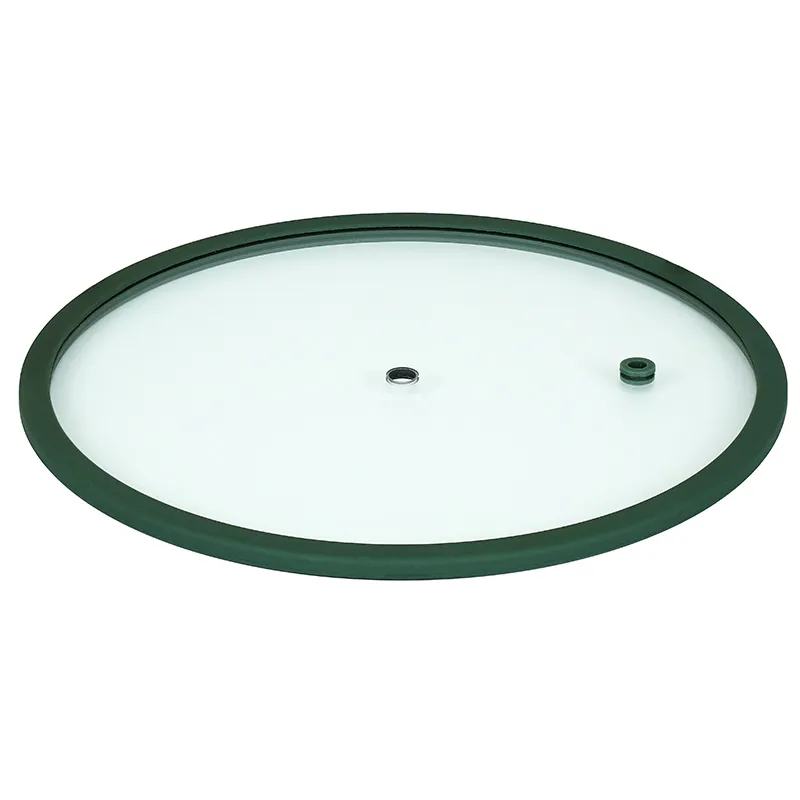
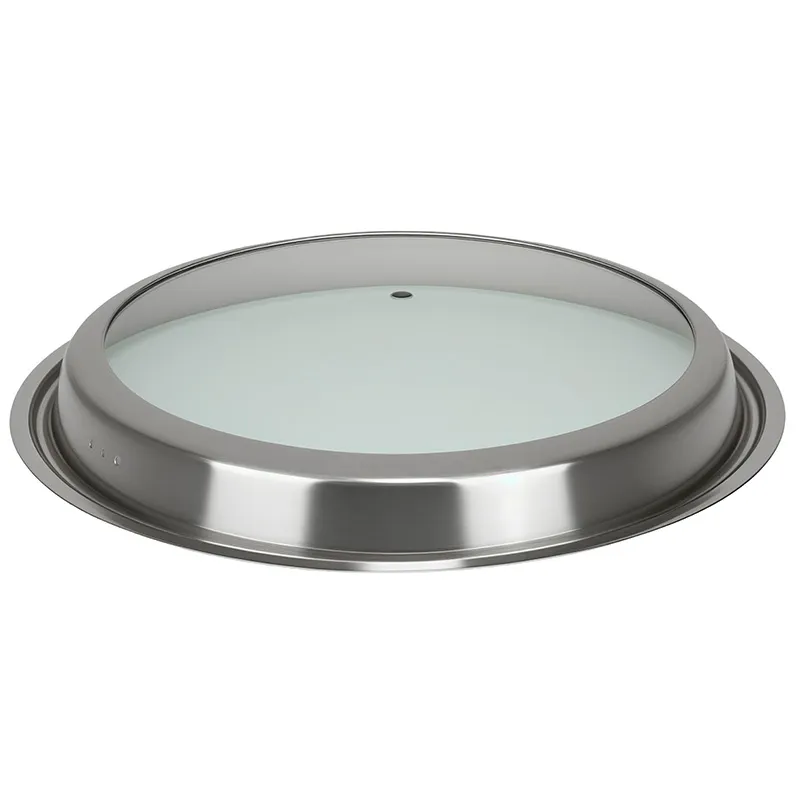
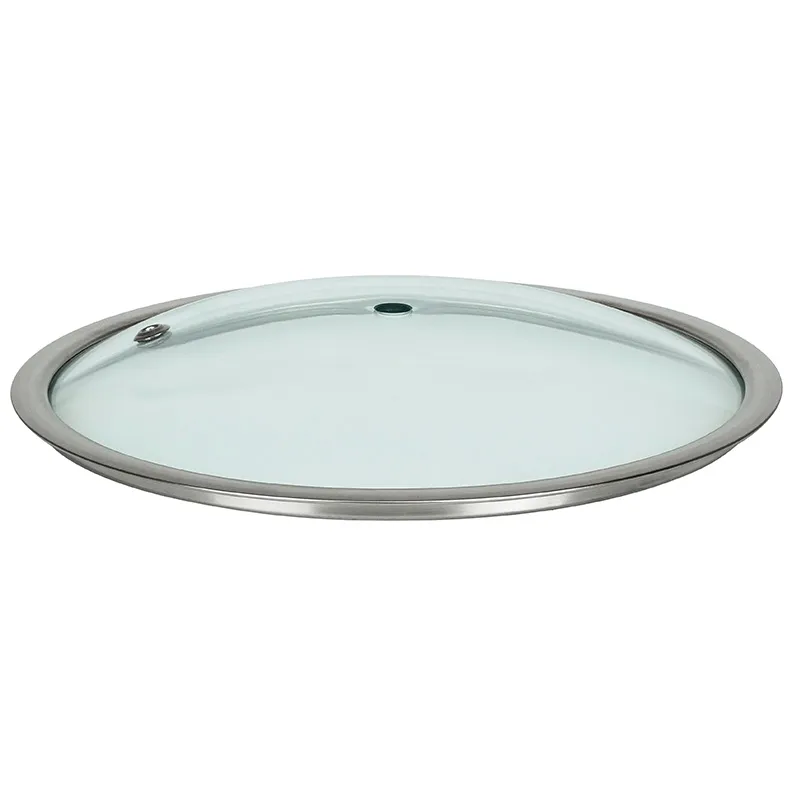
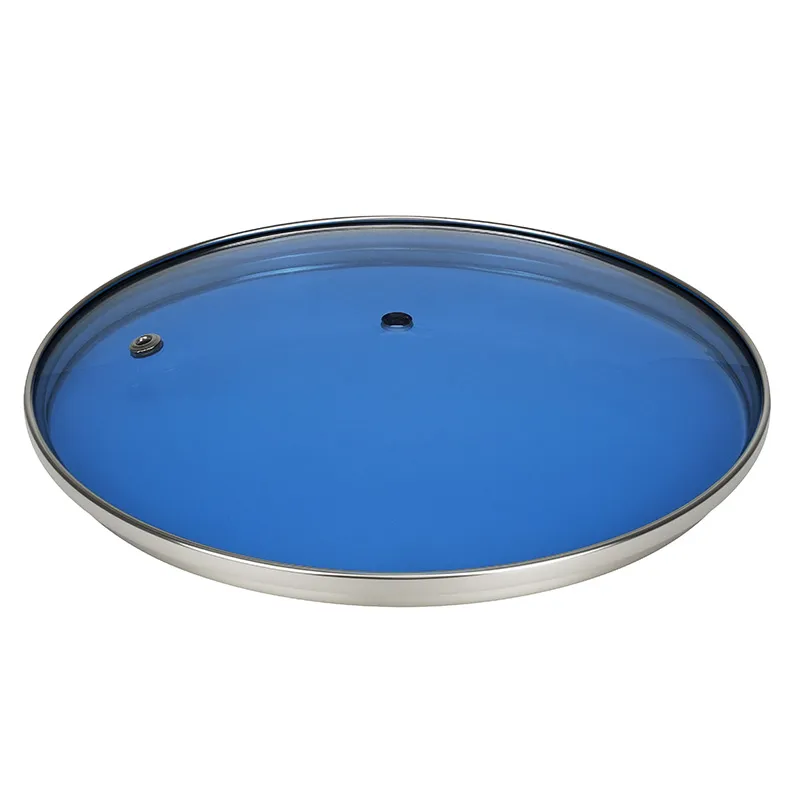
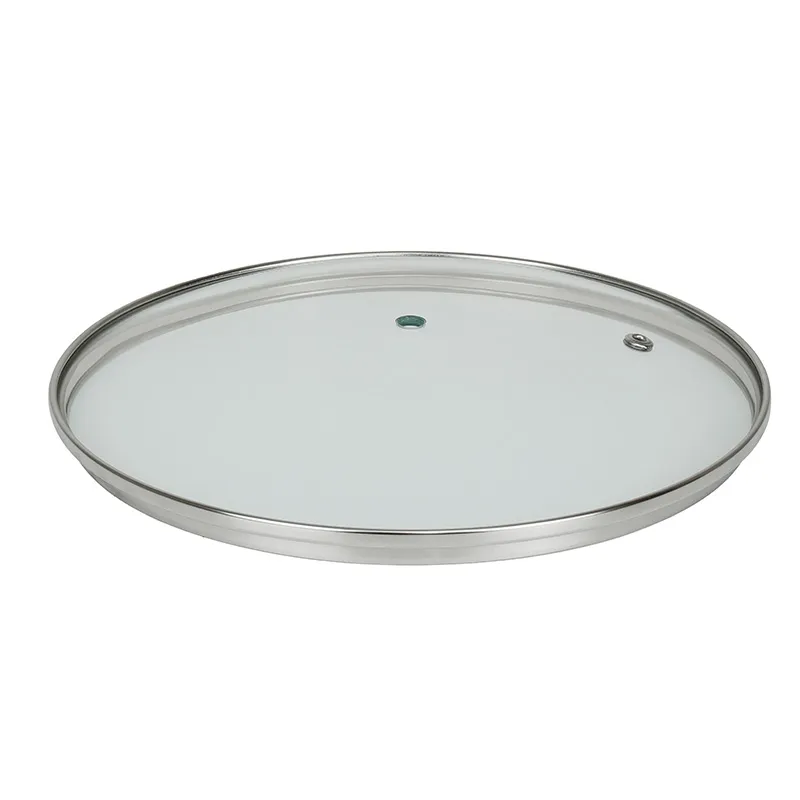
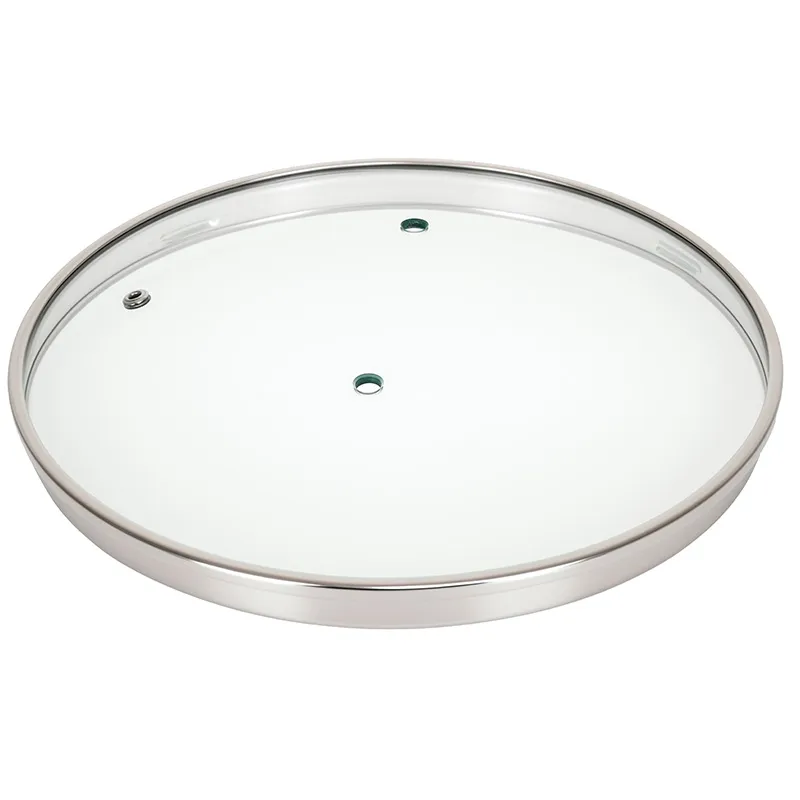
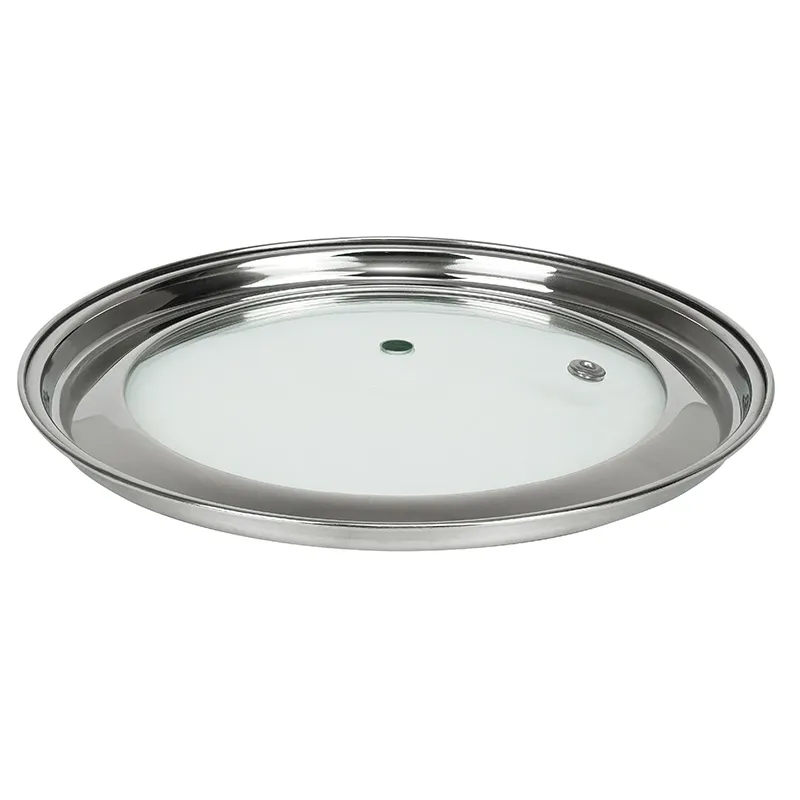
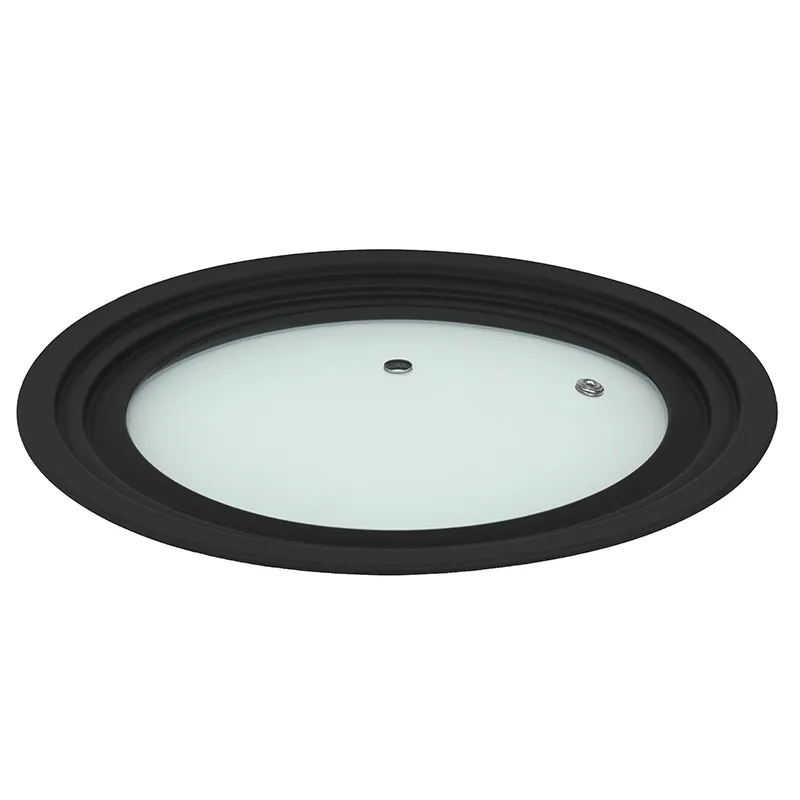
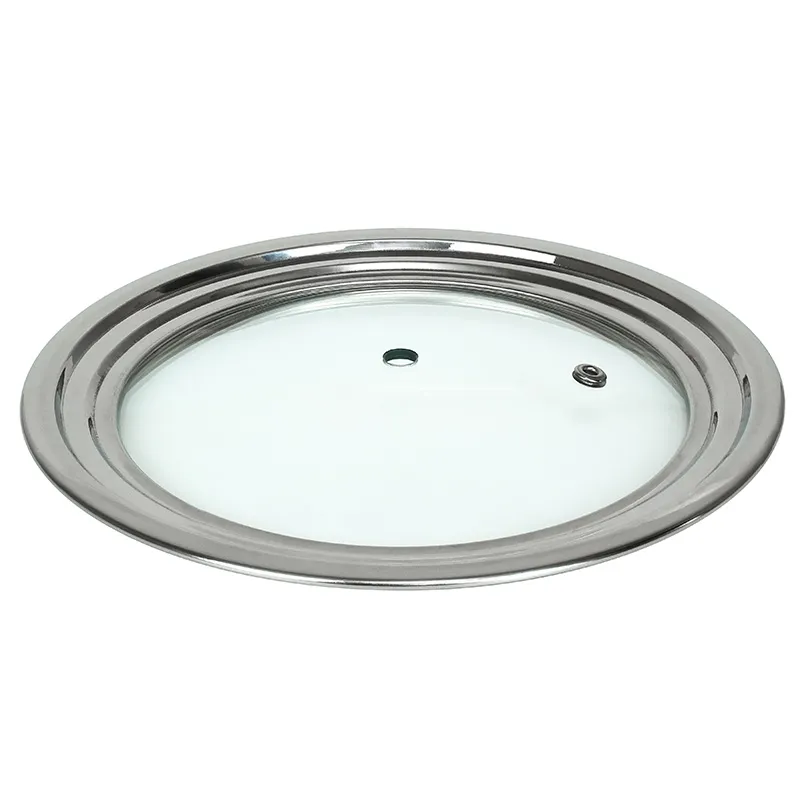
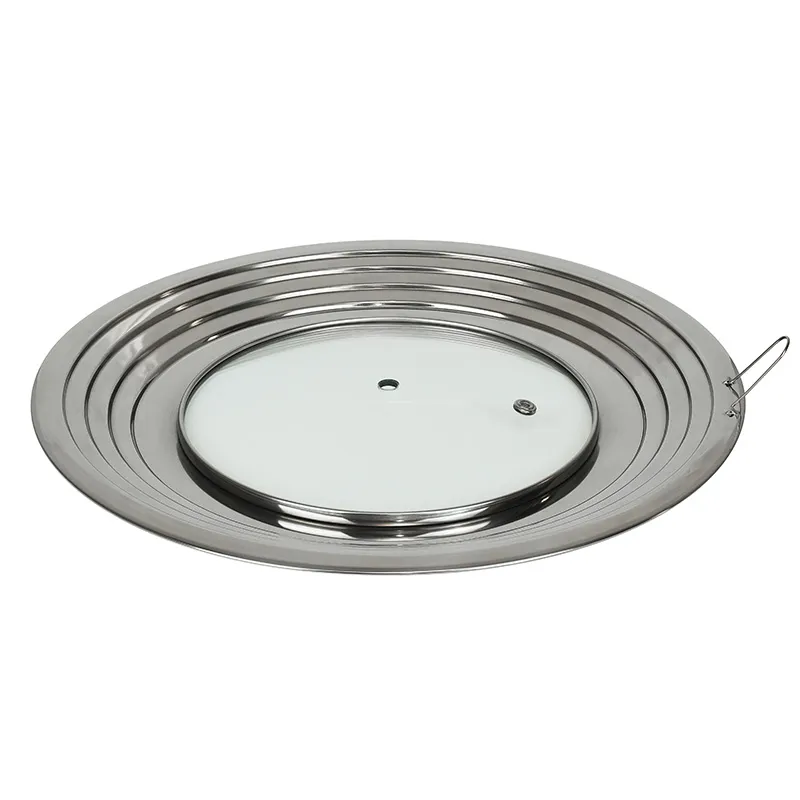
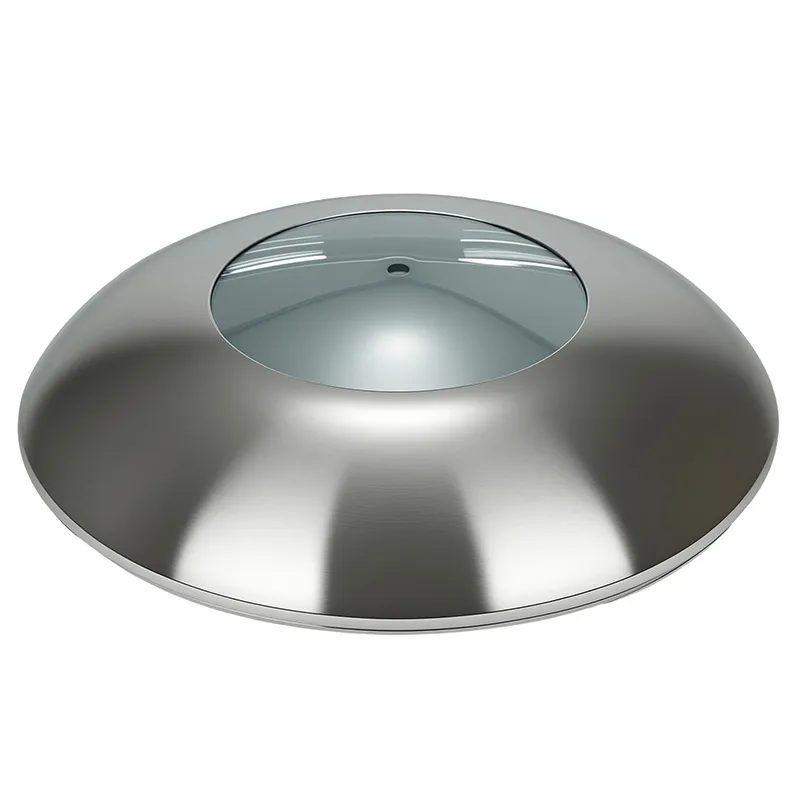
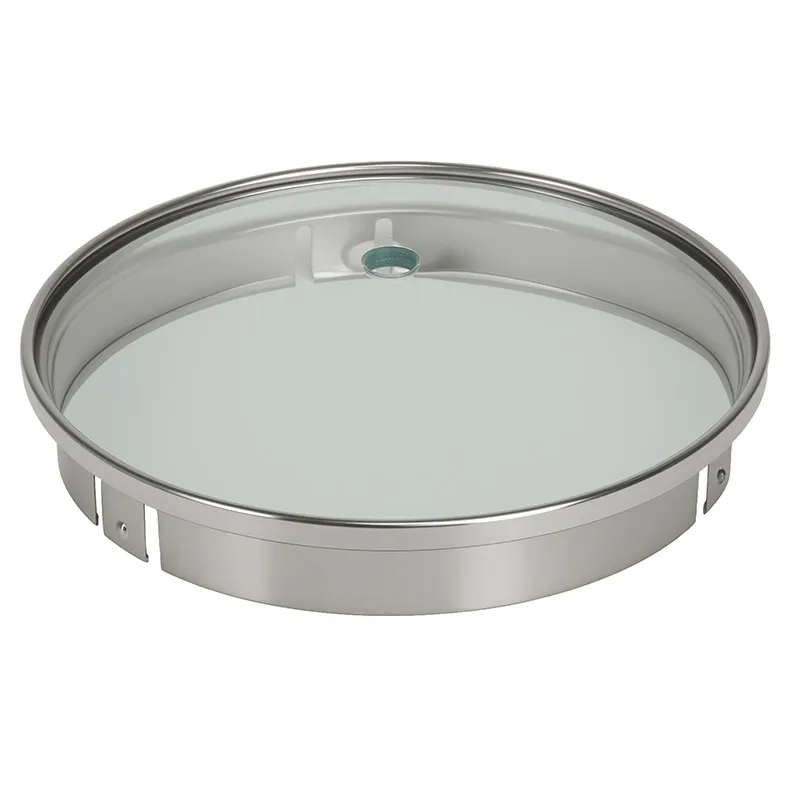
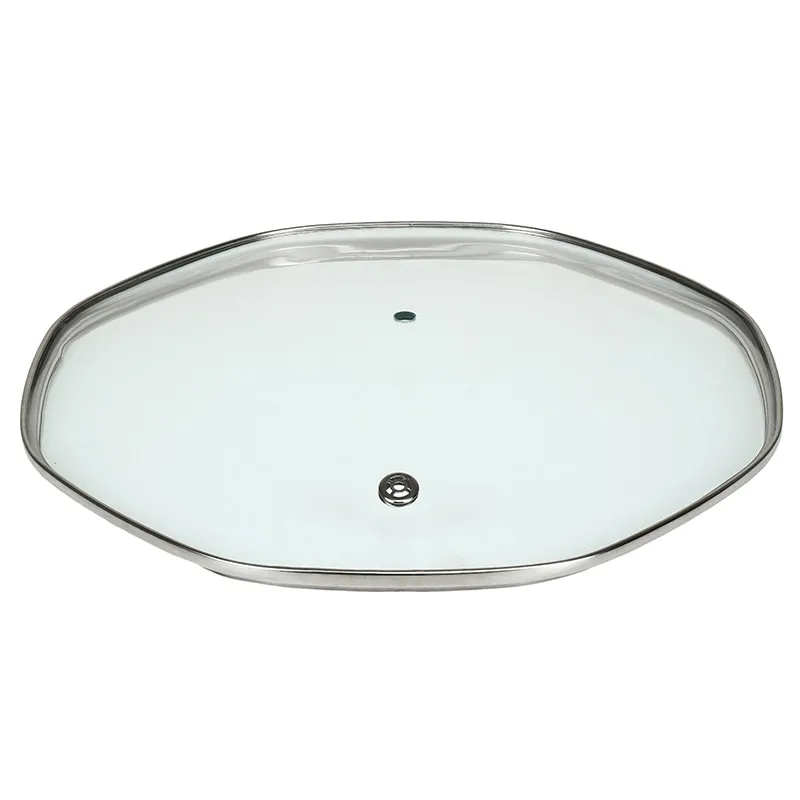
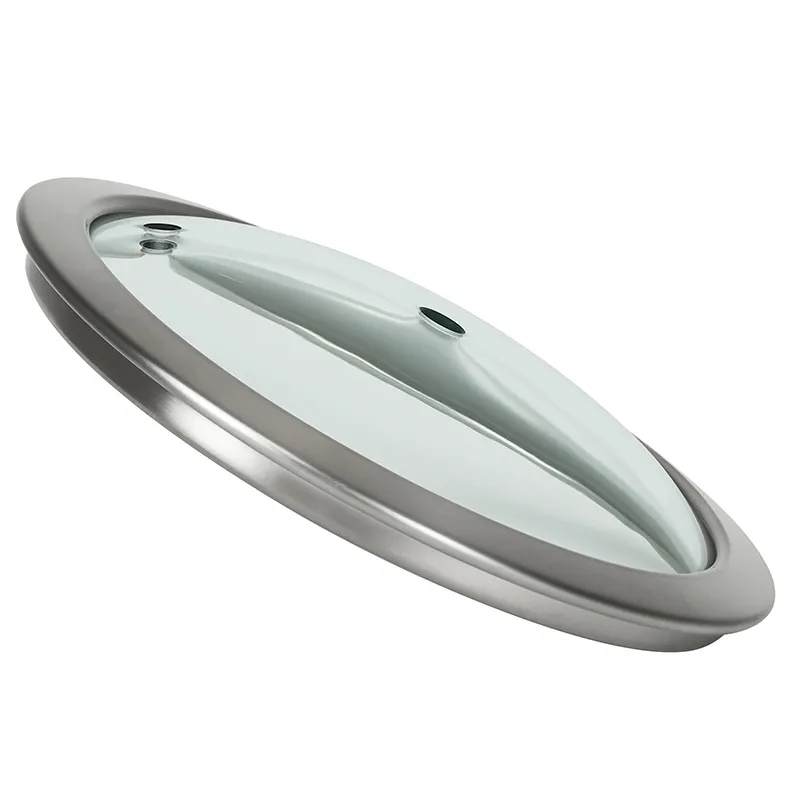
24cm G type tempered glas cover
When you see a spec like '24cm G type tempered glass cover', it's easy to just tick the box for diameter and material. But in this line of work, that's where most mistakes start. The 24cm is straightforward, sure. The 'tempered' part gives a false sense of uniform safety. The real story, the one that determines if a lid sits right, vents properly, and survives a drop onto a tile floor, is buried in that 'G type' designation and the specific tempering process for this exact size. It's not a generic component; it's a precision fit for a specific cookware line, and getting it wrong means returns, breakage, and unhappy chefs from Hamburg to Tokyo.
Decoding the G Type – More Than a Mold Number
The 'G' here isn't arbitrary. In the catalogs of manufacturers like EUR-ASIA COOKWARE CO.,LTD, it typically denotes a specific profile family. Think rim design, handle attachment points, and the curvature from the center to the edge. A 24cm G type lid will have a different flange depth and angle than, say, an 'F type' for the same diameter. This isn't cosmetic. That rim is what creates the seal—or more accurately, the controlled venting—with the pot. Get the type wrong, and you either get a wobbly lid that lets all the steam out, or one that seals too tight and risks a vacuum lock, which is a whole other safety headache.
I recall a batch for the Polish market a while back. The order was for 24cm G type lids, but the factory sample used the handle design from their 'K type' series. Visually similar, but the handle's screw posts were placed 3mm further inboard. When the customer mounted their stainless steel knobs, the stress distribution on the glass was off. Not an immediate failure, but during their thermal shock testing (straight from a 200°C oven into cold water), the failure rate spiked around those mounting points. We had to scrap the entire run. The lesson? 'G type' is a complete system, not just a shape.
This is where a specialized producer's documentation is key. On their site, glass-lid.com, you can see that their focus is on these specific components. Their entire setup in Taian, with that 15,000㎡ facility pumping out over 15 million pieces annually, is geared towards perfecting these variables. For them, the 'G type' is a defined standard they've probably refined over thousands of orders for German and Danish clients, who are notoriously precise about their cookware tolerances.
The 24cm Specifics – Why Diameter Alone is a Trap
A 24cm lid sounds simple. But is it 24.0cm exactly? Or is it 23.8cm to account for a silicone gasket on the pot? The industry standard often has a nominal diameter with a slight negative tolerance. The 24cm G type tempered glass cover for a high-end French casserole dish might be specified at 23.7cm to fit snugly inside a rim. If you supply a true 24.0cm lid, it won't sit flush. I've seen this cause rejections where the buyer's QC uses a go/no-go gauge. They don't measure; they just try to fit it. If it doesn't drop into their gauge, it's fail.
Furthermore, the tempering process for a 24cm disc is different than for a 20cm or 28cm. The quench jets in the furnace have to be calibrated for the surface area and mass to achieve uniform compressive stress. A poorly calibrated line can leave the center zone of a 24cm lid with weaker tension than the edges. Under rapid heating, that's a potential fracture point. A good supplier's expertise is in knowing exactly how long to heat and quench a 24cm disc of, say, 4mm thickness to achieve the optimal 10,000+ psi surface compression. EUR-ASIA COOKWARE's volume suggests they've dialed this in for high-volume production, which is crucial for consistency across a million units.
Handling is another overlooked aspect. A 24cm tempered glass lid is surprisingly heavy. The design of the 'G type' handle—its height, grip width, and how it's bonded—directly impacts usability and safety. A handle that's too small or slick can lead to drops, negating the benefit of tempering. The best designs I've seen often come from feedback loops with European clients, where ergonomics are a major selling point.
Tempered Glass – The Safety That Has Limits
Everyone knows tempered glass is safer. It dices into small, blunt pieces instead of sharp shards. But the assumption is that it's unbreakable. It's not. The edge is its Achilles' heel. A sharp knock on the rim of a tempered glass cover can cause a total, spontaneous collapse. That's why the finishing of the perimeter—the grinding and polishing—is critical. A sharp, unchamfered edge is a liability waiting for an impact.
Thermal shock resistance is the other big claim. While tempered glass handles it better than annealed, it's not infinite. The typical standard is a ΔT of 150°C to 180°C. That means going from a freezer to a hot stove can still crack it. I remember a complaint from a Swiss distributor. Their customers were making a frozen-to-oven casserole. The lids were cracking at a higher-than-acceptable rate. The issue? The base glass composition. We switched to a borosilicate-rich formula for that specific batch, which has a lower coefficient of thermal expansion. It cost 15% more, but it solved the problem. It's a reminder that 'tempered' is a process applied to a base material, and the material choice matters deeply for the application.
This is where a supplier's export history tells a story. Sending over 90% of output to markets like Germany, Japan, and South Korea means their products are constantly tested against some of the world's strictest safety and performance standards (think LFGB, BFR, JIS). That pressure forces a level of quality control that becomes ingrained. They're not just making glass; they're making glass that passes muster in Berlin and Tokyo.
Fit, Function, and the Real-World Test
The ultimate test of a 24cm G type lid is on the pot, on a home stove. Does it sit without rocking? Does condensate drip back down the inner curve efficiently, or does it pool and then spill over the rim when you lift it? The 'G type' profile dictates this. A well-designed curve is a feat of engineering that often goes unnoticed until it's wrong.
Venting is another functional detail. Many of these lids have a steam port or a notch in the rim. Its placement and size in the 'G type' design must align with the pot's intended use—a rapid boil versus a slow simmer. I've seen lids where the port was placed right under where the handle attaches, causing steam to directly hit the user's hand. That's a design flaw that only becomes apparent in real use, and it's the kind of thing a good factory will catch and correct in their prototype phase.
For a company like EUR-ASIA COOKWARE, whose entire business is glass lids and kitchen glass, this iterative design and testing process is their core competency. It's not a side business. With 90+ employees focused on this, they're likely dealing with these nuanced issues daily, tweaking molds and tempering schedules based on client feedback from Italy or Brazil. Their website, glass-lid.com, positions them squarely in this niche, which is a good sign. They're specialists, not generalists.
Conclusion: The Sum of All Parts
So, when you evaluate a 24cm G type tempered glass cover, you're not just buying a piece of hardened glass. You're buying the outcome of precise dimensional control ('24cm', 'G type'), a deeply understood manufacturing process ('tempered'), and a design refined through real-world export experience. The failure points are rarely in the obvious places; they're in the 0.5mm tolerance on the flange, the polish on the edge, the calibration of the quench for that specific diameter.
Suppliers who survive and thrive in the export market, as EUR-ASIA COOKWARE clearly has, understand this intrinsically. Their production base in Shandong's high-tech zone isn't just a factory; it's a system built to replicate these precise specifications at a scale of 15 million pieces a year. That volume, serving demanding markets, is what builds reliability. It turns the keyword from a simple product description into a promise of fit, function, and durability that a professional kitchenware buyer can actually trust.
In the end, the spec sheet is just the starting point. The real value is in the unseen expertise that ensures every single one of those millions of lids performs identically, whether it's on a pot in a Munich apartment or a restaurant in Seoul. That's what you're really sourcing.
Related Products
Related Products