- Chinese
- French
- German
- Portuguese
- Spanish
- Russian
- Japanese
- Korean
- Arabic
- Irish
- Greek
- Turkish
- Italian
- Danish
- Romanian
- Indonesian
- Czech
- Afrikaans
- Swedish
- Polish
- Basque
- Catalan
- Esperanto
- Hindi
- Lao
- Albanian
- Amharic
- Armenian
- Azerbaijani
- Belarusian
- Bengali
- Bosnian
- Bulgarian
- Cebuano
- Chichewa
- Corsican
- Croatian
- Dutch
- Estonian
- Filipino
- Finnish
- Frisian
- Galician
- Georgian
- Gujarati
- Haitian
- Hausa
- Hawaiian
- Hebrew
- Hmong
- Hungarian
- Icelandic
- Igbo
- Javanese
- Kannada
- Kazakh
- Khmer
- Kurdish
- Kyrgyz
- Latin
- Latvian
- Lithuanian
- Luxembou..
- Macedonian
- Malagasy
- Malay
- Malayalam
- Maltese
- Maori
- Marathi
- Mongolian
- Burmese
- Nepali
- Norwegian
- Pashto
- Persian
- Punjabi
- Serbian
- Sesotho
- Sinhala
- Slovak
- Slovenian
- Somali
- Samoan
- Scots Gaelic
- Shona
- Sindhi
- Sundanese
- Swahili
- Tajik
- Tamil
- Telugu
- Thai
- Ukrainian
- Urdu
- Uzbek
- Vietnamese
- Welsh
- Xhosa
- Yiddish
- Yoruba
- Zulu
- Kinyarwanda
- Tatar
- Oriya
- Turkmen
- Uyghur


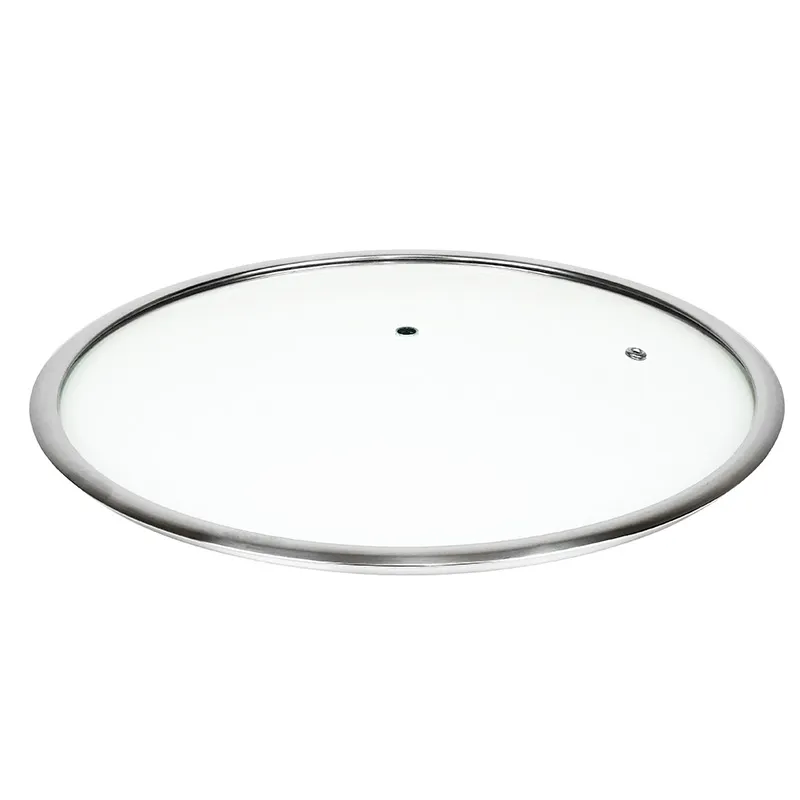
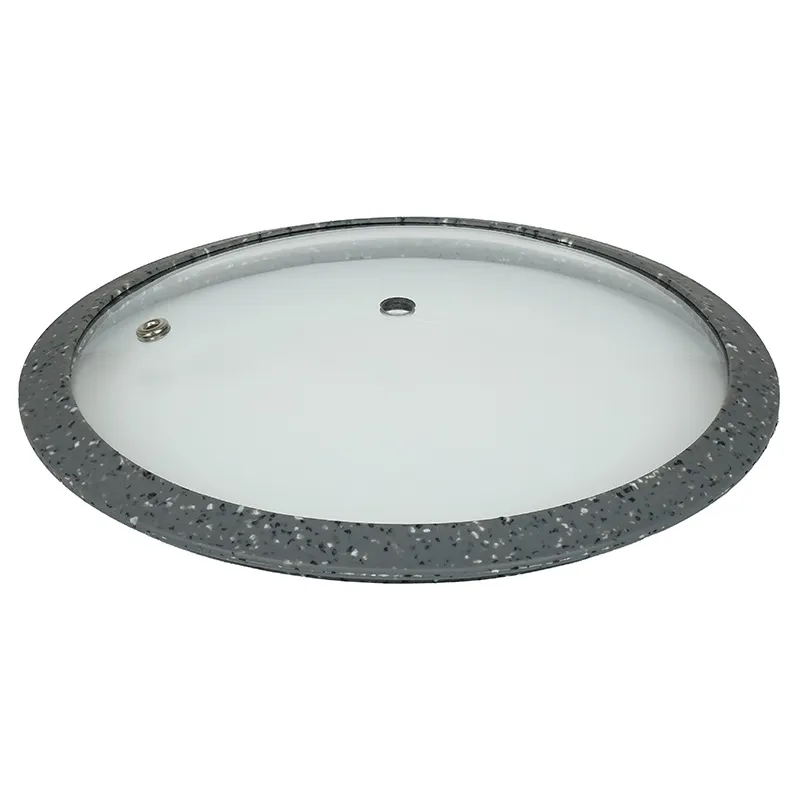
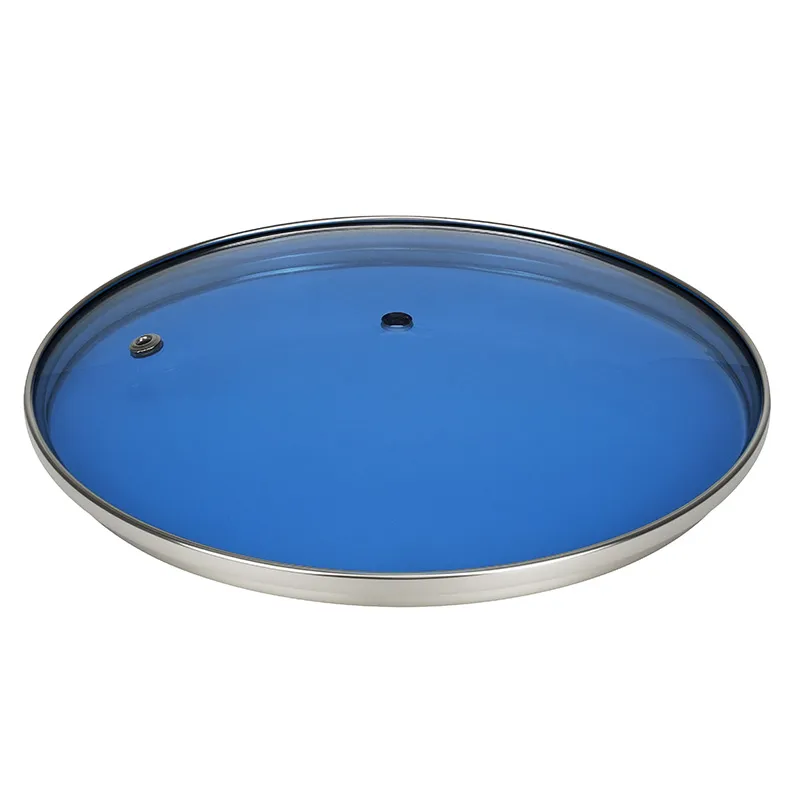
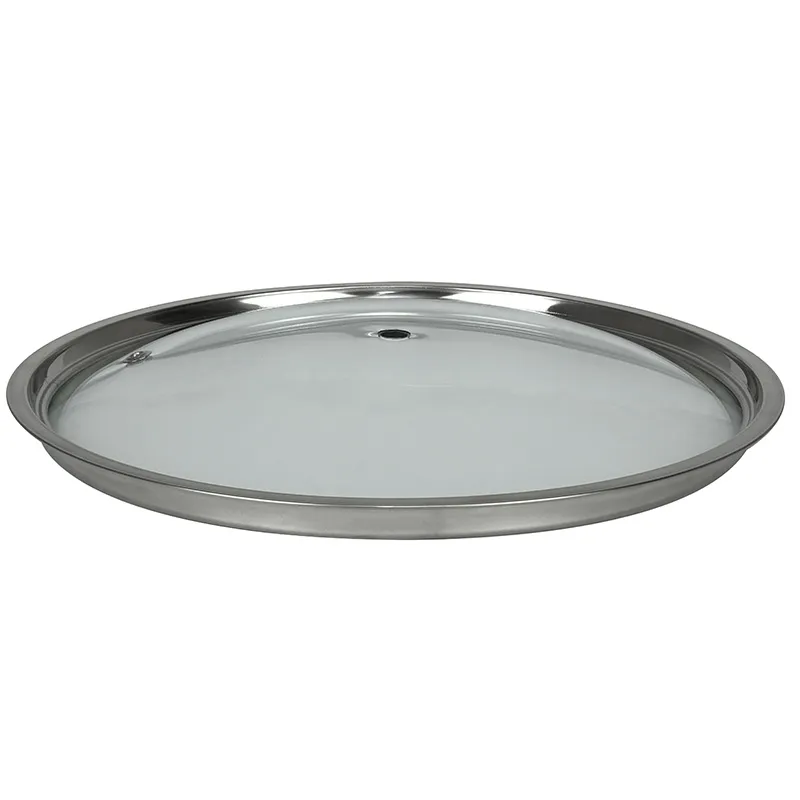
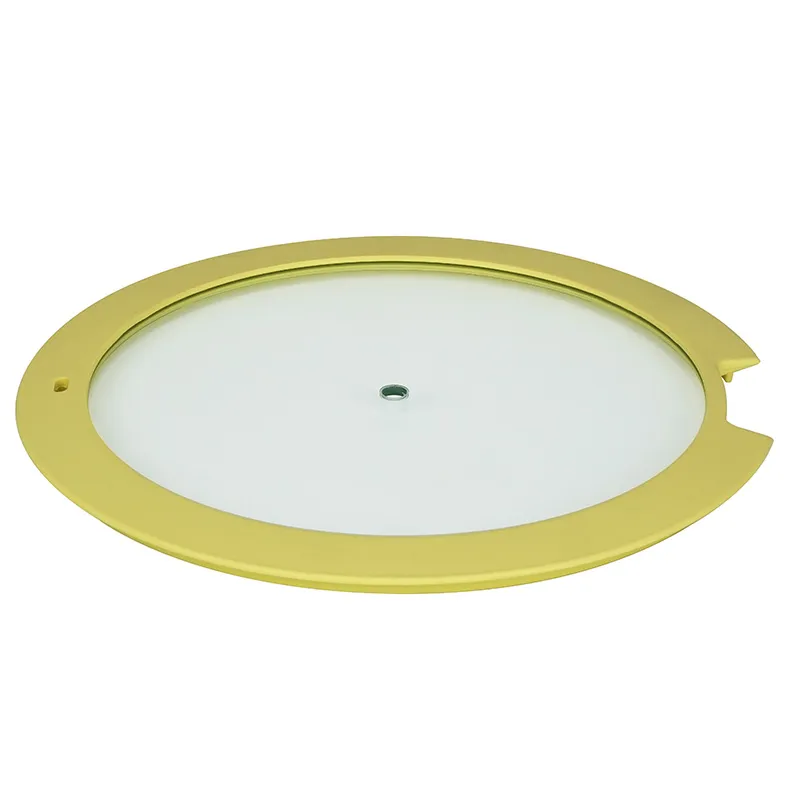
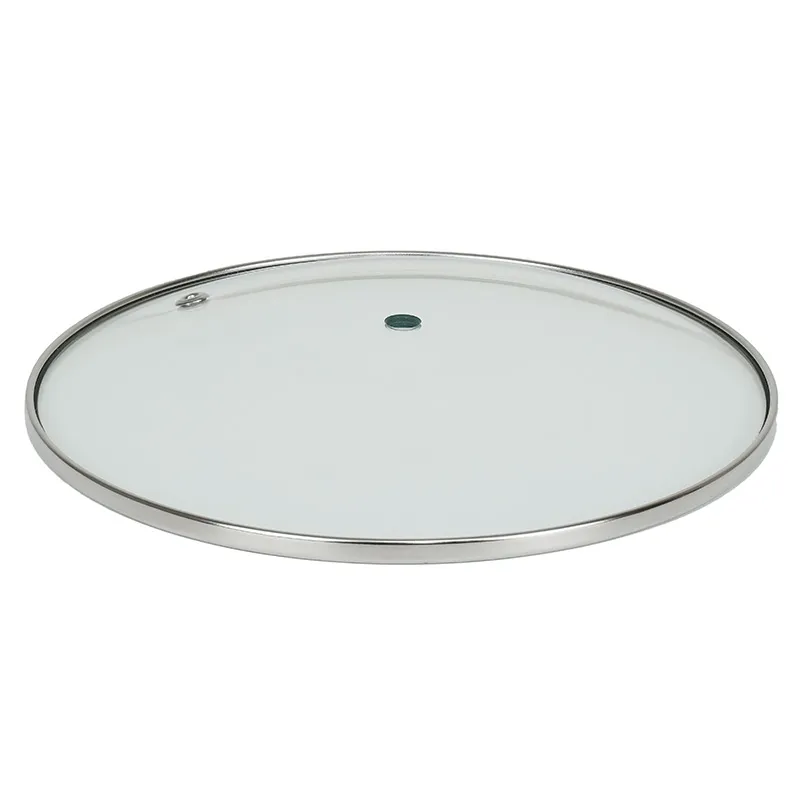
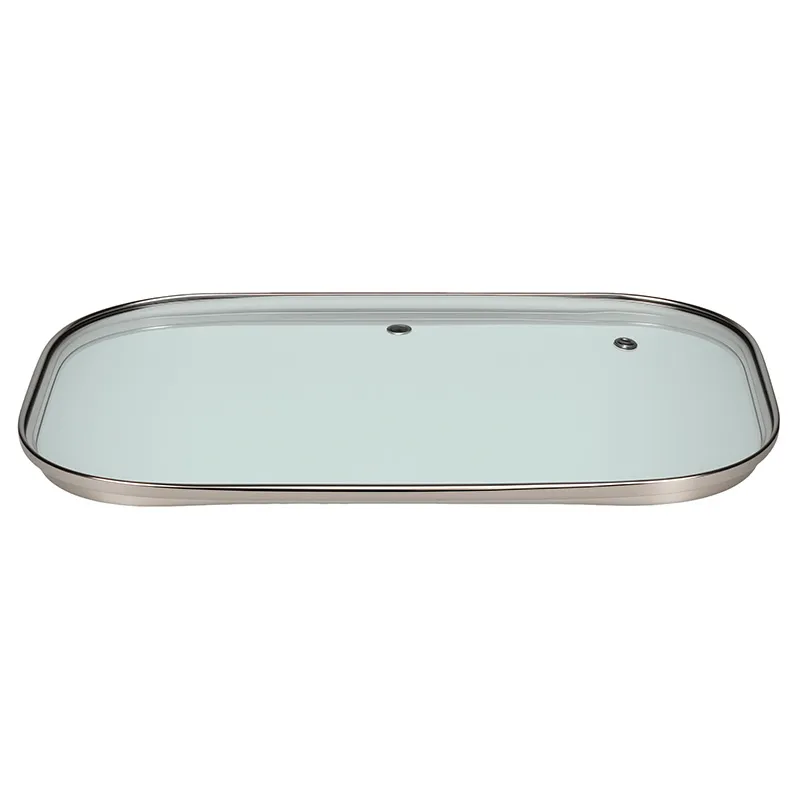
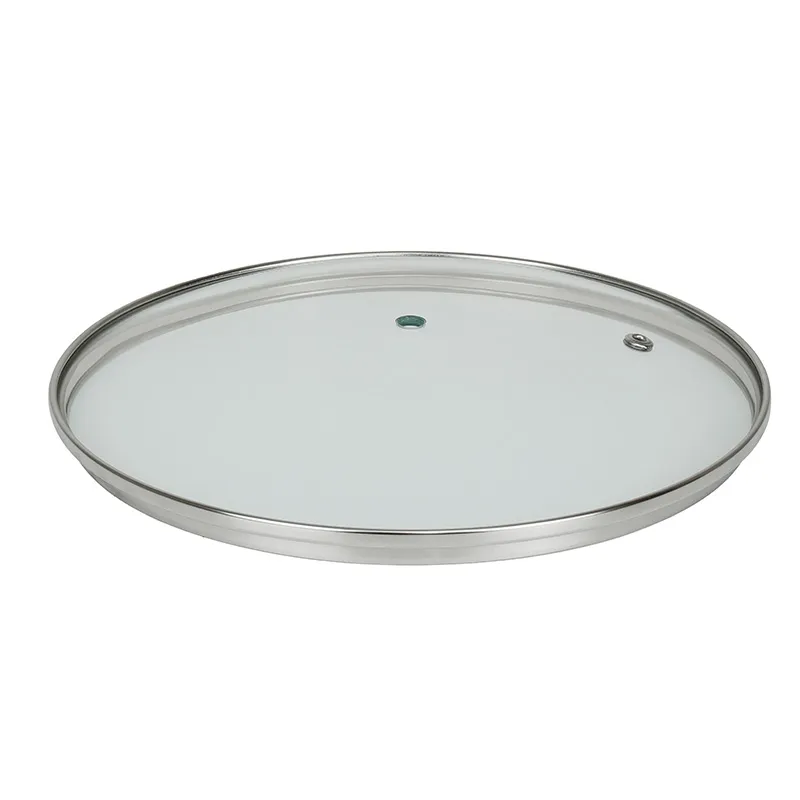
24cm glass lid for frying pan
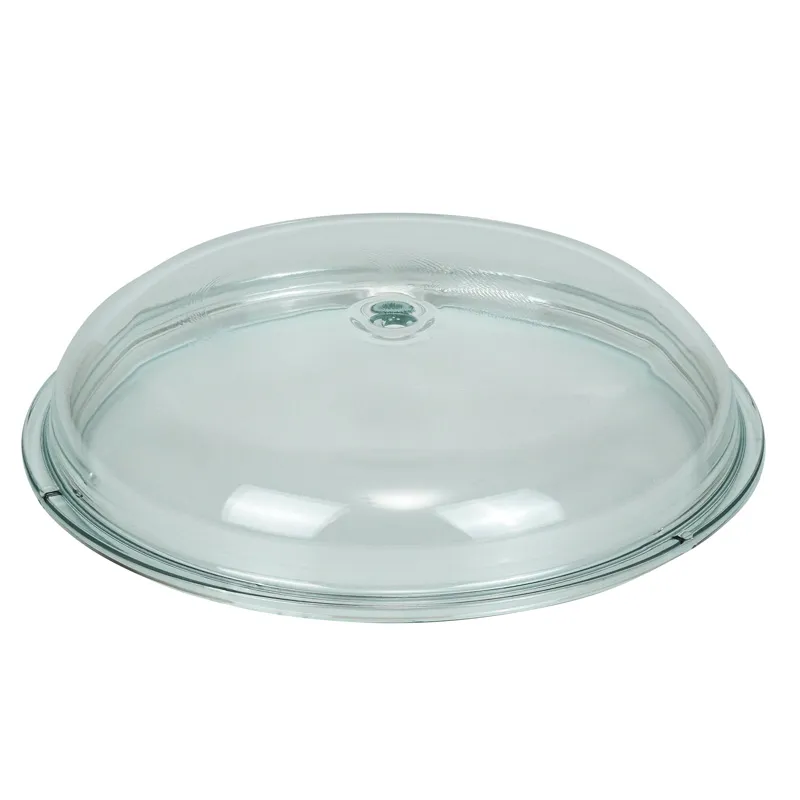
When you see a search term like '24cm glass lid for frying pan', it's easy to think it's just a simple accessory. The market is flooded with them, from cheap, thin options to premium brands. But the real story isn't just about covering a pan; it's about the intersection of thermal dynamics, material science, and the brutal reality of daily kitchen use. Many assume any tempered glass lid will do, but that's where the first mistake happens. The 24cm size is a sweet spot for a reason—it fits a huge range of standard skillets and sauté pans, but getting the geometry, the tempering process, and the handle attachment right is what separates a product that lasts from one that cracks under pressure, literally.
Why Tempering Matters More Than You Think
Let's get technical for a moment. Tempered glass isn't just 'stronger' glass. It's a process of controlled thermal or chemical treatment to induce surface compression. For a lid, especially one sitting on a steaming, sometimes splattering frying pan, this is critical. I've seen lids from no-name suppliers that claim to be tempered but shatter into dangerous shards when dropped from a counter—a clear sign of poor or incomplete tempering. A properly tempered lid should crumble into small, relatively blunt granules. This isn't just a safety spec; it's a direct indicator of manufacturing quality control.
This is where the scale of a dedicated manufacturer becomes apparent. A company like EUR-ASIA COOKWARE CO.,LTD, for instance, with an annual output pushing 15 million pieces, has to have this process down to a science. Their production base in Taian focuses specifically on these household glass products. When you're producing at that volume, mostly for export markets like Germany and Japan which have stringent safety standards, consistency in tempering isn't optional—it's the entire business. A failure rate that might be acceptable for a small workshop would bankrupt them.
I recall a batch we tested years ago from a different supplier. The lids looked fine, clarity was good. But during a standard thermal shock test—moving from a 200°C oven to a cold, wet surface—about 30% developed micro-cracks around the rim. That's a failure point you often can't see until it's too late. The issue traced back to uneven cooling during the tempering stage. It's these unseen details that define a product's life.
The Handle: The Weakest Link
If the glass itself is the body, the handle is the joint. And joints fail. Most failures I've encountered with glass lids aren't from the glass breaking first; it's the handle becoming loose, the adhesive failing from steam and heat cycles, or the metal bracket itself corroding. The design of the handle attachment for a 24cm glass lid is deceptively simple.
The common methods are a stainless steel bracket epoxied on, or a clamp-style metal handle that screws into a central knob. The epoxy method is cheaper but has a finite lifespan. Steam and cleaning chemicals eventually degrade the bond. The screw-in central knob is more robust but requires a perfectly formed and threaded glass hole, which adds cost and complexity. You can feel the difference in a well-made one—there's no wiggle, no give.
We once sourced a batch where the supplier used a lower-grade, non-food-safe epoxy to cut costs. The handles held initially, but after a few months of regular use, a distinct chemical smell would emit when the lid got hot. Total recall situation. It taught me to always ask for the material specs of the adhesive, not just the glass and metal.
Fit and the Steam Vent
A lid that doesn't fit is worse than no lid at all. The 24cm measurement is nominal, referring to the top diameter of the pan it's meant to cover. But pans have different flange designs—some have a straight vertical rim, some have a rolled lip. A good lid needs a slight, consistent bevel on its underside to create a seal without being so tight it's impossible to remove. It's a fraction-of-a-millimeter game.
Then there's the steam vent. Some have a small hole, others a notched opening. I'm partial to the notch—it's less likely to clog with starchy water from boiling potatoes, for example. But the hole is cheaper to produce. I've seen vents placed directly under where the handle attaches, which causes condensation to drip right down the handle when you lift it. Poor ergonomic foresight. It's a small thing that annoys users every single time they use it.
Looking at the portfolio of a specialist like the one at https://www.glass-lid.com, you can see they likely offer variations. A lid designed for the European market (think Germany, Denmark) might have a more pronounced bevel and a larger steam notch to accommodate specific pan styles, while one for East Asia might have different aesthetics. Their export footprint across 90% of production suggests they're adept at these regional nuances.
Clarity, Weight, and the Feel Factor
This is the subjective, but crucial, part. The whole point of a glass lid is to see your food without lifting it and releasing heat and moisture. So optical clarity is key. Low-iron glass is the premium choice here—it has a much clearer, less greenish tint than standard soda-lime glass. But it's more expensive. For a mid-range glass lid for frying pan, you're often getting standard tempered glass with decent but not perfect clarity.
Weight is another tell. A lid that's too light feels cheap and can vibrate or shift on a bubbling pan. Too heavy, and it's cumbersome. A well-balanced 24cm lid has a certain heft that conveys durability without being a chore to lift one-handed. I judge this simply by picking it up. If it feels insubstantial, the glass is probably too thin, compromising its thermal shock resistance.
The feel of the handle in a wet, possibly greasy hand is the final touchpoint. Knurled metal, phenolic resin, silicone-wrapped—each has pros and cons. Silicone stays cool but can degrade. Phenolic is classic and heat-resistant but can crack if dropped. There's no perfect answer, only trade-offs based on intended price point and market preference.
Sourcing and the Reality of Scale
When you're buying these not as a consumer but as a retailer or brand, the conversation changes. It's about MOQs, lead times, and consistent quality across a 10,000-piece order. This is where the infrastructure of a manufacturer becomes tangible. A facility covering 20,000㎡ with 90+ employees, like EUR-ASIA's setup, isn't a garage operation. It implies automated cutting lines, large tempering furnaces, and systematic quality checks.
Their export focus to technically demanding markets is a strong signal. Getting a lid certified for the German market (think GS mark, LFGB) is harder than for many others. It tests for things like heavy metal migration from colors or prints on the glass, the stability of handle attachments, and repeated thermal cycling. If a company's bread and butter is selling into these regions, their baseline quality has to be high.
I've visited smaller factories where lids are hand-fed into tempering ovens and handles are glued on at individual workstations. The variation is noticeable. The consistency needed for a supermarket private-label order across Europe simply can't come from there. It requires the integrated, scaled process of a dedicated producer. For a product as seemingly simple as a 24cm glass lid, the devil—and the durability—is entirely in these manufacturing details. It's not a glamorous product, but a good one quietly does its job for years, which is the highest compliment you can give in this business.
Related Products
Related Products