- Chinese
- French
- German
- Portuguese
- Spanish
- Russian
- Japanese
- Korean
- Arabic
- Irish
- Greek
- Turkish
- Italian
- Danish
- Romanian
- Indonesian
- Czech
- Afrikaans
- Swedish
- Polish
- Basque
- Catalan
- Esperanto
- Hindi
- Lao
- Albanian
- Amharic
- Armenian
- Azerbaijani
- Belarusian
- Bengali
- Bosnian
- Bulgarian
- Cebuano
- Chichewa
- Corsican
- Croatian
- Dutch
- Estonian
- Filipino
- Finnish
- Frisian
- Galician
- Georgian
- Gujarati
- Haitian
- Hausa
- Hawaiian
- Hebrew
- Hmong
- Hungarian
- Icelandic
- Igbo
- Javanese
- Kannada
- Kazakh
- Khmer
- Kurdish
- Kyrgyz
- Latin
- Latvian
- Lithuanian
- Luxembou..
- Macedonian
- Malagasy
- Malay
- Malayalam
- Maltese
- Maori
- Marathi
- Mongolian
- Burmese
- Nepali
- Norwegian
- Pashto
- Persian
- Punjabi
- Serbian
- Sesotho
- Sinhala
- Slovak
- Slovenian
- Somali
- Samoan
- Scots Gaelic
- Shona
- Sindhi
- Sundanese
- Swahili
- Tajik
- Tamil
- Telugu
- Thai
- Ukrainian
- Urdu
- Uzbek
- Vietnamese
- Welsh
- Xhosa
- Yiddish
- Yoruba
- Zulu
- Kinyarwanda
- Tatar
- Oriya
- Turkmen
- Uyghur


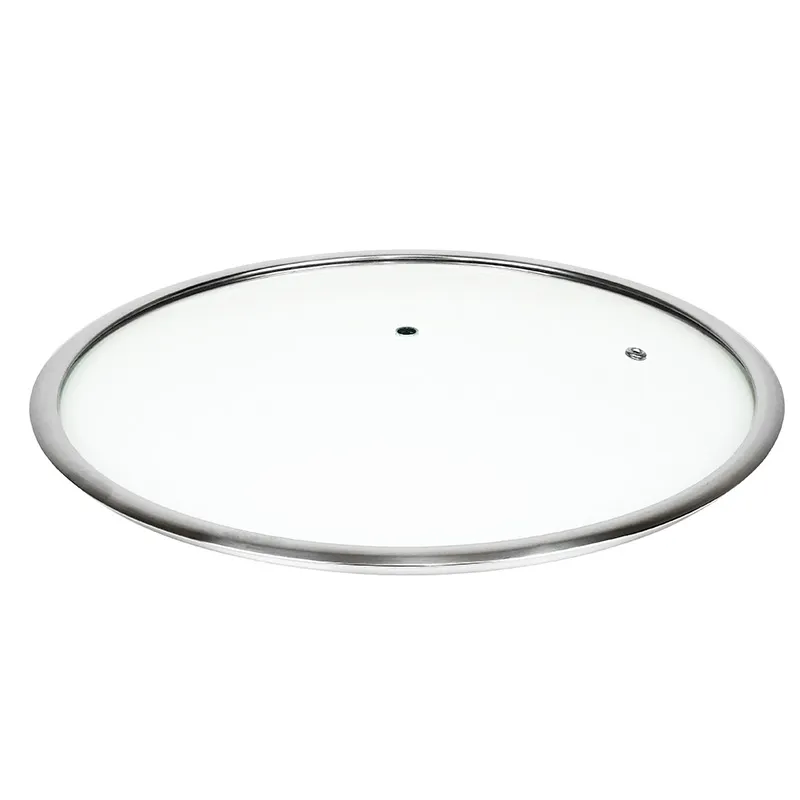
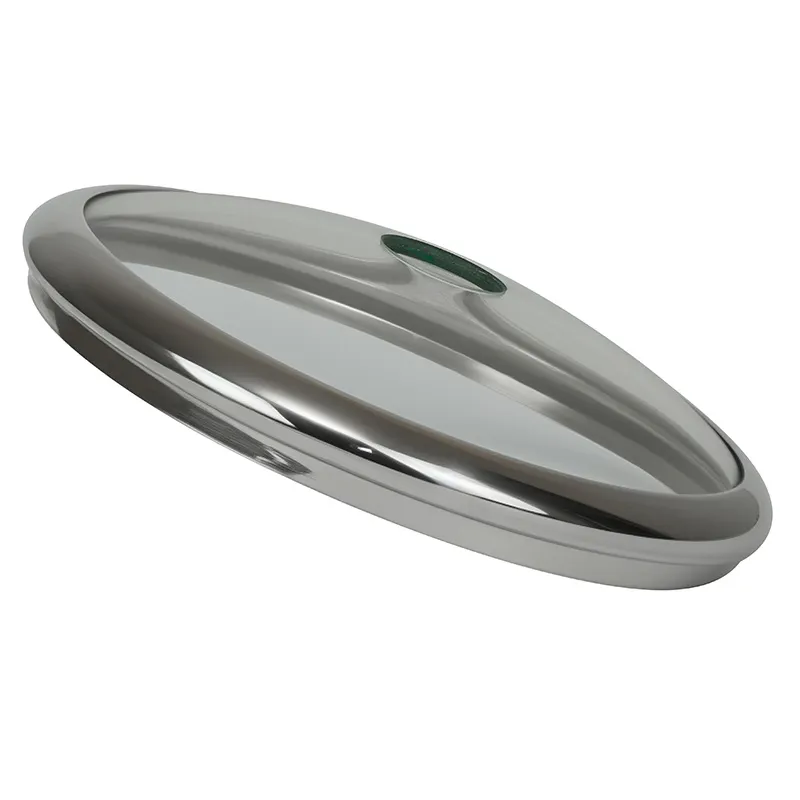
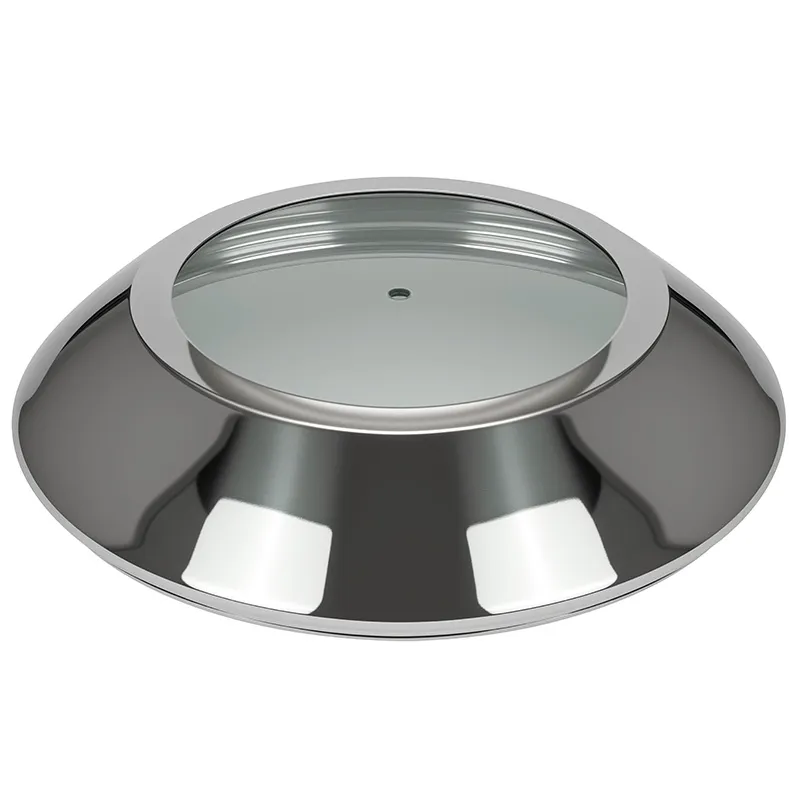
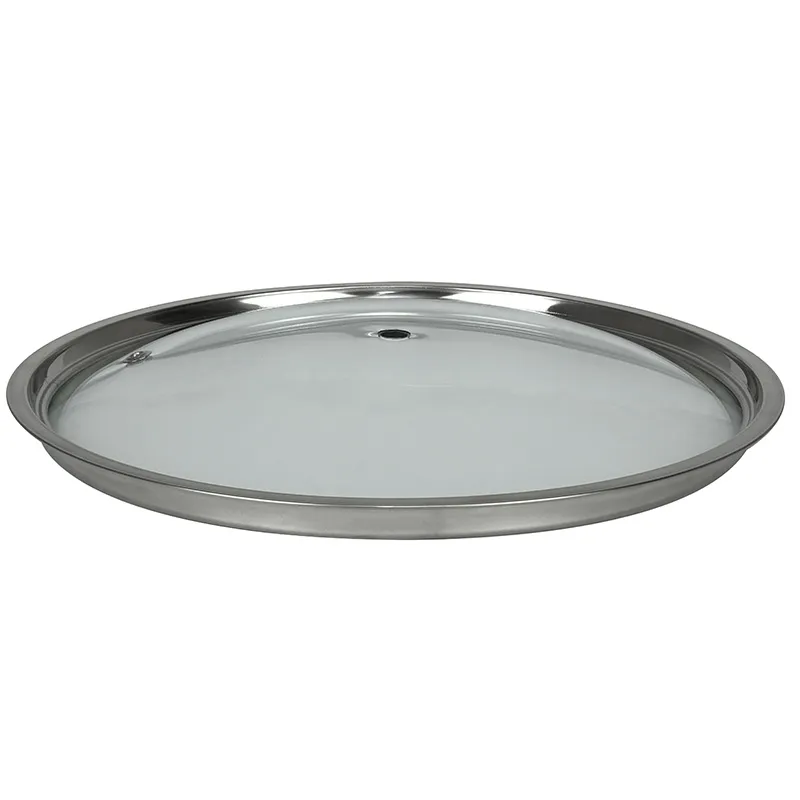
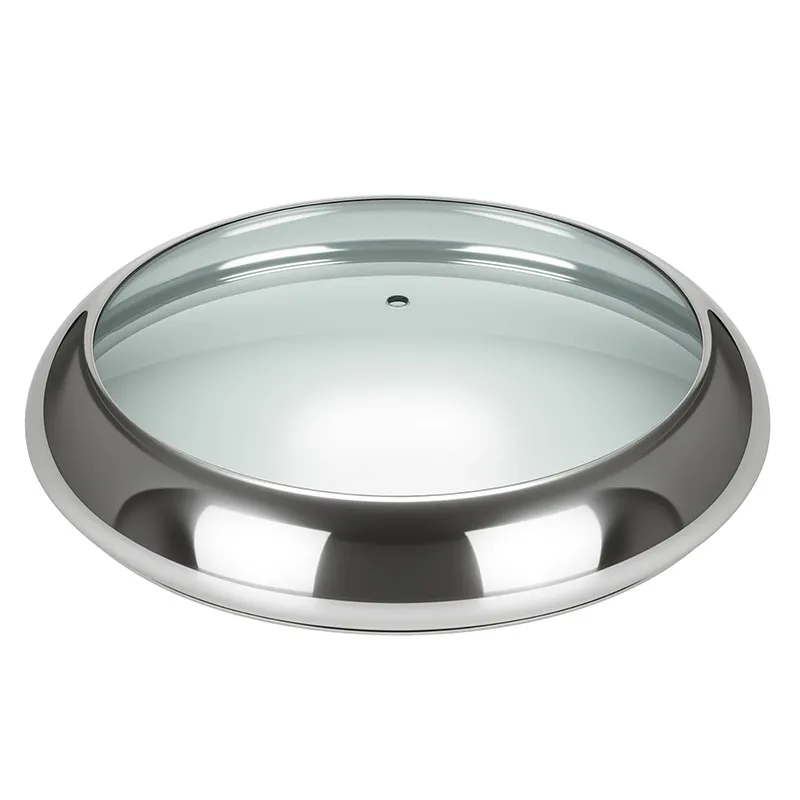
26cm glass lid for frying pan
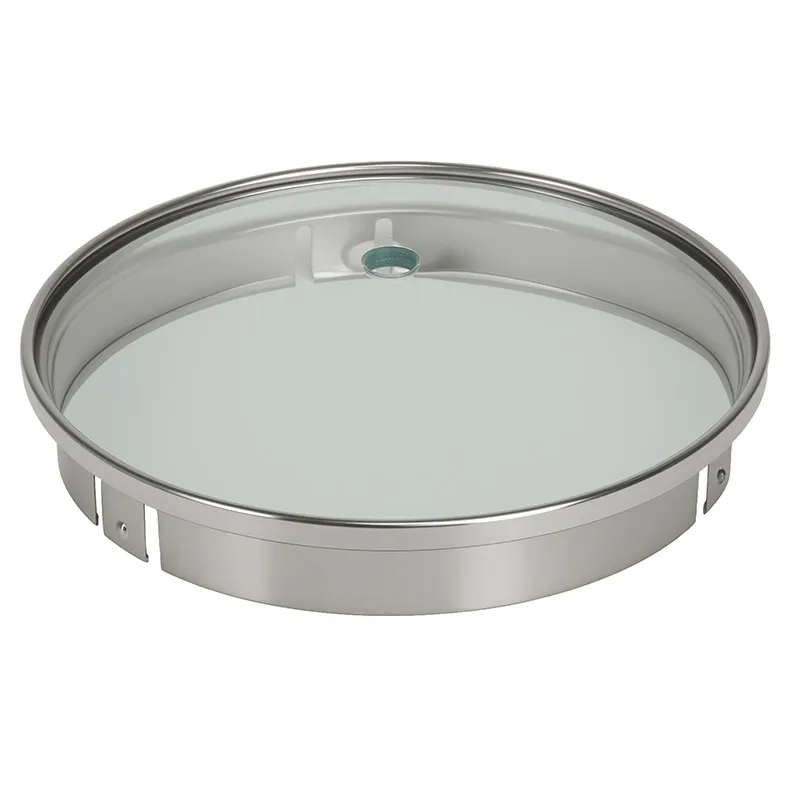
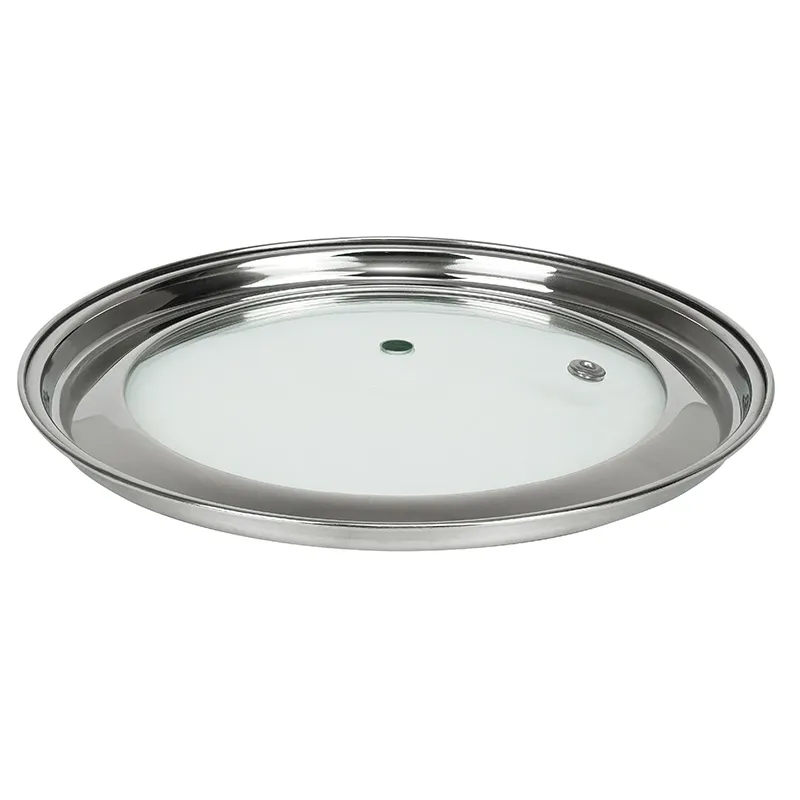
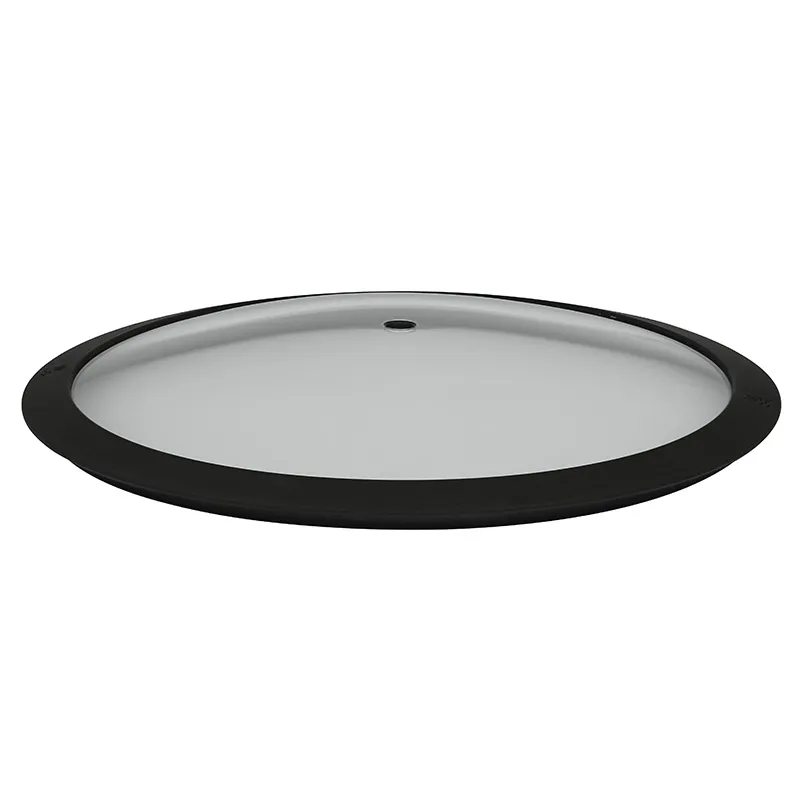
When someone searches for a '26cm glass lid for frying pan', they're usually looking for a specific fit, but the reality is more nuanced. Many assume any 26cm lid will do, but diameter is just the start. The curvature, the rim depth, the handle placement—these are what separate a lid that sits on a pan from one that actually works with it. I've seen too many returns because a customer bought a flat-based lid for a curved sauté pan, or a domed lid for a flat griddle. It's not just about covering food; it's about creating a proper cooking environment. That's where the real conversation begins.
Why Tempered Glass and Why 26cm?
Tempered glass isn't just a buzzword; it's a necessity for a frying pan lid. You're dealing with rapid temperature changes—from a cold counter to a searing hot pan. Annealed glass would shatter. Tempered glass can handle the thermal shock, and if it does fail, it crumbles into small, less hazardous pieces instead of sharp shards. For a 26cm glass lid, this is critical because it's a common size for a primary skillet, the workhorse pan that sees the most aggressive use. A 26cm frying pan is often used for searing, braising, and frying, all of which generate a lot of steam and require a lid that can take the heat, literally.
The 26cm measurement, by the way, typically refers to the top outer diameter of the pan it's meant to fit. But here's the catch: a pan's top inner diameter might be closer to 24cm. A good lid manufacturer knows this. They design the lid's sealing rim—often a stainless steel or heat-resistant silicone band—to sit snugly on the inner cooking surface, not just perch on the outer edge. This affects heat retention and steam control dramatically. A lid that's too small lets steam escape from the sides; one that's too large won't sit flat.
I remember a batch from a supplier years ago where the steel rim was crimped too tightly. The glass fit fine, but the rim had no 'spring' to it. On a slightly imperfect pan rim—and let's be honest, most pans develop a tiny warp over time—it would rock. We got complaints about rattling and poor sealing. It was a failure in understanding how the components interact in real use, not just on a spec sheet.
The Manufacturing Reality: From Spec to Shelf
Producing a consistent, high-quality glass lid isn't about pressing a button. It involves cutting the raw glass, grinding and polishing the edges to a smooth, safe finish—often called seamed edges—then tempering it in a furnace. After that, the handle and rim assembly is attached. The handle is a point of frequent failure. A cheap plastic knob might be rated for high heat, but direct flame contact from a gas stove can still melt it. A stainless steel or phenolic resin handle is safer, but it must be attached with a robust, heat-resistant adhesive or a mechanical fastener that won't loosen with repeated heating and cooling cycles.
This is where companies with a dedicated focus, like EUR-ASIA COOKWARE CO.,LTD, have an edge. Their specialization in household glass products, as noted on their site glass-lid.com, means their process is built around this specific product category. A factory producing 15 million pieces annually, mostly for export to markets with strict standards like Germany and Japan, has to have its quality control dialed in. They're not just making lids; they're solving the problems of thermal shock, fit, and assembly at scale. Their production base in Taian's high-tech zone suggests an investment in the infrastructure needed for consistent tempering, which is energy-intensive and requires precise control.
The export focus is telling. European buyers, for instance, are notoriously strict about material safety (think LFGB standards for food contact) and dimensional tolerance. A lid that passes muster for those markets is usually a safe bet. It means the company has likely invested in the molds for the steel rims and handles to ensure a precise, repeatable fit for a 26cm frying pan lid, not just a close enough product.
Common Pitfalls and What to Look For
Beyond the basic specs, here are the details that turn a lid from a generic cover into a useful tool. First, the steam vent. Some lids have a small hole, others a notch in the rim, some have a adjustable vent. For a frying pan, a small fixed vent is often best. You're often using it to finish cooking pasta sauce, braise chicken, or melt cheese—situations where you want to retain most moisture but prevent a boil-over. A huge vent defeats the purpose.
Second, the clarity and quality of the glass. It should be genuinely clear, not hazy or green-tinted (a sign of lower-grade silica). You need to see the color of your reduction, the size of bubbles in a simmer, without lifting the lid and losing heat. I've tested lids where the glass had minor optical distortions that made it hard to judge the food's state—annoying when you're trying to see if your pan sauce has thickened enough.
Third, cleanability. The joint where the handle attaches to the glass is a grease trap. A design where the base of the handle is open or easily wiped is superior to one where it's sealed with a silicone gasket that can discolor and trap grime. The steel rim should also be a continuous, smooth band without gaps or spot welds that can collect residue.
The Fit for Different Pan Types
A 26cm glass lid isn't universal. A lid designed for a traditional frying pan with sloped sides might not sit properly on a saute pan with straight, vertical sides, even if both are labeled 26cm. The slope angle is key. Many manufacturers now produce universal or multi-fit lids with a broader, more flexible rim. These can be convenient, but they often seal less perfectly than a lid made for a specific pan line. For the best performance, if you have a high-end pan from All-Clad, Le Creuset, or similar, it's worth seeking out their branded lid or a confirmed-compatible third-party option.
There's also the weight consideration. A very heavy, thick glass lid can be cumbersome to lift with one hand, especially if the handle is small. But a very light lid might not sit securely if there's a lot of steam pressure pushing up from inside the pan. It's a balance. The best ones have a reassuring heft—enough to stay put, but not so much that it's a chore to use.
In a commercial kitchen setting I worked in years ago, we used simple, cheap aluminum lids. They were light and durable, but you couldn't see a thing. Moving to tempered glass lids for our demonstration stations was a game-changer for explaining cooking stages to trainees. But we broke a few before we learned not to place a hot lid directly on a cold, wet stainless steel table. That thermal shock lesson applies at home, too—don't take a lid from a 200°C pan and run it under cold tap water.
Closing Thoughts on Value and Selection
So, when you're evaluating a 26cm glass lid for frying pan, you're really evaluating a system: the glass's resilience, the rim's intelligent design, the handle's security and heat resistance, and the manufacturer's understanding of how these elements work under heat and steam pressure. Price is often a decent indicator. The rock-bottom cheapest option is likely cutting corners on tempering quality, rim material, or handle assembly.
A company like EUR-ASIA COOKWARE, with its stated specialization and export volume, represents the OEM/ODM layer of the market. They're likely producing the lids that many brands then sell under their own name. This isn't a negative; it means they have the engineering and production capacity. The key for a buyer is to find a retailer or brand that sources from such a specialist and provides clear information on fit and material specs.
Ultimately, a good glass lid extends the functionality of your frying pan immensely. It turns it into a small braiser, a steamer, a covered saute pan. The right 26cm lid isn't an afterthought; it's a strategic cooking tool. Look for the signs of thoughtful construction—the clear, well-tempered glass, the robust and well-fitted rim, the secure handle—and you'll have a piece that lasts for years, making your primary pan that much more versatile.
Related Products
Related Products