- Chinese
- French
- German
- Portuguese
- Spanish
- Russian
- Japanese
- Korean
- Arabic
- Irish
- Greek
- Turkish
- Italian
- Danish
- Romanian
- Indonesian
- Czech
- Afrikaans
- Swedish
- Polish
- Basque
- Catalan
- Esperanto
- Hindi
- Lao
- Albanian
- Amharic
- Armenian
- Azerbaijani
- Belarusian
- Bengali
- Bosnian
- Bulgarian
- Cebuano
- Chichewa
- Corsican
- Croatian
- Dutch
- Estonian
- Filipino
- Finnish
- Frisian
- Galician
- Georgian
- Gujarati
- Haitian
- Hausa
- Hawaiian
- Hebrew
- Hmong
- Hungarian
- Icelandic
- Igbo
- Javanese
- Kannada
- Kazakh
- Khmer
- Kurdish
- Kyrgyz
- Latin
- Latvian
- Lithuanian
- Luxembou..
- Macedonian
- Malagasy
- Malay
- Malayalam
- Maltese
- Maori
- Marathi
- Mongolian
- Burmese
- Nepali
- Norwegian
- Pashto
- Persian
- Punjabi
- Serbian
- Sesotho
- Sinhala
- Slovak
- Slovenian
- Somali
- Samoan
- Scots Gaelic
- Shona
- Sindhi
- Sundanese
- Swahili
- Tajik
- Tamil
- Telugu
- Thai
- Ukrainian
- Urdu
- Uzbek
- Vietnamese
- Welsh
- Xhosa
- Yiddish
- Yoruba
- Zulu
- Kinyarwanda
- Tatar
- Oriya
- Turkmen
- Uyghur

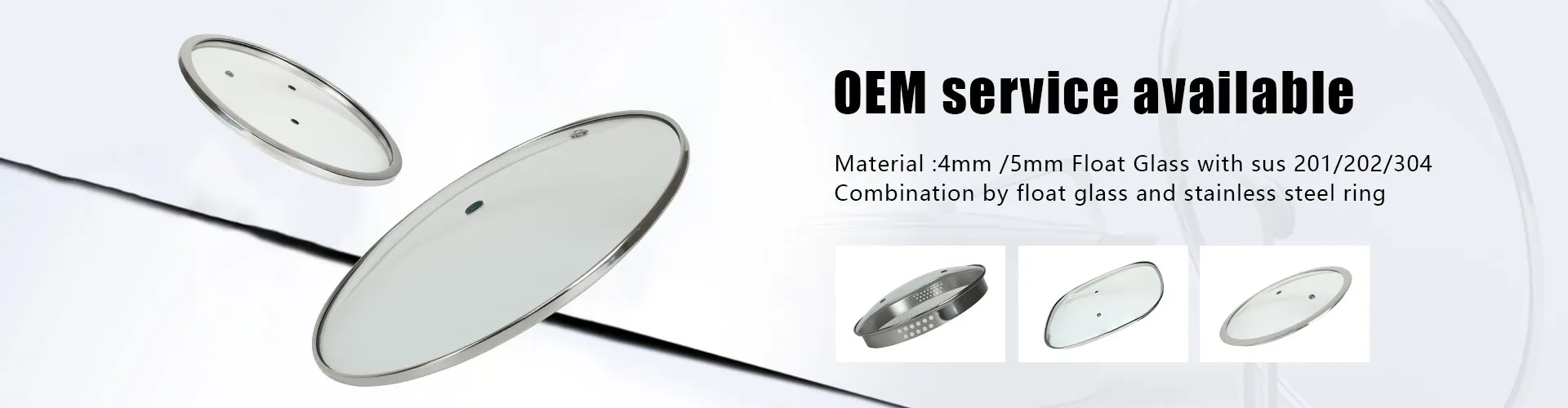
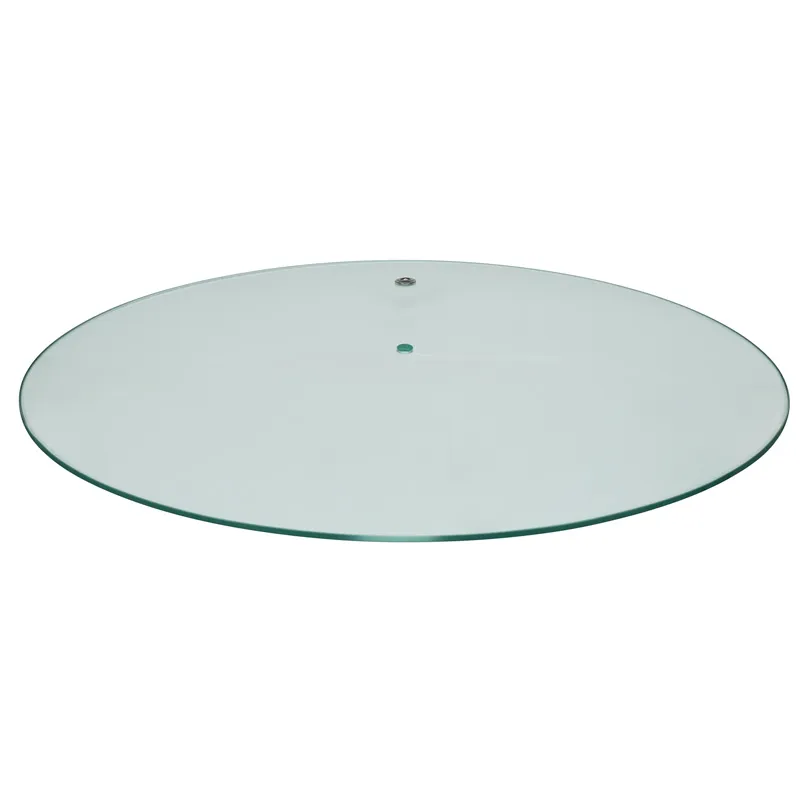
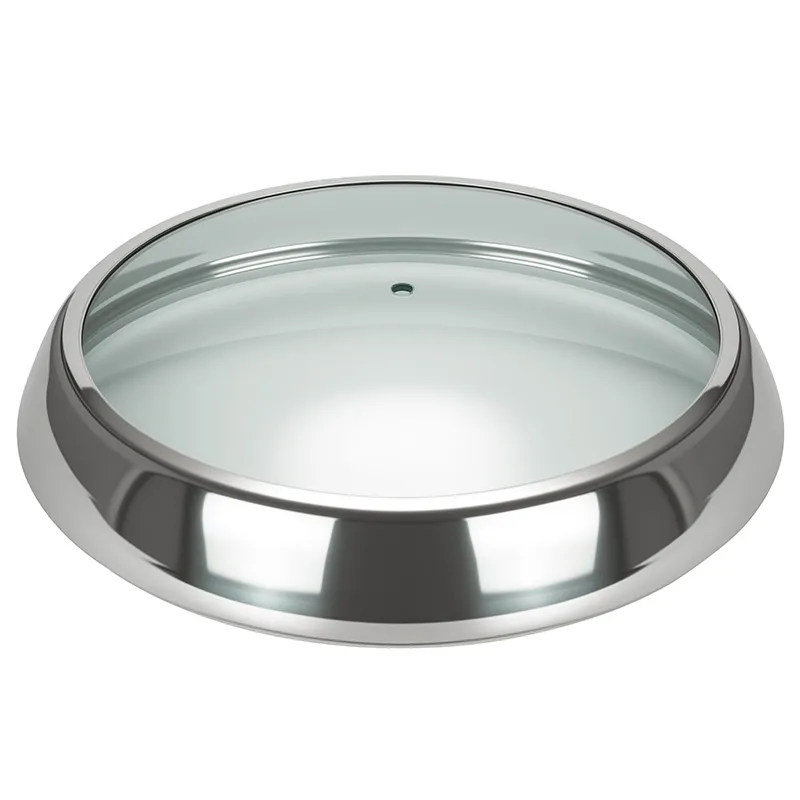
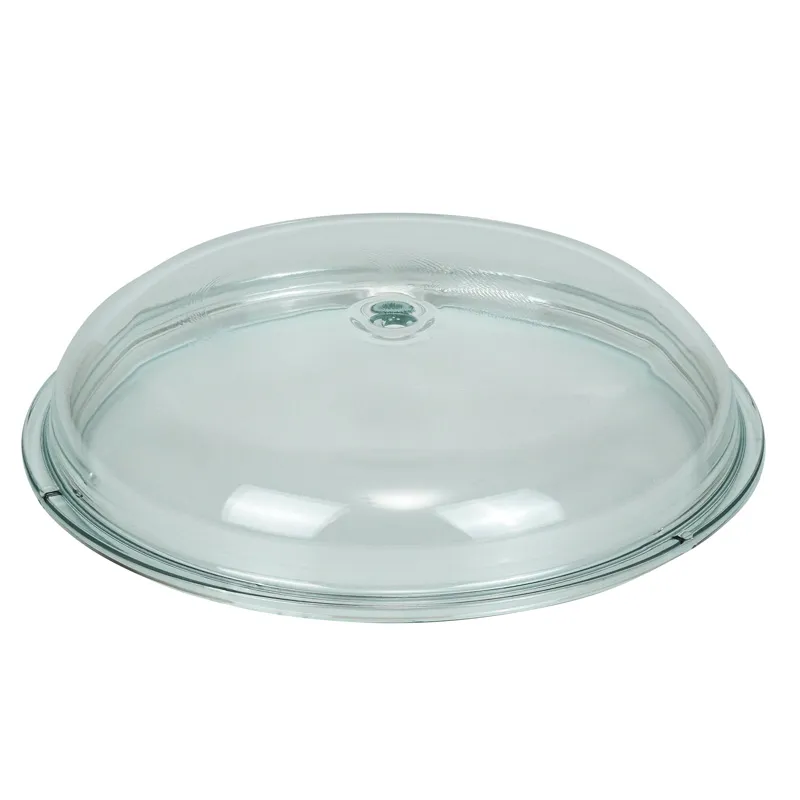
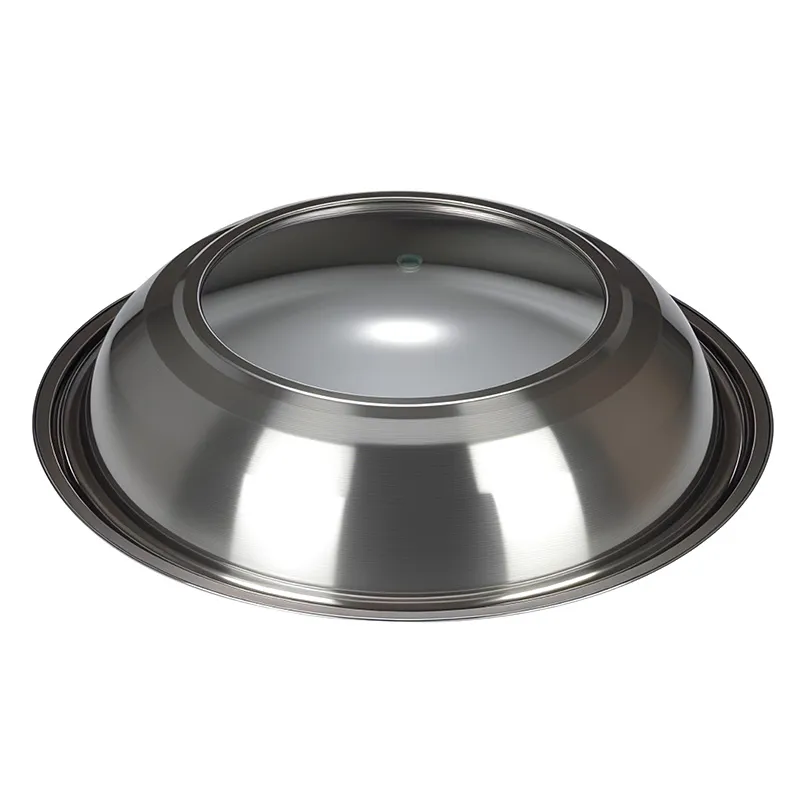
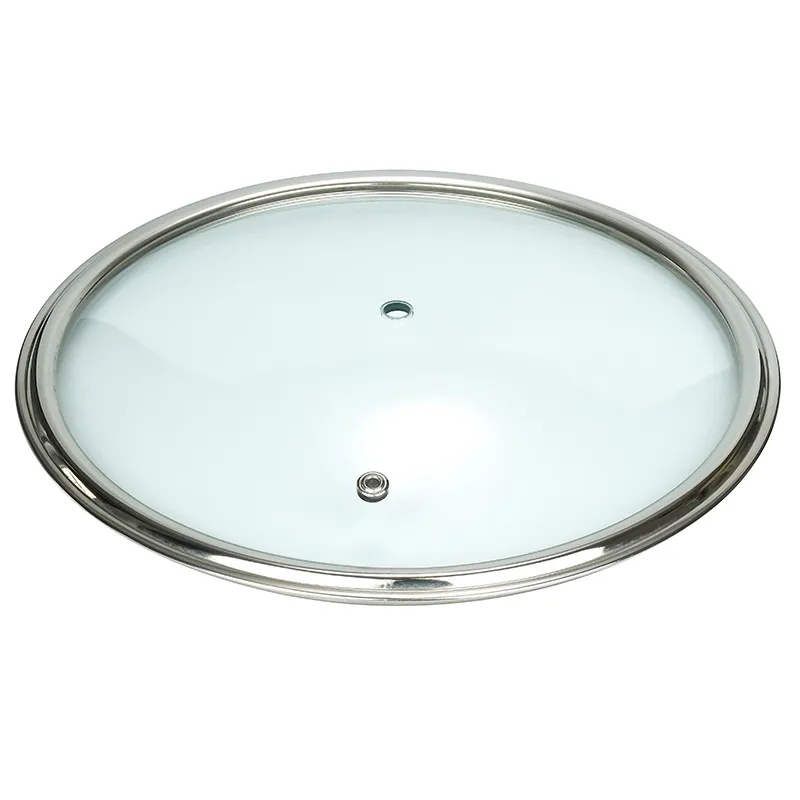
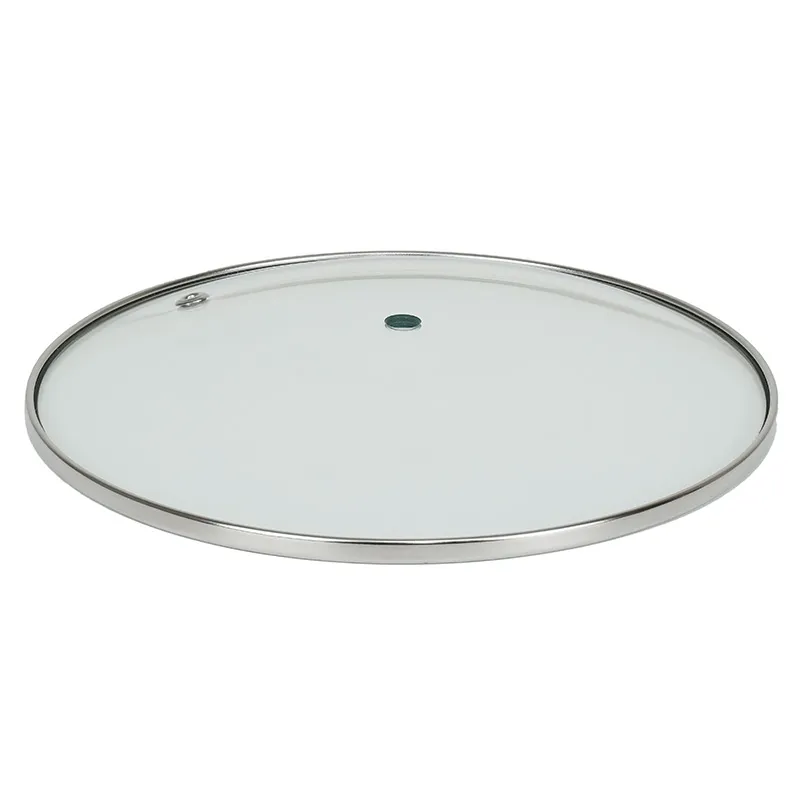
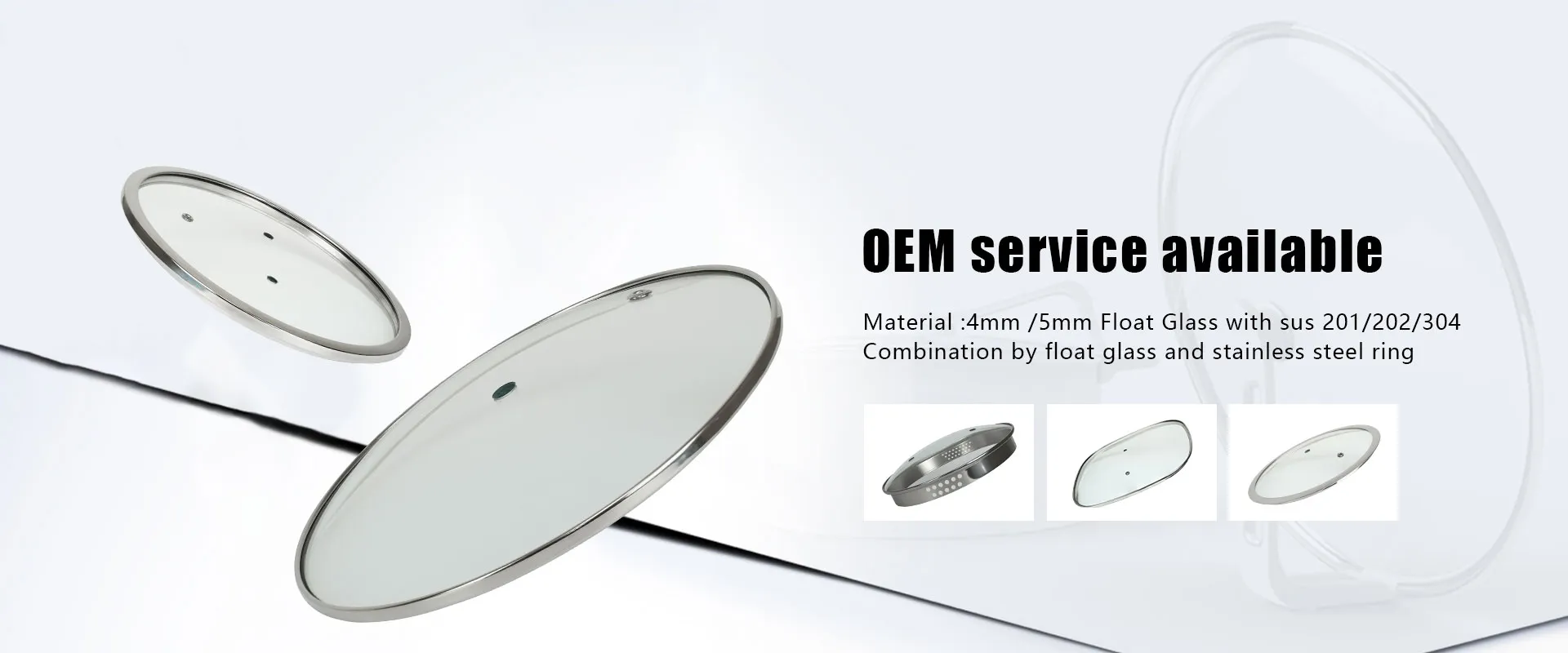
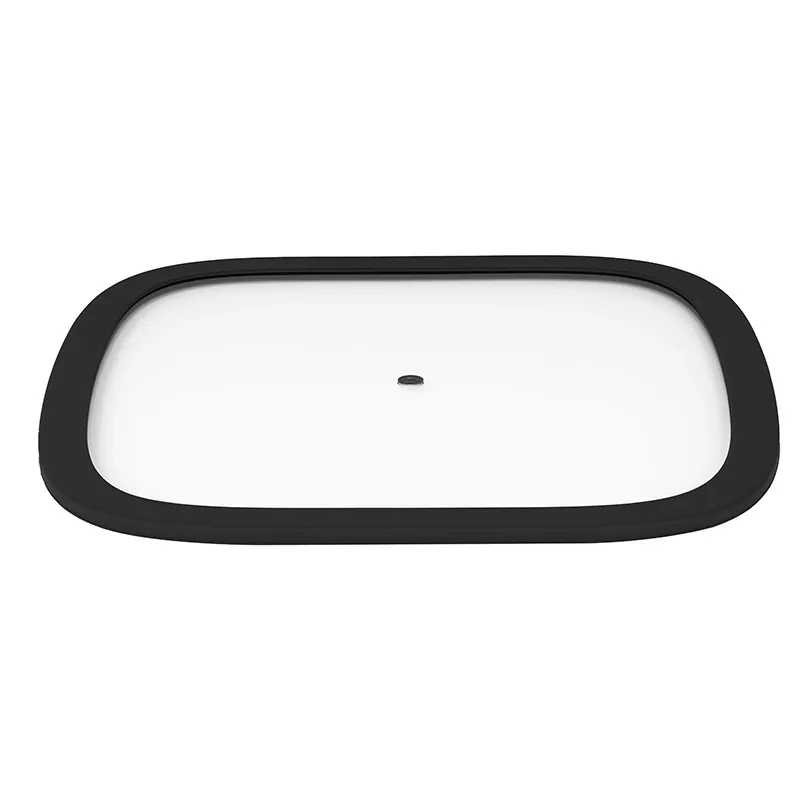
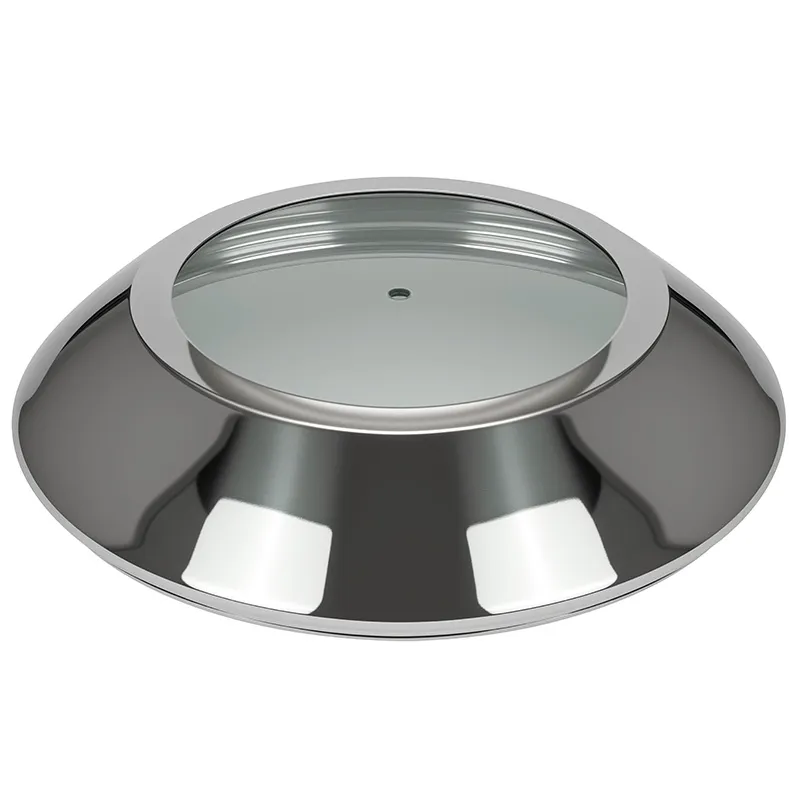
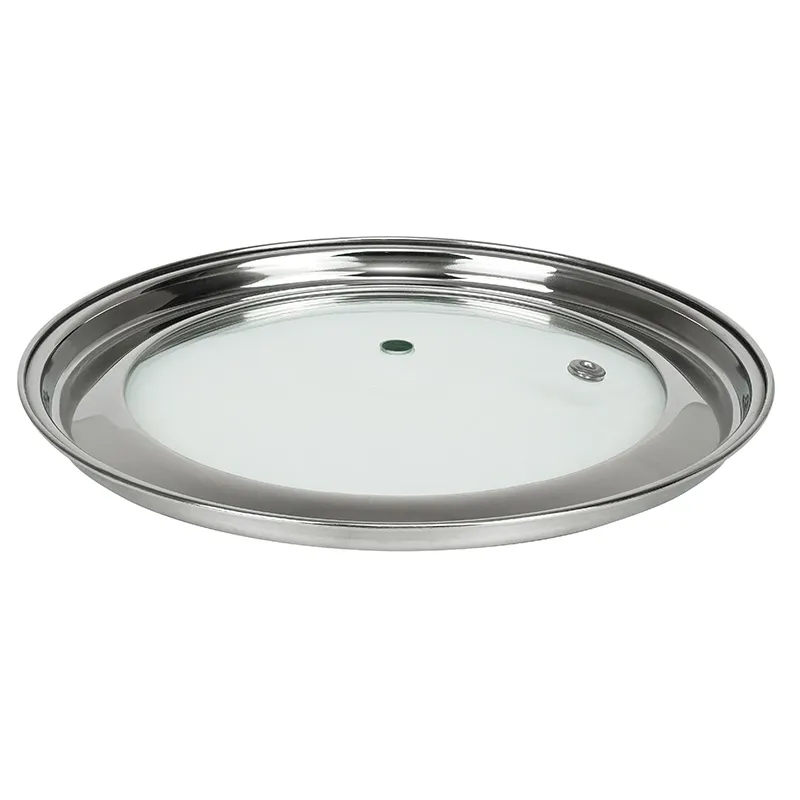
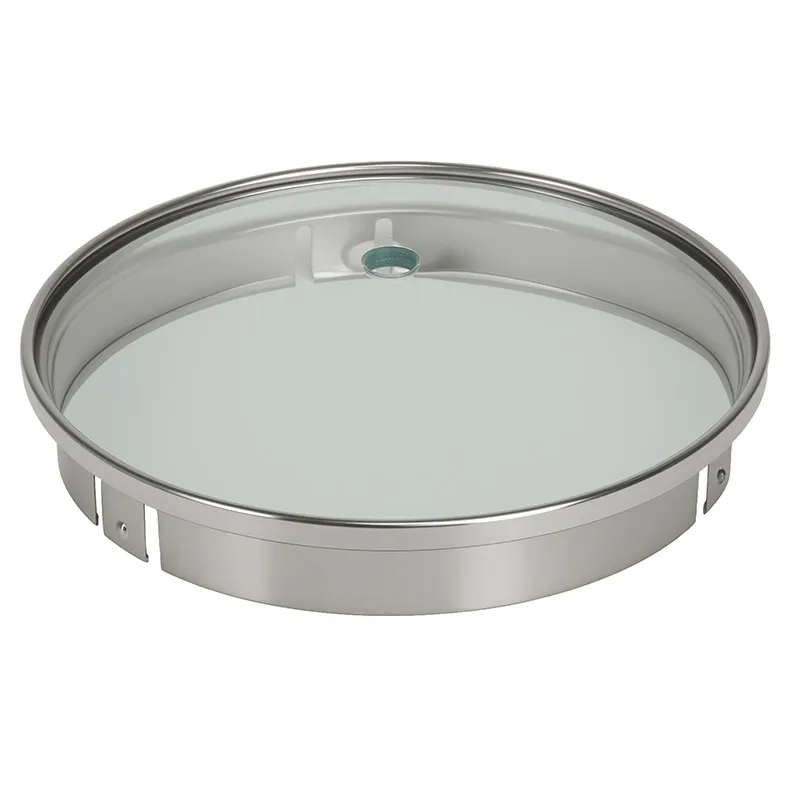
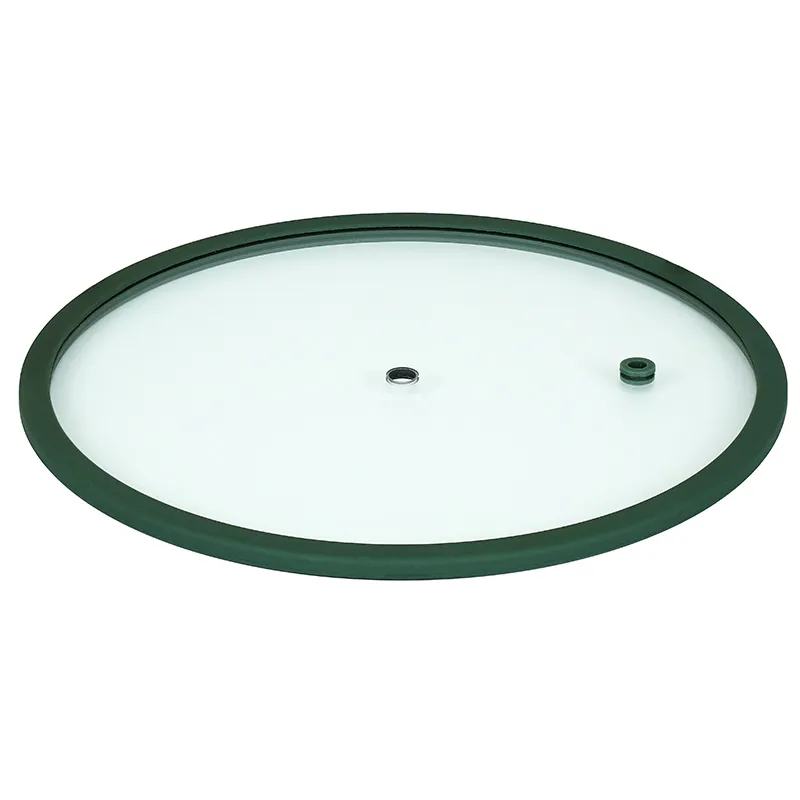
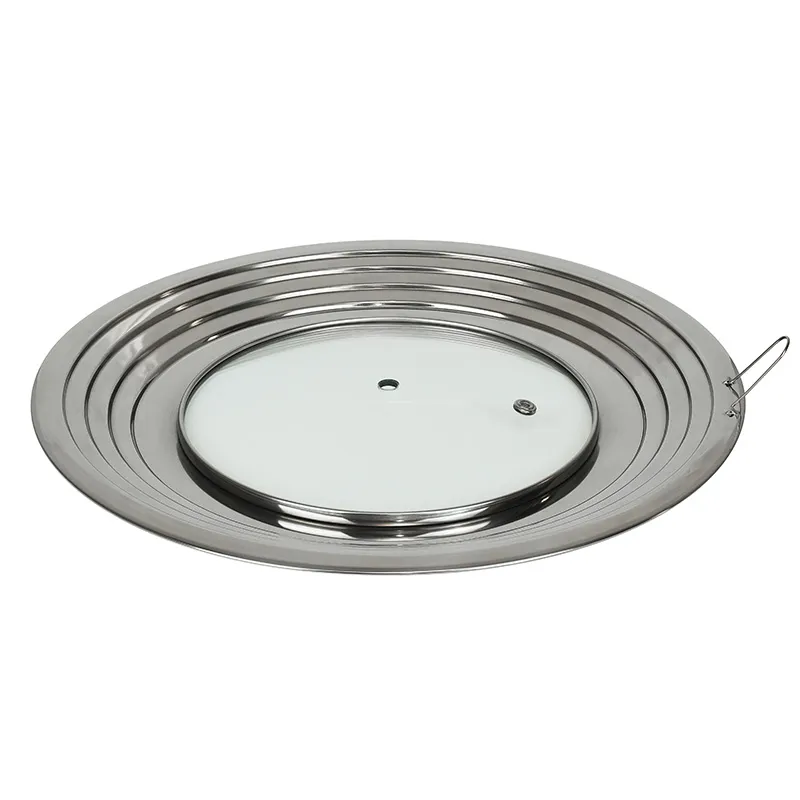
28cm glass lid
When you hear '28cm glass lid', most think it's a simple, standardized component. In reality, that specific diameter is a nexus of material science, thermal dynamics, and frustratingly precise manufacturing tolerances. The common misconception is that all 28cm lids are interchangeable, but the variance in bevel, handle attachment, and even the type of tempered glass used can make or break a cookware set's performance. I've seen too many projects stall because someone sourced a lid that 'fit' but didn't function.
The Diameter Isn't the Whole Story
Starting with the 28cm measurement, the first pitfall is assuming it refers to the outer rim. In many European-style pots, it's the inner sealing diameter that matters. A lid from one factory might sit on top of the pot, while another is designed to sit slightly inside the rim for a better vapor seal. I learned this the hard way early on, approving a shipment of 10,000 units that technically measured 28cm but created a noticeable, steam-leaking gap on our target cookware. The loss wasn't just financial; it was a credibility hit with a client who expected us to know these nuances.
Then there's the glass itself. For a lid this size, you're almost always looking at tempered glass, but the quality spectrum is vast. Cheap, poorly tempered glass for a 28cm glass lid can develop spontaneous stress fractures or shatter unevenly under rapid temperature change. We shifted our sourcing to specialists like EUR-ASIA COOKWARE CO.,LTD (https://www.glass-lid.com) precisely because their focus on export-grade tempered glass for household products meant they understood the stringent thermal shock tests required in markets like Germany and Japan. Their production base in Taian, with an annual output in the millions, is geared for this consistency, which you don't always get from a general glassware factory.
The handle and vent hole are other critical points of failure. A 28cm lid has significant leverage; a poorly bonded handle or a weak metal rivet will detach. We once had a batch where the silicone knob's adhesive failed at 110°C—a common stewing temperature. It wasn't a design flaw in the glass, but in the accessory bonding process. This is where a manufacturer's full-chain control matters. A company that produces the lid as a complete unit, handling the tempering, drilling, and assembly in-house, like EUR-ASIA, tends to have fewer of these systemic issues compared to a workshop that outsources the handle attachment.
Material and Manufacturing Realities
Let's talk about the 'low- medium- high level' distinction EUR-ASIA mentions. It's not marketing fluff. A low-level 28cm lid might use thinner glass with minimal edge polishing. A high-level one, destined for a European brand, will have a consistently smooth, rounded edge (chamfered, not just ground), a more robust handle assembly, and often a more precise tempering process that ensures even stress distribution. The difference is in the reject rate and the feel in hand. The high-level lid feels substantial, sits flush, and makes a soft 'clink', not a sharp 'clack'.
The tempering process for a lid this size is tricky. The glass must be heated uniformly and then cooled rapidly. Any inconsistency in the quench air flow can set up internal stresses that appear as optical distortion (a wavy look) or, worse, cause it to pop later. I've visited lines where operators visually inspect each lid on a light table—a step many skip. It's a detail, but it catches the subtle defects that lead to returns. With over 15 million pieces of various types produced annually, a factory's ability to maintain this level of scrutiny for a high-volume item like a 28cm glass lid is what separates a reliable supplier from a commodity vendor.
Export compliance is another layer. A lid sold in South Korea might need different safety certifications than one for Brazil. The fact that over 90% of EUR-ASIA's output is exported suggests their systems are built around navigating these requirements. It's not just about making the lid; it's about documenting the material composition, the tempering standards met, and the safety tests passed. For a buyer, this backend rigor is often more valuable than a slightly lower price point.
Integration and the End-User Experience
Ultimately, a lid's job is to seal and allow visibility. The 28cm size is popular for Dutch ovens and large sauté pans. The failure mode I see most often isn't breakage, but poor usability. A lid that's too heavy makes one-handed use impossible. One with a tiny, slick stainless steel knob becomes a burn hazard when the pot is full of steam. The best designs we've worked with often feature a larger, heat-resistant composite or silicone knob that stays cool and provides a secure grip, even with wet hands.
Then there's condensation management. A perfectly flat glass lid will drip condensation back into the food in a single stream. Some higher-end designs incorporate a subtle, concentric ridge pattern on the underside to channel condensation to the edges, where it drips back into the pot more evenly. It's a small feature, but it shows the manufacturer is thinking about cooking, not just covering. When reviewing samples, I always do a simple boiling water test to watch the condensation pattern—it tells you a lot about the design's sophistication.
Compatibility remains the final hurdle. We maintain a library of rim profiles from major cookware brands. A tempered glass lid for a Le Creuset 28cm round oven is not the same as one for a generic tri-ply stainless steel pan. The bevel angle and depth are critical. This is where close collaboration with a manufacturer pays off. Providing them with the exact pot or detailed drawings prevents the fit issues that plague off-the-shelf universal lids. Their engineering team can then adjust the mold or grinding process to achieve the correct seal.
Cost vs. Value in Sourcing
In sourcing, the cheapest 28cm glass lid is almost always the most expensive in the long run. The failures—breakage in transit, thermal shock failures during first use, handle detachment—incur not just replacement costs but also logistics nightmares and brand damage. Building a relationship with a specialized producer mitigates this. You're paying for their process control, their experience with export regulations, and their understanding that a lid is a functional component, not just a piece of decorated glass.
For instance, specifying a lid for a high-end line, we might work with a factory's engineers on the handle material. Will it withstand dishwasher detergent over hundreds of cycles without degrading? Will the metal rivet resist corrosion? These are questions a kitchen accessory specialist is equipped to answer through material testing, not guesswork. The 15,000 ㎡ facility and 90+ employees at a place like EUR-ASIA's Taian base represent an investment in this kind of integrated problem-solving capacity.
Finally, consider the packaging. A 28cm lid is fragile and large. Poor packaging leads to a high damage rate during sea freight. A good supplier will have optimized, space-efficient packaging that secures the lid and protects the edges and handle. They've learned this through shipping millions of pieces worldwide. It's an operational detail that doesn't appear in the product spec sheet but drastically affects your landed cost and customer satisfaction.
Concluding Thoughts: Beyond the Spec Sheet
So, when you're evaluating a 28cm glass lid, look past the diameter and the price. Ask about the tempering method. Request a sample and subject it to your own thermal shock test (boiling water to an ice bath). Check the handle's pull strength and the edge finish. Inquire about their primary export markets—it's a proxy for quality standards. A supplier entrenched in demanding markets like Germany, Switzerland, and Japan, as EUR-ASIA COOKWARE is, has likely already solved many of the problems you're trying to avoid.
The goal is to get a component that disappears in use—it fits perfectly, cleans easily, and lasts for years. That reliability comes from a manufacturer who views the lid as a system: glass, handle, vent, and finish. It's not the most glamorous part of the kitchen, but a well-made 28cm glass lid is a sign of a cookware set that's been thoughtfully engineered from top to bottom. Getting it right is a small victory, but one that pays dividends every time a customer uses the pot without a second thought.
In the end, our job is to match the right lid to the right pot and the right user expectation. It's a triangulation of physics, manufacturing, and human factors. The 28cm dimension is just the starting point for a much deeper conversation about how things are actually made and used.
Related Products
Related Products