- Chinese
- French
- German
- Portuguese
- Spanish
- Russian
- Japanese
- Korean
- Arabic
- Irish
- Greek
- Turkish
- Italian
- Danish
- Romanian
- Indonesian
- Czech
- Afrikaans
- Swedish
- Polish
- Basque
- Catalan
- Esperanto
- Hindi
- Lao
- Albanian
- Amharic
- Armenian
- Azerbaijani
- Belarusian
- Bengali
- Bosnian
- Bulgarian
- Cebuano
- Chichewa
- Corsican
- Croatian
- Dutch
- Estonian
- Filipino
- Finnish
- Frisian
- Galician
- Georgian
- Gujarati
- Haitian
- Hausa
- Hawaiian
- Hebrew
- Hmong
- Hungarian
- Icelandic
- Igbo
- Javanese
- Kannada
- Kazakh
- Khmer
- Kurdish
- Kyrgyz
- Latin
- Latvian
- Lithuanian
- Luxembou..
- Macedonian
- Malagasy
- Malay
- Malayalam
- Maltese
- Maori
- Marathi
- Mongolian
- Burmese
- Nepali
- Norwegian
- Pashto
- Persian
- Punjabi
- Serbian
- Sesotho
- Sinhala
- Slovak
- Slovenian
- Somali
- Samoan
- Scots Gaelic
- Shona
- Sindhi
- Sundanese
- Swahili
- Tajik
- Tamil
- Telugu
- Thai
- Ukrainian
- Urdu
- Uzbek
- Vietnamese
- Welsh
- Xhosa
- Yiddish
- Yoruba
- Zulu
- Kinyarwanda
- Tatar
- Oriya
- Turkmen
- Uyghur


3 litre glass jar with lid
When most people hear 3 litre glass jar with lid, they picture a simple storage vessel. In the industry, that's the first misconception—it's not just a jar. It's a system. The capacity, the glass thickness, the sealing mechanism of the lid, they all interlock. A lot of sourcing managers get fixated on price per unit from China and miss the critical engineering in the glass jar rim finish or the food-grade polymer formulation in the lid. That's where failures happen, like batches of pickles going bad because the seal wasn't hermetic, or jars cracking during thermal processing. I've seen it.
Capacity and Proportion: Why 3 Litres is a Sweet Spot
The 3-litre size isn't arbitrary. It sits in a commercial and domestic sweet spot. For home fermenters, it's large enough for a substantial batch of kimchi or pickles but still manageable to lift when full—that's about 6.6 pounds of water weight alone, not counting the produce. For small-scale artisanal producers, it's a retail-ready format. But the 3 litre label can be deceptive. Is it total volume to the brim, or working volume? Reputable manufacturers, like EUR-ASIA COOKWARE CO.,LTD, typically specify working capacity, leaving necessary headspace. You always need to clarify that.
I recall a client who ordered what they thought were 3-litre jars for a craft beverage. They filled them to the nominal capacity, leaving no room for expansion. During shipping, temperature shifts caused minor leakage. The issue wasn't the jar's quality, but a misunderstanding of fill lines. Now, we always discuss fill volume, not just jar volume. It's a simple detail that prevents costly claims.
The proportions matter too. A tall, narrow 3-litre jar is terrible for pickling whole cucumbers—they get stuck. A wide-mouth design is essential. This seems obvious, but you'd be surprised how many catalogs list 3 litre glass jar without specifying neck diameter. The lid diameter, consequently, changes everything about the sealing approach and the tooling required to produce it.
The Glass: Tempering, Thickness, and Thermal Shock
This is where you separate commodity jars from professional-grade ones. For a jar this size, the glass must be tempered. Annealed glass is a liability. Tempering gives it that necessary strength to handle internal pressure from fermentation and the physical stress of handling. EUR-ASIA COOKWARE, with their stated annual output of over 15 million tempered glass lids and related products, understands this scale. Their production base in Taian's High-tech Zone is geared for this volume.
But tempering is a process. I've visited factories where the quenching wasn't uniform, leading to stress points. A perfectly good-looking jar could shatter unpredictably. The thickness is another call. Too thin, and it feels flimsy, risks breakage. Too thick, and the weight and material cost become prohibitive. For a 3-litre jar, a wall thickness around 4-5mm feels right—substantial without being clumsy.
Thermal shock resistance is the real test. Can you take a jar from a boiling water bath and place it on a cooler surface? A good one can. A bad one will crack with a sharp ping. This is often a function of the raw material quality and the tempering curve. It's not something you can see in a photo; you have to test it. We learned this the hard way with an early batch intended for a jam maker. The failure rate during hot-filling was unacceptable. The supplier hadn't prioritized the thermal endurance in their spec.
The Lid: The Critical Interface
If the glass jar is the body, the lid is the heart. It's the single point of failure. The most common design for this size is a metal twist-on lid with a plastisol seal, or a glass lid with a clamp and rubber gasket. Each has its place. The twist-off is cost-effective and familiar to consumers, but the seal integrity is entirely dependent on that lined compound. It must be consistently applied and fully food-safe.
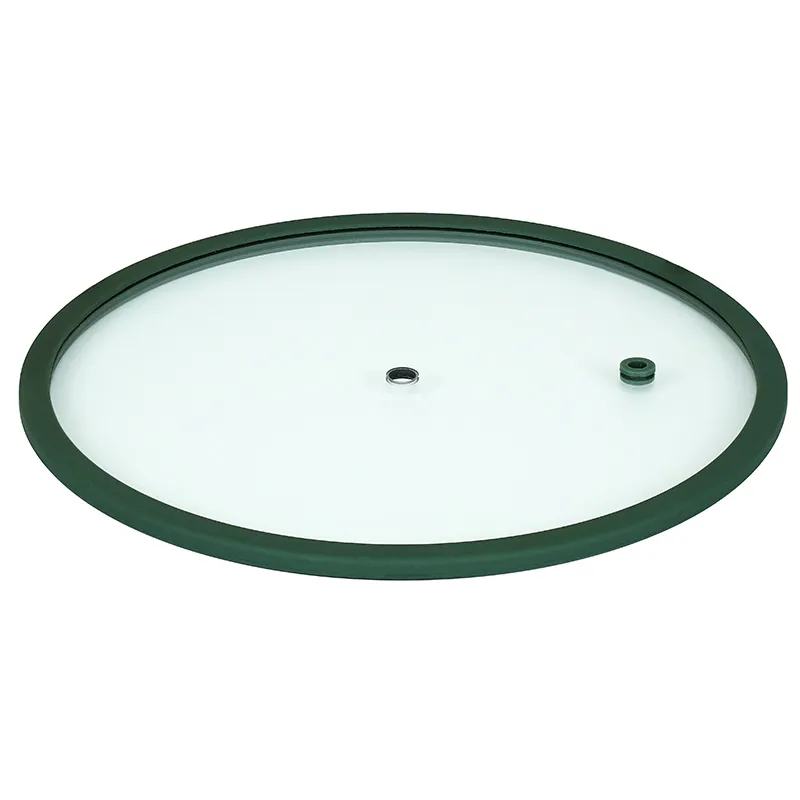
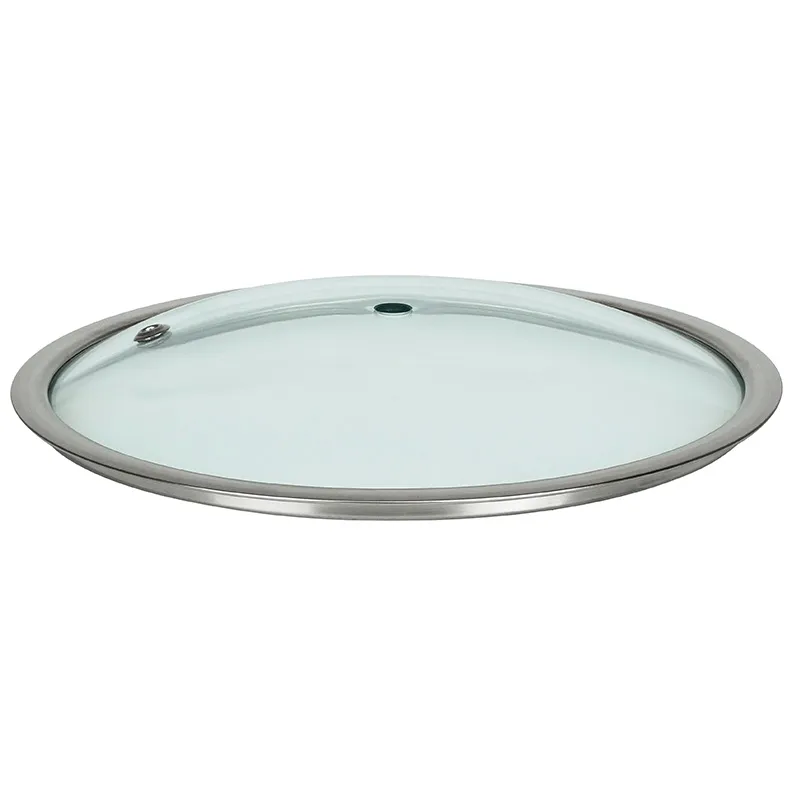
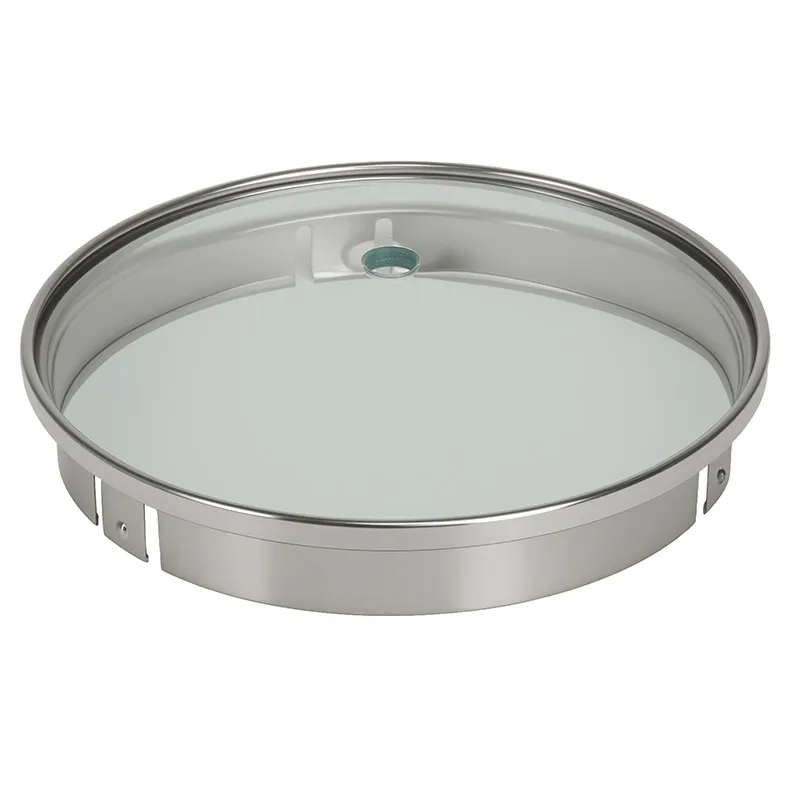
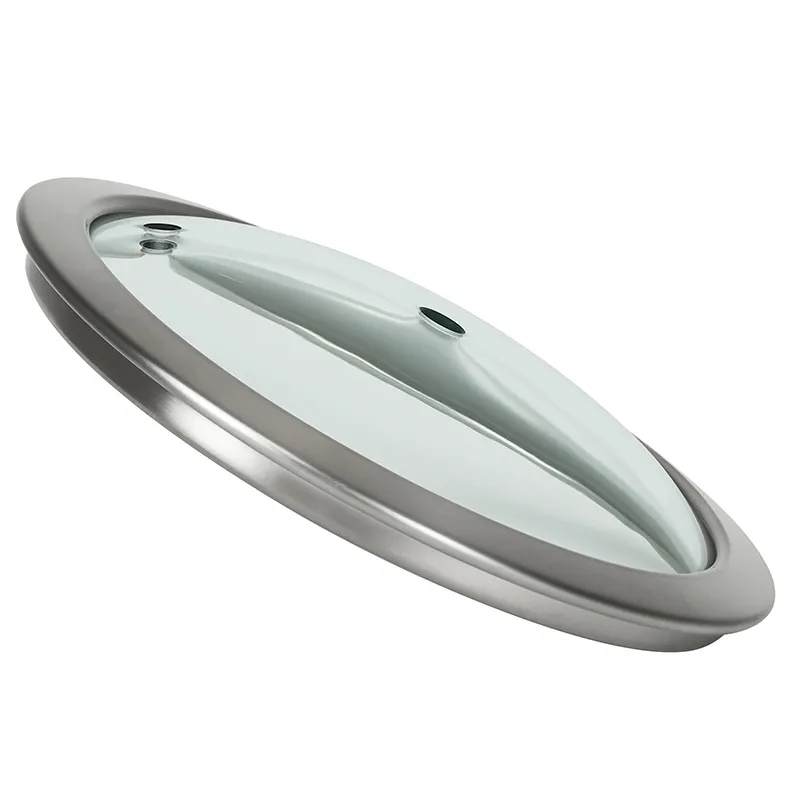
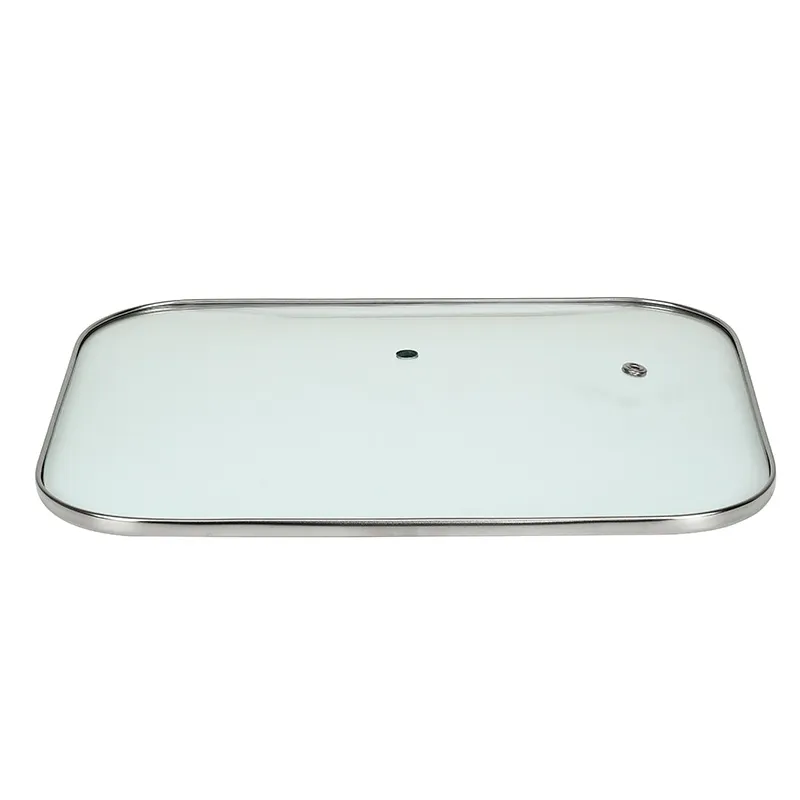
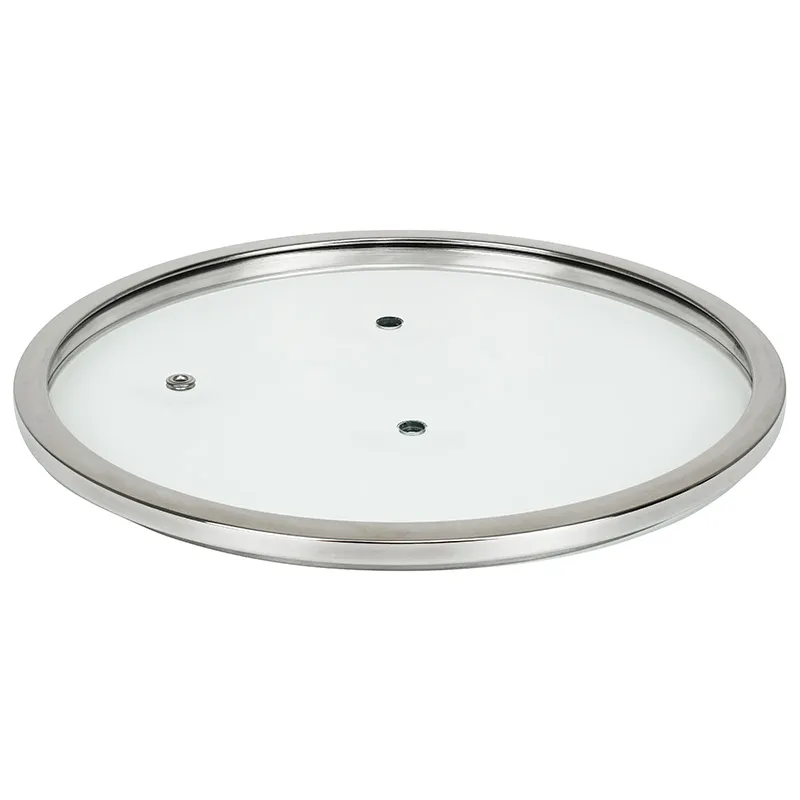
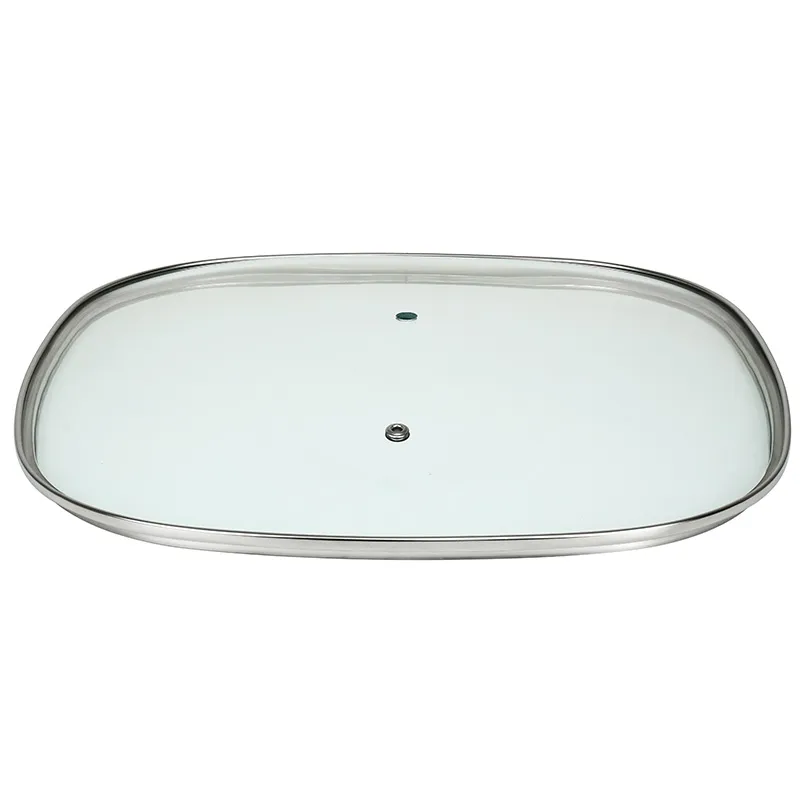
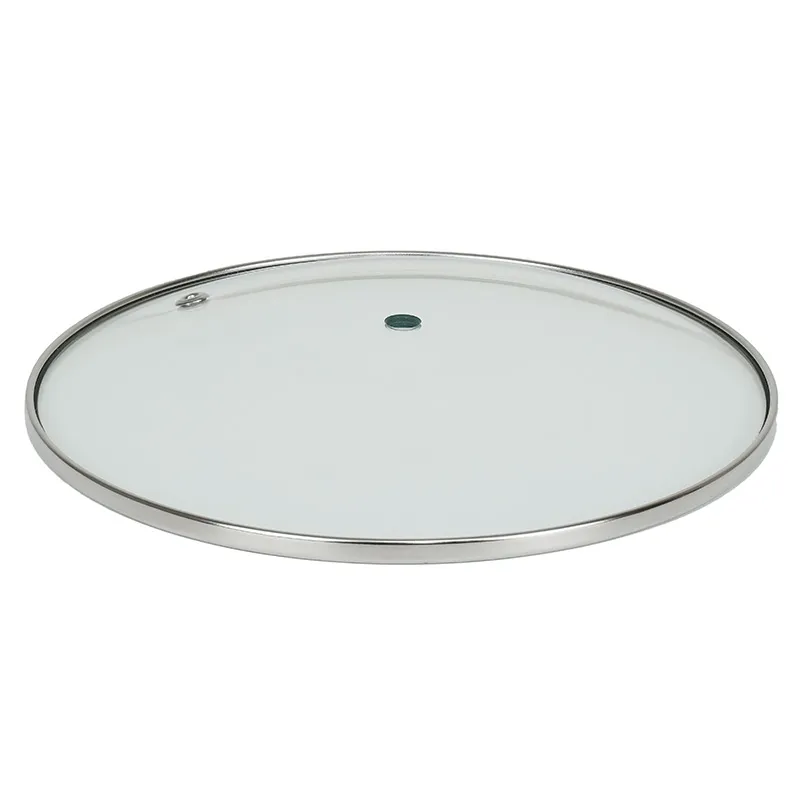
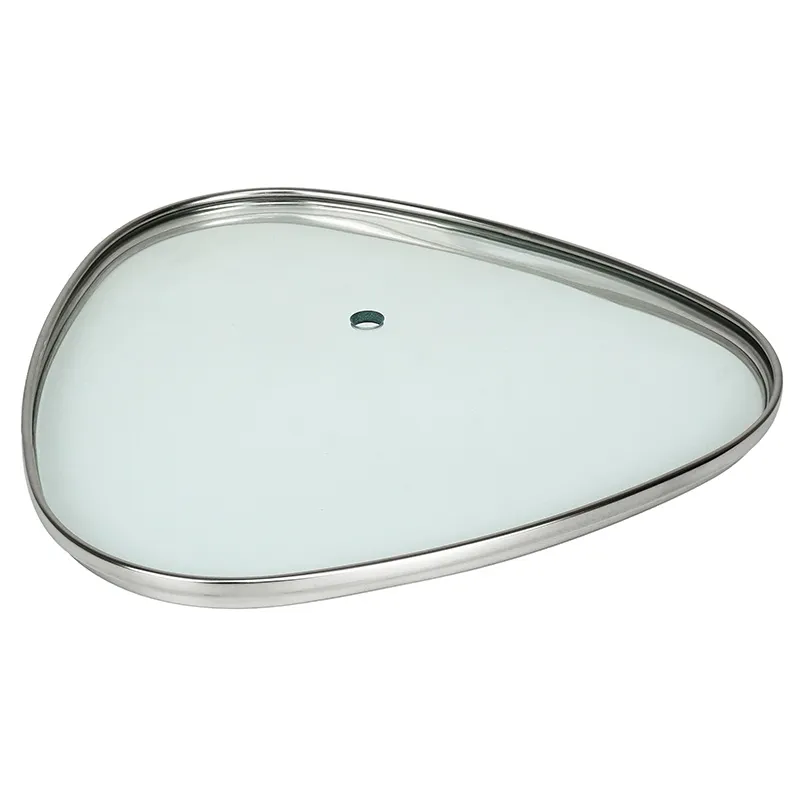
EUR-ASIA COOKWARE's specialization in tempered glass lids points to the other, often higher-end, solution. A glass lid with a stainless steel clamp and a food-grade silicone gasket. This is superb for fermentation—it often allows for gas exchange (with a water channel or valve) while keeping contaminants out. The gasket is the key component here. Cheap rubber will degrade, absorb odors, and fail. A high-quality silicone gasket is resilient and inert.
I prefer the glass lid system for prosumer applications, but it's more expensive. The sealing surface on the jar's rim must be flawlessly smooth. Any tiny imperfection from the molding or fire-polishing process will compromise the seal. One of our quality checks involves running a finger around the rim—you can feel a chip or bump your eye might miss. It's a tactile business.
Logistics and Sourcing Realities
Sourcing a 3 litre glass jar with lid isn't just a product search; it's a logistics puzzle. Glass is heavy and fragile. A 20-foot container can hold a surprising number of jars, but the weight quickly adds up, and the dunnage (packing material) is critical. You need partitions that prevent glass-on-glass contact during transit. I've seen entire pallets arrive with a 30% breakage rate because the interlayers were just cheap, flimsy cardboard.
Working with a manufacturer like EUR-ASIA, which exports over 90% of its products to markets like Germany, Japan, and Brazil, is telling. It means they're accustomed to the stringent packaging and documentation requirements for international shipping. Their experience in these markets suggests an understanding of different regional safety standards (like EU food contact material regulations), which is a huge plus.
Minimum order quantities (MOQs) are another hurdle. For a specialized item like this, the MOQ might be one 20-foot container. That's thousands of jars. You need to be sure of your spec, your market, and your storage space before committing. We once had to warehouse a container of jars for eight months because a client's product launch was delayed. Glass just sitting there, taking up space, representing tied-up capital. It's a tangible, bulky asset.
Application-Specific Considerations
You never just buy a jar; you buy it for a purpose. For dry storage of pasta or beans, almost any airtight jar will do. For fermenting vegetables, you need that gas release. For canning with a water bath, the jar and lid must withstand repeated thermal cycling. For retail display, clarity and cosmetic perfection are paramount—no bubbles or streaks in the glass.
A project for a high-end olive oil producer comes to mind. They wanted a 3-litre jar for limited edition batches. The requirement was ultra-clear, low-iron glass (often called crystal glass) to show off the oil's color, with a glass lid and a premium oak-wood topped clamp. The cost was multiples of a standard jar. It became less about pure function and more about brand experience and shelf presence. The manufacturer had to source a different glass feedstock and adjust their production line for a smaller, finicky batch.
Then there's labeling. Is the surface smooth for a wet-glue label? Does it have a recessed panel for a shrink sleeve? These decisions need to be made before the mold is made. Changing it later is prohibitively expensive. It's these seemingly secondary details that consume hours of discussion with the factory's technical team.
Concluding Thoughts: It's About the System
So, circling back to the 3 litre glass jar with lid. It's a deceptively simple product category. The value isn't in the object itself, but in the manufacturer's understanding of how all its parts work together under stress—thermal, physical, and chemical. It's in the consistency across a production run of 10,000 units. It's in the packaging that gets it to your dock intact.
Companies like EUR-ASIA COOKWARE CO.,LTD thrive because they focus on this system, not just components. Their scale in tempered glass allows for specialization. When evaluating a supplier, I look at that depth. Can they talk about the minutiae of the gasket durometer or the annealing lehr temperature? Or do they just send a price list?
In the end, the right jar feels right. It has a good heft, a clean finish, and a lid that seals with a satisfying, hollow pop. When you find that combination from a reliable source, you stick with it. Because in this business, the container is the first part of your product that the customer experiences. You can't afford for it to be an afterthought.
Related Products
Related Products