- Chinese
- French
- German
- Portuguese
- Spanish
- Russian
- Japanese
- Korean
- Arabic
- Irish
- Greek
- Turkish
- Italian
- Danish
- Romanian
- Indonesian
- Czech
- Afrikaans
- Swedish
- Polish
- Basque
- Catalan
- Esperanto
- Hindi
- Lao
- Albanian
- Amharic
- Armenian
- Azerbaijani
- Belarusian
- Bengali
- Bosnian
- Bulgarian
- Cebuano
- Chichewa
- Corsican
- Croatian
- Dutch
- Estonian
- Filipino
- Finnish
- Frisian
- Galician
- Georgian
- Gujarati
- Haitian
- Hausa
- Hawaiian
- Hebrew
- Hmong
- Hungarian
- Icelandic
- Igbo
- Javanese
- Kannada
- Kazakh
- Khmer
- Kurdish
- Kyrgyz
- Latin
- Latvian
- Lithuanian
- Luxembou..
- Macedonian
- Malagasy
- Malay
- Malayalam
- Maltese
- Maori
- Marathi
- Mongolian
- Burmese
- Nepali
- Norwegian
- Pashto
- Persian
- Punjabi
- Serbian
- Sesotho
- Sinhala
- Slovak
- Slovenian
- Somali
- Samoan
- Scots Gaelic
- Shona
- Sindhi
- Sundanese
- Swahili
- Tajik
- Tamil
- Telugu
- Thai
- Ukrainian
- Urdu
- Uzbek
- Vietnamese
- Welsh
- Xhosa
- Yiddish
- Yoruba
- Zulu
- Kinyarwanda
- Tatar
- Oriya
- Turkmen
- Uyghur


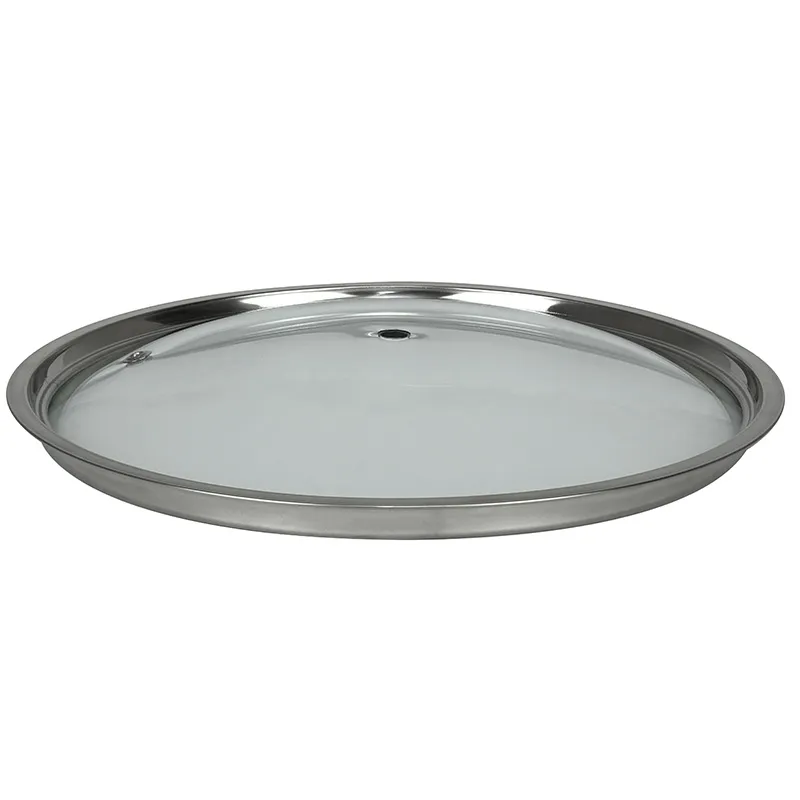
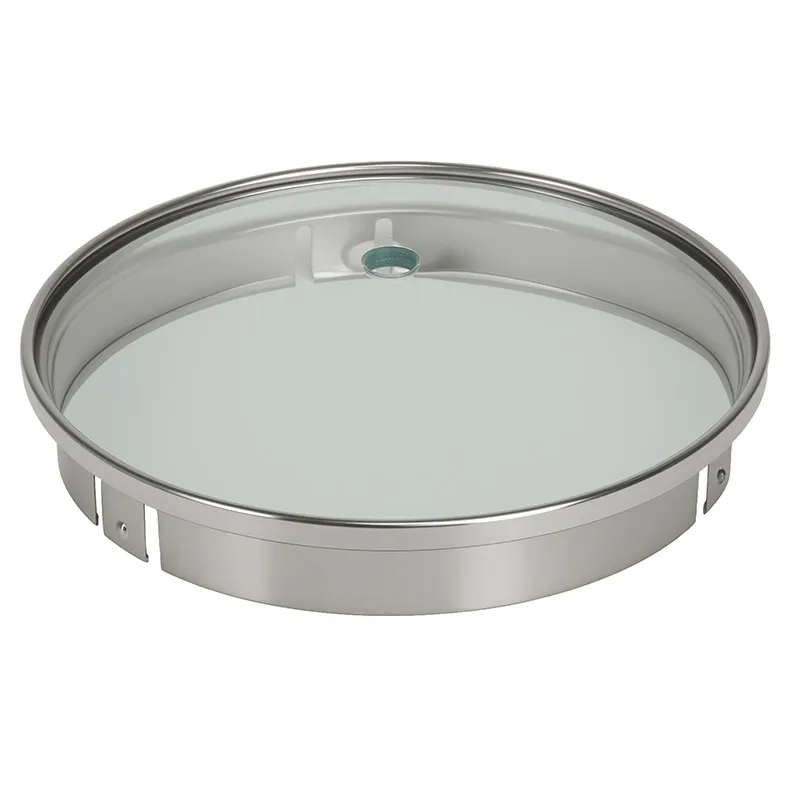
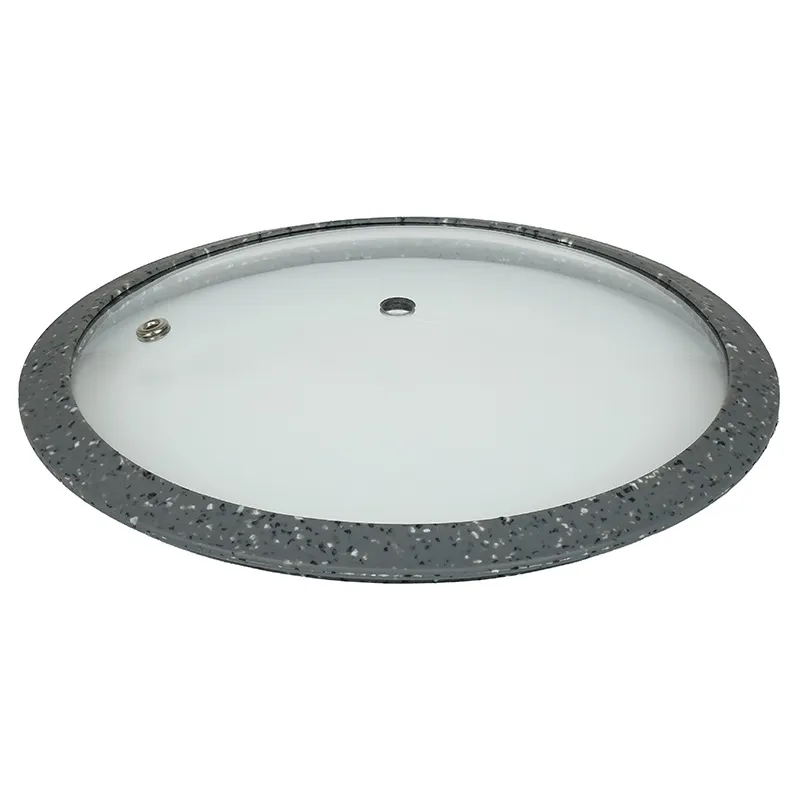
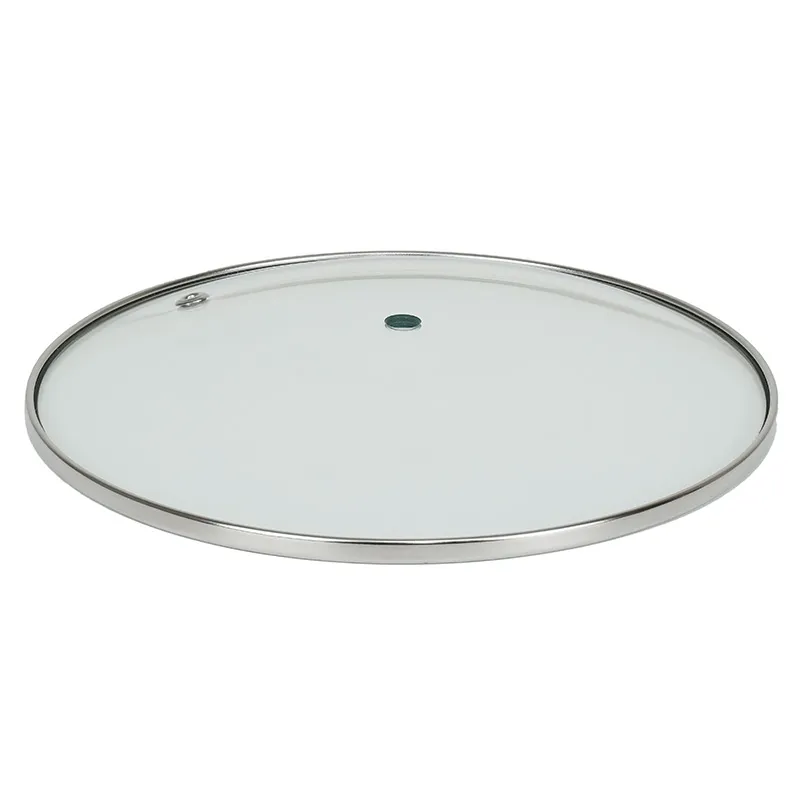
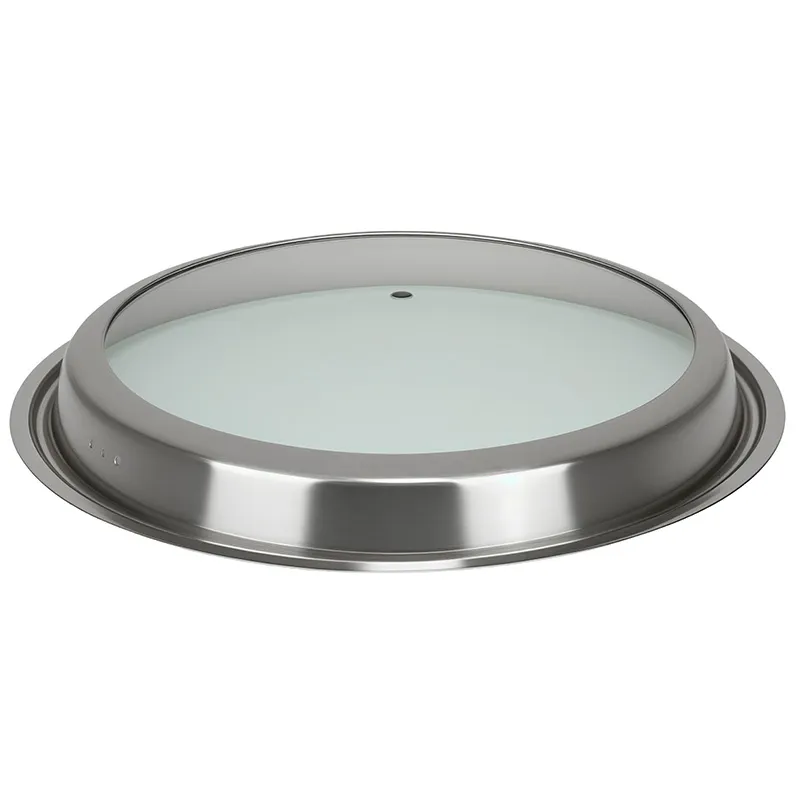
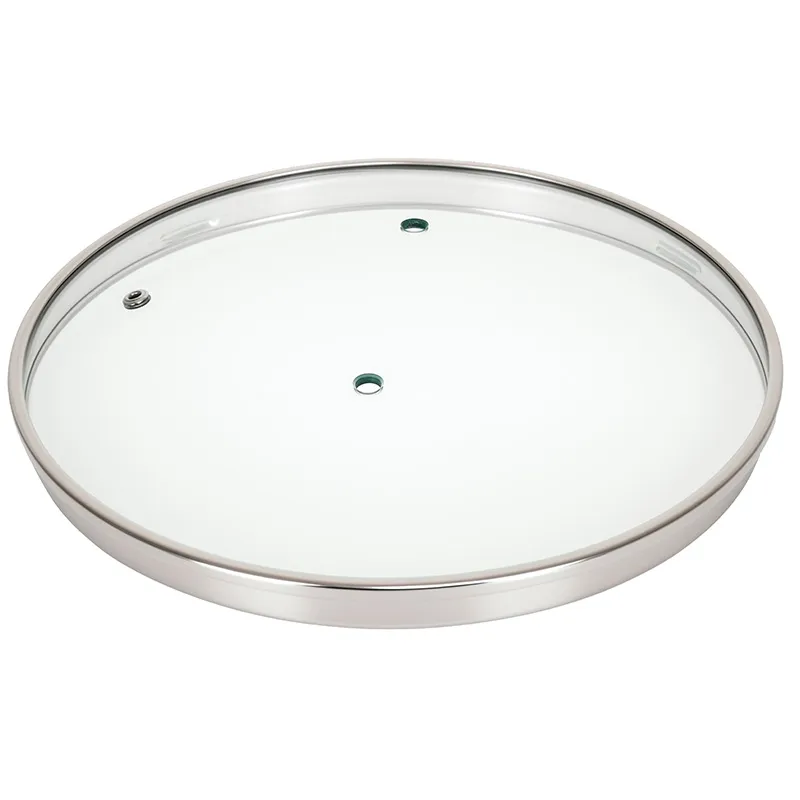
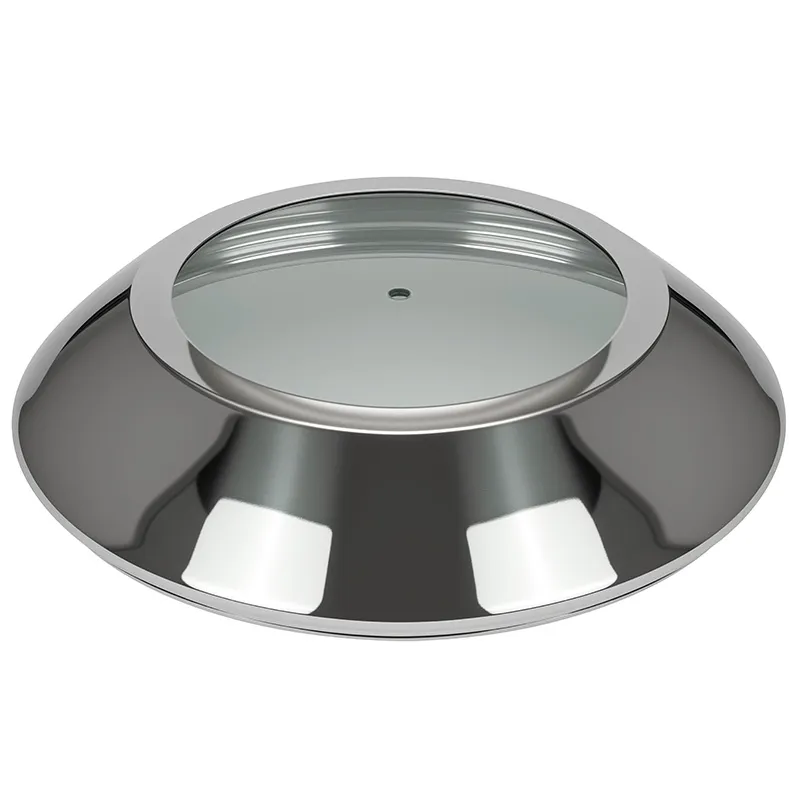
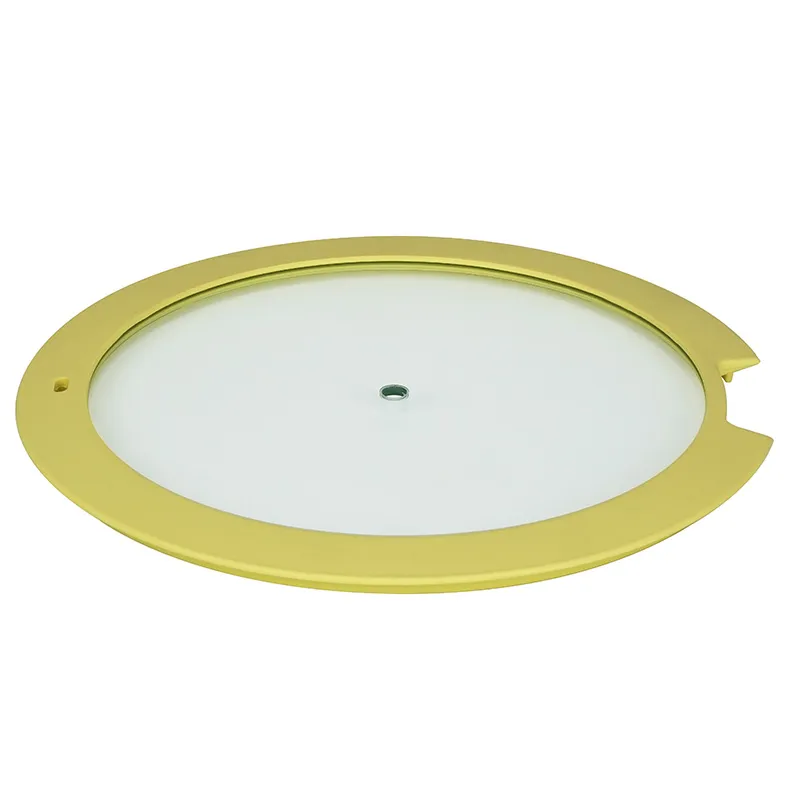
30cm glass lid
You search for a '30cm glass lid' and you're probably thinking about fit, clarity, and maybe heat resistance. But the real conversation, the one we have on the factory floor or with a client who just had one shatter, starts with the millimeter. Is it truly 300mm? Or is it 304mm to account for the rim of a specific pan series? That 4mm gap is where assumptions fail and thermal stress builds. Most think it's just a piece of shaped glass, but it's a pressure vessel for steam, a thermal shock absorber, and its performance hinges on details most product pages never mention.
The 30cm is a Lie (And That's Okay)
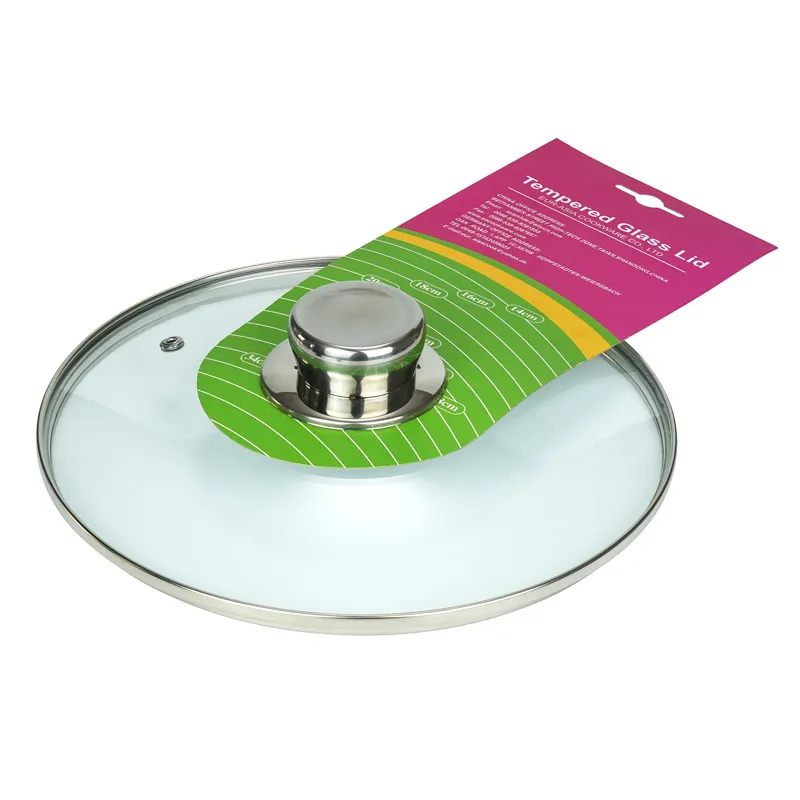
Let's be clear. No serious manufacturer makes a lid exactly 300.0mm in diameter for a 300.0mm pan. It would bind. It would chip. The industry standard, the one we use at our own facilities and see from reputable suppliers, involves a deliberate clearance. For a standard European-style stainless steel pan, the lid diameter might be 298mm. For a thicker cast iron casserole with an interior lip, it could be 302mm. When EUR-ASIA COOKWARE CO.,LTD. quotes a 30cm glass lid, they're referencing the nominal pan size it's designed to fit, not its own physical dimension. This is the first checkpoint. If a supplier can't immediately tell you the actual OD (outer diameter) and the intended clearance, proceed with caution.
The material choice here is almost universally tempered soda-lime glass. Not borosilicate. That's a common misconception. Borosilicate is for labware and some high-end bakeware, offering better thermal shock resistance but at a significantly higher cost and different optical clarity. For lids, tempered soda-lime is the workhorse. The tempering process—heating to around 620°C and then quenching with high-pressure air—creates surface compression. This is what gives it its safety characteristic, causing it to break into small, granular pieces instead of sharp shards. But tempering also introduces inherent tension in the core of the glass. That tension is your enemy if the geometry or heating is wrong.
I recall a batch for a client in Poland. The lids were for a new line of induction-ready pots. The lids fit perfectly at room temperature. But under rapid induction heating, the metal rim of the pot expanded faster than the glass. We heard reports of lids locking onto pots, and a few cracked upon forceful removal. The issue? We had designed the clearance based on conventional gas stove thermal expansion rates. Induction was more aggressive and localized. The fix wasn't changing the glass, but increasing the diameter clearance by another 0.5mm. A tiny number with massive implications.
The Handle: More Than a Knob
This is the most common point of mechanical failure, not the glass itself. The attachment method is everything. You'll see three main types: stainless steel screw-through posts with a nut and washer on the interior, bonded phenolic or Bakelite knobs, and all-metal clamp-on styles. The screw-through is the most robust, but it introduces a hard point of stress on the tempered glass. The hole is drilled before tempering. After tempering, drilling is impossible—you'd shatter the entire piece. So the hole's edges must be perfectly smoothed and chamfered. Any micro-crack here becomes a focal point for failure.
The bonded knob seems simpler, but the adhesive is critical. It must withstand temperatures from a freezer to over 200°C, resist steam and dishwasher detergents, and maintain a bond under lateral stress (like when someone slides a lid off). Silicone-based adhesives are common, but their thermal cycling fatigue limit is a real concern. We've had returns where the knob simply popped off after a year of use. The failure analysis usually pointed to adhesive degradation from aggressive dishwasher salts or thermal cycling beyond the adhesive's specification. Now, we specify a high-temp epoxy for certain OEM lines, though it adds cost.
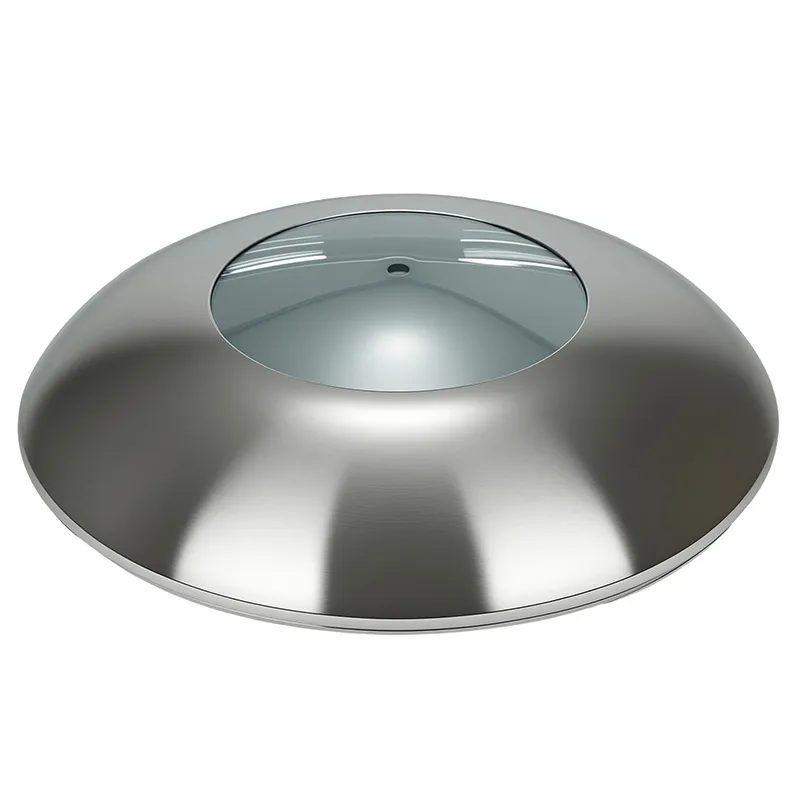
For the 30cm glass lid, the handle's size and placement matter for balance. A small, dainty knob on a large, heavy lid is a tipping hazard. The center of gravity should be managed. Some designs incorporate a slight dome or a reinforced hill in the center of the glass to raise the attachment point, improving leverage when lifting.
Tempering Imperfections and the Why Did It Break? Mystery
You'll never get 100% yield in tempering. Warping is a silent reject. A perfectly flat piece of glass, when tempered, can develop a slight curvature—sometimes mere tenths of a millimeter. On a large 30cm glass lid, this can cause rocking on a flat surface or an uneven seal. Good factories like EUR-ASIA's will have stringent flatness checks on a granite inspection table. They'll also do regular quench pressure audits; uneven air nozzle pressure is a prime cause of warp.
Then there's spontaneous breakage. A lid sits in a cupboard, untouched, and you hear a pop. It's shattered. The culprit is almost always a Nickel Sulfide (NiS) inclusion. Tiny impurities in the raw glass material can crystallize during tempering. Over time, these crystals can undergo a phase change, expanding and creating immense internal stress that the tempered glass can't contain. Reputable producers use heat soak testing on a sample of lids from each batch, especially for export markets with high liability standards. The lids are heated in an oven to around 290°C for several hours, forcing any NiS inclusions to expand and break the glass before it ships. It's a cost, but it's a mark of quality. It's a standard practice for their exports to Germany and Japan, where product safety protocols are non-negotiable.
I learned this the hard way early on. A shipment to a distributor in Brazil was plagued with mysterious breakages in storage. We hadn't specified heat-soak testing for that market, trying to keep costs competitive. The financial and reputational loss from that one batch far outweighed the testing cost for a year. Now it's a line item we discuss upfront.
The Edge Work: Where the Eye Goes, But the Stress Lives
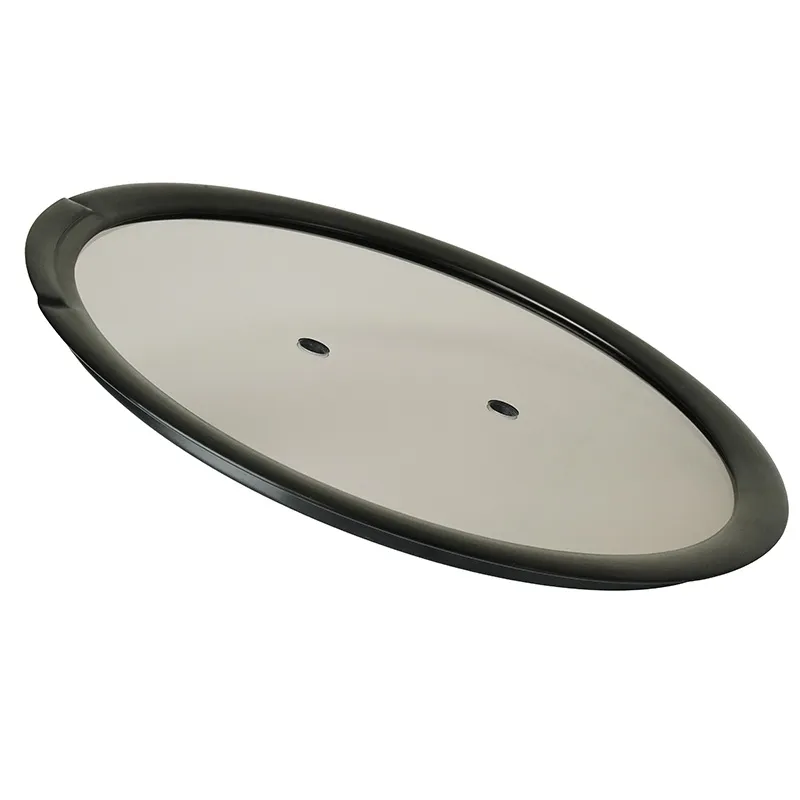
The perimeter of the lid is its most vulnerable structural zone. The edge can be finished in a few ways: seamed (ground smooth), polished to a high shine, or simply left with the fire polish from the tempering oven. The fire-polished edge is the weakest, as it retains the microscopic cracks from when the glass was cut. Under thermal stress, cracks can propagate from these edges.
A seamed and polished edge is stronger. But polishing generates heat. If done incorrectly after tempering, it can locally release the temper (the compressive stress) at the edge, creating a weak ring. The best practice is to do all major grinding and shaping before the glass goes into the tempering furnace. The heat of the furnace then naturally fire-polishes those ground edges. This is a sign of a mature production process. Looking at EUR-ASIA's published capacity—15 million pieces annually—this level of process control isn't just desirable, it's a necessity for volume. Their location in Shandong's High-tech Zone suggests an investment in automated lines where this pre-tempering machining is consistent.
The other edge consideration is the drop or skirt. Some lids are completely flat. Others have a short vertical skirt (5-10mm) to help with alignment on the pot. This skirt changes the thermal dynamics. During rapid cooling (like placing a hot lid on a cold granite countertop), the thin edge of the skirt cools and contracts much faster than the thick center of the lid. This differential can cause a crack originating at the base of the skirt. It's a design trade-off: better sealing and alignment vs. a slightly higher thermal shock risk.
Beyond the Lid: The Ecosystem of Fit and Function
A lid doesn't exist in isolation. It's part of a system with the cookpot. The material of the pot's rim is critical. A bare aluminum rim is soft and can develop nicks that then concentrate pressure on the glass. A clad stainless steel rim is hard and smooth, ideal. Enameled cast iron is generally good, but the enamel coating can be uneven in thickness, leading to high spots.
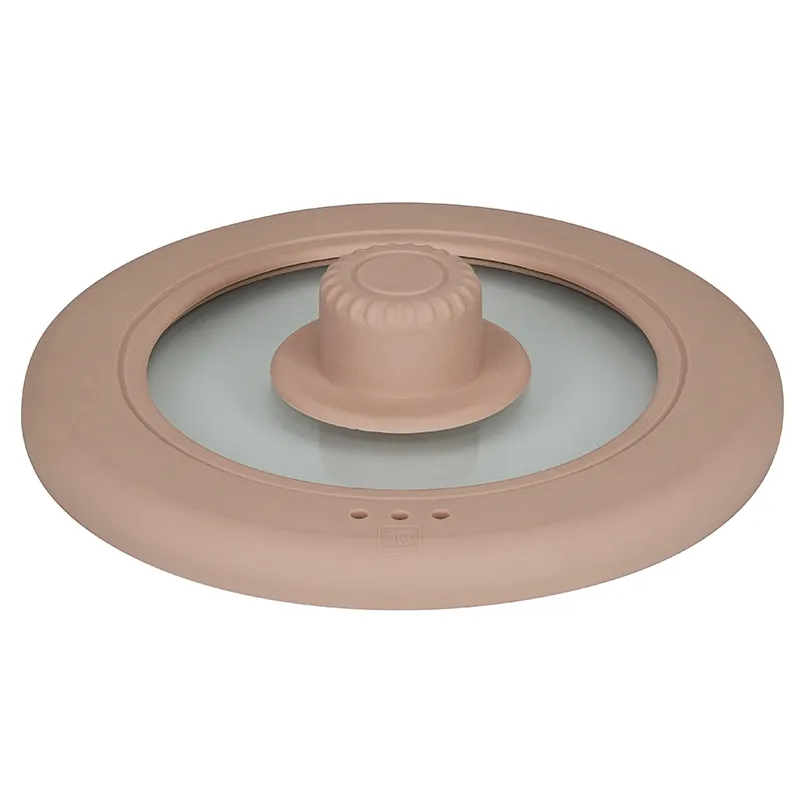
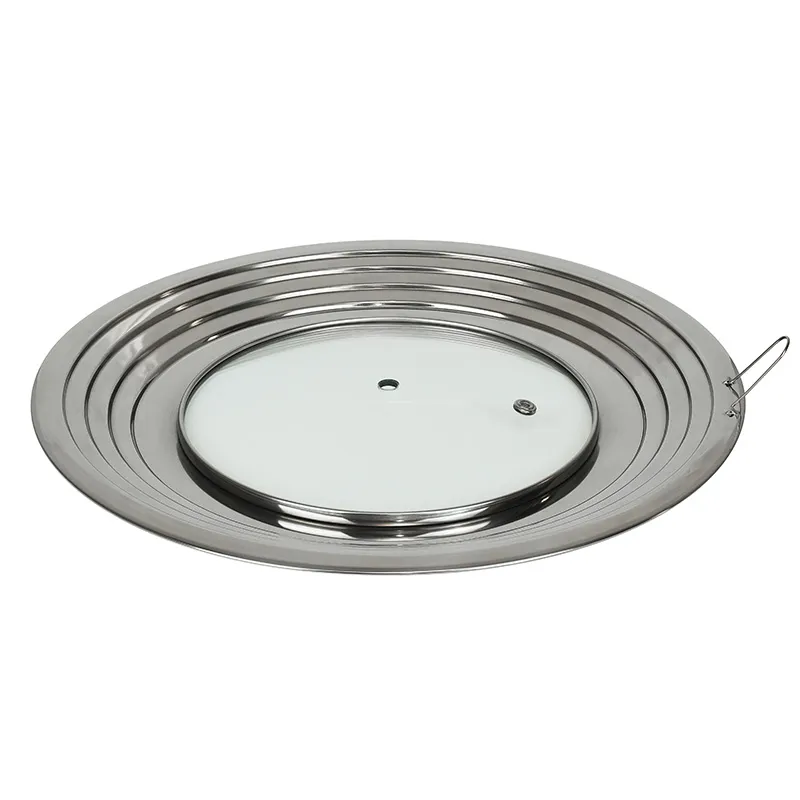
We often get requests for universal 30cm glass lid designs. They're a compromise. They typically use a silicone gasket around the perimeter to bridge the clearance gap and accommodate different rim profiles. While functional, the gasket traps moisture, can degrade, and is another component to fail. For a high-volume producer exporting to diverse markets like EUR-ASIA does—from the precision-driven German market to more price-sensitive regions—they likely have multiple SKUs for 30cm, each tailored to the prevalent pot style in that region. Their website, glass-lid.com, acts as a hub for this variety, though the real specifications are hashed out in OEM contracts.
The final test, the one that matters most, is in a real kitchen. Does it vent steam appropriately, or does it rattle and dance violently on the pot? Does condensation drip back in a distributed rain or in a annoying single stream from the center knob? These aren't just features; they are the result of the dome's curvature, the smoothness of the interior surface, and the placement of any condensation channels. A good lid feels inert and reliable. A problematic one constantly announces its presence. After producing millions, you learn that the goal is for the lid to be forgotten—a silent, clear partner to the pot. That's when you know the millimeters, the temper, and the edge work have all come together.
Related Products
Related Products