- Chinese
- French
- German
- Portuguese
- Spanish
- Russian
- Japanese
- Korean
- Arabic
- Irish
- Greek
- Turkish
- Italian
- Danish
- Romanian
- Indonesian
- Czech
- Afrikaans
- Swedish
- Polish
- Basque
- Catalan
- Esperanto
- Hindi
- Lao
- Albanian
- Amharic
- Armenian
- Azerbaijani
- Belarusian
- Bengali
- Bosnian
- Bulgarian
- Cebuano
- Chichewa
- Corsican
- Croatian
- Dutch
- Estonian
- Filipino
- Finnish
- Frisian
- Galician
- Georgian
- Gujarati
- Haitian
- Hausa
- Hawaiian
- Hebrew
- Hmong
- Hungarian
- Icelandic
- Igbo
- Javanese
- Kannada
- Kazakh
- Khmer
- Kurdish
- Kyrgyz
- Latin
- Latvian
- Lithuanian
- Luxembou..
- Macedonian
- Malagasy
- Malay
- Malayalam
- Maltese
- Maori
- Marathi
- Mongolian
- Burmese
- Nepali
- Norwegian
- Pashto
- Persian
- Punjabi
- Serbian
- Sesotho
- Sinhala
- Slovak
- Slovenian
- Somali
- Samoan
- Scots Gaelic
- Shona
- Sindhi
- Sundanese
- Swahili
- Tajik
- Tamil
- Telugu
- Thai
- Ukrainian
- Urdu
- Uzbek
- Vietnamese
- Welsh
- Xhosa
- Yiddish
- Yoruba
- Zulu
- Kinyarwanda
- Tatar
- Oriya
- Turkmen
- Uyghur


3l glass jar with lid
When you hear '3l glass jar with lid', most think of a simple storage item. But in this line of work, that phrase immediately brings to mind a specific set of challenges and specifications that separate a decent jar from a truly functional one. It's not just a vessel; it's a product defined by its capacity, its seal, its thermal resilience, and its journey from a production line in, say, Shandong to a pantry in Europe. Many buyers fixate on price per unit or aesthetic alone, which is where the first mistakes in sourcing or design begin.
The Capacity Conundrum: Why 3 Liters Isn't Always 3 Liters
Let's start with the '3L'. It sounds precise, but the actual fill volume can be a point of contention. For dry goods, you might get away with a nominal marking. For liquids, especially in commercial packing or fermenting, that claimed capacity needs a buffer—what we call 'headspace'—and the jar's internal geometry becomes critical. A jar designed for EUR-ASIA COOKWARE's European clients, who might use it for pickling or storing bulk dry pasta, often has a slightly different height-to-diameter ratio than one destined for the Korean market, where visual stacking and fridge-door clearance might be prioritized. The 3-liter mark isn't just a number; it's a commitment to a specific use case.
I've seen projects stumble here. A client once ordered a batch of 3l glass jars for a gourmet olive oil line. The jars looked beautiful, but the neck was too narrow for their filling nozzles, slowing the line down by 20%. The capacity was technically correct, but the form factor was wrong for the application. We had to go back to the drawing board, which meant modifying molds—a costly delay. This is where a producer's experience matters. A company like EUR-ASIA COOKWARE CO.,LTD, with its focus on export and high volume, typically has the mold library and the practical know-how to advise on these nuances. Their production base in Taian's High-tech Development Zone isn't just an address; it's a hub for churning out millions of tempered glass lids and related products, meaning they've likely encountered every filling and packing scenario imaginable across Germany, Brazil, or Japan.
Another subtle point: the weight. A true 3L glass jar, when empty, has a heft that signals quality and thermal endurance. Thin, lightweight glass might hit a price point, but it risks thermal shock failure during hot-filling or cleaning. The grammage of the glass itself is a silent spec sheet item that professionals always check.
The Lid: The Make-or-Break Component
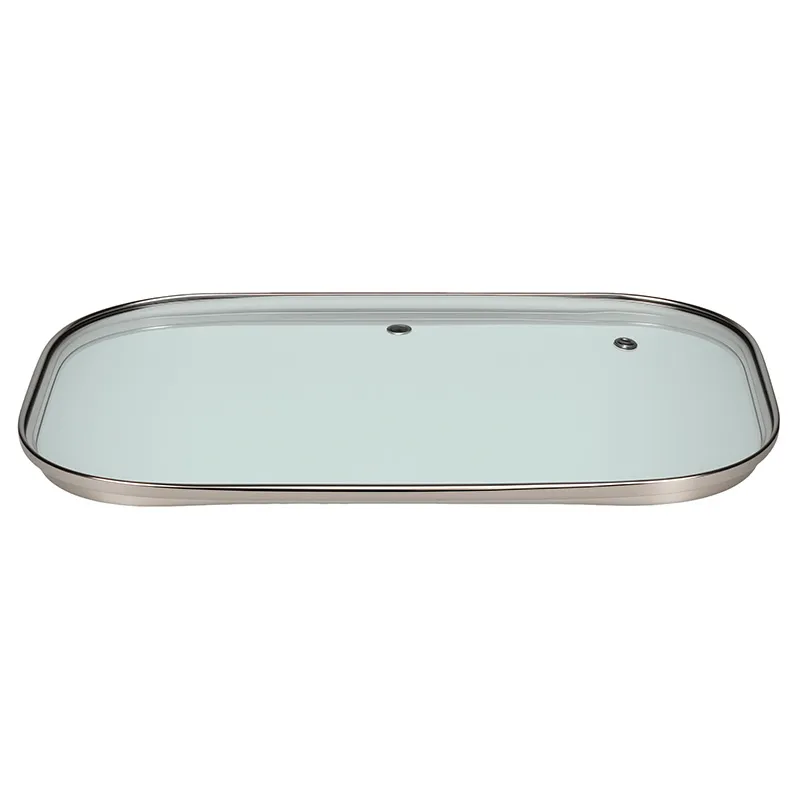
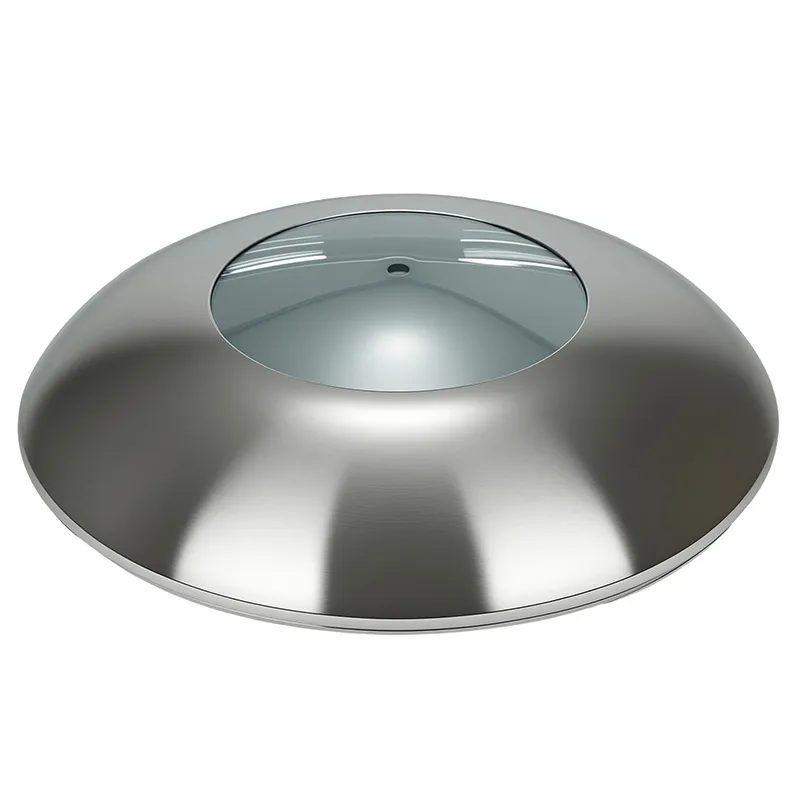
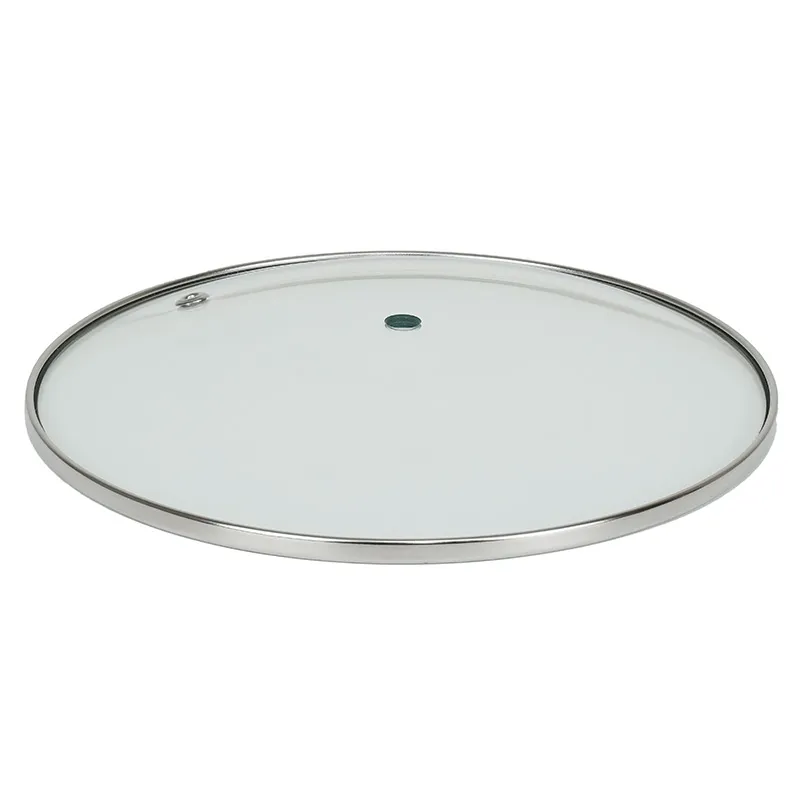
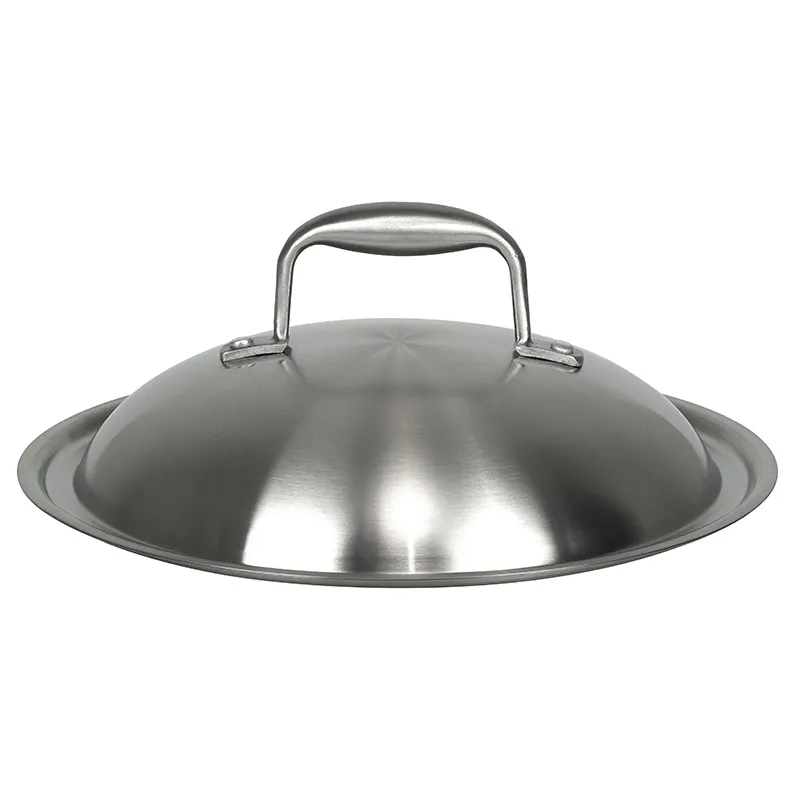
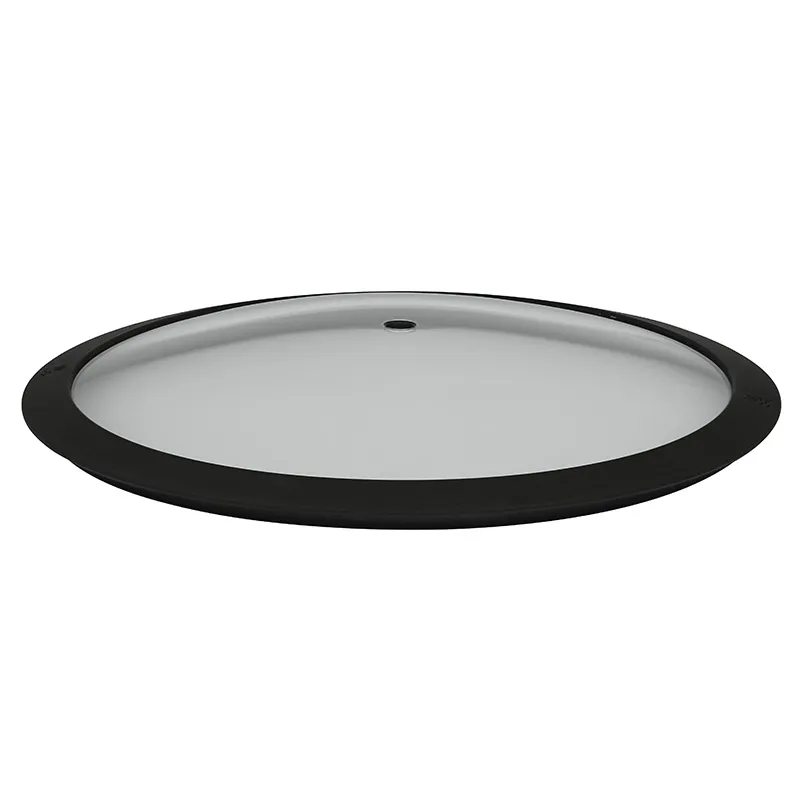
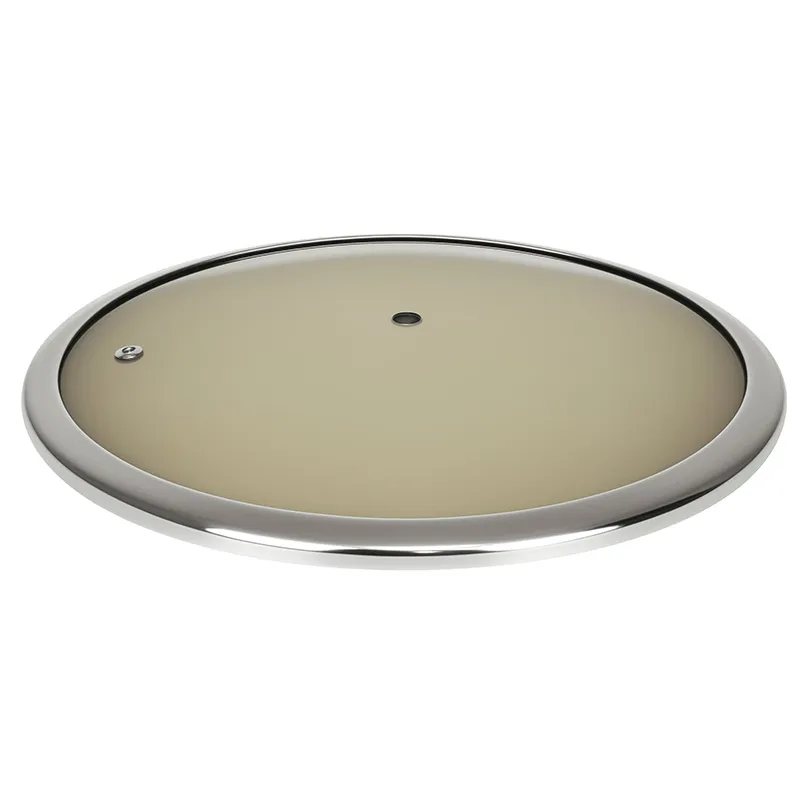
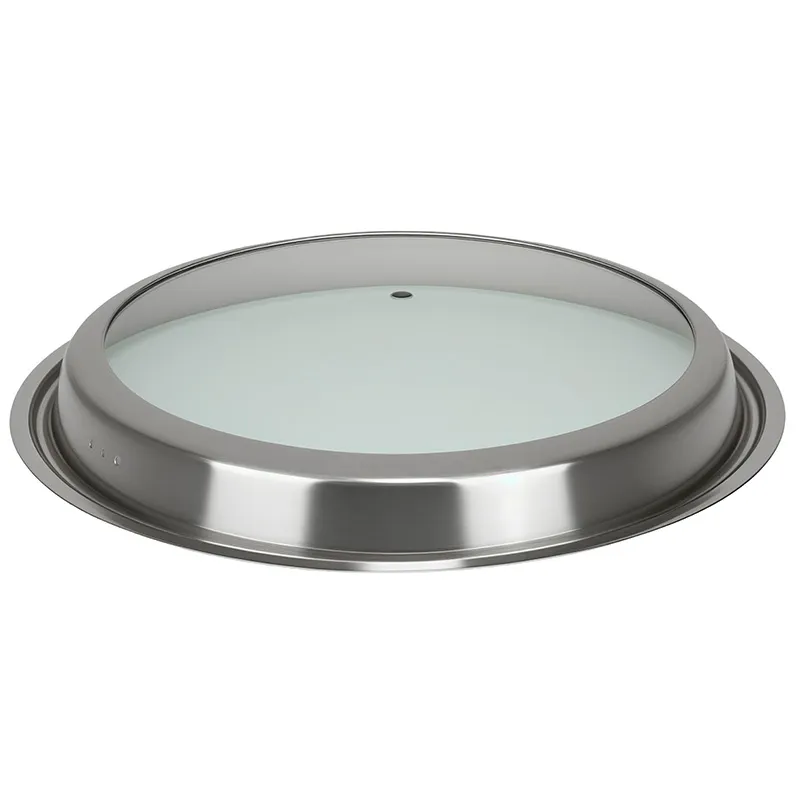
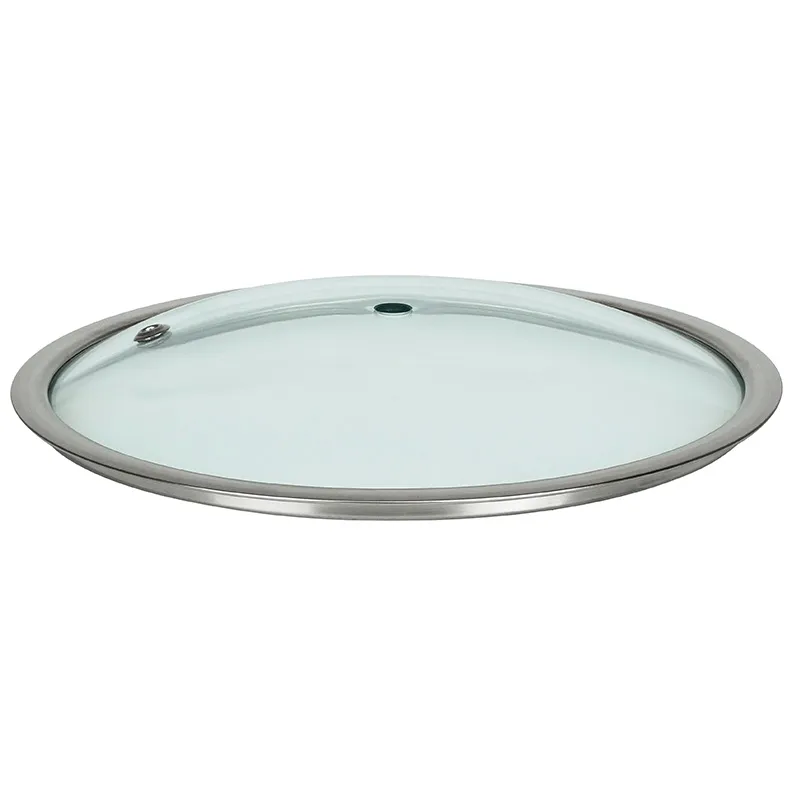
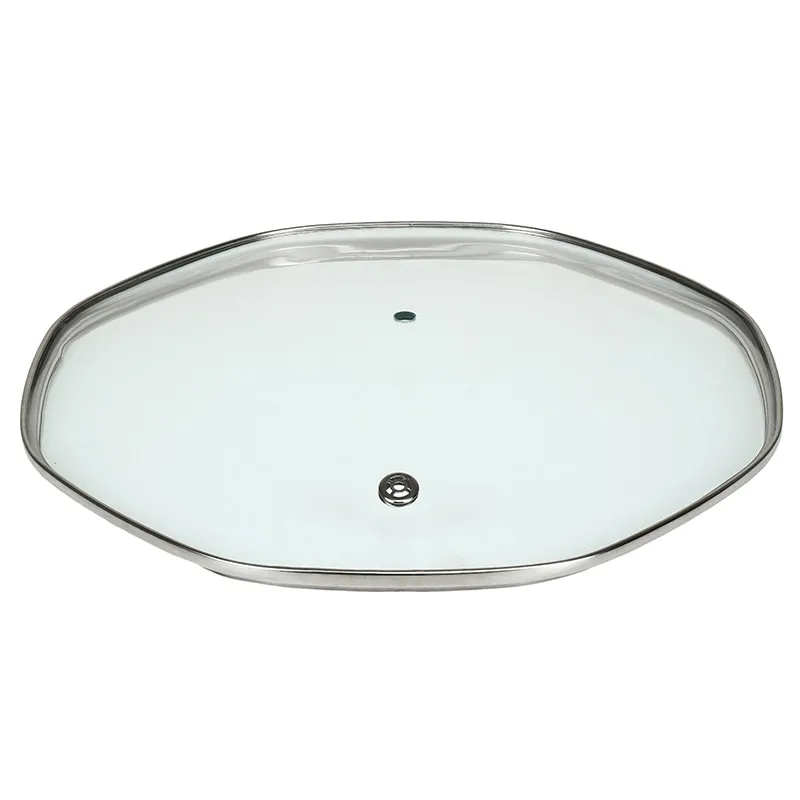
If the jar body is the workhorse, the lid is the brains of the operation. This is where the specialization of a manufacturer truly shows. The phrase 'with lid' is deceptively simple. Is it a standard twist-on metal lid with a plastisol seal? A glass lid with a silicone gasket? A clamp-style bail lid? Each has its own failure modes.
For long-term storage, the seal integrity is everything. A common pitfall is specifying a lid whose seal material isn't compatible with the jar's contents—acids from pickles can degrade certain compounds, oily contents can cause others to swell. I recall a batch for a Polish client where the supplied lids had a seal that emitted a faint odor when in contact with high-fat dairy products. It wasn't toxic, but it was off-putting. The entire shipment was held at customs for additional testing. The root cause was a cost-cutting switch by a sub-supplier of the sealing compound. This is why I tend to favor suppliers who control more of their production chain. From the EUR-ASIA COOKWARE website, you can infer their core competency is glass, specifically tempered glass lids. A company producing over 15 million tempered glass lids annually has likely perfected the annealing process to prevent stress fractures and has standardized their gasket sourcing for food safety across multiple export markets.
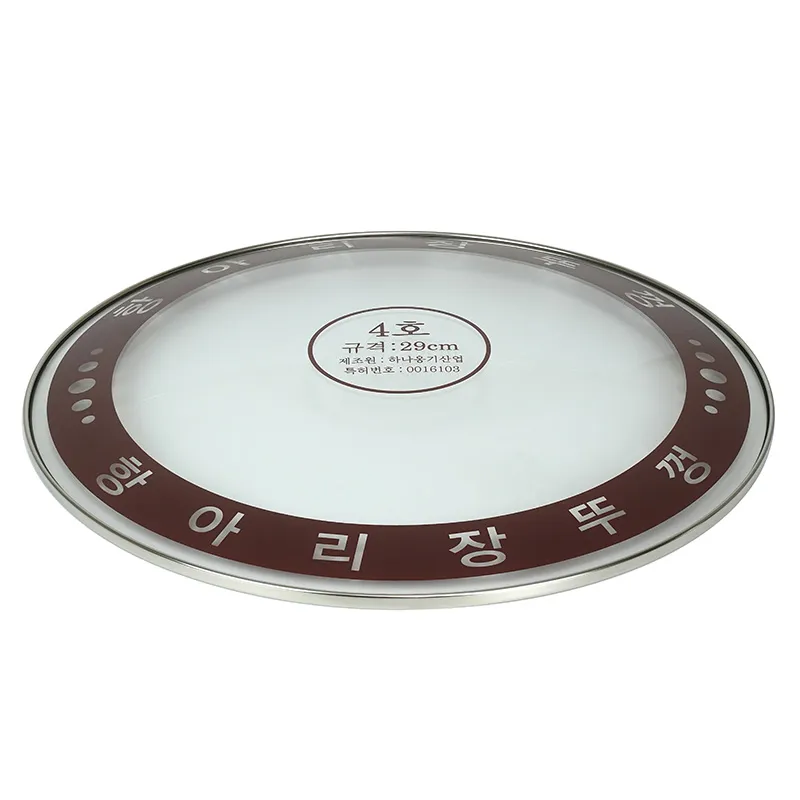
Then there's usability. A glass lid, while aesthetically premium, can be slippery and prone to chipping if it clinks against the jar. A good design will have a pronounced knob or a reinforced rim. Metal lids can rust if the coating is poor, especially in humid climates. The threading on the jar's finish must match the lid's thread perfectly—a mismatch of even half a millimeter can lead to false seals and spoiled goods. It's a detail you only learn to respect after a few complaints about mold in sealed jars.
Tempering and Thermal Shock: The Invisible Safety Net
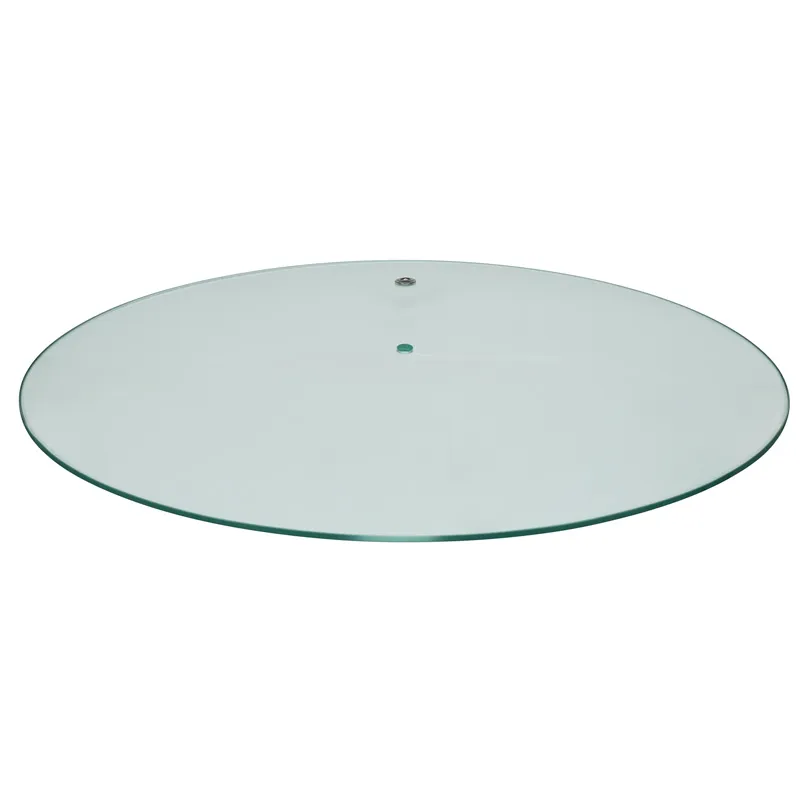
Not all glass is equal for a 3l glass jar. For any application involving temperature variation—be it hot-water sterilization, oven use (if applicable), or even just moving from a cold cellar to a warm kitchen—tempered glass is non-negotiable. The tempering process induces surface compression, making the jar far more resistant to breakage from impact or thermal stress.
However, 'tempered' is a spectrum. The quality of the temper is seen in how it breaks. A properly tempered jar will shatter into small, relatively blunt granules instead of sharp, dagger-like shards. This is a critical safety feature, especially for a 3-liter jar holding substantial weight. I've conducted informal 'break tests' on samples. You can tell a lot by the fracture pattern. A poor temper might leave large, dangerous pieces.
This is a key area where a manufacturer's scale and export focus, like EUR-ASIA's, is an advantage. To consistently supply markets with stringent safety standards like Germany or Switzerland, their tempering lines must be calibrated to a high and consistent level. Their annual output of 15 million pieces suggests a process that's been refined through repetition and quality control feedback from diverse international clients. A smaller, less experienced factory might cut corners on tempering time or temperature, resulting in a batch with weak points.
Logistics and the Reality of Export
Here's a practical headache that never makes it into a product catalog: packaging for shipment. A 3l glass jar with lid is heavy and fragile. The cost of the jar itself can sometimes be overshadowed by the cost of protecting it across an ocean. The packaging needs to prevent not just breakage, but also lid-jar separation that leads to scratches.
Standard practice is compartmentalized cardboard with pulp or foam inserts. But the real test is in the container load. How many jars can you safely stack on a pallet? How does the weight distribution affect the bottom layers? I've been on the receiving end of a container where the pallet collapsed because the interlocking design of the jars wasn't accounted for in the stacking pattern. The result was a 40% breakage rate. A good supplier will have optimized their master carton and palletization design. Given that EUR-ASIA COOKWARE exports over 90% of its products, their logistics know-how is baked into their service. They understand the vibrations of a long-haul truck and the humidity of a sea container.
Furthermore, their export list—Germany, Russia, Italy, France, Poland, etc.—indicates they navigate a complex web of regional standards (like EU food contact material regulations) and labeling requirements. This administrative competence is as valuable as the product quality. It means they're less likely to ship a jar with a non-compliant glaze or an incorrectly documented material composition.
Final Thoughts: The Jar as a System
So, when evaluating a 3l glass jar with lid, you're not buying an object; you're investing in a system. The synergy between the jar's capacity tolerance, its tempered strength, the lid's sealing efficacy, and the supplier's ability to deliver it intact and compliant. It's these interconnected details that define success.
A specialist manufacturer, such as the one described, brings the advantage of scale and focused experience. Their entire operation, from the 20,000㎡ facility in Taian to the final pallet, is geared towards solving these exact problems for a global clientele. The 'low- medium- high level' range in their description is telling—it means they have the flexibility to match the product grade to the application, whether it's a budget-friendly dry storage jar or a high-end, thermal-shock-resistant jar for artisanal producers.
In the end, the best jar is the one you forget about. It holds, preserves, and protects without fuss, and its lid seals with a satisfying, trustworthy pop every time. That reliability is never an accident; it's the culmination of precise engineering, material science, and hard-won logistical experience. It's what separates a commodity from a tool.
Related Products
Related Products