- Chinese
- French
- German
- Portuguese
- Spanish
- Russian
- Japanese
- Korean
- Arabic
- Irish
- Greek
- Turkish
- Italian
- Danish
- Romanian
- Indonesian
- Czech
- Afrikaans
- Swedish
- Polish
- Basque
- Catalan
- Esperanto
- Hindi
- Lao
- Albanian
- Amharic
- Armenian
- Azerbaijani
- Belarusian
- Bengali
- Bosnian
- Bulgarian
- Cebuano
- Chichewa
- Corsican
- Croatian
- Dutch
- Estonian
- Filipino
- Finnish
- Frisian
- Galician
- Georgian
- Gujarati
- Haitian
- Hausa
- Hawaiian
- Hebrew
- Hmong
- Hungarian
- Icelandic
- Igbo
- Javanese
- Kannada
- Kazakh
- Khmer
- Kurdish
- Kyrgyz
- Latin
- Latvian
- Lithuanian
- Luxembou..
- Macedonian
- Malagasy
- Malay
- Malayalam
- Maltese
- Maori
- Marathi
- Mongolian
- Burmese
- Nepali
- Norwegian
- Pashto
- Persian
- Punjabi
- Serbian
- Sesotho
- Sinhala
- Slovak
- Slovenian
- Somali
- Samoan
- Scots Gaelic
- Shona
- Sindhi
- Sundanese
- Swahili
- Tajik
- Tamil
- Telugu
- Thai
- Ukrainian
- Urdu
- Uzbek
- Vietnamese
- Welsh
- Xhosa
- Yiddish
- Yoruba
- Zulu
- Kinyarwanda
- Tatar
- Oriya
- Turkmen
- Uyghur

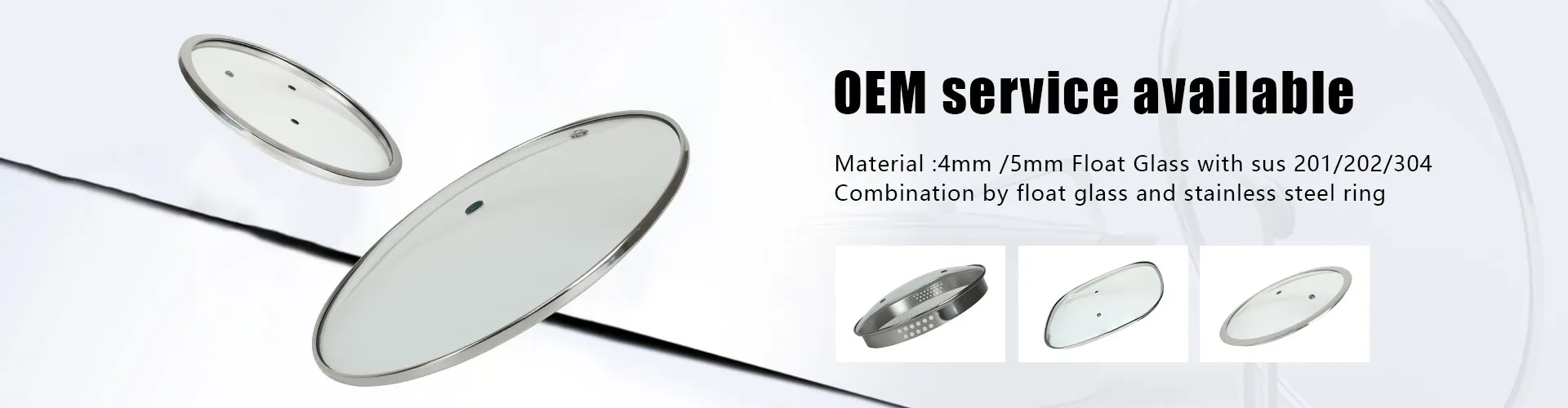
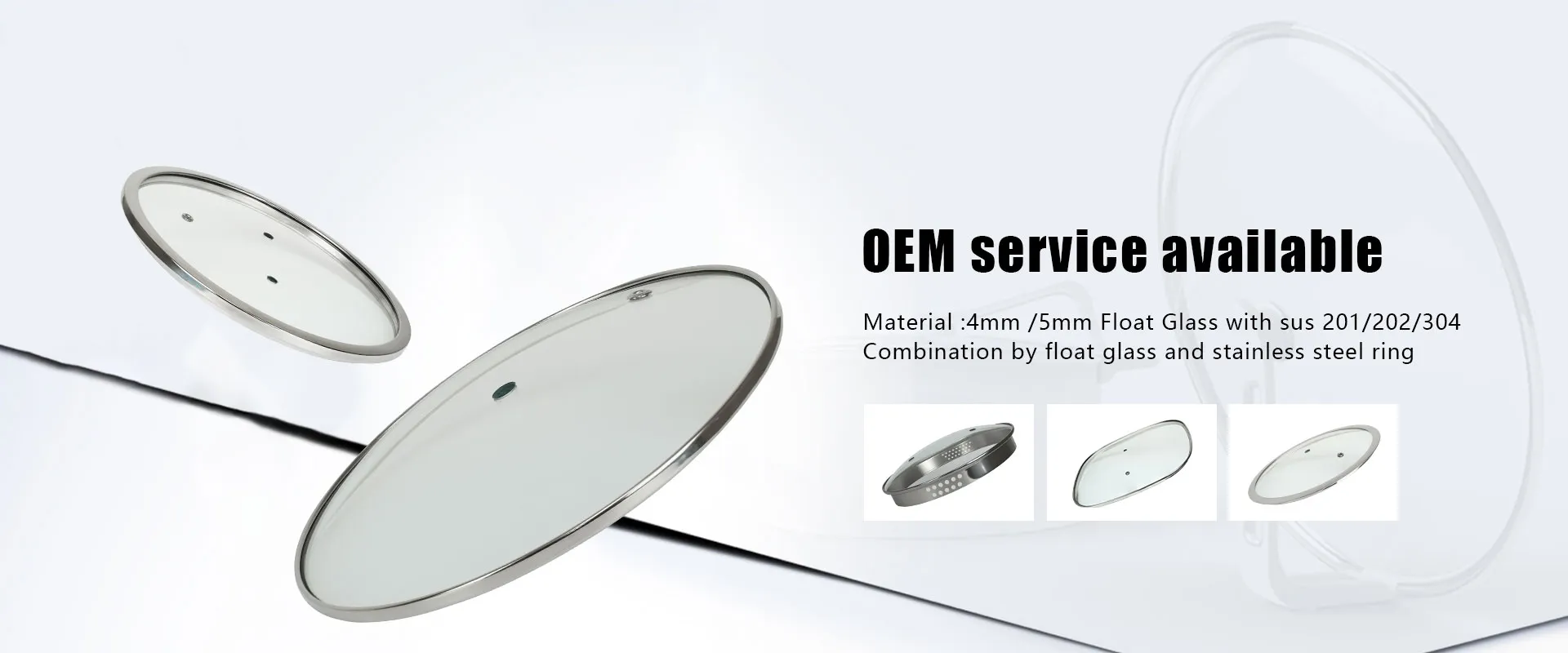
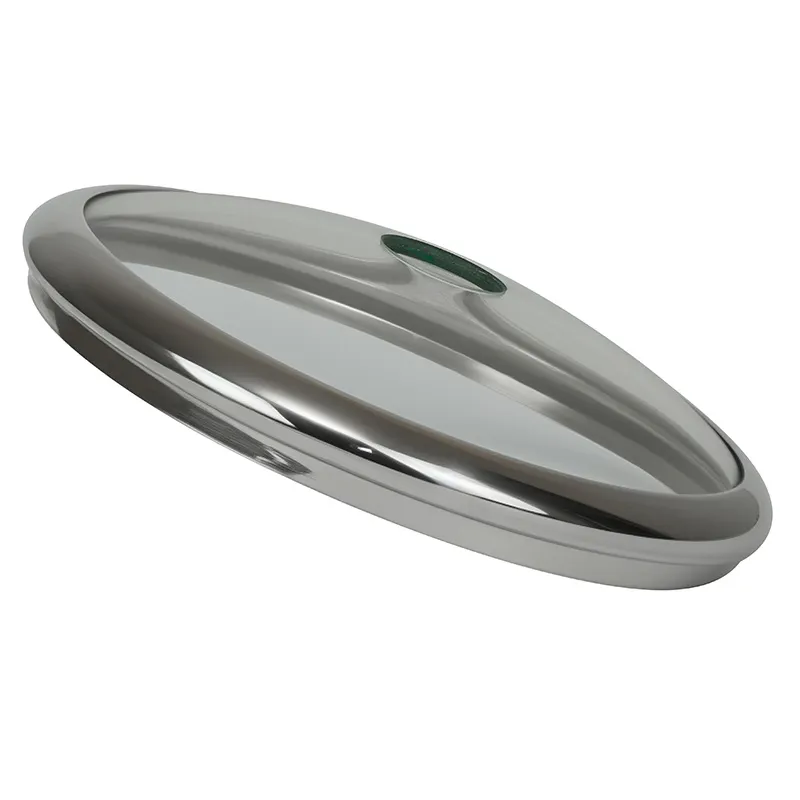
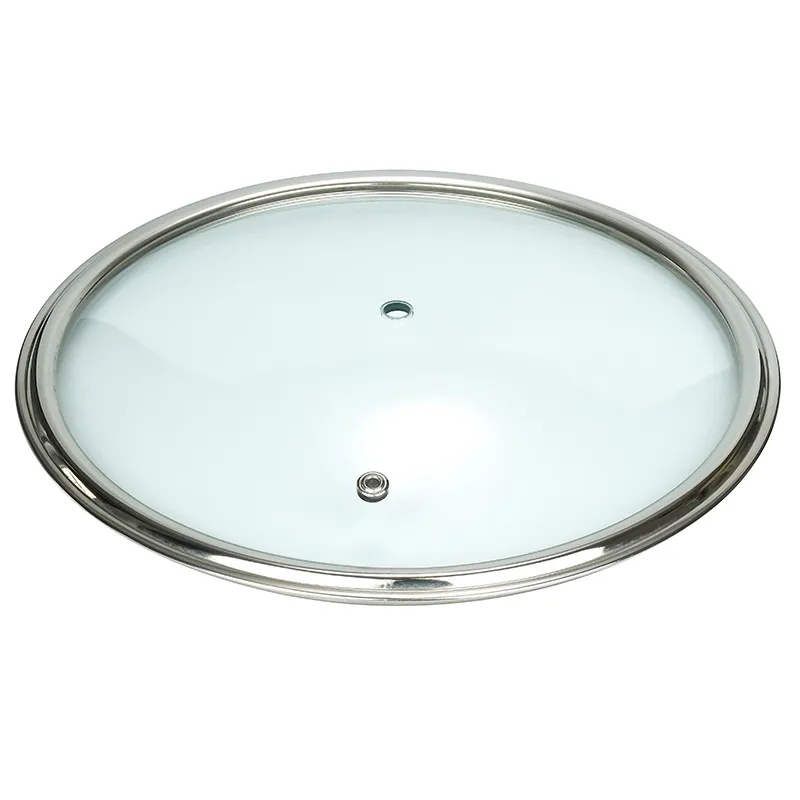
4mm glass lid
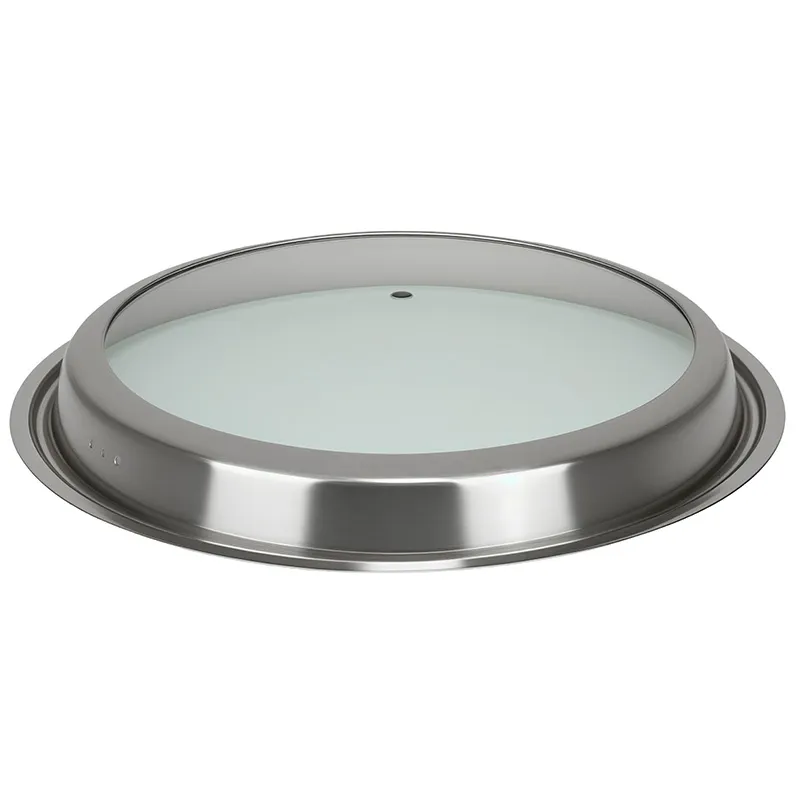
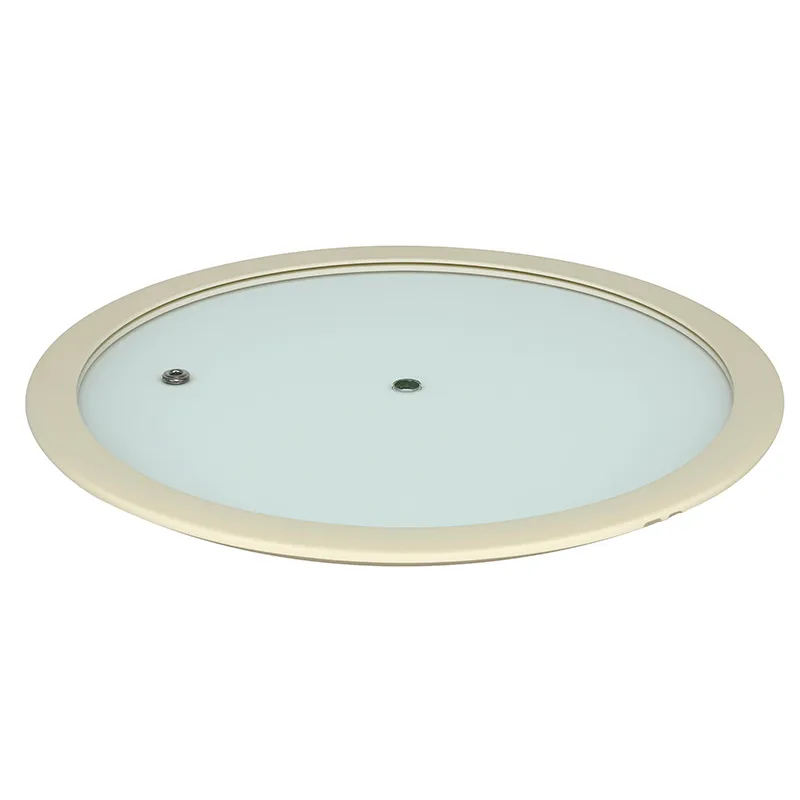
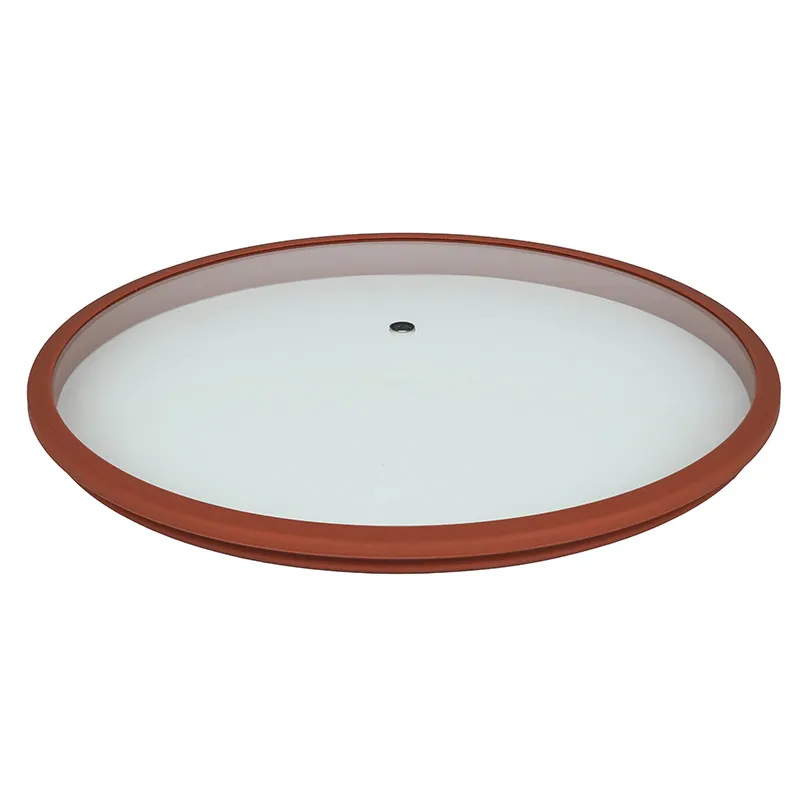
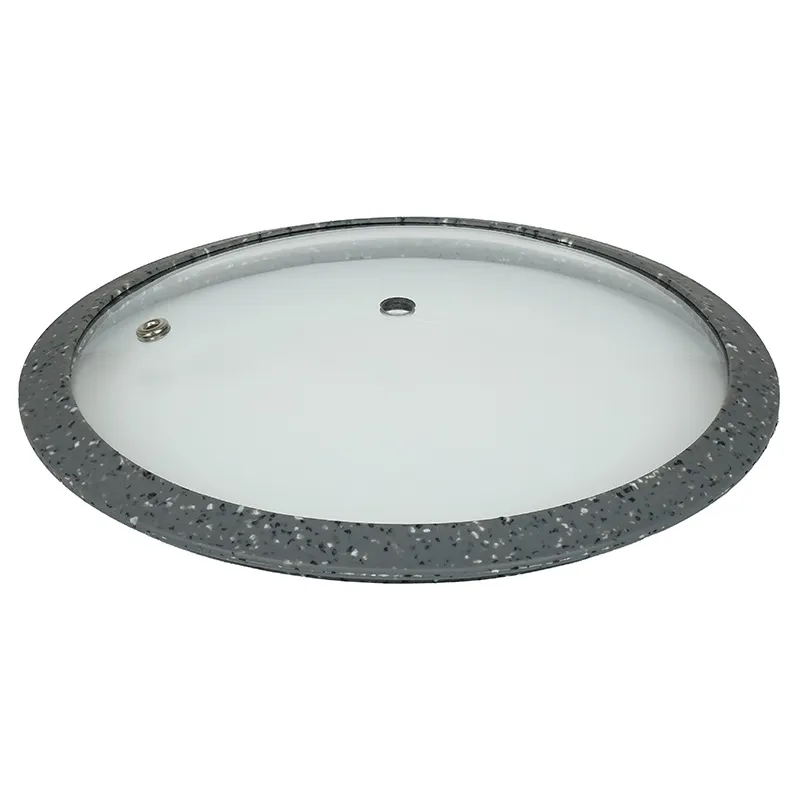
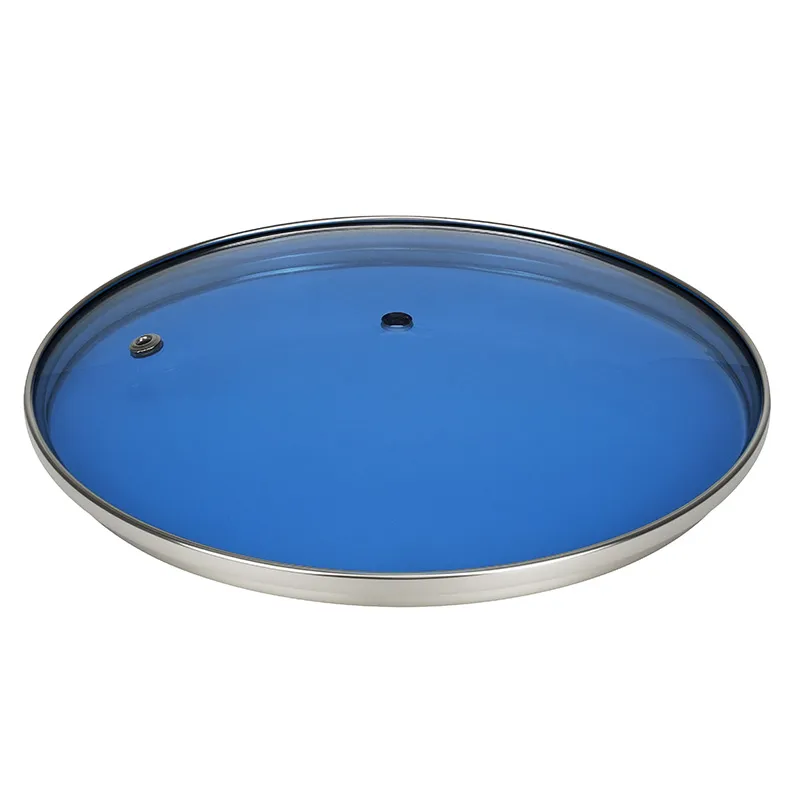
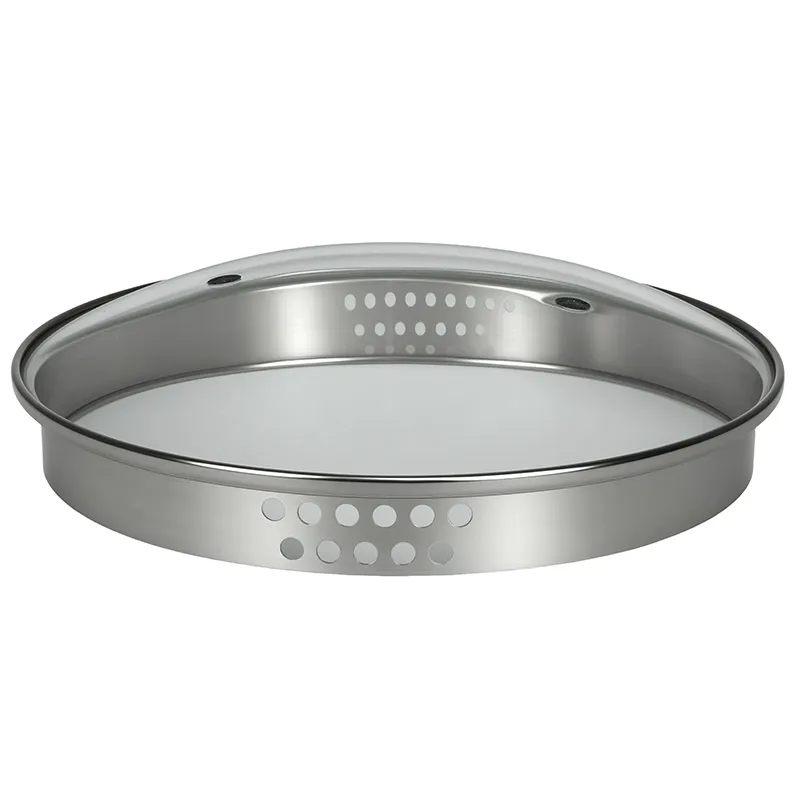
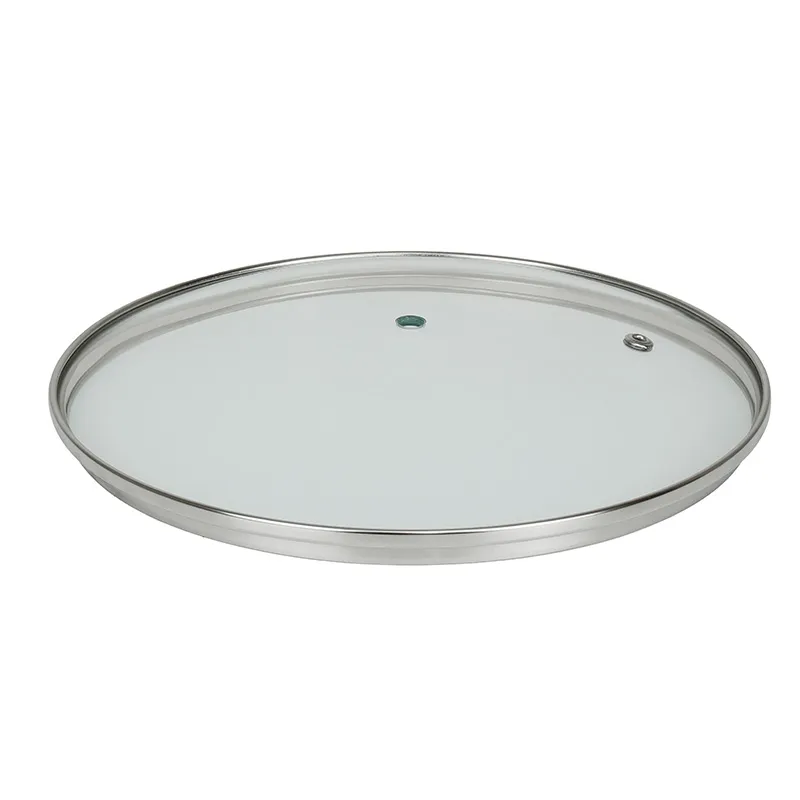
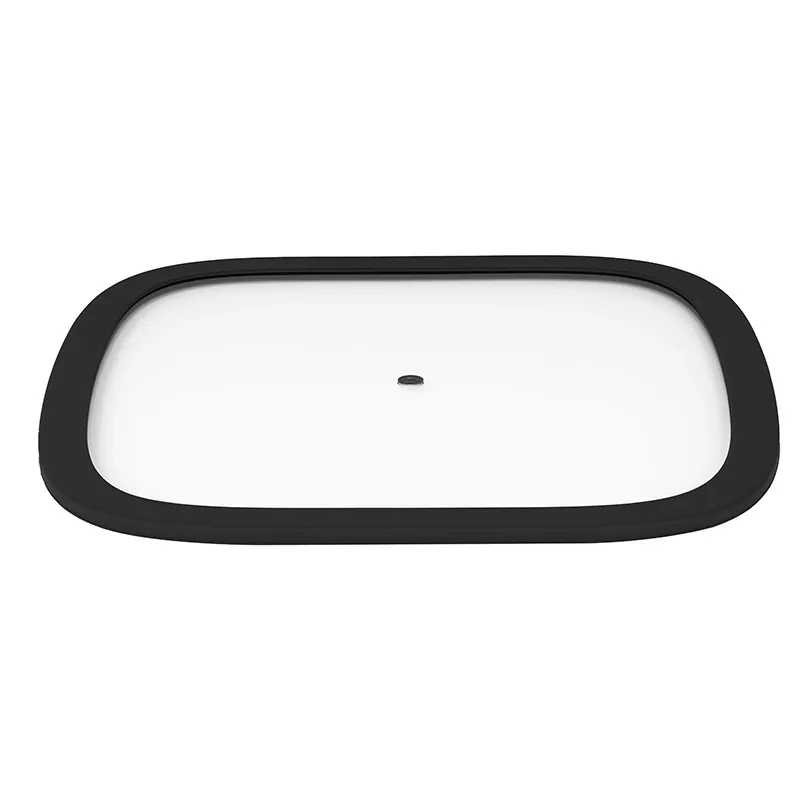
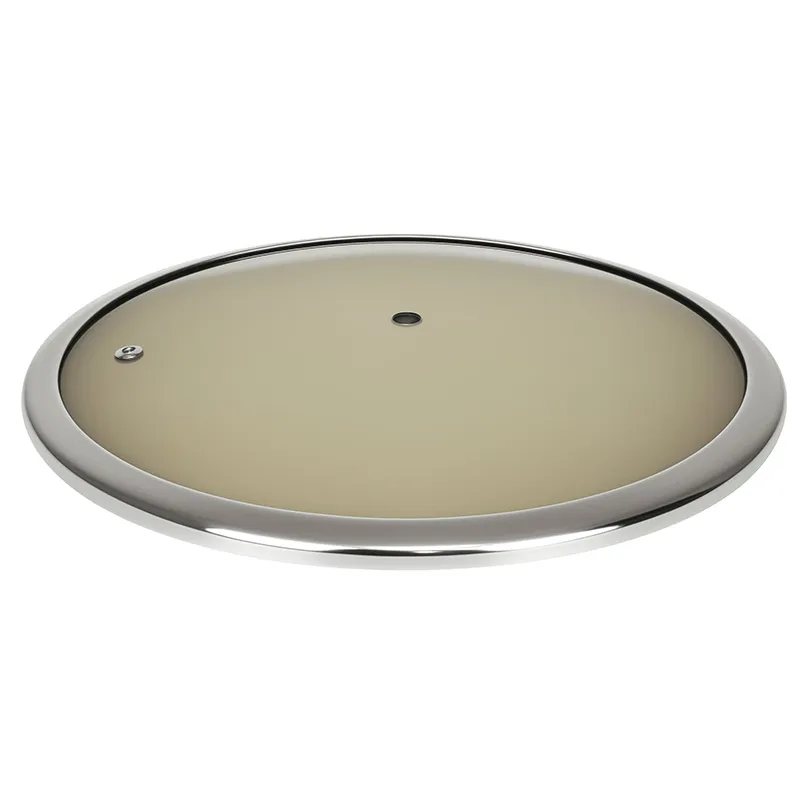
When you hear '4mm glass lid', the immediate assumption is often about durability. A thicker lid must mean a better, more resilient product, right? That's the common starting point, but in practice, it's rarely that simple. The 4mm spec is a nominal figure, a target. The real story is in the tolerance—how much it actually deviates—and the quality of the tempering process. I've seen too many buyers fixate on that 4mm number from a spec sheet without asking about the allowable variance, which can be +/-0.2mm or even 0.5mm depending on the factory's standards. That variance isn't just a paper detail; it affects fit, thermal shock resistance, and the feel of the product in hand. A lid that's consistently 3.8mm from a high-precision line can outperform a sloppily produced one that averages 4.2mm but has hot spots and stress points. It's the first misconception to clear: thickness is a parameter, not a promise of performance by itself.
The Manufacturing Nuance Behind the Spec
Producing a consistent 4mm glass lid isn't just about cutting glass to a certain gauge. It starts with the glass quality itself—often soda-lime silica—and the cutting process. At a facility like EUR-ASIA COOKWARE CO.,LTD's base in Taian, the cutting and edging precision sets the stage. If the blank is off, everything after is compromised. The tempering process is where the magic and the risk happen. The glass is heated to around 620°C and then quenched rapidly. This creates surface compression and internal tension, giving it strength. But for a lid, the challenge is uniformity. The handles or knobs (often stainless steel clamped on post-tempering) create areas of differential cooling. If the process isn't dialed in perfectly, you can get subtle warping or areas of weaker temper right around the mounting points. I've inspected shipments where the lids sat flat on a counter but rocked slightly on the pot—a classic sign of this issue, often traceable to racking patterns in the furnace.
Then there's the edge work. A tempered lid can't have cut edges after treatment, so all drilling for handles or vent holes, and all edge grinding, must be done before it goes into the furnace. The quality of that edge finishing is a dead giveaway of overall standards. A smooth, uniformly polished edge not only feels safer but indicates careful handling throughout. A chippy or rough edge often means rushed processing or lower-quality grinding belts, which can introduce micro-cracks that become failure points later. It's a detail most end-users might not consciously note, but it directly impacts the product's lifespan and safety.
Why does EUR-ASIA's export volume to markets like Germany and Japan matter here? Because these are compliance-heavy markets with rigorous standards for thermal shock and mechanical impact. A lid that passes German testing isn't just a piece of glass; it's a document of controlled process. Their stated annual output of over 15 million pieces suggests a scale that demands automation, but in my experience, scale can sometimes work against tolerance control. The high output figure tells me they likely have multiple tempering furnaces. The key question becomes: can they maintain consistency across all lines and batches? That's where a factory's internal QC protocol makes or breaks the '4mm' claim.
Fit and Function: The Real-World Test
In the warehouse or on a video call, a glass lid might look perfect. The real test is on a pot, through repeated cycles. The 4mm thickness plays a role here in weight and heat retention. A thicker lid is heavier, which can be good for a seal but annoying for daily handling. It also has more thermal mass, meaning it heats up and cools down slower than a thinner lid—this can affect cooking dynamics slightly, like condensation drip. I remember a project where we sourced a batch of beautifully finished 4mm lids for a European client. They passed all lab tests. But in the client's own kitchen tests, users complained about 'sticking'—not literally, but the lid would sometimes create a slight vacuum seal when lifted, a surprising 'pop'. The cause? The combination of the weight, the perfectly flat (too perfect) rim polish, and the specific pot curvature. We had to work with the factory, in this case, it was a supplier similar to EUR-ASIA, to introduce a barely perceptible micro-bevel on the rim to break the seal. It wasn't in the spec, but it was in the real-world use.
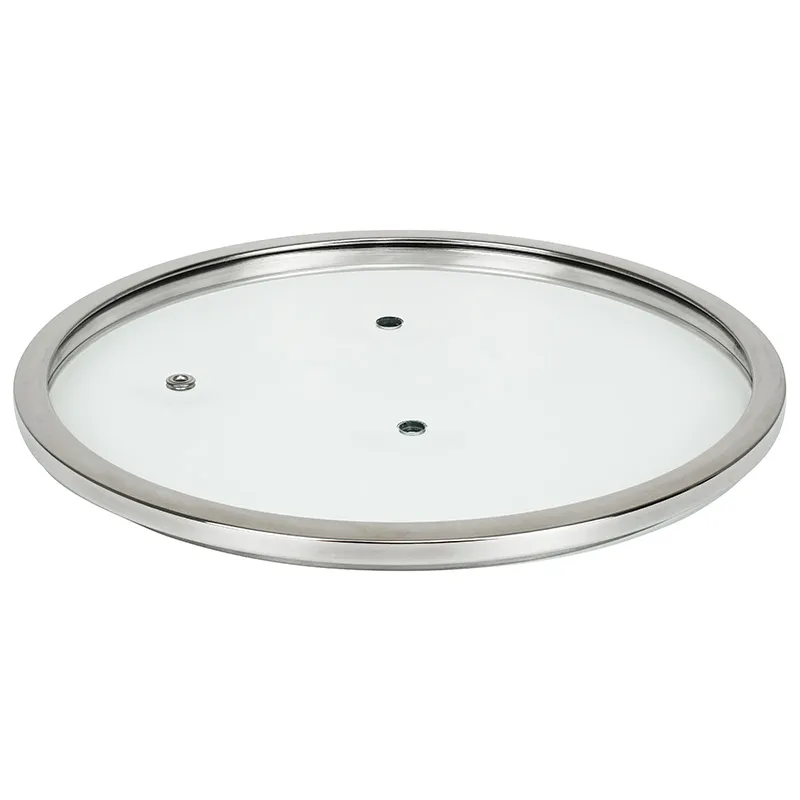
Another functional aspect is the handle attachment. For a 4mm tempered lid, the metal handle is typically attached with a clamp and a bolt that goes through a pre-drilled hole. The stress concentration on that hole is immense, especially when someone lifts the lid by the handle at an angle. The tempering must be flawless around that hole. I've seen failures where the lid doesn't shatter dramatically but develops a radial crack starting from the mounting hole after a few months of use. The root cause is often a combination of drilling quality pre-temper and the local stress field post-temper. A good manufacturer will have a destructive test protocol specifically for handle pull strength and torque.
Venting is another detail. Many glass lids have a little steam vent, sometimes just a hole, sometimes with a plastic or metal toggle. That hole, again, is a potential weak point. If it's not properly fire-polished during the edging process, it can be a nucleation site for cracks during rapid temperature changes. When evaluating a supplier's sample, I always run my finger around the inside of that vent hole. If it's smooth, it's a good sign. If it's at all gritty or sharp, it's a red flag for their attention to detail.
Failures and What They Teach
Not every batch is perfect. I recall a failure early on that was instructional. We received a shipment of 4mm glass lids for a line of stock pots. They looked fine, met the caliper measurements. But during routine drop testing (a simple 30cm flat drop onto a wooden surface), an unusually high percentage—maybe 15%—shattered. Not just cracked, but fully fragmented. That's a catastrophic failure mode you don't want. The supplier was defensive, citing passing their own tests. Our investigation, with an independent lab, pointed to 'over-temper'. The glass had been heated too high or quenched too aggressively, creating excessive internal stress. While this made it incredibly hard initially, it created a brittle, unstable structure vulnerable to any minor impact. It was a case where chasing a higher 'strength' number in a factory test backfired. The solution wasn't to make them 'stronger', but to make them tougher—more forgiving. We had to revise the tempering curve parameters with the factory.
Another common, less dramatic failure is thermal shock breakage. A user takes a lid from a simmering pot and places it on a cold granite countertop, or rinses it under cold water. A good tempered lid should withstand that delta. But I've seen cases where lids from the same box behave differently. This often traces back to uneven heating in the furnace—maybe the lids on the edges of the rack temper differently from those in the center. A robust factory will regularly rotate rack positions and have a mapping system for their furnace hot zones. The high export percentage of a company like EUR-ASIA COOKWARE to diverse climates (from Brazil to Russia) implies their products must handle wide thermal ranges, which speaks to a well-managed tempering process.
Packaging failures are also part of the chain. A 4mm lid is heavy. In transit, if not packed with proper spacers and cushioning, they can knock against each other. This doesn't always cause immediate breakage but can create 'bruises' or surface flaws that weaken the lid, leading to a failure weeks later in a customer's home. Good packaging isn't just foam; it's the design of the interior carton partitions to prevent any glass-to-glass contact. It's a cost item factories sometimes try to value-engineer, but it's a false economy.
Sourcing and Supplier Evaluation
When you're looking at a supplier's website, like glass-lid.com, the details in the 'About Us' matter. EUR-ASIA COOKWARE's mention of a 20,000㎡ area and 15,000㎡ building suggests a substantial, dedicated facility. That's positive. A factory that also makes other glass products can sometimes have cross-contamination or priority issues. A specialist is often better. Their employee count (~90) against the output volume tells a story of automation level. It's a efficient ratio, hinting at automated cutting, edging, and handling lines, which generally aid consistency.
The key in evaluation is to ask for the control charts, not just the spec. What is their process capability (Cpk) for maintaining 4mm thickness? What is their routine test frequency for thermal shock and impact? Do they do 100% inspection for visual defects, or sampling? For a high-volume export operation, sampling is standard, but the AQL (Acceptable Quality Level) they use is critical. An AQL of 0.65 for critical defects is very different from 2.5. You have to ask. I've found that the best conversations happen when you discuss their failure data. What's their typical internal reject rate? What are the most common defect types they catch? A transparent supplier will have this data and use it for process improvement.
Finally, always get physical samples from a production run, not hand-made prototypes. Test them yourself. Put them in a freezer for an hour, then pour boiling water over the center. Cycle them on and off a pot. Lift them by the handle repeatedly. Listen for any odd sounds (tiny 'ticks' can indicate stress). Measure thickness at multiple points with a digital caliper. This hands-on due diligence tells you more than any catalog or website ever could. The 4mm glass lid is a deceptively simple component. Its reliability is the sum of a hundred small, well-controlled steps, from the float glass ribbon to the final packed carton. Getting it right is a sign of a mature manufacturer; getting it consistently right across millions of pieces is what separates a good source from a great one.
Related Products
Related Products