- Chinese
- French
- German
- Portuguese
- Spanish
- Russian
- Japanese
- Korean
- Arabic
- Irish
- Greek
- Turkish
- Italian
- Danish
- Romanian
- Indonesian
- Czech
- Afrikaans
- Swedish
- Polish
- Basque
- Catalan
- Esperanto
- Hindi
- Lao
- Albanian
- Amharic
- Armenian
- Azerbaijani
- Belarusian
- Bengali
- Bosnian
- Bulgarian
- Cebuano
- Chichewa
- Corsican
- Croatian
- Dutch
- Estonian
- Filipino
- Finnish
- Frisian
- Galician
- Georgian
- Gujarati
- Haitian
- Hausa
- Hawaiian
- Hebrew
- Hmong
- Hungarian
- Icelandic
- Igbo
- Javanese
- Kannada
- Kazakh
- Khmer
- Kurdish
- Kyrgyz
- Latin
- Latvian
- Lithuanian
- Luxembou..
- Macedonian
- Malagasy
- Malay
- Malayalam
- Maltese
- Maori
- Marathi
- Mongolian
- Burmese
- Nepali
- Norwegian
- Pashto
- Persian
- Punjabi
- Serbian
- Sesotho
- Sinhala
- Slovak
- Slovenian
- Somali
- Samoan
- Scots Gaelic
- Shona
- Sindhi
- Sundanese
- Swahili
- Tajik
- Tamil
- Telugu
- Thai
- Ukrainian
- Urdu
- Uzbek
- Vietnamese
- Welsh
- Xhosa
- Yiddish
- Yoruba
- Zulu
- Kinyarwanda
- Tatar
- Oriya
- Turkmen
- Uyghur


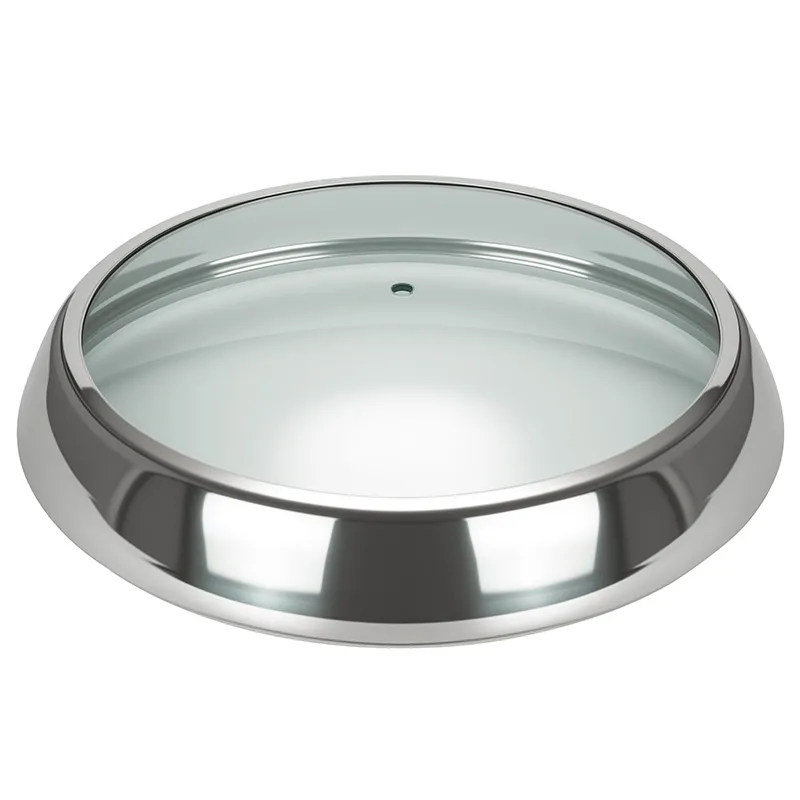
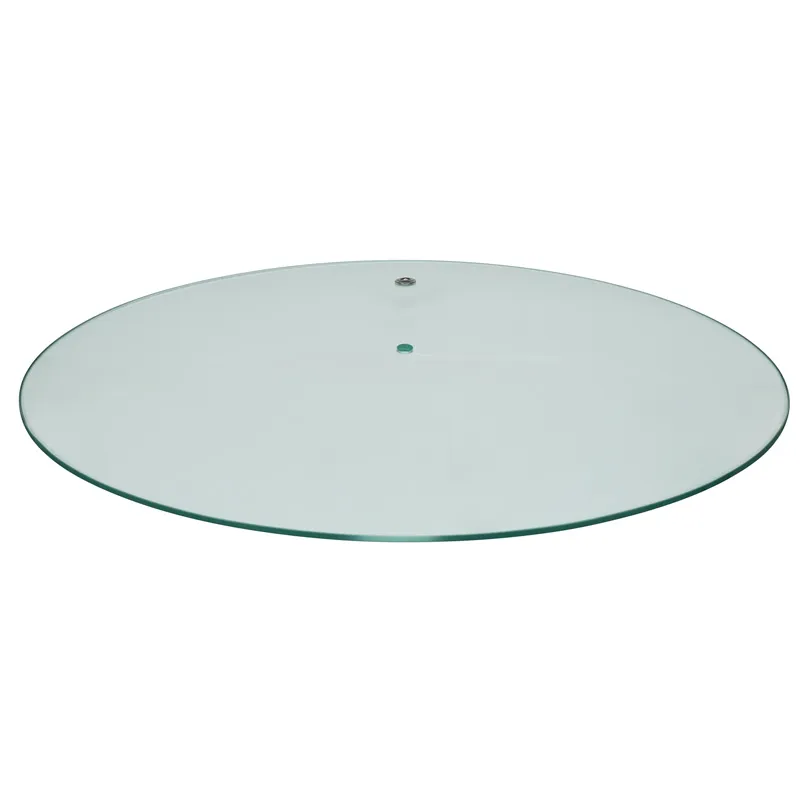
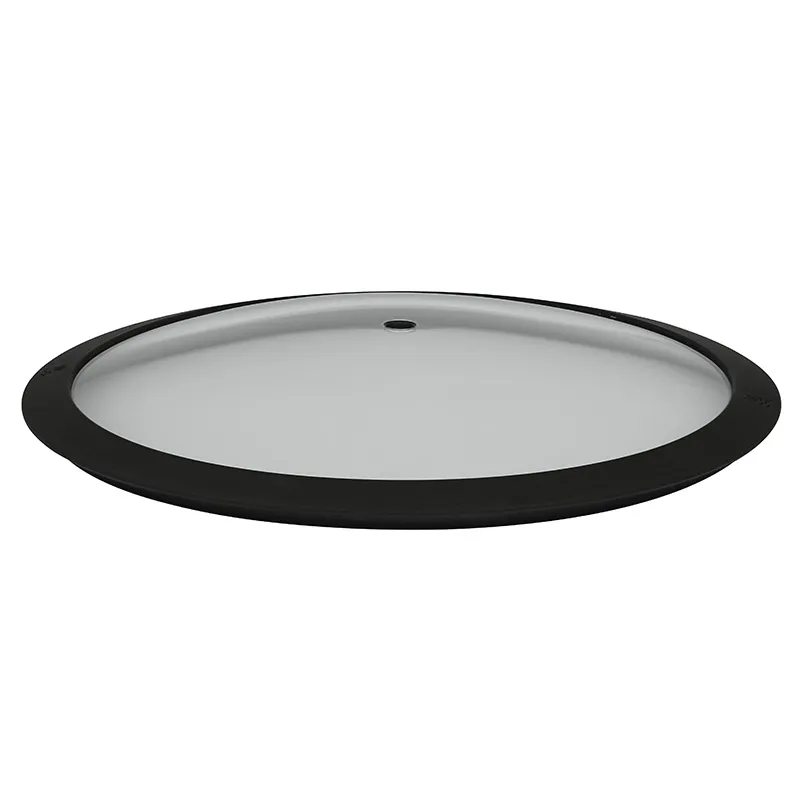
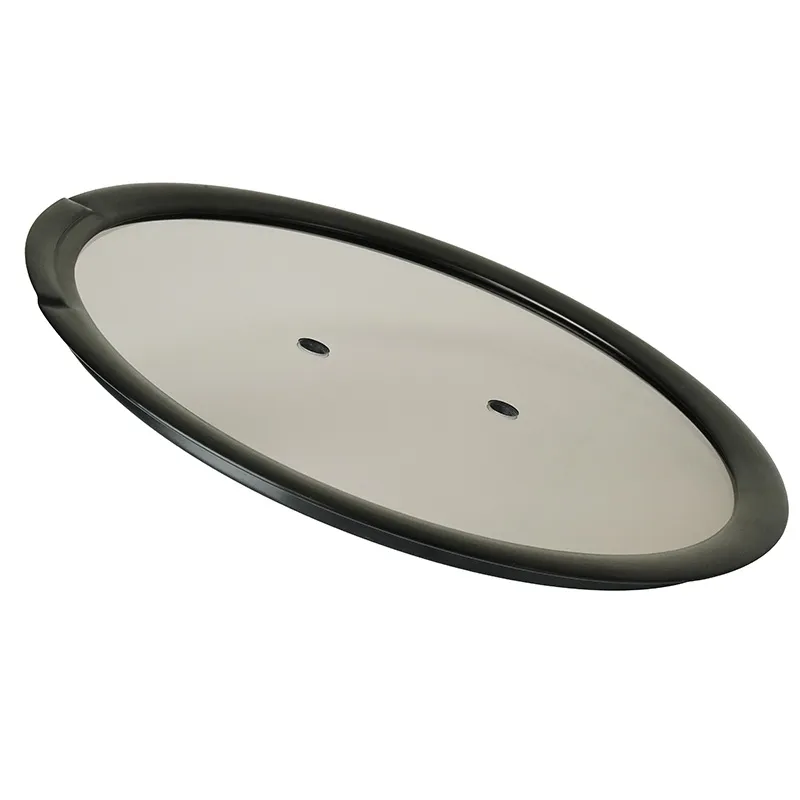
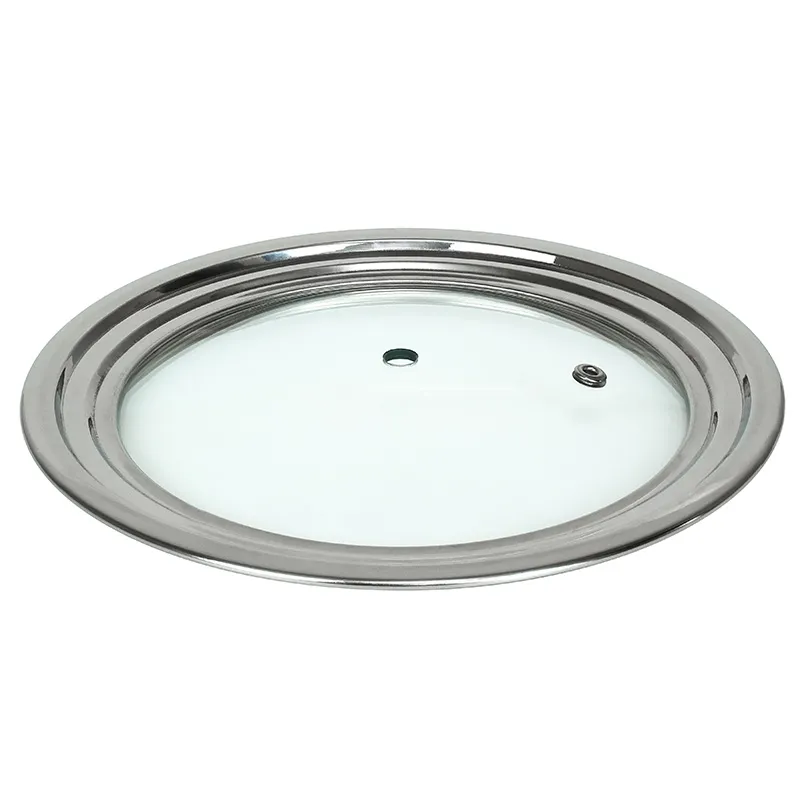
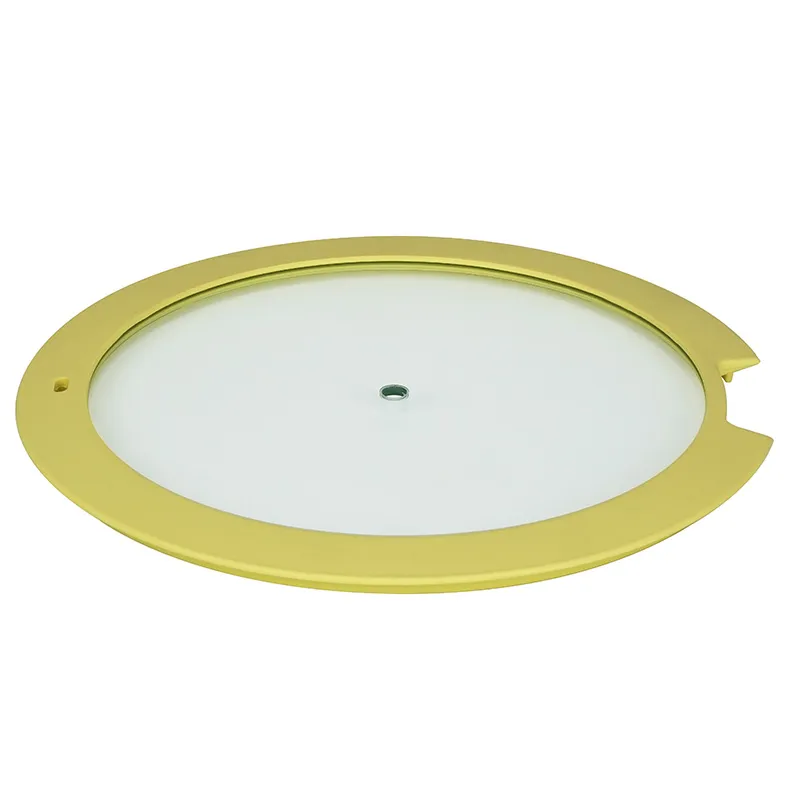
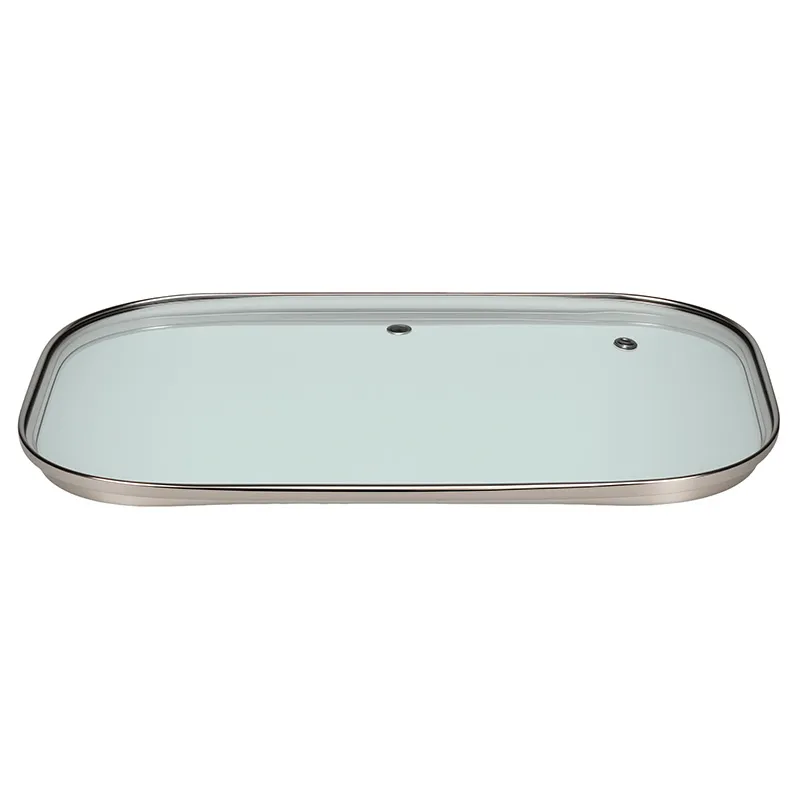
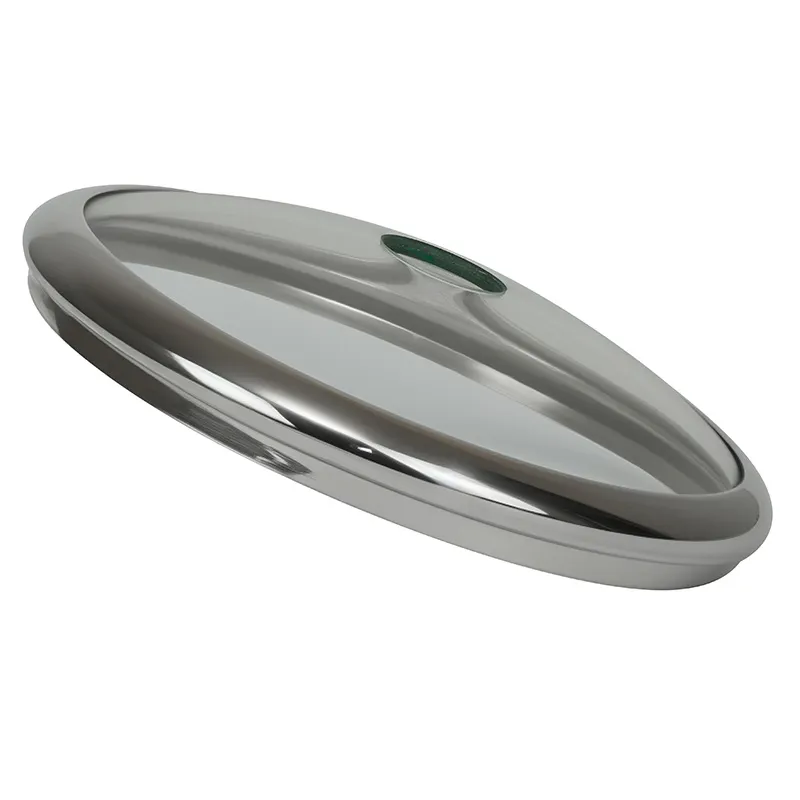
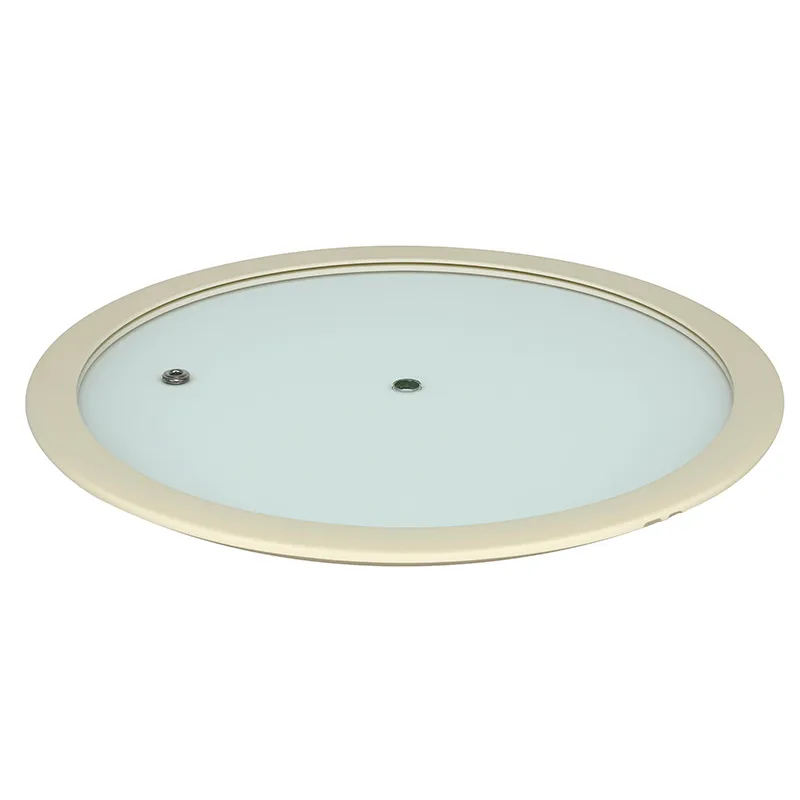
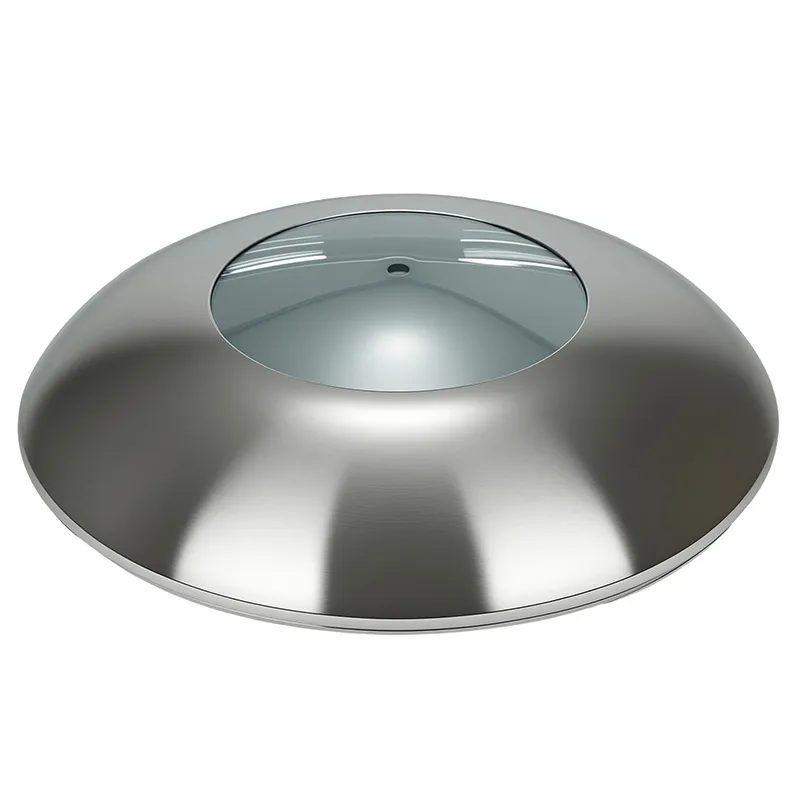
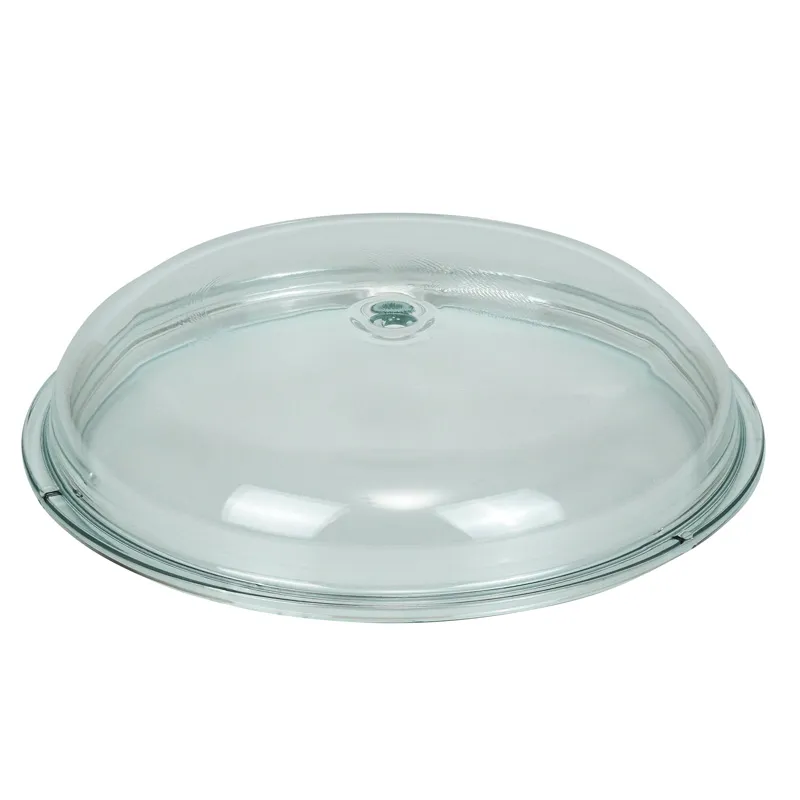
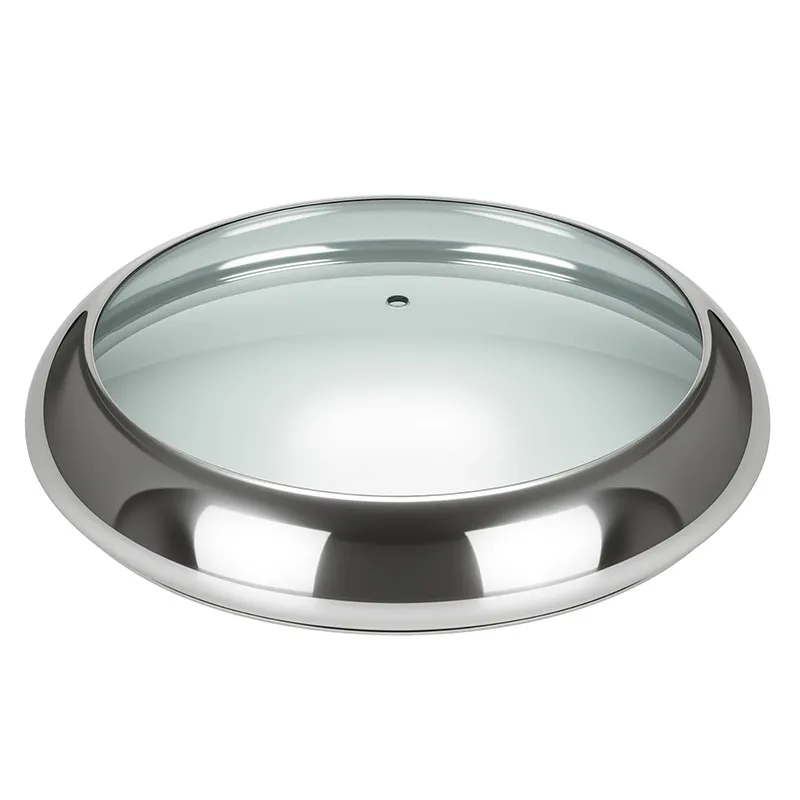
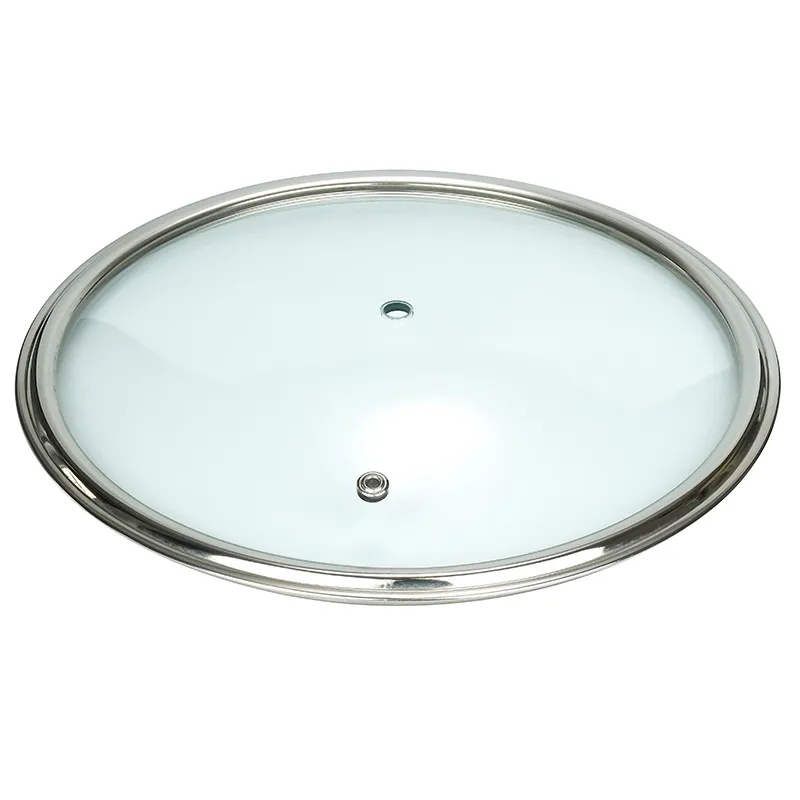
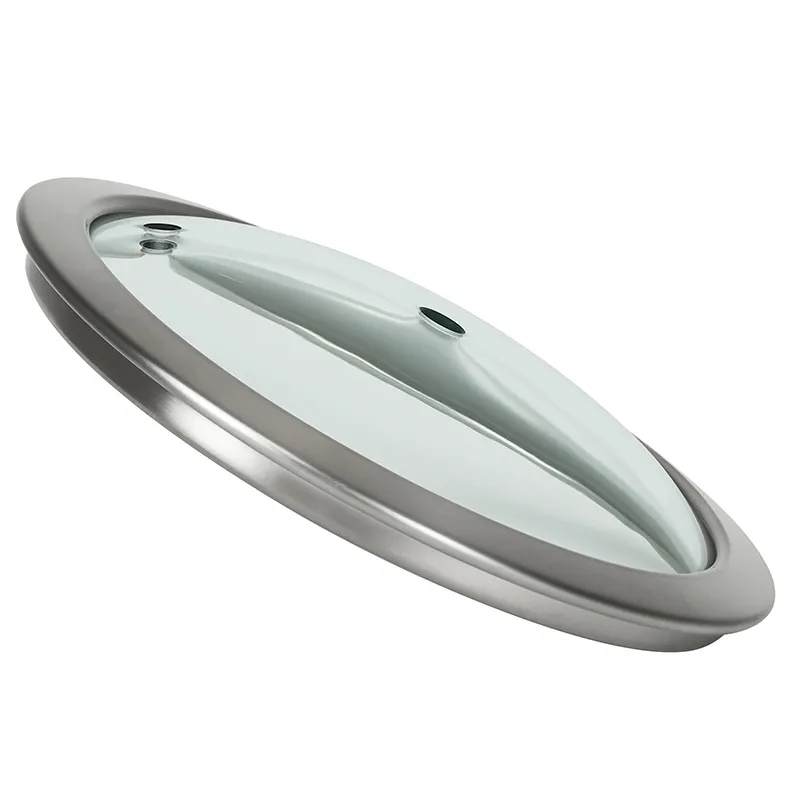
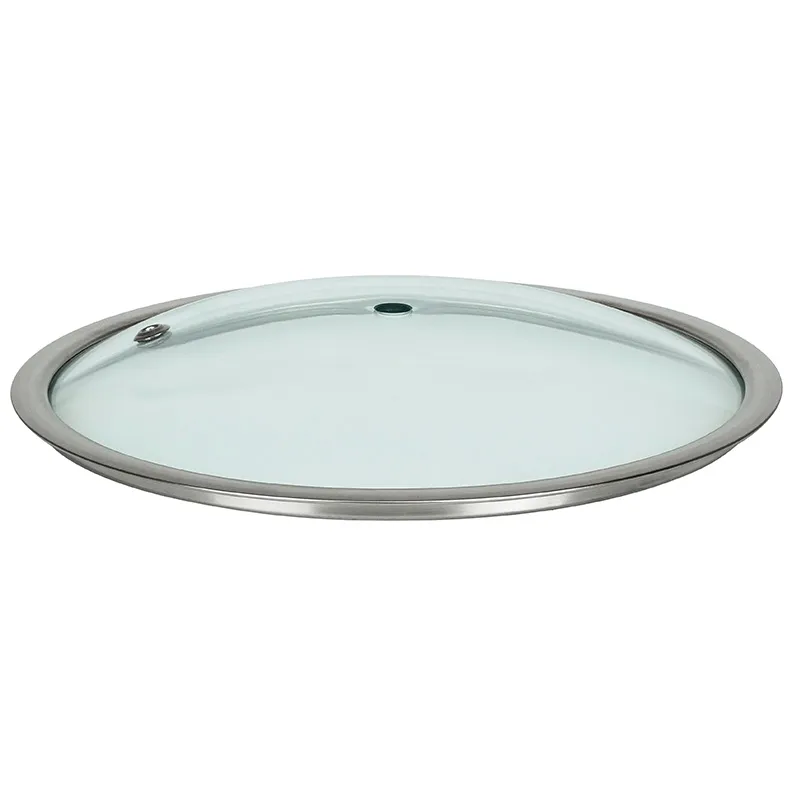
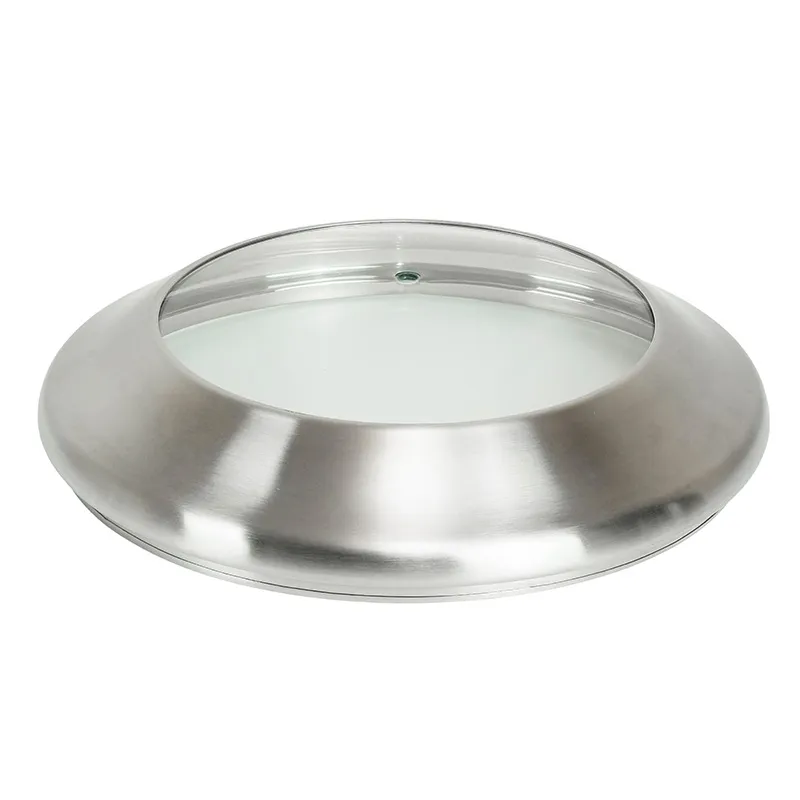
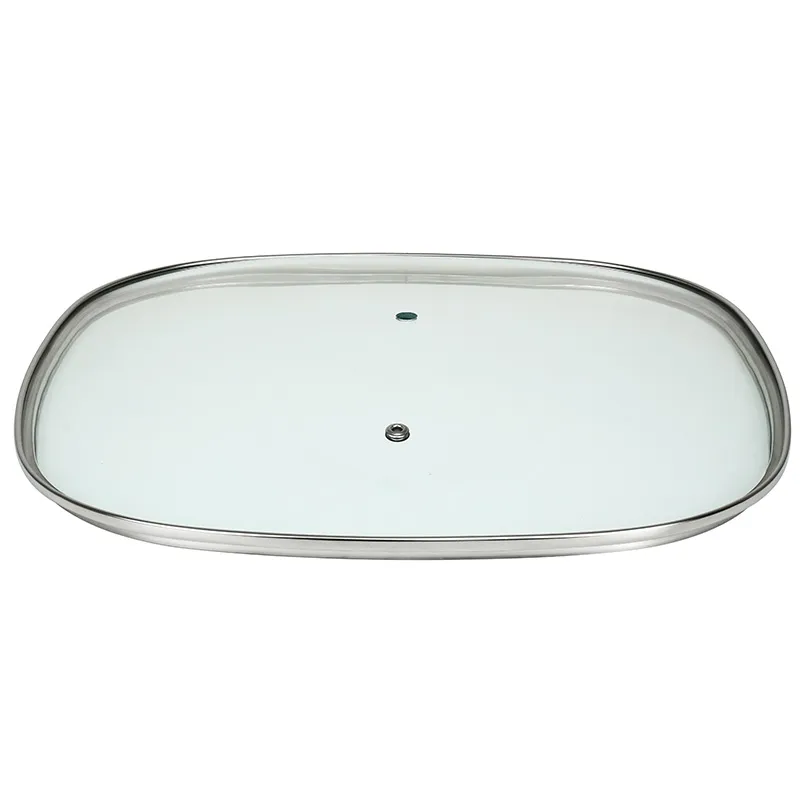
4mm tempered glass lid
When you hear '4mm tempered glass lid', most people think it's just a piece of toughened glass. The thickness is specified, the material is known, job done. But that's where the common misconception starts. In reality, that 4mm spec is a starting point for a whole series of critical decisions—about thermal shock resistance, optical clarity under stress, hinge compatibility, and long-term durability against daily abrasion. It's not just a component; it's a performance interface between the pot and the cook.
Why 4mm? It's More Than Just a Number
We settled on 4mm as a standard for high-performance lids after a lot of trial. Thinner, like 3mm, and you risk warping under intense, localized heat—think a small burner on max under a large pan. The center bows, the seal breaks. Go to 5mm, and the weight becomes prohibitive for everyday handling, especially for larger diameters. The 4mm strikes a balance, offering enough mass to distribute heat evenly and resist shock, while remaining practical. I recall a batch where the annealing curve was off by a few degrees; the lids passed the basic impact test but shattered like candy glass when dropped into a sink of cold water after being on a hot stove. That's the hidden spec: the tempering process for a lid isn't the same as for a tabletop. It needs to handle a steep, uneven temperature gradient.
This is where a producer's focus shows. A company like EUR-ASIA COOKWARE CO.,LTD, with their dedicated production line, gets this. Their specialization in household glass means their furnace profiles are tuned for cookware applications, not generic glass sheets. Visiting a facility that produces over 15 million pieces annually, you see the rhythm. It's not about brute force output; it's about consistency in that tempering stage. A single lid cycling through their furnace is experiencing a recipe designed for thermal resilience, not just impact strength.
The edge work is another tell. A cleanly seamed, polished edge on a 4mm tempered glass lid isn't just for safety. It's critical for sealing. A rough or uneven edge creates micro-gaps, letting steam and aroma escape. It seems minor, but it affects cooking performance. We learned this the hard way with an early supplier whose lids had visually perfect edges but under a magnifier showed a slight bevel variance. The customer complaints weren't about breakage; they were about my soups taste flat. The connection wasn't obvious at first.
The Devil in the Details: Fittings, Handles, and Real-World Stress
You can have a perfect glass disc, and the project fails at the metal fittings. The attachment point for the handle or knob is a major stress concentrator. The standard is a stainless steel bolt through a drilled hole. The hole must be drilled before tempering. If you try to drill or alter the glass after tempering, it explodes. So, precision in the initial machining is absolute. The interface between the metal washer and the glass surface needs a compliant gasket, often silicone, to absorb differential expansion.
I've seen lids fail at the handle not from lifting, but from thermal cycling. The metal expands faster than the glass, and without the right buffer, it creates a pinpoint stress that leads to a radial crack. We once sourced a cheaper EPDM gasket material. It passed initial tests but degraded after about 50 dishwasher cycles, becoming brittle and compressing. The failure rate in the field spiked months later. Tracking that back was a lesson in total system design. The lid isn't just glass; it's a glass-metal-polymer composite.
Then there's the handle itself. A large, cast metal handle looks premium but can make the lid front-heavy and prone to tipping when set down. A smaller, low-profile phenolic knob is often more functional. It's these ergonomic details, born from watching people cook, that separate a catalog product from a trusted one. The exports to markets like Germany and Japan, known for rigorous kitchen standards, force this level of scrutiny. You can't just ship a lid; you ship a user experience.
Optical Clarity and the Watchful Cooking Promise
Marketing loves to tout clear glass for watching your food. But not all clarity is equal. The glass composition needs high optical quality, but the real test is under heat and steam. A poor-quality lid will haze up or develop a permanent film over time from microscopic pitting from steam and oils. The true measure is after 200 cycles of boiling salted water. Does the lid remain genuinely clear, or does it take on a milky tinge?
This is a materials science issue. Some manufacturers use a lower-grade soda-lime silica that's more prone to this mild corrosion. The high-level producers opt for a more chemically resistant mix. It's an invisible upgrade that you only appreciate over years of use. When you look at the product range of a specialist like EUR-ASIA COOKWARE, their focus on low-medium-high level products isn't just about price points; it's fundamentally about these material grades and processing refinements. The lid that ends up in a Berlin department store has passed a different set of tacit clarity endurance tests than a basic commodity item.
Furthermore, the curvature matters. A completely flat tempered glass lid is cheaper to produce but causes condensed steam to drip in random droplets. A properly designed, slightly domed lid directs condensation to roll back to the pot's rim, basting the food. It's a subtle detail that speaks to a designer who actually cooks.
Logistics and the Fragility Paradox
It's ironic. We toughen the glass to survive a drop onto a kitchen floor, but the supply chain presents equal dangers. Packaging for a 4mm tempered glass lid is a discipline of its own. It's not enough to wrap it in bubble wrap. You need rigid, form-fitting inserts that prevent any point load during shipping. A box can withstand a 1-meter drop, but if the lid inside can shift and tap against another lid, that's a classic contact shock failure.
I remember auditing a warehouse where lids were stored vertically in racks. Seemed efficient. But the weight of the stack, over time, was causing stress at the contact points. We found a pattern of cracks originating from the edges in lids pulled from the middle of a stack. The solution was a simple, angled storage rack that transferred the weight to the rim, not the pane. These are the unglamorous, back-end lessons that never make it into a brochure but are critical for getting an intact product to a customer's door. A company with a 15,000㎡ facility has to have mastered this internal logistics dance to move 15 million pieces a year without a massive breakage rate.
The Future Isn't Thicker, It's Smarter
The trend isn't necessarily toward thicker glass. It's toward integration. We're seeing more interest in lids with integrated silicone sealing rings for pressure cooker-style cooking, or with built-in steam vents and strainer features. The glass becomes a platform. The challenge is bonding these materials permanently and safely, ensuring they withstand oven temperatures and dishwashers.
Another area is surface treatment. Easy-clean coatings that truly work without peeling are the next frontier. It's a tricky balance—the coating must be hydrophobic to repel oil and water, but also bond permanently to the tempered glass surface through its expansion and contraction cycles. Many attempts fail in the dishwasher after a few dozen runs.
Looking at the export map of a firm like EUR-ASIA COOKWARE CO.,LTD—to Germany, Italy, Brazil, Japan—tells you they're not serving a single market's taste. They're solving a global set of problems: European demands for precision and safety, Asian preferences for specific handle styles, South American needs for robust packaging for longer supply chains. Each of those markets provides feedback that iteratively improves the core product. So, when you pick up a 4mm tempered glass lid that feels just right, balances perfectly, and lasts for years, you're holding the endpoint of a vast amount of accumulated, practical problem-solving. It's never just about the glass.
Related Products
Related Products