- Chinese
- French
- German
- Portuguese
- Spanish
- Russian
- Japanese
- Korean
- Arabic
- Irish
- Greek
- Turkish
- Italian
- Danish
- Romanian
- Indonesian
- Czech
- Afrikaans
- Swedish
- Polish
- Basque
- Catalan
- Esperanto
- Hindi
- Lao
- Albanian
- Amharic
- Armenian
- Azerbaijani
- Belarusian
- Bengali
- Bosnian
- Bulgarian
- Cebuano
- Chichewa
- Corsican
- Croatian
- Dutch
- Estonian
- Filipino
- Finnish
- Frisian
- Galician
- Georgian
- Gujarati
- Haitian
- Hausa
- Hawaiian
- Hebrew
- Hmong
- Hungarian
- Icelandic
- Igbo
- Javanese
- Kannada
- Kazakh
- Khmer
- Kurdish
- Kyrgyz
- Latin
- Latvian
- Lithuanian
- Luxembou..
- Macedonian
- Malagasy
- Malay
- Malayalam
- Maltese
- Maori
- Marathi
- Mongolian
- Burmese
- Nepali
- Norwegian
- Pashto
- Persian
- Punjabi
- Serbian
- Sesotho
- Sinhala
- Slovak
- Slovenian
- Somali
- Samoan
- Scots Gaelic
- Shona
- Sindhi
- Sundanese
- Swahili
- Tajik
- Tamil
- Telugu
- Thai
- Ukrainian
- Urdu
- Uzbek
- Vietnamese
- Welsh
- Xhosa
- Yiddish
- Yoruba
- Zulu
- Kinyarwanda
- Tatar
- Oriya
- Turkmen
- Uyghur


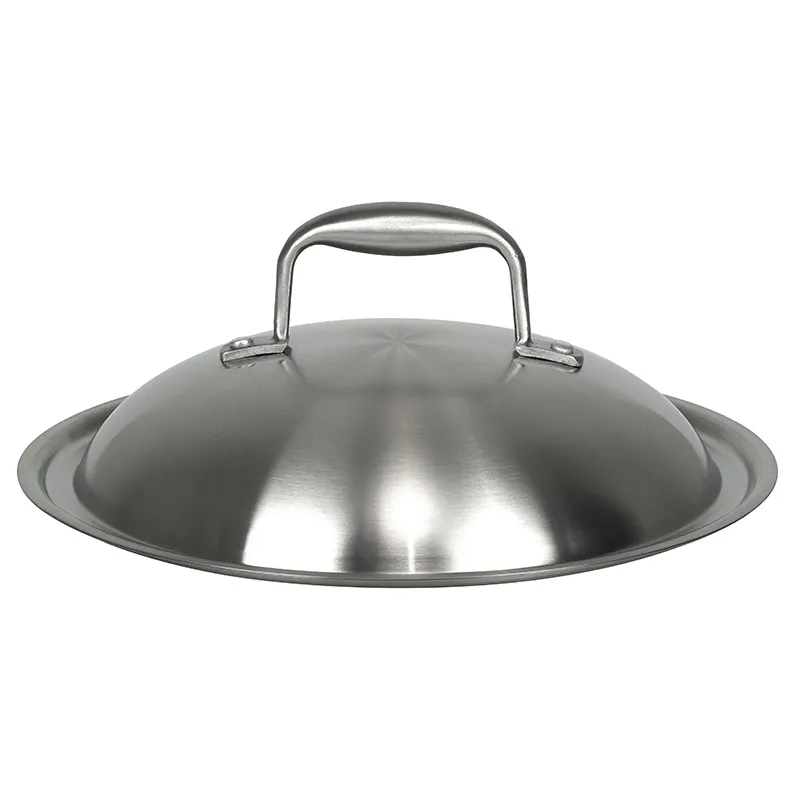
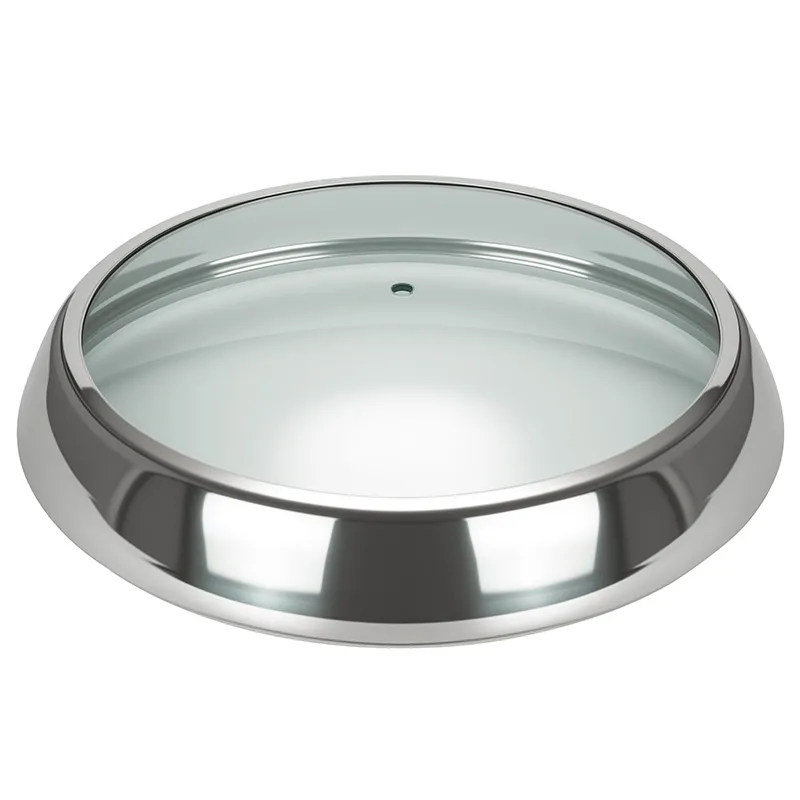
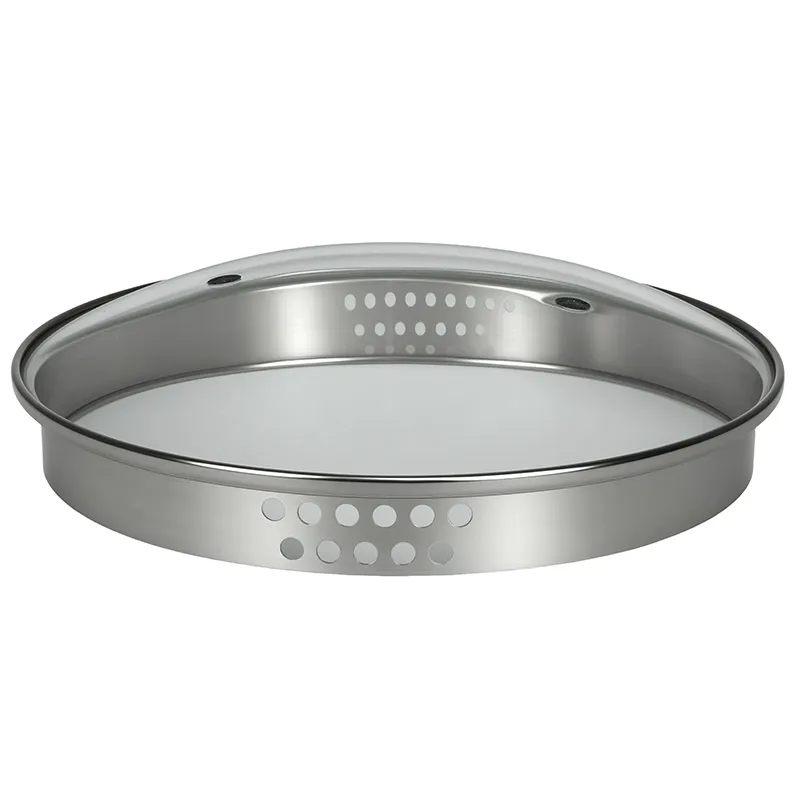
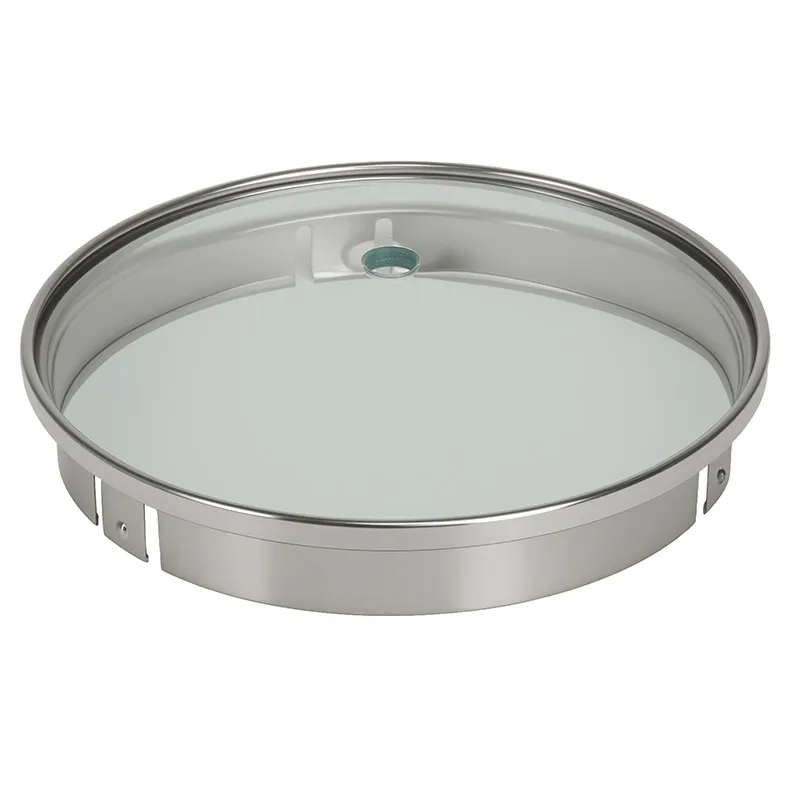
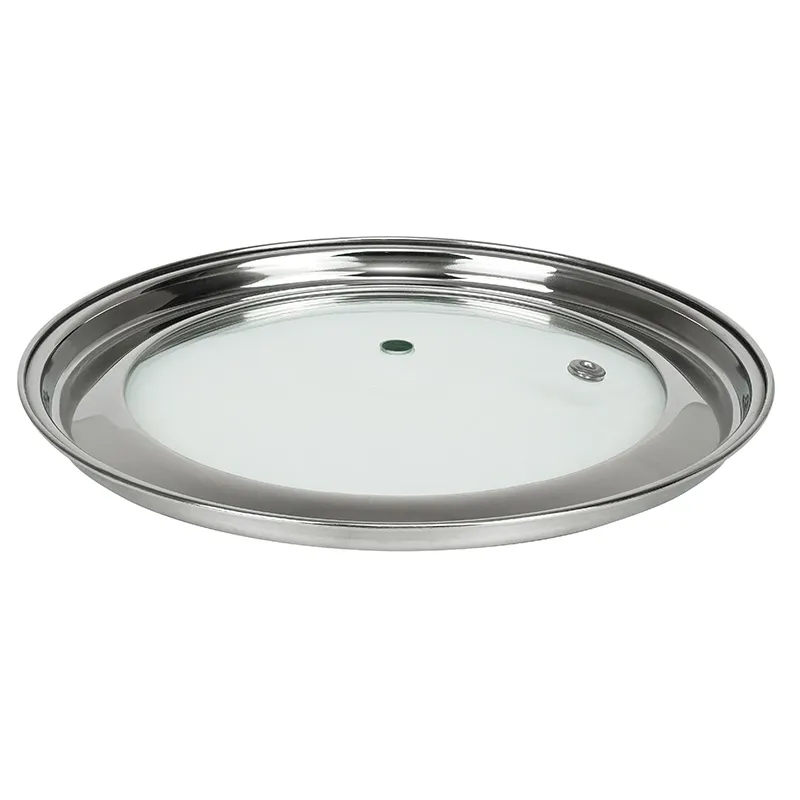
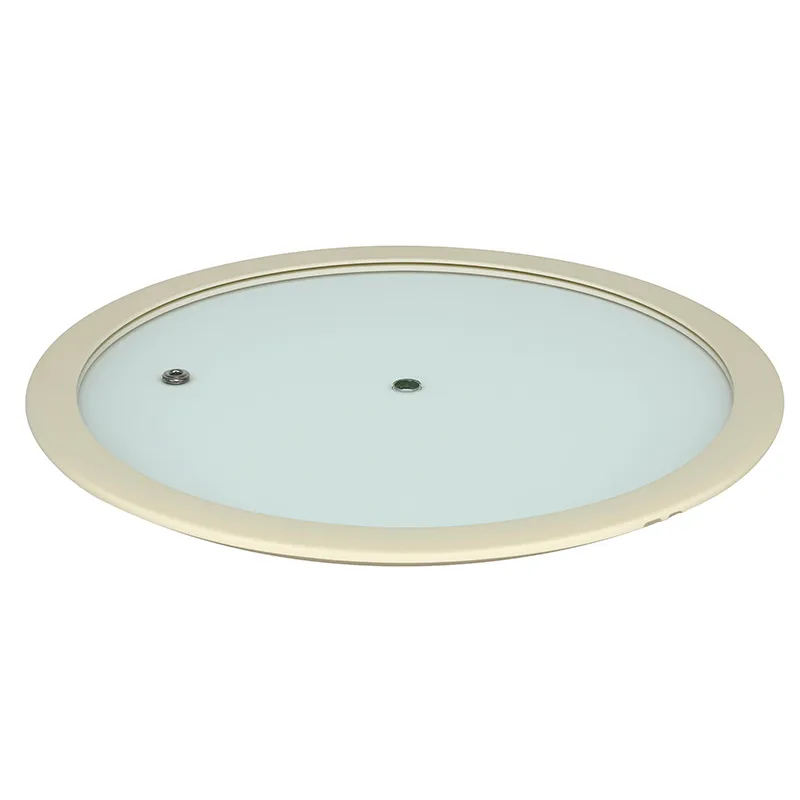
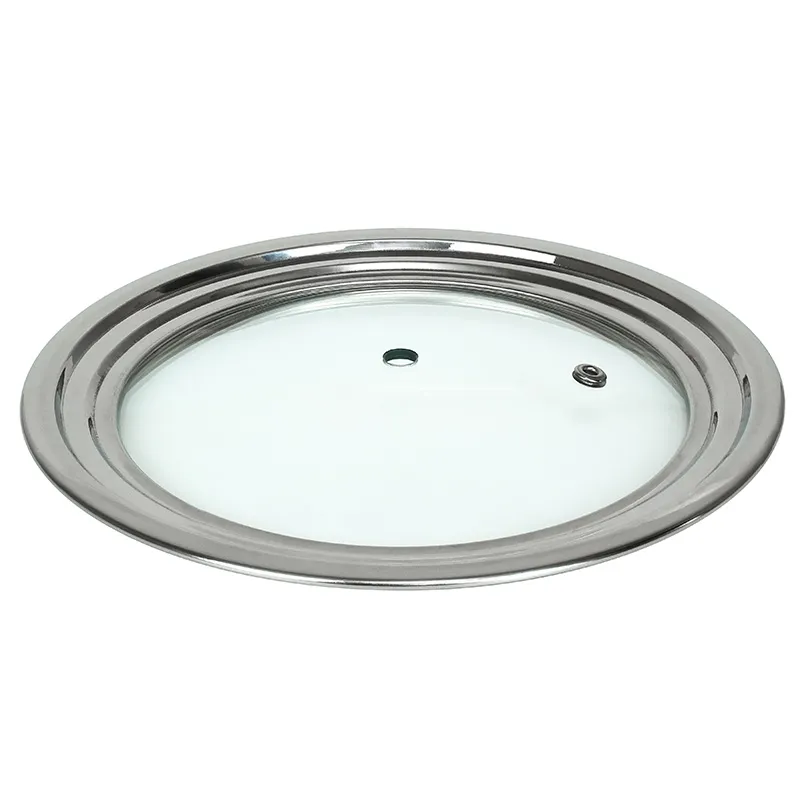
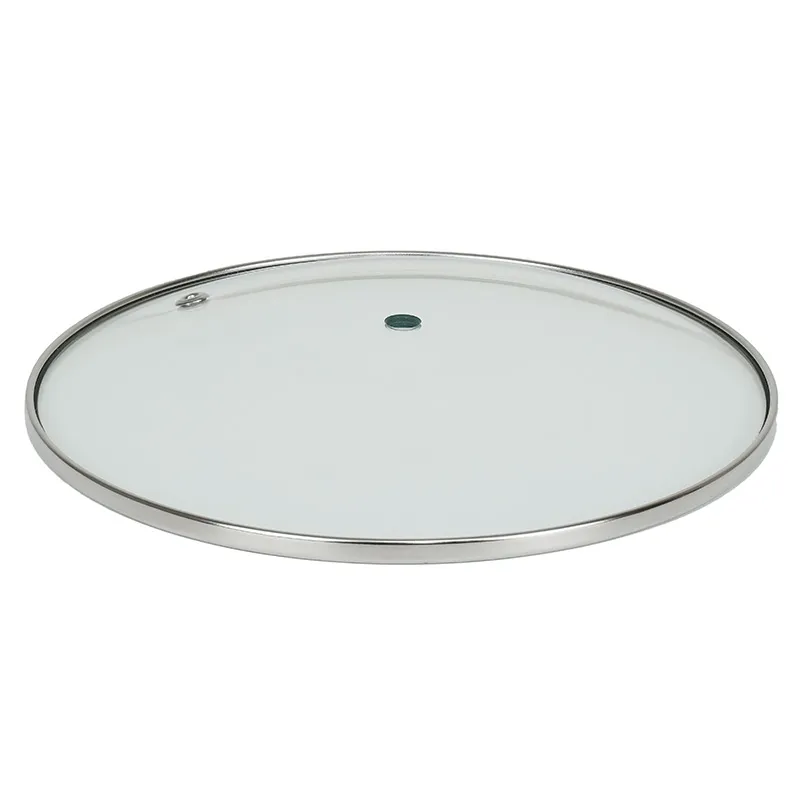
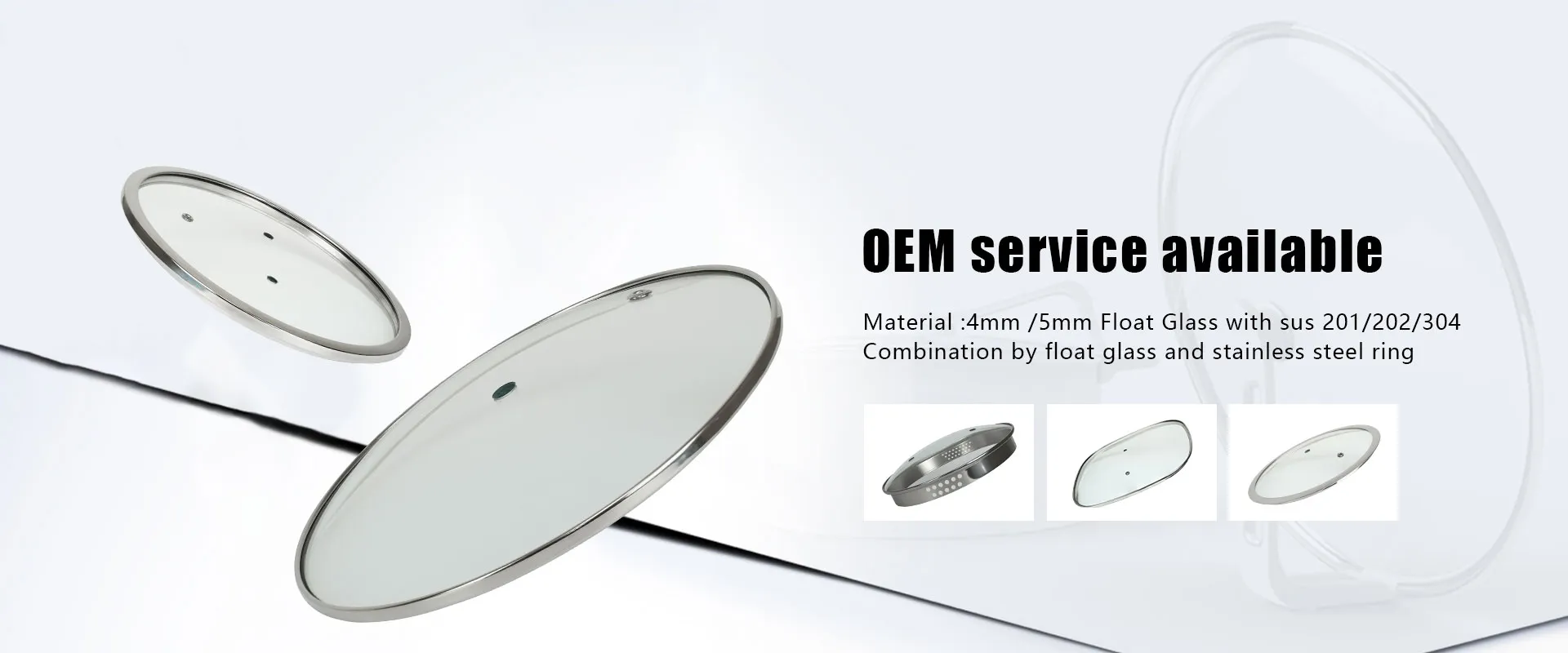
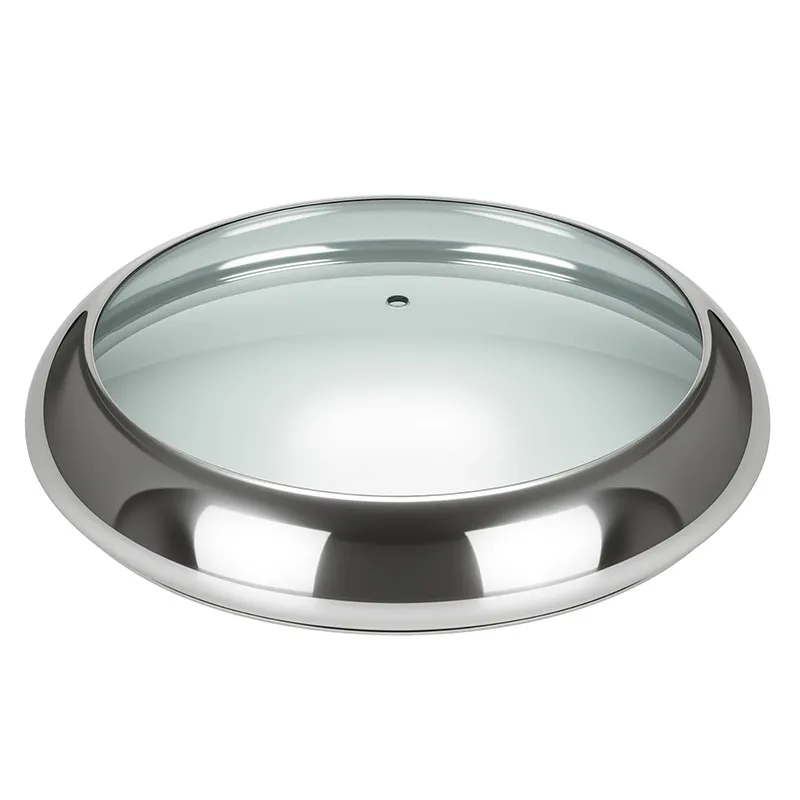
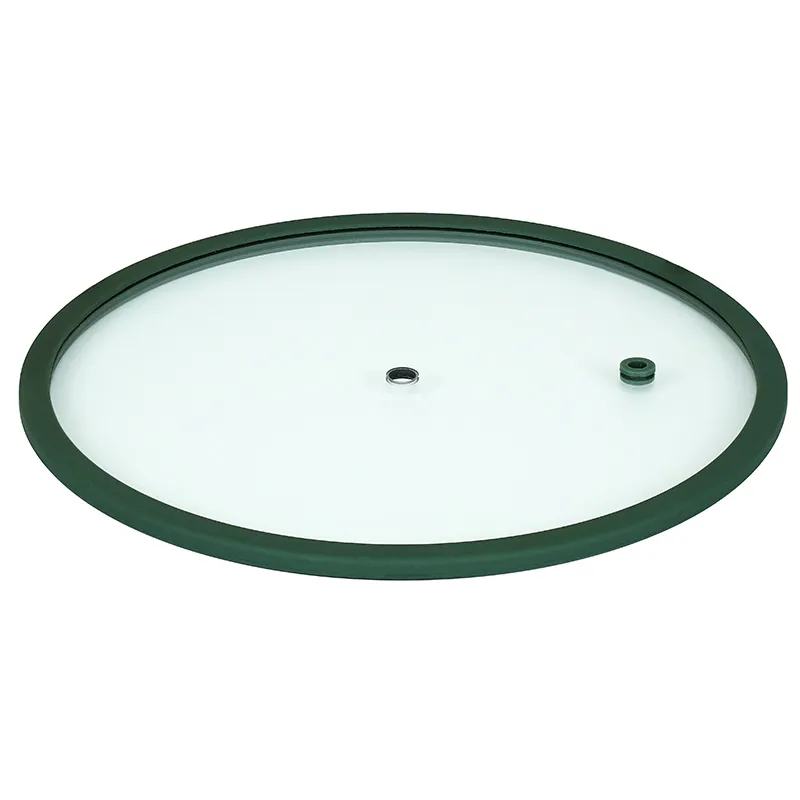
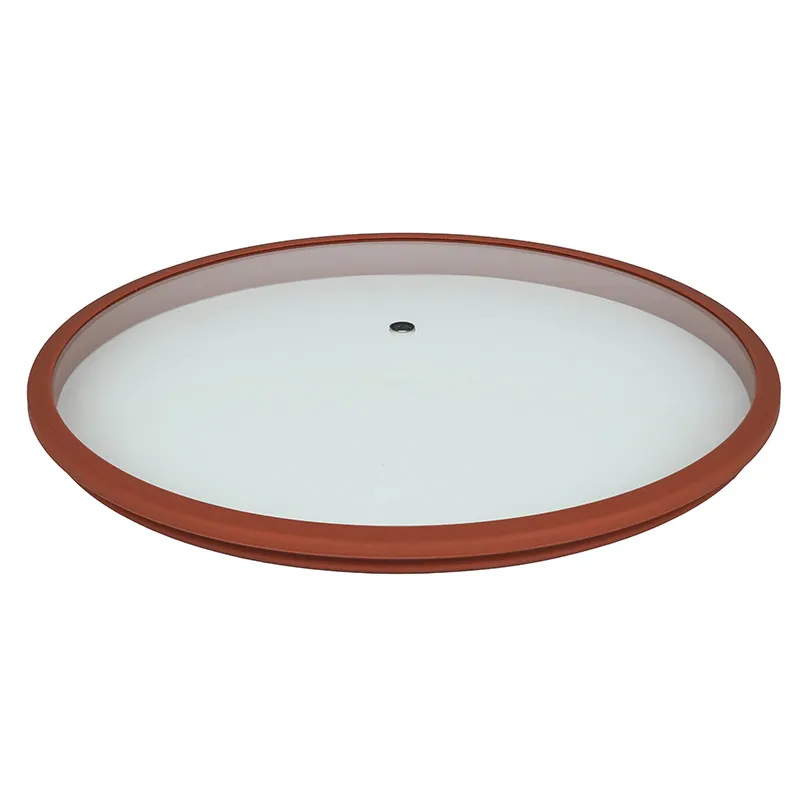
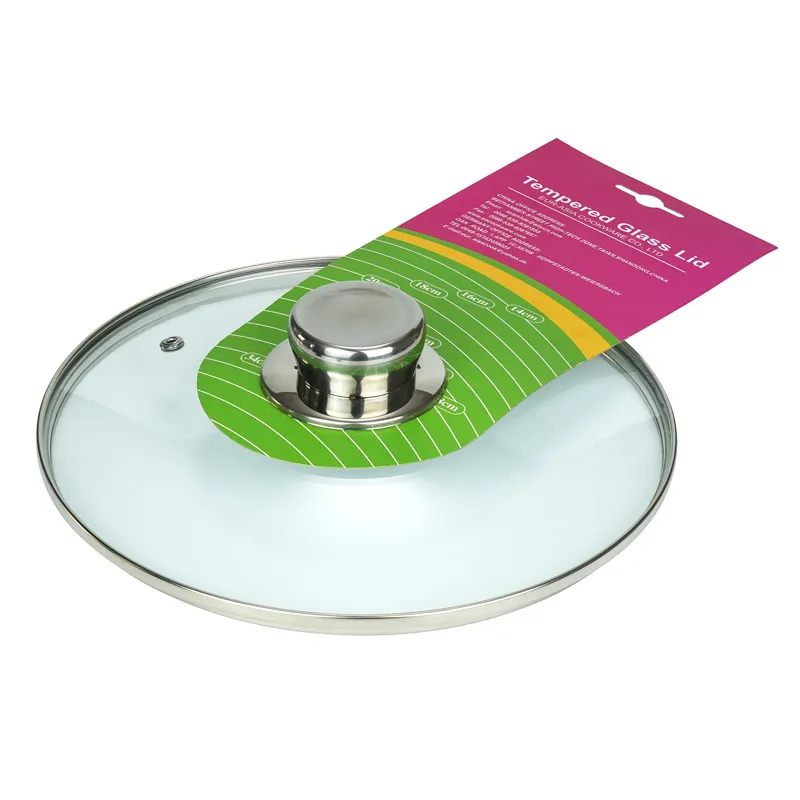
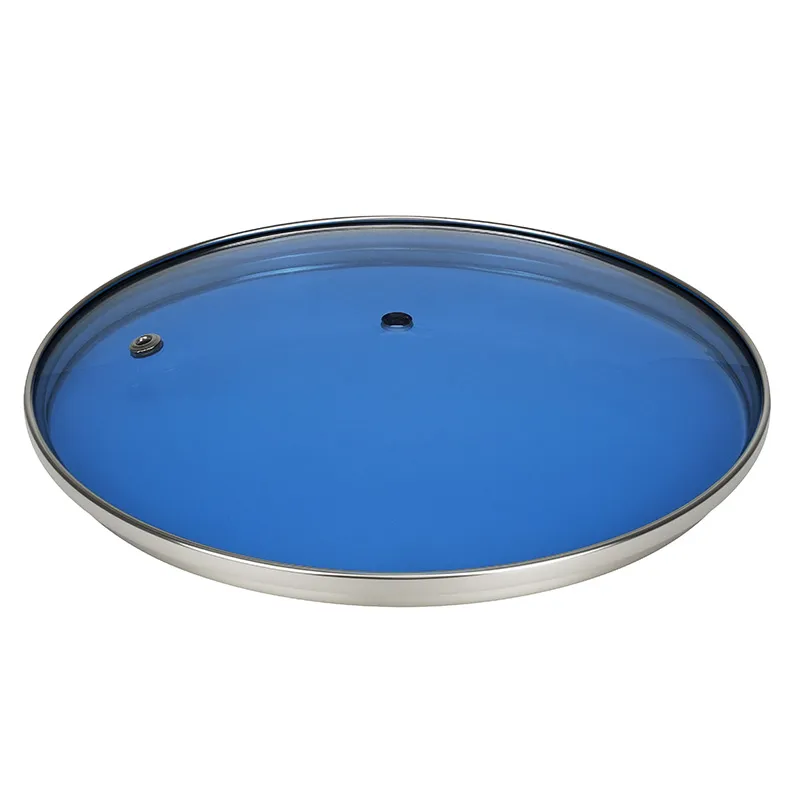
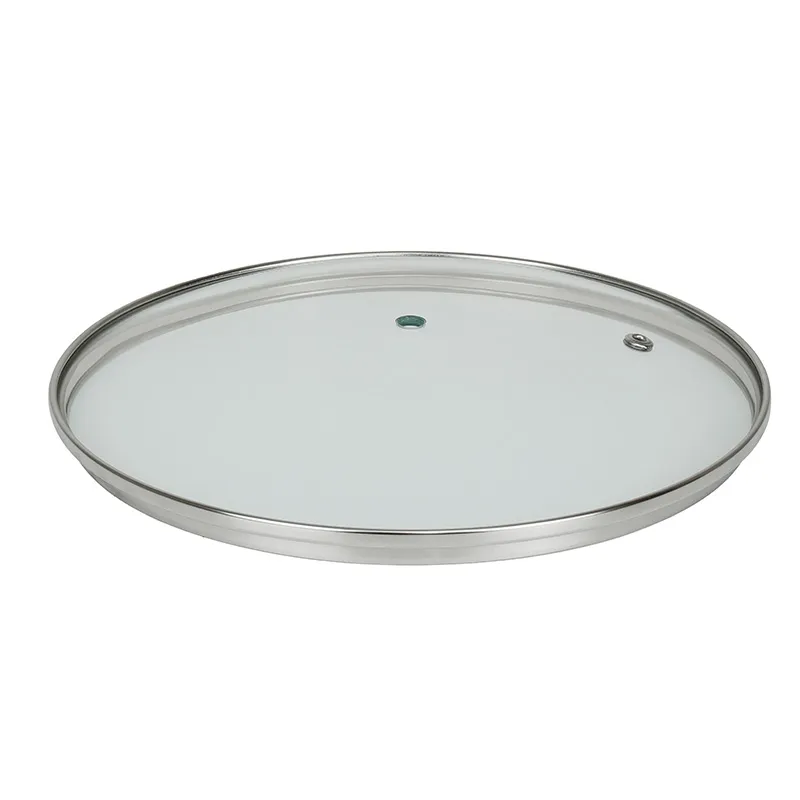
4mm thickness glass cover
When you hear '4mm thickness glass cover', it sounds straightforward, right? A spec on a datasheet. In reality, that single figure dictates everything from thermal shock resistance to the final feel in a customer's hand. I've seen too many projects where this was treated as a simple checkbox, leading to failures that could've been avoided with a bit more nuance in understanding what that 4mm truly means in a production and usage environment.
The Misconception of Standard Thickness
There's a common assumption that 4mm is just the industry standard for tempered glass lids, so it must be fine. But 'standard' doesn't mean 'uniform'. The journey from a raw glass sheet to a 4mm thickness glass cover involves cutting, edging, tempering, and sometimes printing. Each step can subtly affect the final perceived thickness and, more critically, the stress distribution. A lid that measures 4mm at the center might have slight variations at the curved edges post-tempering. If the bending radius is too tight for that thickness, you risk creating weak points that are invisible until the first major temperature swing.
I recall a batch for a European client where the lids met the 4mm spec on paper but had a higher rate of spontaneous breakage during their lab tests. The issue wasn't the thickness itself, but the tempering curve. The glass was reaching the required surface compression, but the cooling process wasn't optimized for that specific geometry, creating internal tension hotspots. It passed the basic impact test but failed the more rigorous thermal cycling. That's when you learn that the spec sheet is just the starting point for conversation.
This is where partnering with a specialized manufacturer makes a tangible difference. A company like EUR-ASIA COOKWARE CO.,LTD (you can find their portfolio at glass-lid.com), which focuses solely on household glass, typically has their tempering protocols dialed in for specific thicknesses and product types. Their production of over 15 million pieces annually across various markets means they've likely encountered and solved the peculiar failure modes associated with a 4mm thickness glass cover in cookware applications. It's this volume of practical, often troubleshooting, experience that separates a generic glass processor from a kitchenware specialist.
Thermal Performance and the 4mm Benchmark
Why 4mm for lids? It's a balance. Thinner glass heats and cools faster, increasing thermal shock risk. Thicker glass is more robust but heavier, changes temperature slower, and costs more. For most stovetop-to-oven-to-table scenarios, 4mm provides a good compromise. It has enough mass to moderate rapid temperature changes when placed on a boiling pot, but it's not so heavy that it becomes cumbersome for a saucepan lid.
The real test is in the transition from a wet, cool dishwasher to a hot, dry stovetop. That's a brutal delta. A properly tempered 4mm lid should handle that. But 'properly' is the key. The annealing during tempering must be flawless to eliminate internal stresses that the thermal cycling will exploit. We once tried to source a cheaper 4mm lid from a non-specialized supplier. They passed the initial quality checks, but in field use, a significant number developed tiny edge chips after repeated dishwasher cycles. The failure analysis pointed to residual stress at the micro-beveled edge—a detail often overlooked.
Looking at the export markets for EUR-ASIA COOKWARE, like Germany and Japan, is telling. These are markets with high consumer expectations and rigorous safety standards. The fact that over 90% of their output goes there suggests their process for a 4mm thickness glass cover is validated against some of the toughest benchmarks. A lid that survives daily use in a German kitchen has passed a very real stress test.
Weight, Feel, and the User Experience
Beyond pure physics, there's ergonomics. A 4mm glass lid has a specific heft. It feels substantial, quality. A 3mm lid can feel tinny, cheap. But it's not just about weight; it's about balance. The handle—whether stainless steel, phenolic, or silicone—must be anchored to work with that 4mm panel. I've seen designs where a beautiful, heavy-duty handle was specified, but its mounting created a point load on the glass that, over time, caused a crack to propagate from the drilling point. The thickness of the glass dictates the design of every component attached to it.
The sound it makes when placed down is another subtle cue. A thinner lid has a higher-pitched 'clink'. A good 4mm lid should have a lower, more solid 'clunk'. It's a minor detail, but in the high-end segment, these sensory details contribute to the perceived quality. Manufacturers who get this right, like those supplying the European premium brands, understand that the 4mm thickness glass cover is an integral part of the product's tactile language.
This attention to the complete user journey is evident in the scope of a specialist. For instance, EUR-ASIA COOKWARE's focus on low- medium- high level household glass products means they aren't just making a commodity. They're engineering a component that fits into a wider ecosystem of kitchenware, where feel and function are inseparable. Their 15,000㎡ facility isn't just for scale; it allows for dedicated lines where parameters for a 4mm lid can be fine-tuned separately from, say, a 3mm baking dish.
Logistics and Cost: The Hidden Impact of Thickness
Thickness directly affects packing. A 4mm lid is heavier than a 3mm one, so you fit fewer units per carton, increasing shipping cost per item. The packaging also needs to be more robust to protect the edges during transit. A common failure point in shipping isn't the center of the lid—it's the edges knocking against each other. Even with spacers, the increased mass of a 4mm lid means more momentum during drops. You need a packaging engineer who understands this, not just a standard corrugated box.
Then there's the raw material cost. It's not a linear increase from 3mm to 4mm. The yield from a mother-glass sheet changes, and the tempering energy consumption is different. A supplier with a high annual output, like the 15+ million pieces mentioned earlier, likely has optimized their raw material procurement and logistics to keep the cost of a quality 4mm thickness glass cover competitive. They buy glass in volumes that make sense for that specific thickness.
This is a practical advantage. When a kitchenware brand is scaling up, they need a supplier whose entire operation—from sourcing to shipping—is aligned with the product's core specifications. A general glass factory might switch between 2mm tabletops and 8mm shower doors, losing efficiency. A dedicated cookware glass plant runs a tighter ship.
Final Thoughts: It's About the System
So, after all this, is 4mm the magic number? For most tempered glass cookware lids, yes, it's a proven sweet spot. But specifying 4mm thickness glass cover is just the beginning. It commits you to a chain of decisions about tempering quality, edge work, handle integration, packaging, and cost structure. The thickness is the backbone of the product's performance profile.
The real expertise lies in executing that spec consistently across millions of units, under varying global safety standards and user habits. That's what separates a component from a reliable product. When evaluating a source, you're not just buying glass cut to 4mm; you're buying their accumulated knowledge of how to make that specific dimension perform and survive in a kitchen. Their list of export destinations and annual production volume, as seen with a specialist like EUR-ASIA COOKWARE, becomes a proxy for that real-world validation.
In the end, the goal is for the user to never think about the 4mm. The lid should just work, feel right, and last. When that happens, it means every detail behind that single-number specification has been properly considered.
Related Products
Related Products