- Chinese
- French
- German
- Portuguese
- Spanish
- Russian
- Japanese
- Korean
- Arabic
- Irish
- Greek
- Turkish
- Italian
- Danish
- Romanian
- Indonesian
- Czech
- Afrikaans
- Swedish
- Polish
- Basque
- Catalan
- Esperanto
- Hindi
- Lao
- Albanian
- Amharic
- Armenian
- Azerbaijani
- Belarusian
- Bengali
- Bosnian
- Bulgarian
- Cebuano
- Chichewa
- Corsican
- Croatian
- Dutch
- Estonian
- Filipino
- Finnish
- Frisian
- Galician
- Georgian
- Gujarati
- Haitian
- Hausa
- Hawaiian
- Hebrew
- Hmong
- Hungarian
- Icelandic
- Igbo
- Javanese
- Kannada
- Kazakh
- Khmer
- Kurdish
- Kyrgyz
- Latin
- Latvian
- Lithuanian
- Luxembou..
- Macedonian
- Malagasy
- Malay
- Malayalam
- Maltese
- Maori
- Marathi
- Mongolian
- Burmese
- Nepali
- Norwegian
- Pashto
- Persian
- Punjabi
- Serbian
- Sesotho
- Sinhala
- Slovak
- Slovenian
- Somali
- Samoan
- Scots Gaelic
- Shona
- Sindhi
- Sundanese
- Swahili
- Tajik
- Tamil
- Telugu
- Thai
- Ukrainian
- Urdu
- Uzbek
- Vietnamese
- Welsh
- Xhosa
- Yiddish
- Yoruba
- Zulu
- Kinyarwanda
- Tatar
- Oriya
- Turkmen
- Uyghur


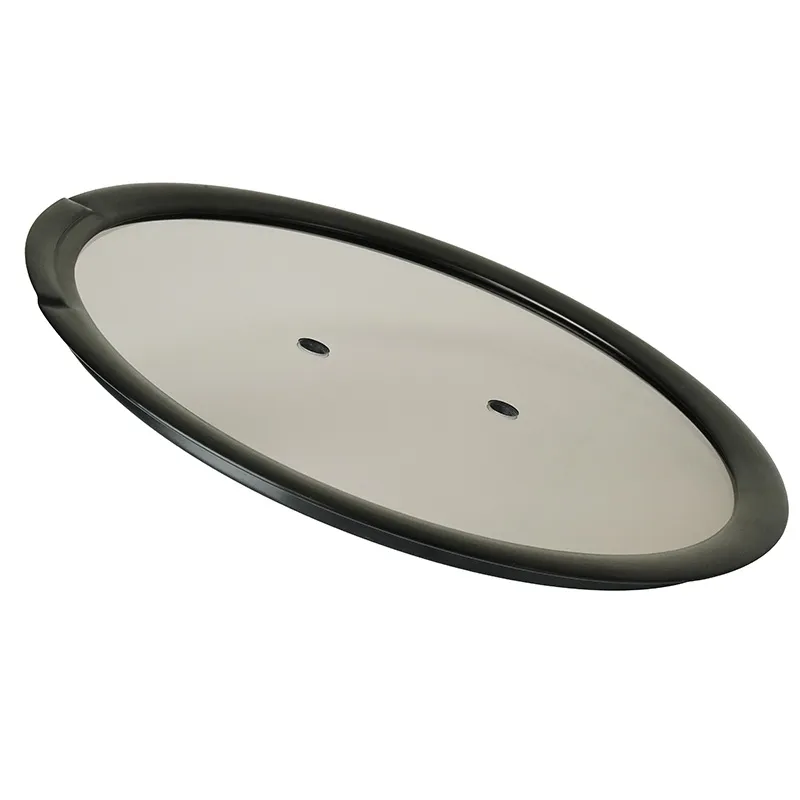
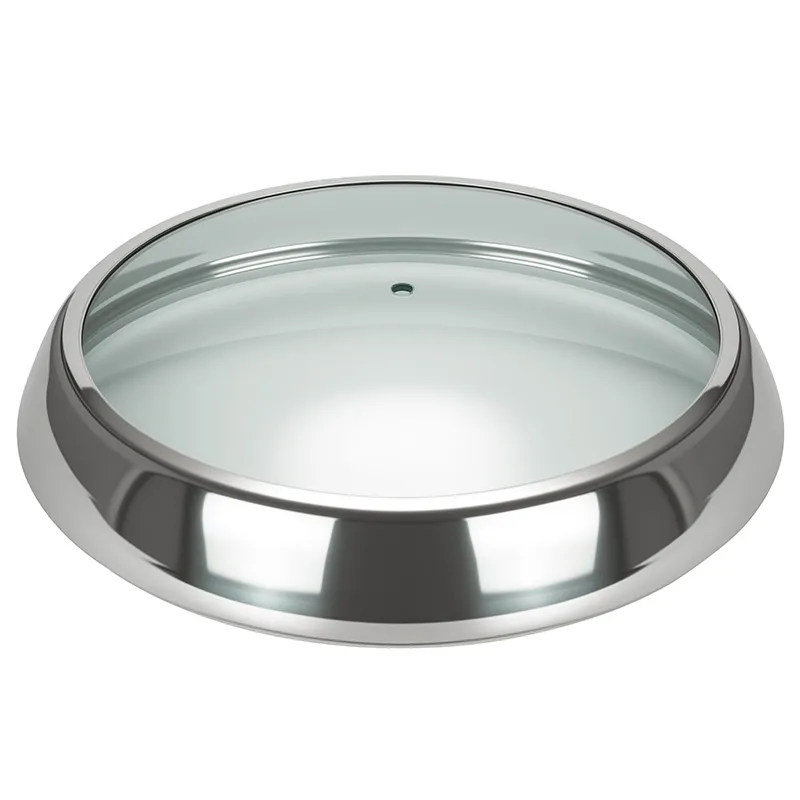
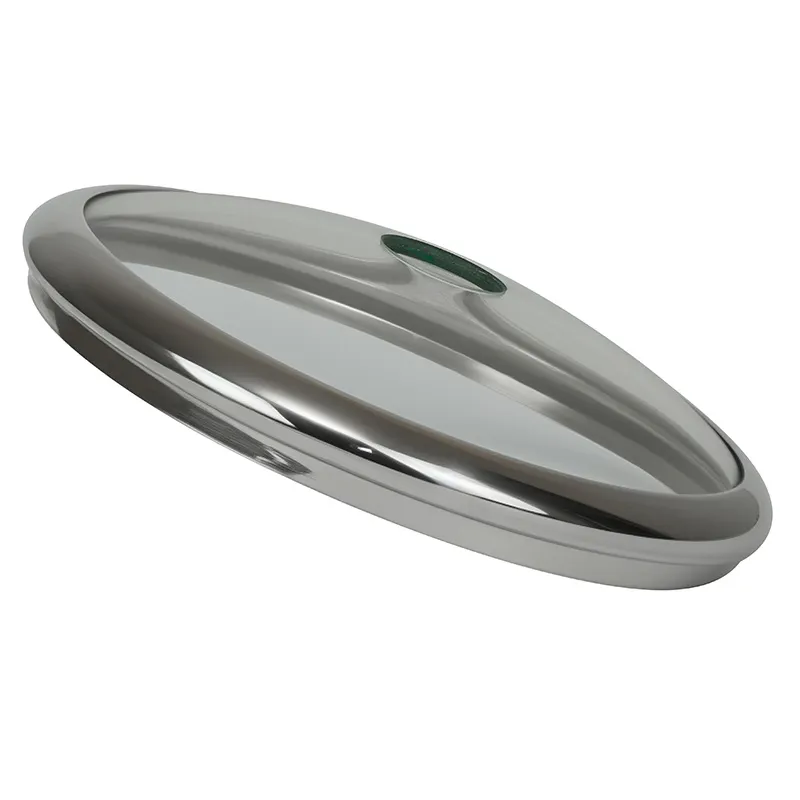
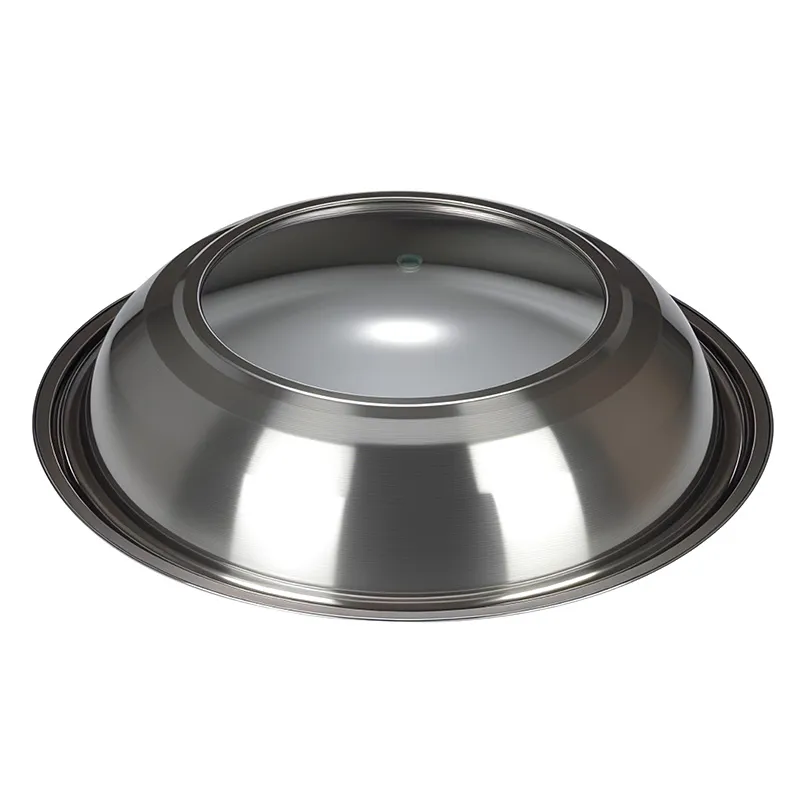
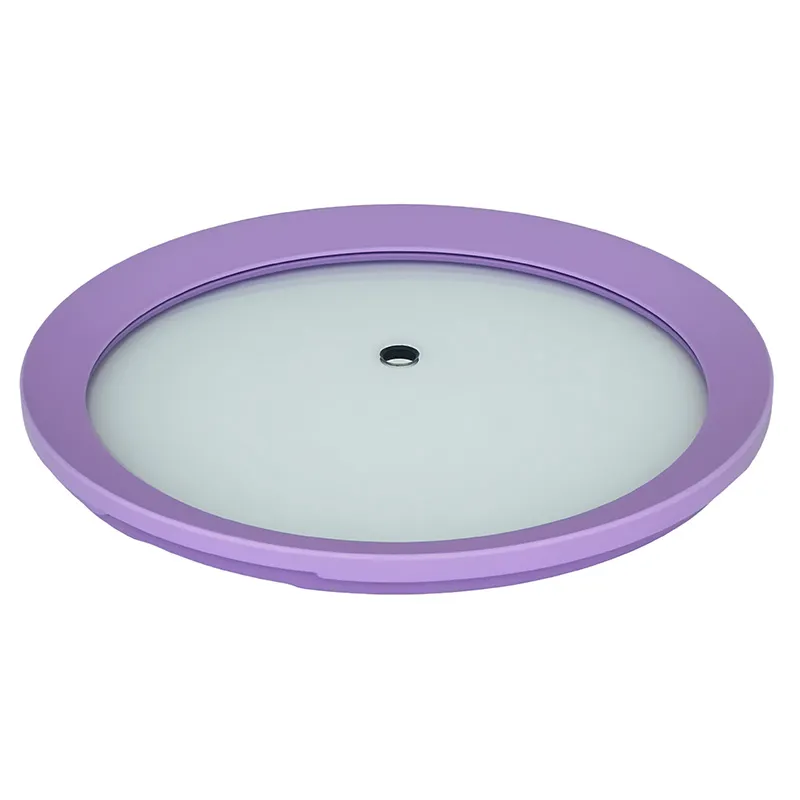
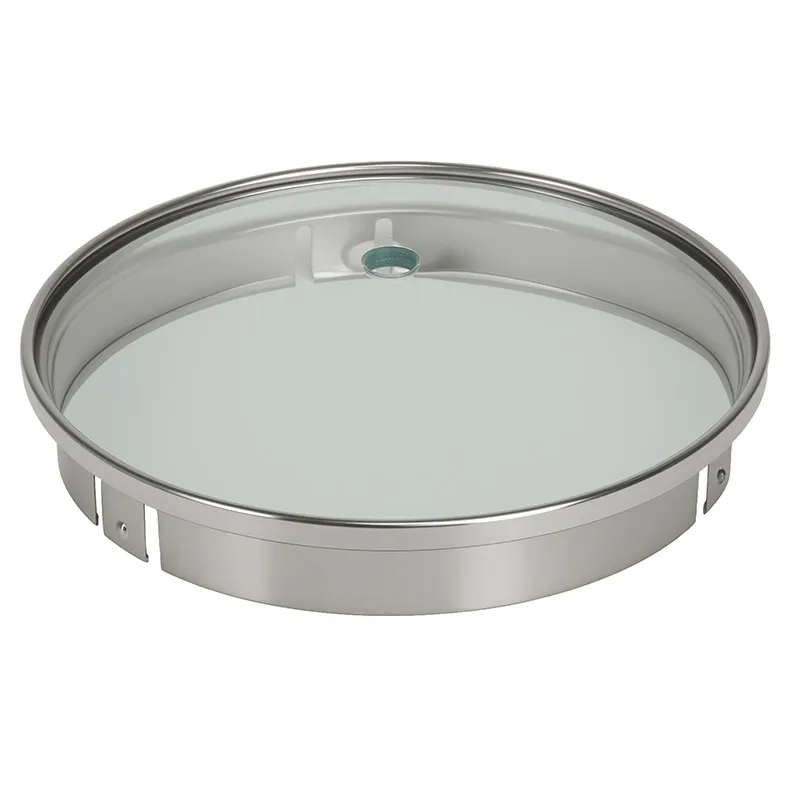
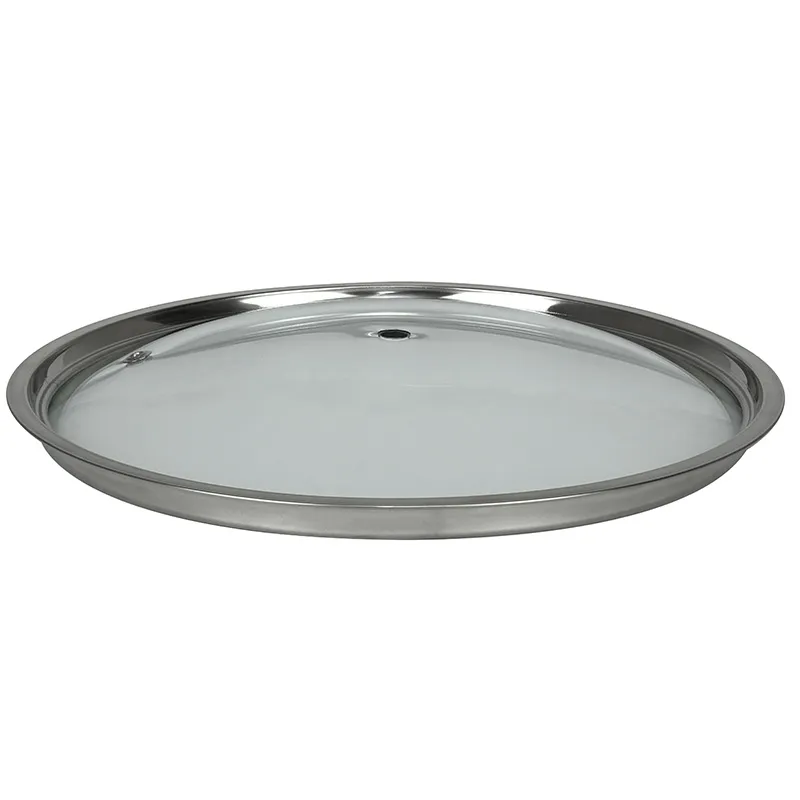
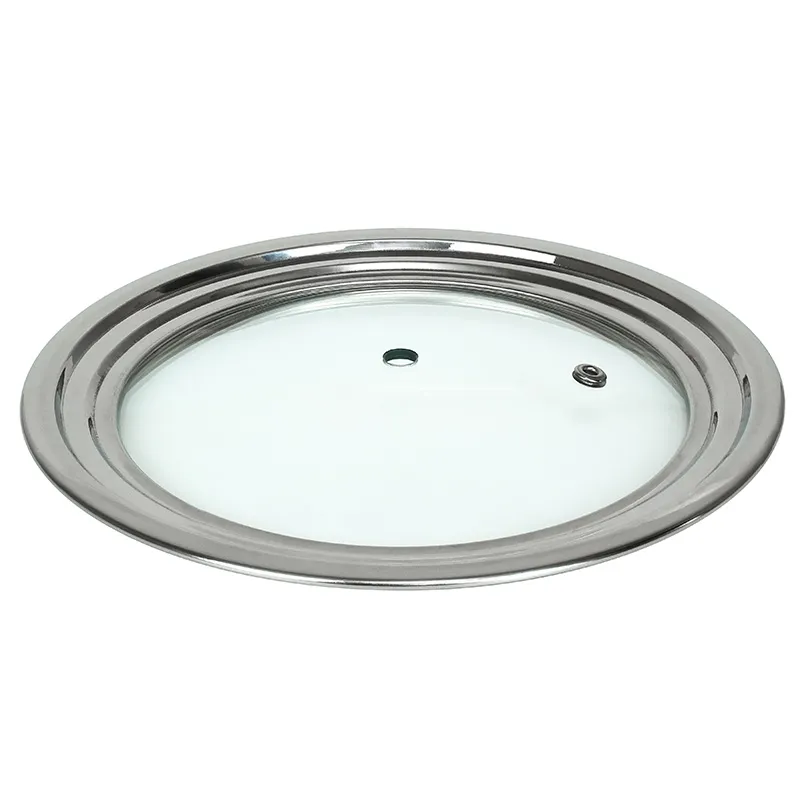
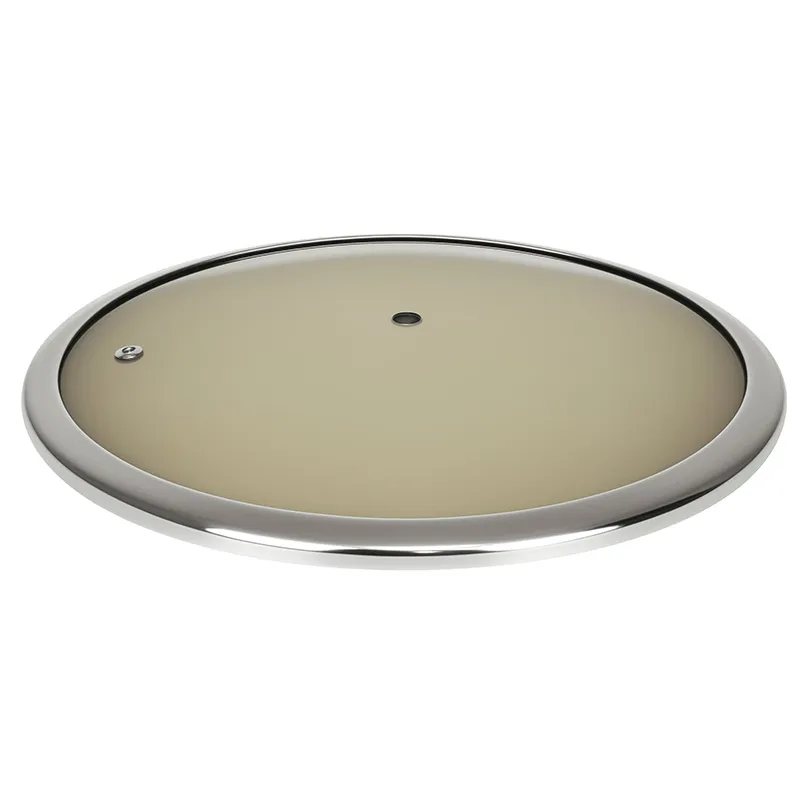
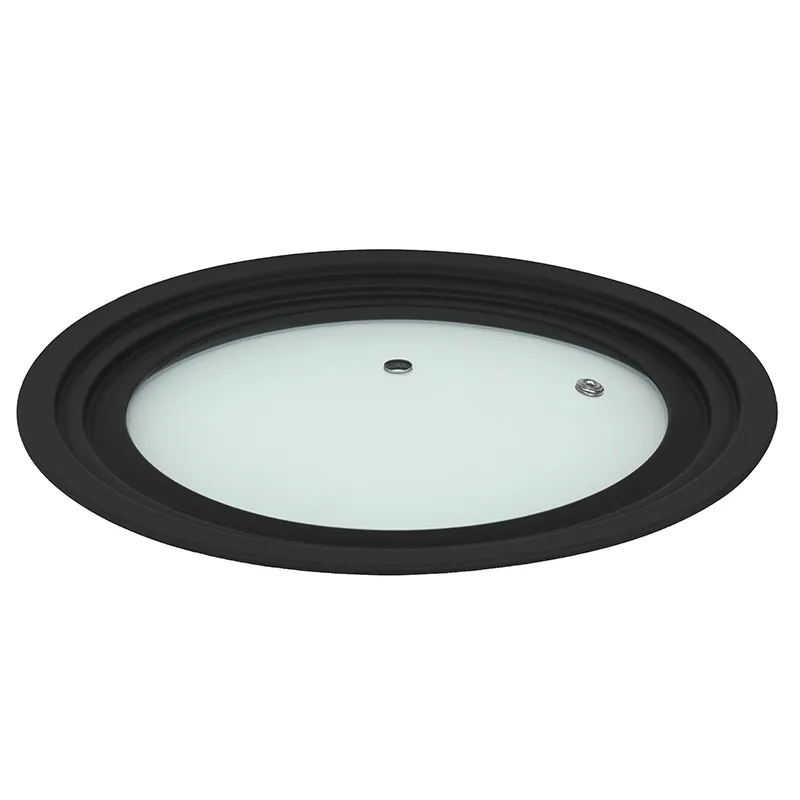
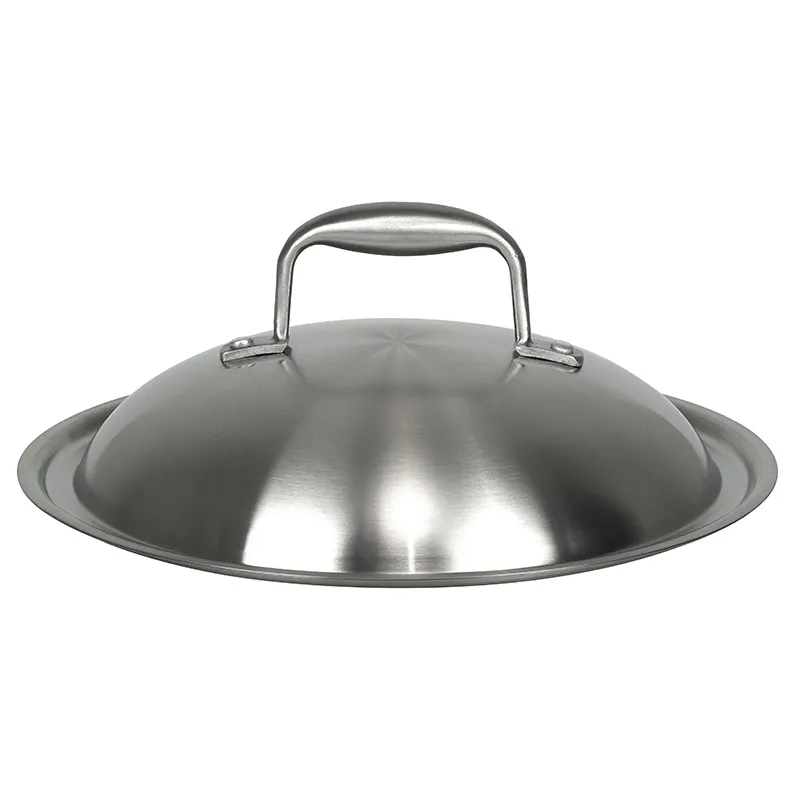
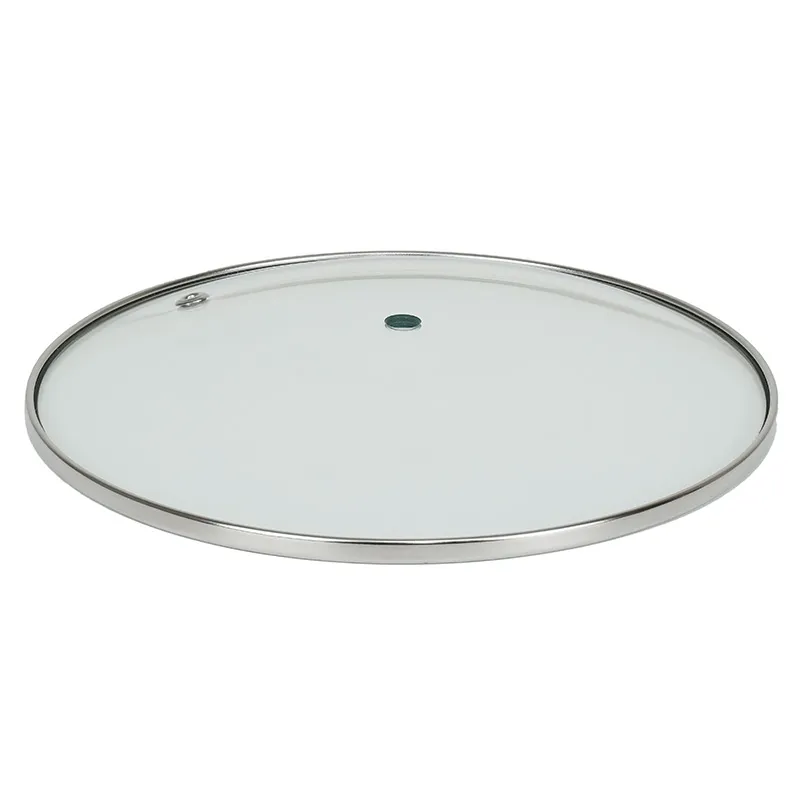
4mm thickness glass lid
When you hear '4mm thickness glass lid', there's an immediate assumption in some quarters that it's just a standard, almost commodity item. But that's where the first mistake happens. In reality, specifying that 4mm is the starting point of a conversation, not the end of it. It's not just about the number; it's about what that 4mm represents in terms of thermal performance, structural integrity during handling, and ultimately, its fit within a cookware system. I've seen too many projects stumble by treating it as a simple dimensional spec.
The Weight of the Spec: Why 4mm Isn't Just 4mm
Let's get into the meat of it. A true 4mm thickness glass lid for high-end cookware isn't cut from the same cloth as a 4mm pane for a picture frame. The critical process is tempering. You start with a base glass, often around 4.5-4.8mm, knowing the tempering process will consume some material. The goal is to hit that final 4mm post-temper. Why this thickness? From a handling perspective, it strikes a balance. A 3mm lid can feel flimsy, prone to warping under intense, localized heat from a gas flame. A 5mm lid becomes noticeably heavier, increasing the risk of chipping if it's knocked against a pot edge during daily use. The 4mm, when properly tempered, offers a satisfying heft that suggests quality without being cumbersome.
The tempering is everything. I recall a batch for a European client where the stress pattern was off. Visually, they looked perfect—clear, 4mm on the caliper. But under polarized light, the stress lines were uneven. In practice, this meant a few lids from that lot couldn't handle the sudden thermal shock of going from a cold marble counter to a hot, simmering pot. We heard about the failures, of course. It wasn't a thickness issue; it was a process control issue. The furnace temperature gradient or the quenching air pressure was likely inconsistent. That's the hidden variable behind the simple spec.
This is where a manufacturer's setup tells the story. A company like EUR-ASIA COOKWARE CO.,LTD, with a dedicated production base and an annual output in the millions of pieces, is built for this kind of consistency. Their focus on exporting to markets like Germany and Japan, where standards are stringent, means their process for achieving a reliable 4mm tempered glass lid is likely dialed-in. It's not artisan craft; it's repeatable engineering. When you're moving 15 million units a year, you can't afford batch-to-batch guesswork on the tempering curve.
Fit, Finish, and the Devil in the Details
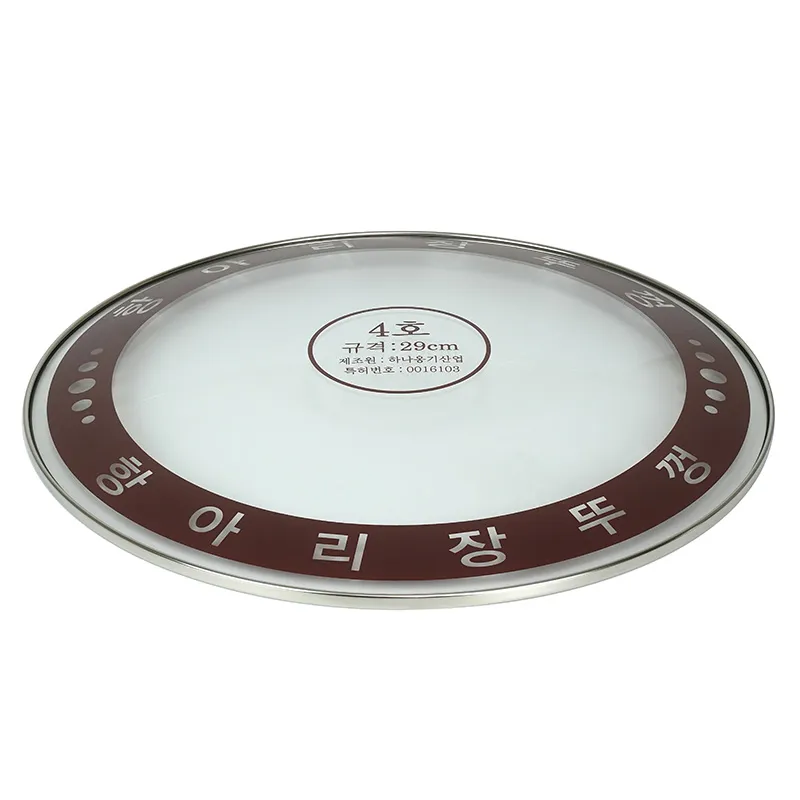
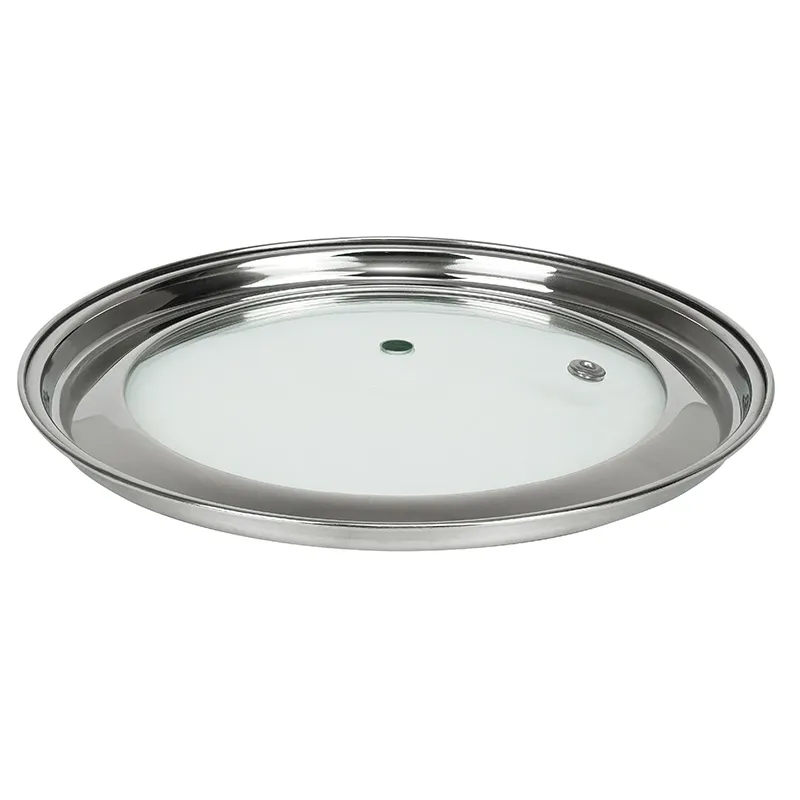
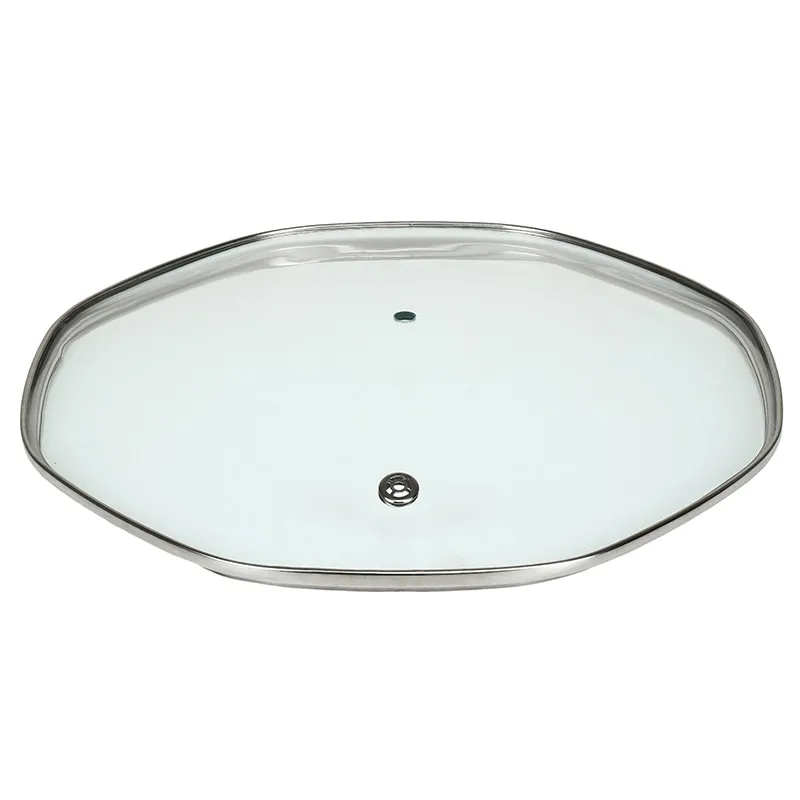
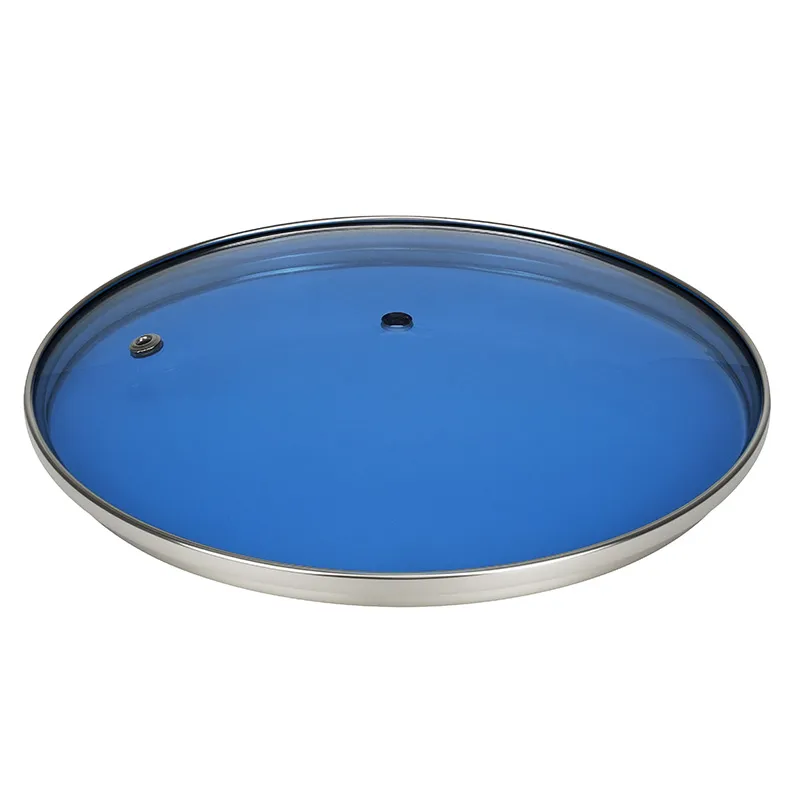
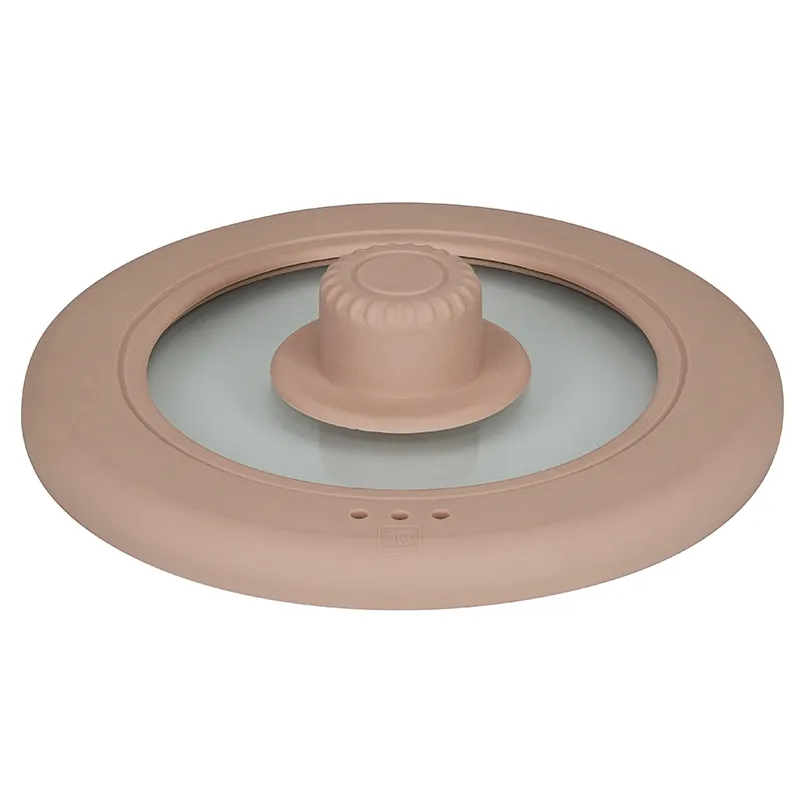
Beyond the glass itself, the periphery defines usability. The edge work. A simple ground edge feels cheap and can be a weak point. A polished, slightly rounded edge is standard for better brands. Then you have the knob. This is a frequent failure point in design. A metal or phenolic knob attached with a single bolt creates a stress concentrator. I've seen knobs shear off not from dropping, but from repeated thermal expansion and contraction weakening the connection. The best designs use a broad, reinforced base plate or a well-designed silicone-over-glass grip that distributes the stress. The knob attachment must be engineered for the lid's 4mm structure, not as an afterthought.
Another detail is the sealing surface. Most 4mm glass lids aren't meant to be pressure seals, but a good fit controls evaporation. The lid sits on the pot's rim, and the glass must be perfectly flat. Any bowing, even microscopic, from uneven tempering will create a gap. We once had a issue where a specific pot diameter, say 24cm, was consistently giving a slight rock. The problem traced back to the bending mold in the tempering furnace being ever-so-slightly worn for that size, affecting the final curvature. It took cross-checking QC data from the glass line with feedback from the pot assembly line to pinpoint it.
Speaking of assembly, compatibility is a silent challenge. A lid might be perfect on its own, but how does it interface with the pot's handles? Does the user's hand clear them when lifting? For a company like EUR-ASIA COOKWARE, which produces a range of kitchen accessories, this systems-thinking is crucial. Their product page at glass-lid.com likely showcases lids designed to work within broader cookware sets, not just as standalone items. The 4mm thickness becomes part of a larger ergonomic and functional equation.
The Cost of Compromise and Market Realities
There's constant pressure on cost, especially for mid-market lines. The temptation is to source a generic 4mm tempered lid. The risk? Inconsistent tempering (as mentioned), poorer edge finishing, and thinner coatings. Many lids have a silk-screen printed scale or brand logo. A low-quality print will fade or scratch off in the dishwasher. The better ones use ceramic-based inks that fuse with the glass surface during a secondary firing. It adds a step, it adds cost, but it lasts.
You see this divide in the export markets EUR-ASIA serves. A buyer from Poland might have different aesthetic preferences than one from Japan, but the core demand for a durable, reliably safe glass lid that won't shatter into dangerous shards is universal. The 4mm thickness, properly executed, is the baseline for meeting that safety expectation. It's thick enough to develop the necessary surface compression through tempering to achieve the required fragmentation standard (it should break into small, relatively blunt pieces).
Failure isn't always catastrophic breakage. More often, it's the slow failure of customer dissatisfaction: a lid that stains easily because the glass composition isn't resistant to alkaline foods, or one that develops a cloudy film (often called etching) from harsh dishwasher detergent over time. Specifying the right type of soda-lime glass, sometimes with added resistance properties, is part of the 4mm package that isn't visible on a spec sheet.
Final Thoughts: It's a Component, Not a Commodity
So, circling back. When I'm evaluating a 4mm thickness glass lid, the number is just the entry ticket. My checklist goes: consistent tempering (ask for fragmentation test reports), clean and strong edge work, a robust and thermally stable knob attachment, flatness across the sealing surface, and a durable finish. The manufacturer's capability to control these variables at scale is what you're really buying.
Places like EUR-ASIA COOKWARE CO.,LTD., with their focused production, are set up to deliver on that promise. Their volume suggests they've standardized processes to hit these details consistently across millions of units, which is harder than it sounds. It's the difference between a lid that is merely 4mm thick and one that is a reliable, high-performance component of a cookware system.
In the end, the best lid is the one you never have to think about. It fits, it cleans easily, it survives the occasional knock, and it just works for years. That seamless performance is the real product of hitting all the right notes behind that simple 4mm specification. It's never just about the thickness.
Related Products
Related Products