- Chinese
- French
- German
- Portuguese
- Spanish
- Russian
- Japanese
- Korean
- Arabic
- Irish
- Greek
- Turkish
- Italian
- Danish
- Romanian
- Indonesian
- Czech
- Afrikaans
- Swedish
- Polish
- Basque
- Catalan
- Esperanto
- Hindi
- Lao
- Albanian
- Amharic
- Armenian
- Azerbaijani
- Belarusian
- Bengali
- Bosnian
- Bulgarian
- Cebuano
- Chichewa
- Corsican
- Croatian
- Dutch
- Estonian
- Filipino
- Finnish
- Frisian
- Galician
- Georgian
- Gujarati
- Haitian
- Hausa
- Hawaiian
- Hebrew
- Hmong
- Hungarian
- Icelandic
- Igbo
- Javanese
- Kannada
- Kazakh
- Khmer
- Kurdish
- Kyrgyz
- Latin
- Latvian
- Lithuanian
- Luxembou..
- Macedonian
- Malagasy
- Malay
- Malayalam
- Maltese
- Maori
- Marathi
- Mongolian
- Burmese
- Nepali
- Norwegian
- Pashto
- Persian
- Punjabi
- Serbian
- Sesotho
- Sinhala
- Slovak
- Slovenian
- Somali
- Samoan
- Scots Gaelic
- Shona
- Sindhi
- Sundanese
- Swahili
- Tajik
- Tamil
- Telugu
- Thai
- Ukrainian
- Urdu
- Uzbek
- Vietnamese
- Welsh
- Xhosa
- Yiddish
- Yoruba
- Zulu
- Kinyarwanda
- Tatar
- Oriya
- Turkmen
- Uyghur


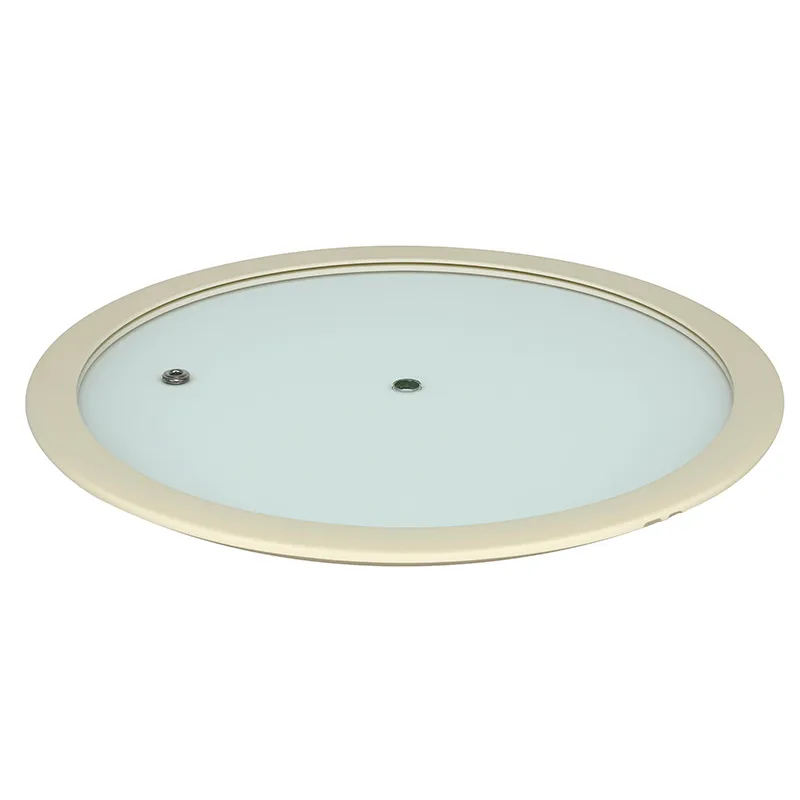
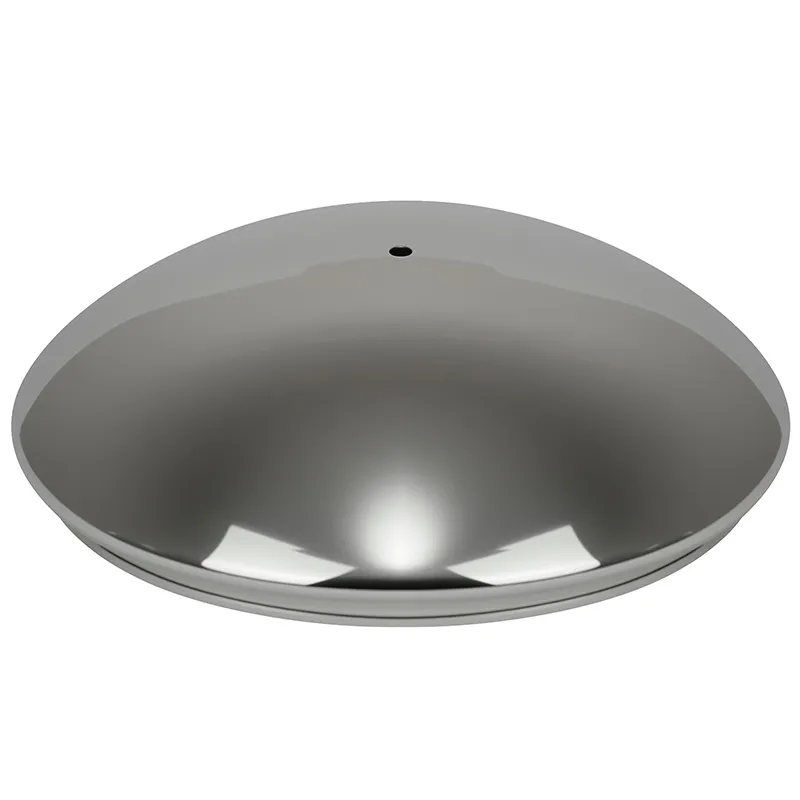
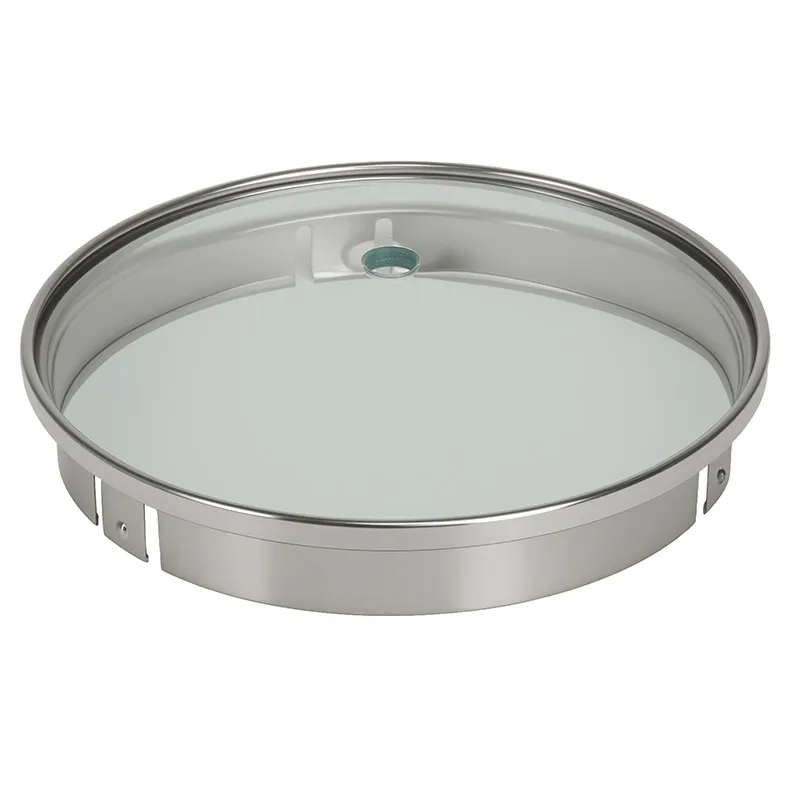
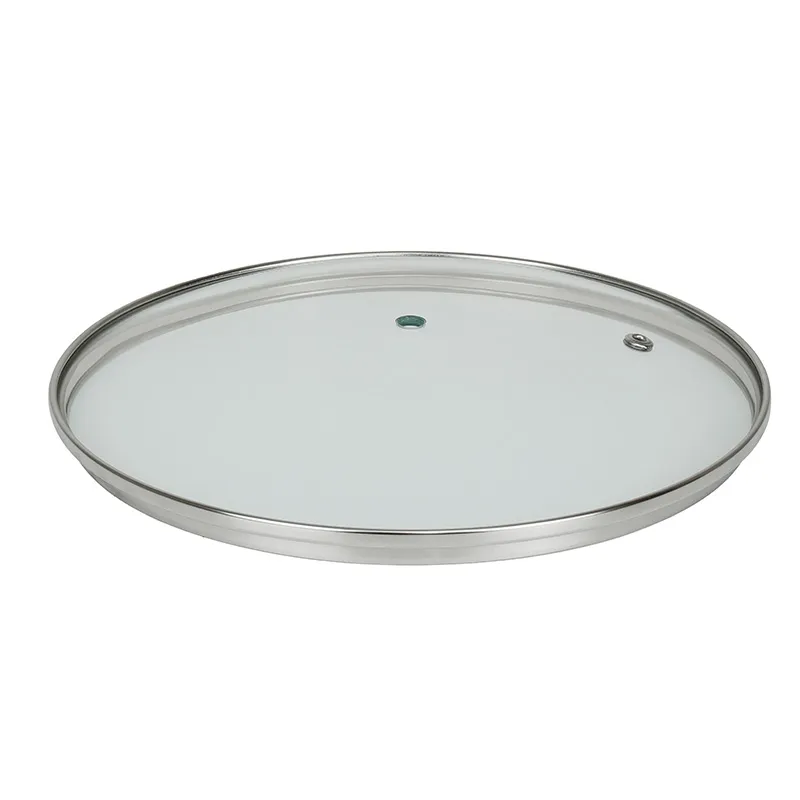
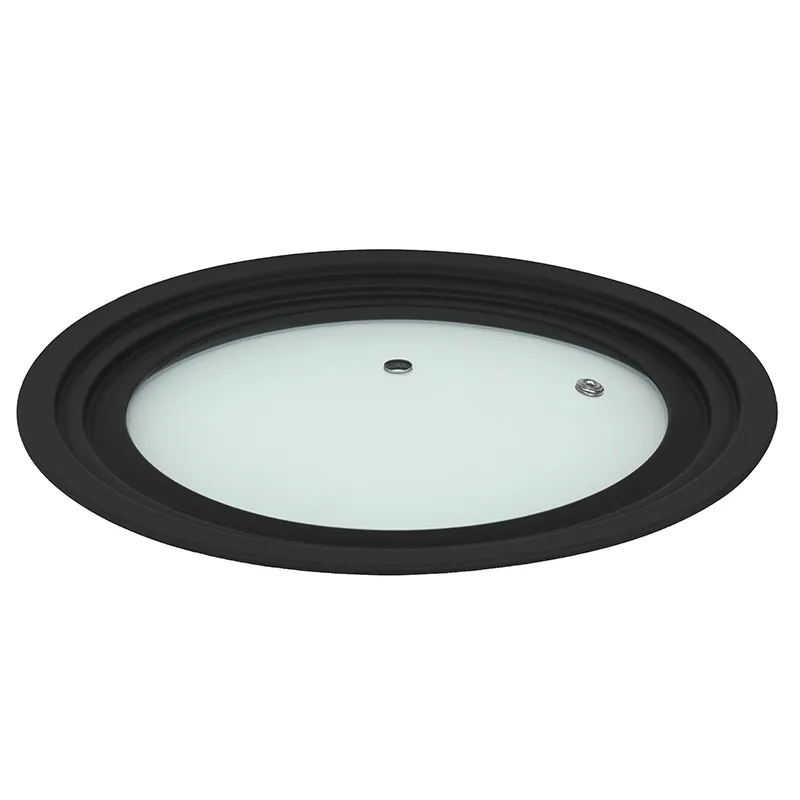
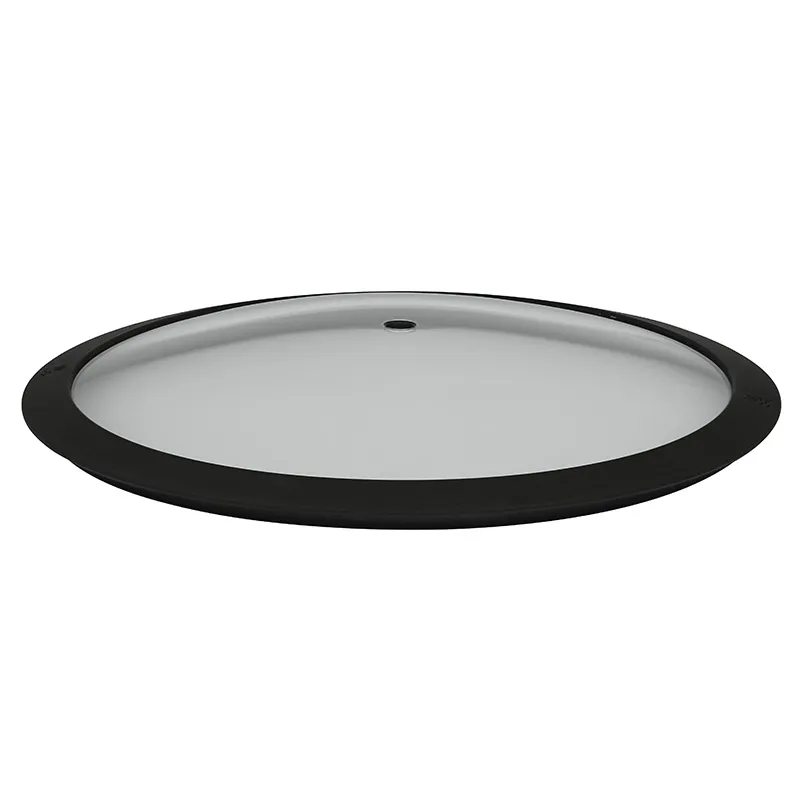
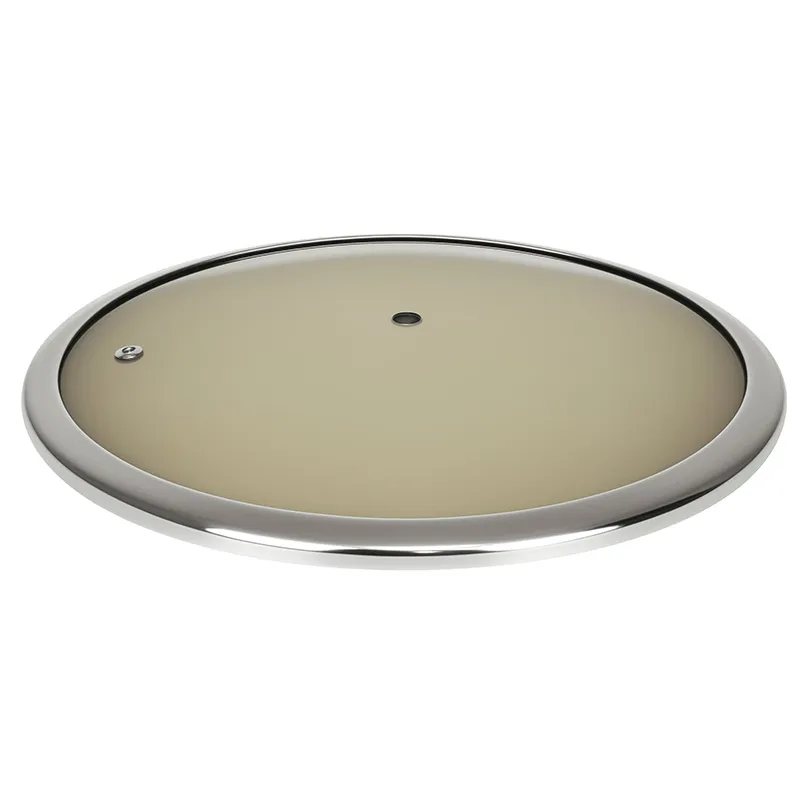
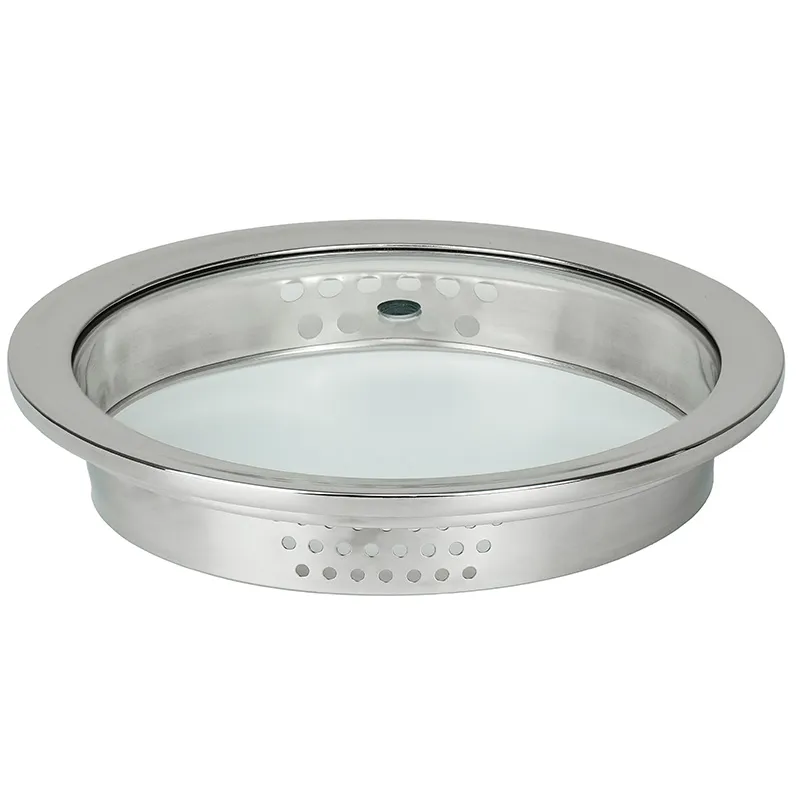
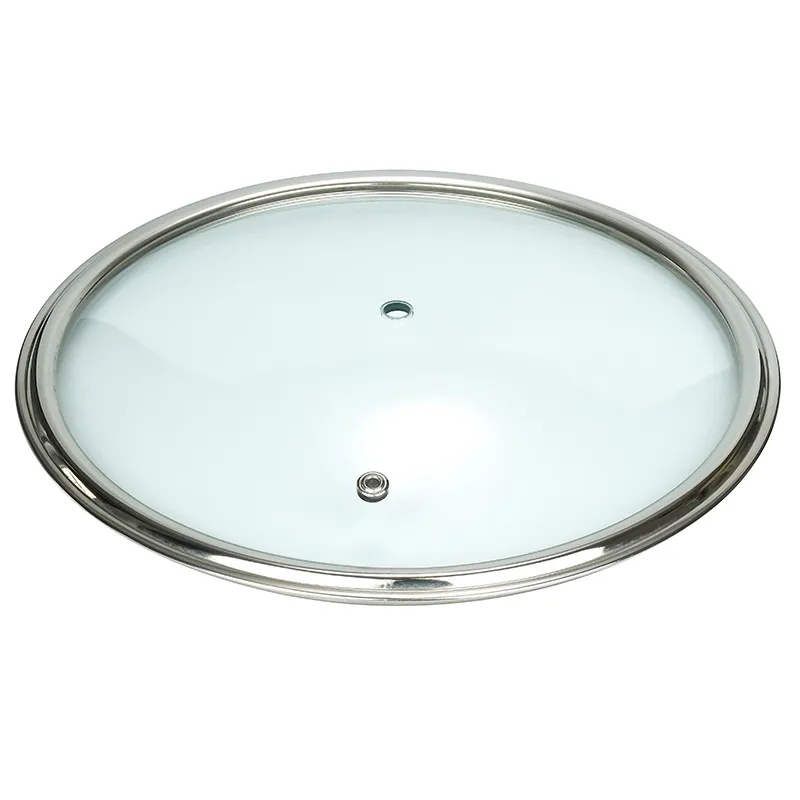
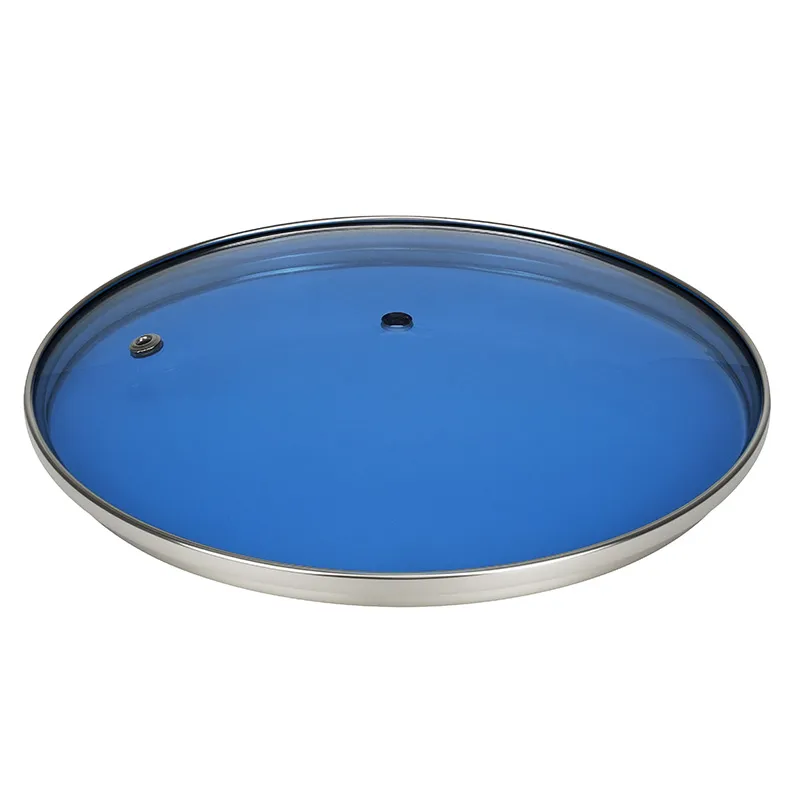
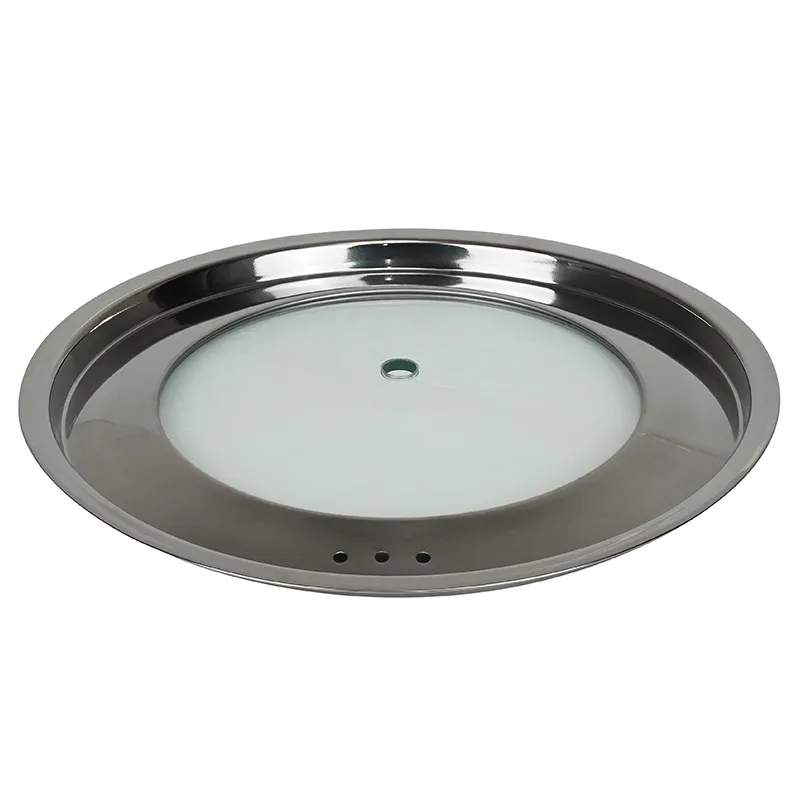
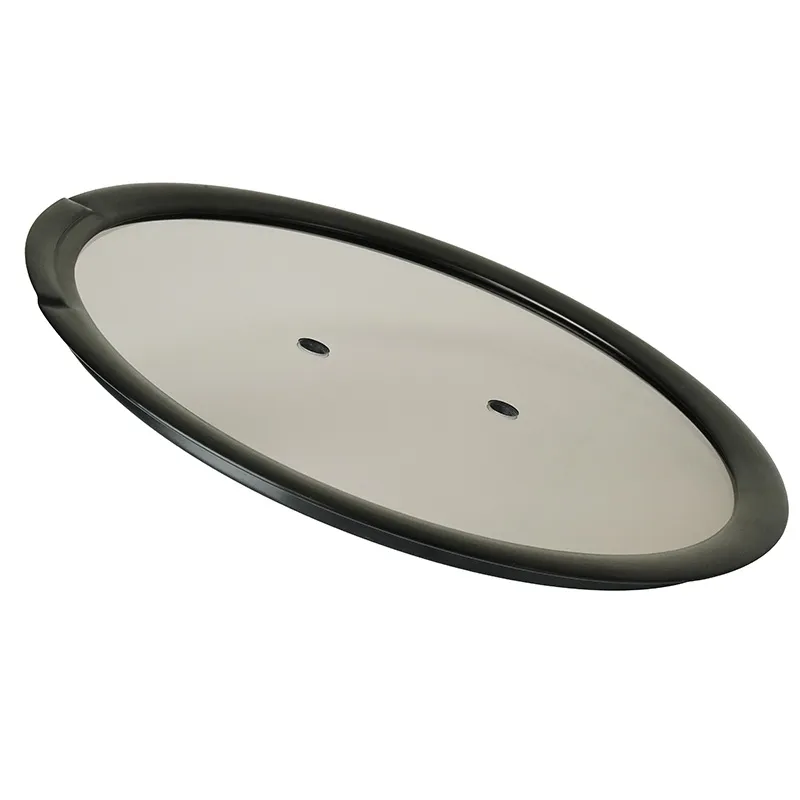
4mm thickness tempered glass cover
When someone specifies a '4mm thickness tempered glass cover', they often think they're just ordering a piece of thick, strong glass. The reality is more nuanced, and getting it wrong means dealing with breakage, thermal shock failures, or just a lid that feels wrong in the hand. It's not just a spec on a sheet; it's a functional component with a surprising number of variables.
The Weight of a Millimeter
Why 4mm? It's a common sweet spot, but not a universal rule. In cookware lids, for instance, it provides enough heft to feel premium and resist warping under heat, yet it's not so heavy that it becomes cumbersome for daily use. I've seen clients insist on 5mm for a 'more solid feel', only to have their OEMs complain about increased shipping costs and users complaining about wrist fatigue. The 4mm thickness often emerges from a practical compromise between durability, function, and economics.
But '4mm' is a nominal figure. The actual measurement after tempering can vary, typically within a ±0.2mm tolerance. This isn't a defect; it's a characteristic of the process. If you're designing a silicone gasket or a clamp mechanism, you must account for this. I recall a project for a high-end coffee press where the designer's CAD model assumed a perfect 4.00mm. The first production batch of tempered glass cover units wouldn't seal because the real-world glass was 4.15mm on average, just enough to throw off the compression. We had to adjust the groove depth.
The tempering process itself changes the glass. A 4mm thick soda-lime glass sheet goes into the furnace and comes out with those characteristic surface stresses. This is what gives it its safety and strength. However, this also means all edge work, holes, or notches must be done before tempering. Once it's tempered, you cannot cut or drill it. I've had frantic calls from small brands who received a shipment of beautiful 4mm thickness tempered glass lids, only to realize they forgot to specify the steam vent hole. The entire batch was useless for their saucepan application.
Material and Clarity: Beyond Just Thickness
Thickness gets the headline, but the glass material is the lead actor. For most household cookware lids, it's clear, low-iron tempered glass. The 'low-iron' part is crucial for achieving that water-white clarity without a greenish tint, which is a market expectation for premium products. A company like EUR-ASIA COOKWARE CO.,LTD, which exports over 90% of its output to markets like Germany and Japan, has to nail this. Their production base in Shandong's high-tech zone likely has strict raw material controls to meet those European and Asian aesthetic standards.
Clarity isn't just about looks. A cloudier glass makes it harder to monitor cooking without lifting the lid, which defeats a key purpose. I've evaluated samples where the clarity was subpar, and it always traced back to the raw glass quality or contamination during processing. The product description for EUR-ASIA mentions low- medium- high level household glass products, which in industry parlance often correlates directly with the grade of raw glass and the precision of processing—directly impacting clarity and consistency.
Then there's the coating. Many tempered glass cover units for cookware have a silicone print or a full gasket around the rim. The adhesion of this silicone to the glass is critical. The glass surface must be perfectly clean and sometimes treated. The thickness of the glass (our 4mm subject) influences the thermal mass and how the glass and silicone expand at different rates during heating. A poorly matched system leads to the silicone peeling off after a few dishwasher cycles. It's a common failure point that separates a good supplier from a great one.
Thermal Performance and the Myth of Unbreakability
Tempered does not mean indestructible. It means it's much stronger than annealed glass and will shatter into small, relatively blunt pieces instead of sharp shards. A 4mm thickness tempered glass lid can typically handle a significant thermal shock differential—say, going from a 200°C oven to a cool, wet countertop. But the limit exists. The most common cause of failure I've seen isn't heat, but impact on the edge. The edges are the weakest point of a tempered glass panel.
This is where design matters. A flat, square-edged 4mm lid is far more prone to chipping or breaking from a tap against a faucet than one with a gently rounded or polished edge. Many of the lids produced for the European market, like those from EUR-ASIA's line, feature these rounded safety edges as a standard. It's a small detail that drastically improves durability in real-world, clumsy-kitchen scenarios.
Another misconception is about maximum temperature. Tempered glass can withstand high continuous heat (often up to 250-300°C), but rapid, uneven temperature change is the enemy. Placing a hot lid on a cold granite slab or splashing cold water on it directly from the stove is asking for trouble. The stress distribution gets chaotic and can cause a spontaneous break. Good product manuals warn against this, but it's a frequent source of customer complaints, often wrongly attributed to a manufacturing defect.
The Manufacturing Reality: Volume and Consistency
Producing 15 million pieces annually, as EUR-ASIA's intro states, is a massive operation. It speaks to a highly automated process. At that scale, consistency is the real challenge. Every single 4mm thickness tempered glass cover needs to have the same physical dimensions, the same stress pattern, the same clarity. Achieving this requires more than just a big furnace; it needs process control, statistical quality checks, and a solid understanding of the material's behavior.
The location in a National High-tech Development Zone isn't just an address. It often implies access to better infrastructure, more skilled labor, and potentially stricter environmental and operational regulations. For a buyer, this can translate to more reliable supply and better overall quality control compared to a smaller, less regulated workshop. When you're sourcing millions of units for export to Germany or Japan, this stability is non-negotiable.
Failure in high-volume manufacturing isn't about a single broken lid; it's about statistical failure rates. A 1% defect rate on 15 million pieces is 150,000 faulty items. Good manufacturers implement checks at multiple stages: after cutting, after edging, after tempering (often using a polariscope to check stress patterns), and after final assembly. The goal is to catch issues before they become a container-load problem. I've been in factories where the final inspection is just a quick visual check, and the results in the field are predictable—high return rates.
Application and the End-User's Hand
Finally, it all comes down to how the lid feels and functions. A 4mm tempered glass cover for a stockpot has different requirements than one for a small butter dish. The stockpot lid needs a robust handle that can withstand the heat transferred from the glass, and the glass itself needs to be large enough that its weight is noticeable. The 4mm thickness here provides the necessary rigidity across a large diameter to prevent sagging.
The handle attachment is its own engineering challenge. It's usually a stainless steel or heat-resistant plastic knob attached with a bolt and nut. The hole for this bolt is a stress concentrator, which is why it must be drilled before tempering. The washer used must distribute the clamping force evenly to avoid creating a point of high stress that could trigger breakage. It seems trivial, but I've seen batches fail because a supplier changed to a cheaper, smaller washer.
In the end, when you hold a well-made 4mm tempered glass lid, you feel a satisfying, substantial weight. You can see the cooking food clearly without distortion. It sits flush on the pot. It survives the oven, the dishwasher, and the occasional knock. That's the sum of all these parts—the precise thickness, the right material, careful tempering, and thoughtful design. It's not just glass; it's a tool. And when you source from a specialized producer focused on export-quality goods, you're not just buying a component, you're buying their accumulated experience in navigating all these hidden details. That's what turns a specification into a reliable product.
Related Products
Related Products