- Chinese
- French
- German
- Portuguese
- Spanish
- Russian
- Japanese
- Korean
- Arabic
- Irish
- Greek
- Turkish
- Italian
- Danish
- Romanian
- Indonesian
- Czech
- Afrikaans
- Swedish
- Polish
- Basque
- Catalan
- Esperanto
- Hindi
- Lao
- Albanian
- Amharic
- Armenian
- Azerbaijani
- Belarusian
- Bengali
- Bosnian
- Bulgarian
- Cebuano
- Chichewa
- Corsican
- Croatian
- Dutch
- Estonian
- Filipino
- Finnish
- Frisian
- Galician
- Georgian
- Gujarati
- Haitian
- Hausa
- Hawaiian
- Hebrew
- Hmong
- Hungarian
- Icelandic
- Igbo
- Javanese
- Kannada
- Kazakh
- Khmer
- Kurdish
- Kyrgyz
- Latin
- Latvian
- Lithuanian
- Luxembou..
- Macedonian
- Malagasy
- Malay
- Malayalam
- Maltese
- Maori
- Marathi
- Mongolian
- Burmese
- Nepali
- Norwegian
- Pashto
- Persian
- Punjabi
- Serbian
- Sesotho
- Sinhala
- Slovak
- Slovenian
- Somali
- Samoan
- Scots Gaelic
- Shona
- Sindhi
- Sundanese
- Swahili
- Tajik
- Tamil
- Telugu
- Thai
- Ukrainian
- Urdu
- Uzbek
- Vietnamese
- Welsh
- Xhosa
- Yiddish
- Yoruba
- Zulu
- Kinyarwanda
- Tatar
- Oriya
- Turkmen
- Uyghur

5 gallon glass jar with lid
When you hear '5 gallon glass jar with lid', most think of a simple, oversized container for pickles or bulk dry goods. That's the common starting point, but in practice, that description barely scratches the surface. The reality involves navigating material thickness, lid seal integrity, thermal shock resistance, and the often-overlooked challenge of handling 40+ pounds of liquid and glass safely. Many first-time buyers, even small-scale commercial users, get tripped up by assuming all large glass jars are created equal. They're not. The difference between a successful long-term fermentation project and a sticky, shattered mess on the floor often comes down to details most product listings don't bother to mention.
The Core Anatomy: Glass and Closure
Let's start with the glass itself. For a 5-gallon vessel, the glass must be thermally toughened. Annealed glass at this size is a liability. I've seen jars, not from our usual suppliers, crack from the thermal stress of adding warm brine, even when the temperature difference seemed minor. The jar needs to handle that initial thermal shock and the potential pressure buildup from fermentation. The thickness is critical too. A wall thickness under 4mm for a jar this size feels dangerously thin when full; you want something in the 5-6mm range for a sense of solidity and durability during cleaning and moving.
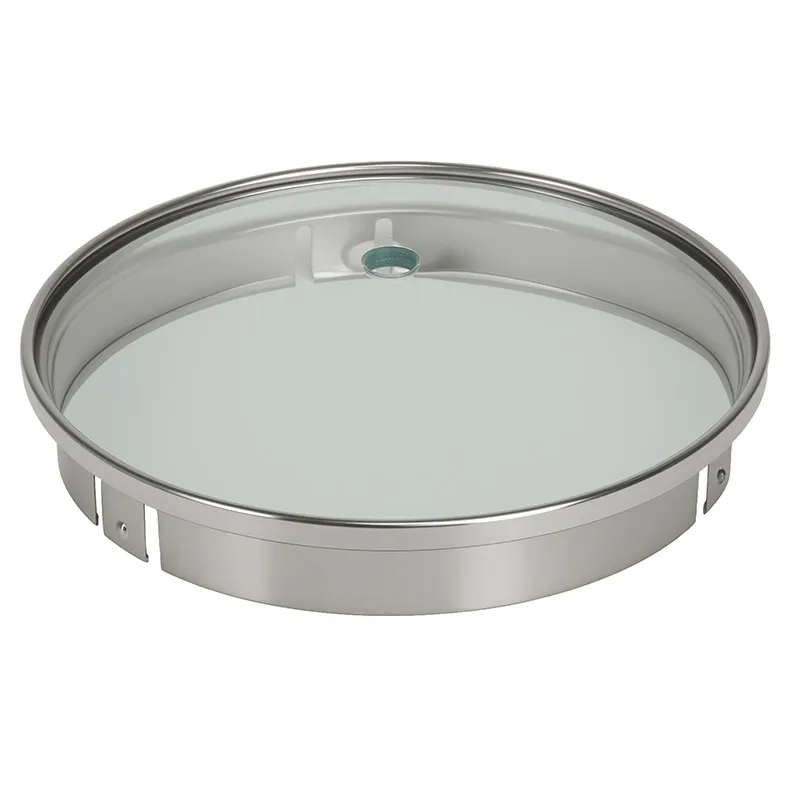
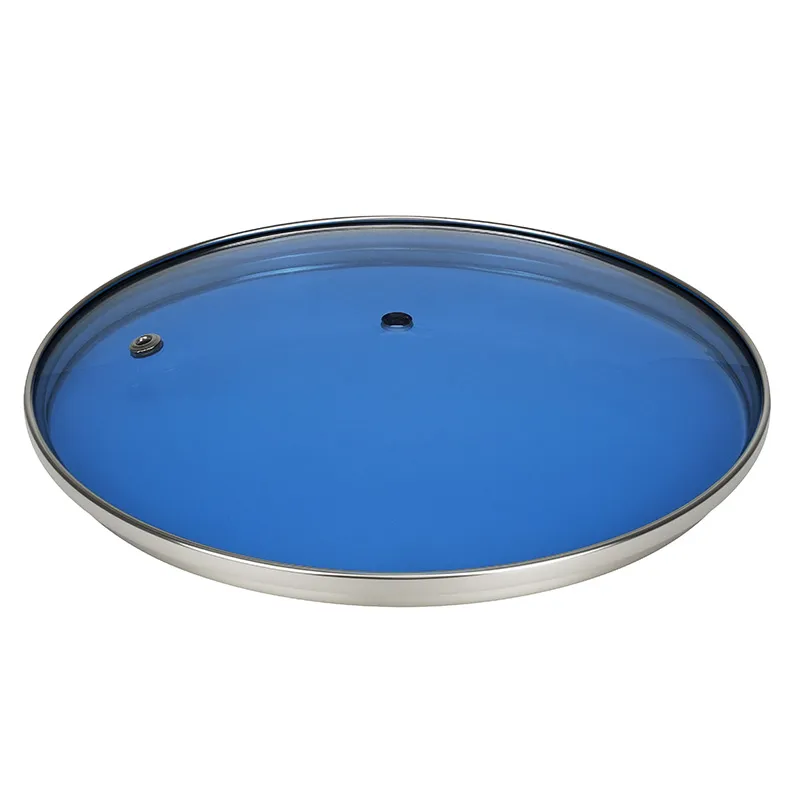
The lid system is where things get interesting. A simple, unlined metal cap is fine for dry storage, but for anything involving moisture, brine, or fermentation gases, it's inadequate. You need a food-grade plastic or coated steel lid with a integrated gasket. The classic bail wire and rubber gasket setup, like on some European-style jars, works well for fermentation because it can allow gases to escape while maintaining a seal. However, for pure liquid storage or transport, a screw-top lid with a wide, flat silicone gasket is more reliable against leaks. The threading on the glass neck must be precise and smooth; poorly molded threads are a nightmare to seal and a common point of failure in cheaper imports.
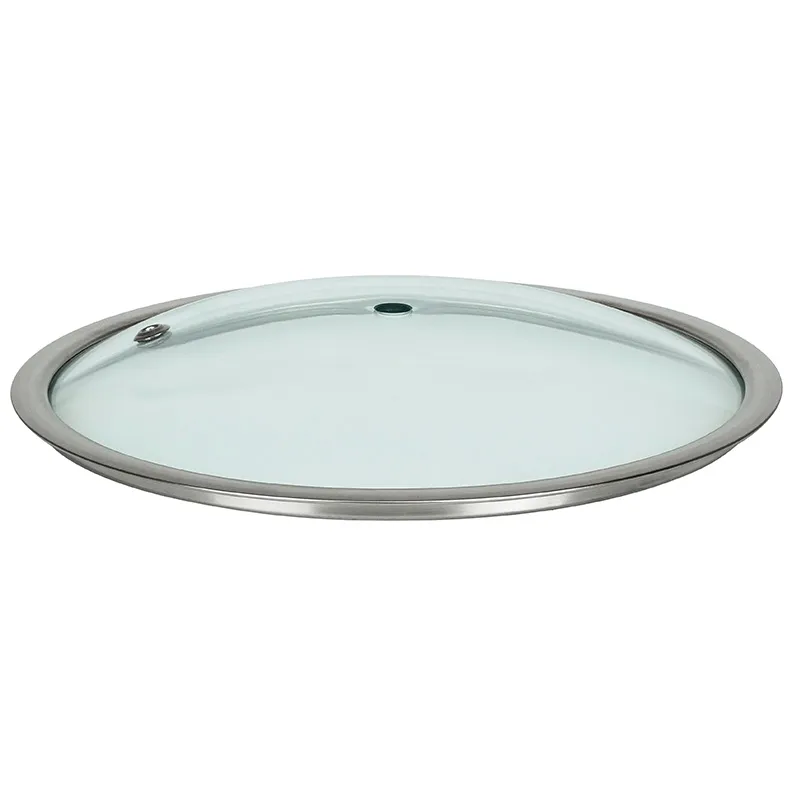
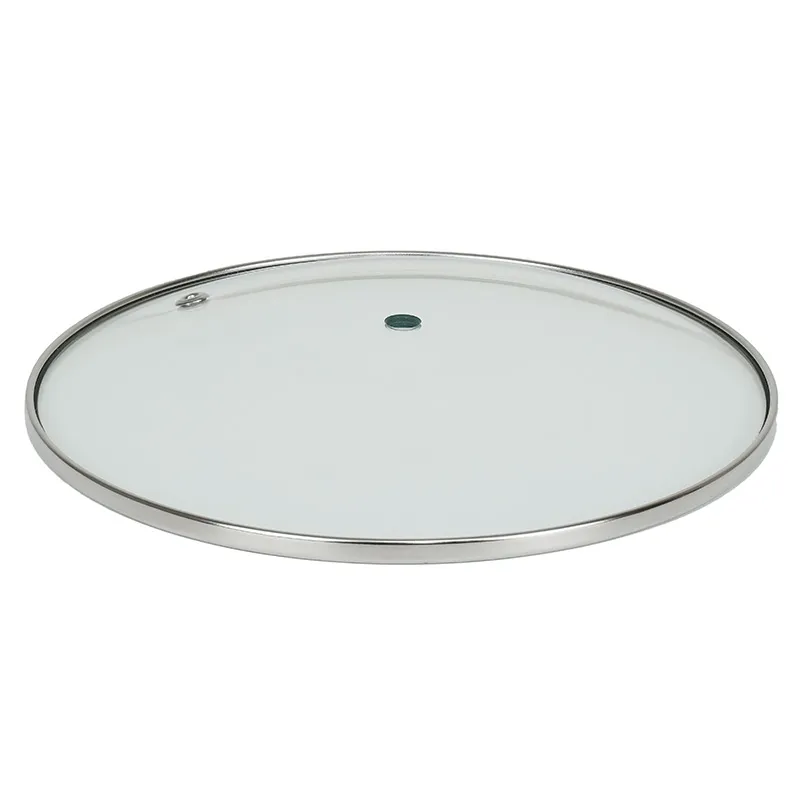
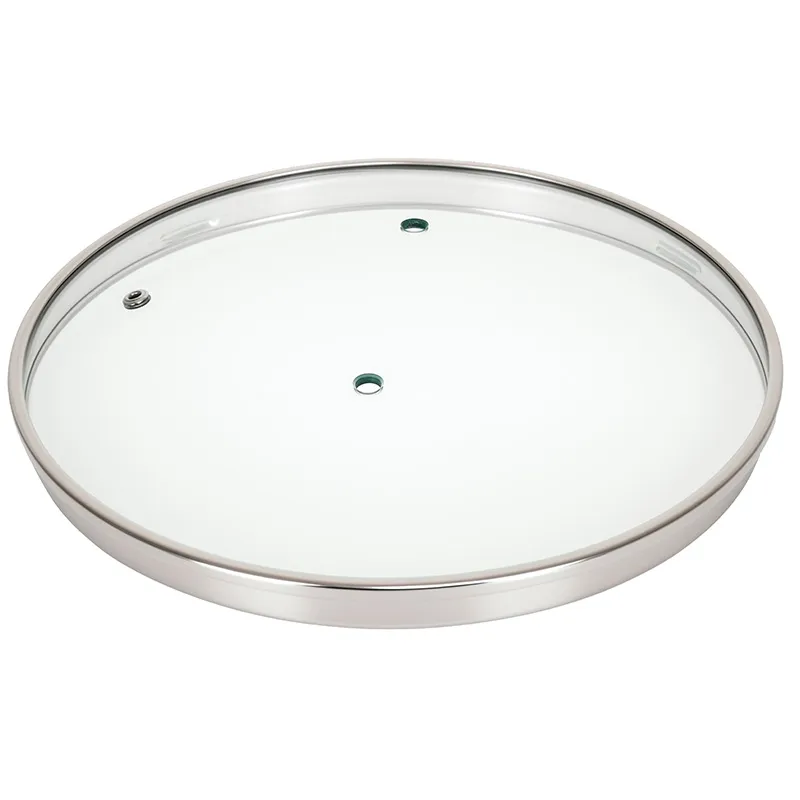
One specific issue I recall was with a batch of jars sourced for a client's kombucha brewery. The jars were dimensionally perfect, but the lids had a subtle molding flaw that created a micro-gap. It didn't affect sealing initially, but over repeated sanitizing cycles in commercial dishwashers, the plastic warped slightly, leading to inconsistent seals and contamination in a few batches. The fix wasn't glamorous—it involved sourcing a completely different lid style from a dedicated closure manufacturer. This is why companies that specialize in glass, like EUR-ASIA COOKWARE CO.,LTD, which focuses on tempered glass lids and kitchen glassware, often have an edge. Their production is geared toward precision in glass forming and finishing, which directly translates to better thread consistency and lid fit on their larger jars. You can see their approach to specialized glass manufacturing on their site at glass-lid.com.
Real-World Applications and Load Management
In a commercial kitchen or small-batch production setting, the 5 gallon glass jar isn't just storage; it's a process vessel. For fermenting vegetables, the clarity of glass is a huge advantage over plastic or ceramic—you can monitor bubble activity, sediment, and any potential mold growth without opening the seal. But lifting and moving a jar with 5 gallons of sauerkraut and brine is a two-person job, and you need a plan for where it will sit for weeks. The bottom must be perfectly flat, not slightly convex, to prevent rocking. I've had to use thin rubber mats under jars on stainless steel tables to prevent them from walking due to minor fermentation bubbles shifting the weight.
Cleaning is another operational hurdle. A standard commercial sink often can't fit a jar of this diameter. You need a deep, wide basin or a dedicated spray-down area. Brushes with long, angled handles are essential. And you must inspect for chips every single time, especially around the rim and the bottom edge. A chip at the sealing surface ruins the jar for anything requiring an airtight environment. For dry goods, it might be okay if you're careful, but for wet applications, it's a hard stop.
There's also the question of sourcing. Many U.S. or European brands are actually sourcing these large-format jars from specialized factories in Asia, like the industrial zones in Shandong, China. The expertise there in mass-producing tempered, precision-molded glass is significant. EUR-ASIA COOKWARE CO.,LTD, operating from Taian City in Shandong, exemplifies this. With a focus on exporting tempered glass lids and related products globally, their manufacturing scale—an annual output of over 15 million pieces—suggests a capability for high-volume, consistent quality. For a business needing a reliable supply of 5-gallon jars with well-engineered lids, partnering with a producer that has this export-oriented, quality-control mindset is often more effective than going through multiple domestic distributors who might be swapping suppliers batch to batch.
Common Pitfalls and the Good Enough Fallacy
A major pitfall is using a jar designed for dry storage for wet, active processes. The lids are the usual culprit. A lid that seems fine for holding rice will fail under the acidic, moist environment of pickling or the CO2 pressure of fermentation. The gasket material can degrade or the metal can corrode, tainting the product. I always advise clients to specify the exact use case when ordering. Food storage is too vague. Say hot-fill pickling at 185°F or long-term anaerobic fermentation, and a competent supplier should be able to confirm if their jar and lid system is rated for it.
Another mistake is neglecting the handling equipment. Investing in a sturdy, food-grade barrel dolly or a custom-sized milk crate can prevent catastrophic drops. It seems obvious, but it's often an afterthought until someone strains their back or hears that sickening crunch on the floor. The weight when full is no joke—it's over 40 lbs for the liquid alone, plus the glass.
Finally, there's the display vs. utility trade-off. A beautiful, perfectly cylindrical jar looks great in a store selling bulk honey or vinegar. But in a back-of-house production area, slight imperfections in shape might be irrelevant if the sealing and strength are there. The key is knowing your priority. For EUR-ASIA COOKWARE CO.,LTD, whose business is built on exporting to markets like Germany, Italy, and Japan—known for stringent quality demands—the tolerance for imperfection is likely very low. Their products, including large jars, would need to meet the functional and aesthetic standards of these markets, which is a good proxy for reliability.
Sourcing and the Supply Chain Reality
Finding a true manufacturer, not just a trading company, is half the battle for bulk buyers. You want the factory that actually tempers the glass and molds the lids. Trading companies can add layers of complexity and communication errors, especially on technical specs. A manufacturer's website, like the one for EUR-ASIA COOKWARE CO.,LTD at glass-lid.com, while focused on their lid specialty, gives clues about their capabilities. A production base covering 20,000㎡ and specializing in tempered glass indicates they have the infrastructure for serious glasswork. It's reasonable to infer that a company producing millions of tempered glass lids annually has the expertise to handle the precise finishing required on the mouth of a large glass jar.
When requesting samples, test them destructively. Fill them with hot water. Cool them rapidly. Pressurize them slightly (carefully!). Check the lid seal under pressure. See how they withstand a minor bump when empty. A good supplier won't balk at these requests if they're confident in their product. The cost per unit for a proper 5-gallon jar with a reliable lid isn't trivial, so due diligence is cheaper than a ruined batch of product or a workplace injury.
In the end, the 5 gallon glass jar with lid is a deceptively simple tool. Its value lies in its inertness, clarity, and reusability. But unlocking that value requires choosing the right physical specimen for the job. It's not a commodity purchase. It's a piece of equipment. And like any good equipment, its quality is defined by the precision of its manufacturing and the suitability of its design for the task at hand, something that dedicated producers in the global supply chain, from places like Shandong, China, have spent years refining for an international clientele that has very little room for error.
Related Products
Related Products