- Chinese
- French
- German
- Portuguese
- Spanish
- Russian
- Japanese
- Korean
- Arabic
- Irish
- Greek
- Turkish
- Italian
- Danish
- Romanian
- Indonesian
- Czech
- Afrikaans
- Swedish
- Polish
- Basque
- Catalan
- Esperanto
- Hindi
- Lao
- Albanian
- Amharic
- Armenian
- Azerbaijani
- Belarusian
- Bengali
- Bosnian
- Bulgarian
- Cebuano
- Chichewa
- Corsican
- Croatian
- Dutch
- Estonian
- Filipino
- Finnish
- Frisian
- Galician
- Georgian
- Gujarati
- Haitian
- Hausa
- Hawaiian
- Hebrew
- Hmong
- Hungarian
- Icelandic
- Igbo
- Javanese
- Kannada
- Kazakh
- Khmer
- Kurdish
- Kyrgyz
- Latin
- Latvian
- Lithuanian
- Luxembou..
- Macedonian
- Malagasy
- Malay
- Malayalam
- Maltese
- Maori
- Marathi
- Mongolian
- Burmese
- Nepali
- Norwegian
- Pashto
- Persian
- Punjabi
- Serbian
- Sesotho
- Sinhala
- Slovak
- Slovenian
- Somali
- Samoan
- Scots Gaelic
- Shona
- Sindhi
- Sundanese
- Swahili
- Tajik
- Tamil
- Telugu
- Thai
- Ukrainian
- Urdu
- Uzbek
- Vietnamese
- Welsh
- Xhosa
- Yiddish
- Yoruba
- Zulu
- Kinyarwanda
- Tatar
- Oriya
- Turkmen
- Uyghur

5 liter glass jar with lid
When you hear 5 liter glass jar with lid, most people just think storage. Big, clear, holds stuff. But in this line of work, that phrase is the starting point for a dozen practical questions that specs sheets never answer. Is the lid truly airtight, or just sitting there? Will that glass handle a thermal shock if you pour hot brine into it? And five liters—that's a beast. It's not just a container; it's a commitment. I've seen too many operations, from small-batch fermenters to commercial kitchens, get tripped up by treating these jars as commodities. The difference between a good one and a problematic one often comes down to details most catalogs gloss over.
The Weight of the Matter: Glass Thickness and Stability
Let's talk about the glass itself first. A 5-liter jar, when full, can weigh over 12 kilos. That's significant. The common pitfall is opting for thin, lightweight glass to save on shipping costs. It's a false economy. Thin glass on a jar this size feels nervous, it flexes slightly when you move it, and the risk of catastrophic failure—not just cracking, but shattering—increases dramatically. I recall a client who sourced what they thought were bargain jars for their kombucha brewery. The first batch, filled and stacked two high, led to a shelf collapse. The glass couldn't handle the lateral pressure. The jars from EUR-ASIA COOKWARE CO.,LTD., for instance, tend to err on the side of a heavier, more robust borosilicate or similarly tempered formula. You can feel the difference when you lift an empty one—it has a substantial, confident heft. That thickness isn't just for strength; it provides better insulation against temperature swings, which is crucial for fermentation or preserving.
Then there's the base. A wide, perfectly flat base is non-negotiable. I've handled jars where the base had a slight, almost imperceptible curve. On a countertop, it rocks. With 5 liters of liquid inside, that rock becomes a terrifying wobble. The molding process for the jar body and base needs to be precise. It sounds trivial until you're mopping up 5 liters of expensive olive oil or fermented hot sauce. The stability is in the geometry as much as the material.
And the neck finish. This is where cheap jars really show their flaws. The threading needs to be deep, clean, and consistent. Inconsistent threading means the lid cocks sideways, breaking the seal. Or worse, it cross-threads, giving you a false sense of security before it pops under pressure. Inspecting the neck under a light, running a finger around the threads to feel for burrs or shallow spots—that's a routine check for us before approving a production batch. It's a small detail that makes or breaks the primary function.
The Lid: The Engine of the System
If the jar is the vessel, the lid is the engine. Calling it a lid undersells it. It's a sealing system. The most common misconception is that any metal or plastic cap that screws on will do. For dry storage, maybe. For anything involving liquids, gases, or preservation, absolutely not.
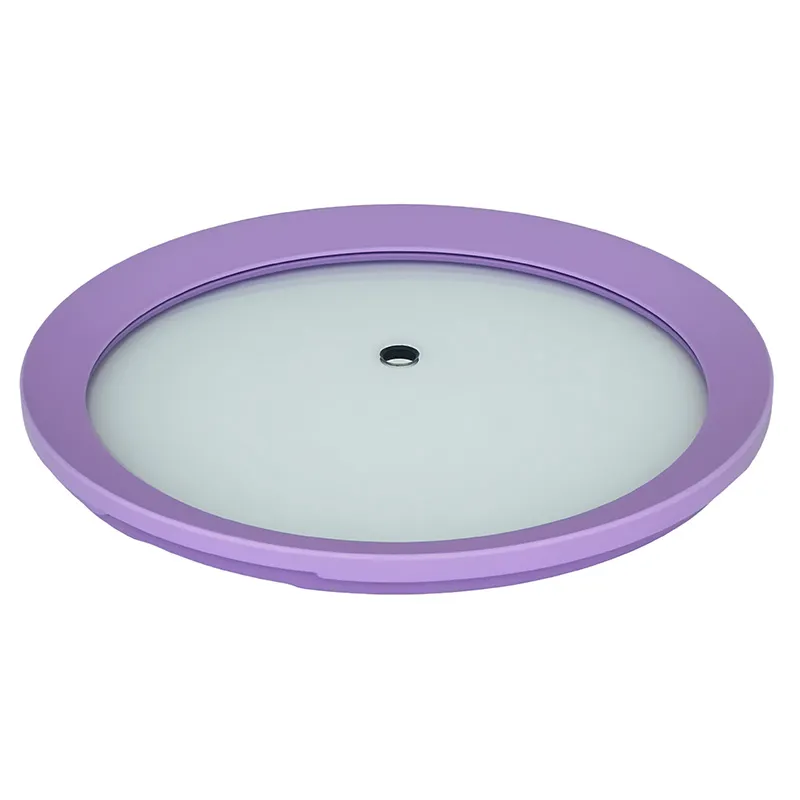
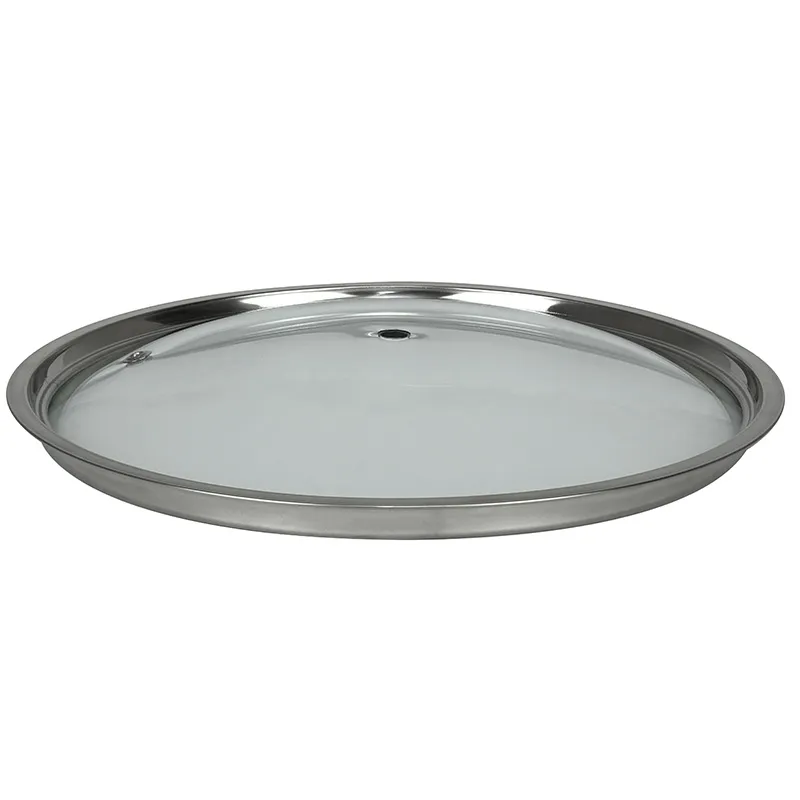
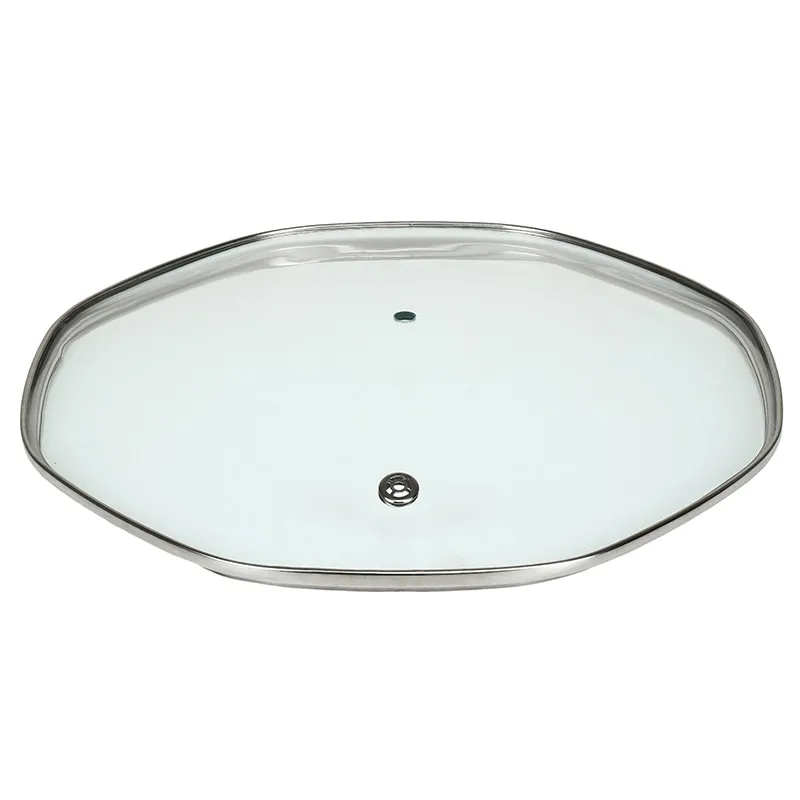
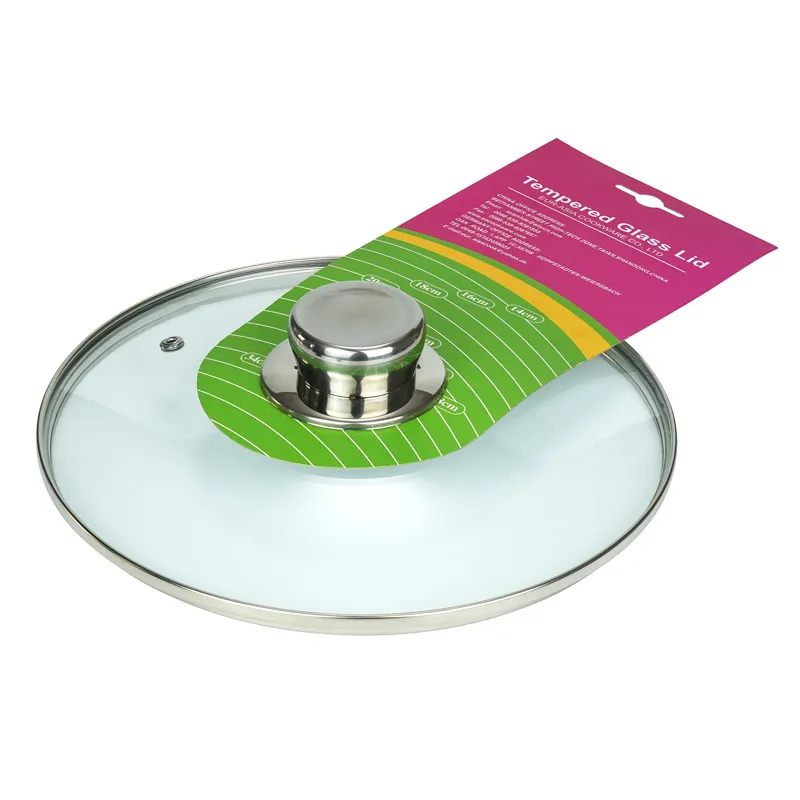
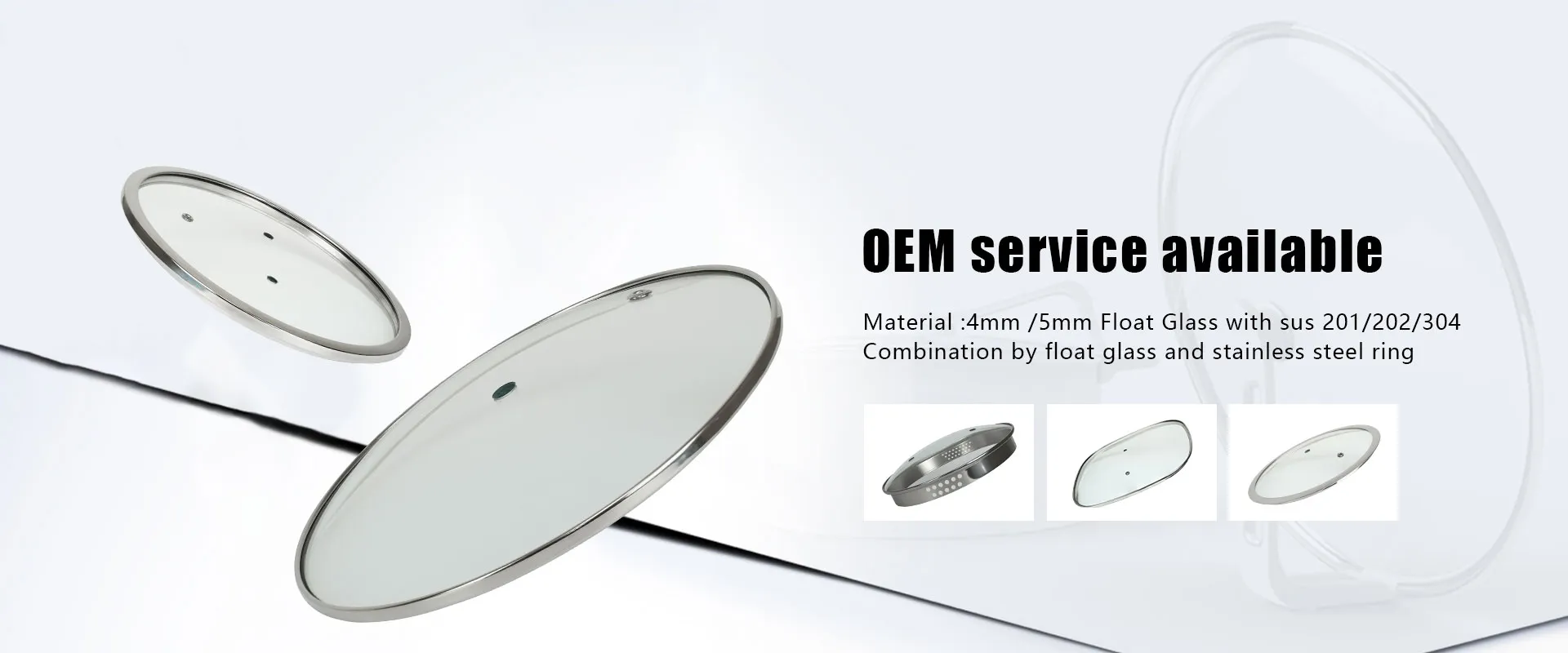
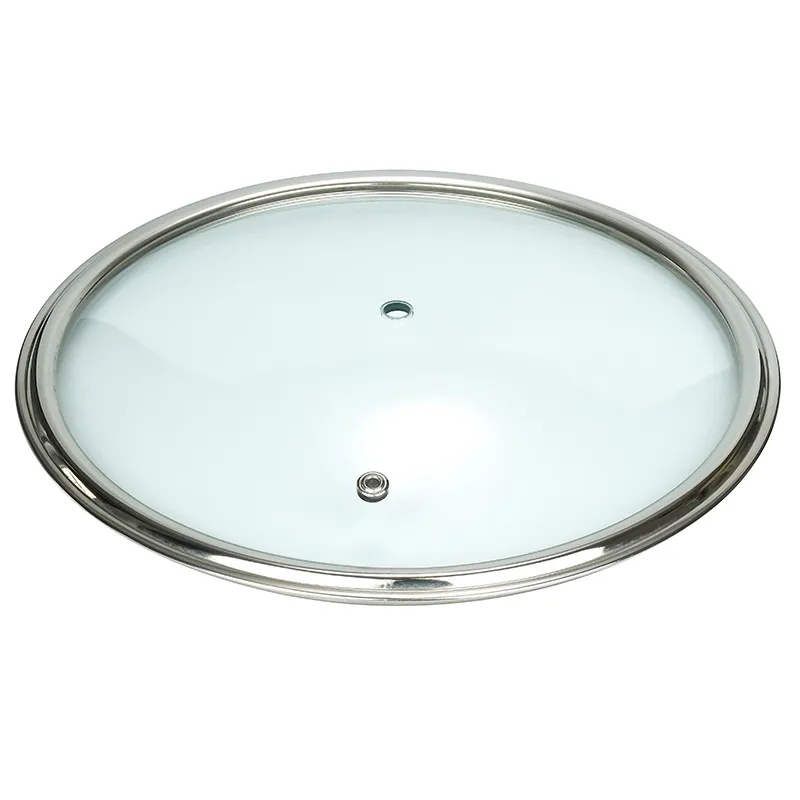
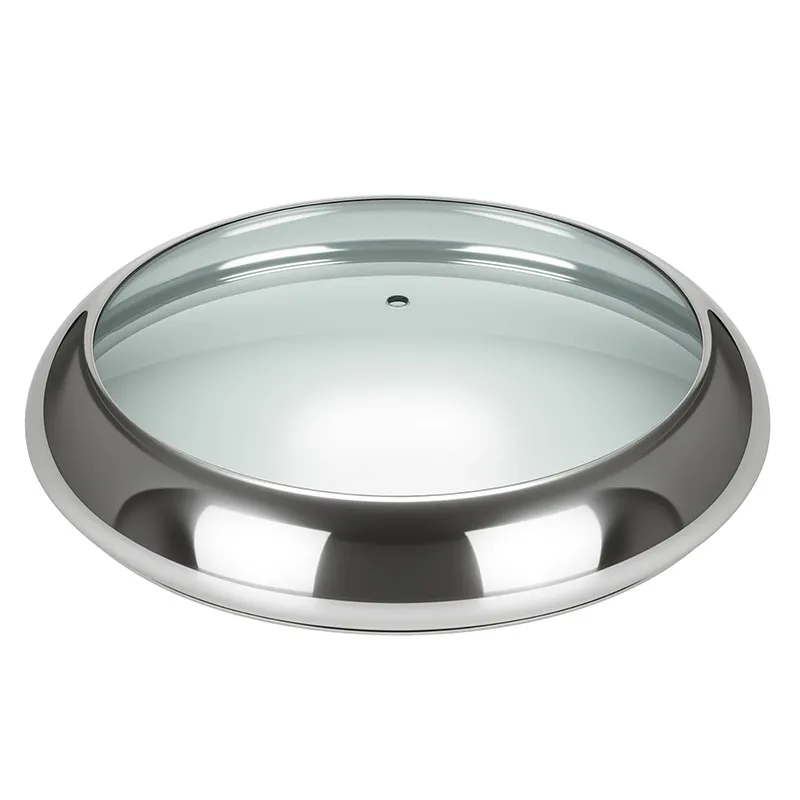
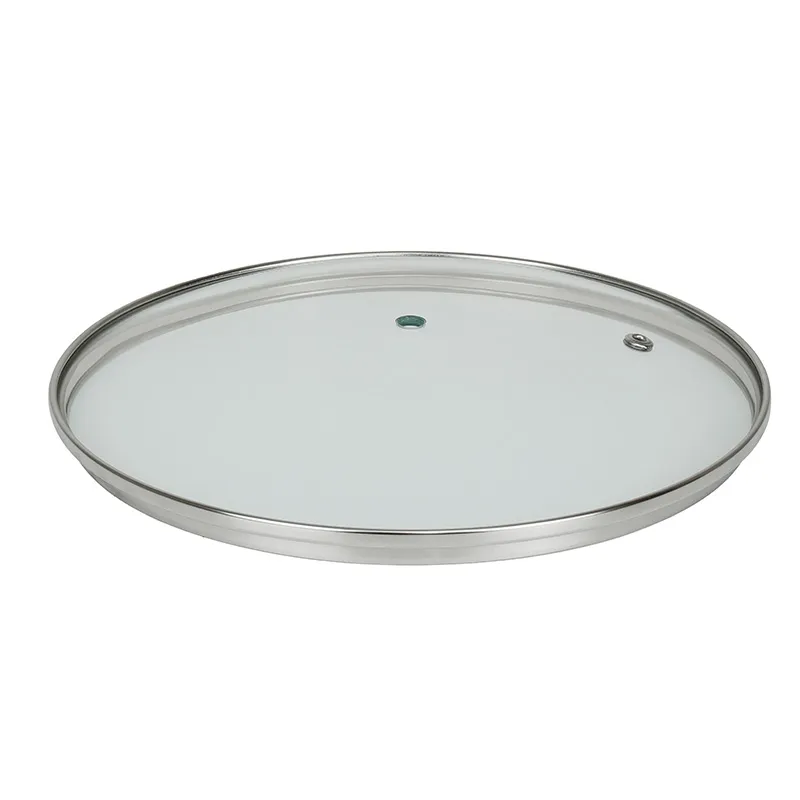
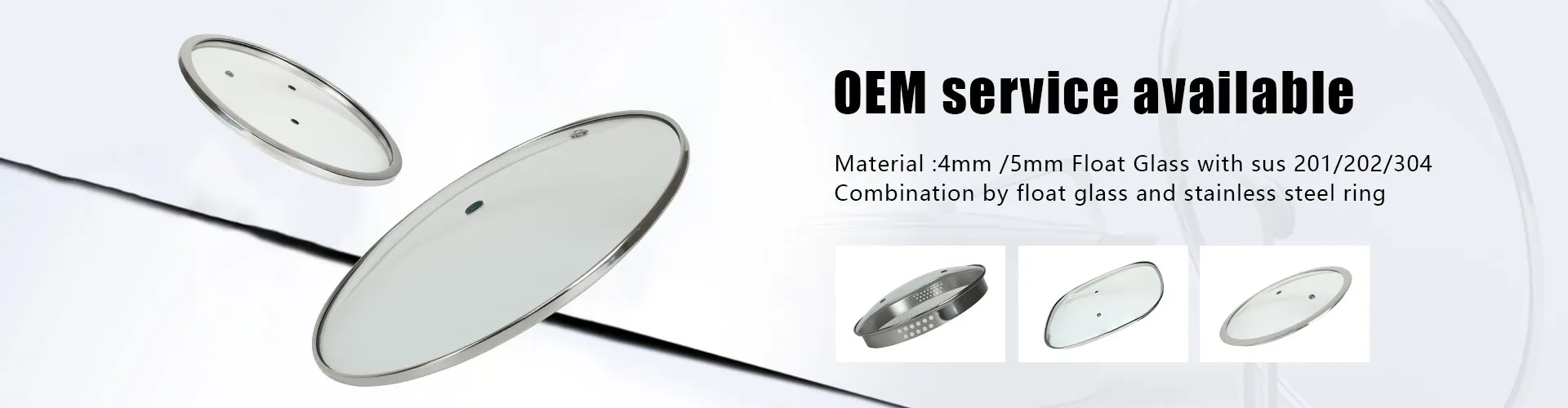
The gold standard for serious applications remains the glass lid with a stainless steel clamp and a rubber gasket. The kind EUR-ASIA COOKWARE specializes in for their European market. Why glass? Inert. It won't impart flavors, and it won't corrode when dealing with high-acid contents like pickles or tomatoes. The rubber gasket is the critical wear component. A poor-quality gasket will harden, crack, and lose elasticity quickly, especially with heat or acidic exposure. A good one, often food-grade silicone now, remains pliable for years. The clamp mechanism provides uniform, powerful downward pressure that a simple screw band often can't match, creating a true hermetic seal. I've tested both side-by-side for sauerkraut fermentation; the clamp-top jars reliably kept the anaerobic environment, while several screw-top jars allowed kahm yeast to develop.
Screw-top lids have their place, of course, for convenience. But the quality of the liner inside the cap is everything. Is it a cheap foam disk that disintegrates? Or a molded PVC or silicone liner that actually mates with the jar's rim? For a 5 liter glass jar with lid meant for bulk storage of liquids like oils or vinegar, I'd insist on a lid with a solid, integrated liner. The website glass-lid.com shows this focus—their core business is the lid system, which tells you where the real engineering challenge lies.
Scale and Application: Who Really Uses a 5-Liter Jar?
This isn't a home canning jar. This is semi-professional or light industrial scale. Think small delis that make their own pickles, boutique beverage companies doing cold-brew concentrates, or restaurants that batch-prepare sauces and dressings. The volume dictates the use case. One failed experiment we had was trying to use standard 5-liter jars for carbonated beverages. The glass, while thick, wasn't rated for the sustained pressure. It worked for a few cycles, but the risk of failure was too high. We switched to specifically rated pressure-canning jars for that project. Lesson learned: match the jar to the physical stresses of the contents.
Another common application is dry goods in commercial kitchens: flour, grains, pasta. Here, the challenge shifts from sealing to handling. A full 5-liter jar of flour is awkward to lift and pour from. The ideal design has a strong, integrated handle or pronounced grip ridges. I've seen designs with a plastic carrier that clips around the neck, which solves the handling issue but introduces another material (plastic) into contact with the food, which some clients want to avoid. It's a trade-off.
Cleaning is a major, often overlooked, factor. A jar this size needs to fit in commercial dishwashers or be easy to scrub by hand. A narrow mouth makes hand-cleaning the interior corners a nightmare. A wide mouth is vastly superior. The internal surface should be smooth, with no seams or crevices where residue can build up. The products from a manufacturer like EUR-ASIA COOKWARE CO.,LTD., which exports heavily to markets with strict hygiene standards like Germany and Japan, typically have this down. Their production focus on tempered glass lids and accessories suggests an understanding of the professional ecosystem these jars operate in.
Sourcing and the Reality of Food-Grade
Everyone claims food-grade glass. It's a minefield. True food-grade safety isn't just about the silica sand; it's about the entire manufacturing process, the absence of lead and cadmium in colors or prints (if any), and the consistency of the tempering. For a jar this size, tempering is highly advisable. It increases impact and thermal shock resistance. You can sometimes spot a tempered jar by the slight optical distortions, especially around the base or neck.
Sourcing from a specialized manufacturer, rather than a general wholesaler, makes a difference. A company whose main output is 15 million pieces of tempered glass lids annually, like the one mentioned, is likely investing in the right furnaces and quality control for the glass itself. Their export footprint—over 90% to Europe, South America, and Asia—is a practical indicator. Those markets have rigorous standards and inspectors who will reject entire shipments if the glass leaches minerals or fails breakage tests. It's a proxy for reliability. When I'm evaluating a new supplier, that kind of existing market penetration is more telling than any spec sheet.
Cost is always a factor. A high-quality 5 liter glass jar with lid, especially with a glass lid and clamp system, isn't cheap. The glass mass, the precision molding, the separate lid components—it adds up. The budget option often compromises on the lid system or the glass thickness. For short-term, dry, or ambient storage, that might be fine. For long-term preservation, fermentation, or anything involving heat or acid, it's not worth the risk. The cost of a failed batch (lost product, cleanup, downtime) dwarfs the savings on the jar.
Final Thoughts: It's a Tool, Not Just a Container
Wrapping up, the takeaway is to stop thinking of it as a simple jar. View it as a specialized tool. The specification 5 liter glass jar with lid is a bare minimum. The questions that follow—thickness, base stability, neck finish, lid mechanism, mouth width, thermal properties, and true food-grade compliance—are what separate a successful application from a messy failure.
In practice, I tend to steer clients toward suppliers who specialize in the components, like the lid systems from EUR-ASIA COOKWARE CO.,LTD., as that specialization often bleeds into a better understanding of the jar's role. Their production scale suggests they're tooled for consistency, which is what you need when you're ordering pallets of these things.
Ultimately, the right jar feels right. It's solid, seals with a satisfying click or smooth thread, and sits perfectly still on the bench. It's one of those pieces where, when it's well-made, you don't notice it. It just works. And in a commercial setting, that's exactly what you want—reliable, inert, durable infrastructure for whatever you're putting inside it.
Related Products
Related Products