- Chinese
- French
- German
- Portuguese
- Spanish
- Russian
- Japanese
- Korean
- Arabic
- Irish
- Greek
- Turkish
- Italian
- Danish
- Romanian
- Indonesian
- Czech
- Afrikaans
- Swedish
- Polish
- Basque
- Catalan
- Esperanto
- Hindi
- Lao
- Albanian
- Amharic
- Armenian
- Azerbaijani
- Belarusian
- Bengali
- Bosnian
- Bulgarian
- Cebuano
- Chichewa
- Corsican
- Croatian
- Dutch
- Estonian
- Filipino
- Finnish
- Frisian
- Galician
- Georgian
- Gujarati
- Haitian
- Hausa
- Hawaiian
- Hebrew
- Hmong
- Hungarian
- Icelandic
- Igbo
- Javanese
- Kannada
- Kazakh
- Khmer
- Kurdish
- Kyrgyz
- Latin
- Latvian
- Lithuanian
- Luxembou..
- Macedonian
- Malagasy
- Malay
- Malayalam
- Maltese
- Maori
- Marathi
- Mongolian
- Burmese
- Nepali
- Norwegian
- Pashto
- Persian
- Punjabi
- Serbian
- Sesotho
- Sinhala
- Slovak
- Slovenian
- Somali
- Samoan
- Scots Gaelic
- Shona
- Sindhi
- Sundanese
- Swahili
- Tajik
- Tamil
- Telugu
- Thai
- Ukrainian
- Urdu
- Uzbek
- Vietnamese
- Welsh
- Xhosa
- Yiddish
- Yoruba
- Zulu
- Kinyarwanda
- Tatar
- Oriya
- Turkmen
- Uyghur


64 oz glass jar with lid
When you hear '64 oz glass jar with lid', most think bulk storage, pickling, or maybe a trendy cookie jar. But in this line of work, that phrase immediately flags a specific set of challenges and expectations. It's not just a big jar; it's a commitment to handling weight, managing thermal stress during hot-fill processes, and ensuring the seal integrity over a large diameter. A lot of importers get fixated on the per-unit price, overlooking the fact that a poorly designed 64-ounce jar can lead to a logistics and customer service nightmare—think leaks, breakage, or lids that warp and fail. That's where the real conversation starts.
Defining the Specs: It's Not Just About Volume
First off, 64 ounces is roughly 1.9 liters. But the critical dimensions are often an afterthought. The height-to-diameter ratio dictates stability. A tall, narrow jar is tippy; a short, wide one is stable but requires a larger lid, which increases the chance of seal failure if the glass rim or the lid's sealing compound isn't perfect. For hot-fill applications—think jams, sauces, or infused oils—the glass must be annealed properly to withstand the thermal shock from near-boiling contents. I've seen batches where the glass developed micro-fractures, not shattering immediately but failing weeks later on a store shelf. That's a costly recall.
The lid is its own engineering puzzle. For a 64 oz glass jar with lid, you're typically looking at an 89mm or 100mm diameter closure. The choice between a lug-style, a continuous thread, or a clamp lid depends entirely on the contents and the intended user experience. A continuous thread metal lid with a plastisol seal is the industry standard for canning, but for dry goods or refrigerated items, a plastic twist-top with a foam or silicone gasket might be better. The mistake is assuming one lid fits all purposes. I recall a client who ordered thousands of units with beautiful, thick glass but paired them with lightweight aluminum lug lids. The thread engagement was shallow, and during sea freight, vibrations caused enough movement to compromise the seals. The entire container arrived with a faint, sugary residue on the outside—every jar had wept.
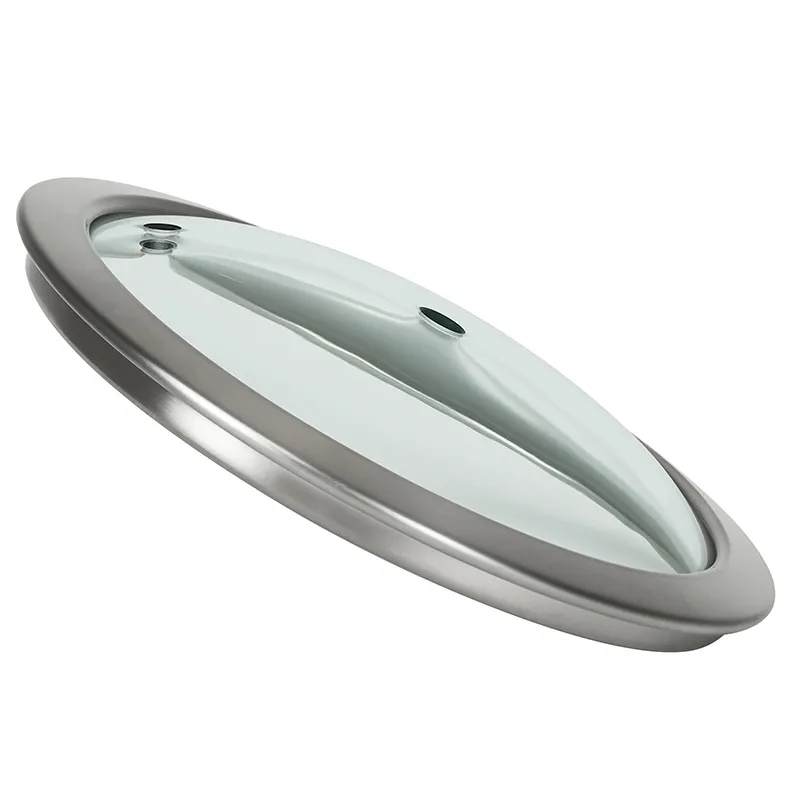
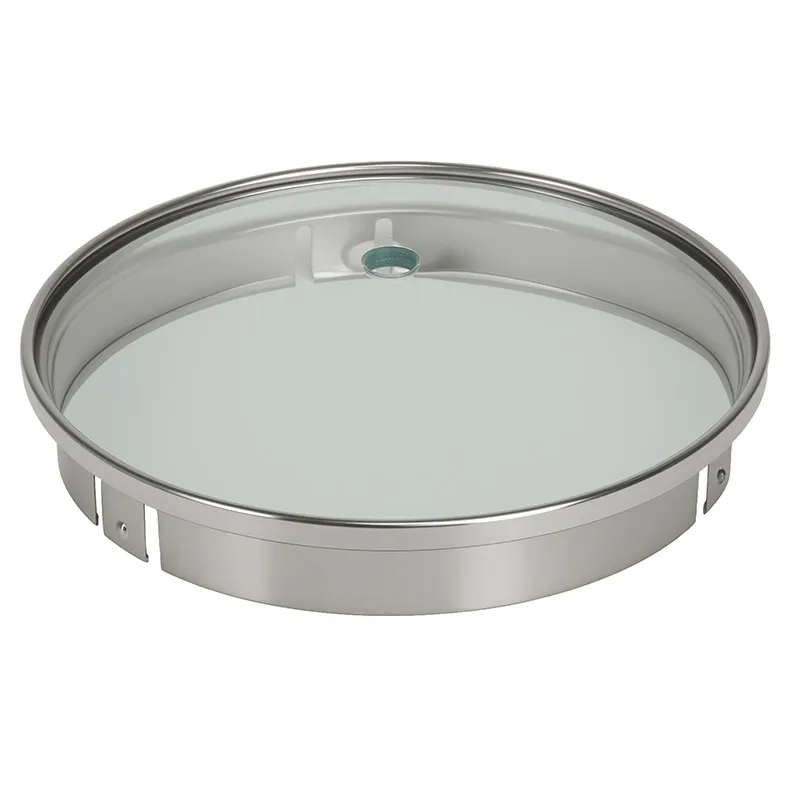
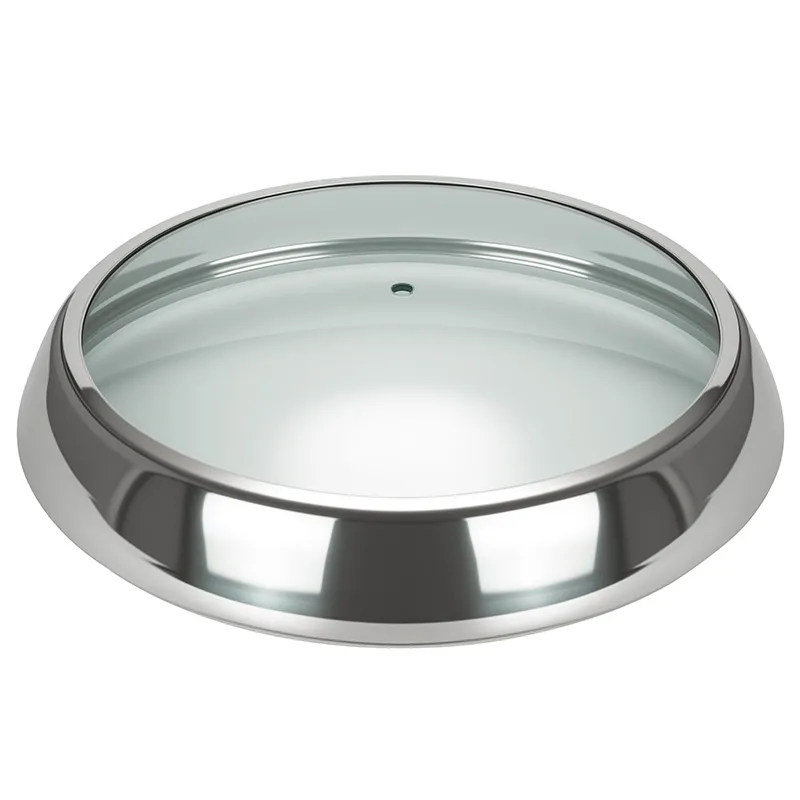
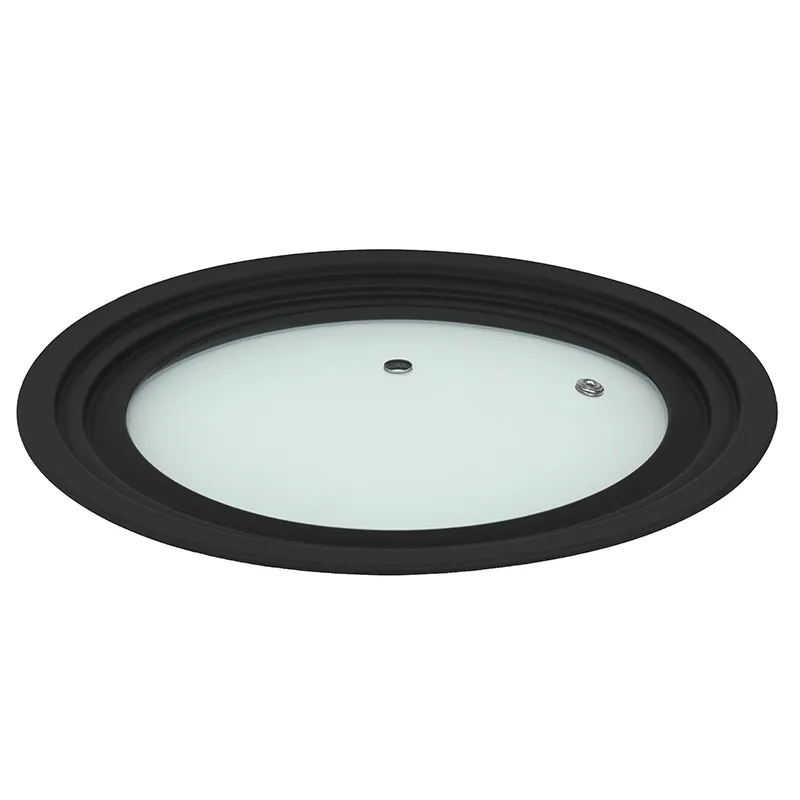
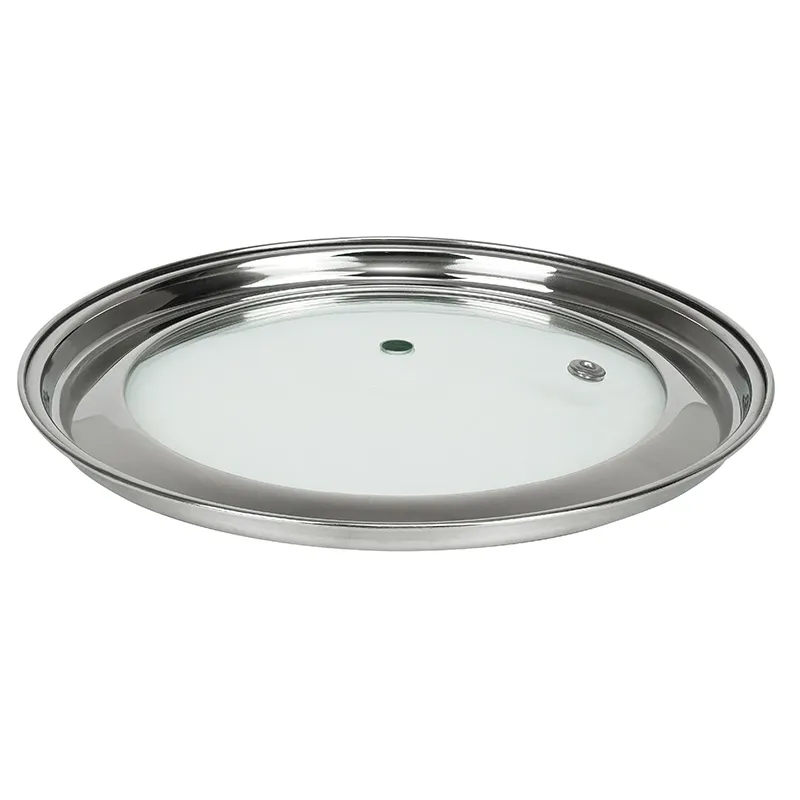
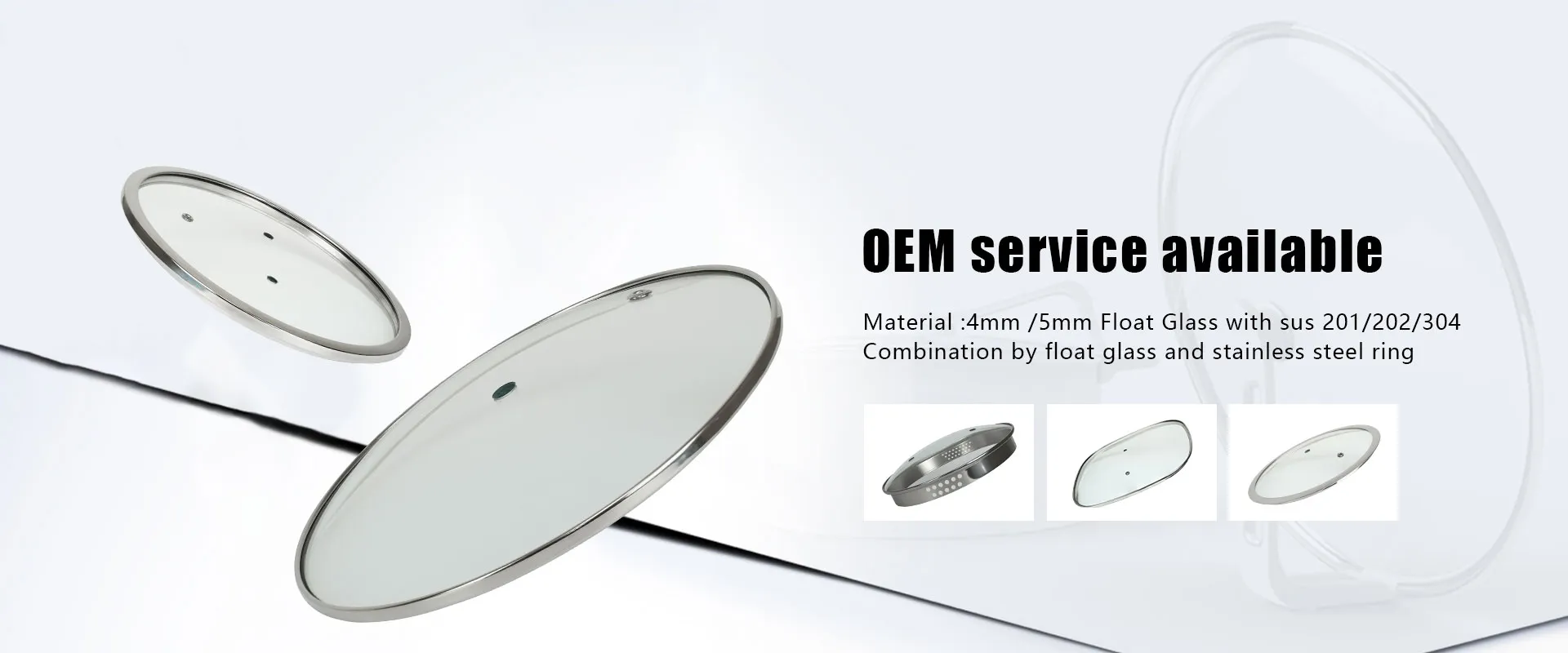
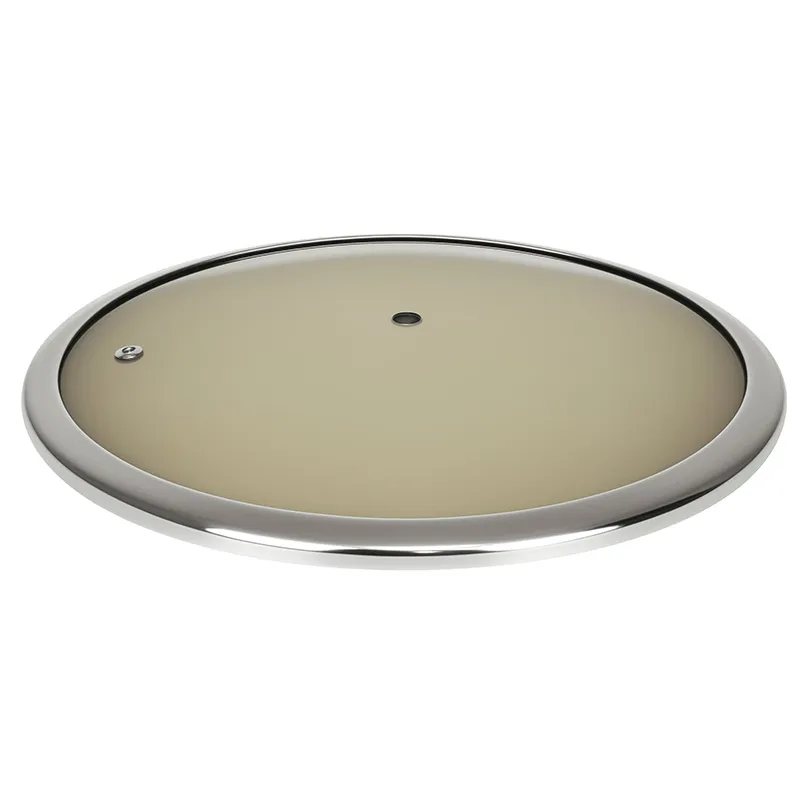
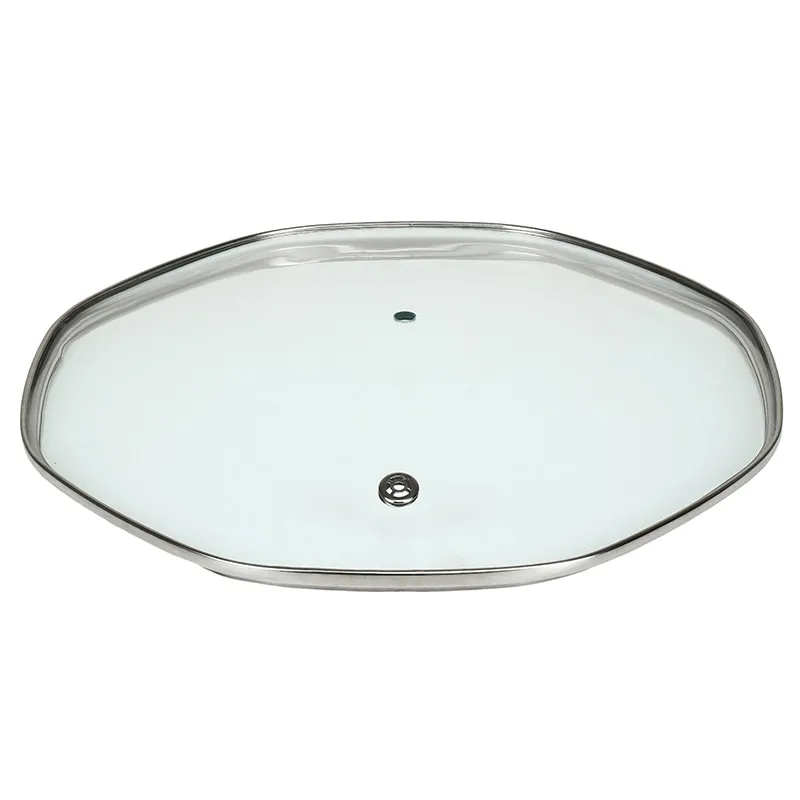
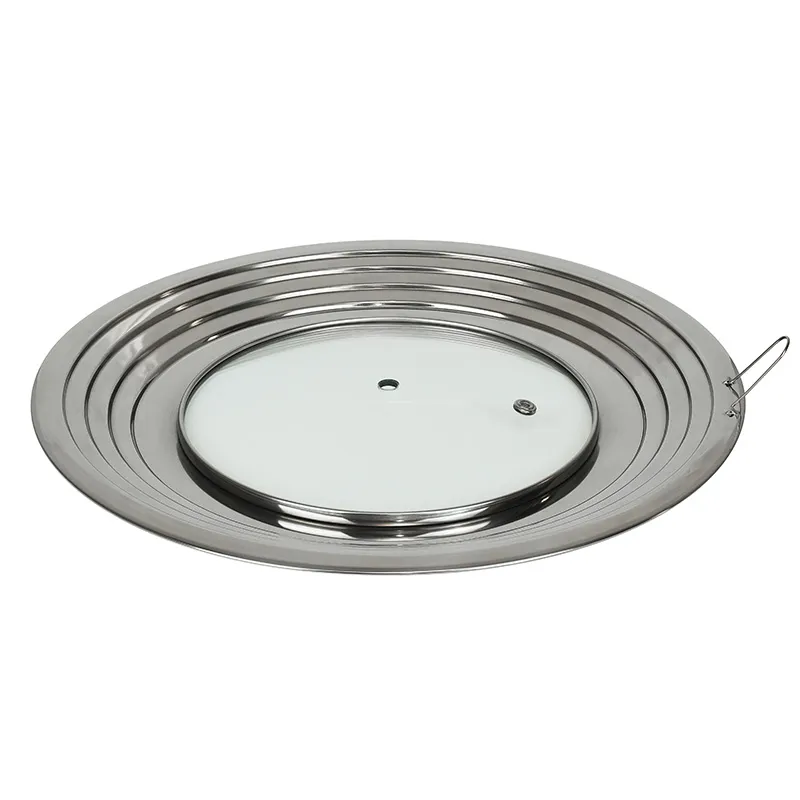
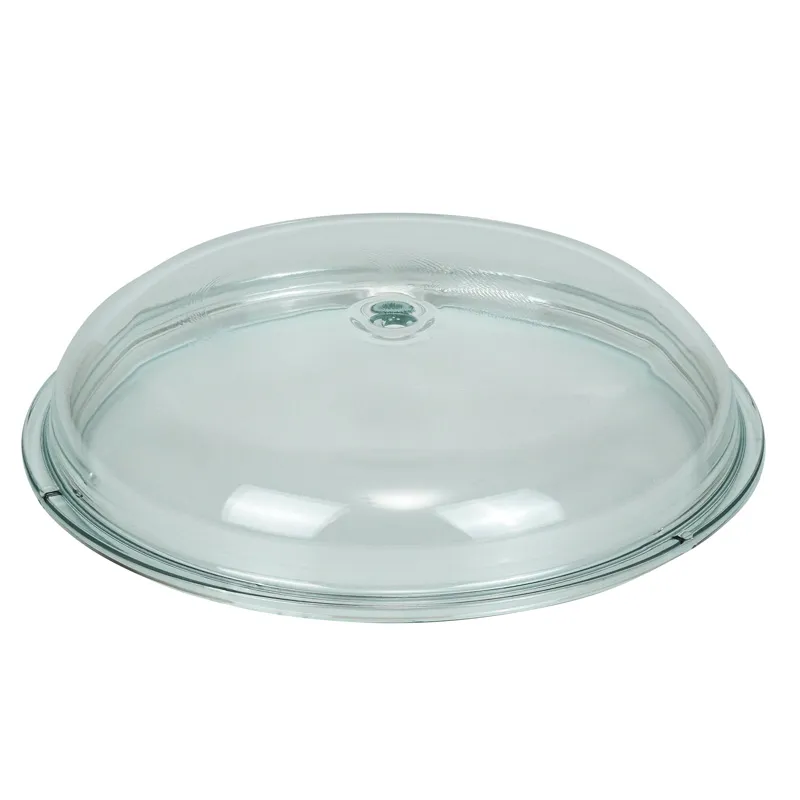
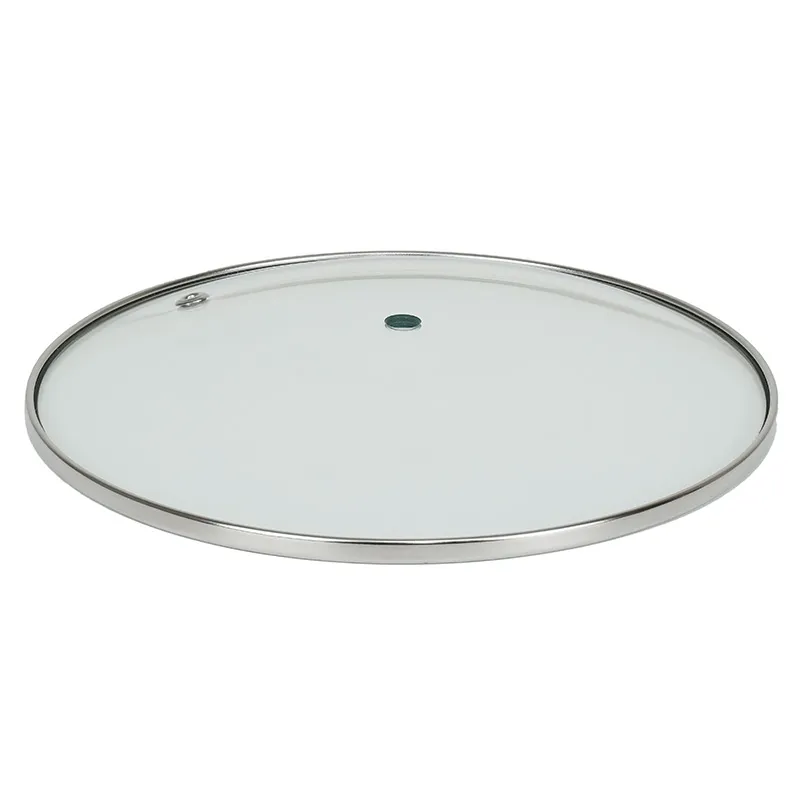
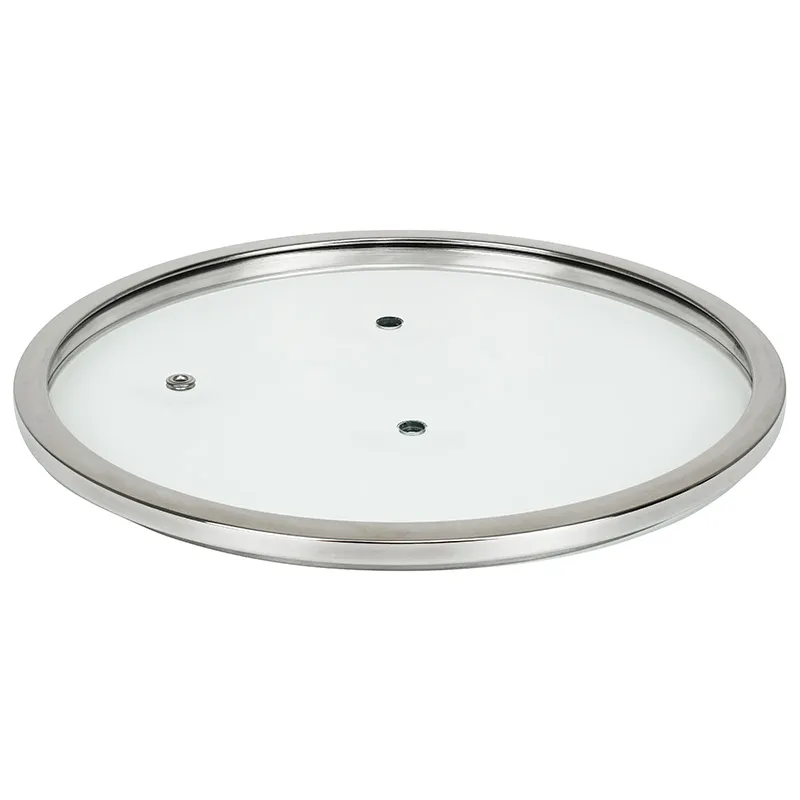
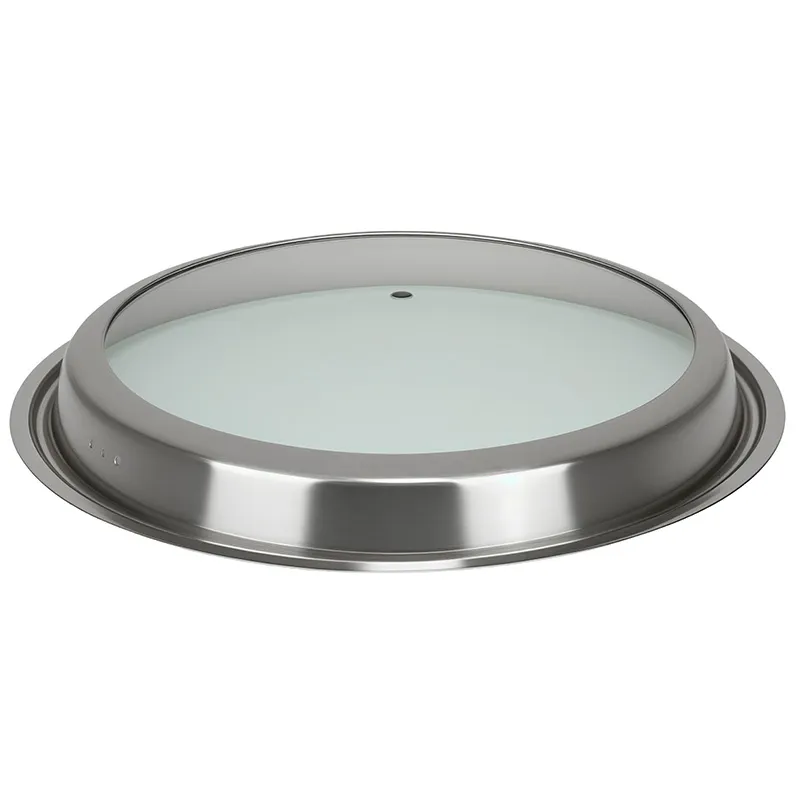
This is where partnering with a manufacturer that understands application is non-negotiable. A company like EUR-ASIA COOKWARE CO.,LTD (you can find their portfolio at glass-lid.com) has built a business on this nuance. They don't just sell jars; they produce tempered glass lids and related products. Their specialization in tempered glass for lids is key—tempering increases impact resistance, which is crucial for large, heavy lids that get handled frequently. While their site details their export-focused production of over 15 million pieces annually, the relevant point for a 64 oz glass jar buyer is their material expertise. A tempered glass lid for a large jar is less prone to chipping or cracking from accidental taps against the glass body, a common issue in commercial kitchens or on crowded retail shelves.
The Manufacturing Reality: Weight, Cost, and Consistency
Let's talk weight. A 64 oz glass jar, empty, can weigh between 800 grams to over 1.2 kilograms, depending on the glass thickness. That weight is a double-edged sword. It conveys quality and sturdiness to the consumer, but it murders your shipping costs. Every extra gram in the glass adds exponentially to your landed cost. Some manufacturers will subtly thin the glass in the body to save weight, but this is a dangerous game—it compromises the jar's resistance to internal pressure (from carbonation, for instance) and makes it more susceptible to breakage from lateral impacts.
Consistency in molding is another silent killer. For a jar this size, the sealing surface—the top rim of the glass—must be perfectly level and smooth. Any warp, any tiny imperfection, and the lid won't seal. I've spent hours in QC labs with feeler gauges checking rim flatness. Automated optical inspection is becoming standard at better factories, but it's not universal. The production base for EUR-ASIA COOKWARE, located in China's Shandong province, mentions a sizable facility. That scale often correlates with more consistent, automated production lines, which is a positive signal for maintaining tolerances across high-volume orders.
Then there's the finish. The large surface area of a 64 oz jar shows off every flaw. Bird-swings (thin strands of glass inside the jar), uneven base thickness causing rocking, or faint seams from the mold—all are more noticeable and more likely to be rejected by a discerning buyer. You have to decide your tolerance level. For a high-end gourmet brand, these flaws are unacceptable. For a bulk-packaged commodity item, maybe you let minor imperfections pass. The key is having those conversations with your supplier upfront and defining the AQL (Acceptable Quality Level) specifically for this product.
Application Pitfalls: Where Theory Meets Practice
We used a batch of 64 oz jars for a cold-brew coffee concentrate. The logic was sound: glass is inert, doesn't retain odors, and looks premium. We used a black UV-protective plastic lid. The first failure was user experience. A full jar is heavy. Customers, especially older ones, complained about difficulty pouring. We hadn't considered the need for a grip-friendly design or a handle. The second failure was more subtle. The concentrate was slightly acidic. Over six months, we noticed a very slight interaction with the metal ring inside the plastic lid, causing a minute metallic taint. The jar was fine, but the lid system wasn't fully vetted for the specific chemistry of the product.
Another classic is storage. A 64 oz jar, especially with a wide mouth, is fantastic for storing dry pasta, flour, or nuts. But if it's not truly airtight—and many sealable lids aren't—you get pantry moths or staleness. The seal needs constant pressure. A clamp lid with a rubber gasket often performs better here than a screw-top, as it maintains even pressure around the entire circumference. I tend to steer clients toward a bail wire and glass lid setup for dry goods, something EUR-ASIA's tempered glass lids would be suited for, as they're designed to be a sealing surface paired with a closure mechanism.
The hot-fill scenario is the ultimate test. You pour 185°F product into a room-temperature jar. The glass expands. You cap it immediately. As it cools, a vacuum forms. If the glass has internal stress points or the lid's compound doesn't bond correctly, you get seal failure or, worse, thermal fracture. This isn't a place for guesswork. You need jars rated for thermal processing. This often means specifying a particular glass composition (like Type III glass) and requiring documentation from the manufacturer. Their experience in exporting to markets with strict standards, like Germany and Japan as noted in EUR-ASIA's profile, suggests they're accustomed to these rigorous specifications.
Sourcing and the Supplier Relationship
Finding a supplier for a 64 oz glass jar with lid isn't hard. Finding a reliable partner is. You need someone who will flag potential issues. For example, if you want an embossed logo on the jar, a good supplier will tell you that deep embossing on the curved surface of a large jar can create weak points. They might suggest a shallower etch or moving the logo to the lid.
Communication is about more than just English fluency. It's about technical understanding. When you ask about burst strength or thermal shock resistance ΔT, you need a clear answer in degrees Celsius, not a vague good quality. The fact that a company like EUR-ASIA COOKWARE explicitly positions itself in the low-medium-high level household glass spectrum is telling. It means they segment their production, likely using different lines or quality controls for different tiers. For a 64 oz jar, you'd be in their medium or high-level category, which should involve better raw materials and more stringent finishing.
Always, always get physical samples—not just one, but a full pilot run of 50-100 units. Fill them, seal them, ship them across the country to yourself, store them, test them. The cost of this pilot is trivial compared to the cost of a failed 20-foot container load. Check the supplier's willingness to support this phase. Their specialization in glass for lids, as per their company intro, indicates a focus on a critical component, which is a good sign of deeper technical engagement.
Final Thoughts: Beyond the Commodity Mindset
So, the 64 oz glass jar with lid is a workhorse product, but it demands respect. It's not a generic item you just price-shop. The jar and lid are a system, and that system must be matched to your product's physical, chemical, and user-interface requirements. Ignoring this turns a simple container into your biggest point of failure.
The landscape is filled with manufacturers. The differentiator is often the ancillary expertise—like a deep focus on the lid and sealing technology, which is fundamentally what makes a jar functional. That's why profiles like that of EUR-ASIA COOKWARE CO.,LTD stand out; they've niched down within a broad category. Their export history to Europe and Asia implies adherence to international norms, which is a useful proxy for quality consistency.
In the end, success with this item comes down to treating it as a precision component, not just packaging. Specify relentlessly, test obsessively, and choose a supplier whose expertise aligns with your product's most critical demands. The right jar, with the right lid, becomes an asset. The wrong one is just waiting to become a liability.
Related Products
Related Products