- Chinese
- French
- German
- Portuguese
- Spanish
- Russian
- Japanese
- Korean
- Arabic
- Irish
- Greek
- Turkish
- Italian
- Danish
- Romanian
- Indonesian
- Czech
- Afrikaans
- Swedish
- Polish
- Basque
- Catalan
- Esperanto
- Hindi
- Lao
- Albanian
- Amharic
- Armenian
- Azerbaijani
- Belarusian
- Bengali
- Bosnian
- Bulgarian
- Cebuano
- Chichewa
- Corsican
- Croatian
- Dutch
- Estonian
- Filipino
- Finnish
- Frisian
- Galician
- Georgian
- Gujarati
- Haitian
- Hausa
- Hawaiian
- Hebrew
- Hmong
- Hungarian
- Icelandic
- Igbo
- Javanese
- Kannada
- Kazakh
- Khmer
- Kurdish
- Kyrgyz
- Latin
- Latvian
- Lithuanian
- Luxembou..
- Macedonian
- Malagasy
- Malay
- Malayalam
- Maltese
- Maori
- Marathi
- Mongolian
- Burmese
- Nepali
- Norwegian
- Pashto
- Persian
- Punjabi
- Serbian
- Sesotho
- Sinhala
- Slovak
- Slovenian
- Somali
- Samoan
- Scots Gaelic
- Shona
- Sindhi
- Sundanese
- Swahili
- Tajik
- Tamil
- Telugu
- Thai
- Ukrainian
- Urdu
- Uzbek
- Vietnamese
- Welsh
- Xhosa
- Yiddish
- Yoruba
- Zulu
- Kinyarwanda
- Tatar
- Oriya
- Turkmen
- Uyghur


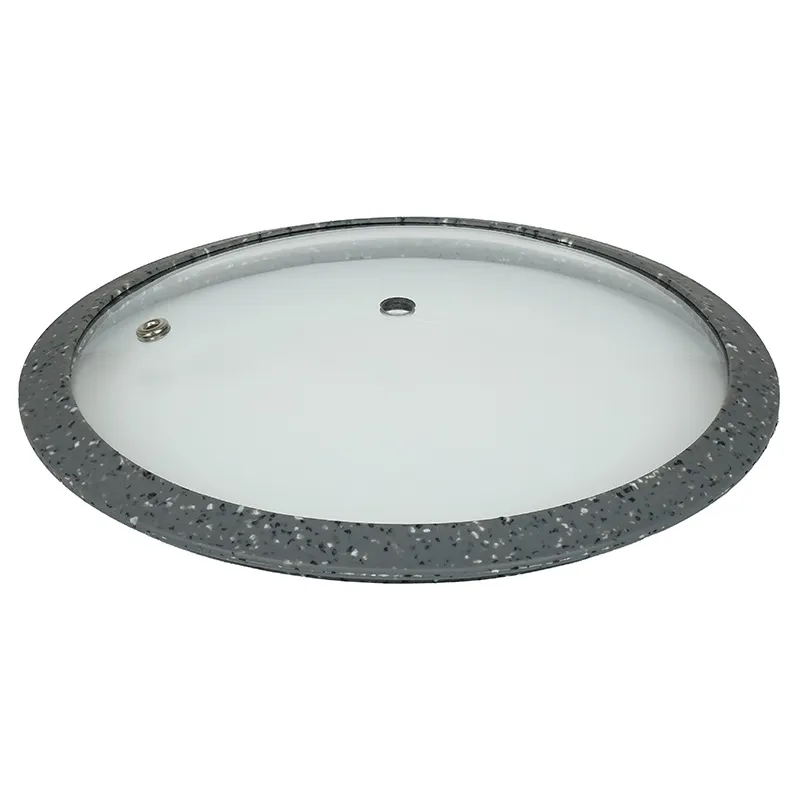
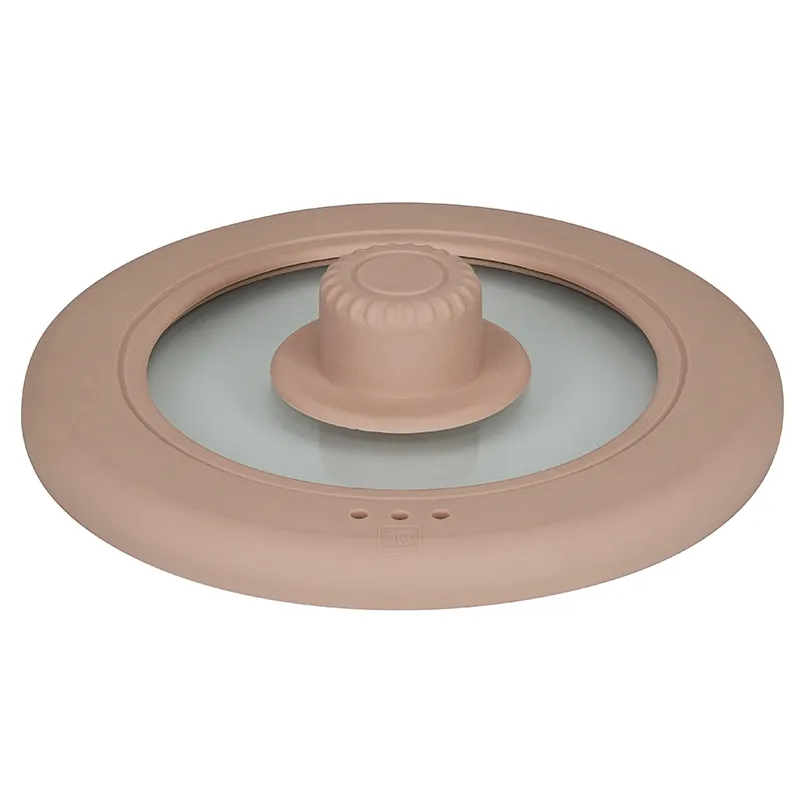
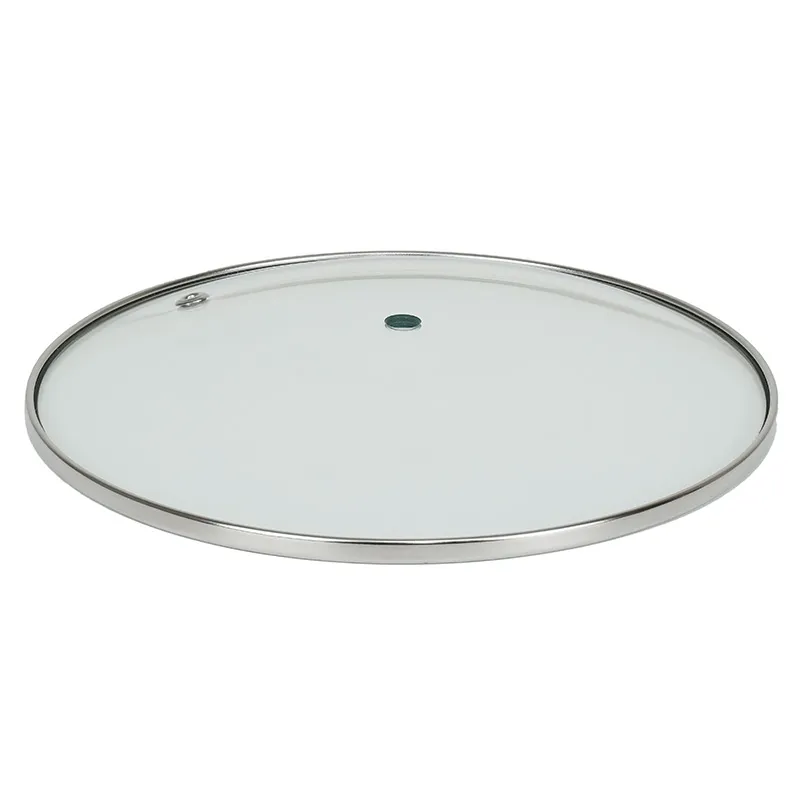
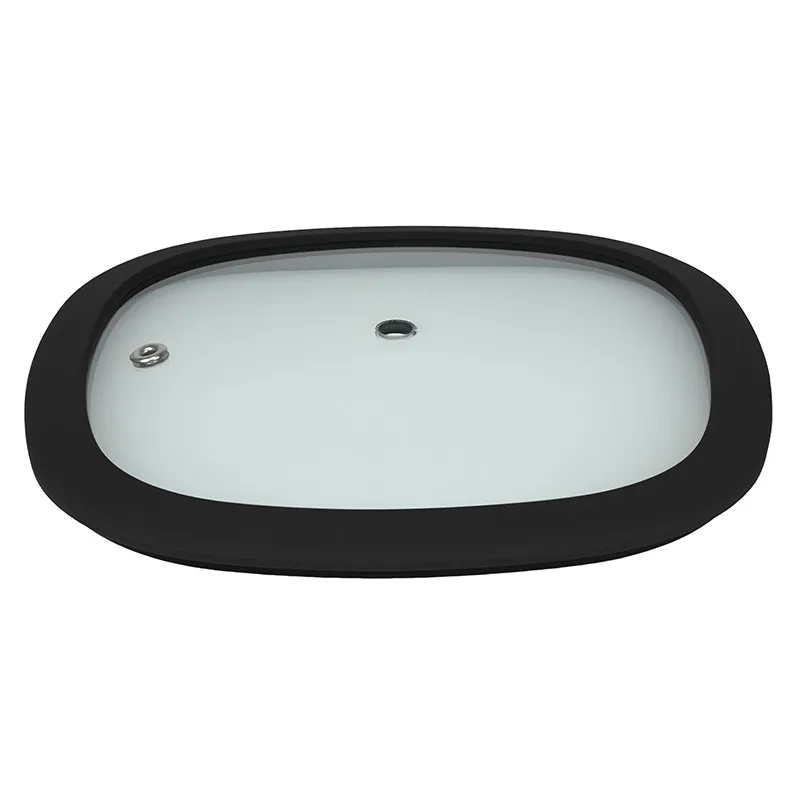
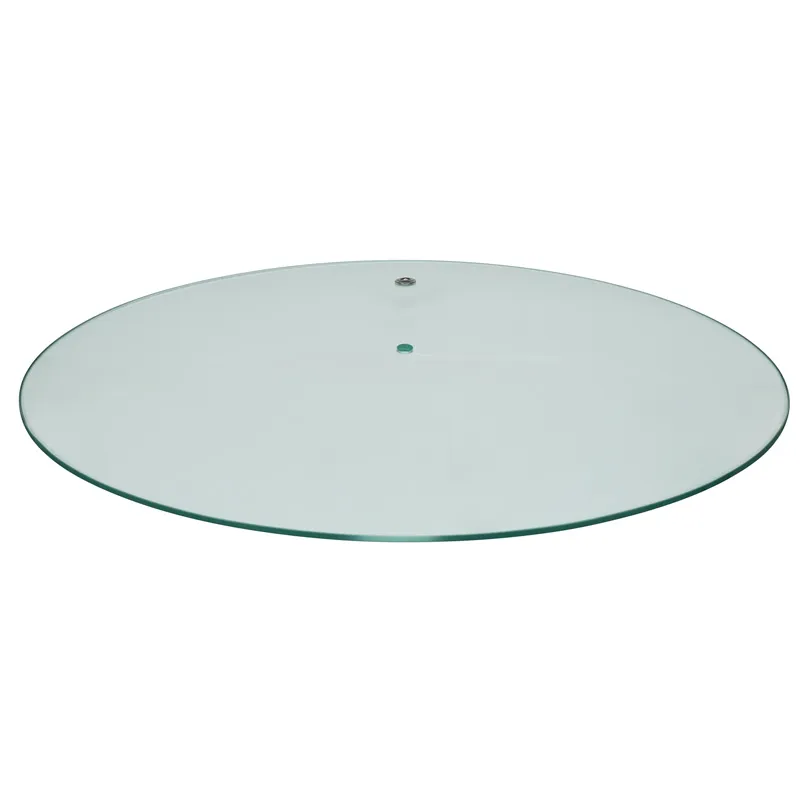
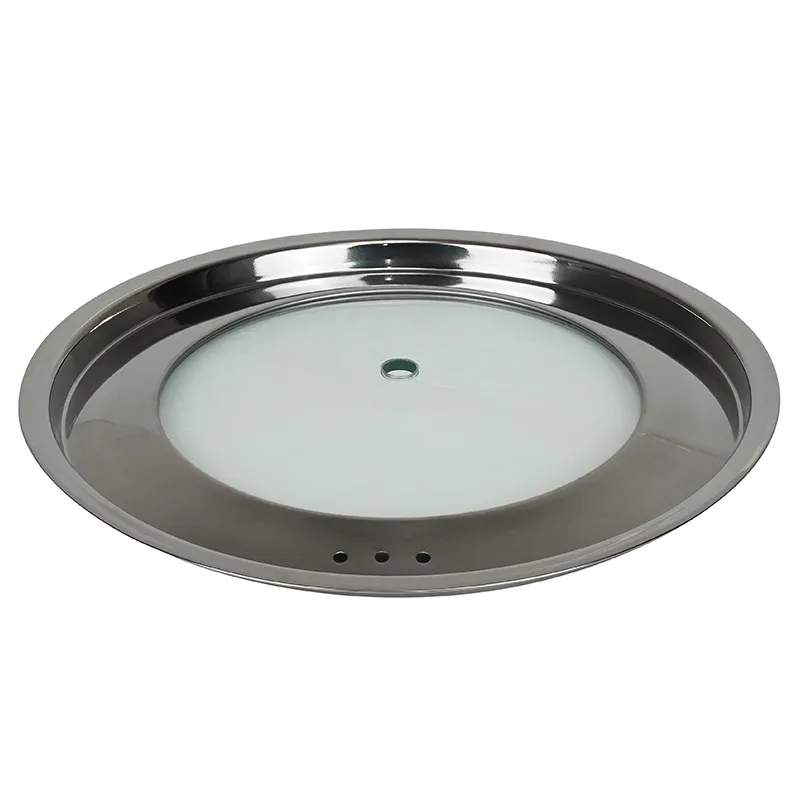
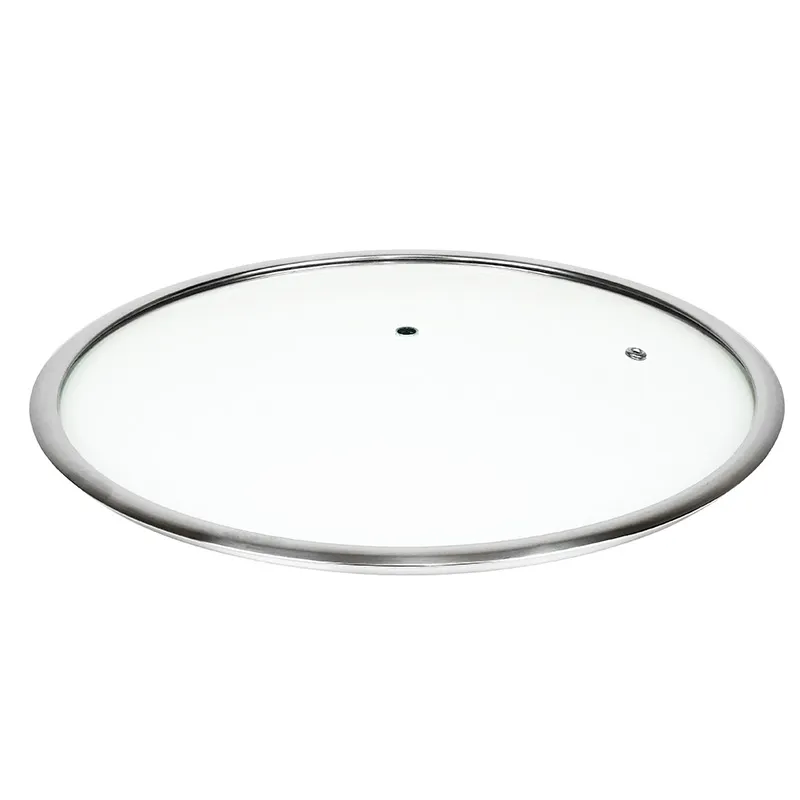
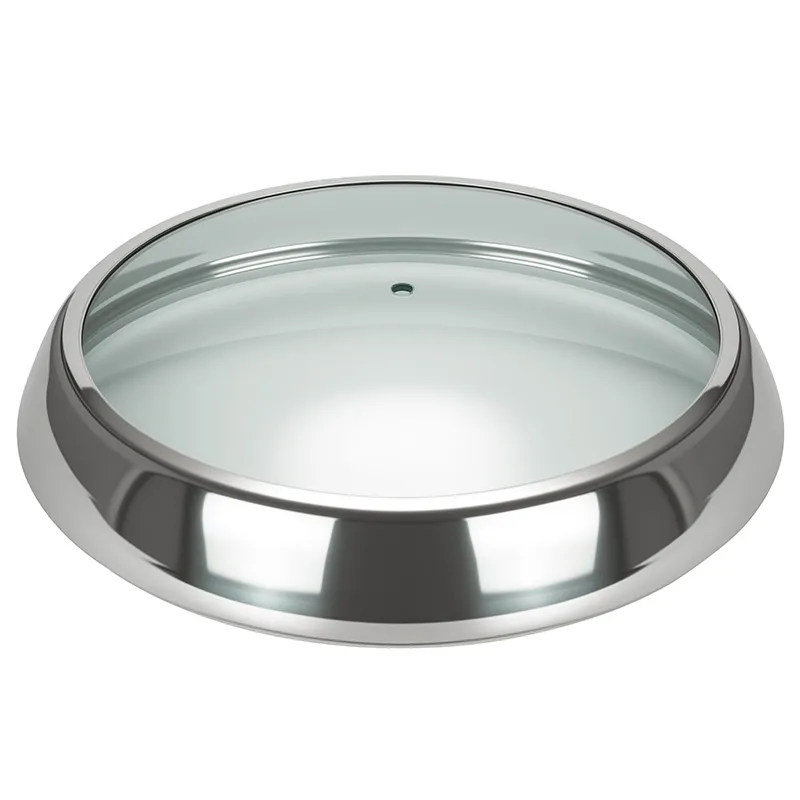
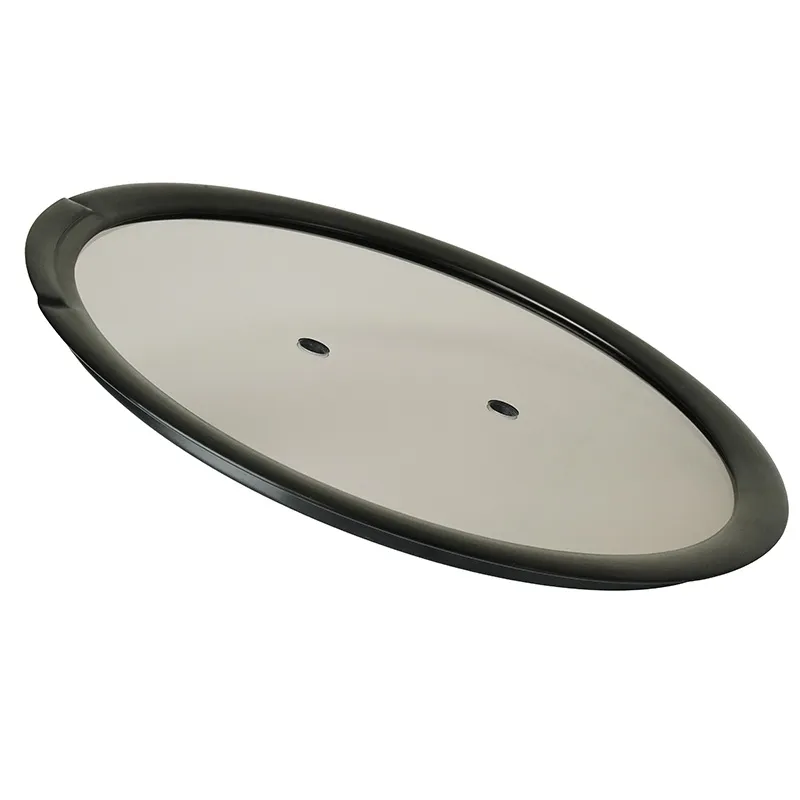
8 glass lid for frying pan
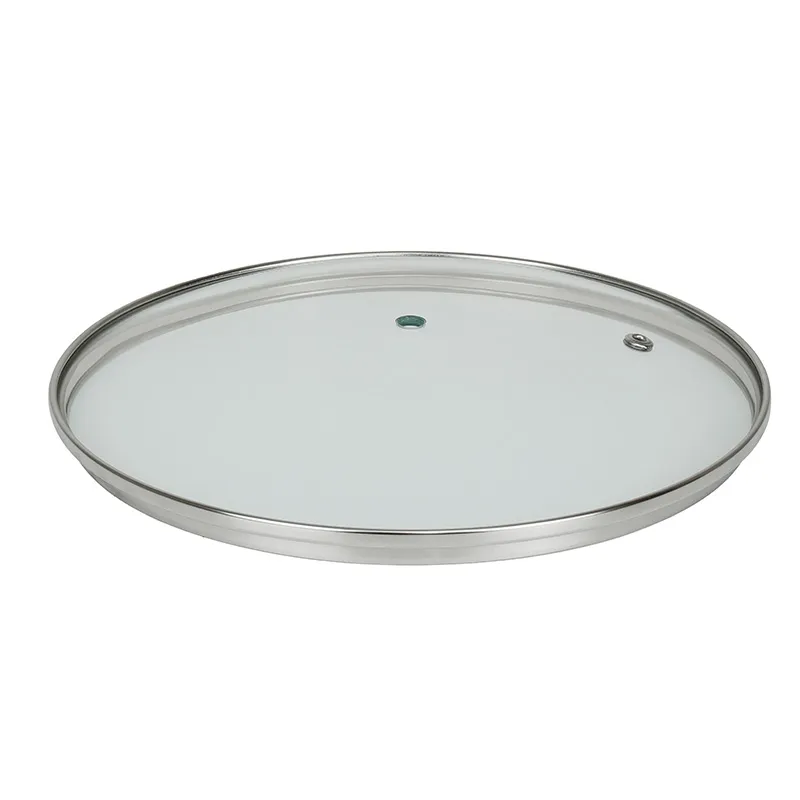
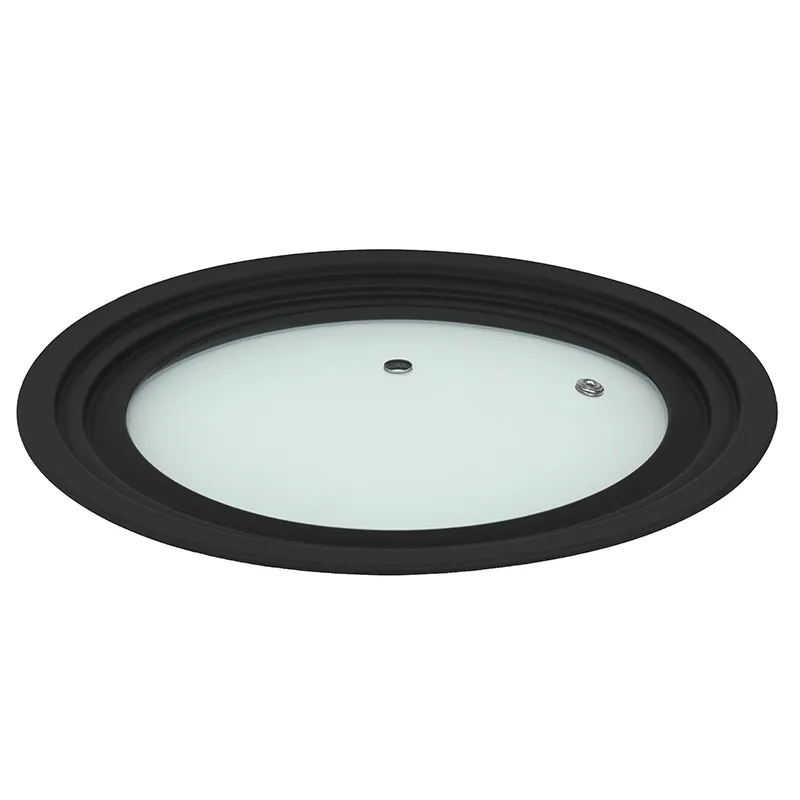
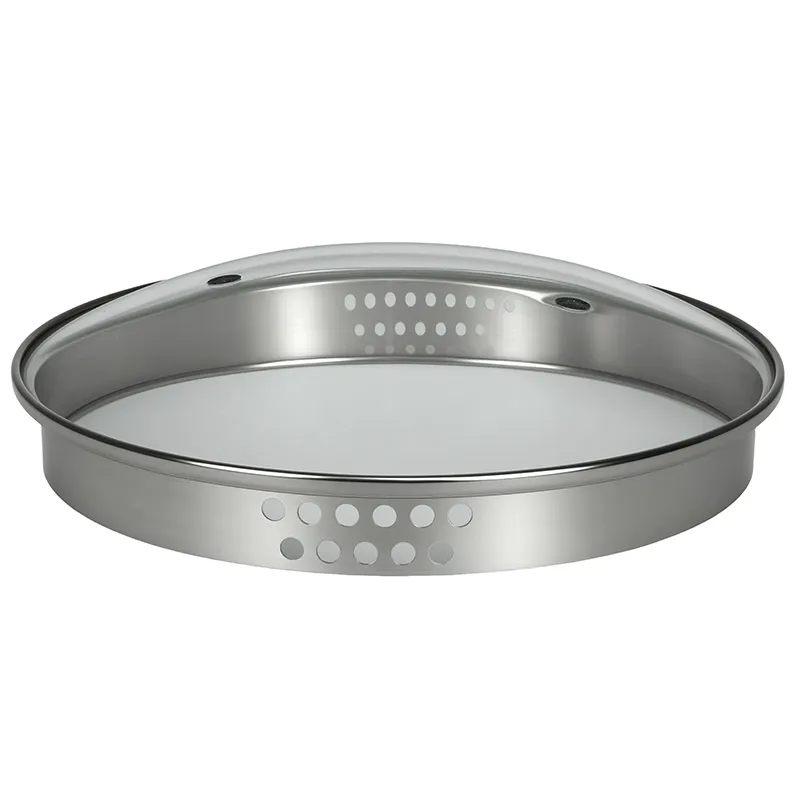
When you hear '8 glass lid for frying pan', most folks just think diameter. An 8-inch lid for an 8-inch pan, right? That's the first assumption, and honestly, it's where a lot of retail buyers and even some smaller kitchenware brands trip up. In reality, that '8' is often a nominal size. The actual fit depends on the pan's flange or outer rim design—something you only learn after ordering a few thousand pieces that come back because they rattled or didn't sit flush. It's not just a piece of glass; it's an interface.
The Fit and the Frustration
Let me give you a concrete example from a project a few years back. We were sourcing for a line of non-stick fry pans, and the OEM specified '8 glass lid'. We received samples that measured a true 8 inches in outer diameter. They looked perfect. But on the pans, they were unstable. Why? The frying pans had a slight outward-curved lip, a common design for pouring. The lid, meant to sit inside the rim, was actually a millimeter too large in its sealing diameter. It perched on top, wobbled, and steam escaped from the sides. That's when you realize the spec sheet needs three dimensions: outer diameter, sealing diameter (the crucial one), and the height of the dome.
This is where working with a specialized manufacturer makes a difference. I've seen the production process at facilities like EUR-ASIA COOKWARE CO.,LTD. They get this. It's not just about cutting tempered glass to a size. Their engineers ask for, or often already have on file, the precise profile of the pan's top. They understand that a lid for a deep sauté pan needs a taller dome than one for a shallow frying pan, even if both are called '8 inch'. Their production base in Taian has the tooling to adjust for these subtleties, which is why they supply to European markets where fit and finish are non-negotiable.
The material itself—tempered soda-lime glass—is standard, but the quality of the tempering and the edge finishing is where the grade separates. A poorly finished edge feels sharp under the finger, chips easily, and the tempering might be uneven, leading to spontaneous breakage from thermal shock. I've had batches where lids would crack just from being placed on a cool granite counter right after washing in hot water. A good lid, like those that pass the quality checks for export to Germany or Japan, can handle that transition. The 8 glass lid for frying pan from a serious maker isn't just an accessory; it's a engineered component.
The Handle: A Small Part with Big Problems
Never underestimate the handle. It's the user's main point of contact. The most common failure point on a glass lid isn't the glass—it's the handle becoming loose or detaching. Early on, we tried lids where the handle was attached with just a high-temp silicone adhesive. Big mistake. After a few dishwasher cycles or prolonged steam exposure, the bond weakens. The handle starts to rotate, and eventually, you're left holding a metal knob with a glass lid still on the pan.
The robust solution, and what I've seen in quality production, is a mechanical fixation combined with adhesive. At EUR-ASIA COOKWARE CO.,LTD's facility, they use a stainless steel bolt that goes through a pre-drilled hole in the tempered glass, secured with a nut and a high-temp epoxy washer. The visible top part of the handle then covers this assembly. This isn't coming off. You can find their product details and this kind of construction insight on their site, https://www.glass-lid.com. It's this kind of detail that their clients in Italy or Switzerland demand.
Then there's the heat factor. A phenolic resin (Bakelite) knob is standard because it stays cool. But I've tested some where the resin formula was cheap, and it would still get uncomfortably warm. The good ones have an air gap or an insulating layer designed into the assembly. You only notice its absence when you burn your fingers.
Dome Height and Condensation Management
This is a nuance most product descriptions ignore. Why does dome height matter for a frying pan lid? It's all about condensation runoff. A very low-dome lid will cause condensate to drip almost vertically back onto your food, potentially making a crispy dish soggy. A higher, more steeply arched dome encourages the droplets to run toward the edges and down the side of the pan.
I recall a test we did with two different 8 glass lid styles on the same pan of sautéing vegetables. The one with a flatter profile resulted in a pool of water in the center of the veggies. The one with a taller, European-style dome kept the condensation on the glass, with runoff hitting the pan's side. The difference in the final texture of the food was noticeable. Manufacturers who understand cooking, not just manufacturing, design for this. It's a sign they're thinking about the end-user's experience in the kitchen.
This is also where the clarity of the glass is a functional benefit, not just aesthetic. Being able to see the state of the condensation—whether it's fine mist or large droplets—gives you visual cues about the heat and moisture level inside without lifting the lid and losing steam. It's a small but real advantage over opaque lids.
Export Standards and the Real-World Test
The fact that a company like EUR-ASIA COOKWARE exports over 90% of its output, particularly to markets with stringent standards like Germany and Japan, is a tangible quality proxy. It's not just marketing. These markets have specific requirements for material safety (heavy metal leaching from any painted rims), thermal shock resistance (often tested with cycles between 0°C and 300°C), and mechanical strength. Their annual output of over 15 million pieces means they've ironed out the consistency issues that plague smaller shops.
From a sourcing perspective, this scale and specialization mean they can handle complex orders. It's not just about an 8 glass lid for frying pan; it's about providing the right lid for a specific pan model, with consistent color matching for handles (if applicable), and packaging that survives international logistics. I've had shipments from less experienced suppliers where the breakage rate was 15% due to poor packaging. With a professional operation, that rate drops to well under 1%, which is critical when you're dealing with fragile, heavy goods.
Their company intro mentions production of low, medium, and high-level products. That's an honest breakdown. Not every lid needs to be export-grade. A low-level lid for a budget supermarket line might have a simpler handle fixation and less stringent thermal testing. But knowing that a manufacturer can produce across that spectrum allows a buyer to make informed trade-offs between cost and durability, which is the heart of product development.
The Final Take: It's a Precision Component
So, wrapping this up, an 8 glass lid for frying pan is far from a generic commodity. The right one is a precision component that considers fit, thermal performance, mechanical durability, and actual cooking dynamics. The wrong one is a frustrating, wobbly, potentially dangerous piece of kit that ends up in the back of a cupboard.
The key is to look past the basic diameter spec. Engage with suppliers who ask questions about your pan's design. Check their handle attachment method. Ask about their thermal shock testing protocol. A company with a focused production like EUR-ASIA COOKWARE CO.,LTD, with its dedicated facility and export pedigree, typically has these answers baked into their process because their clients have already demanded it. Their website, https://www.glass-lid.com, reflects this specialization—it's not a general kitchenware site; it's about lids.
In the end, a good lid disappears into the experience of cooking. You don't think about it. It fits, it seals, it lets you see, and it stays cool to the touch. That's the mark of a product born from practical iteration and real-world feedback, not just a CAD drawing and a price point.
Related Products
Related Products