- Chinese
- French
- German
- Portuguese
- Spanish
- Russian
- Japanese
- Korean
- Arabic
- Irish
- Greek
- Turkish
- Italian
- Danish
- Romanian
- Indonesian
- Czech
- Afrikaans
- Swedish
- Polish
- Basque
- Catalan
- Esperanto
- Hindi
- Lao
- Albanian
- Amharic
- Armenian
- Azerbaijani
- Belarusian
- Bengali
- Bosnian
- Bulgarian
- Cebuano
- Chichewa
- Corsican
- Croatian
- Dutch
- Estonian
- Filipino
- Finnish
- Frisian
- Galician
- Georgian
- Gujarati
- Haitian
- Hausa
- Hawaiian
- Hebrew
- Hmong
- Hungarian
- Icelandic
- Igbo
- Javanese
- Kannada
- Kazakh
- Khmer
- Kurdish
- Kyrgyz
- Latin
- Latvian
- Lithuanian
- Luxembou..
- Macedonian
- Malagasy
- Malay
- Malayalam
- Maltese
- Maori
- Marathi
- Mongolian
- Burmese
- Nepali
- Norwegian
- Pashto
- Persian
- Punjabi
- Serbian
- Sesotho
- Sinhala
- Slovak
- Slovenian
- Somali
- Samoan
- Scots Gaelic
- Shona
- Sindhi
- Sundanese
- Swahili
- Tajik
- Tamil
- Telugu
- Thai
- Ukrainian
- Urdu
- Uzbek
- Vietnamese
- Welsh
- Xhosa
- Yiddish
- Yoruba
- Zulu
- Kinyarwanda
- Tatar
- Oriya
- Turkmen
- Uyghur

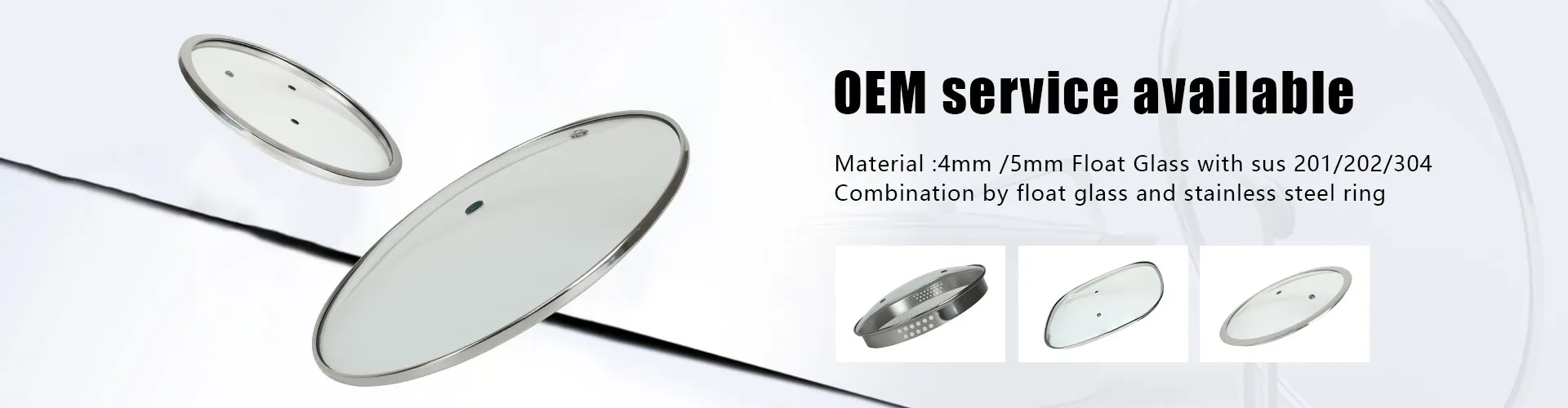
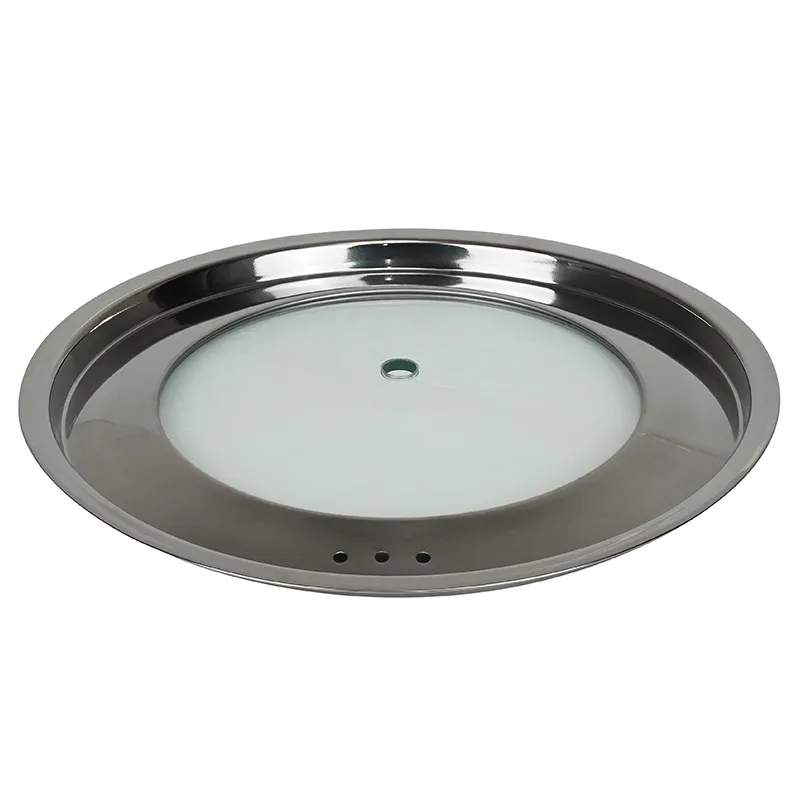
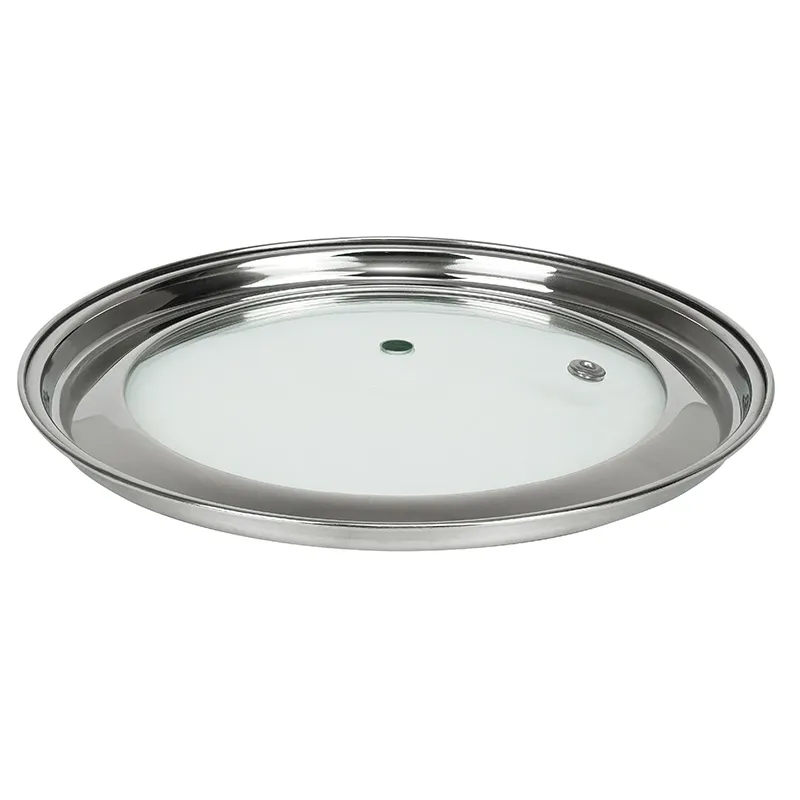
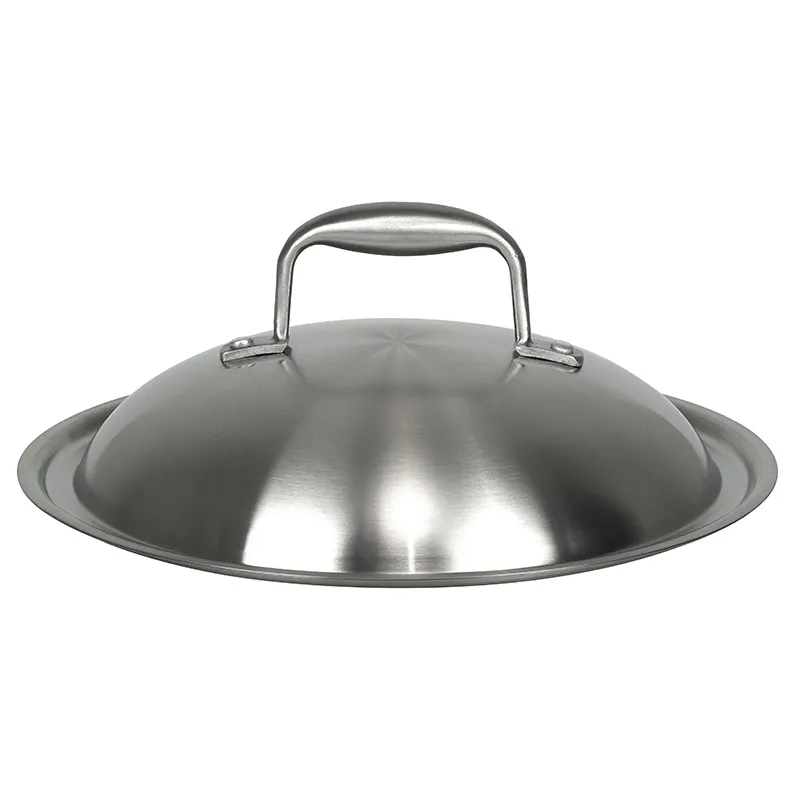
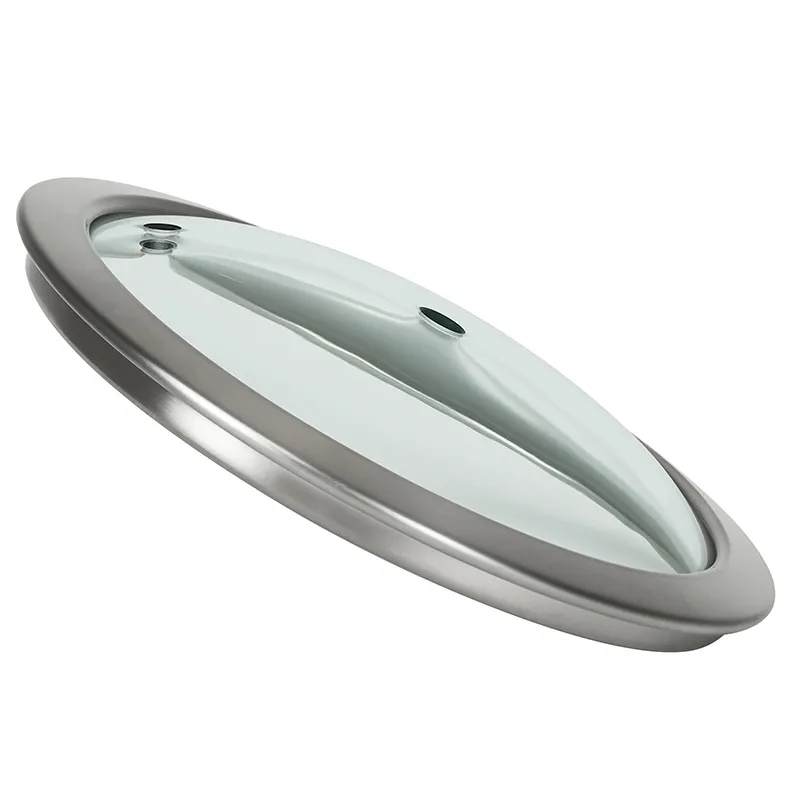
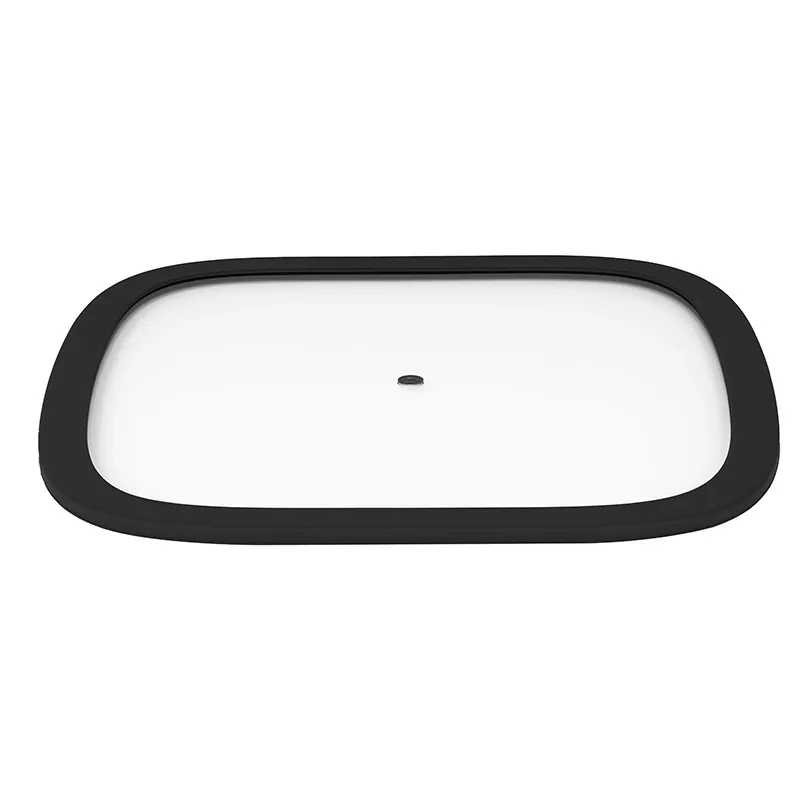
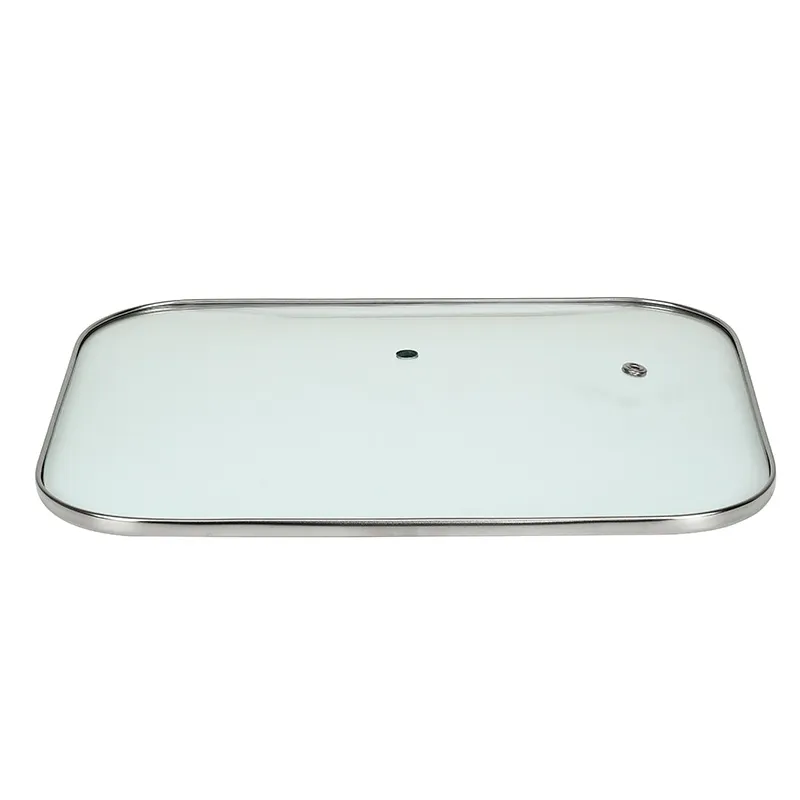
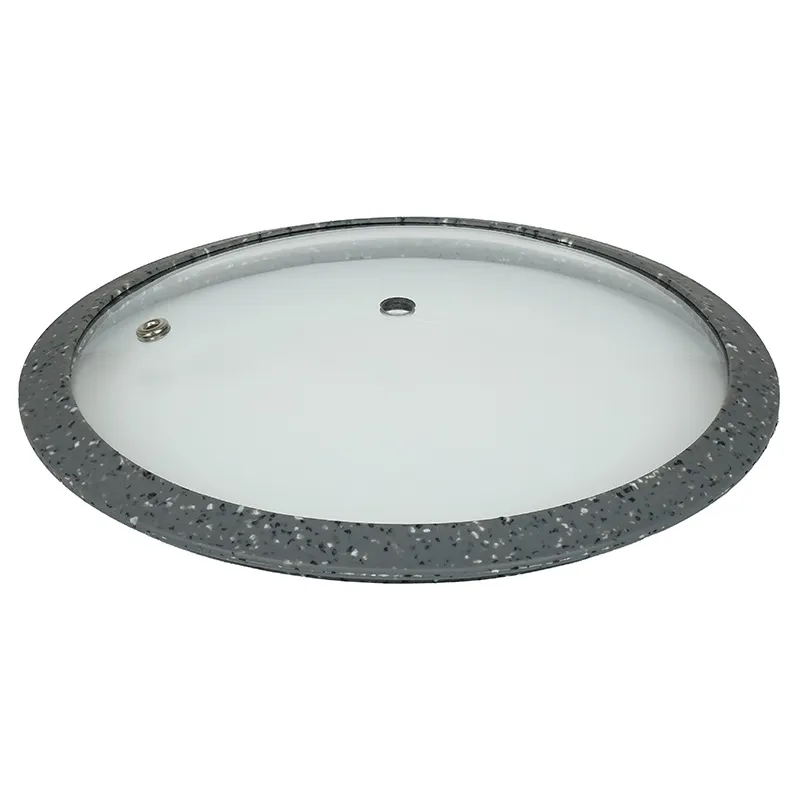
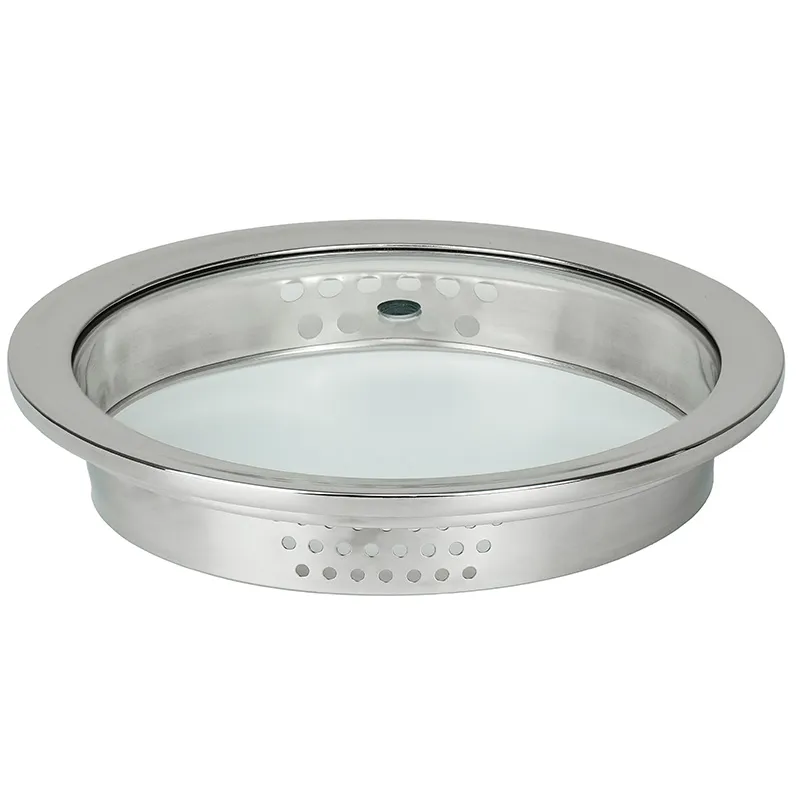
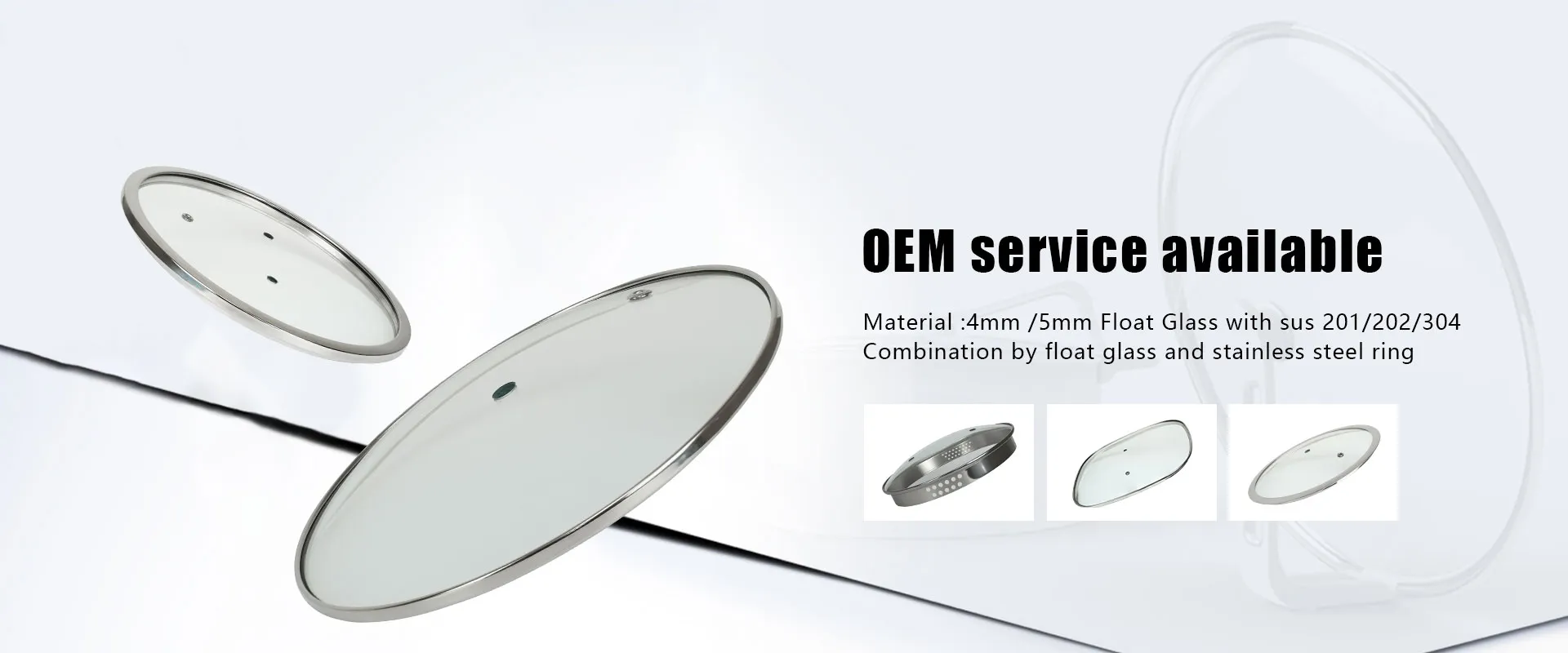
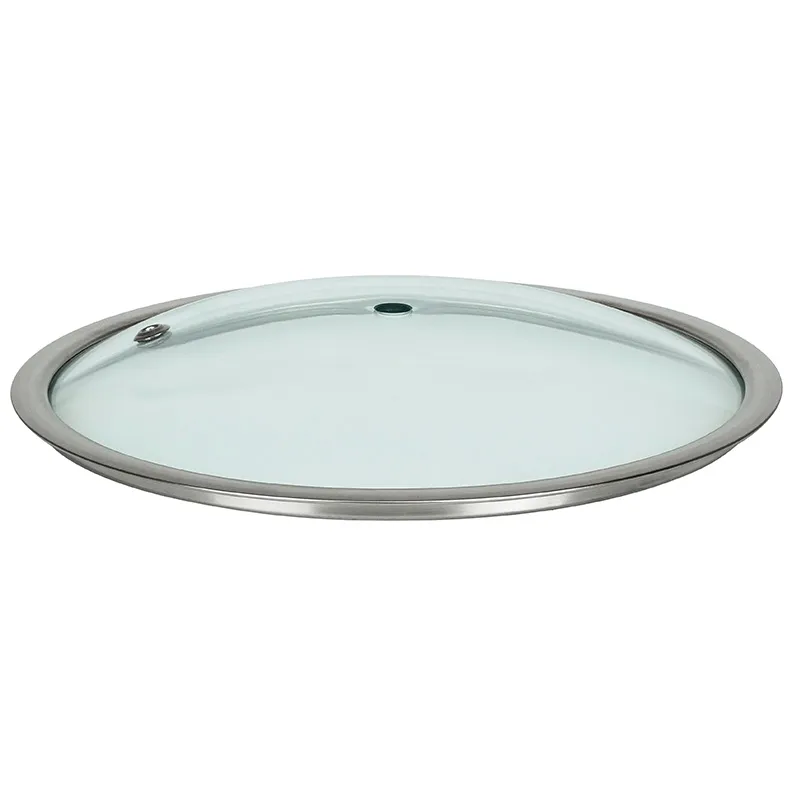
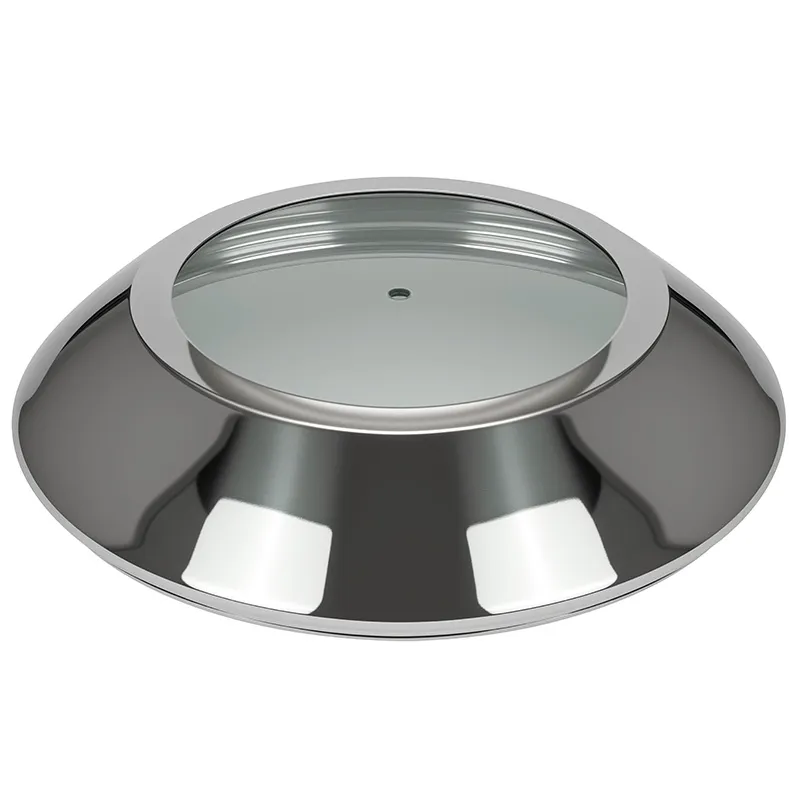
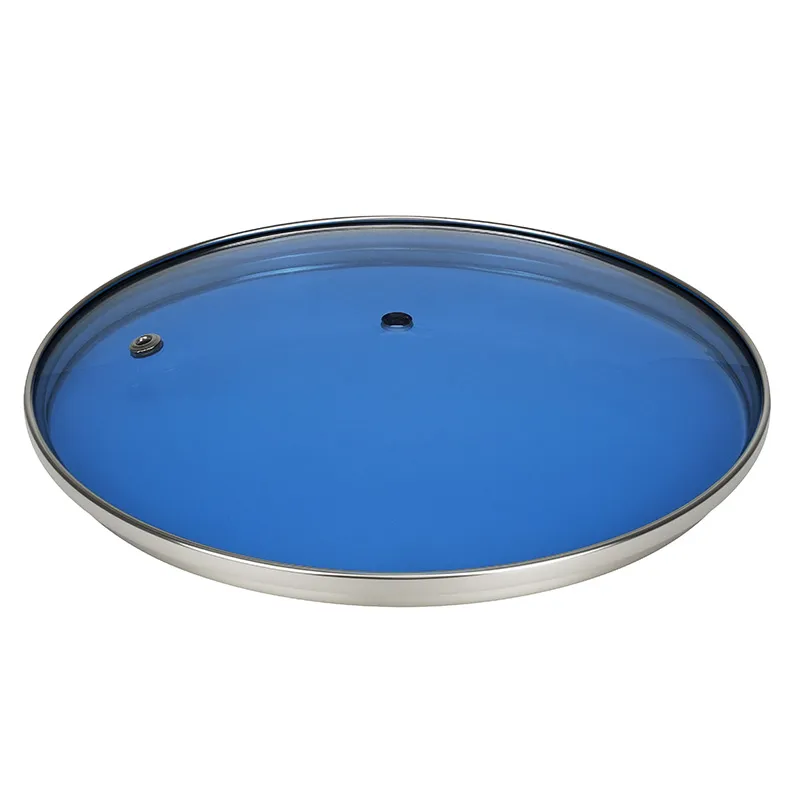
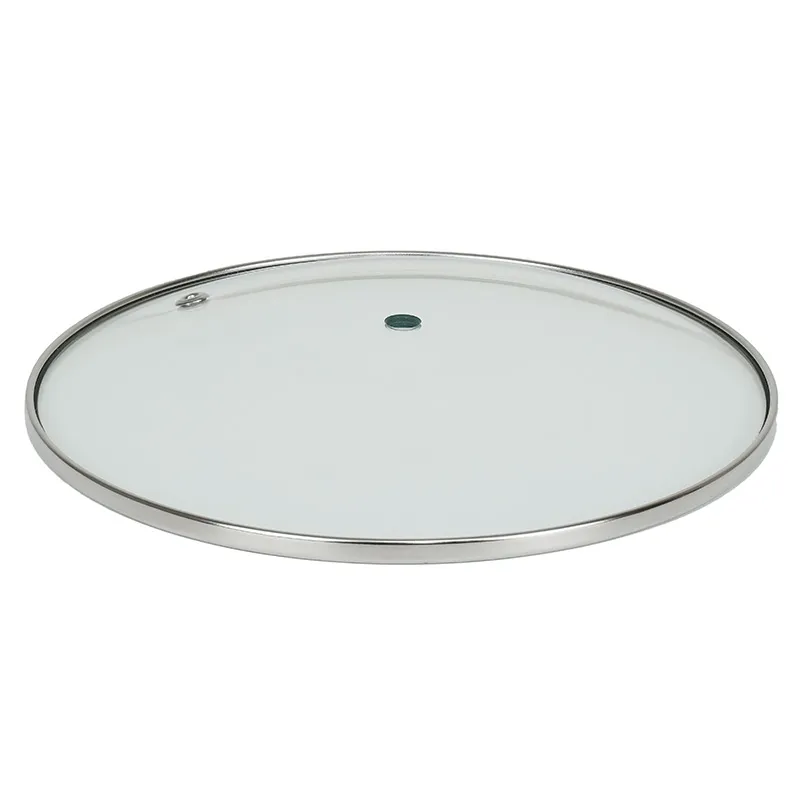
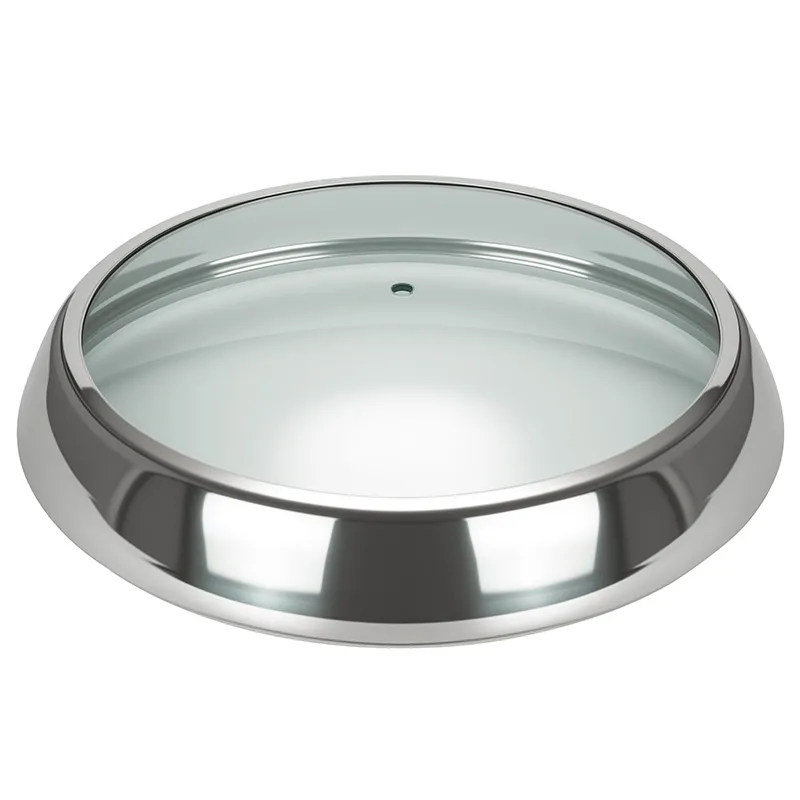
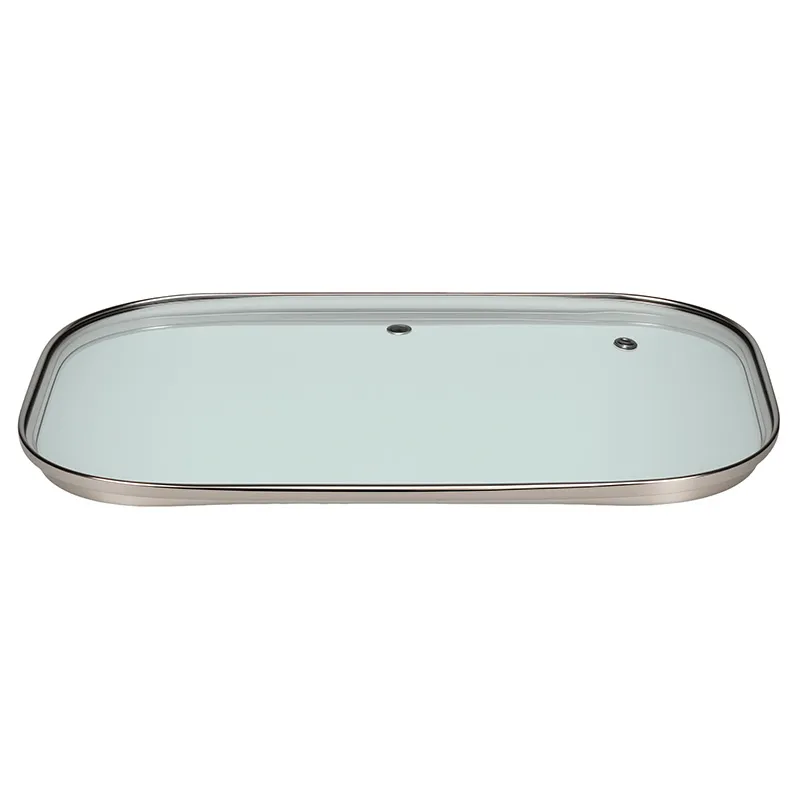
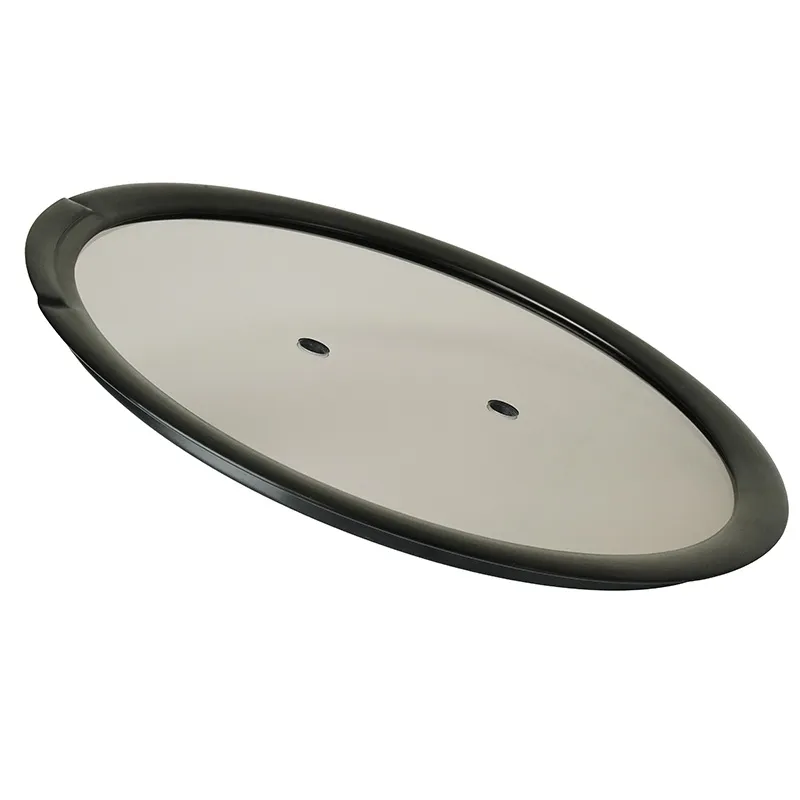
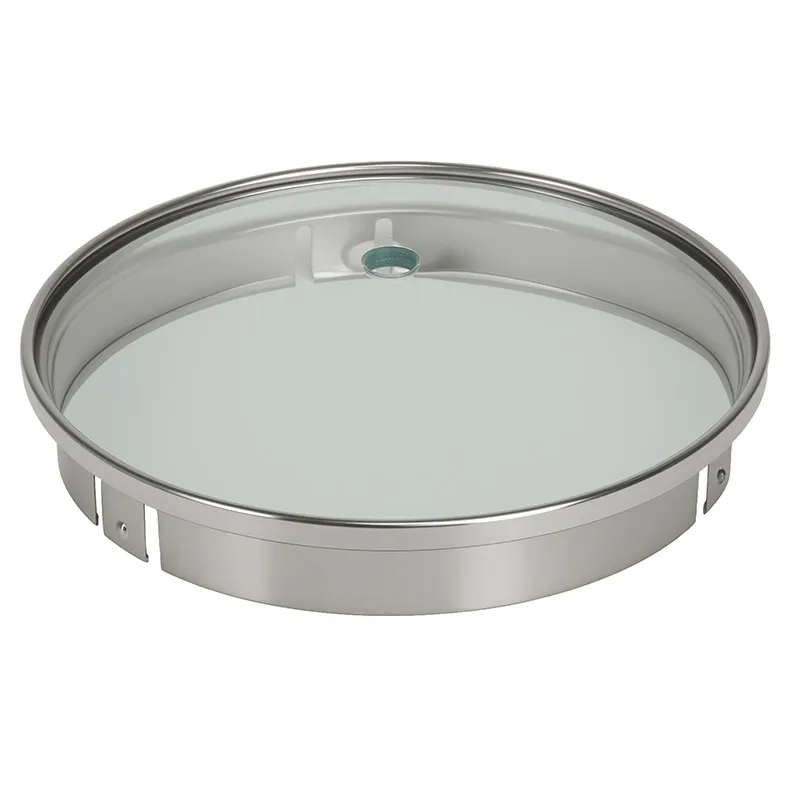
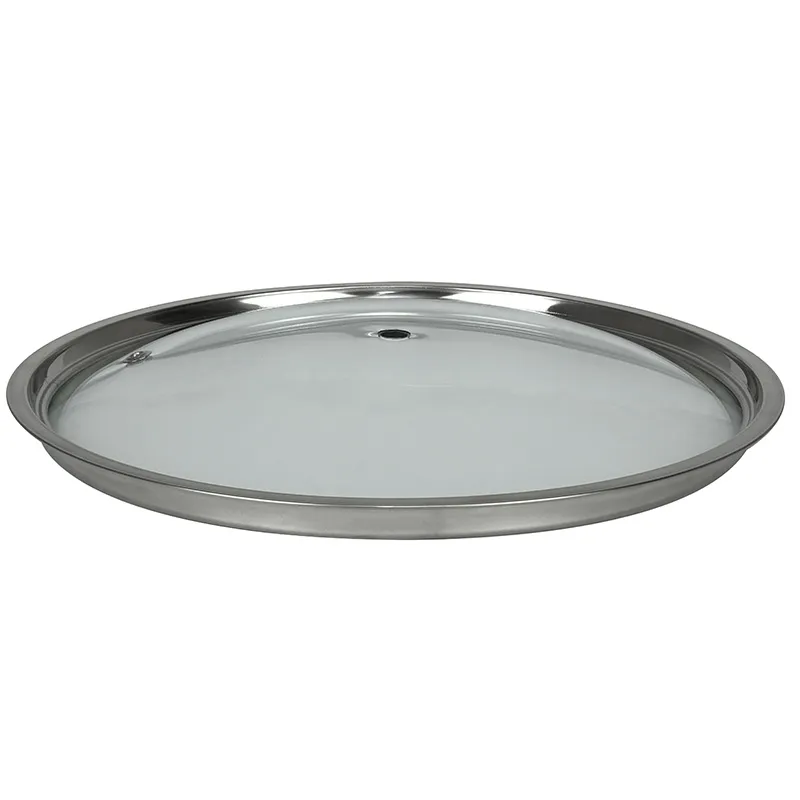
8 inch glass lid
When you hear '8 inch glass lid', you probably just think of a diameter. That's the first mistake. In our line, that number is the starting point for a dozen conversations about fit, function, and frankly, failure. It’s not just a piece of glass; it's a component that has to survive thermal shock, clumsy handling, and the quest for a perfect seal on a pot that might not be perfectly round. I've seen too many specs sheets that stop at the dimensions and the fact it's tempered. That tells you almost nothing about whether it'll work.
The Fit Fallacy and Thermal Reality
Let's talk fit. An 8-inch lid isn't for an 8-inch pan. That's rule one. If the pan's cooking surface is 8 inches, the rim or the outer edge where the lid sits is often 8.5 or even 9 inches. You're measuring the lid's skirt diameter, the part that actually contacts the cookware. Get this wrong, and you have a wobbly lid that lets all the steam out. I recall a batch for a mid-tier European brand where the CAD specs were perfect, but the production run had lids that sat unevenly. The issue? We designed for a theoretical 8.2-inch pan rim, but the client's stamped pots had a variance of nearly +/- 1.5mm. The lids were technically correct, but practically flawed.
Then there's the glass itself. Tempered is a given, but the grade and the quenching process define its life. A lid for a slow cooker needs different stress tolerance than one for a sauté pan going from fridge to stovetop. I've had lids from rushed orders—where the tempering oven cycle was shortened to meet a deadline—develop spontaneous fractures just sitting in a warehouse. Not a full shatter, but a spiderweb crack from the center knob outward. That's a stress point failure, pure and simple. It taught us to audit the quenching pressure logs for every batch now.
The knob is another silent killer. That stainless steel or phenolic knob isn't just glued on. The bonding agent has to withstand repeated heating, cooling, and dishwasher cycles. Early on, we used an epoxy that passed initial tests but became brittle after about 50 dishwasher cycles. We had returns for knobs detaching. Switched to a silicone-based adhesive with a higher thermal flex threshold. Problem solved, but it added cost. Not every factory makes that switch; they'll just hope the failure happens after the warranty.
Case in Point: The EUR-ASIA COOKWARE Adjustment
Working with a volume producer like EUR-ASIA COOKWARE CO.,LTD (you can see their range at glass-lid.com) highlights these nuances at scale. They're moving millions of pieces annually, primarily to European markets like Germany and Poland where standards are tight. Their base product is solid, but the devil is in the details for different clients. A German retailer might demand lids for their branded cookware line that have a very specific, subtle bevel on the underside of the rim to prevent chipping. A French buyer might want a lower-profile knob for stackability in compact kitchens.
Their specialization in low to high-level household glass means they see the full spectrum. A budget 8 inch glass lid for a promotional set might use a thinner glass base and a simpler, riveted knob. Their higher-end line, likely destined for Japan or Switzerland, will have thicker, laser-cut glass to reduce edge micro-fractures, and a molded knob with a wider base for better grip and heat distribution. The fact that over 90% is exported tells you they're not just making a generic product; they're adapting to a dozen different national safety and aesthetic norms.
One specific challenge we navigated with them was for a line of casserole dishes. The 8 inch glass lid needed to be oven-safe to a higher temperature than standard, but also have exceptional clarity. The higher thermal resistance meant adjusting the soda-lime glass composition slightly, which initially caused faint waves in the visual clarity. It took three furnace batches to balance the two properties. The product page on their site probably just lists high thermal resistance & clarity, but that phrase hides weeks of trial and error.
On the Floor: Logistics and the Unseen Cost
People forget the logistics. A glass lid is fragile, heavy for its size, and a nightmare to pack efficiently. An 8-inch lid, properly packaged with foam cradles and corrugated partitions, takes up more cubic space than you'd think. For a company like EUR-ASIA with a 15,000㎡ facility, the storage and packing area is a critical part of the operation. I've seen beautifully made lids arrive with edge chips because the interior packing dividers in the master carton were half a centimeter too short, allowing shift during ocean freight.
The export focus means everything is palletized for container shipping. The stacking strength of the cartons is a spec as important as the glass tempering. A weak carton leads to crushed lids in the bottom layers. It's a total loss. Their location in Shandong's High-tech Development Zone gives them logistical advantages for port access, which is crucial when you're shipping 15 million pieces a year. A delay or extra handling is just more risk for breakage.
Then there's the finish. The polished edge. A perfectly polished edge feels smooth, reflects light evenly. A rushed polish feels gritty, looks hazy. It's the first thing a user touches. We implemented a simple black glove test on random samples—run a black cloth glove along the edge. Any white fiber snags or streaks indicate a micro-roughness. It's a small thing, but it's the difference between a product that feels premium and one that feels cheap. I know EUR-ASIA's QC does a version of this; you can't maintain exports to those markets without that level of finish inspection.
Why Material Sourcing Isn't Just About Price
The source of the glass sheet matters immensely. Not all float glass is created equal. Impurities can cause weak points. For a high-volume producer, locking in a consistent supply from a reliable glass plant is a major part of the business. A switch to a cheaper source might save cost per ton, but if it increases the breakage rate during tempering or drilling the knob hole by even 2%, you've lost all your savings and more.
The metal for the rim clamp (if it's a clamp-on lid) or the knob hardware is another point. Cheap stainless can discolor or even rust in a dishwasher over time. Sourcing from a reputable mill, even if it's more expensive, prevents returns down the line. For their export markets, compliance with EU nickel-release standards for metal parts is non-negotiable. It requires certified materials. This isn't an area for cutting corners, and a professional operation won't.
It circles back to the 8 inch glass lid. That final product on a shelf is the result of a hundred such decisions—from material chemistry to packing tape. When you pick one up, you're not just holding glass. You're holding the outcome of practical compromises, solved problems, and hopefully, the lessons learned from past failures. The good ones, like those from a seasoned exporter, feel inert and simple. But that simplicity is hard-won.
Related Products
Related Products