- Chinese
- French
- German
- Portuguese
- Spanish
- Russian
- Japanese
- Korean
- Arabic
- Irish
- Greek
- Turkish
- Italian
- Danish
- Romanian
- Indonesian
- Czech
- Afrikaans
- Swedish
- Polish
- Basque
- Catalan
- Esperanto
- Hindi
- Lao
- Albanian
- Amharic
- Armenian
- Azerbaijani
- Belarusian
- Bengali
- Bosnian
- Bulgarian
- Cebuano
- Chichewa
- Corsican
- Croatian
- Dutch
- Estonian
- Filipino
- Finnish
- Frisian
- Galician
- Georgian
- Gujarati
- Haitian
- Hausa
- Hawaiian
- Hebrew
- Hmong
- Hungarian
- Icelandic
- Igbo
- Javanese
- Kannada
- Kazakh
- Khmer
- Kurdish
- Kyrgyz
- Latin
- Latvian
- Lithuanian
- Luxembou..
- Macedonian
- Malagasy
- Malay
- Malayalam
- Maltese
- Maori
- Marathi
- Mongolian
- Burmese
- Nepali
- Norwegian
- Pashto
- Persian
- Punjabi
- Serbian
- Sesotho
- Sinhala
- Slovak
- Slovenian
- Somali
- Samoan
- Scots Gaelic
- Shona
- Sindhi
- Sundanese
- Swahili
- Tajik
- Tamil
- Telugu
- Thai
- Ukrainian
- Urdu
- Uzbek
- Vietnamese
- Welsh
- Xhosa
- Yiddish
- Yoruba
- Zulu
- Kinyarwanda
- Tatar
- Oriya
- Turkmen
- Uyghur

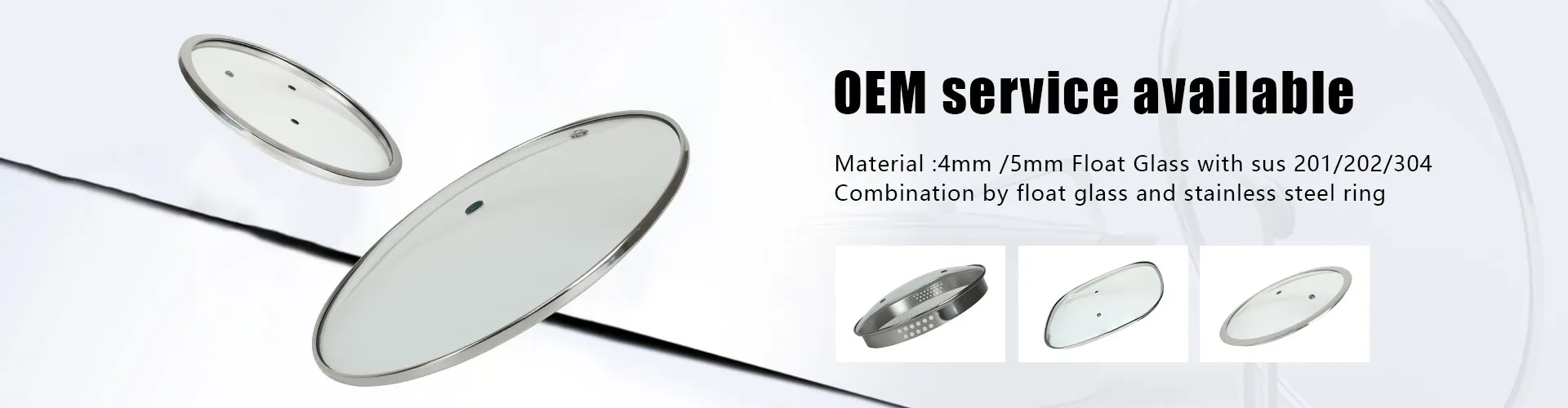
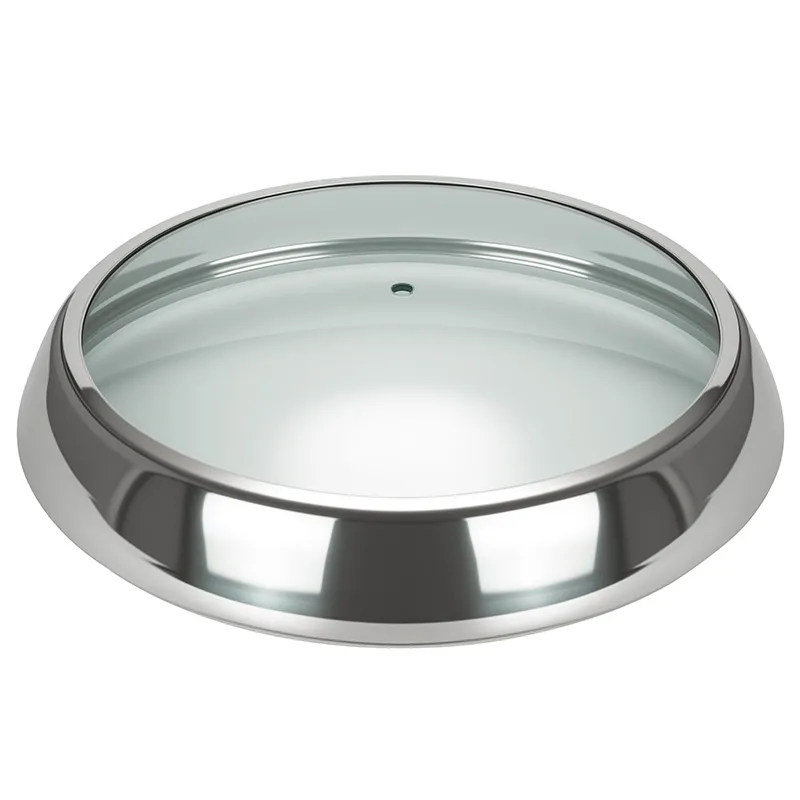
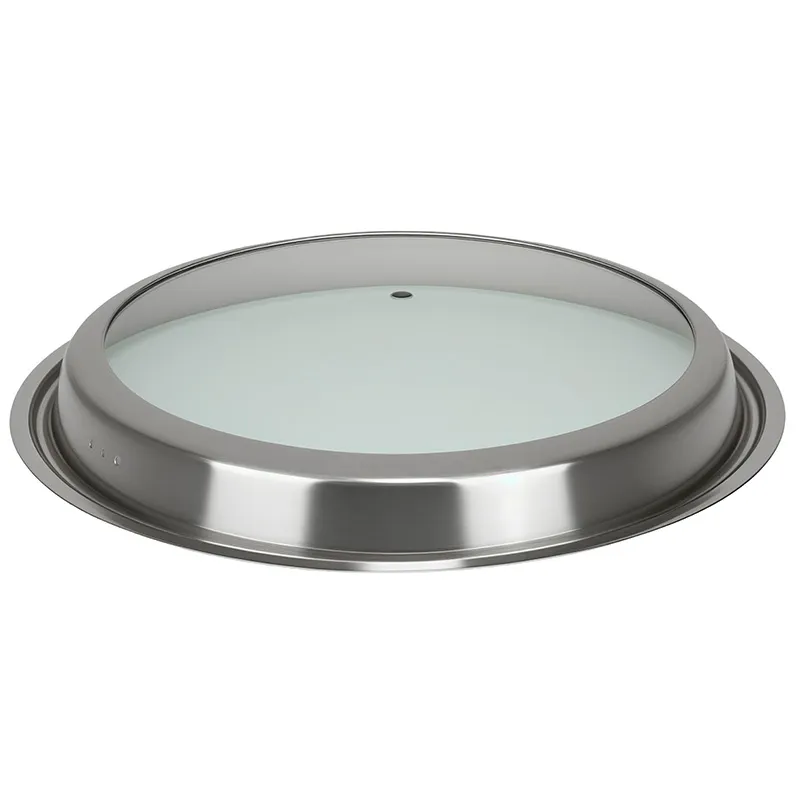
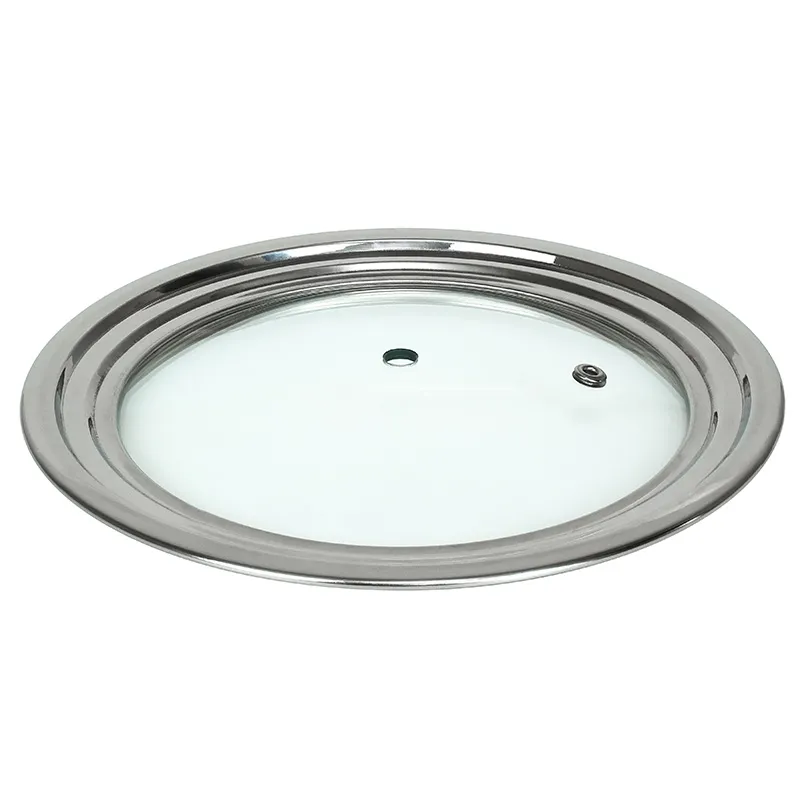
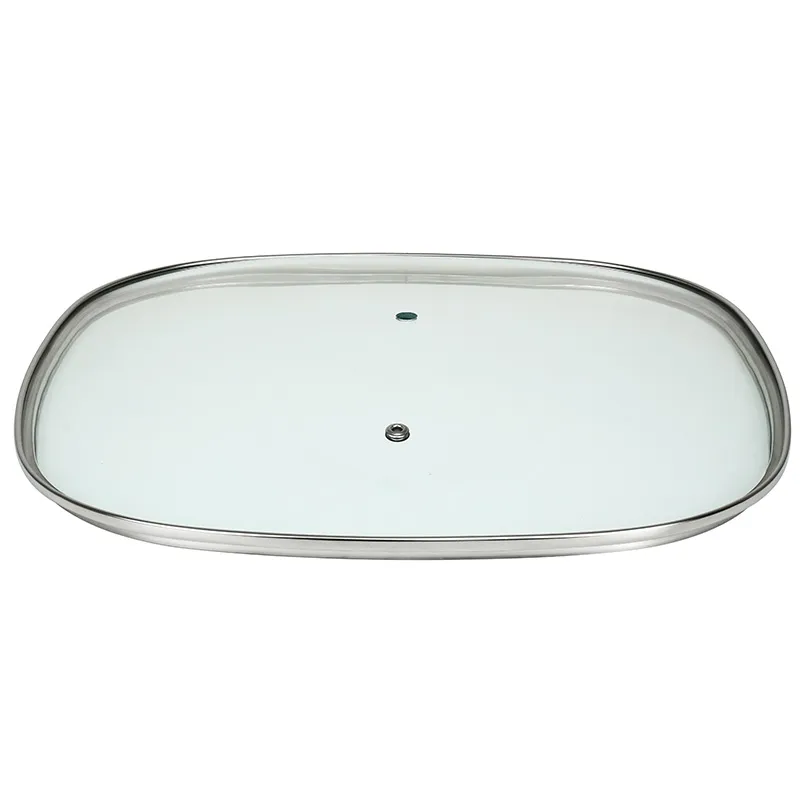
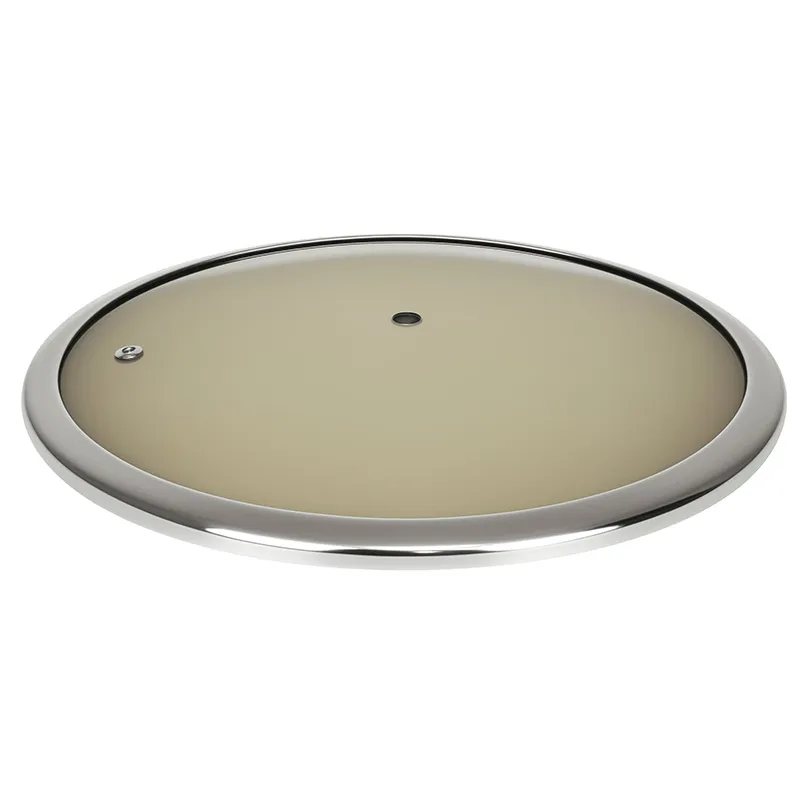
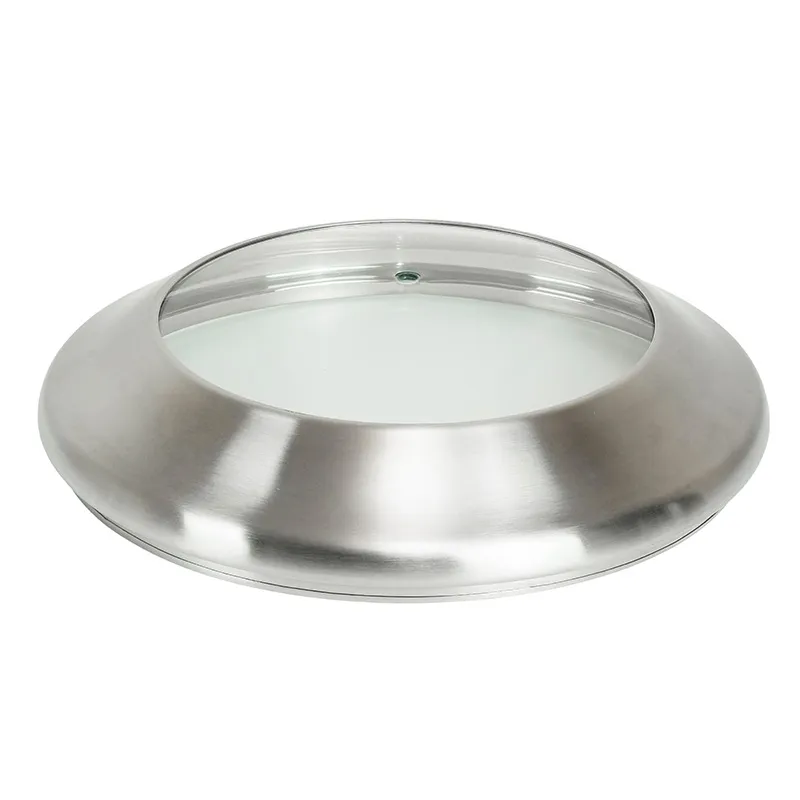
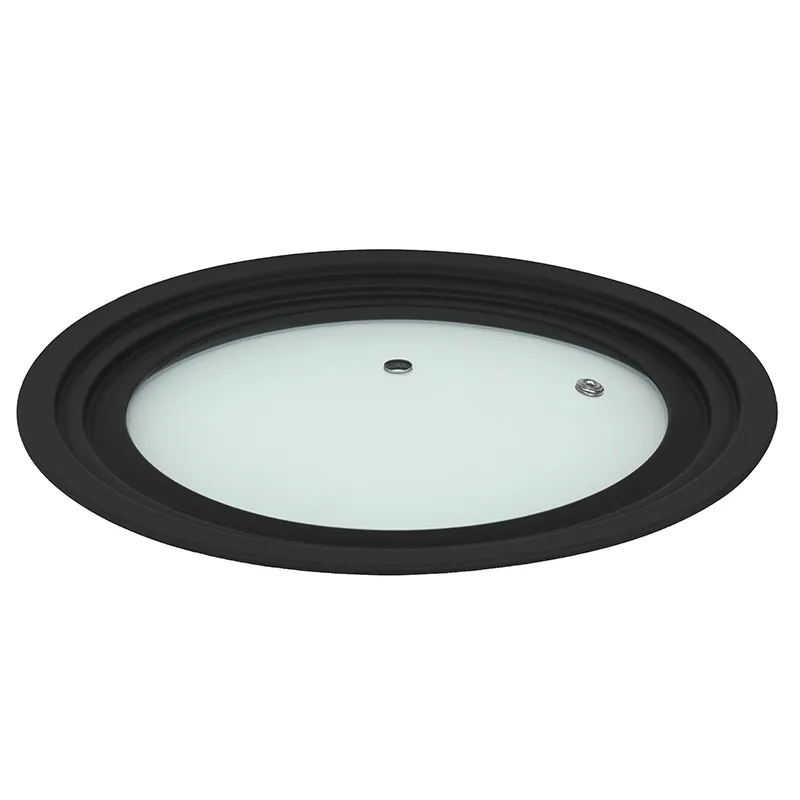
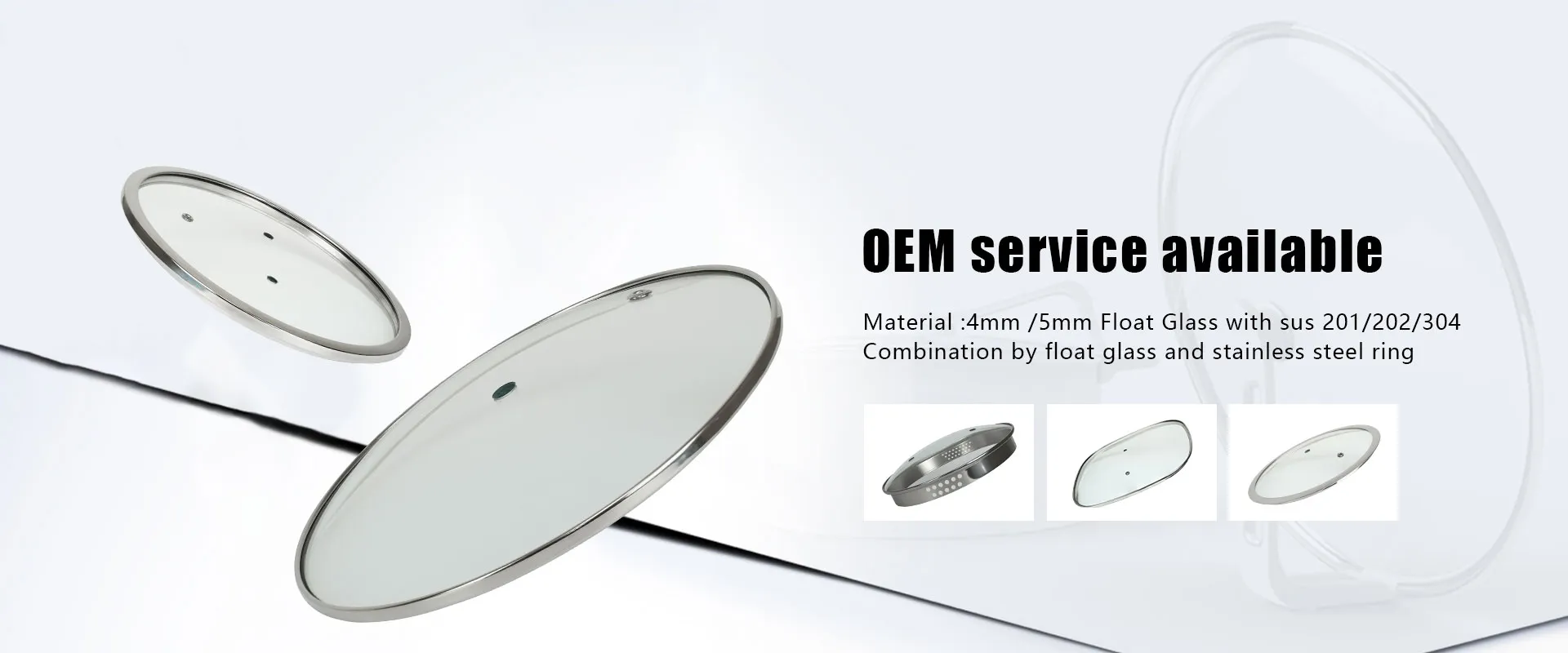
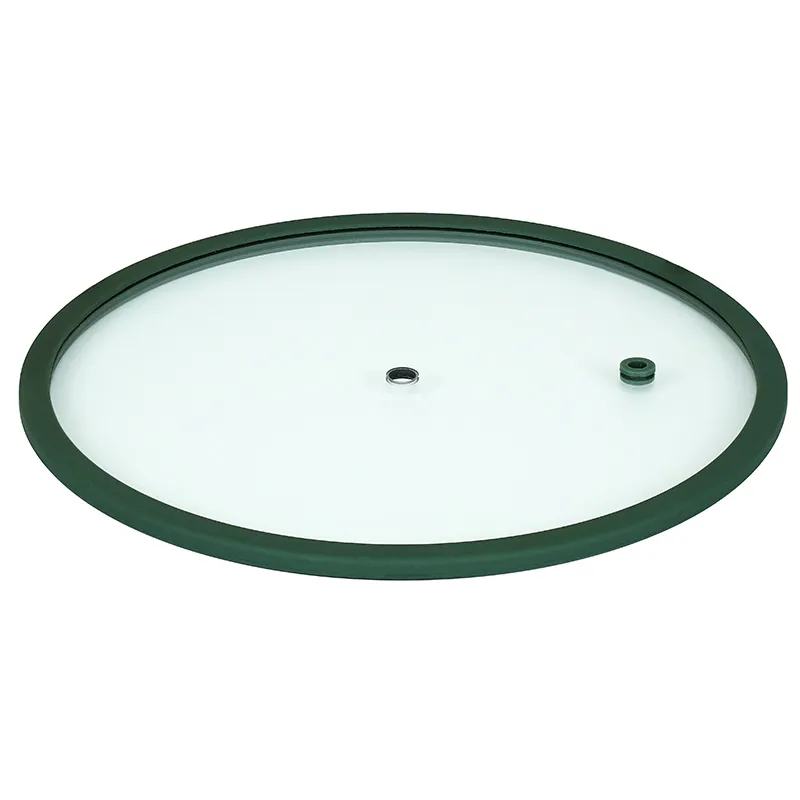
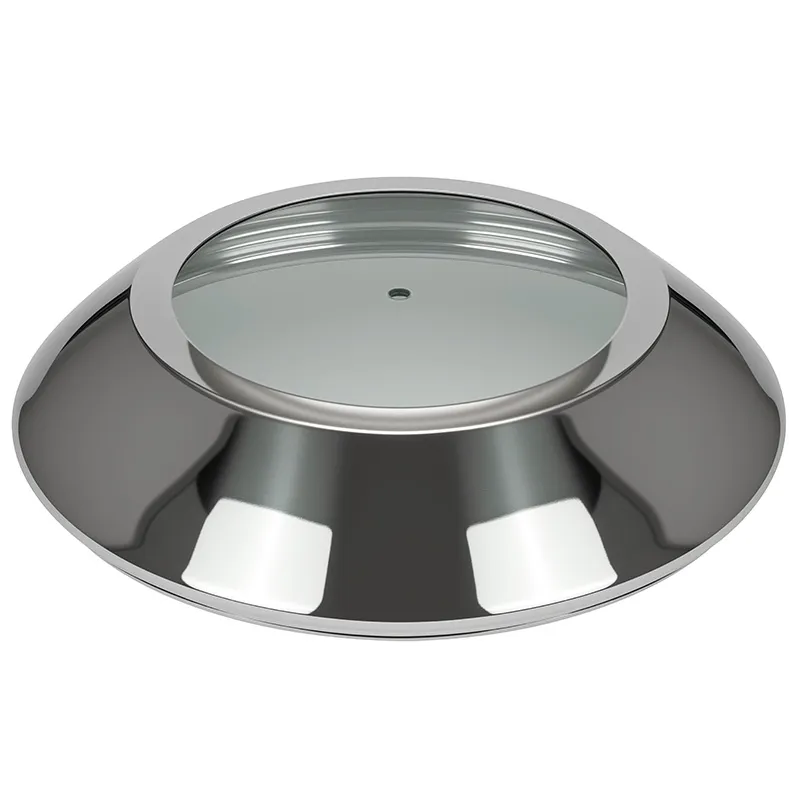
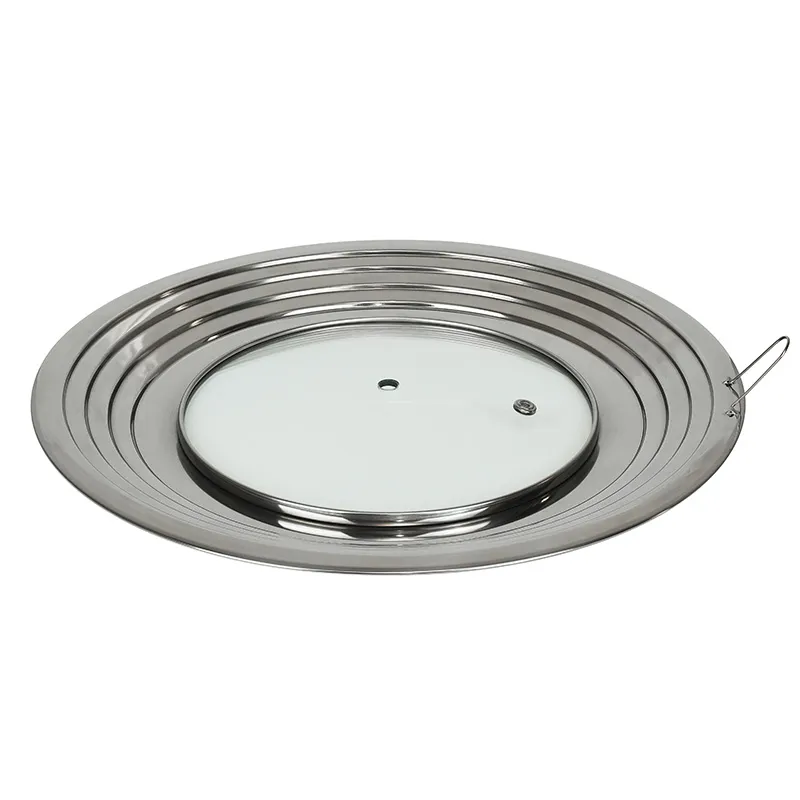
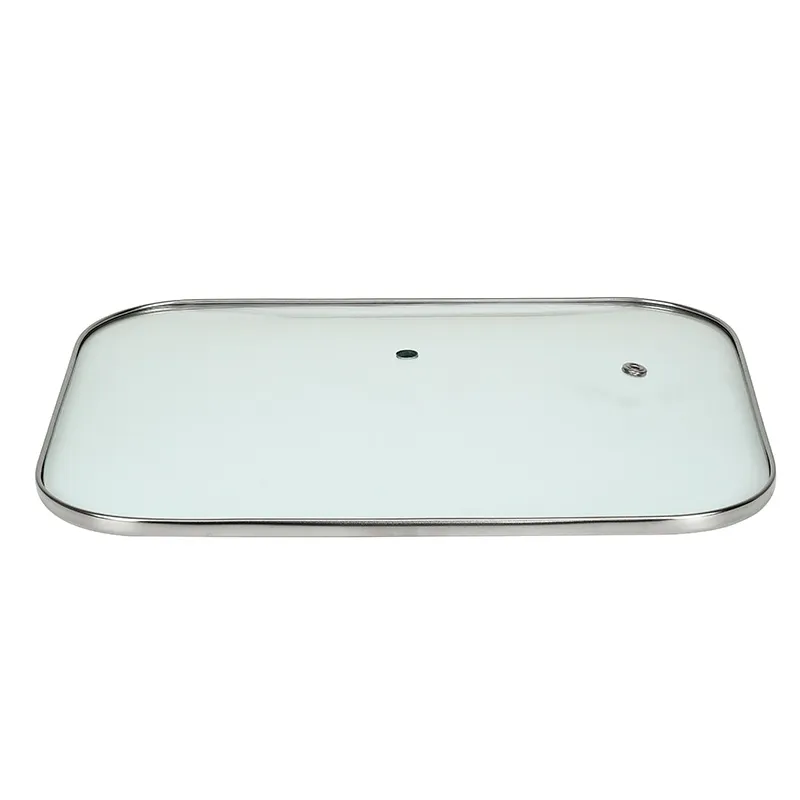
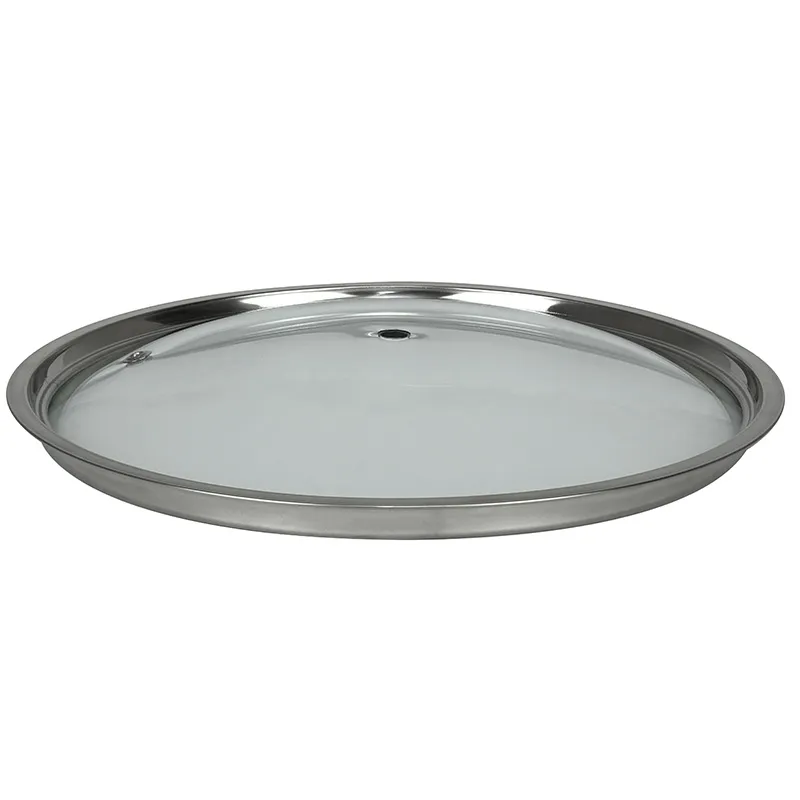
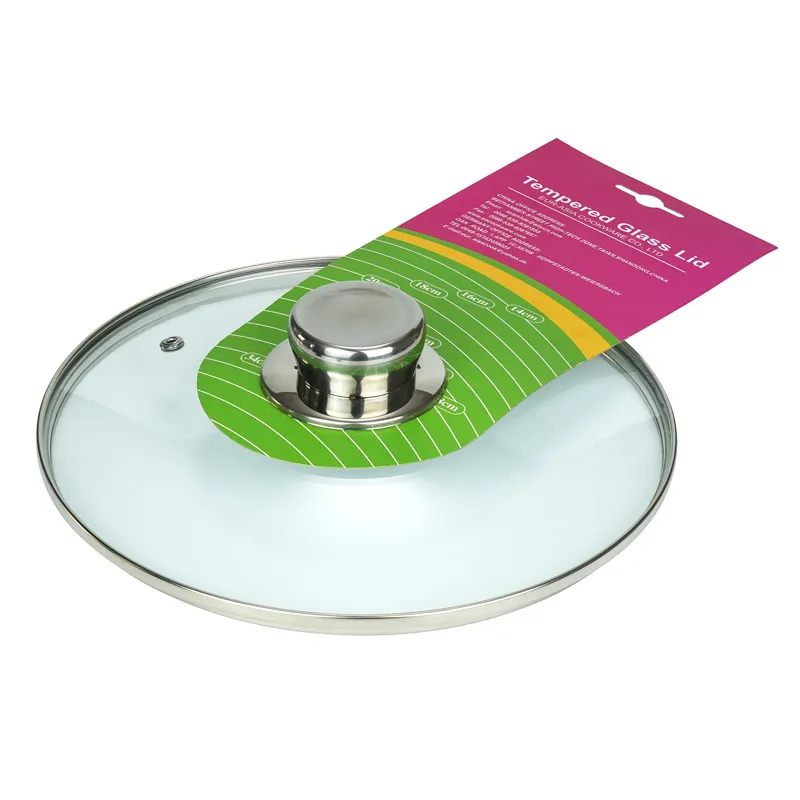
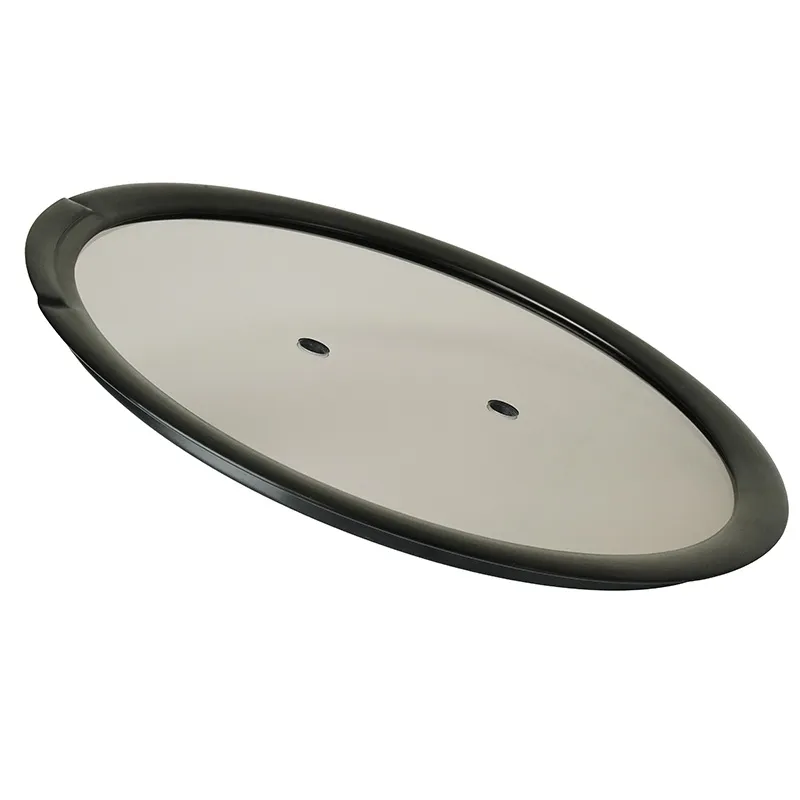
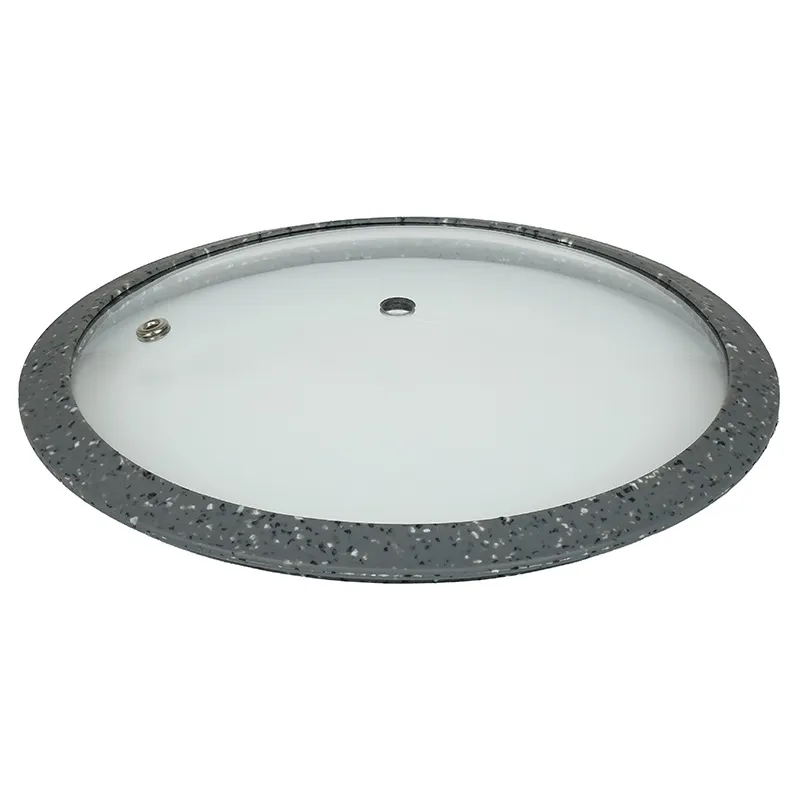
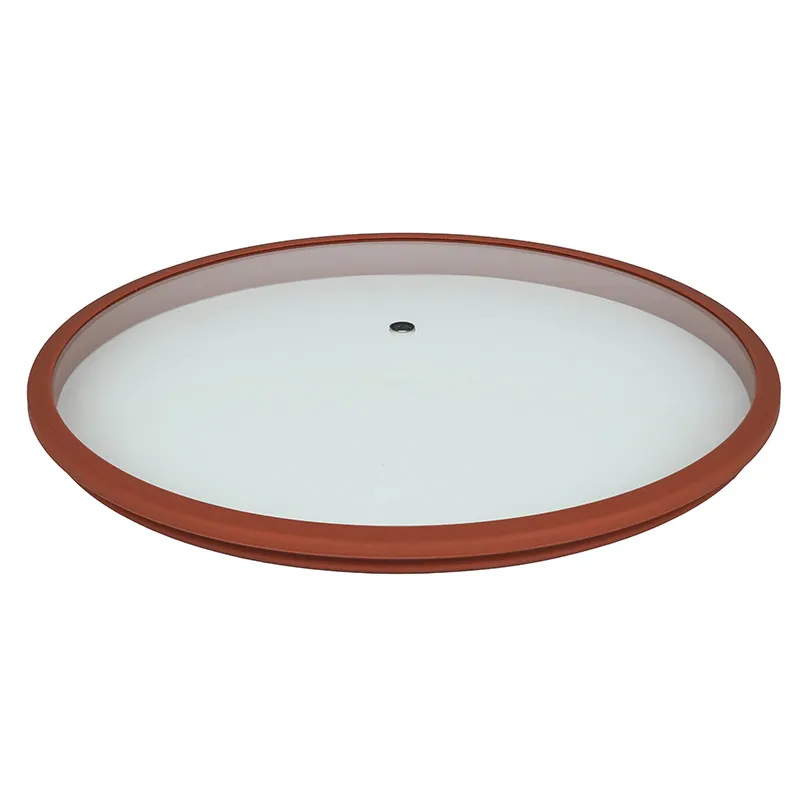
9 inch tempered glass lid
You see '9 inch tempered glass lid' on a spec sheet and think it's straightforward—just a piece of glass, right? That's the first mistake. In this business, that phrase represents a specific, often misunderstood, point of failure and success. It’s not just about dimensions; it’s about thermal shock resistance, handle adhesion, rim finishing, and the constant battle between cost and durability that defines the commercial kitchen and high-end household market. Everyone wants the invisible, unbreakable lid, but the reality is a series of calculated compromises.
The Core Spec Isn't the Core Problem
When a buyer requests a '9 inch tempered glass lid', the diameter is the least of our concerns. The real conversation starts with the thickness—are we talking 3mm, 4mm, or 5mm? Each step up changes the thermal mass, the cooling cycle time in the tempering furnace, and ultimately, the price. A 4mm lid is the sweet spot for most European household brands, offering a good balance. But I've seen projects fail because someone insisted on 5mm for a 'premium feel', not realizing it increases the risk of spontaneous breakage if the chamfering on the edge isn't perfect. The tempering process itself is where the magic and the headaches happen. The glass must be heated to around 620°C and then quenched with high-pressure air jets in seconds. Too fast, and you get stress marks; too slow, and the center isn't properly tempered, leading to weak spots. It’s a recipe you tweak daily based on the humidity in the plant.
Then there's the hole for the handle or knob. This is a major stress concentrator. Drilling must happen before tempering. A slightly off-center hole or a micro-fracture from the drill bit becomes a ticking time bomb after tempering. We once had a batch for a client in Poland where the failure rate in their drop tests was 30%. The culprit? A new drill bit supplier whose bits created a marginally rougher bore. It was invisible to the eye but catastrophic under stress. We reverted to the old supplier, ate the cost, and the rate dropped to under 2%. That's the kind of detail that spec sheets never cover.
The handle attachment is another silent war. Epoxy resin is common, but its performance varies wildly with temperature cycles. A lid might pass initial pull tests, but after 200 cycles in a dishwasher simulating real use, the bond can weaken. For high-end lines, we recommend and source a specific silicone-based adhesive for clients like EUR-ASIA COOKWARE CO.,LTD, which holds better under prolonged moisture and heat. You can find their approach detailed on their site at https://www.glass-lid.com. Their focus on exporting to markets with stringent standards like Germany and Japan means they've had to solve these adhesion issues pragmatically. It’s not marketing; it’s a response to real return shipments.
Export Realities and the Feel Factor
Speaking of exports, the destination dictates everything. A 9 inch tempered glass lid destined for Brazil faces different logistical and climatic challenges than one for Denmark. For Southern European and South American markets, resistance to sudden cooling is critical—think of a hot lid placed on a cold granite counter. The tempering curve needs adjustment. This is where a producer with volume experience, like EUR-ASIA COOKWARE, has an advantage. With an annual output topping 15 million pieces, they see failure patterns across climates and can adjust their processes incrementally. It’s data you can’t buy.
The packaging is an unsung hero. For a glass lid, it's not just protection; it's about preventing surface abrasion during transit. A microscratched lid might be structurally sound but will be rejected for cosmetic reasons. We use a PE foam sleeve with a non-woven fabric interlayer. It sounds simple, but getting the right friction coefficient so the lid doesn't shift in the box during a 40-day sea voyage to Turkey is a science in itself. I’ve opened containers where poor internal packing led to a symphony of broken glass—a total loss. The company’s location in Shandong’s High-tech Zone gives them access to good packaging material suppliers, which is a logistical advantage that directly impacts the landed cost and quality.
Then there's the feel. A premium lid needs a certain heft and a smooth, rounded rim. The grinding and polishing of the edge after cutting is a manual-intensive process. You can spot a cheap lid by running your finger along the edge—if it’s even slightly sharp or uneven, it’s a sign of rushed finishing. The high-end brands we supply to Italy and France have inspectors who do just that. They’ll reject an entire pallet over edge finish, even if the tempering is perfect. It’s a tactile quality that separates a commodity from a kitchen tool.
When Tempered Doesn't Mean Unbreakable
A huge misconception we fight is that 'tempered' equals indestructible. It’s safer—it crumbles into small, granular pieces instead of sharp shards—but it can and will break. The most common cause of field failure is impact on the edge or the drilled hole. The second is thermal shock from extreme, uneven temperature change. I recall a batch for a Korean client where users were placing the hot lid directly under cold running water to clean it. The failure rate spiked. The solution wasn't a better lid, but better user instructions. Sometimes, the engineering challenge is also an education challenge.
We also experiment with coatings. A clear, hydrophobic coating can make the lid easier to clean and reduce water spotting. But it adds cost and another potential point of failure if the coating yellows or peels under heat. It’s a feature we only recommend for specific high-margin product lines. For the vast majority of the 15 million pieces a factory like EUR-ASIA’s produces, the value is in a perfectly executed, bare tempered glass lid. No frills, just reliable performance.
Quality control is where theory meets the factory floor. We don't just sample test; we have 100% visual inspection under polarized light. This reveals stress patterns invisible to the naked eye. A lid with an anomalous stress pattern might pass a casual inspection but will be the first to fail in the field. This step is non-negotiable for any exporter serious about avoiding mass recalls. It’s labor-intensive, but it’s the bedrock of reliability.
The Logistics of Volume and Customization
Producing millions of lids annually, as their company intro states, isn't just about scale; it's about managing complexity. A '9 inch' lid is rarely just one SKU. There are variations: a universal lid with a generic rim, or a custom lid designed to fit a specific pot series from a German manufacturer. The latter requires precise curvature and a flanged edge. The tooling for that is different. The ability to switch production lines efficiently between standard and custom orders is what separates a good supplier from a great one. It requires flexible mold management and a skilled workforce—those 90+ employees they mention aren't just assembly line workers; many are technicians.
Lead times are dictated by the tempering furnaces. They run in batches, and you can't rush the cooling. So when a client like a Swiss retailer needs a quick turnaround for a promotional line, planning is everything. You need raw glass stock ready, the furnace schedule locked in, and packaging pre-ordered. It’s a ballet of material and machine time. Missing a window can delay shipment by weeks.
Finally, the economics. The cost of a 9 inch glass lid isn't just in the materials. It's in the energy for the furnace, the labor for finishing and inspection, and the logistics of getting it from Shandong to, say, Spain. A producer integrated from glass cutting to final packaging, like the one described, has more control over these variables. They can absorb minor raw material price fluctuations better than a smaller workshop. This stability is a huge part of their value proposition to international buyers who need consistent pricing for annual contracts.
Wrapping It Up: The Lid as a Component
In the end, a 9 inch tempered glass lid is never just a lid. It's a critical component in a cookware system. Its success is measured by its absence—when no one complains about breakage, when it sits perfectly flush on a pot for years, when it becomes an invisible, trusted part of the kitchen. The goal isn't to make it a marvel of engineering, but to make it consistently, reliably mundane.
The real expertise lies in anticipating the points of failure—the edge finish, the hole, the handle bond, the thermal curve—and building robustness into the process, not just the product. That’s what you’re buying from an established exporter: not just glass, but embedded process knowledge. It’s the difference between a lid that meets a spec and one that survives the real world.
So next time you see that spec, look past the '9 inch'. Think about the journey from the furnace to the kitchen cabinet, and all the tiny decisions that ensure it arrives there, and stays there, in one piece. That’s the untold story behind every clear piece of glass on a simmering pot.
Related Products
Related Products