- Chinese
- French
- German
- Portuguese
- Spanish
- Russian
- Japanese
- Korean
- Arabic
- Irish
- Greek
- Turkish
- Italian
- Danish
- Romanian
- Indonesian
- Czech
- Afrikaans
- Swedish
- Polish
- Basque
- Catalan
- Esperanto
- Hindi
- Lao
- Albanian
- Amharic
- Armenian
- Azerbaijani
- Belarusian
- Bengali
- Bosnian
- Bulgarian
- Cebuano
- Chichewa
- Corsican
- Croatian
- Dutch
- Estonian
- Filipino
- Finnish
- Frisian
- Galician
- Georgian
- Gujarati
- Haitian
- Hausa
- Hawaiian
- Hebrew
- Hmong
- Hungarian
- Icelandic
- Igbo
- Javanese
- Kannada
- Kazakh
- Khmer
- Kurdish
- Kyrgyz
- Latin
- Latvian
- Lithuanian
- Luxembou..
- Macedonian
- Malagasy
- Malay
- Malayalam
- Maltese
- Maori
- Marathi
- Mongolian
- Burmese
- Nepali
- Norwegian
- Pashto
- Persian
- Punjabi
- Serbian
- Sesotho
- Sinhala
- Slovak
- Slovenian
- Somali
- Samoan
- Scots Gaelic
- Shona
- Sindhi
- Sundanese
- Swahili
- Tajik
- Tamil
- Telugu
- Thai
- Ukrainian
- Urdu
- Uzbek
- Vietnamese
- Welsh
- Xhosa
- Yiddish
- Yoruba
- Zulu
- Kinyarwanda
- Tatar
- Oriya
- Turkmen
- Uyghur


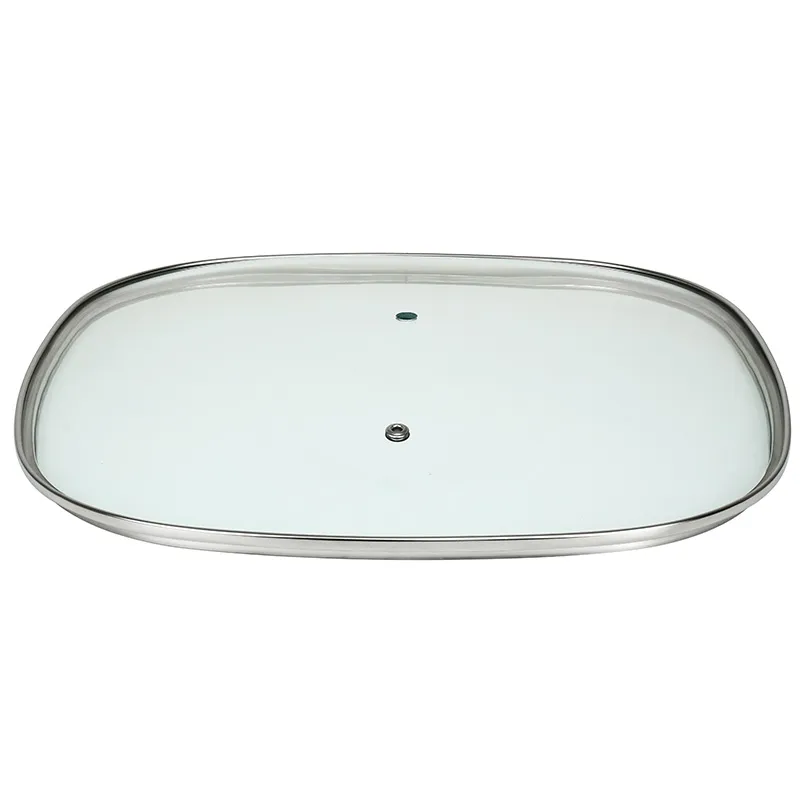
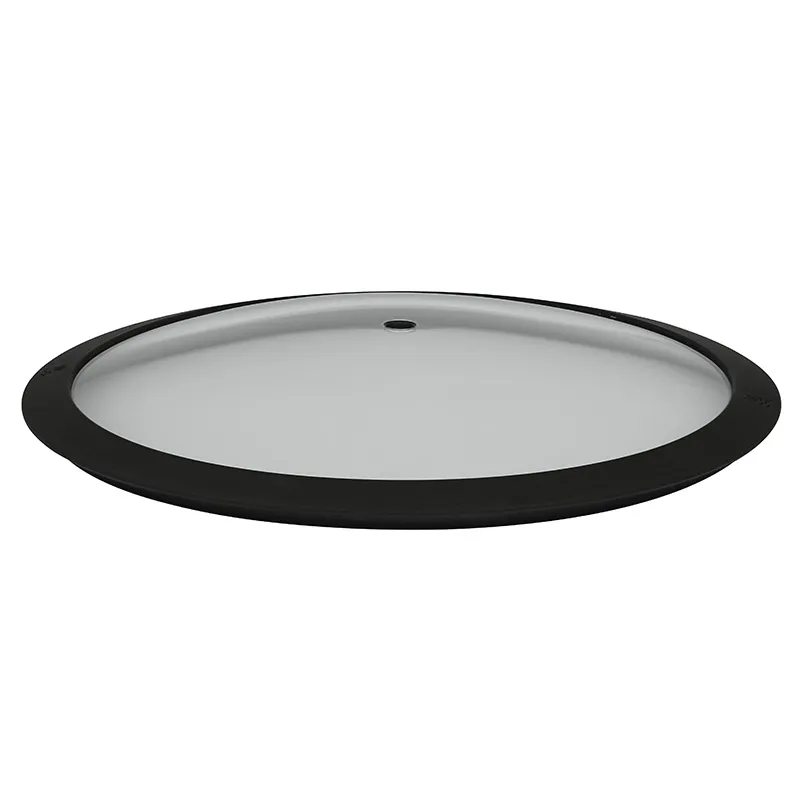
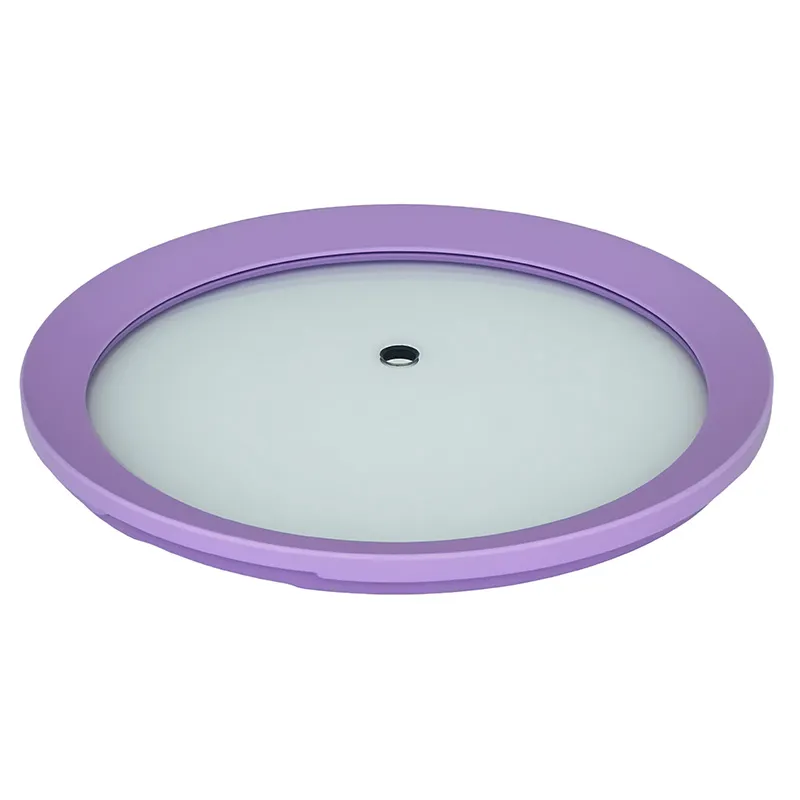
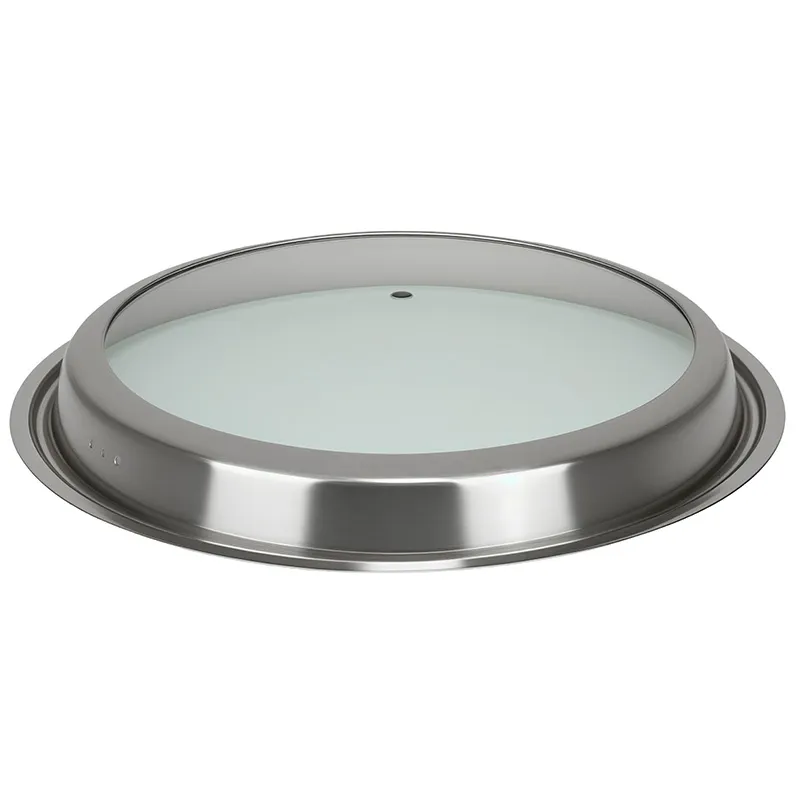
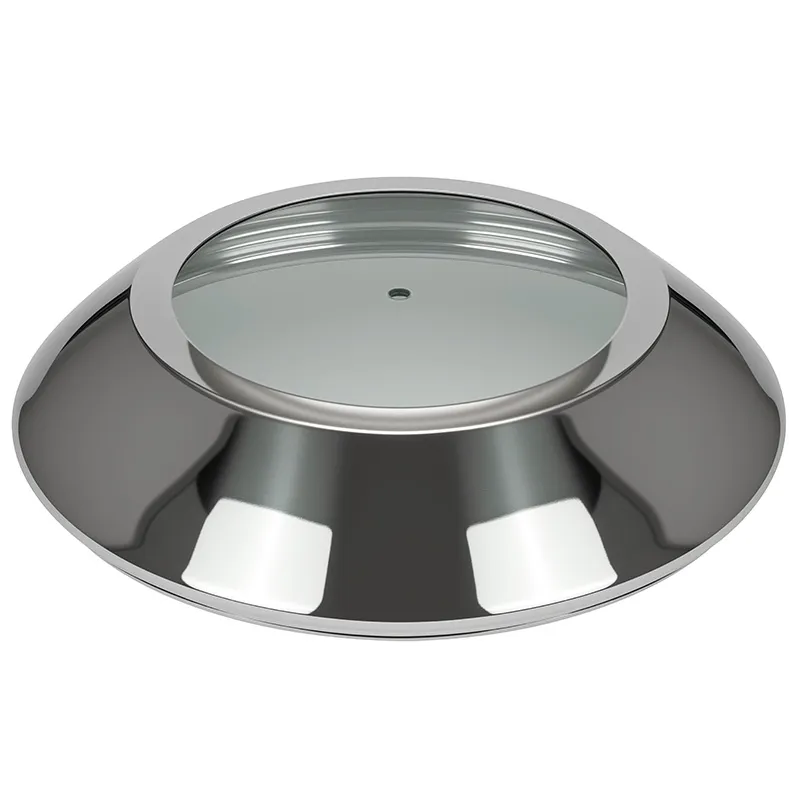
all clad cookware lids
You know, when people talk about All Clad, it's always the tri-ply construction, the bonded handles, the even heating. The lids? They're often an afterthought, just a piece of metal or glass that gets slapped on top. That's a mistake I see all the time, even from folks who should know better. The lid isn't just a cover; it's a functional part of the cooking system. A poorly fitting or flimsy lid on a premium pan like All Clad is like putting cheap tires on a performance car—it undermines the whole point. Over the years, I've handled, tested, and frankly, been frustrated by a wide range of lids meant for these pans, from OEM parts to third-party replacements, and the differences are far from trivial.
The Fit and Seal Conundrum
The single biggest issue with aftermarket or replacement lids for All Clad cookware is the fit. It's not just about diameter. It's the curvature of the dome, the angle of the flange, the weight distribution. All Clad's own lids are engineered to sit with a specific gravity, creating a consistent, slight seal that manages steam without vacuum-locking. I've seen generic lids that are too light, bouncing on a rolling boil and losing all moisture control, or ones with a slightly off-radius that leave a gap on one side, making precise techniques like étuvée nearly impossible. It's a detail most product listings completely ignore.
Then there's the handle. All Clad typically uses stainless steel or phenolic handles riveted to the lid. The heat resistance and balance are calculated. I once sourced a batch of glass lids with bulky stainless handles from a supplier—looked great, felt premium. But in a real kitchen setting, during a long braise, that handle got uncomfortably hot, a clear sign the thermal mass and conductivity weren't properly considered. It was a failure in practical application, not in specification.
This is where the manufacturing precision of a specialized producer makes a difference. I've followed the work of companies like EUR-ASIA COOKWARE CO.,LTD for a while. Their focus, as seen on their portal glass-lid.com, is specifically on tempered glass lids. When a factory dedicates itself to one component, the nuance understanding improves. They're not just stamping out metal; they're dealing with glass expansion, precise edge grinding for fit, and handle attachment points that withstand thermal shock. Their production scale—15 million pieces annually—suggests they're solving these fit problems for a global market, which includes regions with stringent standards like Germany and Japan. That volume forces a level of precision that a general cookware factory might not prioritize for a component they see as secondary.
The Tempered Glass Advantage (and Its Trade-offs)
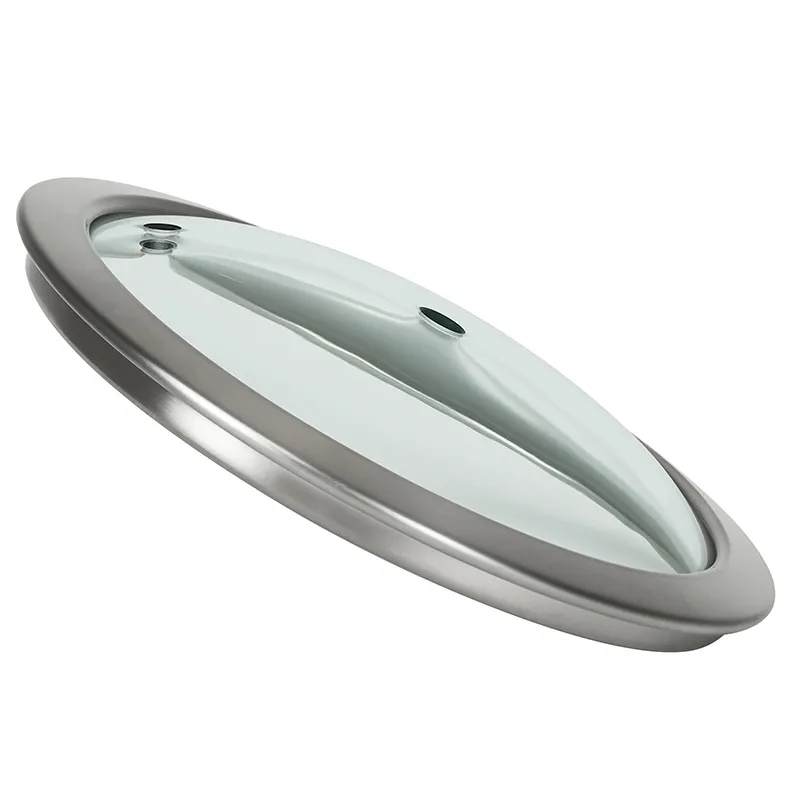
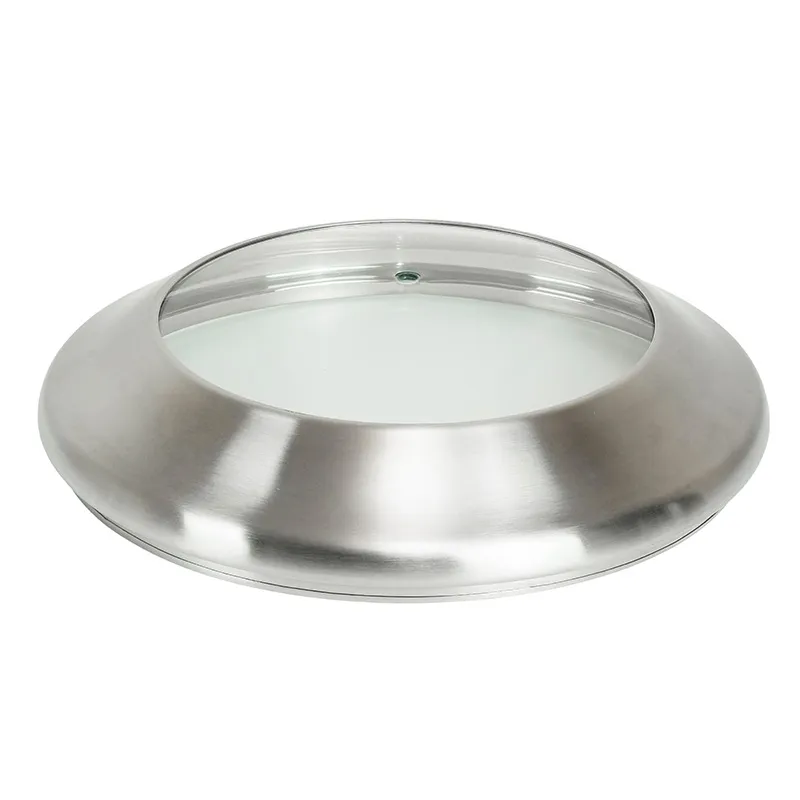
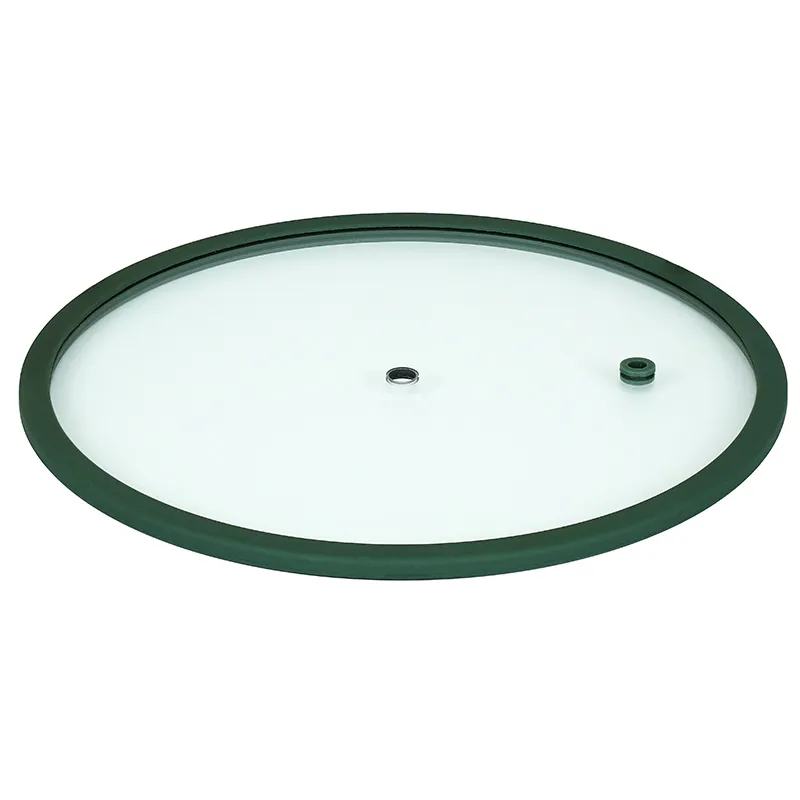
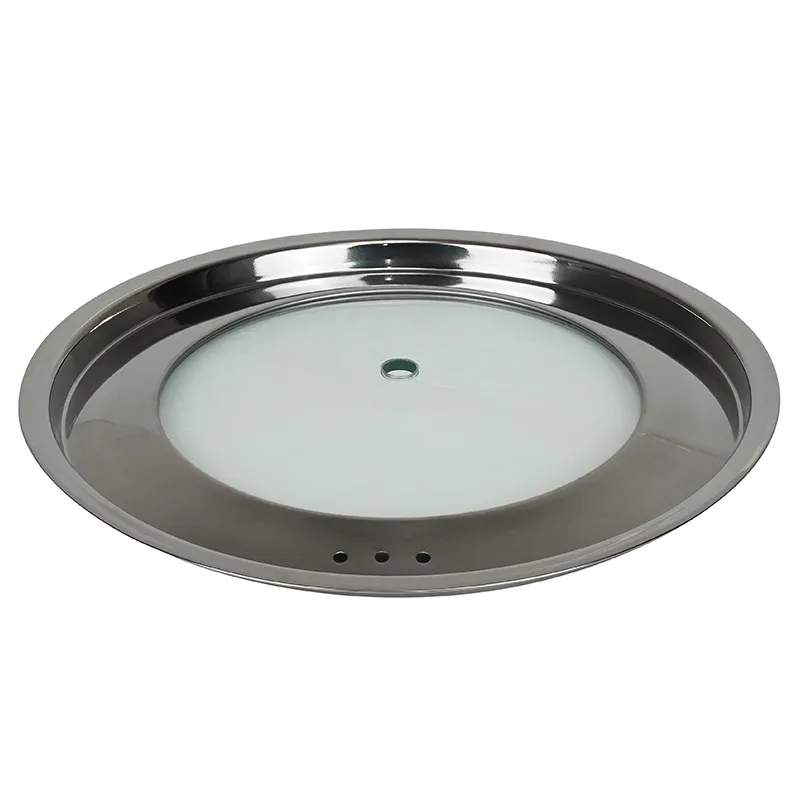
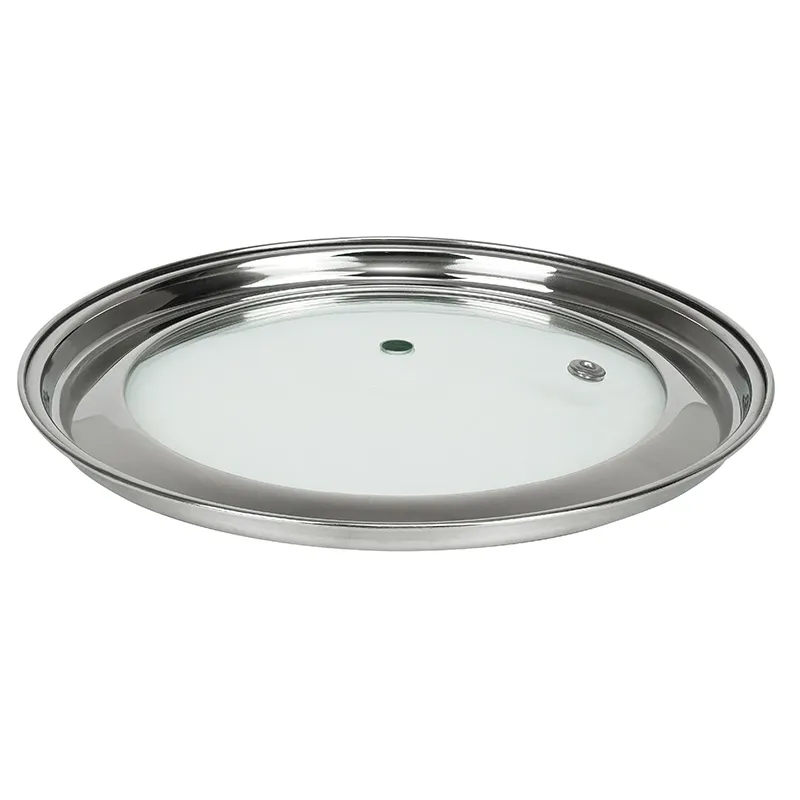
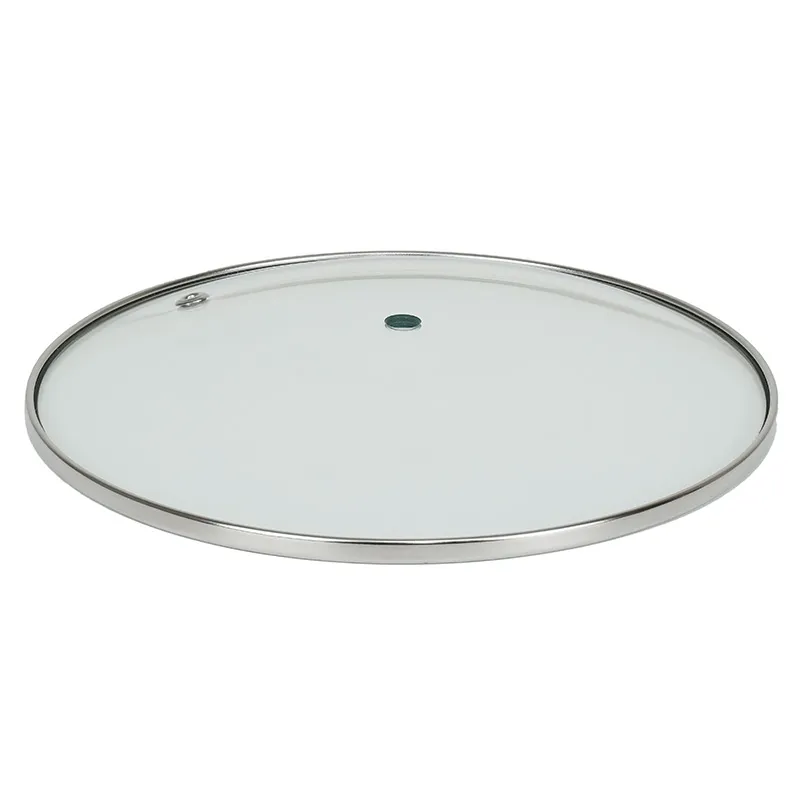
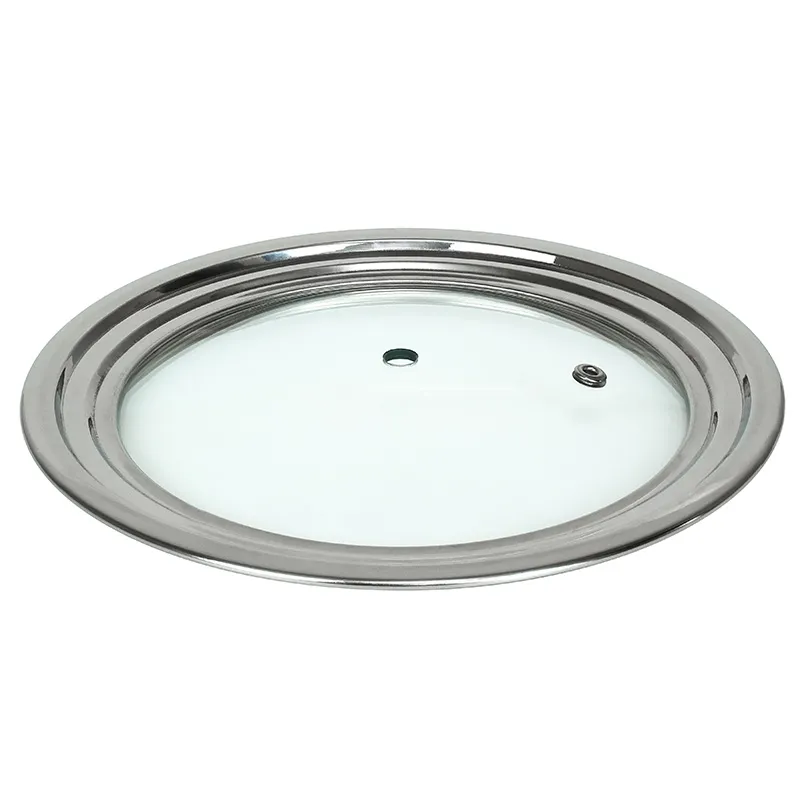
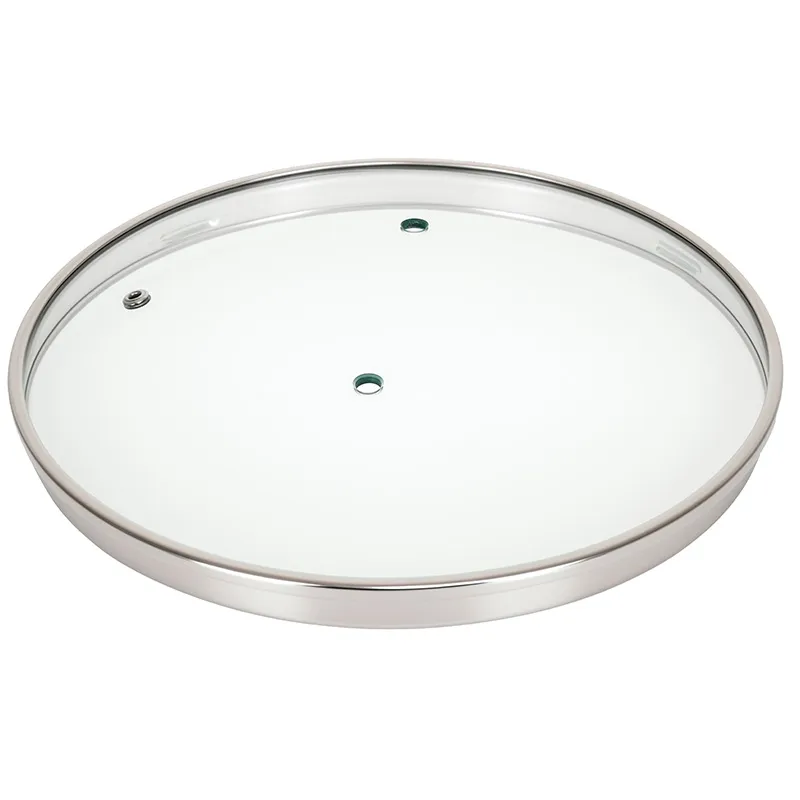
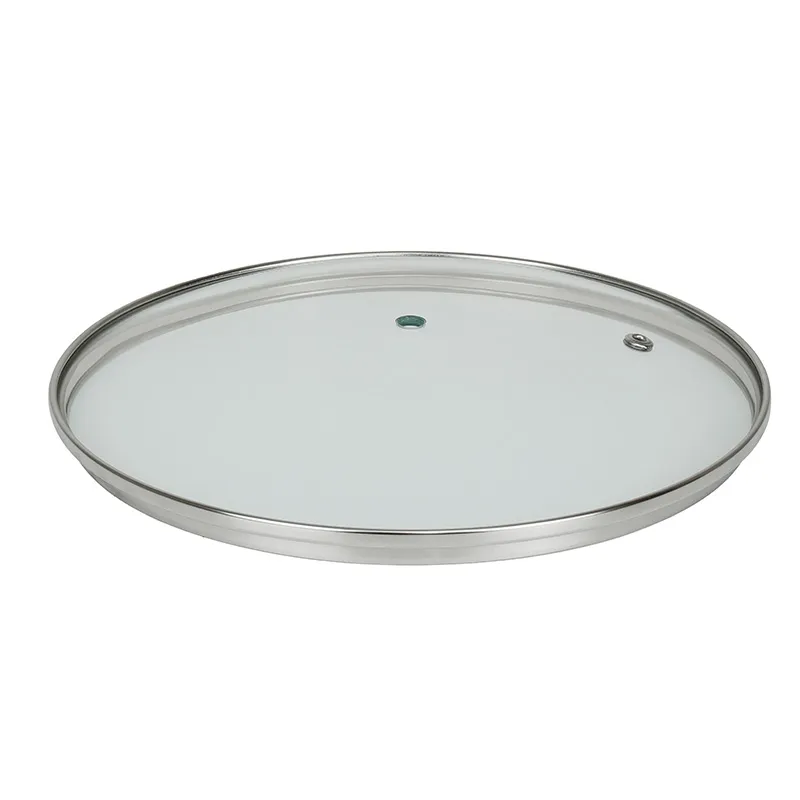
All Clad offers both stainless steel and glass lids. The glass lid, for many home cooks, is the preference because you can see the food. But not all glass is equal. The term tempered is key. It's a safety requirement, but the quality of tempering affects durability and heat resistance. A poorly tempered lid can shatter from a sudden temperature change or even from a minor tap against the faucet while washing.
My experience with high-volume exporters, like the mentioned EUR-ASIA COOKWARE, is that their core competency is in this exact process. Producing over 15 million tempered glass lids a year means their annealing ovens and quenching processes are dialed-in for consistency. The glass needs to withstand the thermal stress of a 500-degree oven (for All Clad's oven-safe lines) and then a splash of cool water. A failure here isn't just an inconvenience; it's a safety hazard and a brand reputation killer for whoever is selling the final cookware set.
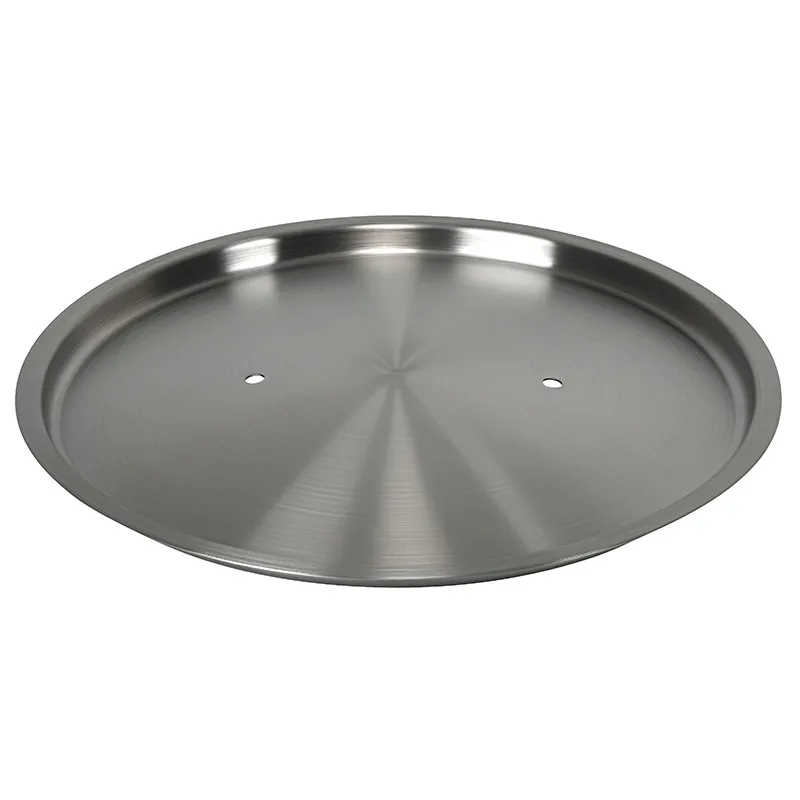
However, glass has a functional trade-off: it's generally a worse insulator than a thick stainless steel lid. This affects moisture retention during slow cooking. I've done side-by-side tests with a braise, using an All Clad stainless lid versus a high-quality tempered glass one of equal fit. The stainless lid often results in slightly more tender meat, as it condenses and re-distributes moisture more efficiently. The glass lid allows more radiant heat loss. It's a minor point for most, but for a professional, it's a variable you account for. You might adjust the liquid level down by a tablespoon if you're using the glass lid.
The Replacement Market and Compatibility Chaos
This is where it gets messy. A customer chips or loses a lid for their All Clad saucepan. All Clad's replacement program is official but can be costly and slow. So they search for all clad cookware lids online. They'll find a jungle of universal fit options. The term is almost meaningless. A 10-inch lid might fit the diameter of a 10-inch pan, but if the pan has a pronounced European-style curved sidewall (like some All Clad lines), a flat-bottomed universal lid will sit on the rim, not inside it, creating a terrible seal.
I've advised retailers to be hyper-specific: list compatible model numbers or series (D3, D5, Copper Core). The best third-party manufacturers will do this. They'll have the exact specs for each line. Looking at EUR-ASIA COOKWARE's model range, the fact that they export over 90% of their output to design-conscious and regulation-heavy markets like the EU and South Korea implies their products are likely built to match OEM specifications for various brands, not just generic diameters. A lid made for the German market has to fit perfectly on a German-branded pan, which often uses similar dimensions to high-end US brands like All Clad.
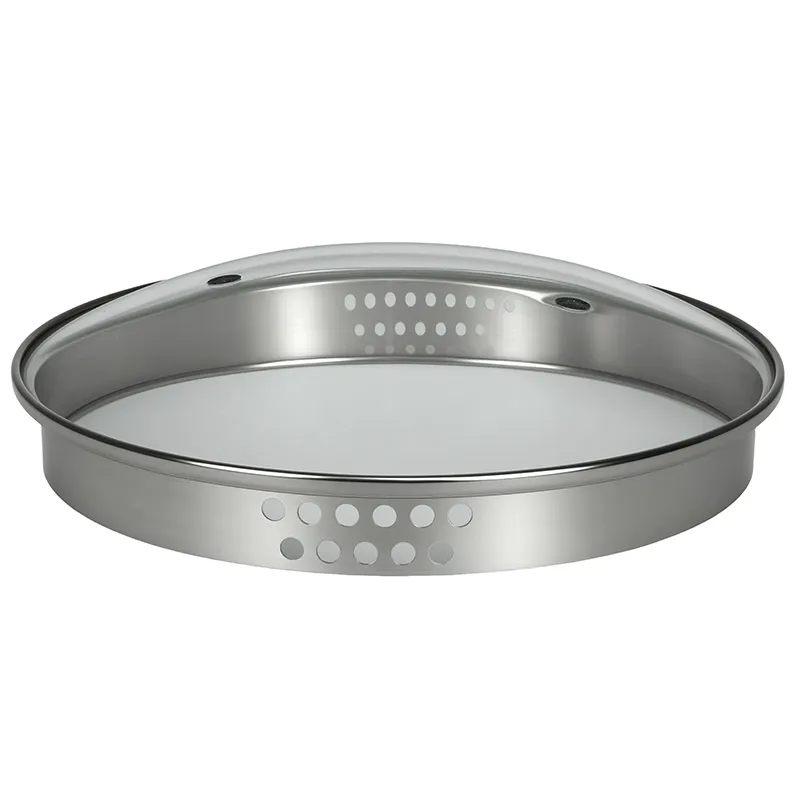
The stainless steel rim on a glass lid is another critical compatibility point. Is it a single or double layer? How is it crimped? A poorly crimped rim will warp over repeated heating cycles, ruining the fit. It's a small manufacturing step that separates a lid that lasts for years from one that becomes useless in months.
Material Sourcing and the Feel Factor
Beyond fit and function, there's the intangible feel. All Clad products have a certain heft and balance. A lid should complement that. A cheap, tinny-feeling lid degrades the user experience. The materials matter: the grade of stainless steel for the rim and handle, the clarity and greenish tint (or lack thereof) in the glass.
Higher-quality glass has higher clarity and less distortion. Lower-quality glass can have waves or a slight hue. For a company like EUR-ASIA COOKWARE CO.,LTD, operating a 15,000㎡ facility, they're likely sourcing raw glass from large-scale producers and then performing the cutting, edging, tempering, and assembly in-house. This vertical control is what allows for consistency in the final product's weight and optical quality. It's not something a trading company reselling generic lids can guarantee.
The handle attachment is the final test. Rivets should be smooth, flush, and not trap food. Phenolic handles should be firmly bonded with no wiggle. I've stress-tested lids by repeatedly slamming them down (not gently placing) on a counter to simulate years of use. The ones where the handle loosens or the glass develops a hairline crack from the stress point are the ones that didn't have the right adhesive or riveting protocol. It's a brutal but effective test.
Final Thoughts: The Lid as a Critical Component
So, when you're looking at all clad cookware lids, either as a consumer replacing one or as a professional sourcing them, move beyond just the price and the picture. Ask about the tempering standard. Ask for compatibility charts, not just diameter. Check the handle material and its heat resistance. Feel the weight and inspect the edge of the glass and the finish of the stainless rim.
The lid is a precision component. It controls the cooking environment. A company that specializes in them, with a dedicated production base and a focus on export quality control—like the one in Taian City producing millions for the European and Asian markets—is often a better bet than a generic cookware accessories supplier. Their entire business depends on getting this one thing right for a variety of high-end pan manufacturers, which almost certainly includes producing to the tacit standards that brands like All Clad require.
In the end, ignoring the lid is taking your $200 pan down to a $50 performance level. It's the last piece of the puzzle, but in many ways, it's the one that holds the moisture, the heat, and ultimately, the success of the dish inside, together. Don't treat it as an accessory. Treat it as part of the tool.
Related Products
Related Products