- Chinese
- French
- German
- Portuguese
- Spanish
- Russian
- Japanese
- Korean
- Arabic
- Irish
- Greek
- Turkish
- Italian
- Danish
- Romanian
- Indonesian
- Czech
- Afrikaans
- Swedish
- Polish
- Basque
- Catalan
- Esperanto
- Hindi
- Lao
- Albanian
- Amharic
- Armenian
- Azerbaijani
- Belarusian
- Bengali
- Bosnian
- Bulgarian
- Cebuano
- Chichewa
- Corsican
- Croatian
- Dutch
- Estonian
- Filipino
- Finnish
- Frisian
- Galician
- Georgian
- Gujarati
- Haitian
- Hausa
- Hawaiian
- Hebrew
- Hmong
- Hungarian
- Icelandic
- Igbo
- Javanese
- Kannada
- Kazakh
- Khmer
- Kurdish
- Kyrgyz
- Latin
- Latvian
- Lithuanian
- Luxembou..
- Macedonian
- Malagasy
- Malay
- Malayalam
- Maltese
- Maori
- Marathi
- Mongolian
- Burmese
- Nepali
- Norwegian
- Pashto
- Persian
- Punjabi
- Serbian
- Sesotho
- Sinhala
- Slovak
- Slovenian
- Somali
- Samoan
- Scots Gaelic
- Shona
- Sindhi
- Sundanese
- Swahili
- Tajik
- Tamil
- Telugu
- Thai
- Ukrainian
- Urdu
- Uzbek
- Vietnamese
- Welsh
- Xhosa
- Yiddish
- Yoruba
- Zulu
- Kinyarwanda
- Tatar
- Oriya
- Turkmen
- Uyghur


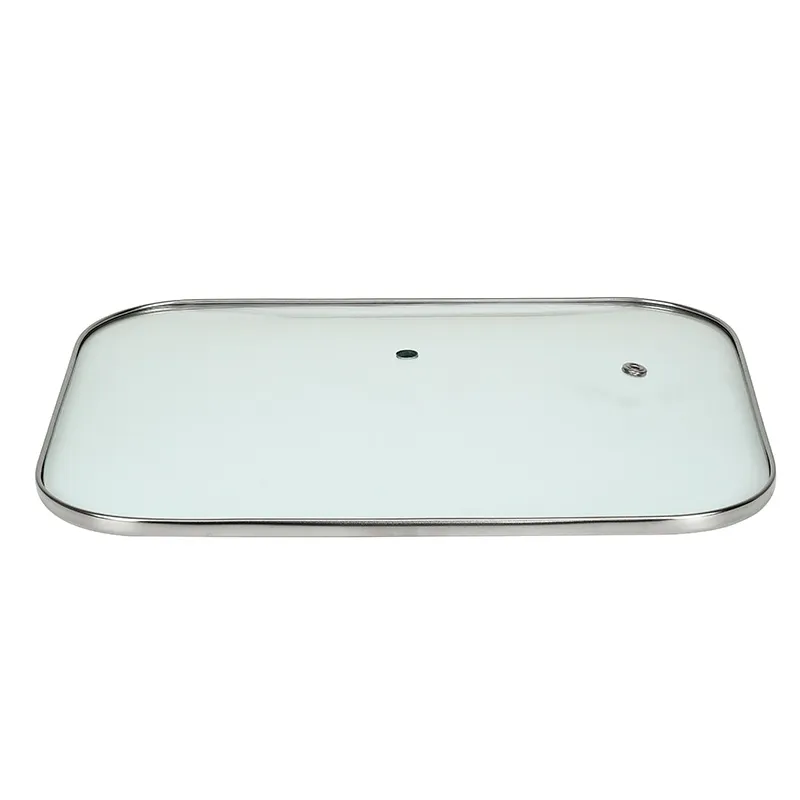
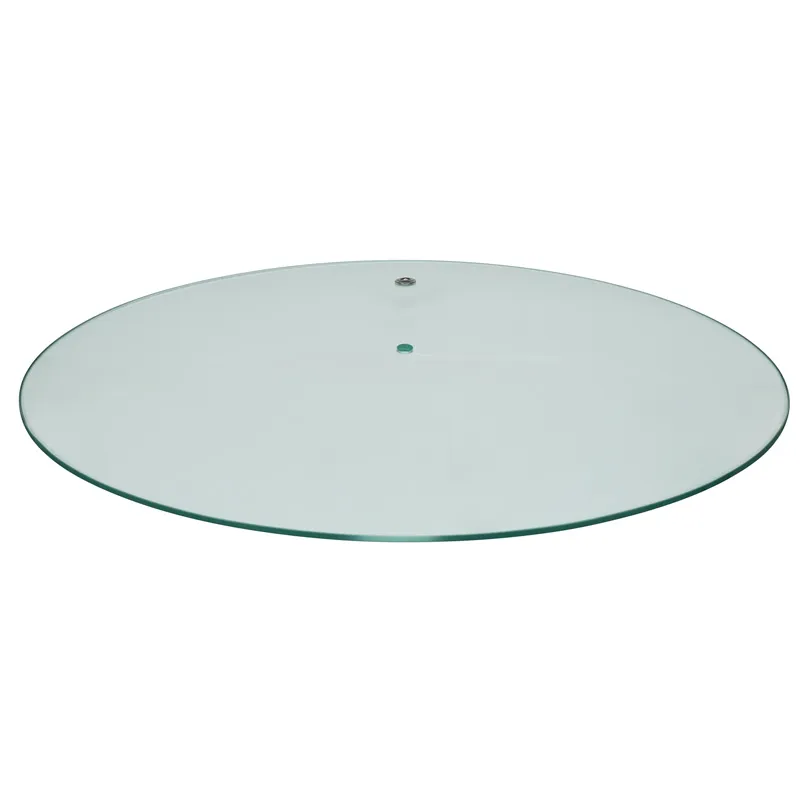
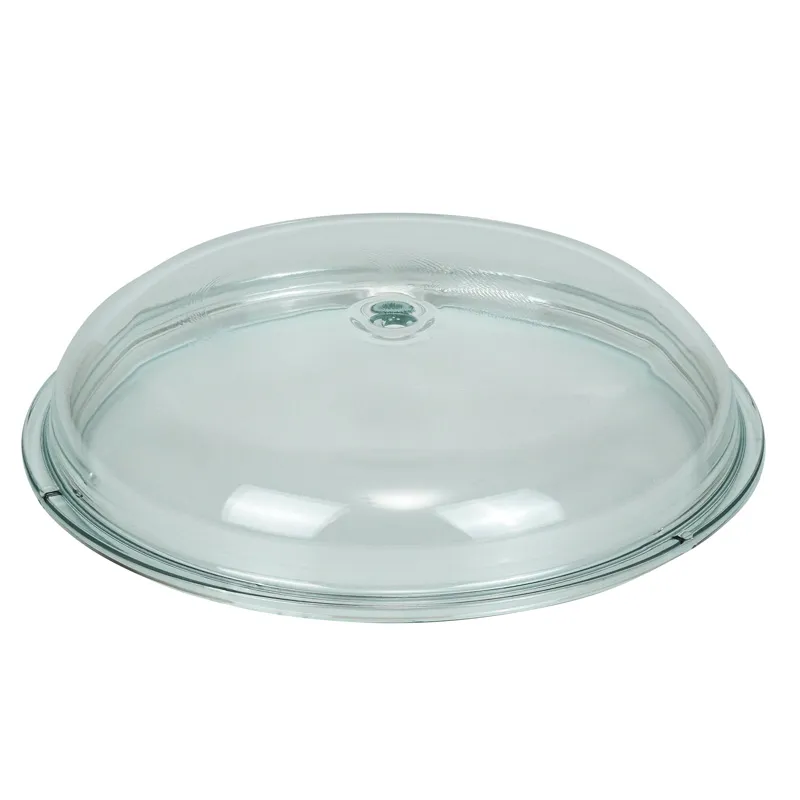
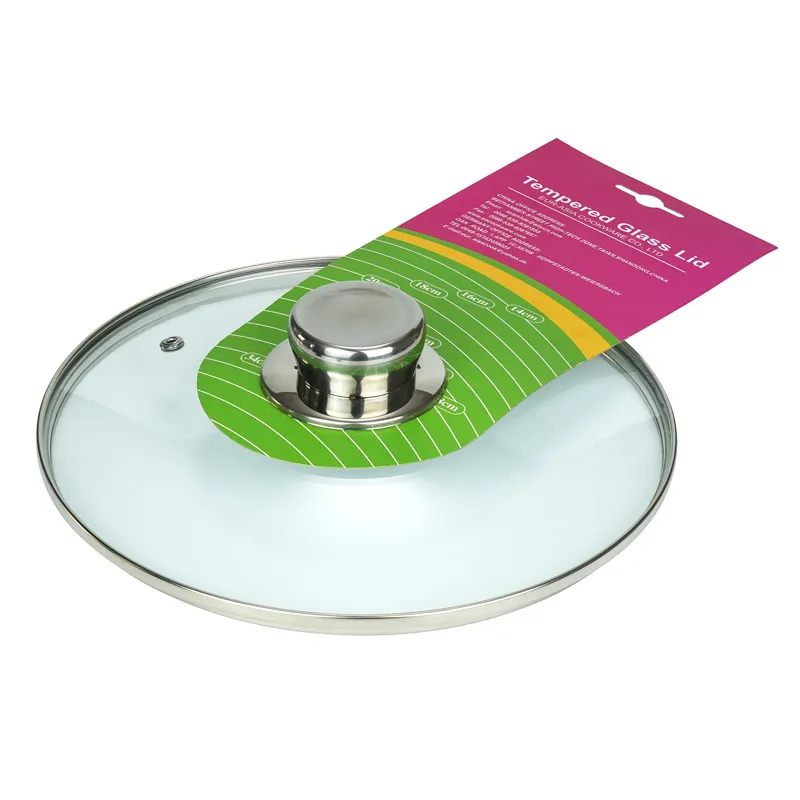
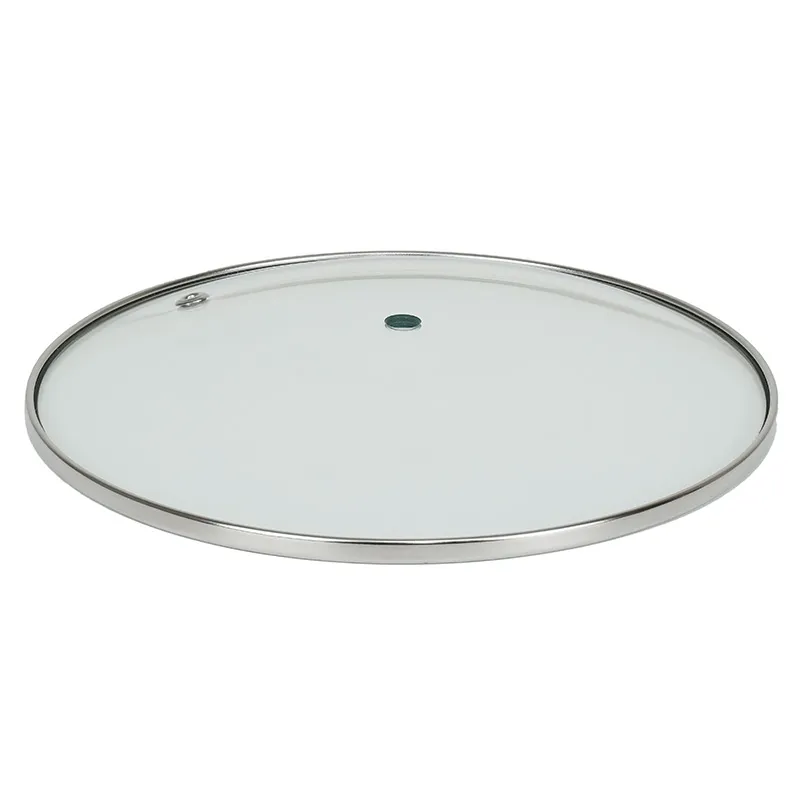
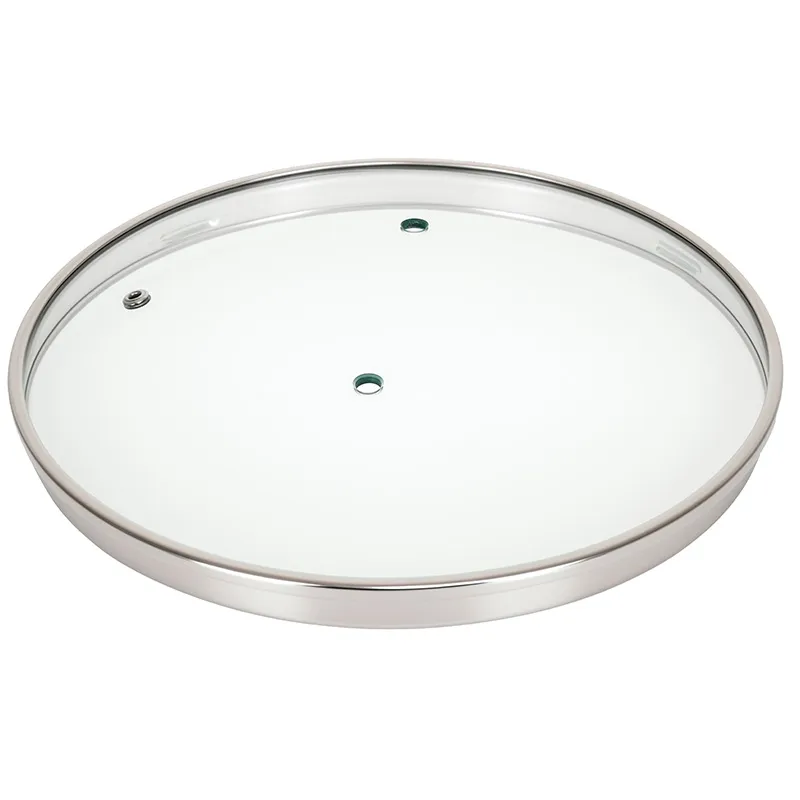
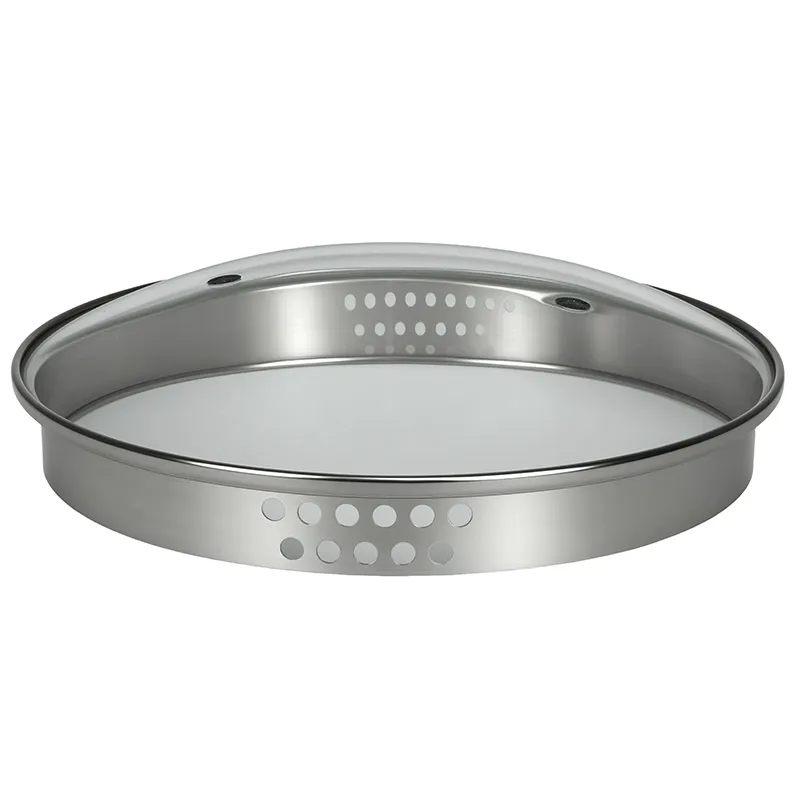
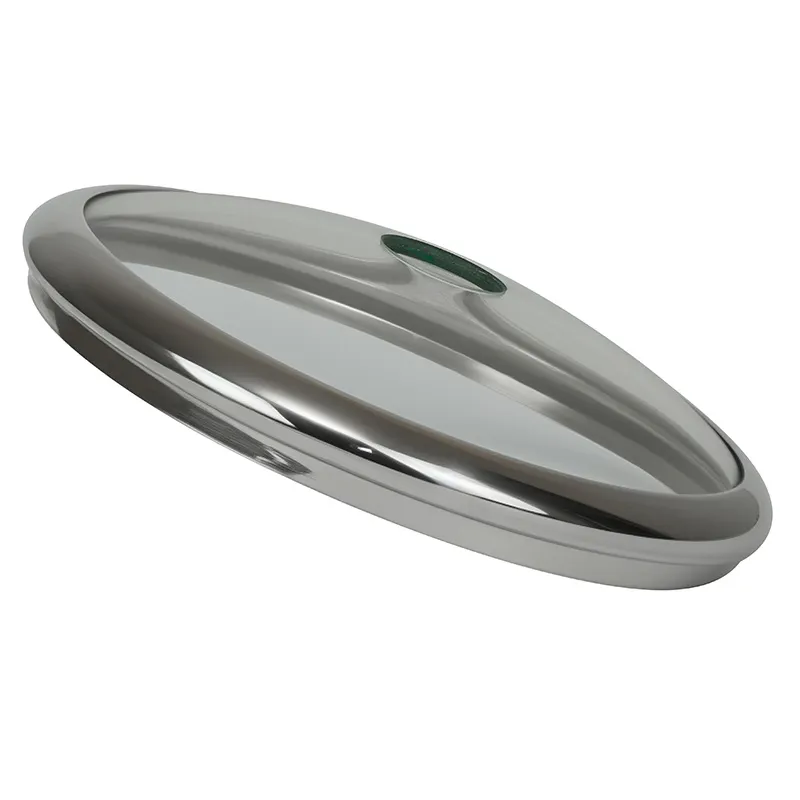
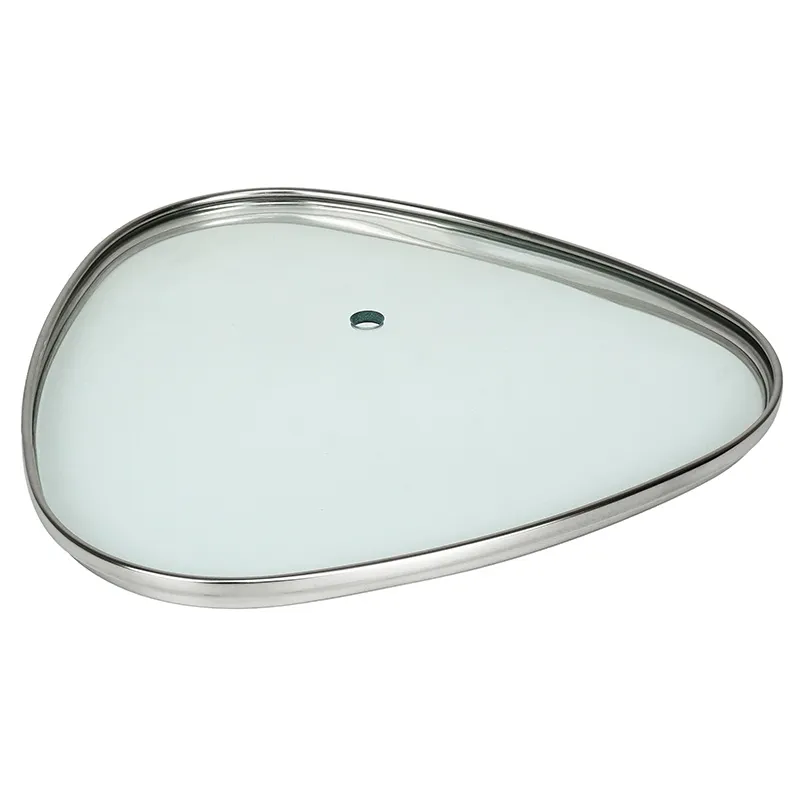
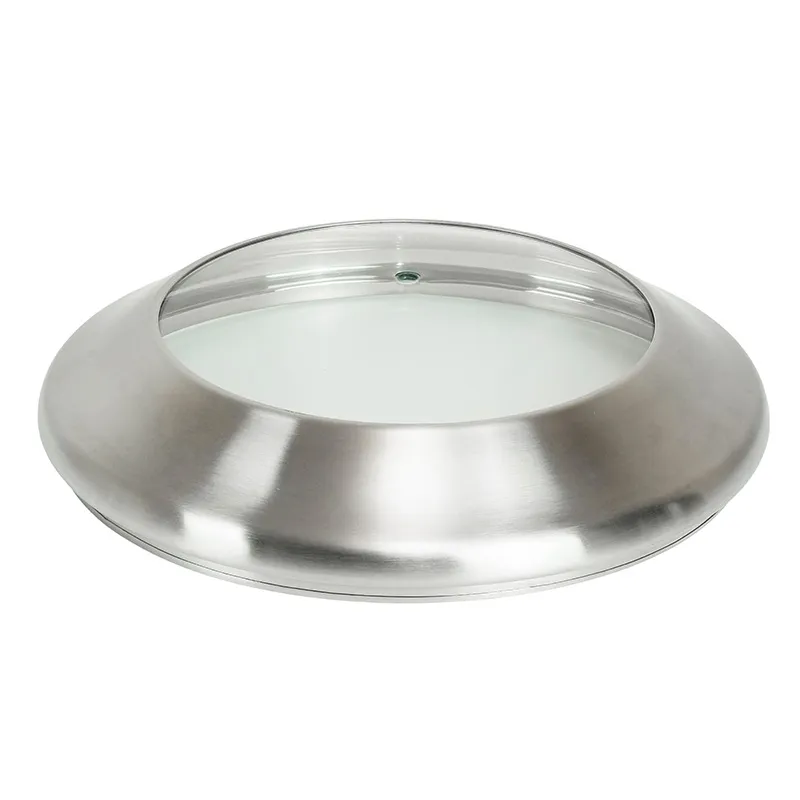
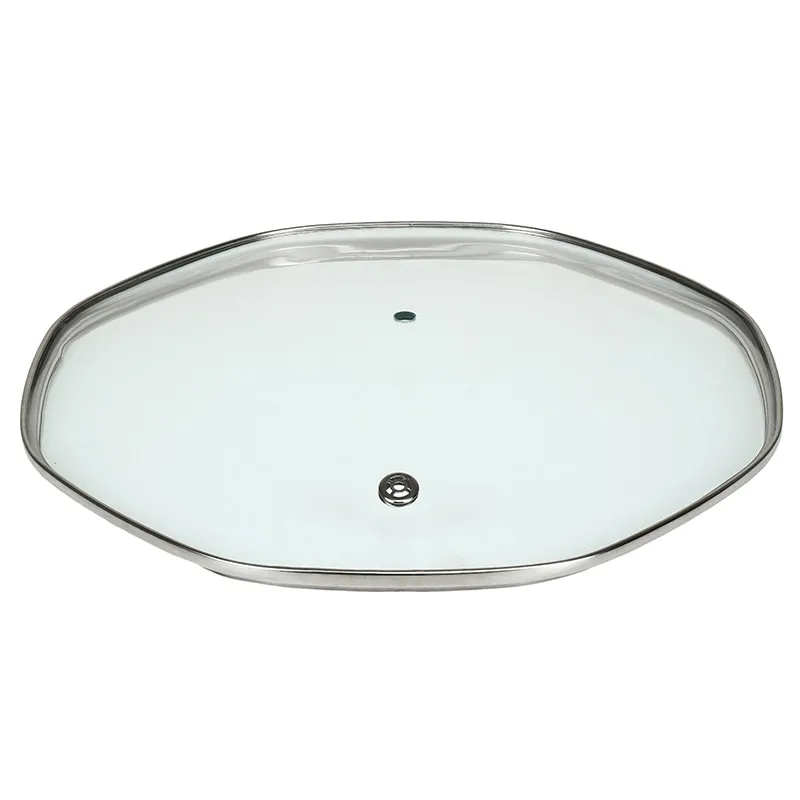
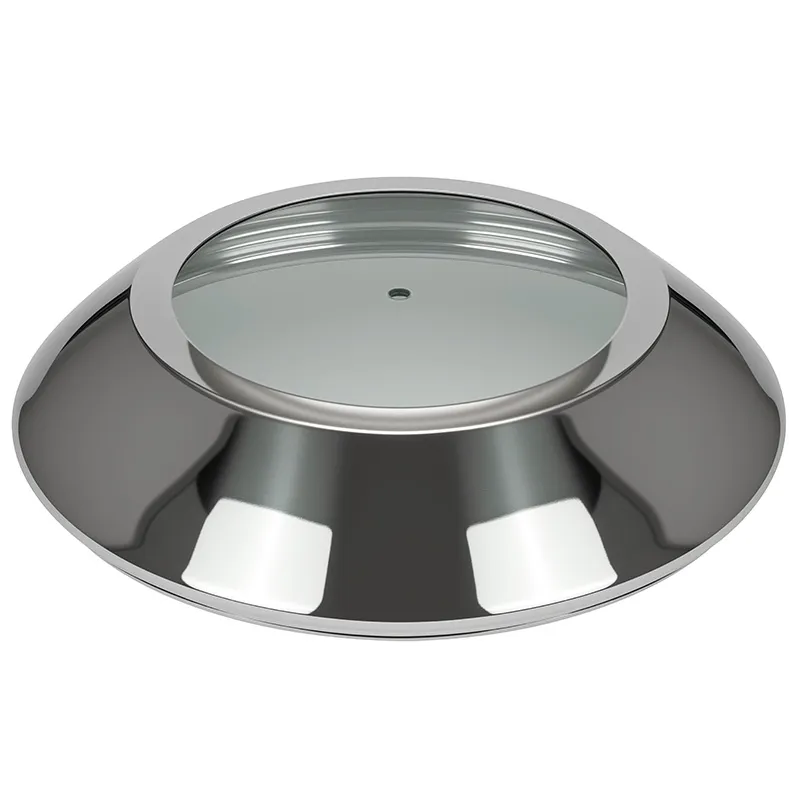
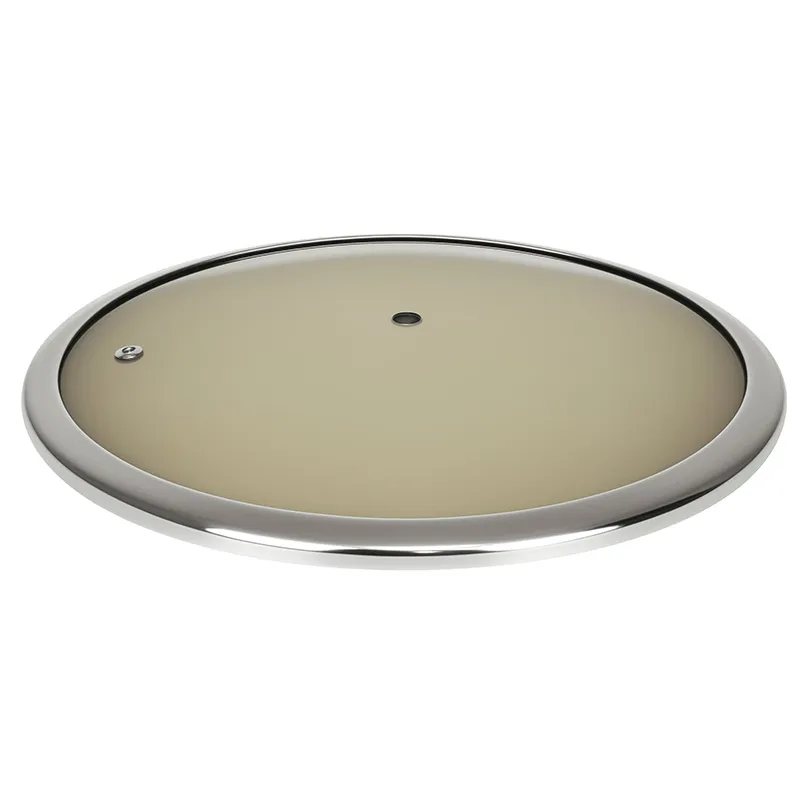
all clad glass lid
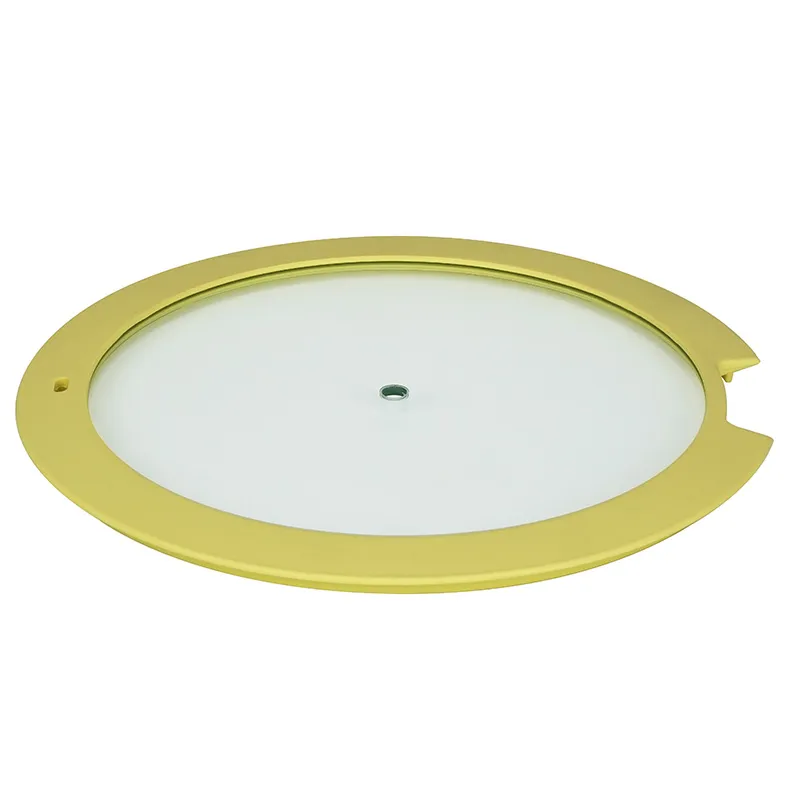
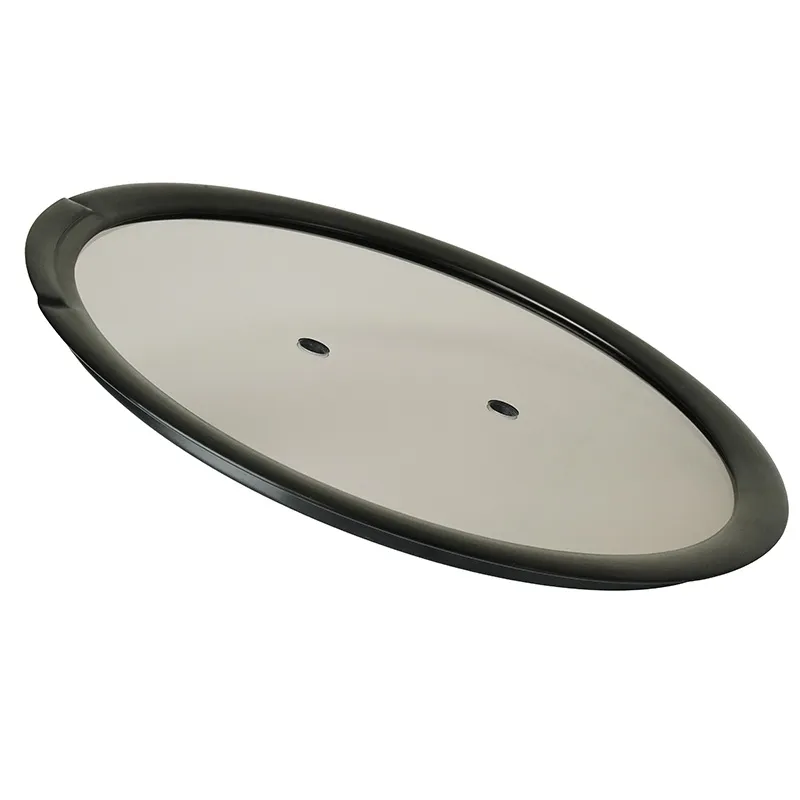
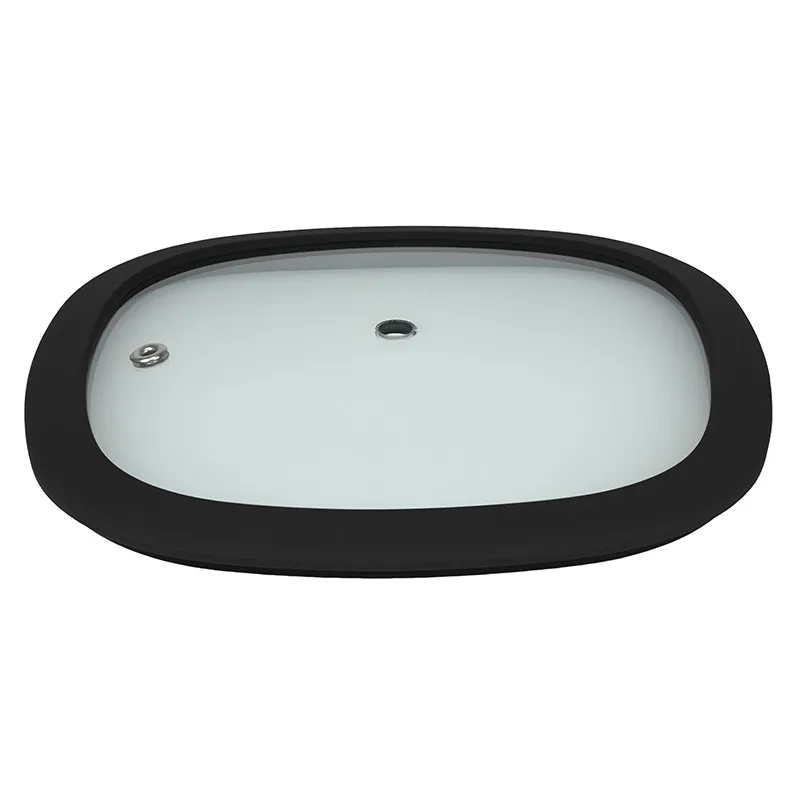
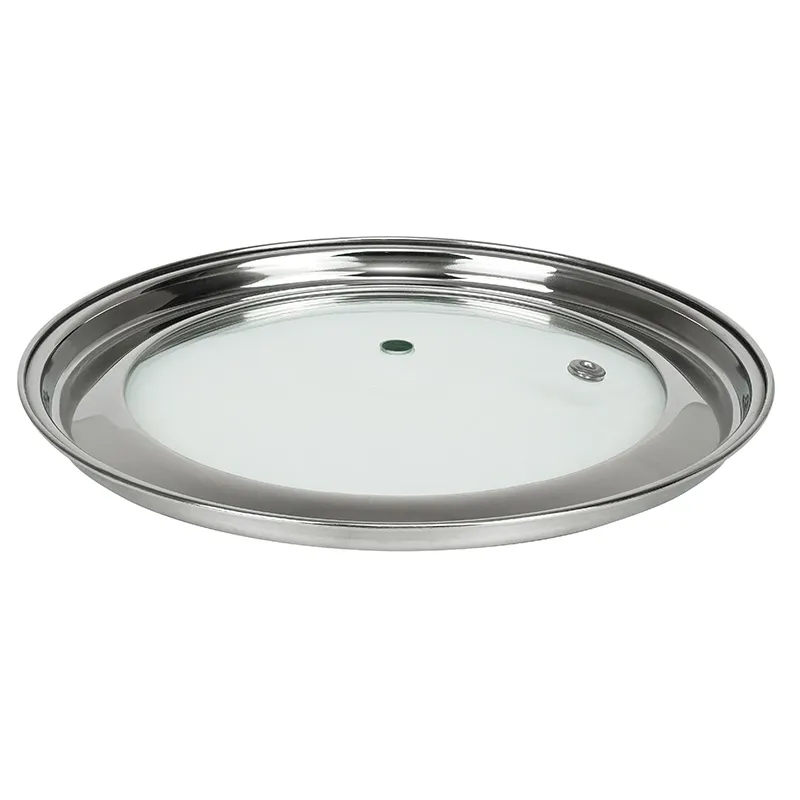
When people talk about All Clad, they're usually fixated on the tri-ply or d5 cores, the heft of a sauté pan. The lids, especially the glass ones, are an afterthought. That's the first mistake. An All Clad glass lid isn't just a cover; it's a calibrated piece of thermal management. The assumption that any tempered glass lid will fit or perform the same on their premium cookware is where most home cooks and even some retailers get it wrong. I've seen it lead to steam leaks, improper braising, and that frustrating wobble on a supposedly flat rim.
The Fit is Everything, and It's Never Universal
All Clad's pots and pans have specific rim diameters and curvature. A lid from a cheaper set might sit on top, but it won't seat properly. That millimeter gap is where all your flavorful steam escapes, turning a pot roast dry. I learned this the hard way early on, trying to use a generic replacement lid on a 4-quart sauce pan. The braise failed, the meat was tough. The issue wasn't the heat; it was the seal. The genuine All Clad glass lid has a beveled edge that matches the cookware's own flare, creating a much tighter, though not airtight, closure. It's a detail you only notice when you run your finger along the interface or, more tellingly, when you see the condensation pattern inside.
This precision is why sourcing replacements or add-ons is a niche but critical business. Companies that specialize in this, like EUR-ASIA COOKWARE CO.,LTD (you can find their focus at glass-lid.com), understand these tolerances. They're not just making glass discs; they're engineering to match specific brand profiles. EUR-ASIA's background in producing millions of tempered glass lids annually for the European and Asian markets means they're dealing with the high standards of German and Italian kitchenware brands daily. That experience translates into understanding the subtle differences in rim design between, say, a standard All Clad and a Master Chef series.
The knob is another point of failure. The stock stainless steel knob on All Clad lids is oven-safe, yes, but I've had clients complain about heat transfer when grabbing it bare-handed after long simmering. Some third-party manufacturers offer phenolic knobs as an alternative, which stay cooler, but you must check the oven-safe temperature rating—some phenolic materials have a lower threshold. It's a trade-off between convenience and function.
Tempering and Thermal Shock: What Strong Really Means
Tempered glass has become a marketing term, but the quality of the tempering process is what separates a lid that survives a drop into the sink from one that shatters when cold water hits it after deglazing. A proper glass lid should handle that thermal shock. I test this (informally, destructively) by placing a hot lid on a damp cloth. The cheap ones sometimes pop. The good ones, like those coming from specialized production bases with controlled quenching processes, don't even flinch.
EUR-ASIA COOKWARE CO.,LTD's specification of an annual output of over 15 million pieces from a dedicated facility in Shandong tells me they've scaled a process that requires consistency. Tempering isn't a craft workshop operation at that volume; it's a precision science. For an All Clad user, this matters because the lid is subjected to rapid temperature changes—from a simmering pot to a granite countertop. The glass must have even internal stress distribution. A poorly tempered lid might not fail immediately, but it develops microscopic flaws, becoming a ticking time bomb.
Thickness is a related misconception. Thicker doesn't always mean better. It means heavier and can affect the balance of a lightweight saucepan. All Clad's own glass lids have a specific weight and thickness that complements their cookware's balance. A third-party lid that's too heavy can cause a pot to tip when you set the lid down offset on the handle. It's a small ergonomic detail with real-world consequences.
The Clarity Factor and Steam Management
Why glass at all? For visibility. But not all glass offers true clarity. Some have a greenish or grayish tint from the iron content in the silica. Higher-quality lid glass is often low-iron for better clarity, allowing you to monitor a simmer or sauce reduction without lifting the lid and losing heat. Lifting the lid is often the culprit for a sauce that won't thicken. A clear lid lets you see the bubble size and density.
This visibility is crucial for techniques like étuvée, where food cooks in its own moisture with minimal liquid loss. The condensation cycle inside the dome is part of the cooking process. A well-designed lid has a slight dome that encourages condensation to roll back down the sides, not drip directly onto the food, which can make vegetables soggy or disrupt a delicate protein's surface. I've noticed All Clad's original lids have a very specific interior curvature for this reason. A flat glass pane won't perform the same way.
When a client asks for a replacement, I often point them to specialists rather than general retailers. A company like EUR-ASIA, which explicitly focuses on low to high-level household glass products, is more likely to pay attention to these optical and functional details than a mass-market supplier. Their export focus to markets like Germany and Japan—notorious for demanding consumers—is a credible signal of their capability in this niche.
Compatibility and the Aftermarket Reality
All Clad changes designs subtly over decades. A lid from a 1990s skillet might not fit a 2020s version of the same nominal size. The aftermarket, therefore, isn't about exact replicas but about functional equivalents. Reputable manufacturers in this space will list compatibility based on precise inner diameter measurements and rim type (flat, flared, rolled), not just by brand name.
This is where the product listings on a site like glass-lid.com become practical. They're not selling a lifestyle; they're selling a component based on specifications. The company's brief—specializing in tempered glass lids and kitchen accessories—aligns with this component-based mindset. For a professional or serious home cook who has lost or broken a lid, this is more useful than a glossy ad. You need the specs: diameter at the sealing point, overall outer diameter, height, and knob material.
I've ordered sample lids from various suppliers to test fit. Sometimes the fit is perfect, but the glass has optical distortions. Sometimes the clarity is excellent, but the knob attachment feels weak. The ones that pass are usually from factories that treat the lid as a critical kitchen tool, not a commodity accessory. The failure of a lid during a crucial cook is a disproportionately frustrating event, which is why this niche exists.
Conclusion: The Lid as a Precision Instrument
So, the All Clad glass lid discussion ultimately circles back to intentionality. All Clad designs their lids as integral to the cooking system. When seeking a replacement, you're looking for a component that respects that original intent. It's not about finding the cheapest glass cover; it's about finding one that replicates the fit, thermal performance, clarity, and balance.
The market that supplies this—companies operating at scale with a focus on OEM and aftermarket components, like EUR-ASIA COOKWARE CO.,LTD—plays a vital, if invisible, role in keeping premium cookware functional for decades. Their 20,000㎡ production base and 90+ employees are geared toward solving this precise engineering problem at volume.
In the end, a great lid disappears from your consciousness. It does its job: it seals, it shows, it survives, and it sits steady. When you achieve that with a replacement, you've understood that the lid was never just an accessory. It was the final, crucial piece of the pan's performance envelope. Ignoring that is what leads to mediocre results, regardless of how much you spent on the pot underneath.
Related Products
Related Products