- Chinese
- French
- German
- Portuguese
- Spanish
- Russian
- Japanese
- Korean
- Arabic
- Irish
- Greek
- Turkish
- Italian
- Danish
- Romanian
- Indonesian
- Czech
- Afrikaans
- Swedish
- Polish
- Basque
- Catalan
- Esperanto
- Hindi
- Lao
- Albanian
- Amharic
- Armenian
- Azerbaijani
- Belarusian
- Bengali
- Bosnian
- Bulgarian
- Cebuano
- Chichewa
- Corsican
- Croatian
- Dutch
- Estonian
- Filipino
- Finnish
- Frisian
- Galician
- Georgian
- Gujarati
- Haitian
- Hausa
- Hawaiian
- Hebrew
- Hmong
- Hungarian
- Icelandic
- Igbo
- Javanese
- Kannada
- Kazakh
- Khmer
- Kurdish
- Kyrgyz
- Latin
- Latvian
- Lithuanian
- Luxembou..
- Macedonian
- Malagasy
- Malay
- Malayalam
- Maltese
- Maori
- Marathi
- Mongolian
- Burmese
- Nepali
- Norwegian
- Pashto
- Persian
- Punjabi
- Serbian
- Sesotho
- Sinhala
- Slovak
- Slovenian
- Somali
- Samoan
- Scots Gaelic
- Shona
- Sindhi
- Sundanese
- Swahili
- Tajik
- Tamil
- Telugu
- Thai
- Ukrainian
- Urdu
- Uzbek
- Vietnamese
- Welsh
- Xhosa
- Yiddish
- Yoruba
- Zulu
- Kinyarwanda
- Tatar
- Oriya
- Turkmen
- Uyghur


anchor hocking 1 gallon glass cracker jar with lid
You see that Anchor Hocking 1 gallon glass cracker jar with lid everywhere online, and it's easy to think it's just another simple storage piece. The clean lines, the classic bail closure – it looks straightforward. But in the business of sourcing and moving glassware, especially for commercial kitchens or serious home pantry setups, the reality is more nuanced. The term 'cracker jar' itself is almost a misnomer now; it's become a catch-all for large-capacity, multi-purpose storage, and that's where both its value and the potential for user frustration begin.
The Anatomy of a Workhorse Jar
Let's break down what you're actually getting, or should be looking for. The one-gallon size is its main selling point – it's substantial. You're not using this for a handful of cookies; you're batch-prepping, storing bulk dry goods, or using it as a display piece. The glass itself needs to have a certain heft. Too thin, and it feels cheap, risks thermal shock if you ever need to wash it in hot water, and just doesn't have that satisfying, durable feel. Anchor Hocking generally gets this right with their soda-lime glass, offering a good balance of clarity and strength for the price point.
The lid system is the real make-or-break. The classic wire bail with a rubber-gasket-sealed glass lid is iconic for a reason: it creates a surprisingly effective seal for dry goods. But here's the practical catch – that rubber gasket. Over time, and especially with exposure to oils from nuts or certain spices, it can degrade. It can also be a pain to clean thoroughly. I've had clients who've switched to using these jars for non-food items simply because replacing those gaskets isn't always intuitive, and finding the exact size can be a minor scavenger hunt.
And the mouth width. This is a detail often overlooked in listings. A truly functional large jar needs a wide enough mouth to get your hand in for cleaning or to easily scoop out the last of the contents. The Anchor Hocking design is decent, but I've seen similar jars from other manufacturers where the shoulder of the jar curves in too sharply, making the final clean-out a chore. It's these little ergonomic details that separate a prop from a tool.
Sourcing and the Global Supply Reality
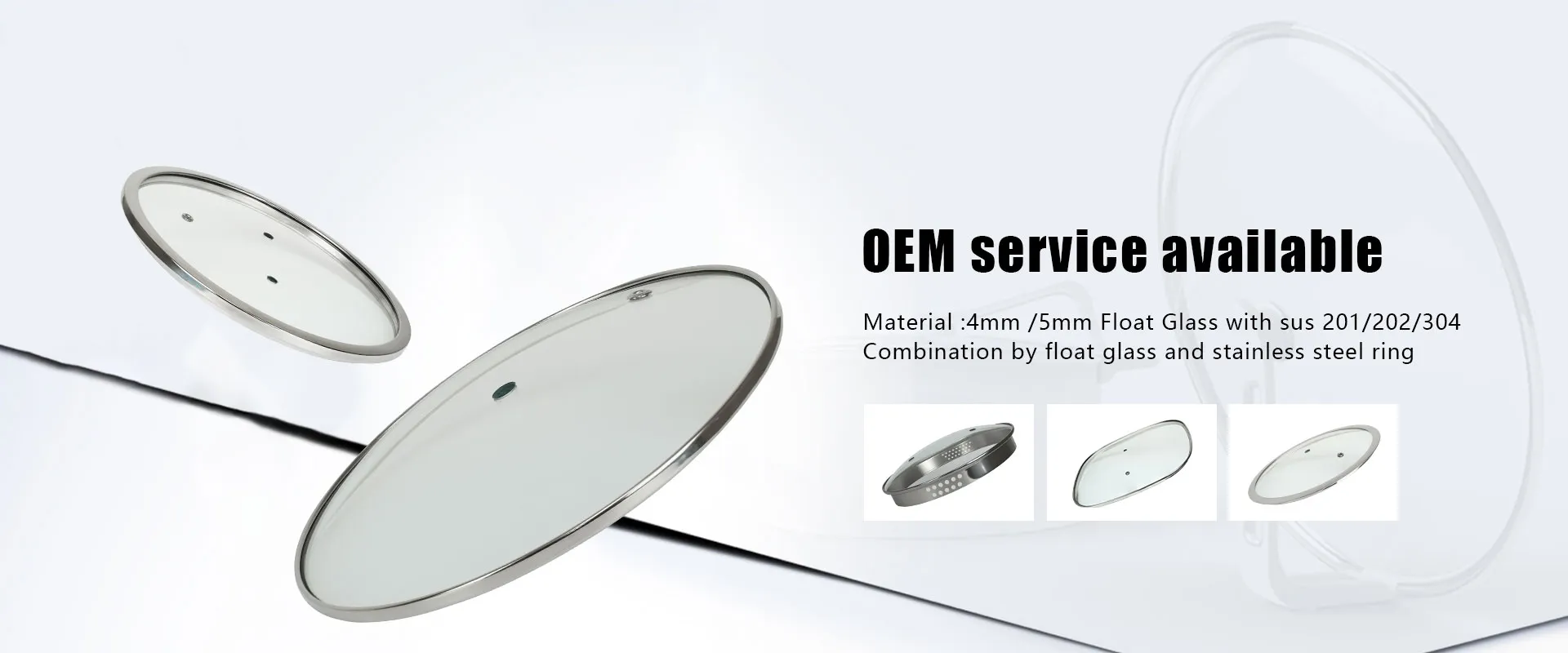
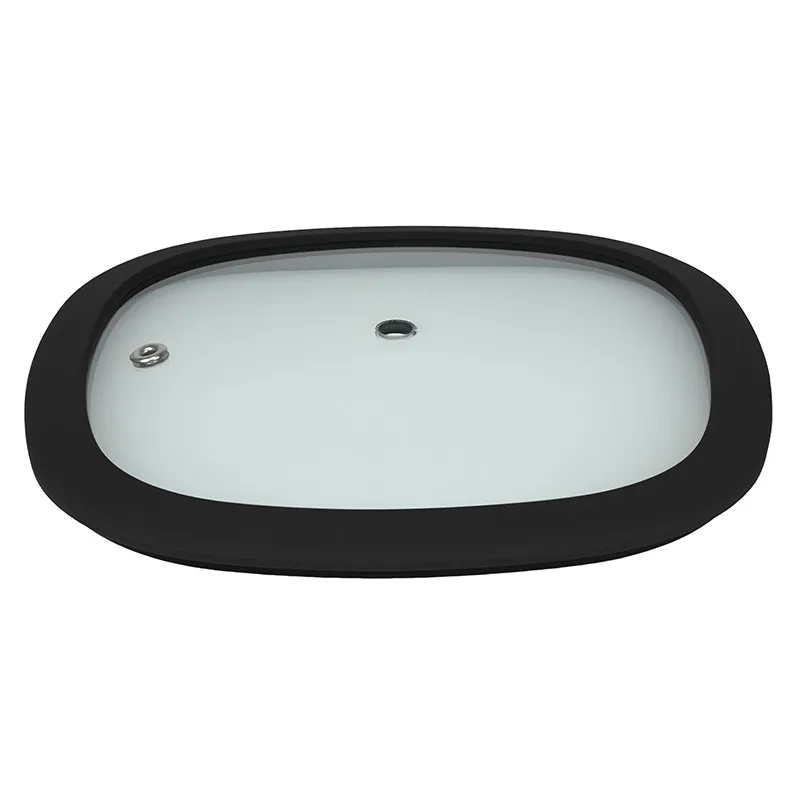
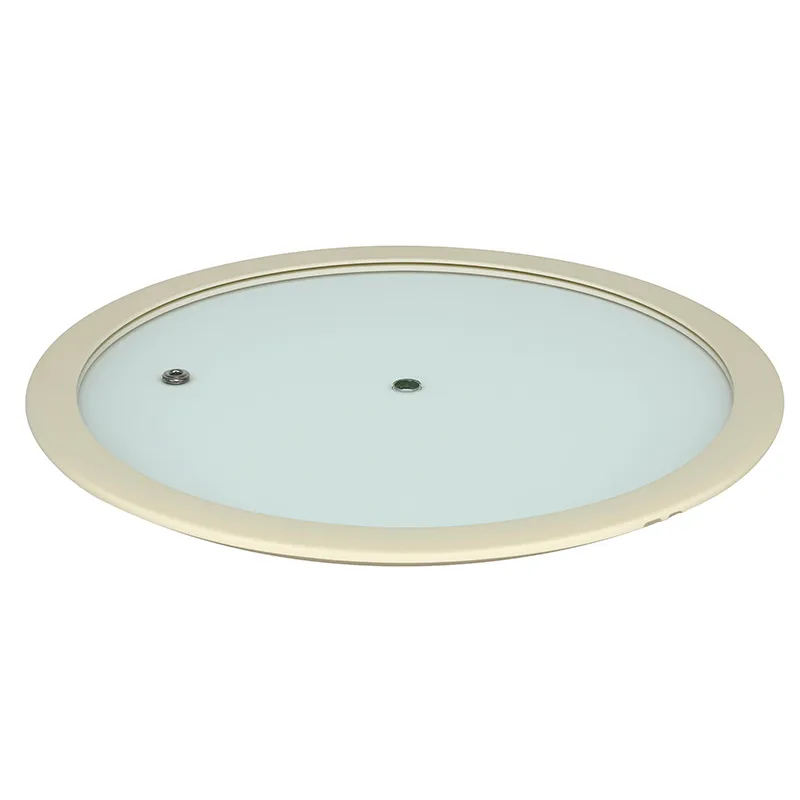
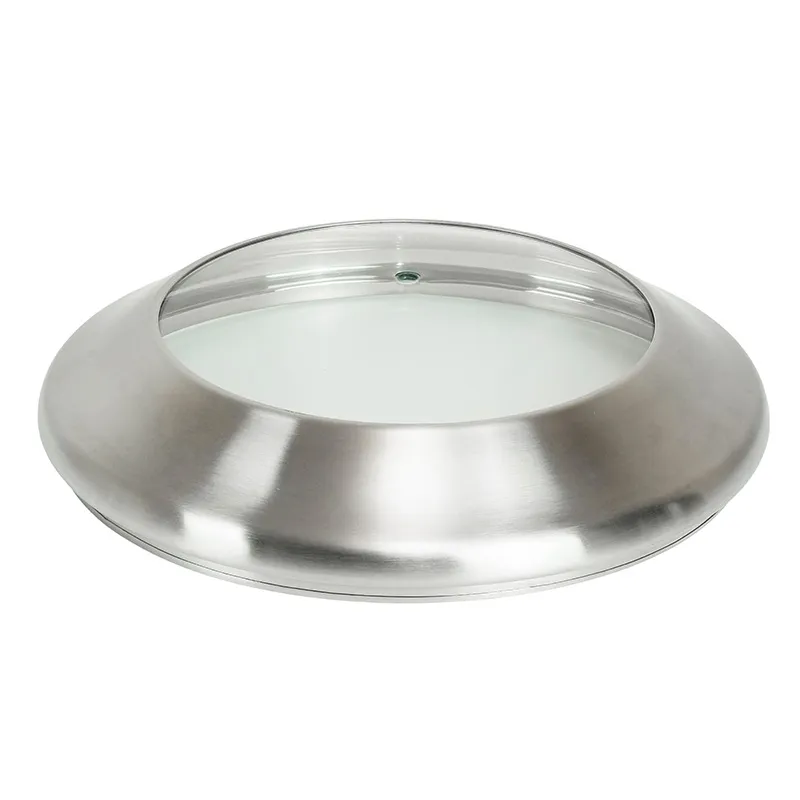
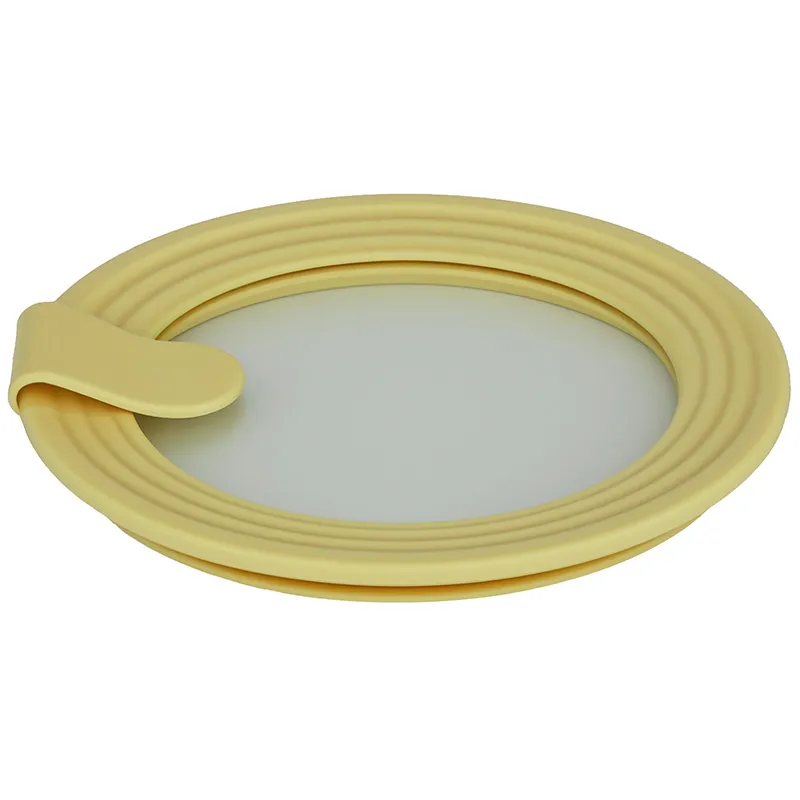
When you're dealing with volumes, you start looking at the source. A company like EUR-ASIA COOKWARE CO.,LTD represents the other side of this industry. While Anchor Hocking is a well-known American brand with its own manufacturing legacy, a significant portion of the world's glass kitchenware, especially components like specialized tempered glass lids, comes from specialized production hubs. Their website, https://www.glass-lid.com, highlights a focus that's critical to the ecosystem: they're not just making jars; they're engineering specific, high-volume components.
Their operation, based in China's Shandong province, with an annual output in the millions, feeds into global supply chains. The fact that over 90% of their output goes to markets in Europe and Asia tells you something about the standards they're meeting – German and Japanese kitchenware markets aren't forgiving on quality. When you see a generic glass jar with lid on a retailer's shelf, there's a non-zero chance the lid, or even the entire jar, passed through a facility like theirs. It's a reminder that Anchor Hocking is the brand, but the material science and production scale behind durable glassware is a global conversation.
This matters because it shifts the perspective from just buying a brand to understanding specifications. Whether it's an Anchor Hocking jar or a private-label version, the questions are the same: Is the glass annealed properly to reduce stress points? Is the lid's sealing surface consistently smooth? For a 1 gallon glass cracker jar, intended for long-term storage, these manufacturing nuances directly impact its performance and lifespan.
Practical Pitfalls and Workarounds
In real-world use, these jars shine for dry goods: flour, rice, pasta, cereal. But I've seen attempts to use them for refrigerated pickling or storing very oily items like coffee beans go sideways. The seal is good, but not hermetic like a dedicated vacuum canister. Condensation can get trapped under the lid, and that rubber gasket I mentioned earlier will absorb coffee oils, eventually tainting future contents. It's a case of using the right tool for the job.
Another issue is stacking. A gallon of flour is heavy. While the glass is sturdy, I'm always cautious about stacking these jars directly on top of each other, especially if the bottom isn't perfectly flat or has a pronounced raised lettering pattern. The stress concentration points are real. It's better practice to use them on a single shelf or with a protective pad between them. It sounds obvious, but in a cramped pantry, people push limits.
The cleaning protocol is another practical note. Avoid extreme thermal shock. Don't take a jar from the freezer and plunge it into hot sink water. While the glass is tempered for strength, sudden temperature changes are its Achilles' heel. Warm, soapy water and a bottle brush are your best friends. For the lid, disassembling the bail mechanism to clean each part periodically prevents grime buildup that can compromise the seal.
The Niche of Replacement and Compatibility
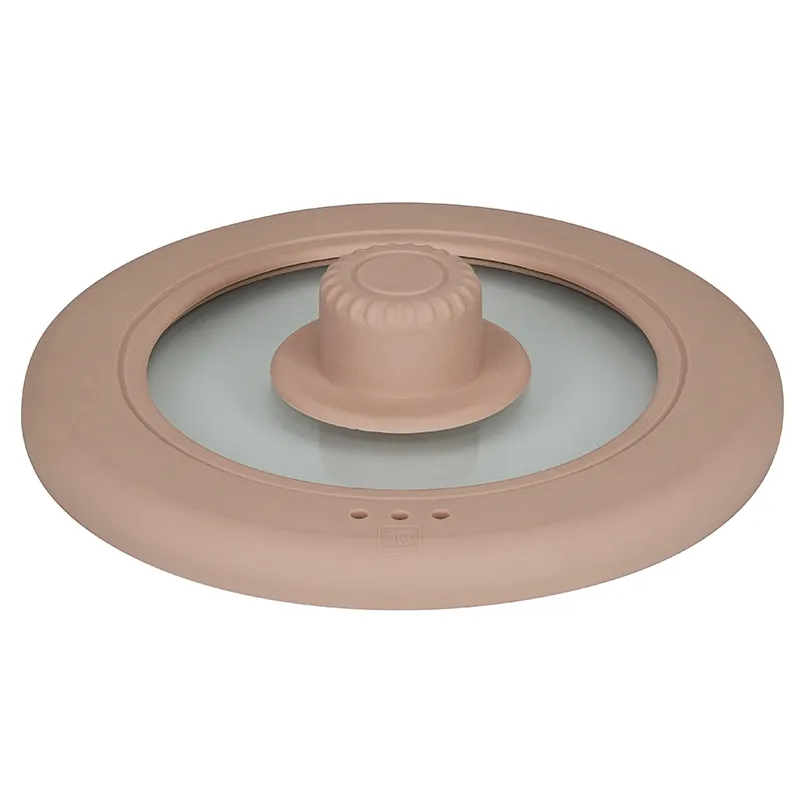
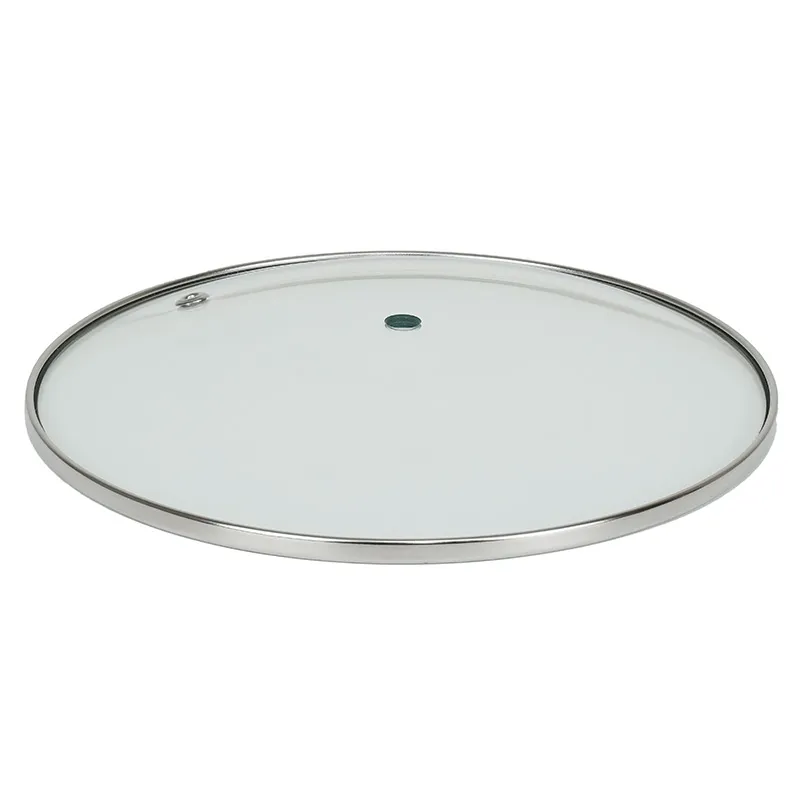
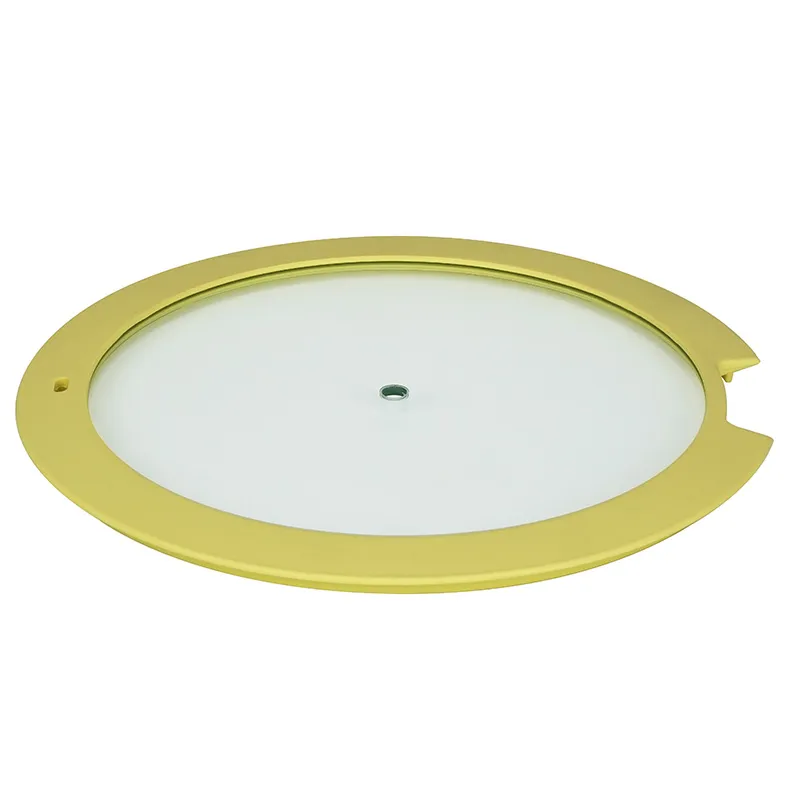
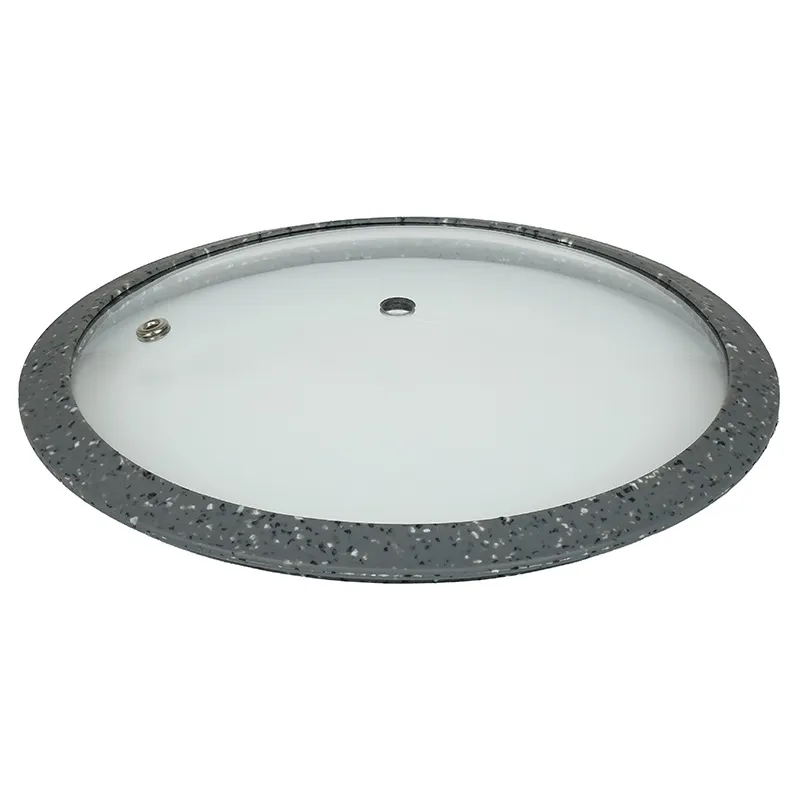
This leads to a niche but constant demand: replacement parts. Lids break, gaskets fail. One of the subtle challenges with a branded jar like Anchor Hocking's is ensuring compatibility. Their dimensions are generally standard, but not universally so. A company like EUR-ASIA COOKWARE CO.,LTD, which specializes in producing millions of glass lid units annually, exists in part to service this after-market and OEM need. Their product range likely includes dimensions that are compatible with a wide array of jar bodies, blurring the lines between a branded accessory and a universal fit.
For a business, this is a crucial consideration. If you're outfitting a cafe that uses 50 of these jars for bulk ingredients, you need a reliable source for replacement lids that won't require you to replace the entire jar. Sourcing from a component specialist can be more cost-effective and sustainable in the long run than relying solely on the original brand's spare parts, which may be subject to stock fluctuations or redesigns.
It's a layer of the industry most end-users never see, but it's fundamental to operational resilience. The glass cracker jar with lid isn't a disposable item; it's a modular system. Understanding that the lid is a wear component, and knowing where to find a quality replacement, extends the useful life of the vessel indefinitely.
Final Judgment: A Staple, With Caveats
So, is the Anchor Hocking 1 gallon jar a good buy? For its intended purpose – dry, ambient storage of bulk goods – absolutely. It's a classic for a reason. Its value is in its simplicity and proven design. But purchasing it with the understanding that it's not a universal solution is key. Respect its limits with moisture, oils, and thermal stress.
Its existence also points to a larger, interconnected manufacturing world. The jar on your shelf is the endpoint of a chain involving brands, designers, and high-volume producers like EUR-ASIA COOKWARE CO.,LTD, who ensure the availability of the core components that make these products possible. They provide the scalable, precision-made pieces that allow brands to focus on design and distribution.
In the end, it's a tool. Appreciate its design, use it wisely within its parameters, and know how to maintain it (and where to find parts). That's the difference between being momentarily pleased with a purchase and having a piece of kitchenware that reliably serves you for years. It's not just a jar; it's a small lesson in applied material science and supply chain pragmatism.
Related Products
Related Products