- Chinese
- French
- German
- Portuguese
- Spanish
- Russian
- Japanese
- Korean
- Arabic
- Irish
- Greek
- Turkish
- Italian
- Danish
- Romanian
- Indonesian
- Czech
- Afrikaans
- Swedish
- Polish
- Basque
- Catalan
- Esperanto
- Hindi
- Lao
- Albanian
- Amharic
- Armenian
- Azerbaijani
- Belarusian
- Bengali
- Bosnian
- Bulgarian
- Cebuano
- Chichewa
- Corsican
- Croatian
- Dutch
- Estonian
- Filipino
- Finnish
- Frisian
- Galician
- Georgian
- Gujarati
- Haitian
- Hausa
- Hawaiian
- Hebrew
- Hmong
- Hungarian
- Icelandic
- Igbo
- Javanese
- Kannada
- Kazakh
- Khmer
- Kurdish
- Kyrgyz
- Latin
- Latvian
- Lithuanian
- Luxembou..
- Macedonian
- Malagasy
- Malay
- Malayalam
- Maltese
- Maori
- Marathi
- Mongolian
- Burmese
- Nepali
- Norwegian
- Pashto
- Persian
- Punjabi
- Serbian
- Sesotho
- Sinhala
- Slovak
- Slovenian
- Somali
- Samoan
- Scots Gaelic
- Shona
- Sindhi
- Sundanese
- Swahili
- Tajik
- Tamil
- Telugu
- Thai
- Ukrainian
- Urdu
- Uzbek
- Vietnamese
- Welsh
- Xhosa
- Yiddish
- Yoruba
- Zulu
- Kinyarwanda
- Tatar
- Oriya
- Turkmen
- Uyghur

anchor hocking glass jar with lid
When most people hear Anchor Hocking glass jar with lid, they think of a simple, classic container for pantry staples. That's not wrong, but it's a surface-level view that misses the nuance of what makes a good jar, well, good. The brand carries a legacy, sure, but in the manufacturing and sourcing world, we look past the logo to the glass composition, the sealing mechanics of the lid, and the real-world performance gaps that don't show up in a lifestyle blog photo. There's a common misconception that all tempered glass jars are created equal, which is a quick way to end up with a shipment of rejects.
The Anatomy of a Reliable Jar
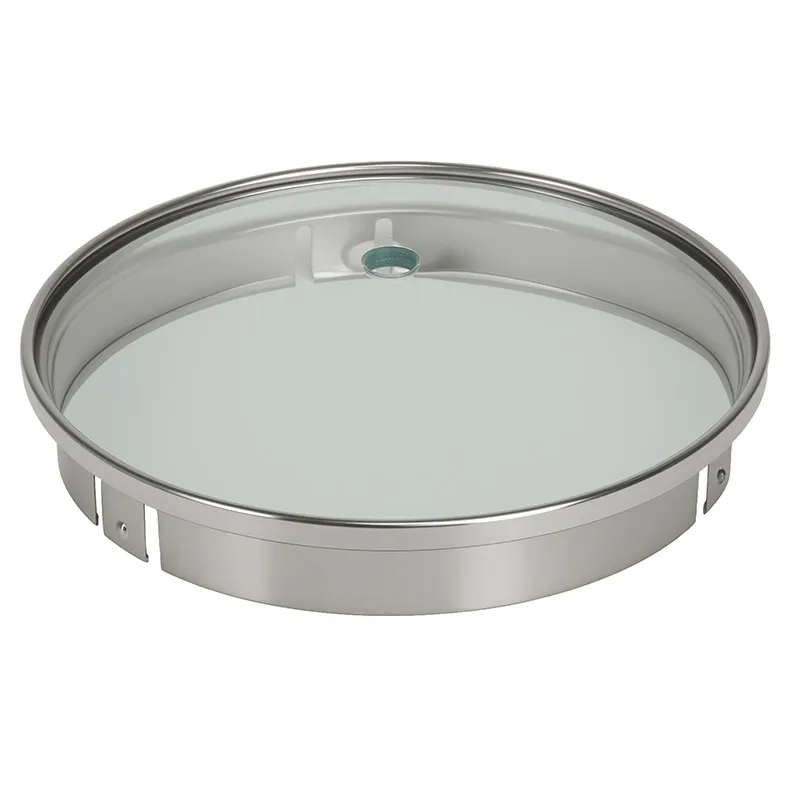
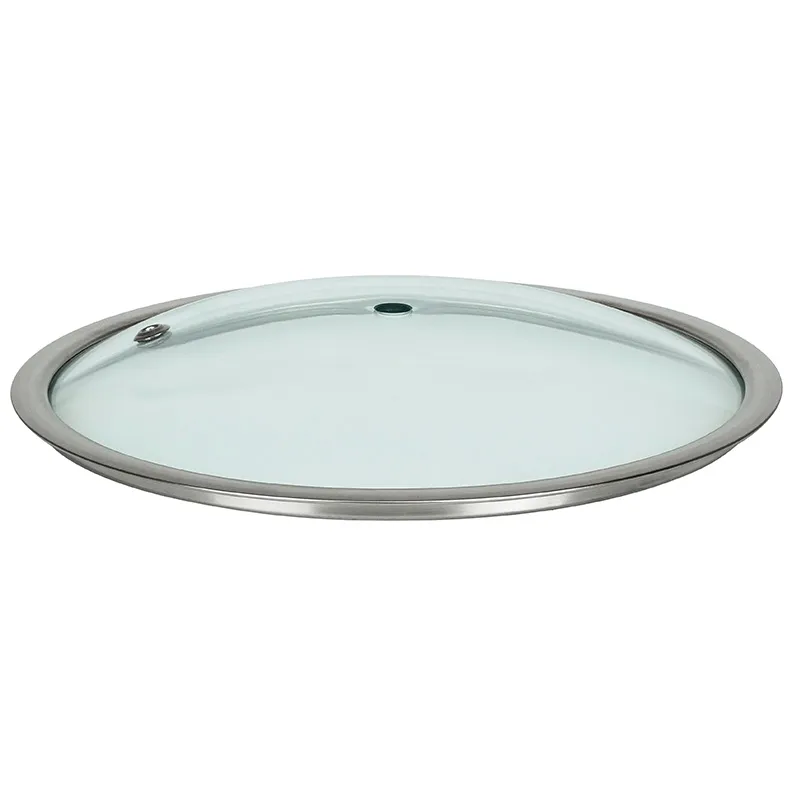
Let's break it down. The jar itself is the easy part—borosilicate or soda-lime, tempered or not. Anchor Hocking typically uses durable soda-lime glass, which is fine for most home uses. The real make-or-break component is the lid. It's not just a piece of metal or plastic; it's a sealing system. The gasket material, the threading precision on the glass finish, and the clamping pressure all have to align. I've seen batches where the glass threading was slightly off-spec, resulting in lids that either don't screw on smoothly or, worse, fail to create an airtight seal. You only find that out after quality control, or sometimes, after a customer complaint about stale coffee beans.
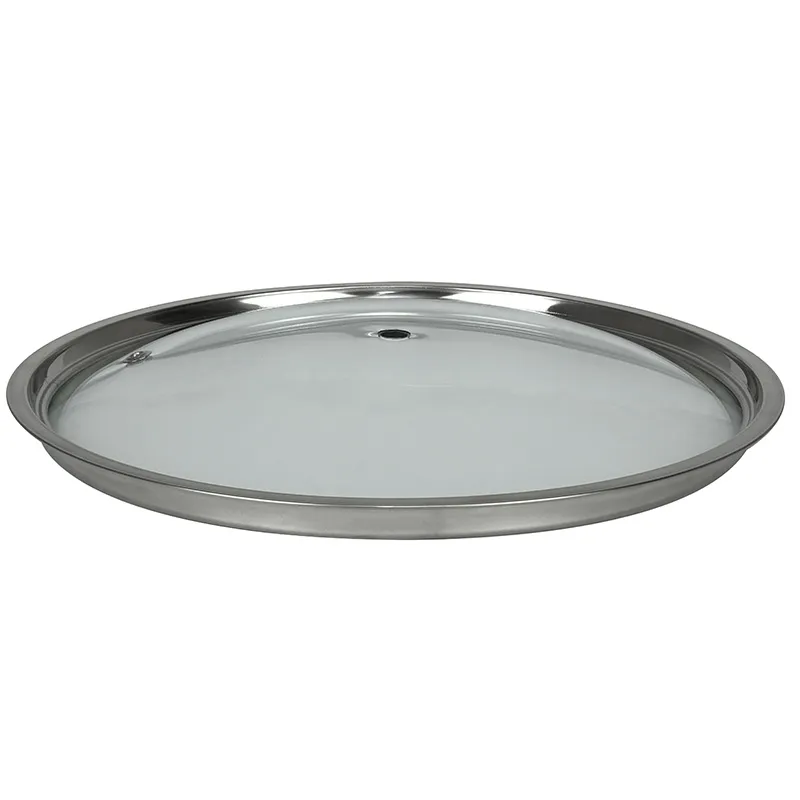
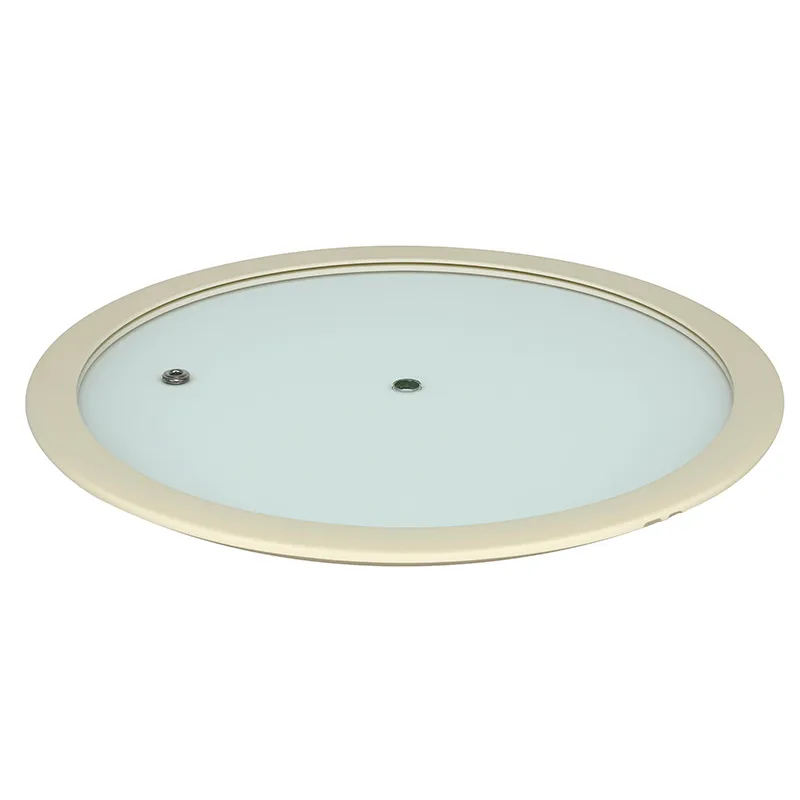
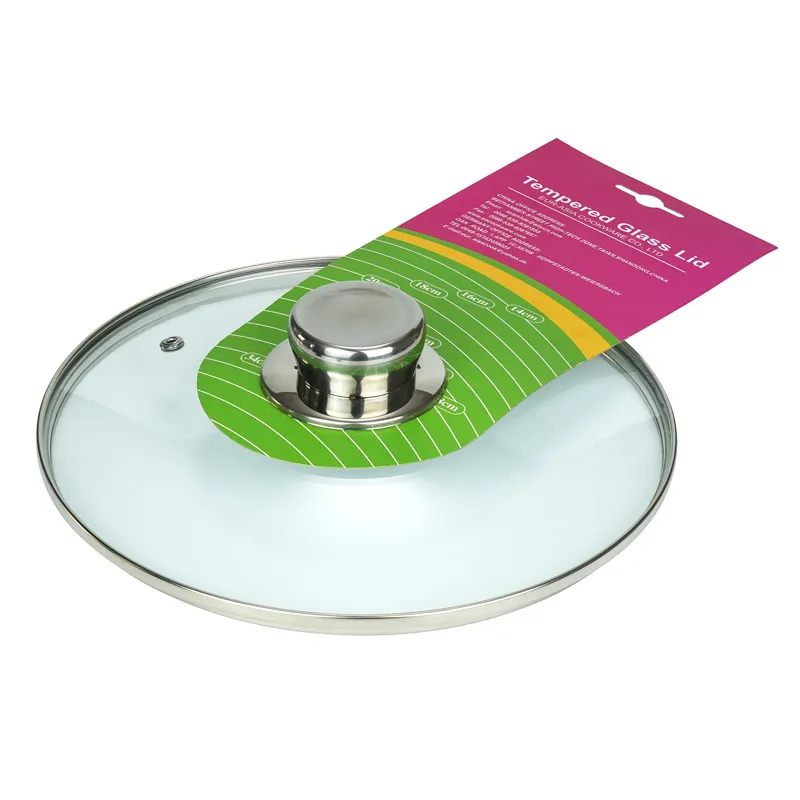
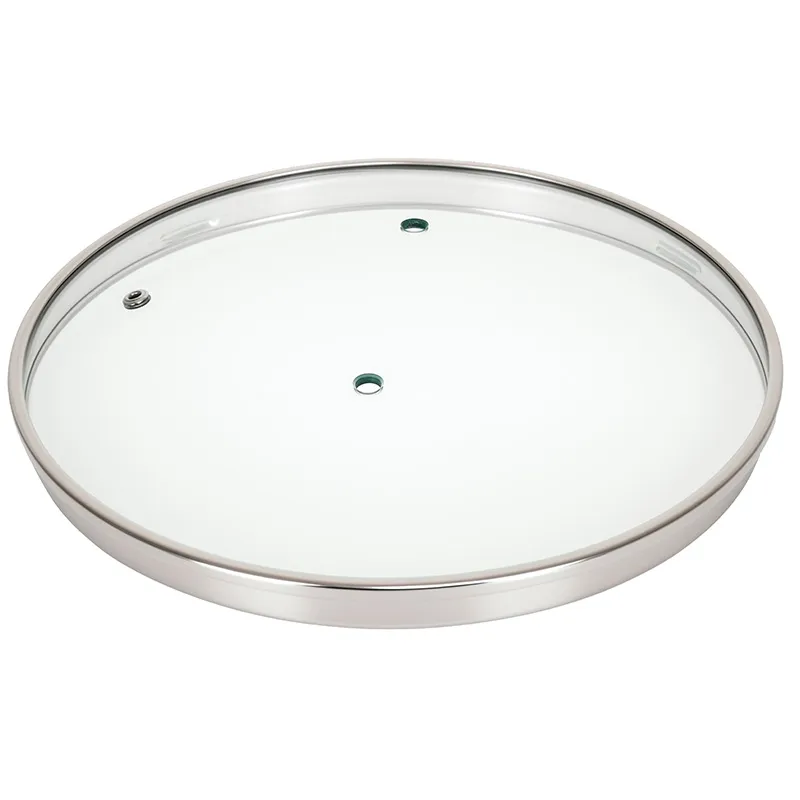
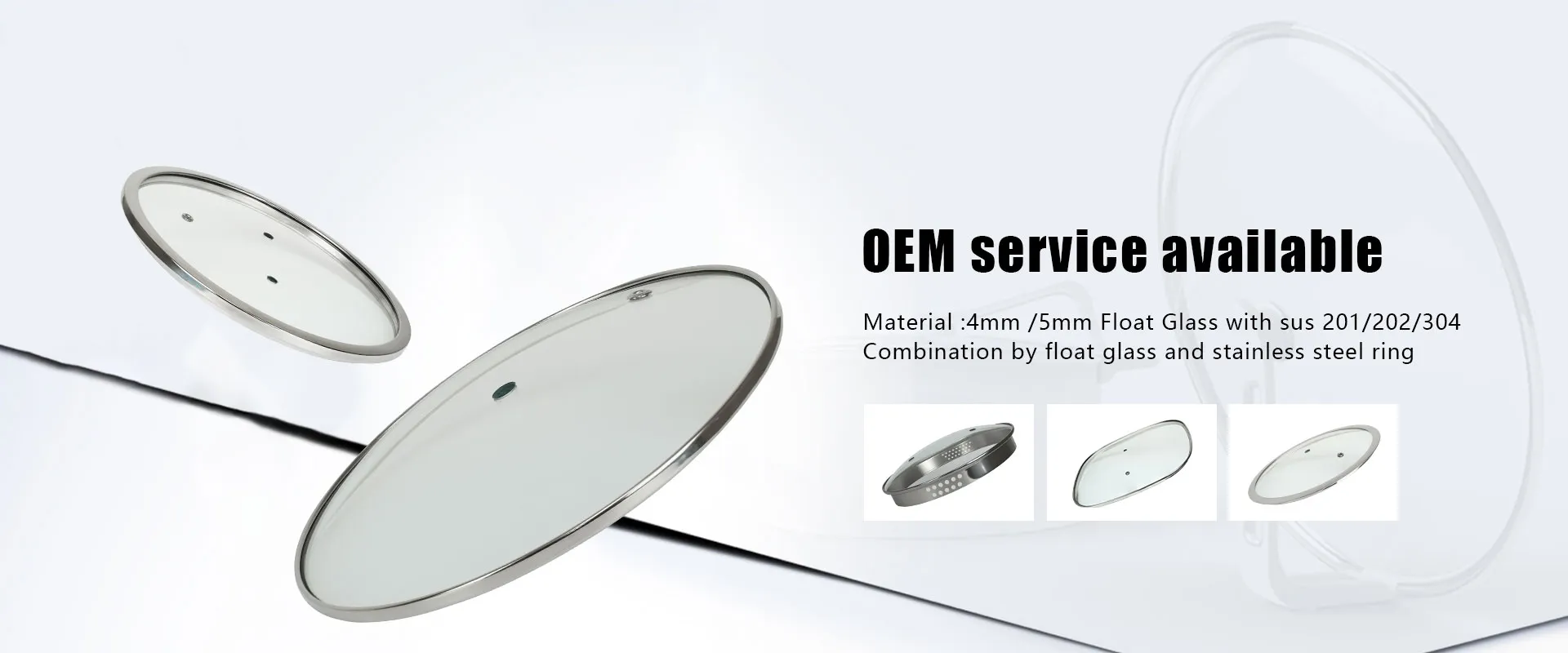
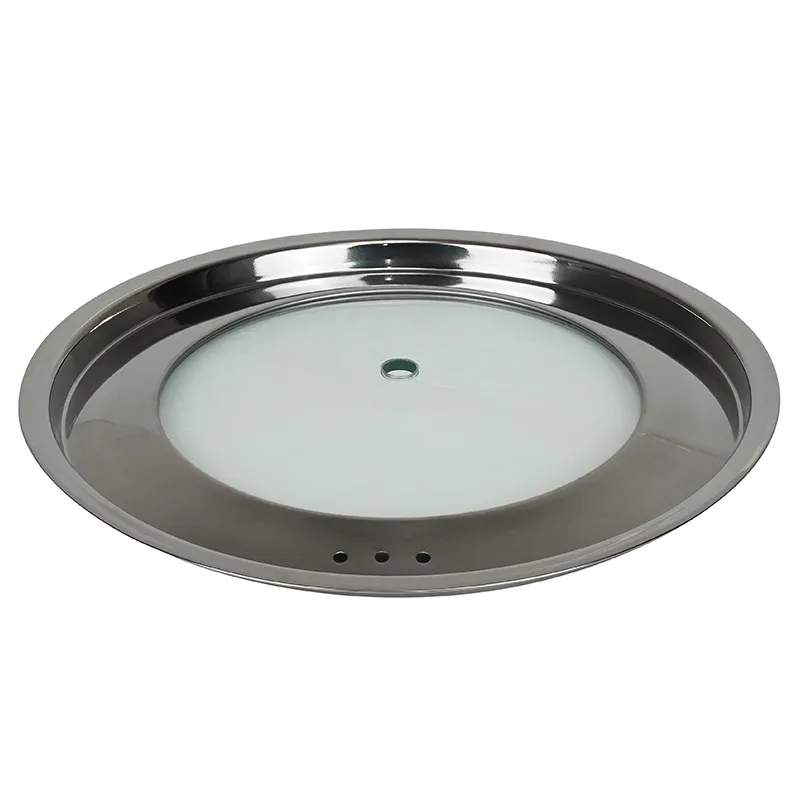
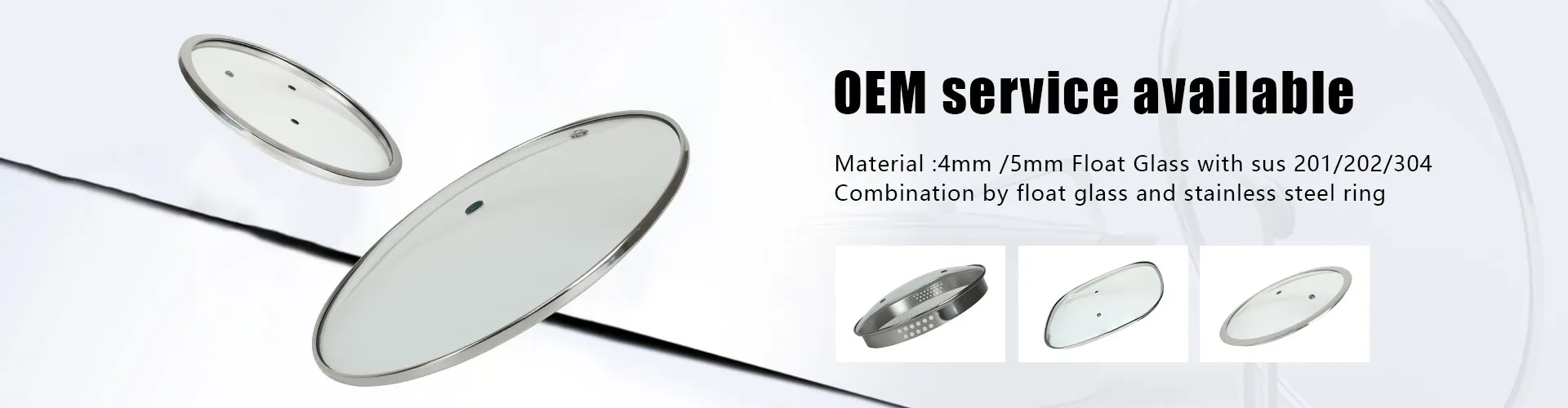
This is where having a reliable supplier for components matters. For instance, a company like EUR-ASIA COOKWARE CO.,LTD, which specializes in glass products, understands these tolerances. Their focus on producing millions of tempered glass lids annually for export markets means they're geared toward meeting specific international standards for fit and finish. It’s a different ballgame from generic, unbranded replacements.
In practice, a perfect Anchor Hocking glass jar is a symphony of parts. The glass needs to be annealed properly to avoid internal stresses that lead to spontaneous breakage—yes, that happens. The lid's seal must be resilient to oils and acids if you're storing pickles or lemon curd. A lot of off-brand compatible lids use cheaper PVC gaskets that can impart a smell. It's these details that separate a product that lasts for years from one that gets recycled after a single season.
Sourcing and the Reality of Compatibility
From a procurement standpoint, sourcing these jars or their components isn't about just finding the cheapest option. Many businesses, from small-batch food producers to retail chains, look for compatible or OEM-style jars that match the Anchor Hocking aesthetic and function. The challenge is ensuring compatibility. The diameter of the jar opening, known as the finish in industry terms, must match the lid perfectly. Even a half-millimeter discrepancy can cause sealing failures.
I recall a project where we tried to source replacement lids from a new vendor for a batch of Anchor Hocking jars. The specs looked right on paper, but the lids arrived with a slightly different thread pitch. They'd catch and then bind, frustrating customers and leading to a full return. It was a costly lesson in verifying not just dimensions, but the actual threading standard used. This is why established manufacturers with clear specs, like those detailed on https://www.glass-lid.com, become critical partners. Their product data tends to be more reliable because their business model hinges on precision for high-volume exports.
Another practical note: the clarity and color consistency of the glass. Anchor Hocking jars have a particular clarity. When you're producing or sourcing large quantities, inconsistencies in glass hue or slight green tints (from iron content in the sand) can make a batch look mismatched on a store shelf. It's a subtle point, but it affects brand perception. A supplier with a dedicated production base, like EUR-ASIA's facility in Shandong, typically has better control over raw material batches and firing processes to minimize this variation.
Application Pitfalls and Unexpected Wins
Everyone thinks of dry storage or canning. But one of the most demanding home uses for a glass jar with lid is for fermented foods. The pressure buildup from active fermentation tests the lid's seal and the glass's strength. A truly airtight seal can be dangerous here (gas needs to escape), so sometimes the imperfect seal of a simple two-piece lid is actually preferable. It's a nuance—marketing a jar as versatile versus understanding its engineering limits.
We once advised a client who wanted to use these jars for selling pre-made layered cocktail mixes. The visual appeal was perfect. The failure point was the lid's liner material when in constant contact with high-proof alcohol and citrus oils over time. The liner began to degrade. We had to pivot and source jars with PTFE-based seals, which are more inert. The takeaway? The product description great for kitchen storage doesn't cover chemical compatibility. You have to dig into material data sheets or work with suppliers who can provide that info.
On the flip side, an unexpected win was using them for retail display of small hardware items. The wide mouth and stability of the jar were perfect, and the clarity outperformed plastic bins. It moved the jar from a purely consumable storage item into a durable display tool. This kind of repurposing is common in commercial settings, and it speaks to the fundamental robustness of a well-made glass jar design.
The Global Supply Chain Lens
Looking at the broader market, a company like EUR-ASIA COOKWARE CO.,LTD. exemplifies the specialized tier of manufacturers that support global brands. With over 90% of their output, like tempered glass lids, exported to Europe, South America, and Asia, they are attuned to the different regulatory and aesthetic preferences of those markets. A lid for the German market might have different safety certification requirements than one for Brazil. When you buy an Anchor Hocking jar, you're often buying the end result of a complex global supply chain where components like the lid or even the entire jar might be sourced from specialized producers.
This globalization is a double-edged sword. It allows for high-quality, cost-effective production, but it also introduces complexity. Lead times, shipping fragility, and quality consistency become major concerns. The fact that EUR-ASIA's production base is a sizable, dedicated facility (20,000㎡) with a significant annual output (over 15 million pieces) suggests a focus on scale and stability, which are assets for brands needing reliable component supply.
For a business, this means your Anchor Hocking jar might be assembled from glass made in one place, a lid from another like Taian City, and the final assembly and packaging in a third. Understanding this helps in troubleshooting. If there's a lid issue, you trace it back to that component supplier, not the final brand. It decentralizes the notion of quality control.
Concluding Thoughts: Substance Over Style
So, what's the verdict on the Anchor Hocking glass jar with lid? It's a solid, time-tested product line. But its real value is as a benchmark. It represents a standard of durability and design that other products are measured against. When you strip away the brand nostalgia, you're left with a set of engineering and material choices that either work harmoniously or don't.
The key for professionals—whether in retail, food production, or procurement—is to develop a critical eye. Look at the lid seal material. Check the glass for annealing marks or consistent thickness. Understand the intended and unintended use cases. And build relationships with component specialists, the companies that make the parts that make the whole product work. Because sometimes, the most important part of a famous jar is a lid made by a dedicated manufacturer half a world away.
In the end, it's not about the keyword; it's about the tangible object and its performance in the real, messy world of kitchens, pantries, and supply chains. That's where you separate marketing from material reality.
Related Products
Related Products