- Chinese
- French
- German
- Portuguese
- Spanish
- Russian
- Japanese
- Korean
- Arabic
- Irish
- Greek
- Turkish
- Italian
- Danish
- Romanian
- Indonesian
- Czech
- Afrikaans
- Swedish
- Polish
- Basque
- Catalan
- Esperanto
- Hindi
- Lao
- Albanian
- Amharic
- Armenian
- Azerbaijani
- Belarusian
- Bengali
- Bosnian
- Bulgarian
- Cebuano
- Chichewa
- Corsican
- Croatian
- Dutch
- Estonian
- Filipino
- Finnish
- Frisian
- Galician
- Georgian
- Gujarati
- Haitian
- Hausa
- Hawaiian
- Hebrew
- Hmong
- Hungarian
- Icelandic
- Igbo
- Javanese
- Kannada
- Kazakh
- Khmer
- Kurdish
- Kyrgyz
- Latin
- Latvian
- Lithuanian
- Luxembou..
- Macedonian
- Malagasy
- Malay
- Malayalam
- Maltese
- Maori
- Marathi
- Mongolian
- Burmese
- Nepali
- Norwegian
- Pashto
- Persian
- Punjabi
- Serbian
- Sesotho
- Sinhala
- Slovak
- Slovenian
- Somali
- Samoan
- Scots Gaelic
- Shona
- Sindhi
- Sundanese
- Swahili
- Tajik
- Tamil
- Telugu
- Thai
- Ukrainian
- Urdu
- Uzbek
- Vietnamese
- Welsh
- Xhosa
- Yiddish
- Yoruba
- Zulu
- Kinyarwanda
- Tatar
- Oriya
- Turkmen
- Uyghur


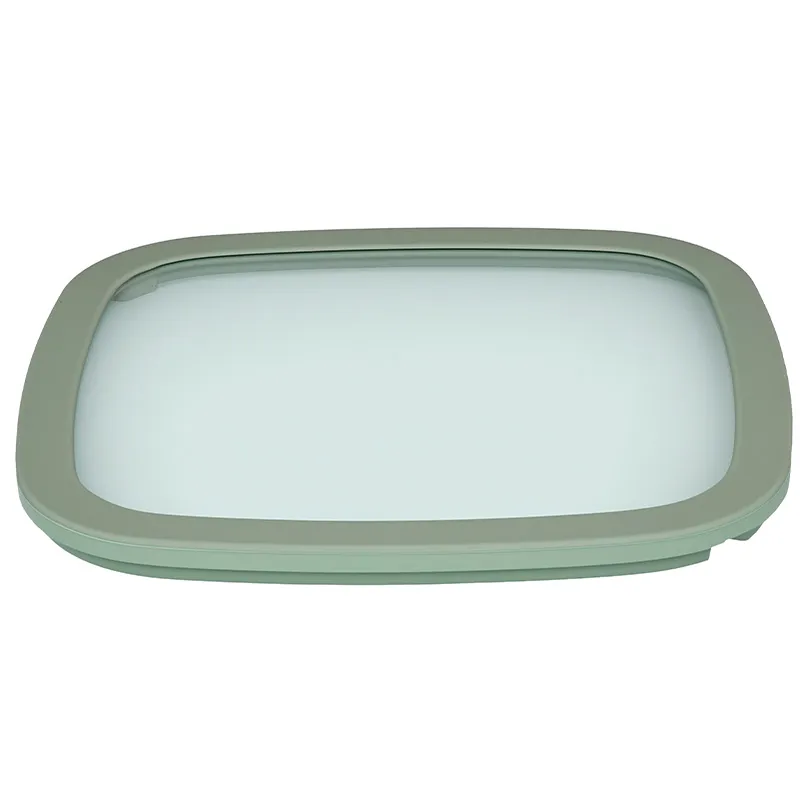
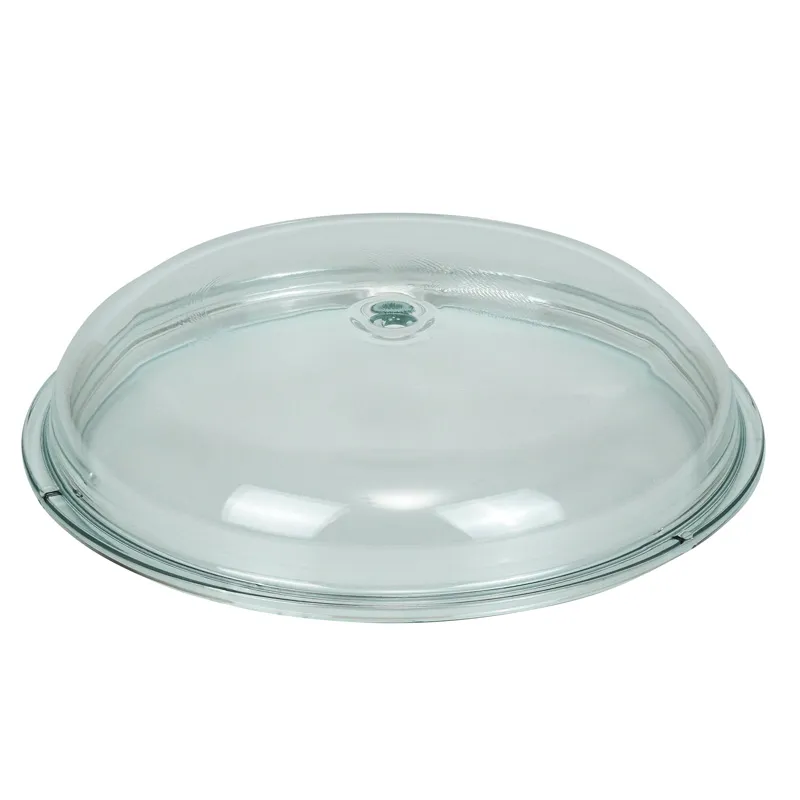
ball ideal jar with glass lid
When you hear 'ball ideal jar with glass lid', most people picture a simple, classic storage container. In the trade, however, that phrase unpacks into a whole set of material, production, and market expectations that beginners often get wrong. The biggest misconception? That any glass-lidded jar is created equal. The reality involves tempered glass specs, seal integrity, and the specific ergonomics of that 'ball' shape for stacking and handling—details that separate a commodity item from a product that lasts and sells.
Deconstructing the Ideal in Specifications
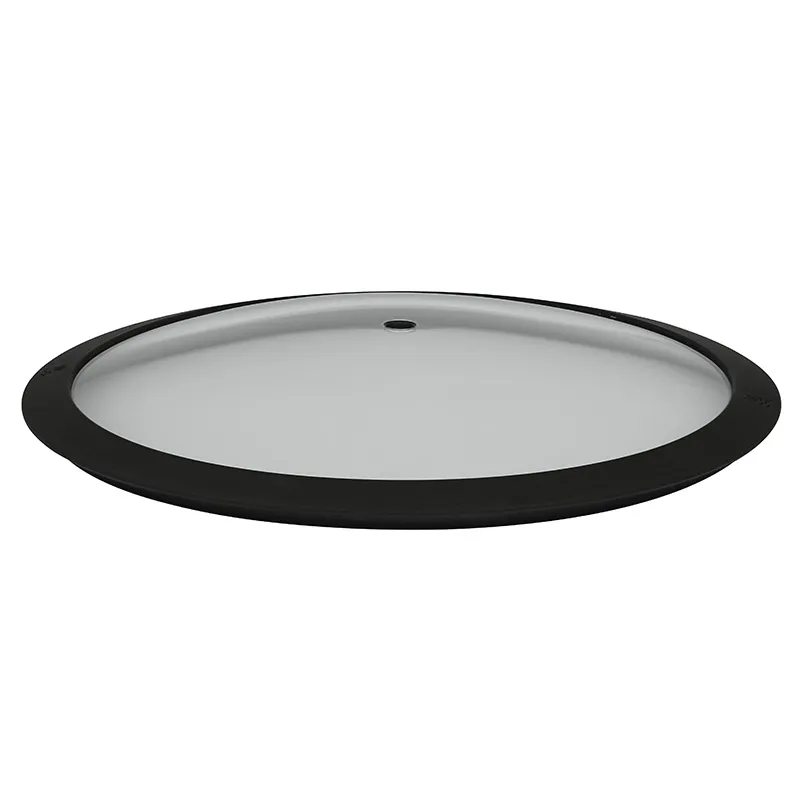
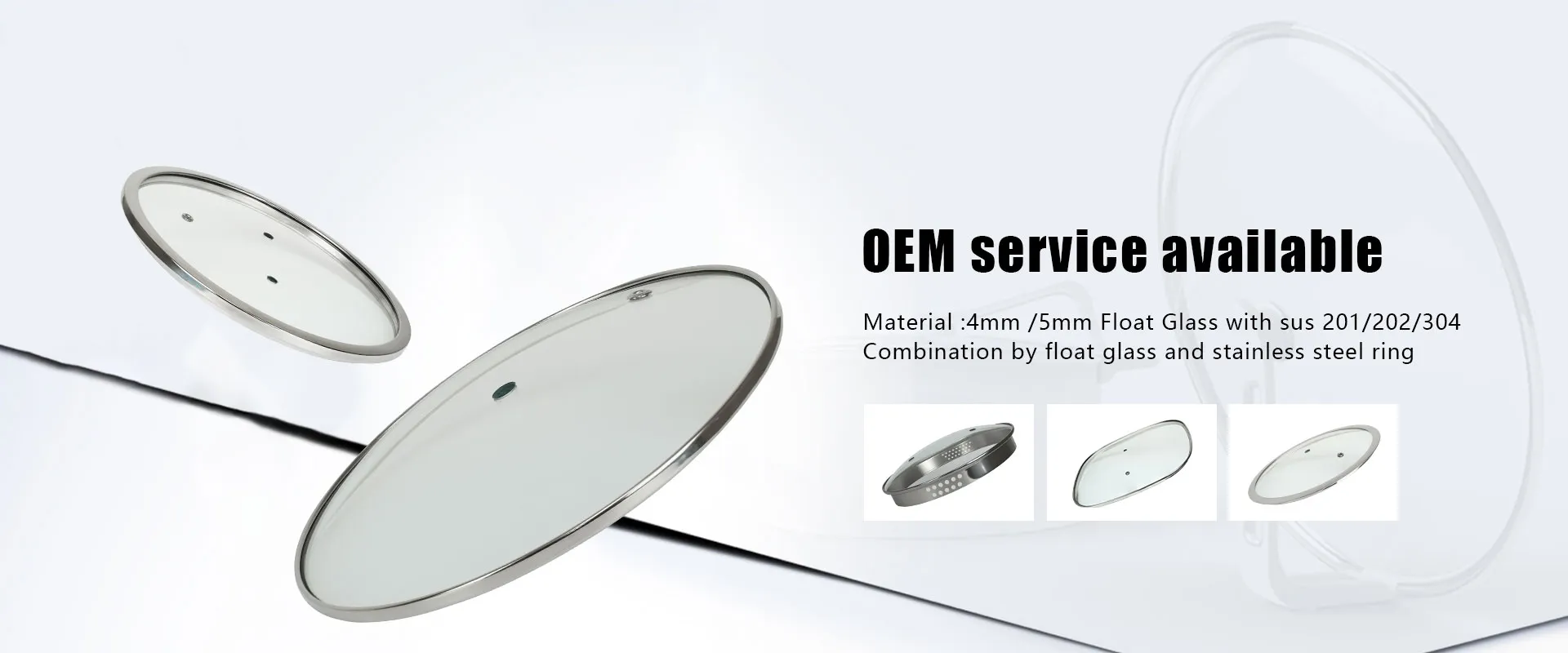
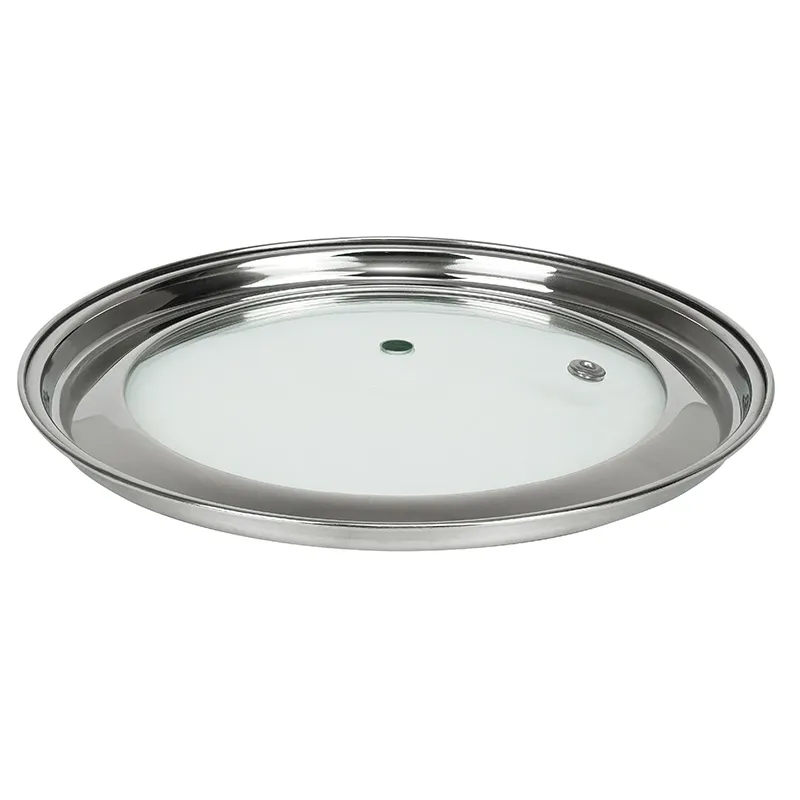
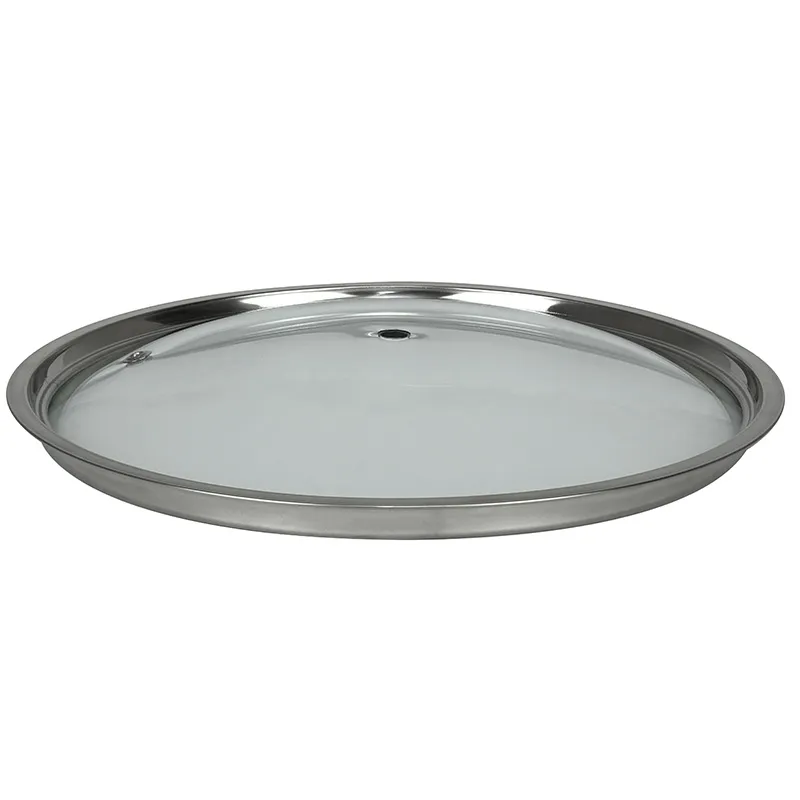
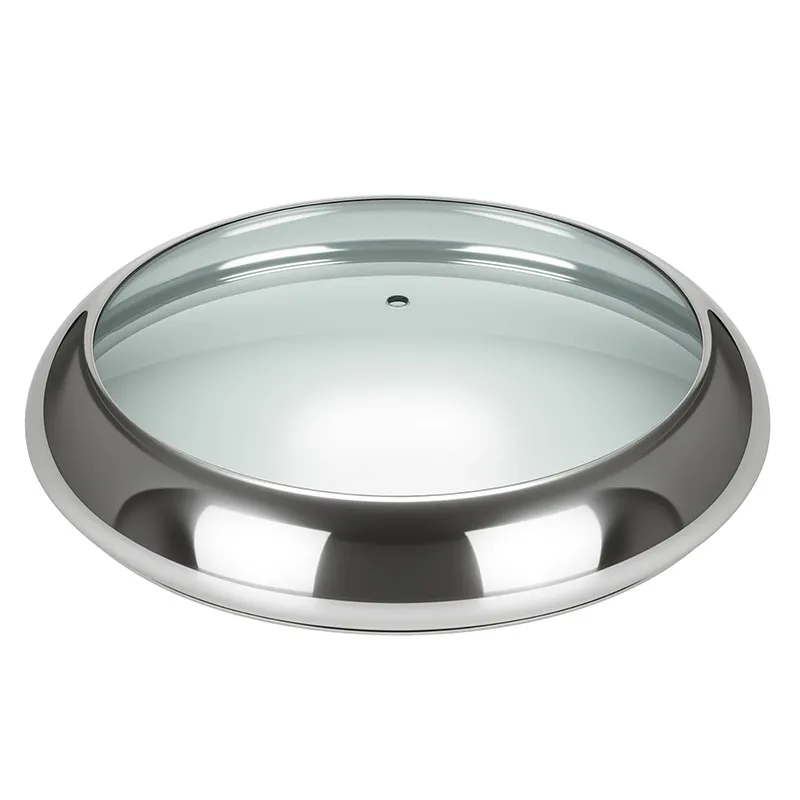
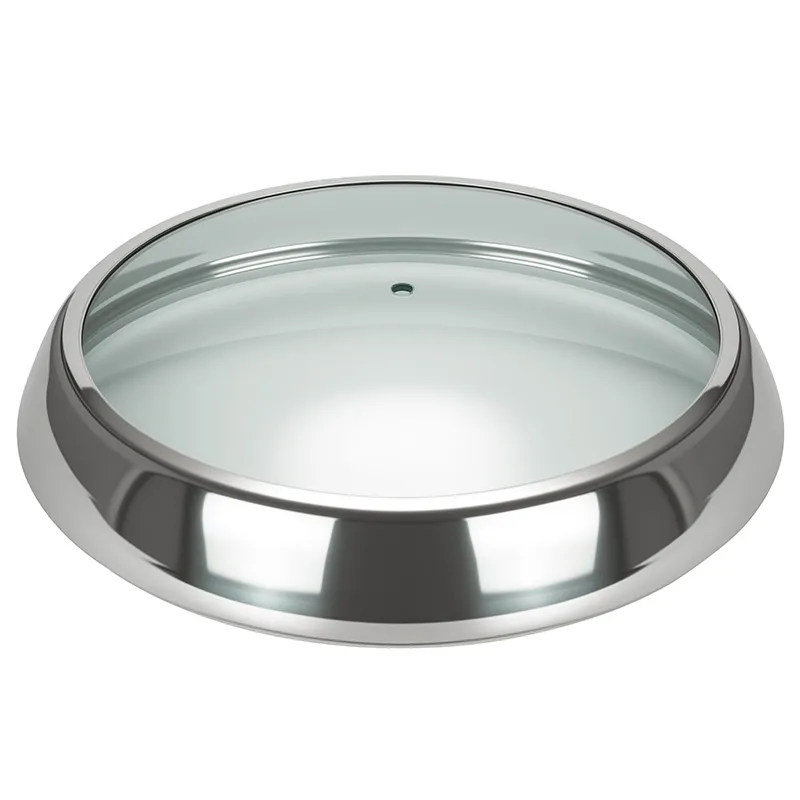
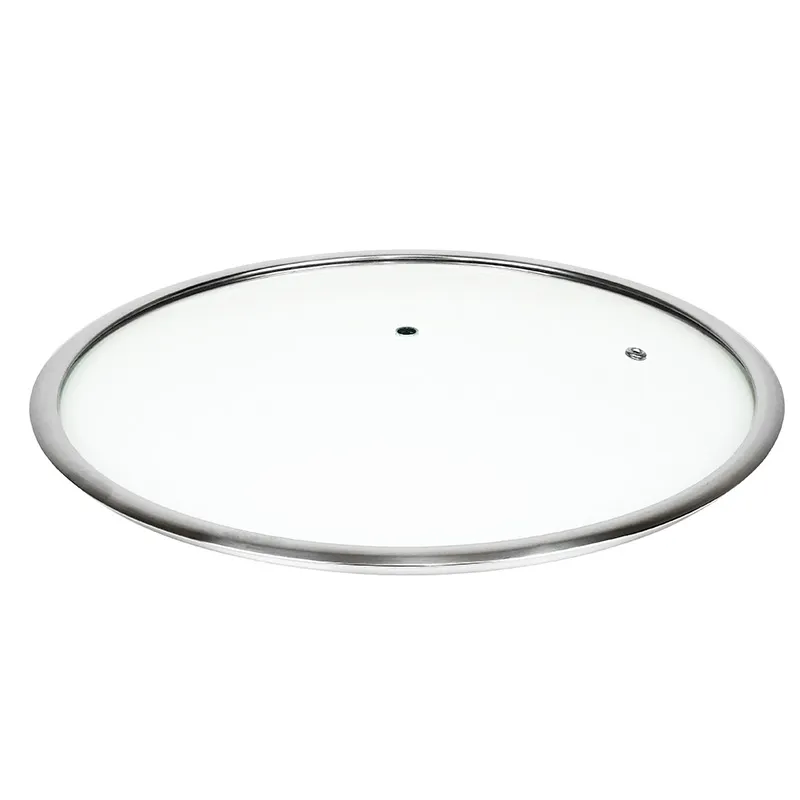
Let's start with the lid. 'Glass lid' sounds straightforward, but in production for export markets, especially to the EU, it almost always means tempered glass. The reason is safety and durability. Annealed glass lids can shatter into dangerous shards. Tempered glass, when it breaks, crumbles into small, granular pieces. For a company like EUR-ASIA COOKWARE CO.,LTD, which exports over 90% of its output to countries like Germany, France, and Denmark, this isn't an option—it's a baseline requirement. Their production line in Taian is set up for this, with the capacity for over 15 million pieces annually. The tempering process also increases resistance to thermal shock, crucial for jars that might go from a cold pantry to a warm countertop.
The 'ball' shape of the jar body is another point of nuance. It's not just aesthetic. That rounded, often shoulder-heavy design is about structural strength for stacking and a specific hand-feel. The ideal curvature allows for secure grip when the jar is full and heavy. I've seen prototypes where the curve was too aggressive, making the jar feel slippery, or too shallow, compromising the visual 'classic' appeal. It's a balance between form and function that gets refined over production runs.
Then there's the seal. The glass lid typically sits on a plastic or silicone gasket embedded in the jar's mouth. The precision of the glass lid's diameter and the smoothness of its ground edge are critical here. A lid that's even half a millimeter off spec, or has a slightly rough chamfer, will either not seal properly or will be difficult to open and close. This is where high-volume manufacturing experience shows. A facility with 15,000㎡ of building area and dedicated QC can maintain this consistency, which smaller workshops struggle with, leading to high return rates.
Material Sourcing and the Reality of Levels
EUR-ASIA COOKWARE's mention of producing low, medium, and high-level products is telling. For a ball ideal jar, the 'level' often comes down to the quality of the glass raw material and the finishing. Lower-tier products might use glass with more impurities (visible as tiny bubbles or slight greenish tint) and have simpler, sometimes sharper, finishing on the lip. The high-level versions use clearer, higher-grade soda-lime glass, with meticulously smoothed and polished edges on both jar and lid.
The metal clasp or bail wire, if the jar has one, is another differentiator. Cheap zinc alloy clasps can corrode or feel flimsy. Better versions use stainless steel or coated steel for longevity. This is a cost-driver that brands specify based on their target price point. I've had clients who initially opted for the cheaper clasp to save $0.15 per unit, only to face complaints about rust spots after a year and had to switch mid-contract.
It's worth noting that the company's location in Shandong's National High-tech Development Zone isn't incidental. The region has a cluster of glass and kitchenware industries, which means better access to consistent raw material supplies and a skilled labor pool. This ecosystem effect is something you can't replicate easily elsewhere and contributes directly to the ability to hit those annual output numbers reliably.
Export Realities and Failure Points
Exporting these jars isn't just about making them; it's about packing and shipping them. Glass is heavy and fragile. A common failure point, especially for newcomers, is in the packaging design. The glass lid needs to be secured separately from the jar body during transit to prevent chipping. Often, a pulp paper or foam divider is used. I recall a shipment to Brazil where the packaging was under-specified for the humidity; the paper dividers softened, leading to movement and a 3% breakage rate upon arrival—a painful loss.
Furthermore, the term 'ball ideal jar' can mean slightly different dimensions in different markets. A common size in South Korea might be 1 liter, while in Germany, 850ml or 1.5-liter sizes are more standard for certain preserves. This requires flexible mold management on the production side. A manufacturer with a broad export portfolio, like EUR-ASIA which lists Japan, Turkey, and Brazil among its destinations, is typically better equipped to handle these small-batch, varied runs without massive cost penalties.
Certifications matter, too. While not always stated upfront, products destined for the European and Japanese markets often need to pass specific food-contact material tests (like LFGB in Germany). The glass composition and any paints or prints on the jar must be compliant. This is a hidden layer of 'professionalism' in the supply chain. A company's longevity in these markets, as indicated by their wide export list, is often a proxy for having navigated these regulatory hurdles successfully.
The Lid as a Standalone Product
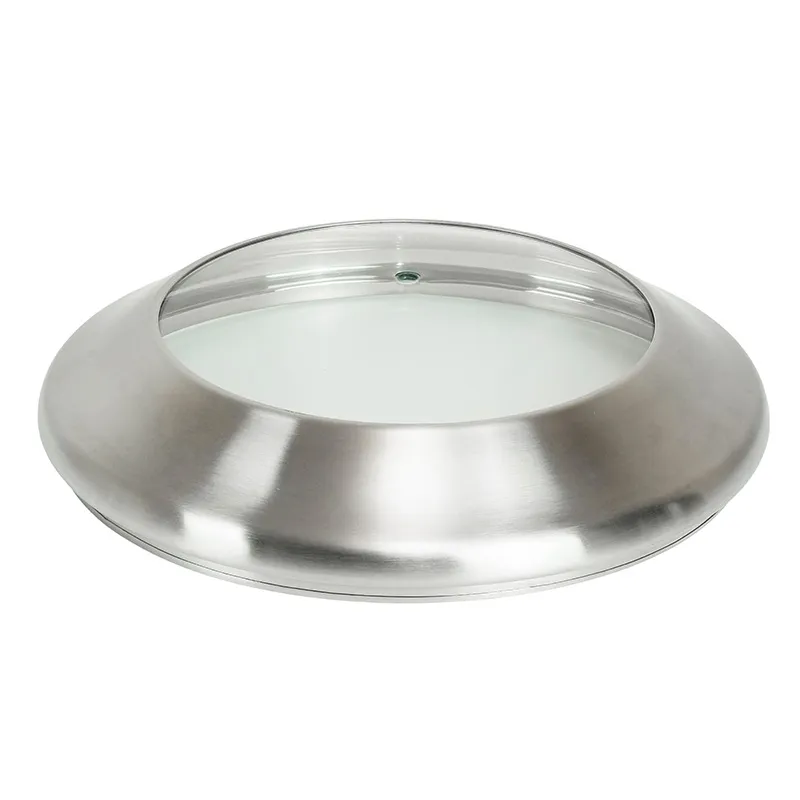
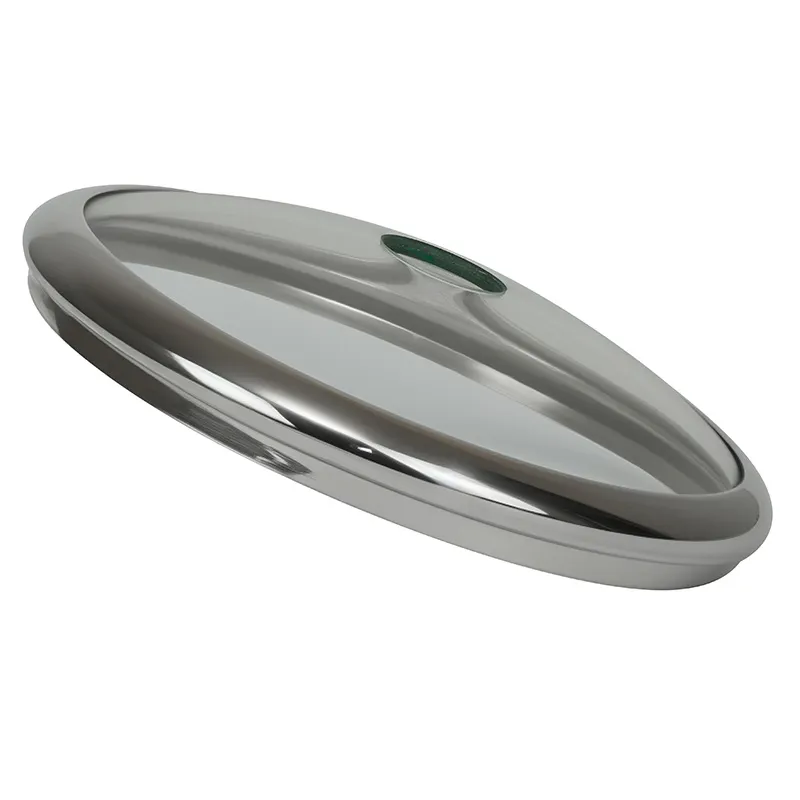
An interesting aspect of EUR-ASIA COOKWARE's business is their specialization in tempered glass lid and other glass products. This highlights a key industry fact: replacement lids are a huge market. People break lids, lose them, or have jars from other manufacturers. Producing a high-quality, universally sized (or widely compatible) glass lid is a product line in itself. Their capacity of 15 million pieces annually isn't just for full jar sets; a significant portion likely goes to this aftermarket.
Developing a good universal lid is tricky. It requires extensive sampling with competitor jars to ensure a snug fit. The tolerance bands are tight. We once worked on a project for a 'one-size-fits-most' 90mm lid, and it took nearly a dozen iterations to get a gasket design that sealed properly on 80% of the market's jar bodies without being too tight or too loose. It's a detail-oriented, unglamorous task that defines product success.
This also ties back to the 'household glass products' in their company description. It's a broad category. The expertise in tempering and finishing glass for lids is transferable to other items—casserole dish lids, pie plates, etc. This diversification within a core competency is a smart business buffer.
Final Thoughts on Sourcing and Specifying
So, when you're looking to source or specify a ball ideal jar with glass lid, look beyond the generic product image. Drill into the specs: Is the glass lid tempered? What's the exact thickness and diameter? What's the gasket material? Ask for drop-test reports and food-contact certificates. The company's operational scale, like EUR-ASIA's 20,000㎡ facility and 90+ employees, suggests an ability to handle complex orders and maintain quality control, which is more valuable than a marginally lower unit price from a less established maker.
In practice, the 'ideal' jar is the one that balances cost, function, and aesthetic for your specific market. Sometimes, that means opting for the medium-level product—clear enough glass, decent clasp, good seal—rather than the absolute premium. It's about knowing where the value points are for your end-user. A brand selling artisanal jam in France will prioritize a flawless, heavy-feel lid and crystal-clear glass. A retailer selling bulk storage jars in Poland might prioritize stacking strength and a lower price point.
Ultimately, the keyword describes a product category with depth. Its simplicity is deceptive. Success in sourcing or manufacturing it comes from attention to the granular details of material science, production tolerances, and market-specific preferences—the exact kind of details that become second nature after you've dealt with a few container loads of them, and navigated the occasional failure that teaches you what really matters.
Related Products
Related Products