- Chinese
- French
- German
- Portuguese
- Spanish
- Russian
- Japanese
- Korean
- Arabic
- Irish
- Greek
- Turkish
- Italian
- Danish
- Romanian
- Indonesian
- Czech
- Afrikaans
- Swedish
- Polish
- Basque
- Catalan
- Esperanto
- Hindi
- Lao
- Albanian
- Amharic
- Armenian
- Azerbaijani
- Belarusian
- Bengali
- Bosnian
- Bulgarian
- Cebuano
- Chichewa
- Corsican
- Croatian
- Dutch
- Estonian
- Filipino
- Finnish
- Frisian
- Galician
- Georgian
- Gujarati
- Haitian
- Hausa
- Hawaiian
- Hebrew
- Hmong
- Hungarian
- Icelandic
- Igbo
- Javanese
- Kannada
- Kazakh
- Khmer
- Kurdish
- Kyrgyz
- Latin
- Latvian
- Lithuanian
- Luxembou..
- Macedonian
- Malagasy
- Malay
- Malayalam
- Maltese
- Maori
- Marathi
- Mongolian
- Burmese
- Nepali
- Norwegian
- Pashto
- Persian
- Punjabi
- Serbian
- Sesotho
- Sinhala
- Slovak
- Slovenian
- Somali
- Samoan
- Scots Gaelic
- Shona
- Sindhi
- Sundanese
- Swahili
- Tajik
- Tamil
- Telugu
- Thai
- Ukrainian
- Urdu
- Uzbek
- Vietnamese
- Welsh
- Xhosa
- Yiddish
- Yoruba
- Zulu
- Kinyarwanda
- Tatar
- Oriya
- Turkmen
- Uyghur

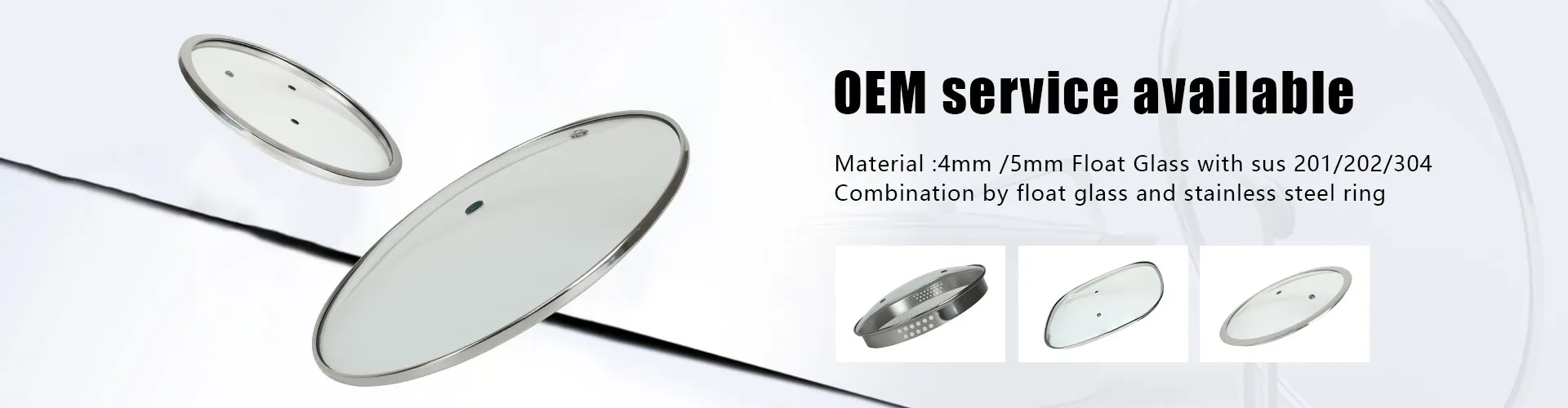
ball ideal mason jar with glass lid
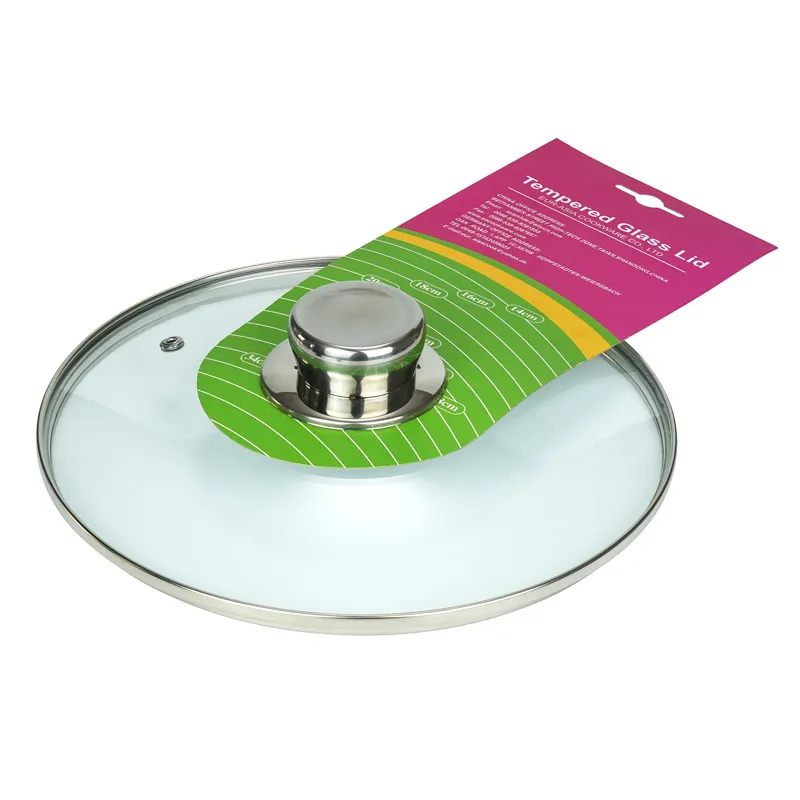
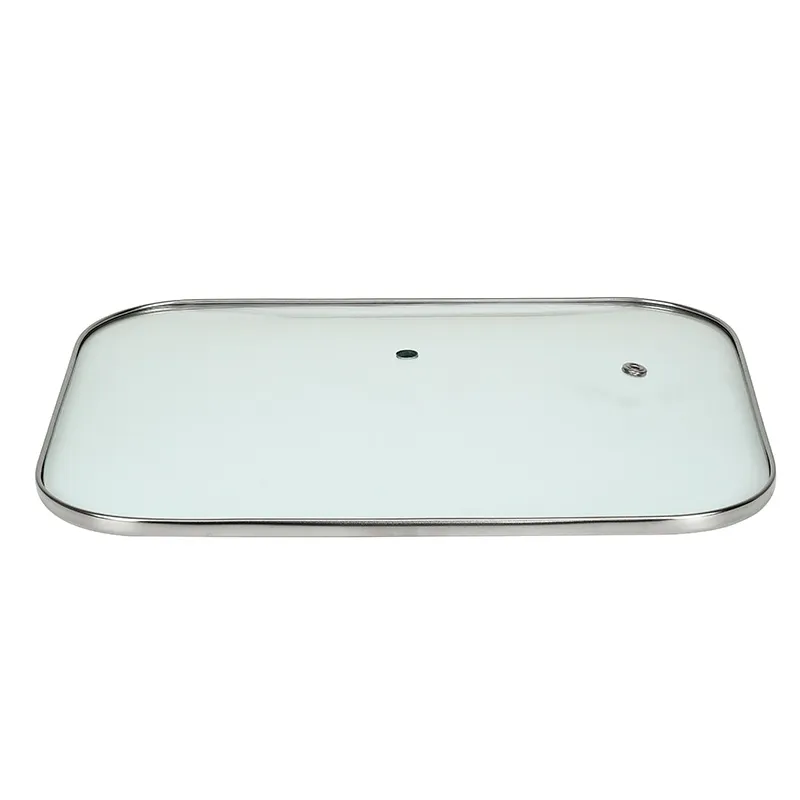
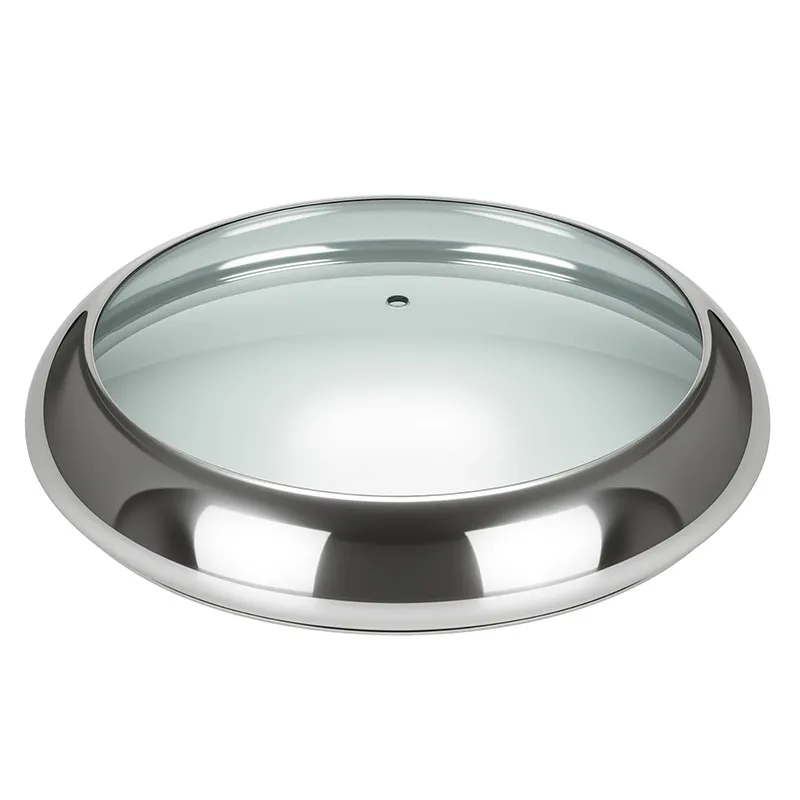
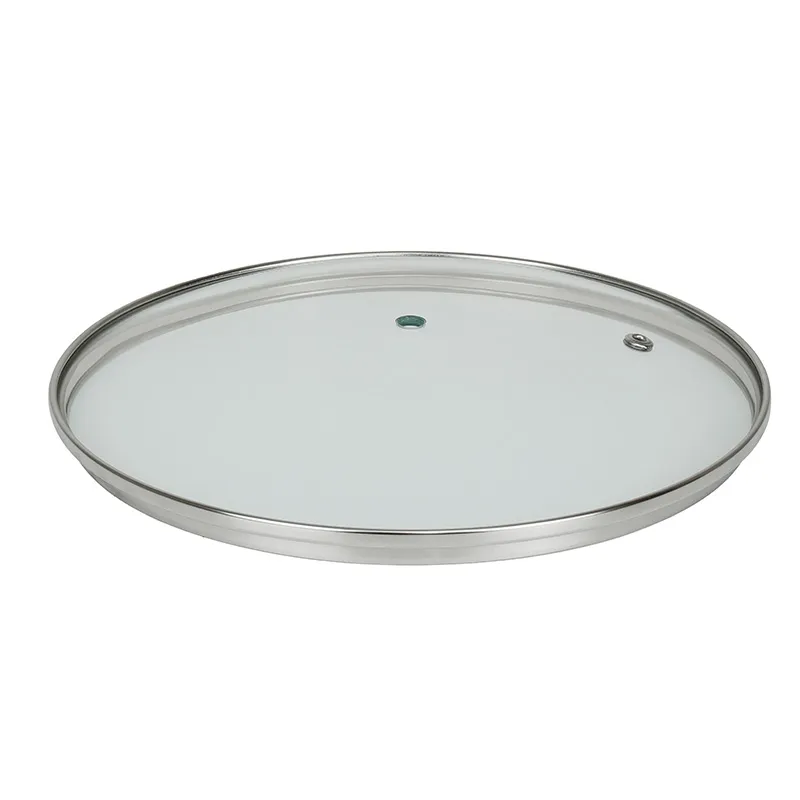
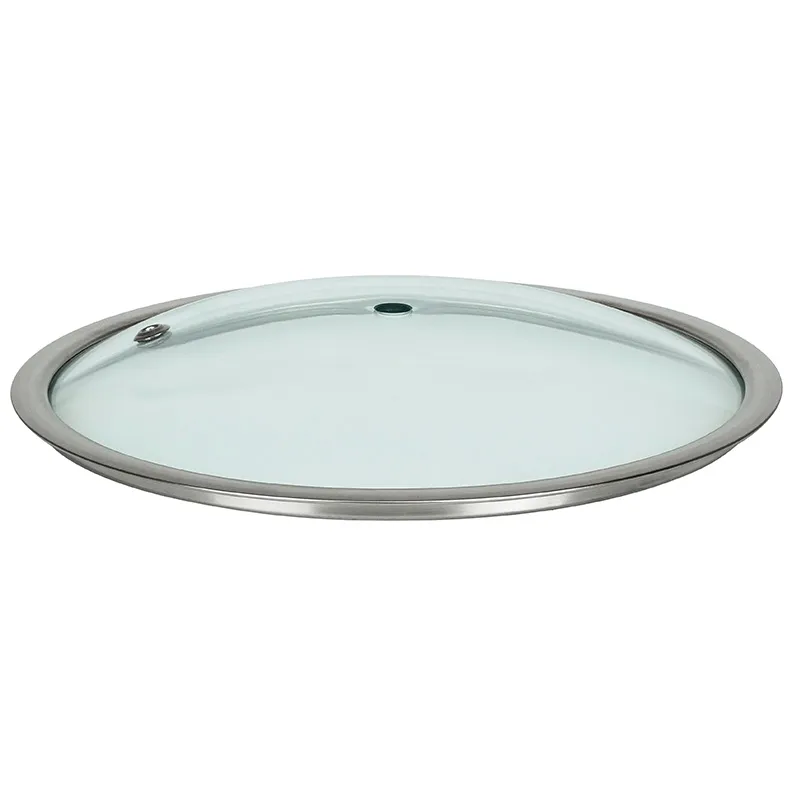
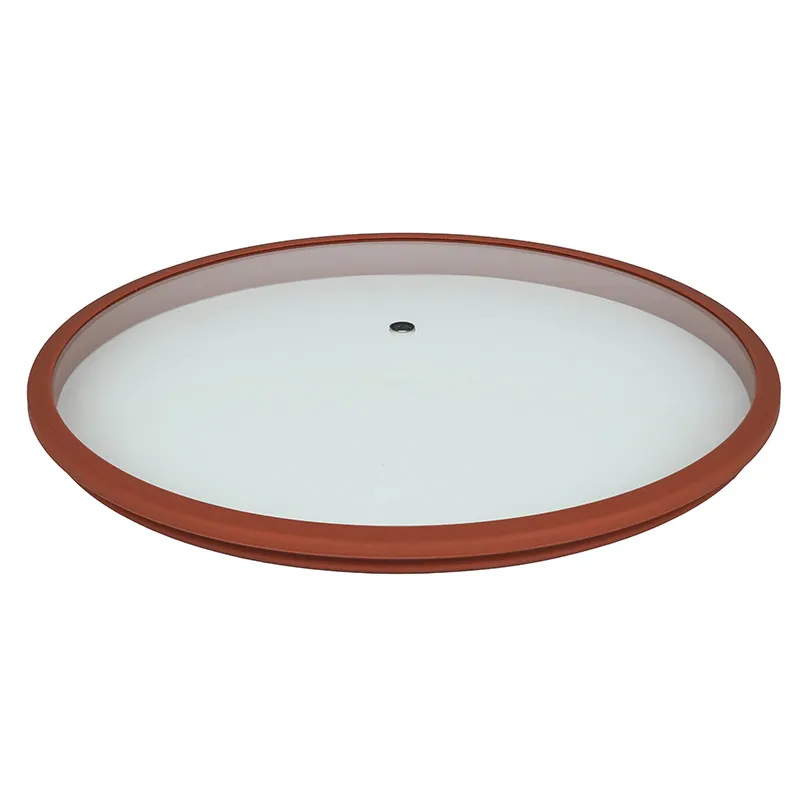
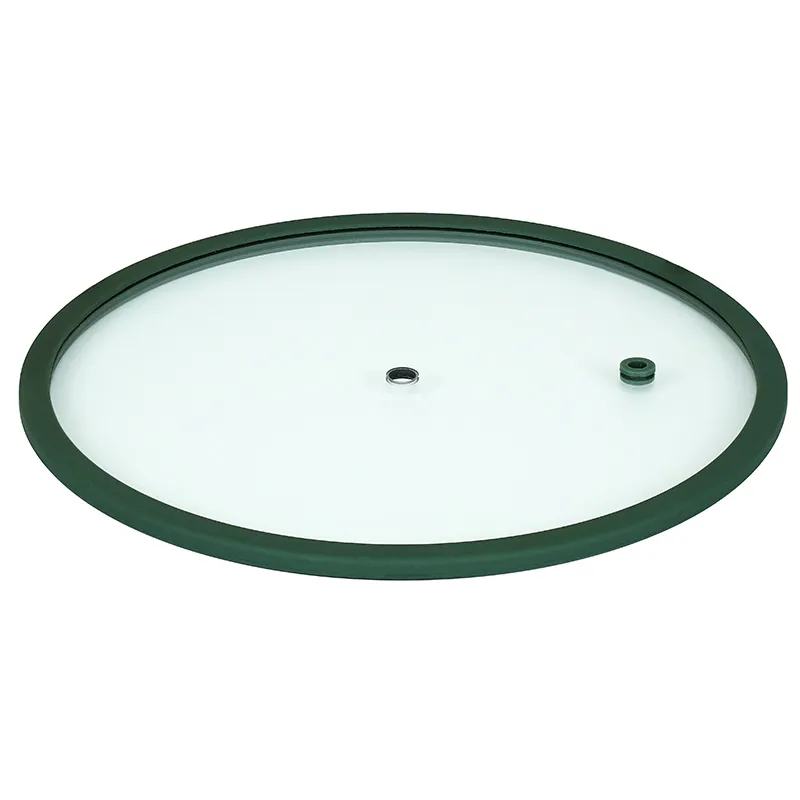
When you hear 'ball ideal mason jar with glass lid', most folks picture a perfect, Instagram-ready container. But in the trade, that phrase often glosses over the critical nuances between a mass-market item and a genuinely functional piece. The 'ideal' part is where the real conversation starts—it's not just about the jar, but the glass lid's fit, the tempering process, and whether it can handle the thermal shock of canning versus just sitting pretty on a shelf. I've seen too many buyers get hung up on the 'ball' name, assuming any jar with that branding is automatically superior for preservation, which isn't always the case. The lid is the true workhorse, and its quality dictates everything.
The Anatomy of a Reliable Seal
Let's break down the seal mechanism. A proper mason jar system relies on the synergy between the jar's rim, the lid's sealing surface, and the band. The glass lid itself, if we're talking about the ones meant for dry storage or refrigerator use, often has a silicone or rubber gasket bonded to its underside. The 'ideal' scenario is a uniform, food-grade gasket that compresses evenly when the band is fastened. I've tested units where the gasket was slightly off-center—maybe by a millimeter—and that's enough to break the seal over time, letting in air and moisture. It's a common flaw in cheaper imports, where quality control on the bonding step is inconsistent.
Now, for actual canning, the classic two-piece metal lid is still king for creating a vacuum seal. But the ball ideal mason jar with glass lid setup is fantastic for fermentation, dry goods, or cold infusions. Here, the glass lid's advantage is its inert nature—no metallic taste transfer, and it's easy to see the contents. The catch? The band must be corrosion-resistant. I've had batches where a cheap band rusted onto the glass threads, ruining both. It's a detail often overlooked in kits sold online.
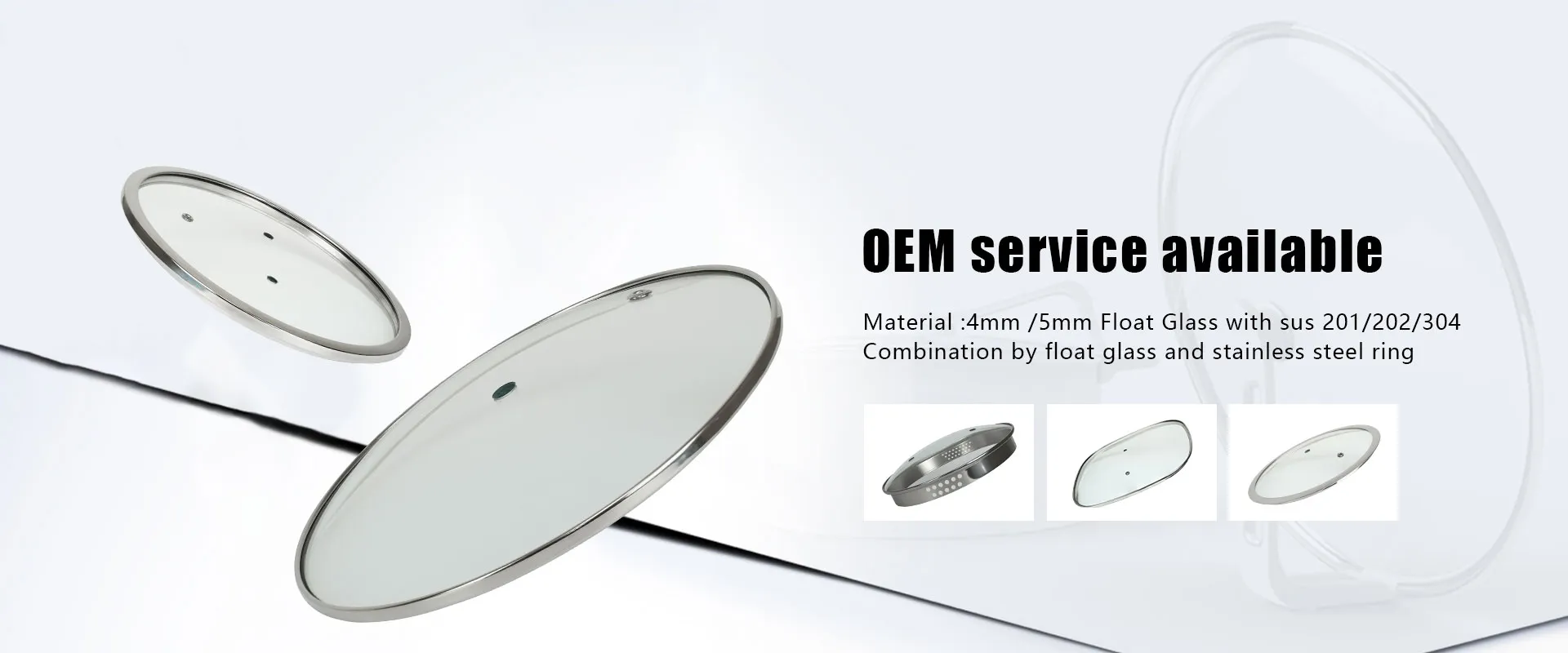
Speaking from experience, the glass thickness matters more than you'd think. A lid that's too thin can bow under pressure or chip easily. I recall a shipment from a supplier a few years back where the lids, though visually flawless, had inconsistent thickness. Under hot water cleaning, some developed hairline cracks. That's when you learn to appreciate manufacturers who specialize in tempered glass. For instance, a company like EUR-ASIA COOKWARE CO.,LTD, which runs a dedicated production base in Taian, typically has better control over the tempering cycle, leading to more durable lids that can handle thermal stress. Their focus on exporting to markets like Germany and Japan usually implies stricter tolerance standards.
Production Realities and Common Pitfalls
Visiting factories changes your perspective. The production of a glass lid isn't just about pouring molten glass into a mold. The tempering process is crucial. Rapid heating and quenching create surface compression, giving the glass its strength. A poorly calibrated oven can leave weak spots. I've seen lines where lids are cooled too quickly, leading to internal stresses that cause spontaneous breakage—sometimes months later. It's a nightmare for inventory.
Another pitfall is the finishing of the rim. The ground edge must be smooth to both touch and to form a proper seal with the gasket. Automated grinding is standard, but the quality of the abrasive belts and the precision of the angle make a huge difference. A rough edge can cut into the gasket over time, or worse, create a micro-gap for air. When evaluating a supplier, I always ask about their grinding and inspection process. Companies with a sizable output, like the one mentioned earlier with an annual capacity of over 15 million pieces, often have automated optical inspection systems to catch these defects, which smaller workshops might miss.
Then there's the issue of packaging. Glass lids are prone to chipping during transit if not packed correctly. High-density foam inserts or molded pulp trays are ideal, but they add cost. Some distributors cut corners here, resulting in a high DOA (Dead on Arrival) rate. It's a frustrating but common reality in the logistics chain.
The EUR-ASIA Example and Export Standards
Looking at a specific player like EUR-ASIA COOKWARE CO.,LTD (you can find their portfolio at glass-lid.com) is instructive. They position themselves in the low-to-high level household glass spectrum, which is a practical way of covering both budget and premium markets. Their specialization in tempered glass lid products is key. The fact that over 90% of their output goes to Europe and East Asia tells you something about the quality benchmarks they're likely meeting. Markets like Germany and Denmark have rigorous standards for kitchenware, especially concerning material safety and durability.
Their scale—a 20,000㎡ facility with 90+ employees—suggests a focus on volume without necessarily sacrificing specialization. In my dealings with similar exporters, this scale often allows for dedicated lines for specific products, like lids for ball ideal mason jar compatibles. Consistency improves when a line isn't constantly being retooled for different items. However, scale can also introduce rigidity; getting custom gasket colors or minor diameter adjustments might be harder with such a large operation focused on high-volume orders.
Their export list is a who's who of quality-conscious markets: Italy, France, Switzerland, Japan, South Korea. These aren't markets that tolerate subpar fit and finish. A lid destined for a Swiss retailer, for instance, will have its dimensions checked against the specific jar models sold there. This level of specificity is what separates a generic 'glass lid' from one that truly fits the 'ideal mason jar' profile. It's about interoperability.
Practical Application and User Scenarios
So, how does this translate to the shelf or the pantry? If you're using these jars for dry storage—flour, beans, pasta—the seal integrity is about keeping out pests and humidity. A well-made glass lid with a intact gasket does this beautifully. For fermentation, like kimchi or pickles, the seal shouldn't be completely airtight; you need a burping mechanism. Some glass lid kits address this with a built-in valve or a looser-fitting gasket. It's a specialized need.
I once advised a small-batch hot sauce maker who was using standard ball mason jars with glass lids for his finished product. He was getting spoilage. The issue wasn't the jar or the lid's quality, but the process. The sauce was bottled hot, and the glass lid was fastened immediately. The subsequent cooling created a weak vacuum, but not the strong seal of a proper water bath canning process with a metal lid. We switched his process for long-term shelf-stable products but kept the glass lids for his refrigerator-line sauces, where the visual appeal added value. It's about matching the tool to the task.
Another scenario is retail display. The clarity and heft of a good glass lid simply sell better. They feel premium. But from a warehousing perspective, they're heavier and more fragile than plastic. It's a trade-off between perceived value and operational cost.
Concluding Thoughts: Defining Ideal
Wrapping this up, the ball ideal mason jar with glass lid isn't a single product. It's a system whose 'ideal' state depends on its intended use. For the home user seeking aesthetic consistency and non-reactive storage, it's a great choice, provided the lids are sourced from a manufacturer with rigorous tempering and finishing controls. For serious food preservation, understanding the limitations of the seal is crucial.
The industry, represented by producers like those at EUR-ASIA COOKWARE, has largely moved towards standardizing dimensions to fit major jar brands. This interoperability is a huge win for consumers. Yet, the final judgment always comes down to hands-on testing: does the lid sit flat? Does the band screw on smoothly without cross-threading? Does the seal hold when you invert the jar?
In the end, the most 'professional' tip I can offer is this: buy one sample kit first. Test it with your specific contents and in your specific environment—a humid kitchen versus a dry pantry. Check the gasket after a few weeks for compression marks. That real-world test tells you more than any spec sheet. The ideal jar and lid is the one that reliably does the job you need it to do, day in and day out, without fuss. Everything else is just marketing.
Related Products
Related Products