- Chinese
- French
- German
- Portuguese
- Spanish
- Russian
- Japanese
- Korean
- Arabic
- Irish
- Greek
- Turkish
- Italian
- Danish
- Romanian
- Indonesian
- Czech
- Afrikaans
- Swedish
- Polish
- Basque
- Catalan
- Esperanto
- Hindi
- Lao
- Albanian
- Amharic
- Armenian
- Azerbaijani
- Belarusian
- Bengali
- Bosnian
- Bulgarian
- Cebuano
- Chichewa
- Corsican
- Croatian
- Dutch
- Estonian
- Filipino
- Finnish
- Frisian
- Galician
- Georgian
- Gujarati
- Haitian
- Hausa
- Hawaiian
- Hebrew
- Hmong
- Hungarian
- Icelandic
- Igbo
- Javanese
- Kannada
- Kazakh
- Khmer
- Kurdish
- Kyrgyz
- Latin
- Latvian
- Lithuanian
- Luxembou..
- Macedonian
- Malagasy
- Malay
- Malayalam
- Maltese
- Maori
- Marathi
- Mongolian
- Burmese
- Nepali
- Norwegian
- Pashto
- Persian
- Punjabi
- Serbian
- Sesotho
- Sinhala
- Slovak
- Slovenian
- Somali
- Samoan
- Scots Gaelic
- Shona
- Sindhi
- Sundanese
- Swahili
- Tajik
- Tamil
- Telugu
- Thai
- Ukrainian
- Urdu
- Uzbek
- Vietnamese
- Welsh
- Xhosa
- Yiddish
- Yoruba
- Zulu
- Kinyarwanda
- Tatar
- Oriya
- Turkmen
- Uyghur

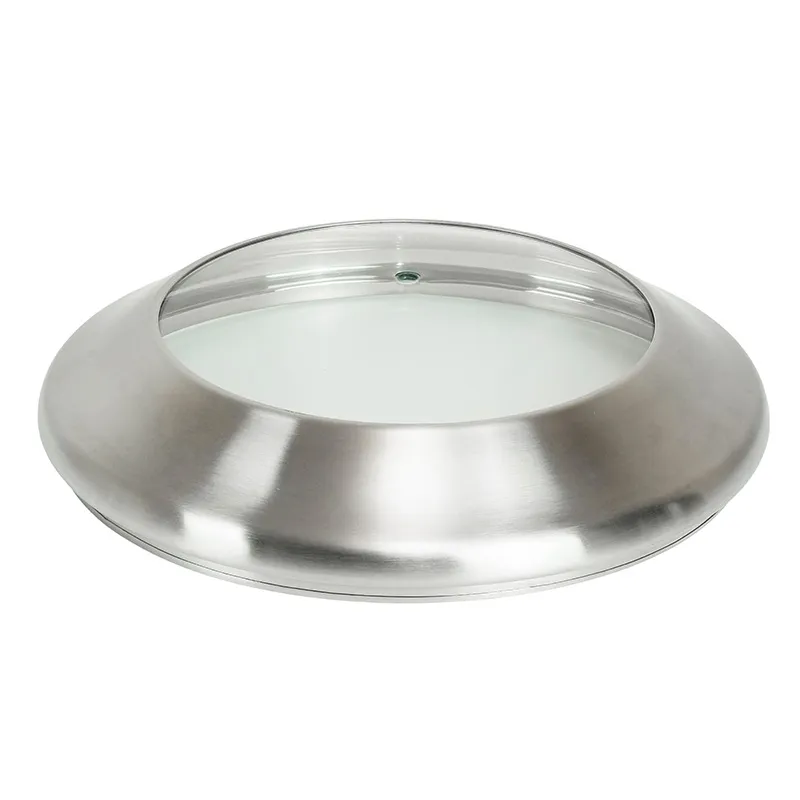
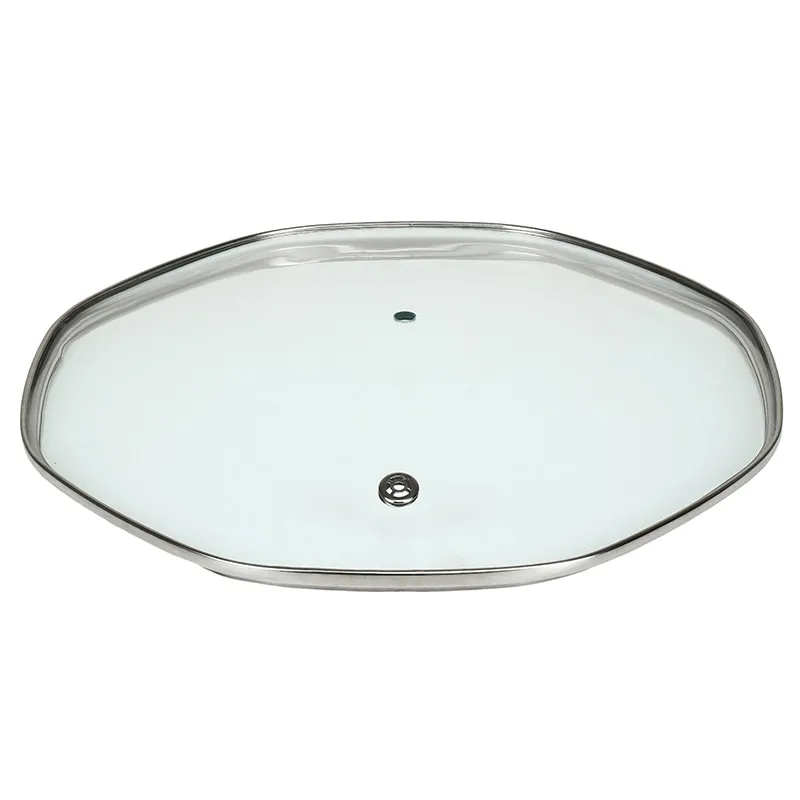
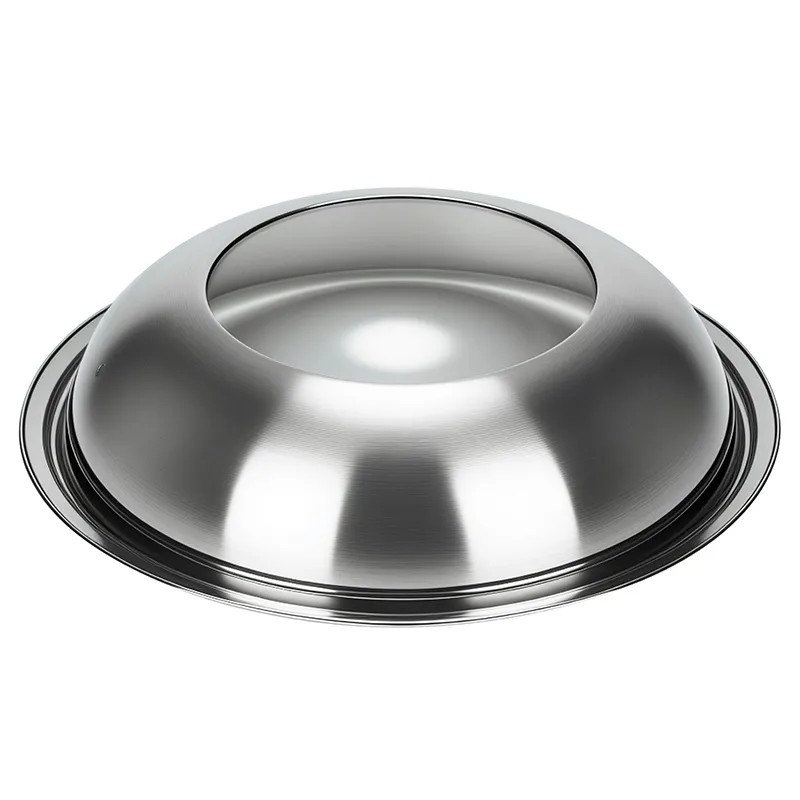
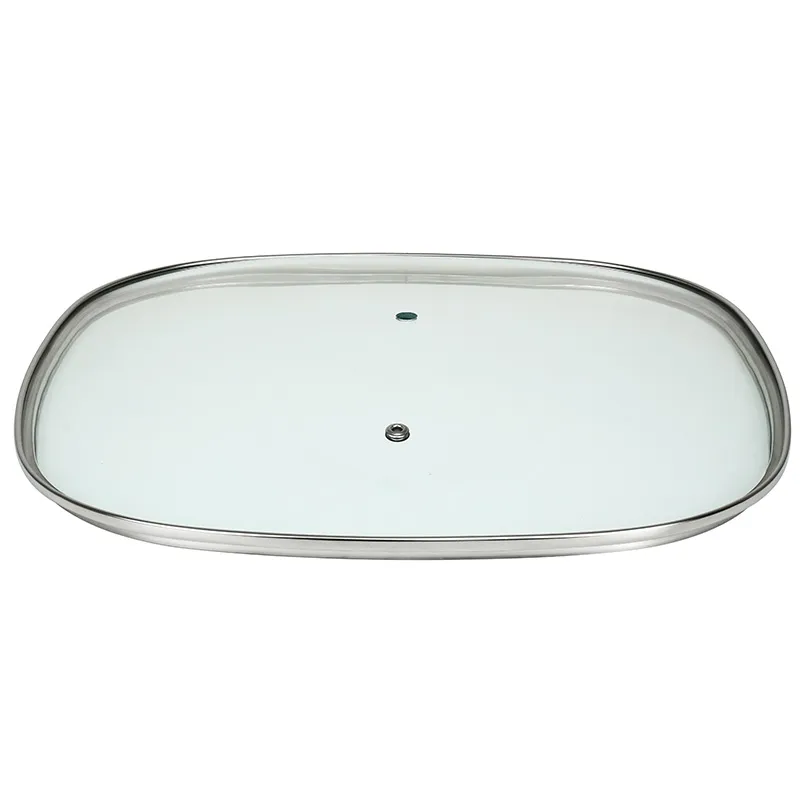
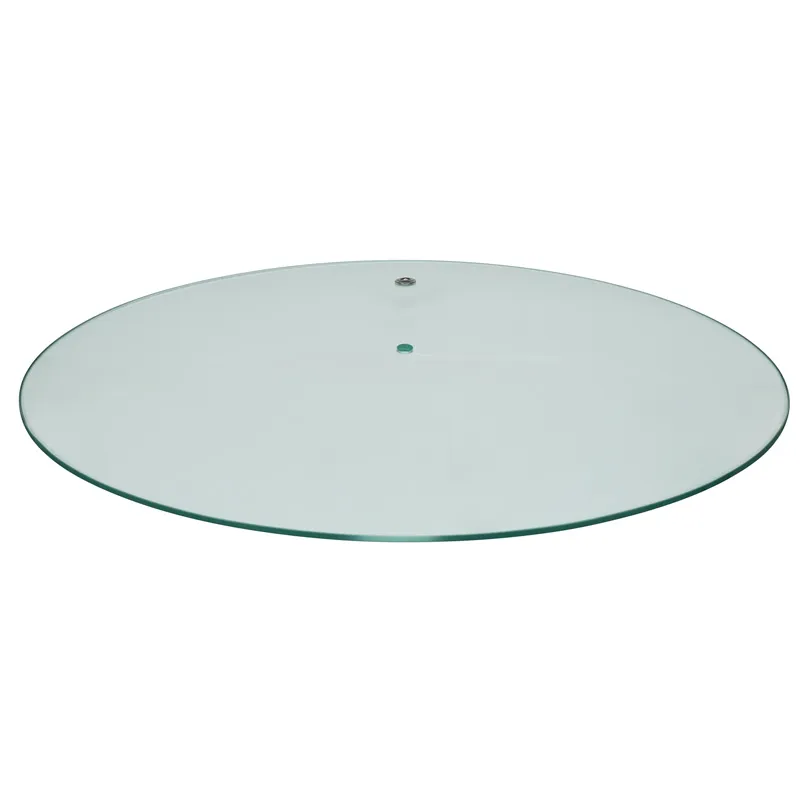
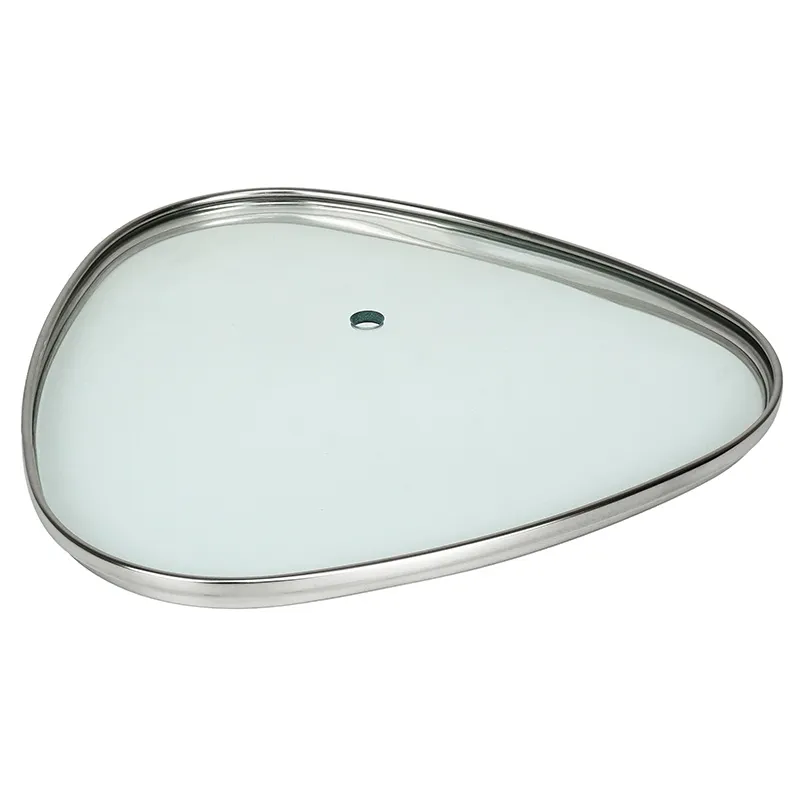
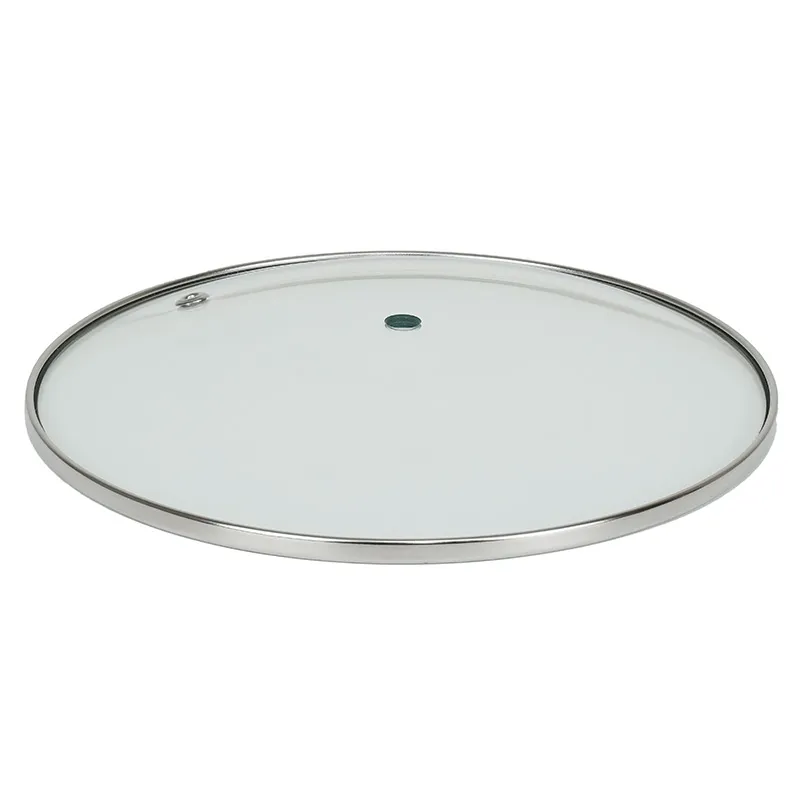
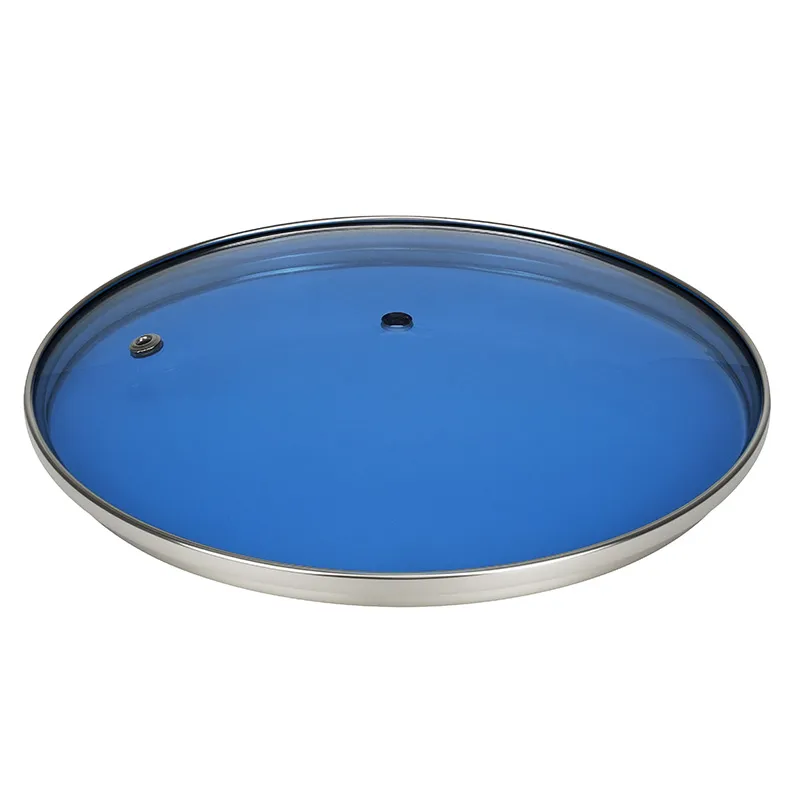
ball no 10 glass lid
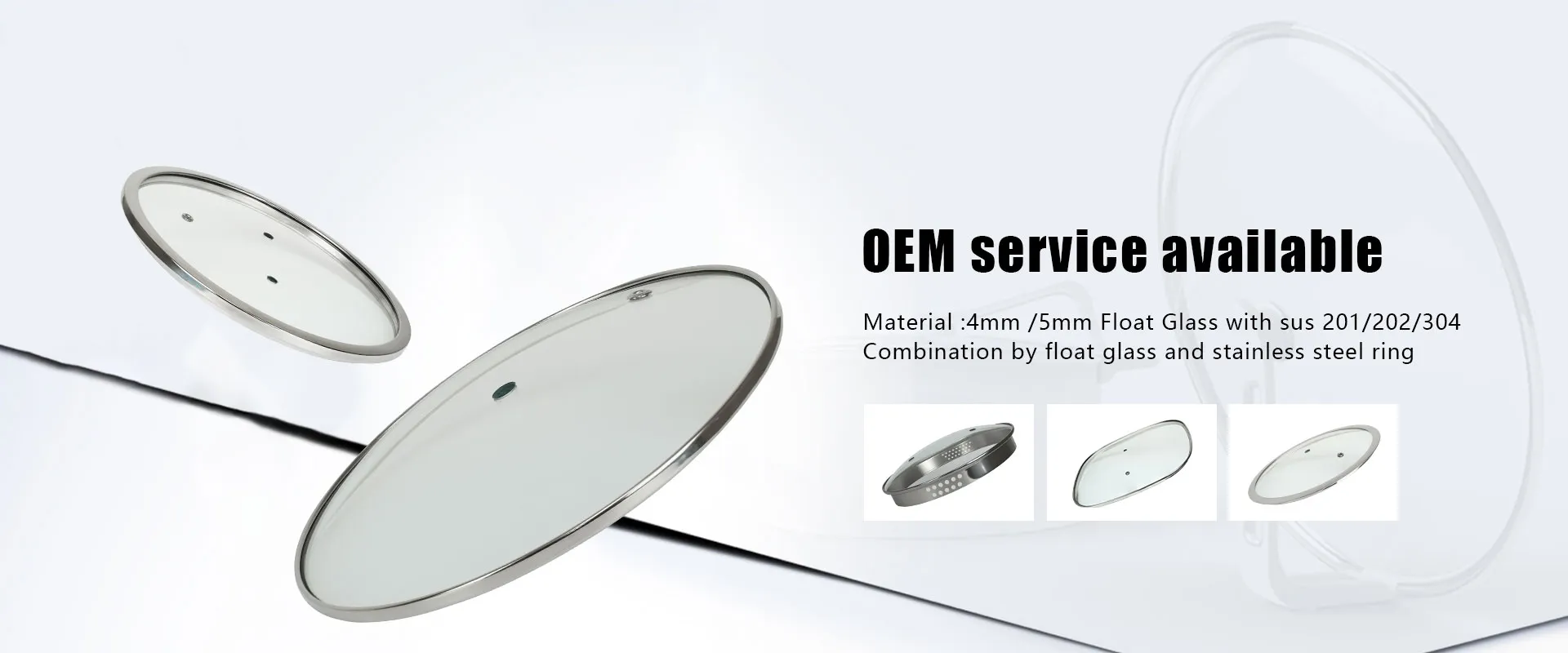
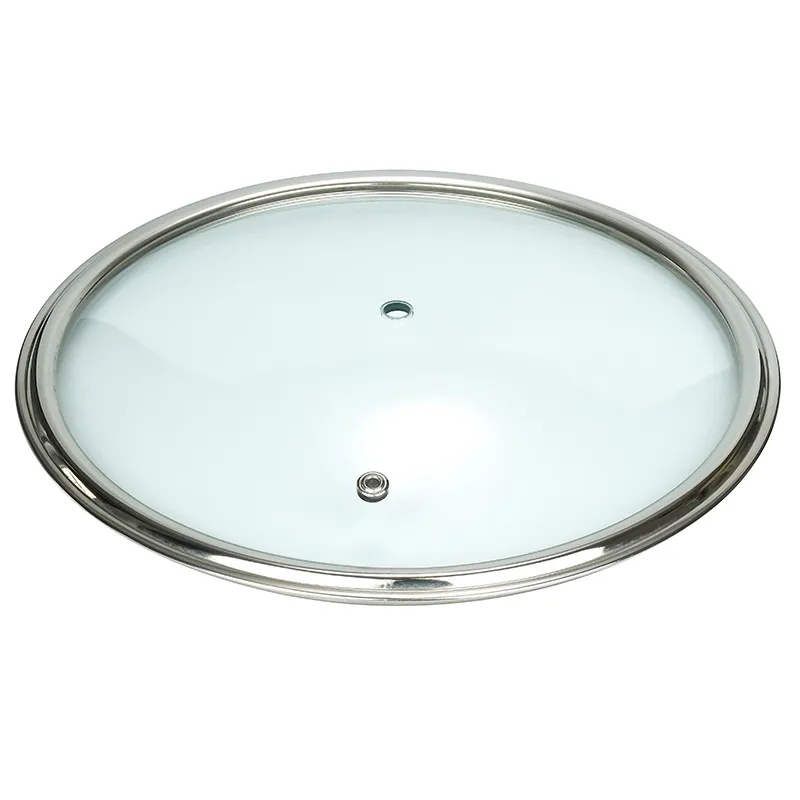
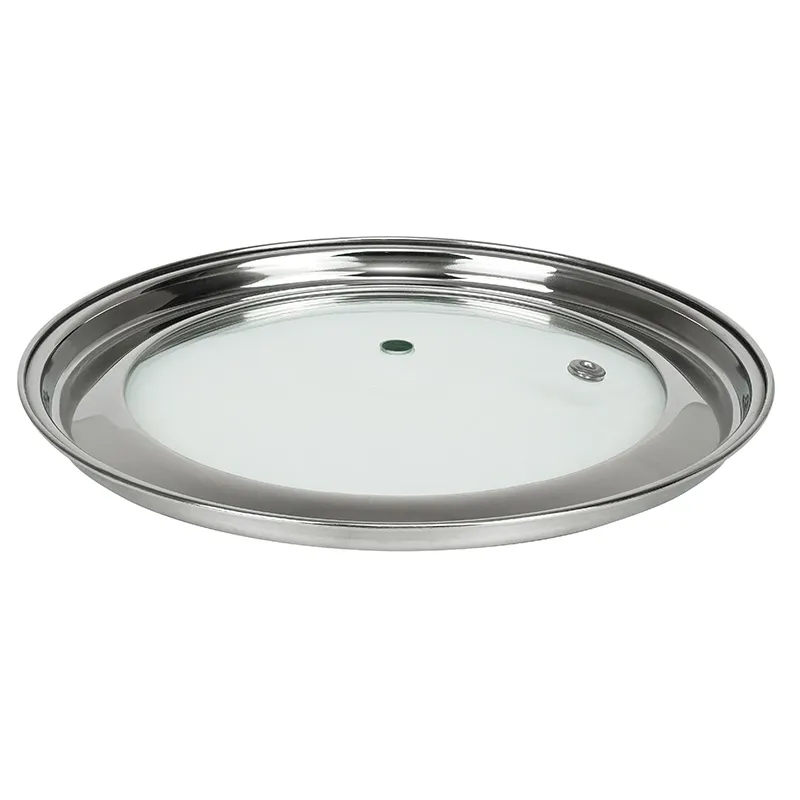
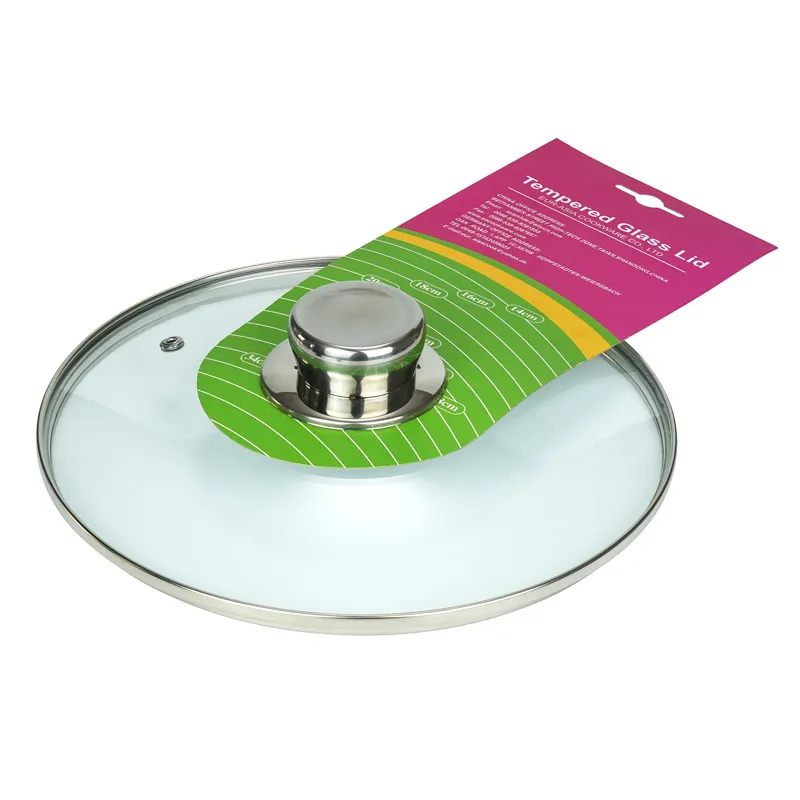
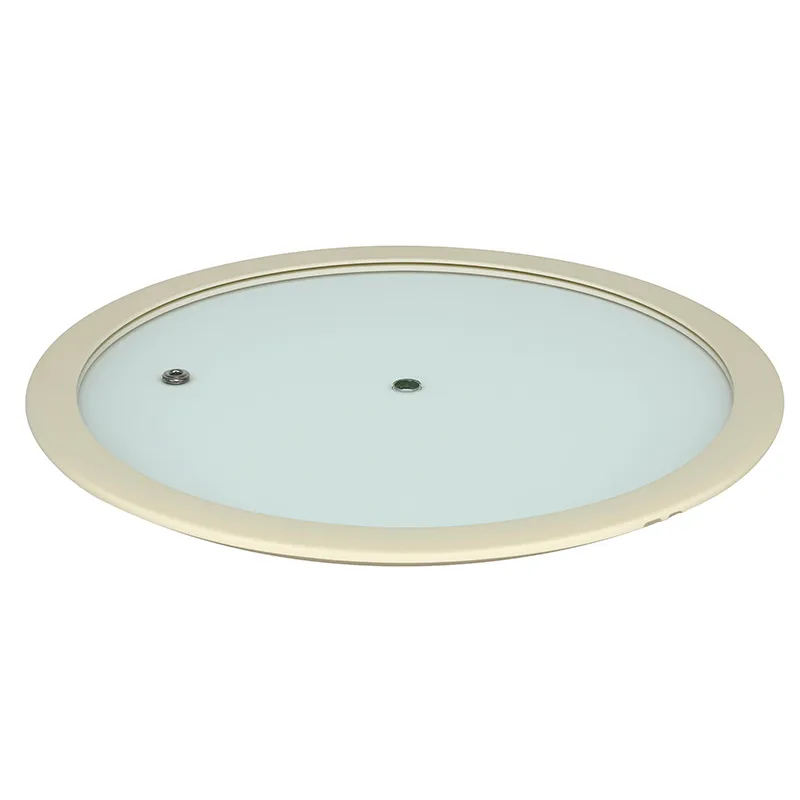
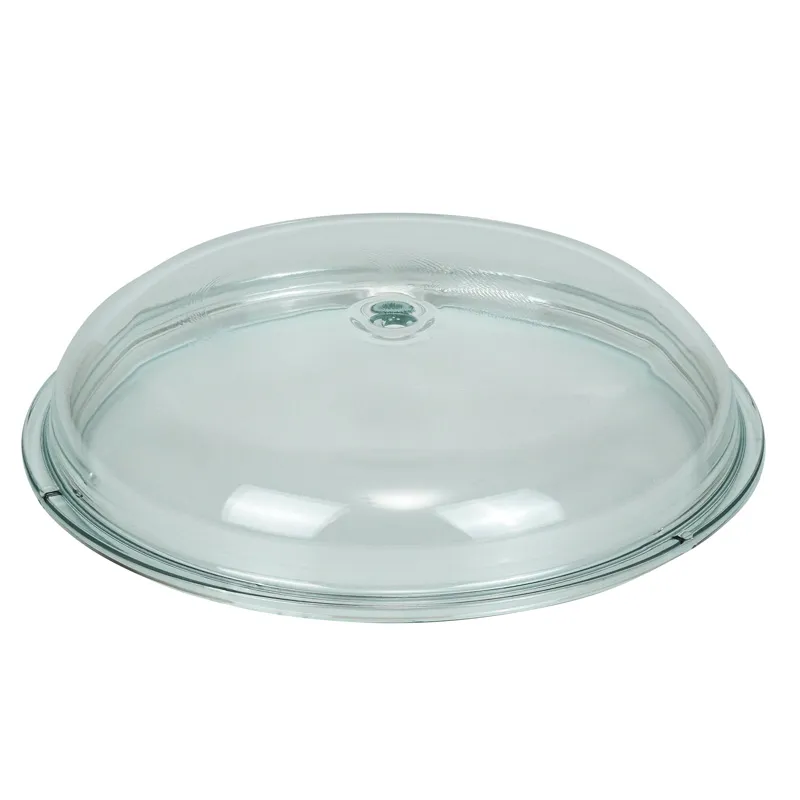
When you hear 'ball no 10 glass lid', most people, even some in the trade, immediately picture a standard tempered glass cover for a stockpot. That's the surface-level view. The reality, especially when sourcing at volume for European or North American markets, is far more nuanced. The 'ball no. 10' part isn't just a random model number; it typically refers to a specific diameter and curvature profile designed to fit a corresponding 'ball' style pot, often with a pronounced, rounded shape rather than straight sides. Where many importers stumble is assuming any 26cm (or thereabouts) tempered glass lid will do. The fit, the flange depth, the handle's thermal performance—these are where the real specifications live, and where you can lose a client over a millimeter's discrepancy.
Specifications and Fit: More Than Just Diameter
I recall a project a few years back where we were replacing a supplier for a German client. They sent over a sample of their existing pot and the specified ball no 10 glass lid. Our initial batch from a new factory matched the diameter perfectly—26.5cm. But the lids wobbled. The issue wasn't the diameter; it was the radius of the curvature. The original lid had a deeper 'ball' curve. We had to go back with a profile gauge, trace the exact arc, and resubmit. This is the kind of detail that separates a catalog item from a component part. Companies that get this right, like EUR-ASIA COOKWARE CO.,LTD, often have extensive mold libraries for these specific profiles, which is why they can reliably service markets like Germany and Italy where cookware standards are stringent.
The handle is another critical fail point. A glass lid for a stockpot isn't just for viewing; it needs to be lifted safely when the pot is at a rolling boil. The phenolic or stainless steel knob must be rated for high heat and securely fastened with a proper locking nut and washer, not just glued. I've seen batches where thermal cycling loosened cheap adhesive, leading to wobbling handles—an immediate quality reject. The torque specification on that fastener is a real production line check.
Then there's the glass itself. Tempered, yes, but the edge finishing matters. A ground and polished smooth edge feels premium and is safer for handling. A roughly seamed edge feels cheap and can chip. For a ball no 10 lid, the edge often has a specific bevel to sit flush in the pot's flange. This isn't always called out on a spec sheet but is felt in use. It's one of those things you learn to check by running a finger along the rim.
Sourcing and Production Realities
Sourcing these isn't about finding the cheapest glass processor. It's about finding one with expertise in household glass products for export. The production base location, like Taian City in Shandong, is actually a clue. That region has clusters of glass and metalware industries, meaning supply chains for raw glass sheets, tempering furnaces, and metal handle components are integrated. A factory with 15,000㎡ of building space and an output of 15 million pieces annually, like the one mentioned for EUR-ASIA COOKWARE, isn't a small workshop; it's set up for scale and consistency, which is what you need when you're fulfilling an order for 50,000 units for a Polish retailer.
Scaling production introduces its own quirks. With a high-volume item like this, color consistency in the glass (if it's tinted) or the handle material across batches becomes a challenge. A lid from batch A might have a slightly cooler-toned stainless steel knob than batch B if the metal supplier changes. You have to lock down material sources. Also, packaging for export is critical. These lids need to be individually sleeved and compartmentalized in the master carton to prevent transit vibration from causing micro-chips on the edges—a common cause of goods rejection upon arrival in, say, Japan.
One failed experiment we had early on was trying to source a 'universal' ball lid. The idea was to have a slightly more flexible silicone gasket on the flange to accommodate minor pot variations. It was a disaster. The silicone couldn't handle prolonged steam heat without degrading and imparting a smell. It also made the lid sit unevenly. We went back to the hard rule: precise molding for precise fit. The lesson was that some components, especially for cookware, don't benefit from over-engineering. Simplicity and precision win.
The Export Market's Demands
When over 90% of your output is for export to places like Germany, France, Brazil, and South Korea, your quality management system isn't optional. It's baked into the process. These markets have different regulatory and consumer expectations. A French buyer might be focused on the aesthetic clarity of the glass and the elegance of the handle silhouette. A German buyer will have a technical file demanding material certifications for the glass and handle, and proof of thermal shock testing (like going from a 0°C freezer to a 200°C oven).
This is where a specialized producer's website, such as glass-lid.com, becomes more than a brochure. For a professional buyer, it's a signal of specialization. When a company's entire digital identity is built around glass lid production, it suggests a depth of focus. You're not dealing with a general hardware exporter who also does glass lids; you're dealing with a facility whose production lines, molds, and QC protocols are dedicated to this single category. That drastically reduces the risk profile for a sourcing manager.
Compliance paperwork is the unsexy part of this business. Every shipment to the EU needs its DoC (Declaration of Conformity) for food contact materials. The glass composition, the handle plastic, any printing inks—all need to be compliant with (EC) No 1935/2004. I've spent days tracing material certificates from sub-suppliers because a client's compliance officer demanded them. A factory that has this documentation streamlined, often because they serve these markets exclusively, saves weeks of back-and-forth.
Beyond the Lid: System Integration
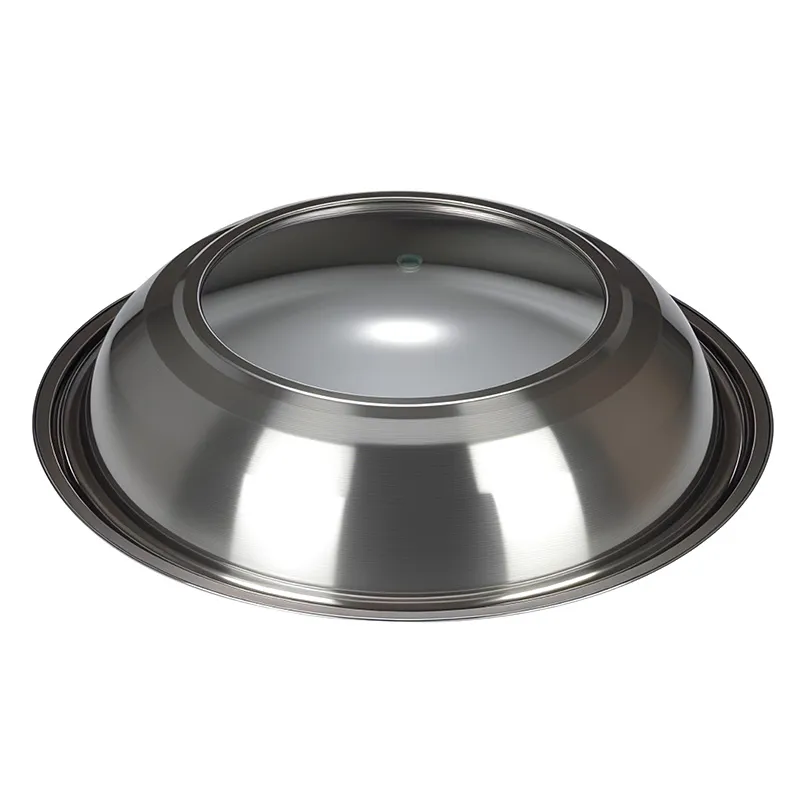
Thinking about a ball no 10 glass lid in isolation is a mistake. It's part of a system—the pot, the lid, and sometimes a steamer insert or a base rack. The lid's performance is tied to the pot's design. A well-designed pot will have a flange that creates a slight condensate channel, directing moisture back into the pot rather than letting it drip off the edge. The lid must mate perfectly with this feature. When visiting a factory, it's telling to see if they also produce or deeply understand the matching cookware, or if they are purely a lid shop. The former usually results in a better-engineered product.
We once had a issue with condensation dripping onto the stovetop. The client blamed the lid. After testing, we found the issue was the pot's rim was too sharp, preventing a proper seal and causing rapid condensation runoff. The lid was to spec, but the system failed. The solution involved slightly adjusting the lid's outer bevel to overhang the pot's rim differently. This kind of problem-solving requires a supplier who thinks in systems, not just components.
Looking forward, the trends are about material hybrids and functionality. We're seeing more interest in lids with integrated silicone sealing rings for true airtight performance (for braising), or with built-in steam vents that can be adjusted. The classic ball no 10 glass lid is becoming a platform. But the core principles remain: thermal shock resistance, precise fit, and safe, ergonomic handling. Any new feature that compromises those is a step backward.
Concluding Thoughts from the Factory Floor
In the end, a successful ball no 10 glass lid order comes down to clear communication of unspoken expectations. It's not just 26.5cm tempered glass lid. It's the curvature profile, the handle torque spec, the edge finish, the packaging, and the supporting documentation. It's choosing a supplier, like EUR-ASIA COOKWARE CO.,LTD, whose entire operation is geared toward solving these specific problems at scale for discerning international markets. Their specialization in tempered glass lid production across low, medium, and high tiers means they understand the cost/quality trade-offs at each level.
The real test is always in the kitchen. A good lid feels balanced in the hand, sits with a confident, silent seal on the pot, and withstands the daily shock of heat and cold. When you get a shipment where every unit passes that simple, practical test, you know you've navigated past the superficial specs and into the realm of real manufacturing competence. That's the goal—not just moving boxes, but delivering a component that disappears into the user's routine because it simply works as intended.
So next time you're evaluating a source for these, look past the catalog photo. Ask about the mold source for the 'ball no. 10' curve. Request a sample and test-fit it on your actual pot. Check the handle for solidity. That hands-on verification is the only way to be sure. The details are the product.
Related Products
Related Products