- Chinese
- French
- German
- Portuguese
- Spanish
- Russian
- Japanese
- Korean
- Arabic
- Irish
- Greek
- Turkish
- Italian
- Danish
- Romanian
- Indonesian
- Czech
- Afrikaans
- Swedish
- Polish
- Basque
- Catalan
- Esperanto
- Hindi
- Lao
- Albanian
- Amharic
- Armenian
- Azerbaijani
- Belarusian
- Bengali
- Bosnian
- Bulgarian
- Cebuano
- Chichewa
- Corsican
- Croatian
- Dutch
- Estonian
- Filipino
- Finnish
- Frisian
- Galician
- Georgian
- Gujarati
- Haitian
- Hausa
- Hawaiian
- Hebrew
- Hmong
- Hungarian
- Icelandic
- Igbo
- Javanese
- Kannada
- Kazakh
- Khmer
- Kurdish
- Kyrgyz
- Latin
- Latvian
- Lithuanian
- Luxembou..
- Macedonian
- Malagasy
- Malay
- Malayalam
- Maltese
- Maori
- Marathi
- Mongolian
- Burmese
- Nepali
- Norwegian
- Pashto
- Persian
- Punjabi
- Serbian
- Sesotho
- Sinhala
- Slovak
- Slovenian
- Somali
- Samoan
- Scots Gaelic
- Shona
- Sindhi
- Sundanese
- Swahili
- Tajik
- Tamil
- Telugu
- Thai
- Ukrainian
- Urdu
- Uzbek
- Vietnamese
- Welsh
- Xhosa
- Yiddish
- Yoruba
- Zulu
- Kinyarwanda
- Tatar
- Oriya
- Turkmen
- Uyghur

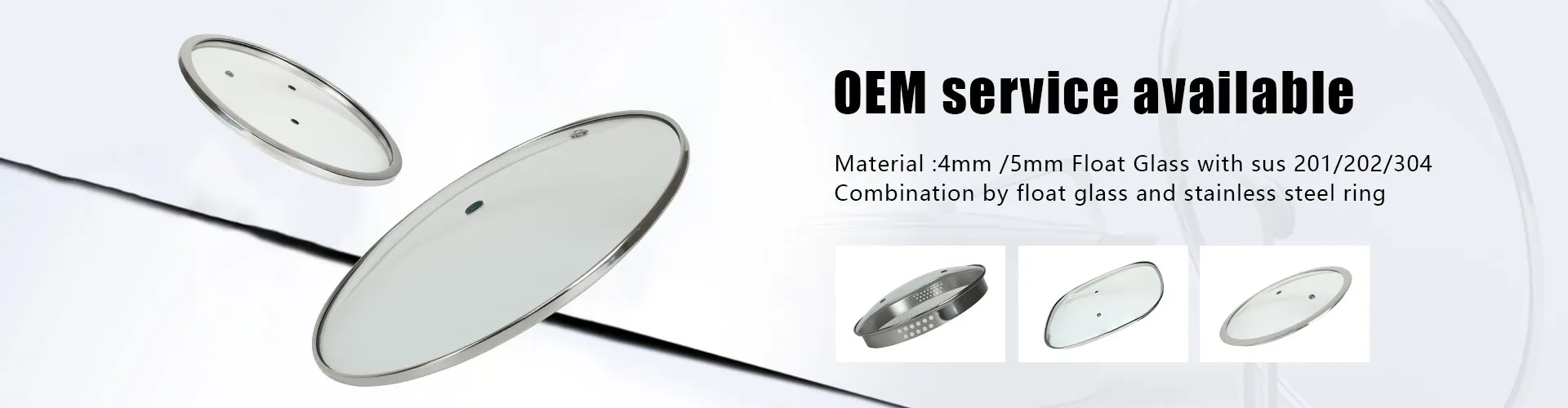
beer can glass bamboo lid
You see these terms pop up in product specs or briefs – beer can glass, bamboo lid – and it’s easy to lump them into generic ‘premium material’ bins. That’s where the first mistake happens. In reality, each term points to a specific set of properties, manufacturing headaches, and market expectations that aren't always obvious from a catalog description.
The Beer Can Glass Misnomer and Its Reality
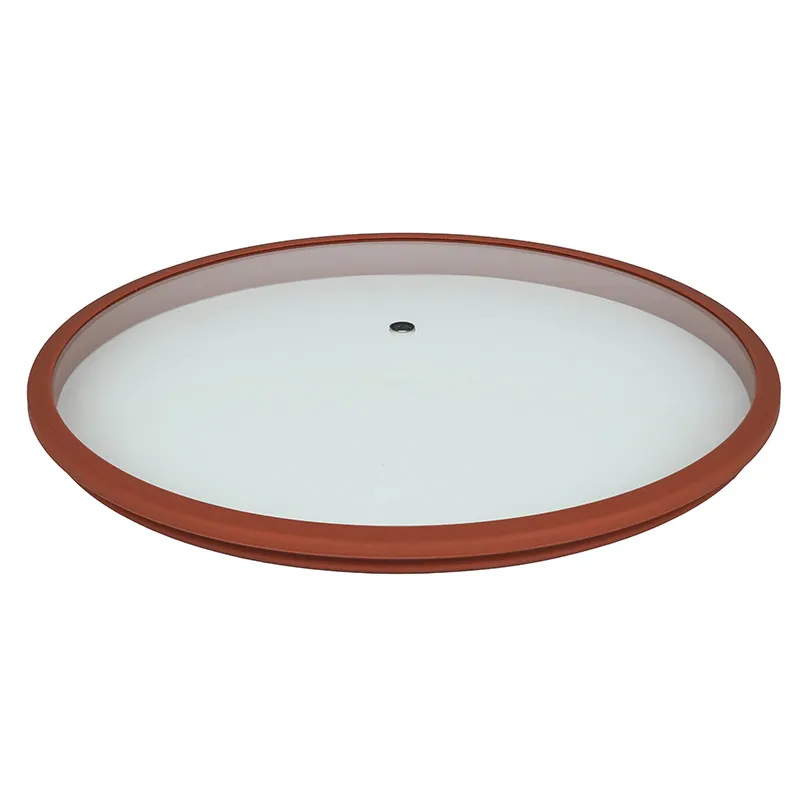
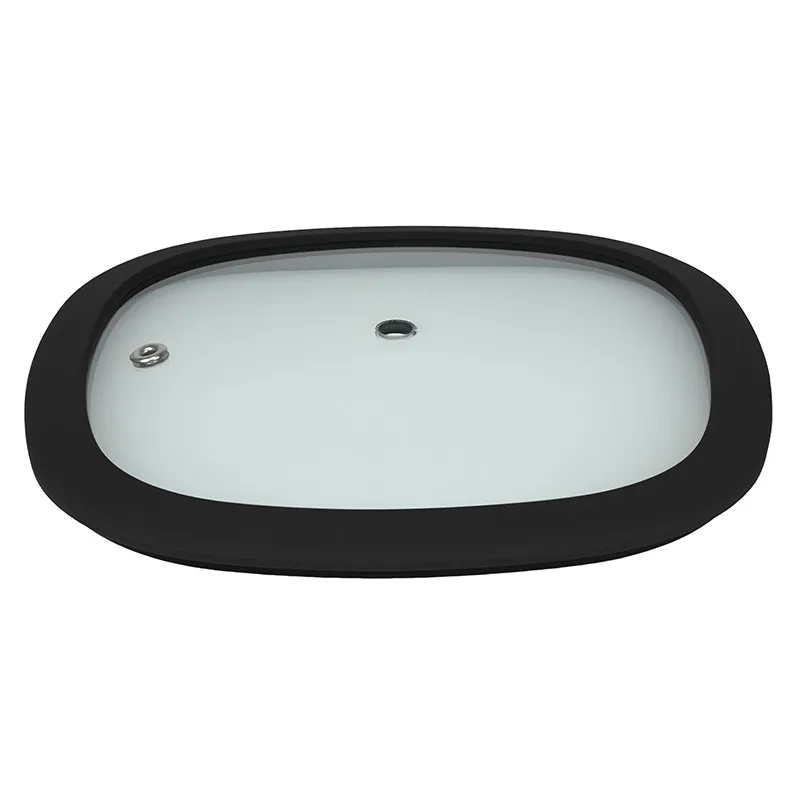
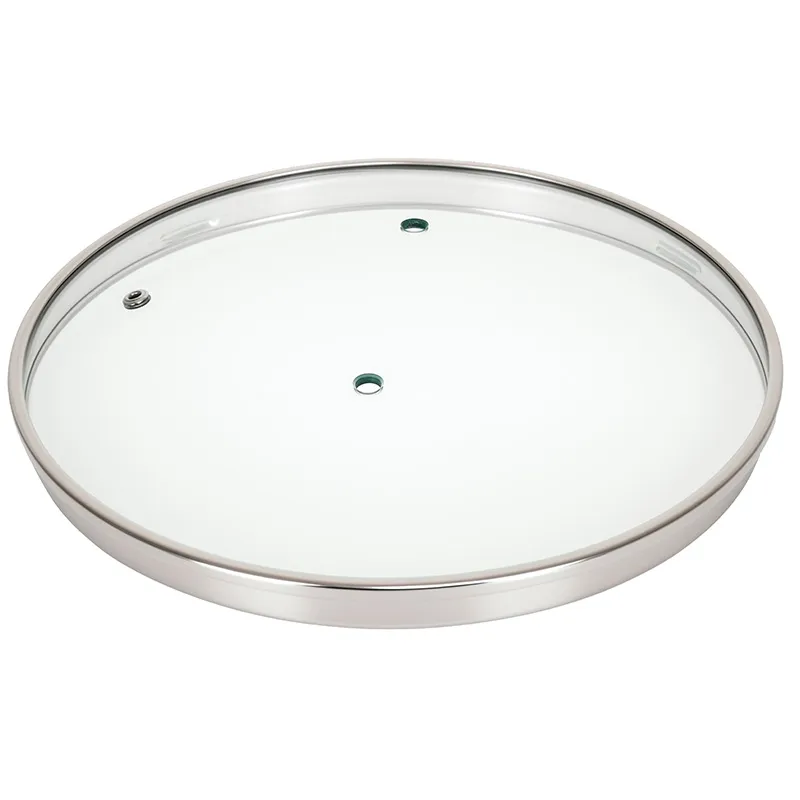
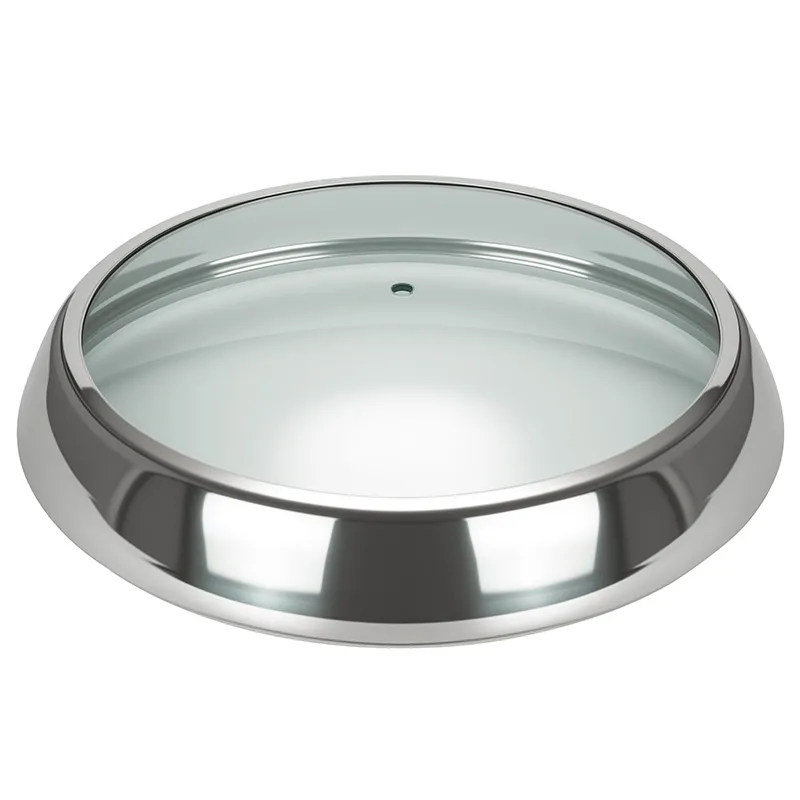
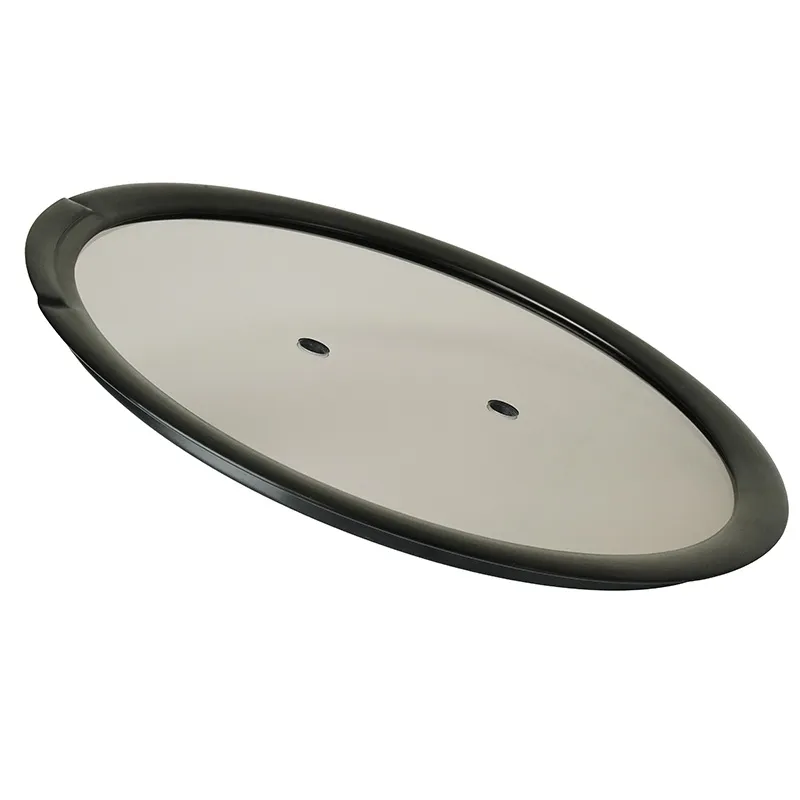
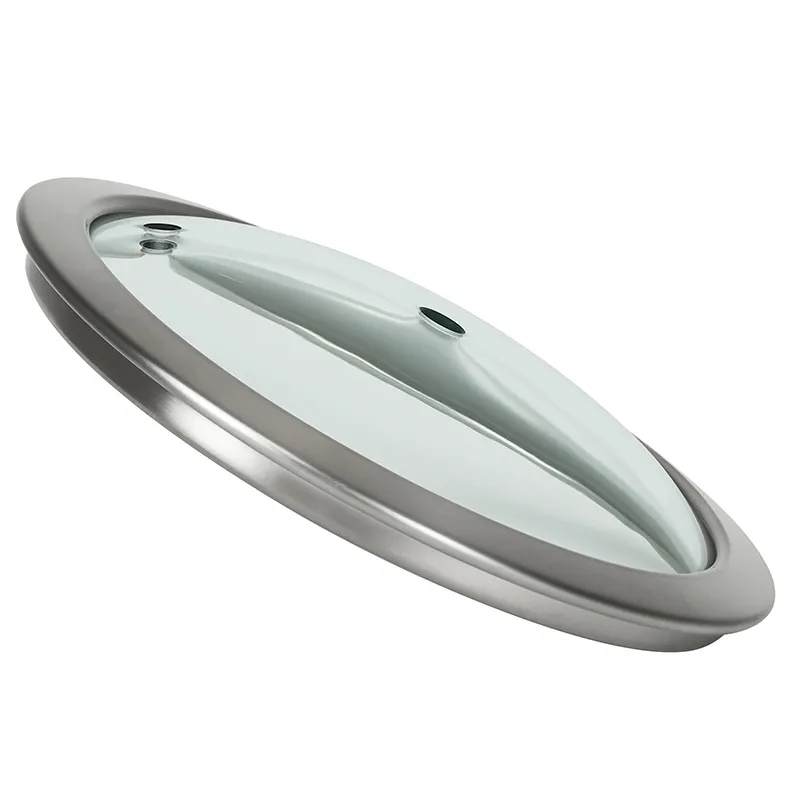
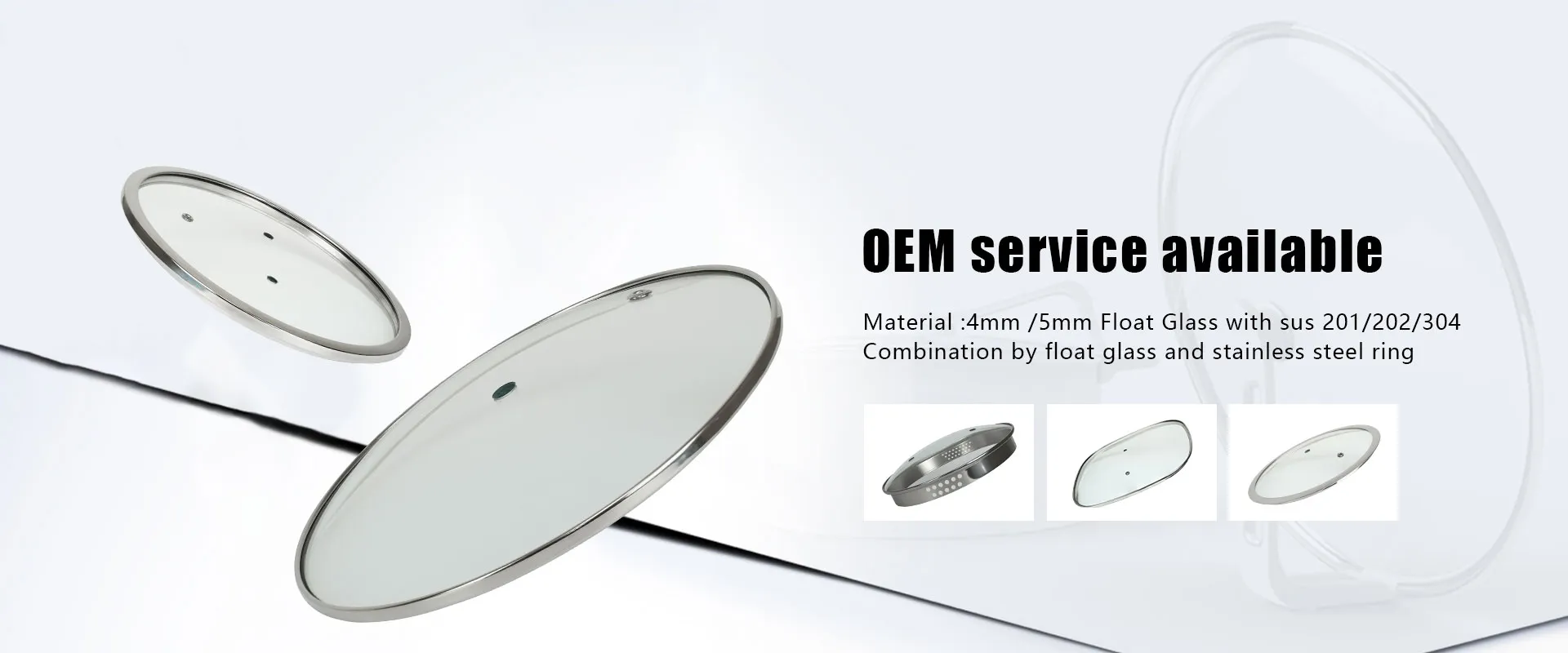
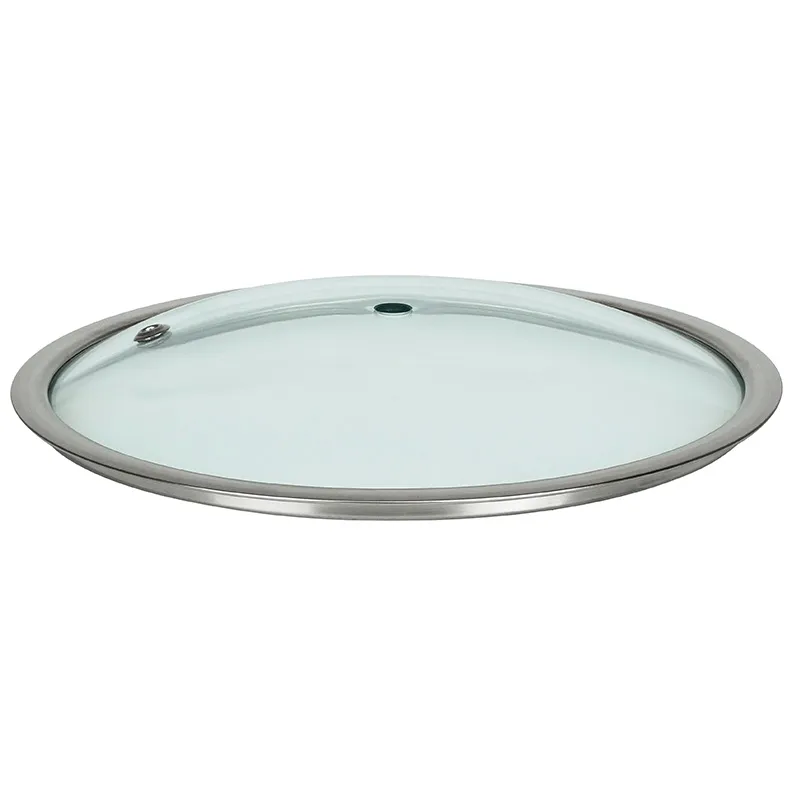
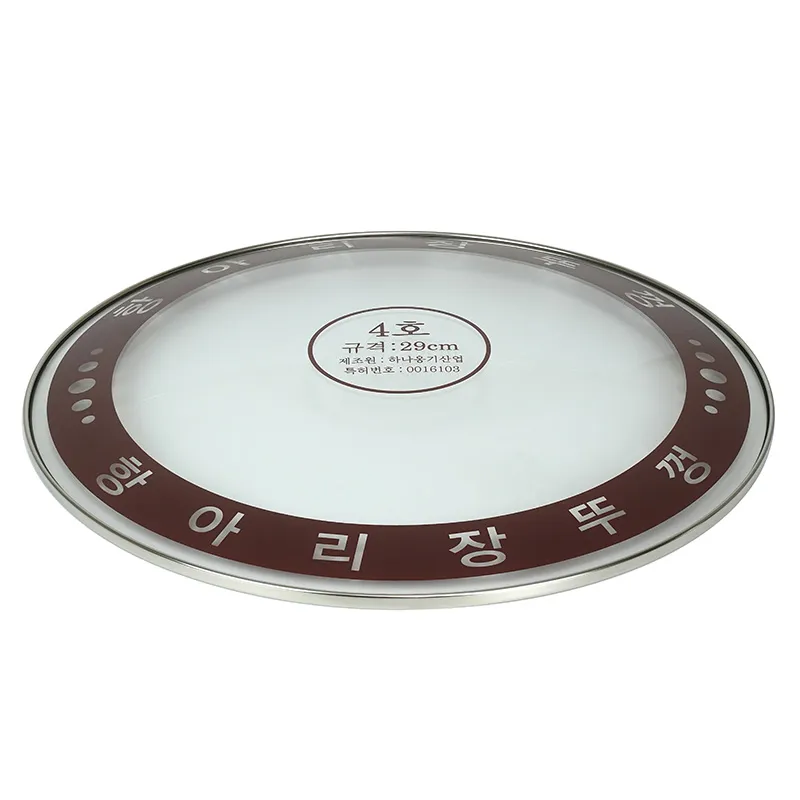
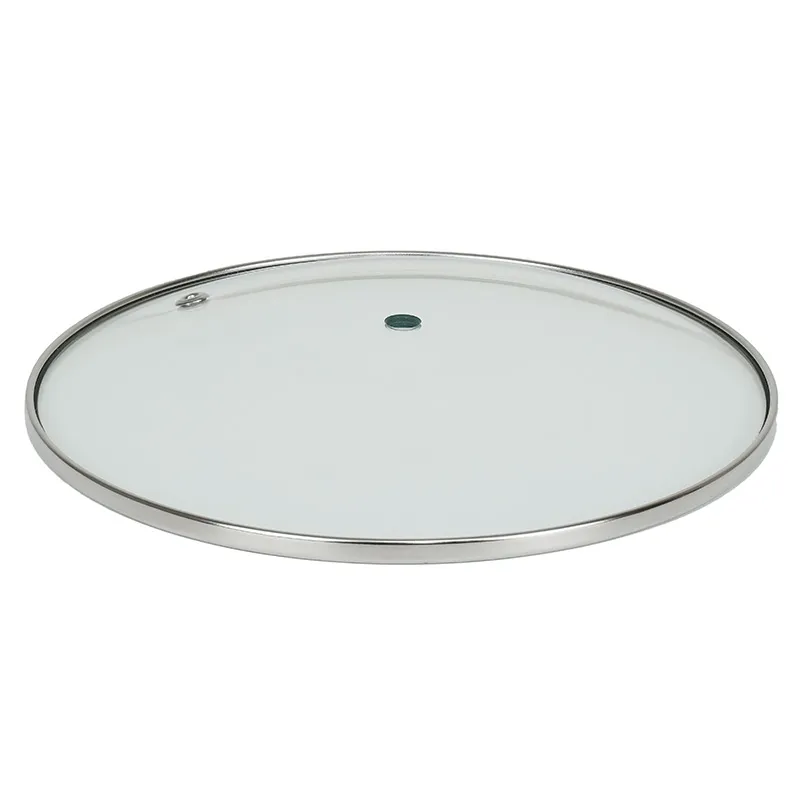
Let's clear this up first. 'Beer can glass' isn't a formal classification. It's trade slang, likely originating from buyers or designers, referring to a type of tempered glass with a particular thinness and clarity, reminiscent of the glass used for some premium bottled beers. The key here is the visual and tactile impression – it feels light, looks crisp, and has a certain ring to it. But specifying this to a factory requires translating it into technical language: thickness (often 3.5mm to 4mm), a specific edge finishing process, and a high-transparency, low-iron glass base. I've seen projects stall because a buyer insisted on beer can glass without providing the measurable specs, leading to samples that were either too fragile or simply not what they envisioned.
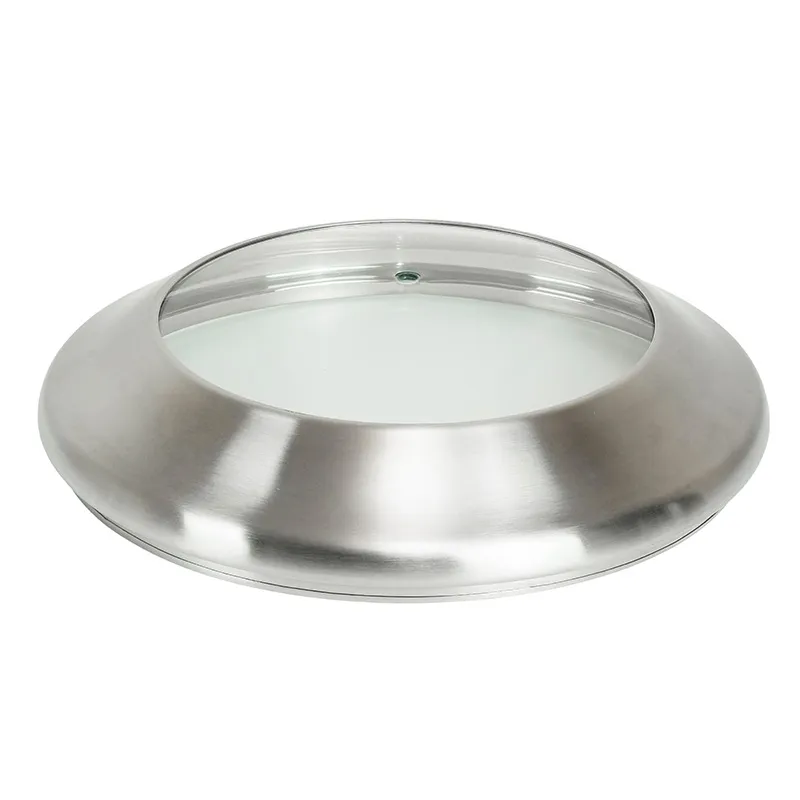
The real challenge is achieving that delicate look without compromising on thermal shock resistance. Tempering is non-negotiable for safety, but the thinner you go, the trickier the tempering process becomes to avoid warping. It's a balancing act. A company like EUR-ASIA COOKWARE CO.,LTD, which specializes in tempered glass lids, would understand this intimately. Their production of over 15 million pieces annually means they've likely run countless trials to nail the parameters for different thicknesses and diameters. It's not just about making glass; it's about controlling the stress in the glass.
Where this gets practical is in replacement lids for specific cookware sets. A Dutch oven manufacturer might want a lid that matches the lightweight, modern aesthetic of their enameled cast iron body. Using a thin, clear tempered glass lid achieves that, but the sealing rim design has to be perfect. A mismatch in the coefficient of expansion between the glass and the metal rim (if there is one) can lead to cracks during rapid heating. It's a detail that separates a prototype from a reliable, mass-produced item.
Bamboo as a Lid Material: Beyond the Natural Label
On the other side, you have the bamboo lid. The appeal is straightforward: sustainable, warm to the touch, good heat resistance for handles, and a distinct organic texture. The pitfalls, however, are in the processing. Raw bamboo is hygroscopic – it absorbs and releases moisture with ambient humidity. If not properly kiln-dried and stabilized, a bamboo knob or a full lid can warp or develop micro-cracks over time, especially when subjected to the steam and heat of a simmering pot.
I recall a project for a steamer lid where the initial bamboo handle samples failed spectacularly. They looked beautiful but developed longitudinal cracks after just a few dishwasher cycles. The issue wasn't the bamboo itself, but the cutting orientation relative to the grain and the resin stabilization process. The solution involved switching to a specific laminated bamboo ply, cut on the block, and using a food-safe phenolic resin for stabilization. It increased the cost, but it made the product viable for real kitchen use. This is the kind of material science that happens behind the scenes, far from the marketing copy.
Pairing a bamboo lid with a beer can glass center creates an interesting hybrid. You get the functionality of seeing your food through the glass and the insulating, comfortable grip of bamboo on the knob or the outer rim. The joinery is critical here. How do you attach the bamboo to the glass securely and aesthetically? Epoxy is common, but the bond line must be clean and able to withstand thermal cycling. Some high-end designs use a mechanical fit with a silicone gasket, which is more complex but feels more premium. It's a small detail that defines the product's perceived quality.
Integration and Production Scaling
This is where a manufacturer's capability is tested. Sourcing is the first hurdle. High-clarity, low-iron glass substrates aren't commodity items. Similarly, food-grade, stabilized bamboo components require a reliable specialist supplier. A vertically integrated or deeply networked factory has a significant advantage. For instance, a company with a dedicated production base like EUR-ASIA COOKWARE, operating from a sizable facility in Shandong's High-tech Development Zone, is positioned to control this chain. Their scale (90+ employees, 15,000㎡ building area) suggests they have the procurement leverage and in-house engineering to manage these material integrations consistently.
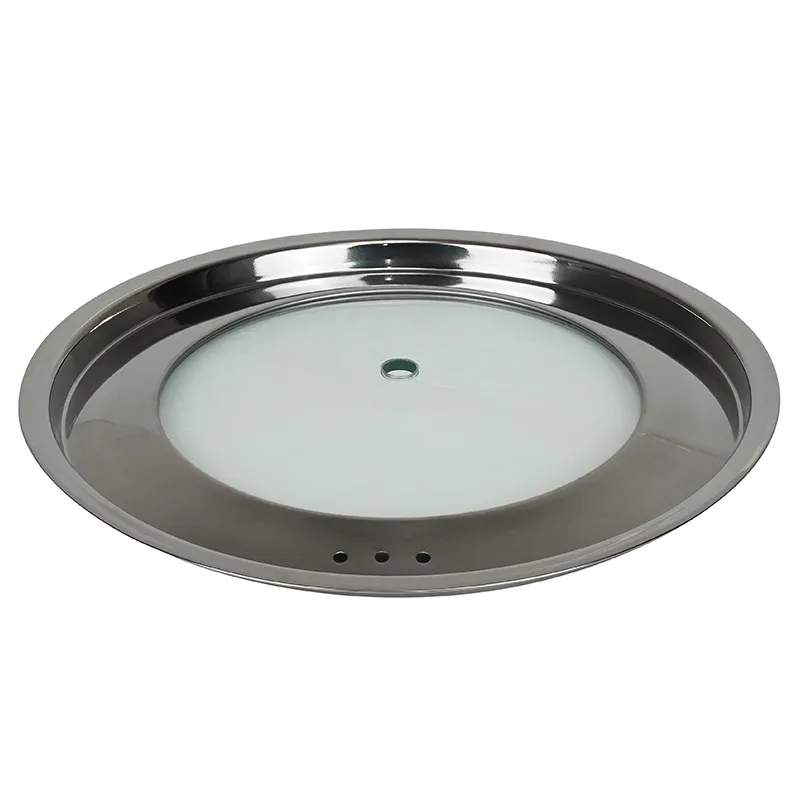
The assembly process for a composite lid – glass center, bamboo handle, possibly a stainless steel rim – needs careful staging. The glass, being the most fragile component after tempering, must be handled with automated or precision tooling to avoid chipping. The bonding stages for the bamboo require controlled environments to ensure adhesive cure properly. I've visited lines where the bamboo attachment was a bottleneck because it was still semi-manual, causing inconsistency. Scaling to an output of more than 15 million pieces, as their intro states, implies they've solved these flow problems, likely through a mix of automation for glass handling and trained manual work for final assembly.
Their export focus (over 90% to markets like Germany, Italy, Japan) is a telling point. These are demanding markets with strict standards on material safety (think EU food contact materials regulations), finish quality, and packaging. A lid that warps or has a glue line that yellows after a few washes will be rejected. This export pressure forces a level of rigor in material selection and process control that becomes ingrained in the company's operations. It's not just about making a lid; it's about making a lid that passes inspection at a German retailer's warehouse.
Practical Failures and Lessons
Not every combination works. Early on, we tried a full bamboo lid for a ceramic tea pot, with only a small glass insert for viewing. The steam from prolonged brewing would cause the bamboo to swell slightly, eventually compromising the fit of the glass insert. It was a failure in understanding the specific use case's environment. We pivoted to using the bamboo only as a knob on a full glass lid, which performed flawlessly. The lesson was to match the material's properties to the part's function and exposure.
Another common oversight is cleaning. Marketing a bamboo lid as dishwasher safe is a major commitment. Not all stabilized bamboo or food-safe epoxies can withstand prolonged, high-temperature dishwasher cycles. We learned to specify top-rack dishwasher safe after testing, which is more honest and sets correct consumer expectations. For the glass, dishwasher safety is a given, but the clarity can be affected over years by hard water etching if the glass surface isn't treated properly – another subtle quality differentiator.
These aren't theoretical concerns. They come from seeing returns, reading customer complaints, and tearing down failed samples. The goal is to get to a product that feels good on day one and still works and looks acceptable on day five hundred. That longevity is where the cheap imitations, which might use lower-grade glass or poorly processed bamboo, fall apart.
The Enduring Niche
So why bother with these specific materials? A simple stainless steel lid is cheaper and virtually indestructible. It comes down to experience and occasion. Cooking is sensory. The clear, thin glass lets you monitor a braise without releasing heat and steam. The warm, tactile bamboo feels more inviting than cold metal when you lift it. It's about enhancing the ritual of cooking.
For manufacturers, this represents a move up the value chain. It's no longer about producing a basic functional cover. It's about providing a component that adds to the aesthetic and experiential value of the final cookware product. A brand sourcing from a specialist like EUR-ASIA COOKWARE CO.,LTD isn't just buying a lid; they're buying that manufacturer's accumulated knowledge in tempering thin glass, stabilizing bamboo, and marrying them into a reliable, export-ready unit. You can find their focus on their site, glass-lid.com – the domain itself hints at the specialization.
In the end, 'beer can glass' and 'bamboo lid' are entry points into a deeper conversation about materiality in kitchen tools. They signal an intent to blend function with a specific aesthetic and feel. Getting them right is a technical exercise in humility, requiring respect for the inherent behaviors of both glass and wood. When done well, the result is quietly competent – the kind of product you don't think about until you use a poorly made one and realize the difference.
Related Products
Related Products