- Chinese
- French
- German
- Portuguese
- Spanish
- Russian
- Japanese
- Korean
- Arabic
- Irish
- Greek
- Turkish
- Italian
- Danish
- Romanian
- Indonesian
- Czech
- Afrikaans
- Swedish
- Polish
- Basque
- Catalan
- Esperanto
- Hindi
- Lao
- Albanian
- Amharic
- Armenian
- Azerbaijani
- Belarusian
- Bengali
- Bosnian
- Bulgarian
- Cebuano
- Chichewa
- Corsican
- Croatian
- Dutch
- Estonian
- Filipino
- Finnish
- Frisian
- Galician
- Georgian
- Gujarati
- Haitian
- Hausa
- Hawaiian
- Hebrew
- Hmong
- Hungarian
- Icelandic
- Igbo
- Javanese
- Kannada
- Kazakh
- Khmer
- Kurdish
- Kyrgyz
- Latin
- Latvian
- Lithuanian
- Luxembou..
- Macedonian
- Malagasy
- Malay
- Malayalam
- Maltese
- Maori
- Marathi
- Mongolian
- Burmese
- Nepali
- Norwegian
- Pashto
- Persian
- Punjabi
- Serbian
- Sesotho
- Sinhala
- Slovak
- Slovenian
- Somali
- Samoan
- Scots Gaelic
- Shona
- Sindhi
- Sundanese
- Swahili
- Tajik
- Tamil
- Telugu
- Thai
- Ukrainian
- Urdu
- Uzbek
- Vietnamese
- Welsh
- Xhosa
- Yiddish
- Yoruba
- Zulu
- Kinyarwanda
- Tatar
- Oriya
- Turkmen
- Uyghur

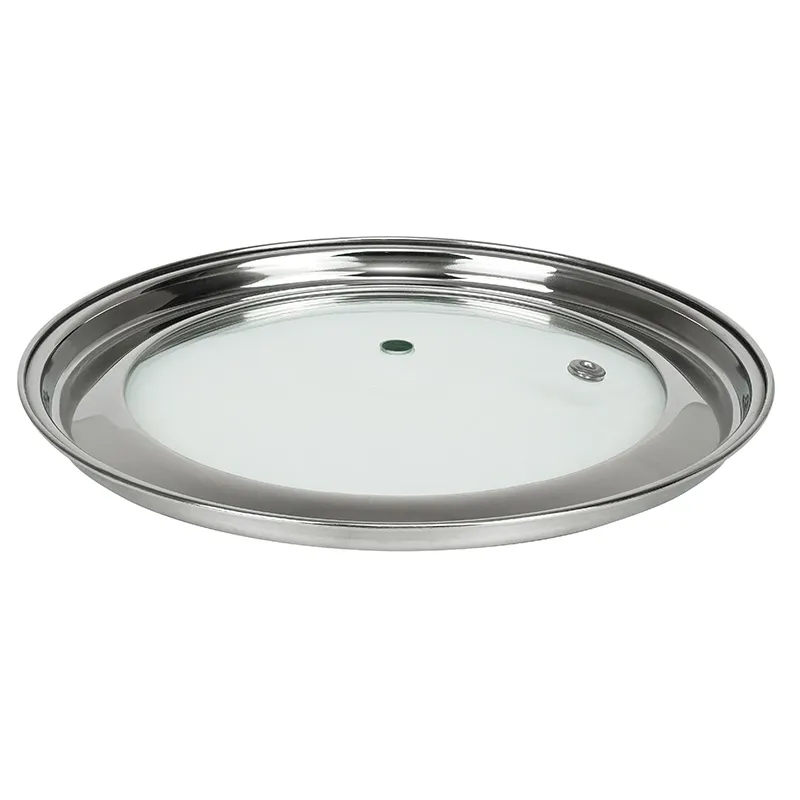
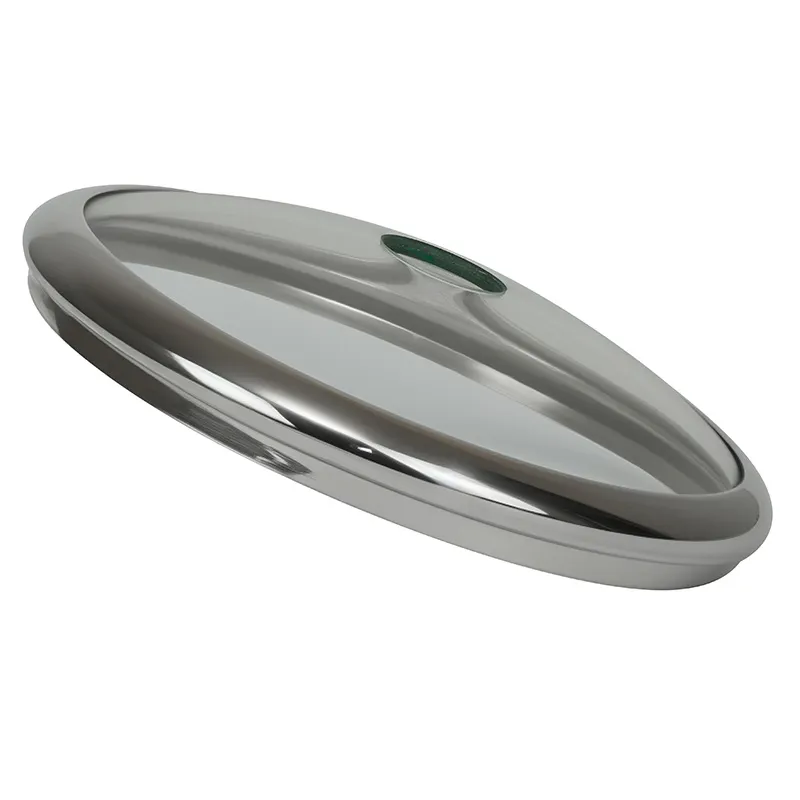
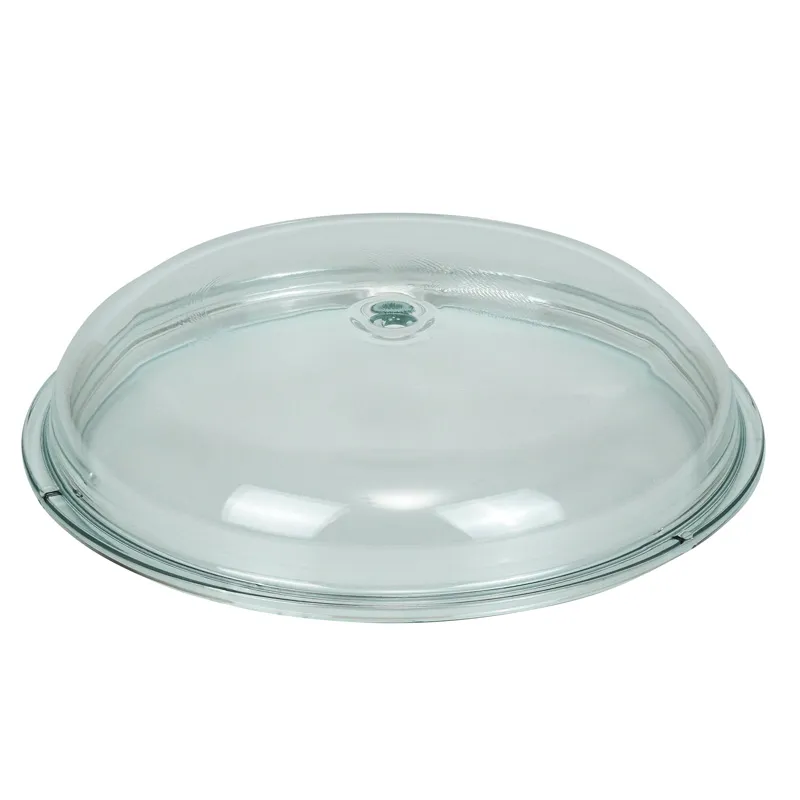
beer can glass lid and straw
You see 'beer can glass lid and straw' and you might think it's some trendy, over-engineered gimmick. A lot of procurement folks do. The reality is more mundane, yet infinitely more complex. It's not one product; it's a convergence of materials science, consumer behavior, and frankly, a lot of logistical headaches. The 'beer can' part is the real kicker—it implies a specific, often underestimated, sealing mechanism and a cultural expectation of casual, durable use. Most think the glass lid is the star. I've found the straw, and its integration point, is where projects quietly fail.
The Illusion of Simplicity in Sealing
The core challenge isn't making a glass lid. It's making a lid that seals reliably onto a metal can—a surface never designed for a glass seal. The beaded rim of a standard beer can is a nightmare for consistent gasket contact. We tried a simple silicone gasket ring early on; failure rate in drop tests was nearly 40%. The lid would sit there, look perfect, but a slight lateral knock would break the seal. The client wanted that satisfying 'snap' and hiss, like a Tupperware, but on a cylindrical surface. It's a different physics problem altogether.
This is where specialized manufacturers matter. You need a partner who understands that the glass lid isn't just a flat disc. Its underside contour is everything. I've seen production runs from factories that usually do cookware lids, like EUR-ASIA COOKWARE CO.,LTD, who have the tempering and edge-grinding for kitchen-grade products down cold. Their base is in Taian, with an output in the millions for tempered glass. But transferring that precision to a non-standard diameter with a custom gasket channel? That's a separate conversation. Their expertise in volume for the European market (Germany, Poland, etc.) means they get consistency, but the tooling adjustment for a can application isn't trivial.
The straw hole complicates the seal further. You're introducing a guaranteed breach point. The mould for the glass lid now needs a clean, fire-polished hole that doesn't create a stress point during tempering. Then you need a separate silicone plug or a fitted straw that itself seals. We sourced a food-grade silicone plug from a different vendor, and the tolerance mismatch caused slow leaks. The lesson: the lid and its accessory system must be developed in tandem, ideally under one roof or a tightly managed supply chain. A company like EUR-ASIA, which handles other kitchen accessories, might have an edge if they vertically integrate that plug/straw component, but it's not a given.
The Straw: An Afterthought That Should Be Forethought
Everyone focuses on the lid. The straw is treated as a cheap add-on. Big mistake. If this is for a ready-to-drink product, the straw needs to withstand being packaged inside the can, under the lid, possibly for months. That means material stability—no plasticizers leaching into a hoppy IPA. It also needs to be rigid enough to pierce a sealed membrane (if you have one under the lid) but not so sharp it's a liability.
We tested PLA compostable straws. In theory, perfect. In practice, stored in the slightly humid environment of a sealed can, they became flexible and useless when the consumer went to punch through. Back to polypropylene. But then you're dealing with a different set of consumer perceptions. The straw's length is also critical. Too short, it doesn't reach the bottom of the tallboy can. Too long, it protrudes awkwardly and makes the glass lid sit unevenly. We had a batch where the straw kept popping the lid off because we got the length wrong by 3mm.
The attachment method is another rabbit hole. Should it dangle loose? Be clipped to the lid? Clipping adds cost and another component. Loose feels cheap. We saw a Korean design where the straw was actually a slightly tapered fit into the lid hole itself, acting as its own seal. Elegant, but the mould precision required was extreme, and it added seconds to the assembly time. For a production line doing 15 million units, those seconds are everything. This is the grind of it: balancing clever design with the brutal economics of high-volume export manufacturing.
Material Conflicts: Tempered Glass vs. The World
Tempered glass is fragile in one very specific way: edge impacts. The rim of a beer can is thin, stamped metal. Clinking a tempered glass lid against it during use is almost inevitable. Chipping is a real concern. We increased the thickness of the lid's outer rim slightly, creating a small overhang that protects the glass edge. It added weight and cost. The alternative is a plastic or silicone bumper ring, which again, adds assembly steps.
Then there's thermal shock. The product pitch often includes use it as a coaster for your cold can! But if you pour a hot cocktail into that same can and put the glass lid on? You risk thermal stress. A good manufacturer like EUR-ASIA, with their focus on tempered glass for kitchen use (think oven lids), understands thermal cycles. But a beer can lid isn't going through controlled oven tests. It's going through a dishwasher, then a freezer, then onto a hot patio table. The testing protocol has to mimic chaotic real life, not lab conditions.
We worked with a European distributor who loved the concept but insisted on a glass thickness that made the lid too heavy for the can's aluminum structure. A full can could topple over if the lid was on. A classic case of one department not talking to another. We had to go back, reduce thickness, and increase the diameter of the silicone gasket to improve stability through grip, not weight. It was a compromise that came from a failure in the field, not the CAD model.
Logistics and the Reality of Export
Say you nail the design. Now you have to ship 100,000 units of a product that is literally glass sitting on top of a metal can, with a plastic straw tucked somewhere. Packaging is a nightmare. You can't just shrink-wrap them together. The straw needs to be secured so it doesn't become a battering ram against the glass lid during transit.
Our first major order with a Brazilian client was a lesson in humility. We used a standard cardboard sleeve. The sea freight vibration, combined with humidity, caused enough movement that the straws abraded the inside of the glass lids, leaving fine scratches. The batch was rejected. The solution was a cheap PE foam ring separator, which added $0.02 to the unit cost but saved the contract. These are the details that separate a sketch from a sellable product. A manufacturer with vast export experience to diverse climates—like the one mentioned, shipping to Brazil, Turkey, Russia—should theoretically anticipate this. But you have to ask the right questions. They're focused on making the lid, not necessarily on the entire product ecosystem.
Furthermore, the straw often falls under different import regulations than the glass. Is it a food contact item? Does it require separate certification? In the EU, yes. We once had a container held at Hamburg because the straw's material documentation was filed under the lid's HS code. A month of delays. The takeaway: even if you source the lid from a proficient exporter, the ancillary parts need their own compliance trail.
The End-User Moment of Truth
All this engineering collapses into a single moment: the consumer opening the box, placing the lid on their can, and inserting the straw. Does it feel premium? Does it work? We did a small blind test. The biggest complaint wasn't about leaks or sturdiness. It was that the straw sometimes didn't feel fixed in place. People subconsciously want the assembly to feel solid, unified. A wobbly straw undermined the entire premium perception of the glass lid.
Another observation: people used these lids for everything but beer. Iced coffee, soda, craft cocktails. The beer can in the keyword is almost a misnomer; it's a universal portable sealing lid system. That expands the use case but also the stress points—sugary drinks are stickier, coffee is hotter. Our testing had been too beer-centric.
So, where does that leave us? With a product that seems trivial but is a minefield of tiny decisions. Success hinges on treating the beer can glass lid and straw as a single, integrated system, not as separate components slapped together. It requires a manufacturer that can think beyond the glass, or a very hands-on project manager who can bridge the gaps between the glass specialist, the gasket maker, and the straw supplier. The companies that thrive in this, like some of the high-volume kitchenware exporters, do so because they've systematized complexity. But for a novel application like this, you're often their R&D trial, hidden within a production order. That's the unglamorous truth of it.
Related Products
Related Products