- Chinese
- French
- German
- Portuguese
- Spanish
- Russian
- Japanese
- Korean
- Arabic
- Irish
- Greek
- Turkish
- Italian
- Danish
- Romanian
- Indonesian
- Czech
- Afrikaans
- Swedish
- Polish
- Basque
- Catalan
- Esperanto
- Hindi
- Lao
- Albanian
- Amharic
- Armenian
- Azerbaijani
- Belarusian
- Bengali
- Bosnian
- Bulgarian
- Cebuano
- Chichewa
- Corsican
- Croatian
- Dutch
- Estonian
- Filipino
- Finnish
- Frisian
- Galician
- Georgian
- Gujarati
- Haitian
- Hausa
- Hawaiian
- Hebrew
- Hmong
- Hungarian
- Icelandic
- Igbo
- Javanese
- Kannada
- Kazakh
- Khmer
- Kurdish
- Kyrgyz
- Latin
- Latvian
- Lithuanian
- Luxembou..
- Macedonian
- Malagasy
- Malay
- Malayalam
- Maltese
- Maori
- Marathi
- Mongolian
- Burmese
- Nepali
- Norwegian
- Pashto
- Persian
- Punjabi
- Serbian
- Sesotho
- Sinhala
- Slovak
- Slovenian
- Somali
- Samoan
- Scots Gaelic
- Shona
- Sindhi
- Sundanese
- Swahili
- Tajik
- Tamil
- Telugu
- Thai
- Ukrainian
- Urdu
- Uzbek
- Vietnamese
- Welsh
- Xhosa
- Yiddish
- Yoruba
- Zulu
- Kinyarwanda
- Tatar
- Oriya
- Turkmen
- Uyghur


beer can glass with lid
When you hear 'beer can glass with lid', most people picture a novelty item—a cheap, branded giveaway at a sports event. That's the common trap. The reality, especially in the OEM and export game, is far more nuanced. It's not just a glass shaped like a can; it's a specific product category balancing thermal shock resistance, sealing efficacy for carbonation, and stackability for logistics. Many clients come in wanting the 'fun' factor but overlook the engineering needed to make it a functional, durable piece of drinkware, not a one-use prop.
The Core Specs That Actually Matter
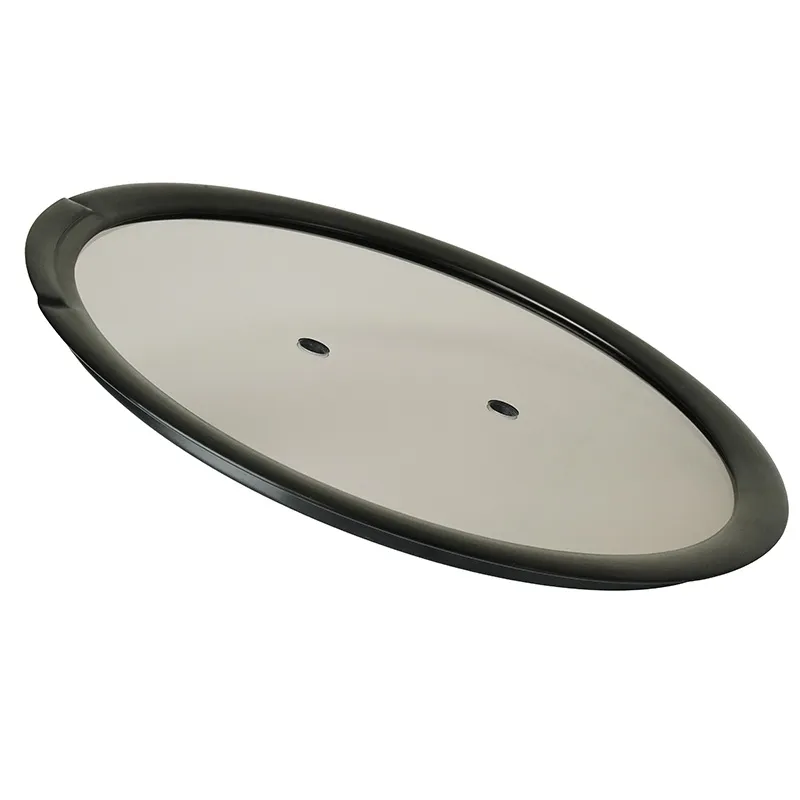
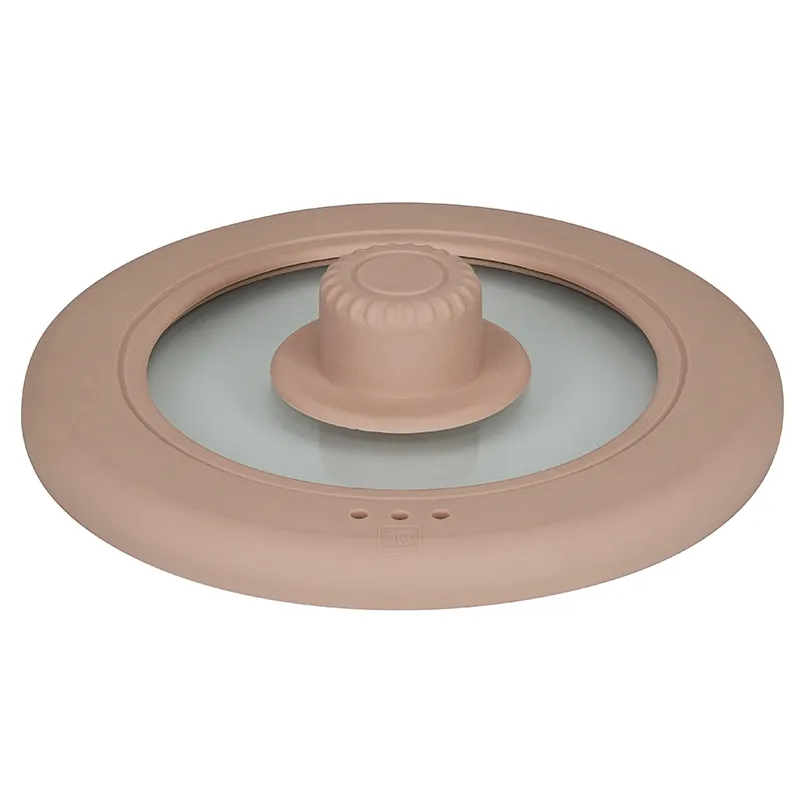
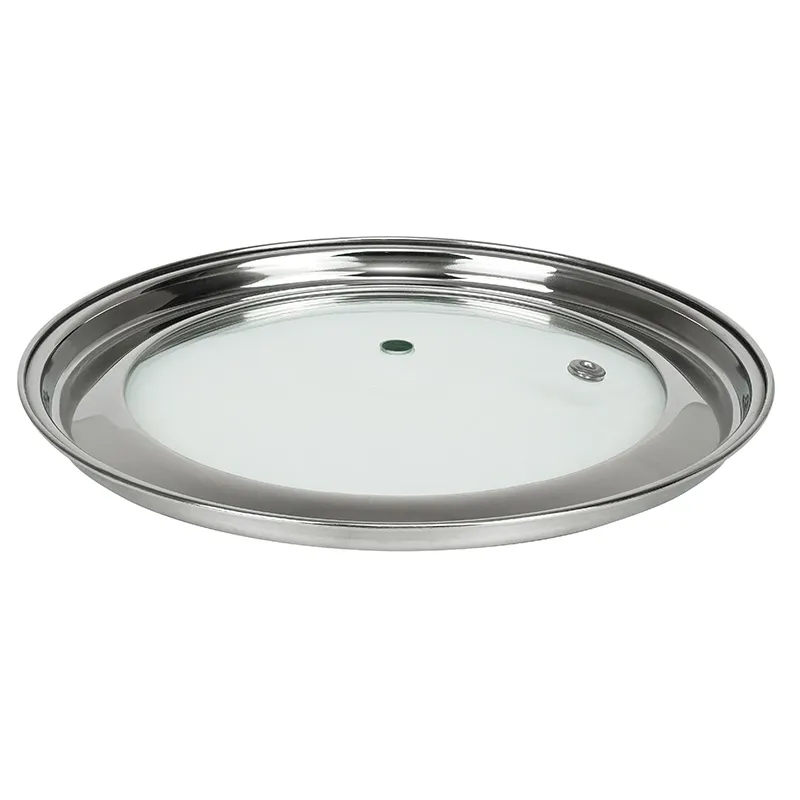
Let's get technical. The glass has to be tempered, no question. But the tempering curve for a vessel with the narrow neck and wider body of a can silhouette is tricky. You get stress points at that transition. We've had batches where the failure rate in the thermal shock test (from 0°C to 100°C) was unacceptable because the factory used a standard tumbler tempering protocol. It took adjusting the heating zones and quenching air pressure specifically for that profile. The lid is another beast. It's usually a tempered glass lid with a silicone gasket. The seal doesn't need to be airtight like a growler, but it must retain fizz overnight and prevent major spillage if knocked over. The gasket groove machining on the glass rim's finish is critical—too shallow, it leaks; too deep, the lid sits unevenly.
I recall a project for a German retailer who wanted these for their premium private label. They provided a sample lid where the silicone was too hard. It sealed perfectly in the lab but was a nightmare for end-users to pry off. We worked with a compounder to develop a softer, food-grade silicone that maintained seal integrity but had a slight tab overhang for leverage. That's the kind of detail that separates a market-ready product from a prototype. It's these practical hurdles you only learn by doing, not by spec-sheet dreaming.
Material sourcing is key. For the glass body, high-borate silicate is the standard for good thermal performance. But for the beer can glass shape, the weight distribution matters. A bottom that's too light makes it tippy. Some manufacturers add a slight punt or a thicker base ring during molding, which adds cost but drastically improves stability. It's a value-add that discerning buyers look for.
Production Realities and Factory Fit
Not every glass factory can do this well. It requires precision in molding to get the 'can' shape right without distortion, and then specialized tempering lines that can handle the unique geometry. This is where a partner with focused expertise makes a difference. A company like EUR-ASIA COOKWARE CO.,LTD , for instance, with its dedicated production base in Taian's high-tech zone and an annual output in the tens of millions for tempered glass lid and related products, is built for this scale and specificity. Their experience across European markets means they're familiar with the safety and quality standards (like LFGB) that these products must meet, which is half the battle.
Scaling production introduces its own issues. Color consistency on printed logos, for example. The curved surface of the 'can' makes pad printing more challenging than on a straight-sided pint glass. We once had a run where the color opacity varied because the ink viscosity wasn't adjusted for the ambient humidity on the production floor that week. It's these seemingly minor environmental factors that can derail a 50,000-piece order. A professional factory will have controlled environments for printing and assembly to mitigate this.
Then there's packaging. A beer can glass with lid is an awkward thing to box. You need a pulp tray or EPS insert that cradles both pieces securely, prevents rattling, and still looks good on shelf. The cost of that insert can sometimes rival the cost of the product itself. Optimizing pack size to maximize container load for export is a whole other calculation. It's not glamorous, but it's where profitability is often determined.
Market Application: Where It Finds Its Home
Contrary to the initial 'novelty' impression, these glasses have found serious traction in two main areas. First, the craft beer scene. Microbreweries use them as branded merchandise that actually enhances the drinking experience for specific beer styles, like IPAs or pilsners, where the shape can influence aroma. The lid allows for takeaway sales of crowler-style fills directly from the tap. Second, in the home entertaining segment, particularly in Europe. They're sold as part of a set of modern, functional drinkware. The lid is a practical feature for patio use, keeping bugs out.
I've seen them used successfully by a Danish client who positioned them as the all-day glass—for morning juice, afternoon sparkling water, and evening beer. The lid made the proposition practical. This repositioning moved it from a single-use item to a kitchen staple, commanding a much higher price point. The key was marketing the glass lid as a hygiene and convenience feature, not just a seal.
The export focus of a supplier is a huge advantage here. A company exporting over 90% of its output, like EUR-ASIA COOKWARE to markets in Germany, Poland, Brazil, and Japan, is inherently tuned into diverse market preferences. The preferred lid finish (matte vs. glossy), the glass thickness, even the packaging aesthetics—all vary by region. They have the data and the flexibility to adapt.
Common Pitfalls and Failed Experiments
We've tried things that didn't work. One was integrating a stainless steel rim on the glass opening for a 'premium' feel. The differential expansion between metal and glass caused micro-cracks over repeated dishwasher cycles. Another was using a bamboo lid. It looked great in photos but warped horribly in real-world humid conditions, breaking the seal. These are expensive lessons that underscore the importance of material compatibility testing under use conditions, not just lab conditions.
A major pitfall is underestimating the lid's wear and tear. The silicone gasket needs to be easily removable for cleaning. Early designs had it glued in, which led to mold issues. Now, most are a simple press-fit, but that requires the glass groove tolerance to be extremely precise. If it's too loose, the gasket pops out in the dishwasher. Getting this right is a hallmark of quality. You can check a supplier's attention to detail by simply asking about their gasket retention test procedure.
Also, the term 'beer can glass' can be limiting. In some markets, calling it a sealed tumbler or travel-friendly beaker opens more doors. It's a lesson in product semantics. The function defines the market more than the form once you get past the initial novelty.
The Verdict: A Niche Worth Perfecting
So, is the beer can glass with lid a serious product? Absolutely. It sits at the intersection of drinkware trends: nostalgia-driven design, functional lids for on-the-go lifestyles, and the demand for durable, multi-use glass over plastic. But its success hinges entirely on execution. It can't feel flimsy. The lid must snap on with a satisfying, secure click. The glass must have a good heft and clarity.
For brands or retailers looking to source this, the advice is to partner with a manufacturer that treats it as a technical piece of kitchenware, not a souvenir. Look at their portfolio—do they have deep experience in household glass products and kitchen accessories across quality tiers? A company like EUR-ASIA COOKWARE, with its dedicated production base and volume, typically has the process control and R&D mindset to iterate on these details. Their export footprint is a proxy for proven adaptability.
In the end, it's a product that rewards a nuanced approach. Get the fundamentals of material science and user ergonomics right first, and the 'fun' shape becomes a legitimate value proposition, not just a gimmick. That's the difference between a product that gets a one-time chuckle and one that earns a permanent spot in the cupboard.
Related Products
Related Products