- Chinese
- French
- German
- Portuguese
- Spanish
- Russian
- Japanese
- Korean
- Arabic
- Irish
- Greek
- Turkish
- Italian
- Danish
- Romanian
- Indonesian
- Czech
- Afrikaans
- Swedish
- Polish
- Basque
- Catalan
- Esperanto
- Hindi
- Lao
- Albanian
- Amharic
- Armenian
- Azerbaijani
- Belarusian
- Bengali
- Bosnian
- Bulgarian
- Cebuano
- Chichewa
- Corsican
- Croatian
- Dutch
- Estonian
- Filipino
- Finnish
- Frisian
- Galician
- Georgian
- Gujarati
- Haitian
- Hausa
- Hawaiian
- Hebrew
- Hmong
- Hungarian
- Icelandic
- Igbo
- Javanese
- Kannada
- Kazakh
- Khmer
- Kurdish
- Kyrgyz
- Latin
- Latvian
- Lithuanian
- Luxembou..
- Macedonian
- Malagasy
- Malay
- Malayalam
- Maltese
- Maori
- Marathi
- Mongolian
- Burmese
- Nepali
- Norwegian
- Pashto
- Persian
- Punjabi
- Serbian
- Sesotho
- Sinhala
- Slovak
- Slovenian
- Somali
- Samoan
- Scots Gaelic
- Shona
- Sindhi
- Sundanese
- Swahili
- Tajik
- Tamil
- Telugu
- Thai
- Ukrainian
- Urdu
- Uzbek
- Vietnamese
- Welsh
- Xhosa
- Yiddish
- Yoruba
- Zulu
- Kinyarwanda
- Tatar
- Oriya
- Turkmen
- Uyghur

beer glass can with lid
When you hear 'beer glass can with lid,' most folks picture a gimmick—a pint glass with a screw-on top, maybe for poolside use. That's the surface-level take. In reality, it's a nuanced product category sitting at the intersection of beverage packaging, material science, and consumer behavior. The real challenge isn't just making a glass that holds beer and has a lid; it's engineering a vessel that maintains carbonation, withstands thermal stress from washing, feels right in the hand, and has a sealing mechanism intuitive enough for a tipsy user. Many early attempts failed because they treated the lid as an afterthought, leading to leaks or off-flavors from poor gasket materials. My own experience with prototyping these items, particularly through collaborations with OEM manufacturers, revealed that the devil is entirely in these details.
Material and Manufacturing Realities
Starting with the glass itself, borosilicate is often touted as the gold standard for its thermal shock resistance. But for a high-volume commercial product like a beer glass can with lid, soda-lime glass, properly tempered, is the pragmatic workhorse. It's more cost-effective and, when tempered correctly, achieves the necessary durability for a product meant to be handled, clinked, and dishwashered repeatedly. The tempering process is critical; any imperfection in the cut or edge grinding before tempering can lead to spontaneous failure later—something we witnessed firsthand with a batch where the stress patterns were visibly uneven. This isn't just about strength; it's about consistent, reliable performance in mass production.
The lid introduces a completely different material paradigm. Food-grade stainless steel or high-quality polypropylene are the usual suspects. The choice hinges on the seal. A stainless steel lid often uses a silicone or thermoplastic elastomer (TPE) gasket for an airtight seal. The compression force needed for that perfect hiss upon opening is a delicate balance. Too tight, and the user struggles; too loose, and you lose carbonation overnight. I recall a project where we sourced gaskets from a new supplier. They met all the spec sheets, but in real-world testing with a hoppy IPA, they imparted a faint rubbery taint after a few days. The lesson was that material compatibility testing with actual beer, not just water, is non-negotiable.
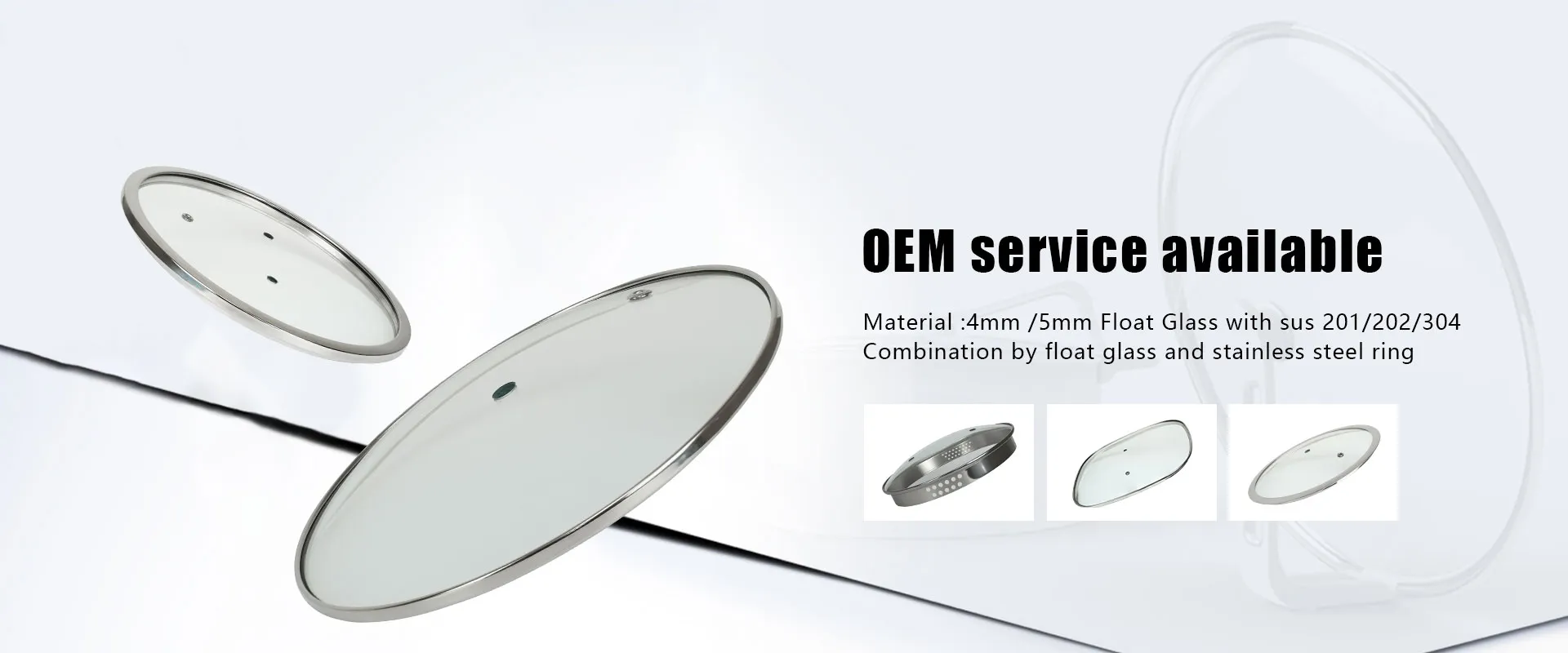
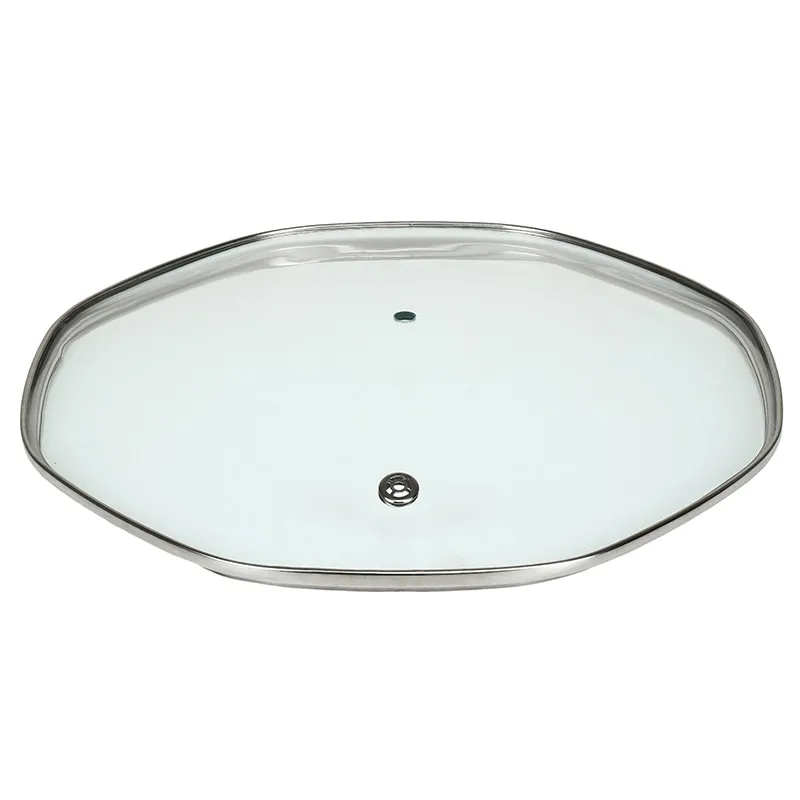
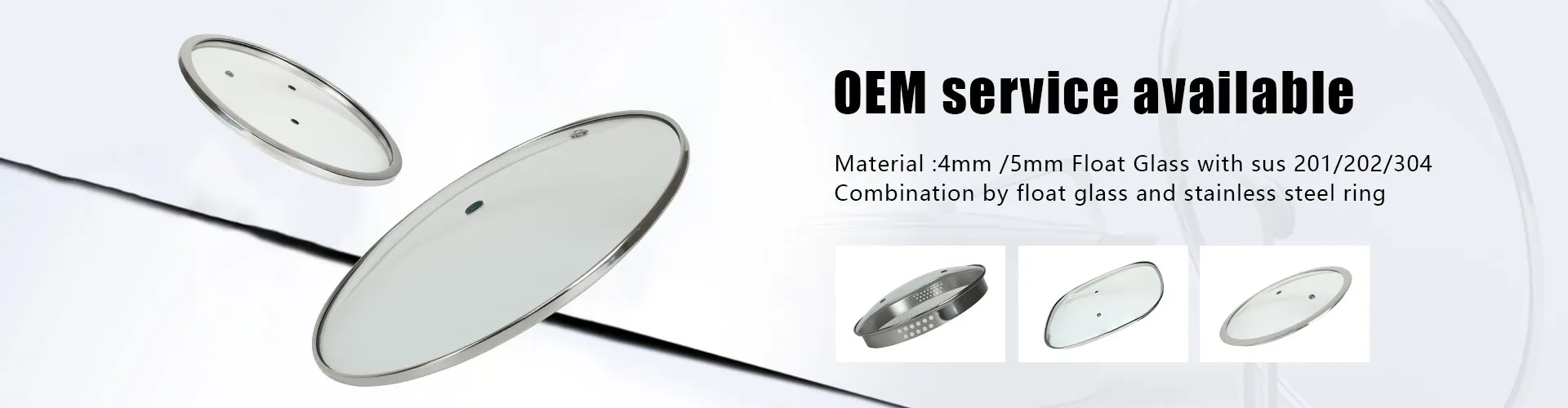
This is where partnering with a specialized manufacturer makes all the difference. A company like EUR-ASIA COOKWARE CO.,LTD (https://www.glass-lid.com), with its deep focus on tempered glass lids and kitchen accessories, brings essential vertical integration to the table. Their expertise isn't just in molding glass; it's in understanding how the lid's thread design, the glass's rim finish, and the gasket's durometer work as a single system. Visiting their production base in Taian, you see the scale—15,000 ㎡ dedicated to producing millions of tempered glass components annually. That volume translates to refined processes for quality control in rim grinding and annealing, which are foundational for a reliable beer glass can seal. Over 90% of their output going to markets like Germany and Japan is a tacit testament to the precision standards required.
Design for Function, Not Just Form
Ergonomics is often sacrificed for aesthetics. A classic dimpled beer mug shape is iconic, but adding a threaded neck for a lid changes the drinking dynamic. The thread profile can't be too sharp, or it becomes unpleasant against the lips. We once prototyped a design where the threads started too low on the neck, forcing the drinker to tilt their head back awkwardly. It felt all wrong. The solution was a shallower, wider thread pitch on the glass and a corresponding lid that sits higher, preserving a more natural drinking angle. The lid itself needs a positive grip feature—deep knurling or raised ribs—because wet, cold hands are a given.
Then there's the seal type. A simple press-on plastic lid is fine for temporary coverage but useless for retention. A screw-top with a captive gasket is the benchmark for reusable glass can applications. However, the captive part is tricky. The gasket must be firmly seated in the lid's channel during assembly but still allow for easy removal for deep cleaning. Mold design for the lid is crucial here. A poorly designed channel will either let the gasket pop out during dishwasher cycles or become a mildew trap. I've seen designs fail on both counts, leading to consumer complaints that had nothing to do with the glass itself.
Venting is another overlooked aspect. A perfectly airtight seal is great for storage, but if you're using it for a carbonated homebrew or a lively craft beer, pressure can build. Some successful commercial versions incorporate a very slight, controlled leak in the seal or a tiny integrated vent to equalize pressure, preventing a dangerous over-pressurization scenario. It's a small feature that speaks to serious product testing and understanding of the contents the vessel will hold.
Market Fit and User Behavior
Who actually uses these? It's a niche, but a growing one. Homebrewers are a prime audience—they need a sturdy, sealable vessel for sampling, carbonating, or storing small batches. The appeal here is the combination of glass's inert properties (no flavor transfer) and the lid's ability to hold pressure. Another segment is the outdoor enthusiast: camping, boating, beaches. Here, the lid's primary function shifts from preserving carbonation to simply preventing spills and keeping bugs out. The product requirements differ slightly; durability and leak-resistance become paramount over perfect pressure retention.
There's also the retail gift and novelty sector. This is where you see more of the beer glass can concept literally interpreted—a glass shaped like a tallboy can, complete with a pull-tab-inspired lid. These are fun, but from a manufacturing standpoint, they often compromise on function. The complex shapes can create weak points in the tempered glass, and the lid mechanisms can be fiddly. They sell on concept, not on long-term utility. For a manufacturer, deciding which of these markets to target dictates the entire design and cost structure.
Observing European markets, where EUR-ASIA COOKWARE CO.,LTD exports heavily, reveals a preference for minimalist, functional design. Their products likely succeed there because they focus on the fundamentals: a flawless glass finish, a robust and simple sealing mechanism, and packaging that survives international logistics. This isn't about creating a trendy disposable item; it's about producing a reliable kitchen accessory that happens to be perfect for beer. That mindset is what separates a durable product from a promotional giveaway.
Logistical and Commercial Hurdles
Producing the glass and lid is one thing; getting it to market intact is another. Packaging for a beer glass can with lid is a cost center that can't be ignored. You need a rigid box or a thick pulp insert that secures both the glass and the separate lid (often shipped assembled, but sometimes separately). During a pilot run for an e-commerce client, we used a standard glassware mailer, but the loose lid rattled during shipping and chipped the rim of several units. The solution was a custom foam insert that cradled the entire assembly as one unit. This added $0.30 to the unit cost, which is significant at scale.
Minimum order quantities (MOQs) are a reality. For a bespoke design involving custom molds for both glass and lid, an MOQ of 10,000 to 50,000 units is typical. This is why partnering with an established manufacturer with existing mold libraries, like the one you'd find at a specialist such as EUR-ASIA COOKWARE CO.,LTD, can lower barriers to entry. They might have a standard 500ml tempered glass with a threaded neck and a compatible lid mold already in production. A client can then customize through decoration (printing, etching) rather than full retooling, dramatically reducing the initial investment and risk.
Finally, compliance and testing. For the US market, FDA standards for food contact materials apply. For Europe, it's EU 10/2011. The gasket material, any plastics in the lid, and the glass coatings (if any) all need documentation. Furthermore, pressure testing—especially if making any claims about keeping beer carbonated—is advisable. We learned this the hard way after a retailer asked for test data we didn't have. It forced a scramble to get samples to an independent lab for pressure decay tests. Now, it's a standard part of the spec sheet.
Concluding Thoughts from the Workshop
So, is the beer glass can with lid a revolutionary product? Not really. It's an evolution—a thoughtful hybridization of existing drinkware forms to meet specific, modern usage cases. Its success lies not in a flashy concept but in meticulous execution. The weight of the glass in hand, the smoothness of the thread engagement, the satisfying pop of the seal breaking—these are the sensory details that make it feel premium and functional.
For anyone looking to develop or source such an item, my advice is to start with the seal and work backwards. Define the performance requirement: Is it spill-proof, or truly airtight? Then, select partners who specialize in the components. A glass expert and a lid expert are often two different entities; a manufacturer that bridges both, like the one mentioned, provides invaluable integration. Visit the facility if you can. Seeing the tempering ovens and the injection molding machines, and talking to the engineers on the floor, gives you insights no spec sheet ever will.
In the end, it's a humble product. But getting it right—creating a sealed glass that feels intuitive, lasts for years, and genuinely keeps your beer better—requires a surprising depth of cross-disciplinary knowledge. It's a perfect example of how the most ordinary objects in our homes are often the result of extraordinary attention to detail. The market might be niche, but for those in it, the difference between a good product and a failed one is measured in millimeters of thread pitch and shore hardness of a gasket.
Related Products
Related Products