- Chinese
- French
- German
- Portuguese
- Spanish
- Russian
- Japanese
- Korean
- Arabic
- Irish
- Greek
- Turkish
- Italian
- Danish
- Romanian
- Indonesian
- Czech
- Afrikaans
- Swedish
- Polish
- Basque
- Catalan
- Esperanto
- Hindi
- Lao
- Albanian
- Amharic
- Armenian
- Azerbaijani
- Belarusian
- Bengali
- Bosnian
- Bulgarian
- Cebuano
- Chichewa
- Corsican
- Croatian
- Dutch
- Estonian
- Filipino
- Finnish
- Frisian
- Galician
- Georgian
- Gujarati
- Haitian
- Hausa
- Hawaiian
- Hebrew
- Hmong
- Hungarian
- Icelandic
- Igbo
- Javanese
- Kannada
- Kazakh
- Khmer
- Kurdish
- Kyrgyz
- Latin
- Latvian
- Lithuanian
- Luxembou..
- Macedonian
- Malagasy
- Malay
- Malayalam
- Maltese
- Maori
- Marathi
- Mongolian
- Burmese
- Nepali
- Norwegian
- Pashto
- Persian
- Punjabi
- Serbian
- Sesotho
- Sinhala
- Slovak
- Slovenian
- Somali
- Samoan
- Scots Gaelic
- Shona
- Sindhi
- Sundanese
- Swahili
- Tajik
- Tamil
- Telugu
- Thai
- Ukrainian
- Urdu
- Uzbek
- Vietnamese
- Welsh
- Xhosa
- Yiddish
- Yoruba
- Zulu
- Kinyarwanda
- Tatar
- Oriya
- Turkmen
- Uyghur


beer glass with lid
When you hear 'beer glass with lid', most folks probably picture a cheap plastic stadium cup. That's the common trap. In the commercial and premium homebrew space, it's a different beast entirely—it's about tempered glass, sealing mechanisms, and solving problems most drinkers don't even know exist. It's not just a cover; it's a functional barrier against spillage, aroma loss, and insects, which matters immensely for outdoor service, transportation, or even just keeping a craft brew's nose intact on a windy patio. The real challenge isn't making a lid, but making one that feels like a natural part of the drinking experience, not an afterthought.
Material is Everything: Beyond the Basic Glass
You can't just slap any lid on any glass. The thermal shock from washing and the carbonation pressure are constant factors. For a proper beer glass with lid, the base material has to be borosilicate or reliably tempered soda-lime glass. I've seen batches where the glass itself passed standard tests, but the specific act of clamping a tight-fitting lid created new stress points. During a rapid temperature change, that's where the crack starts—not in the body, but right at the rim where the lid seals. It's a failure you only see after you've committed to production.
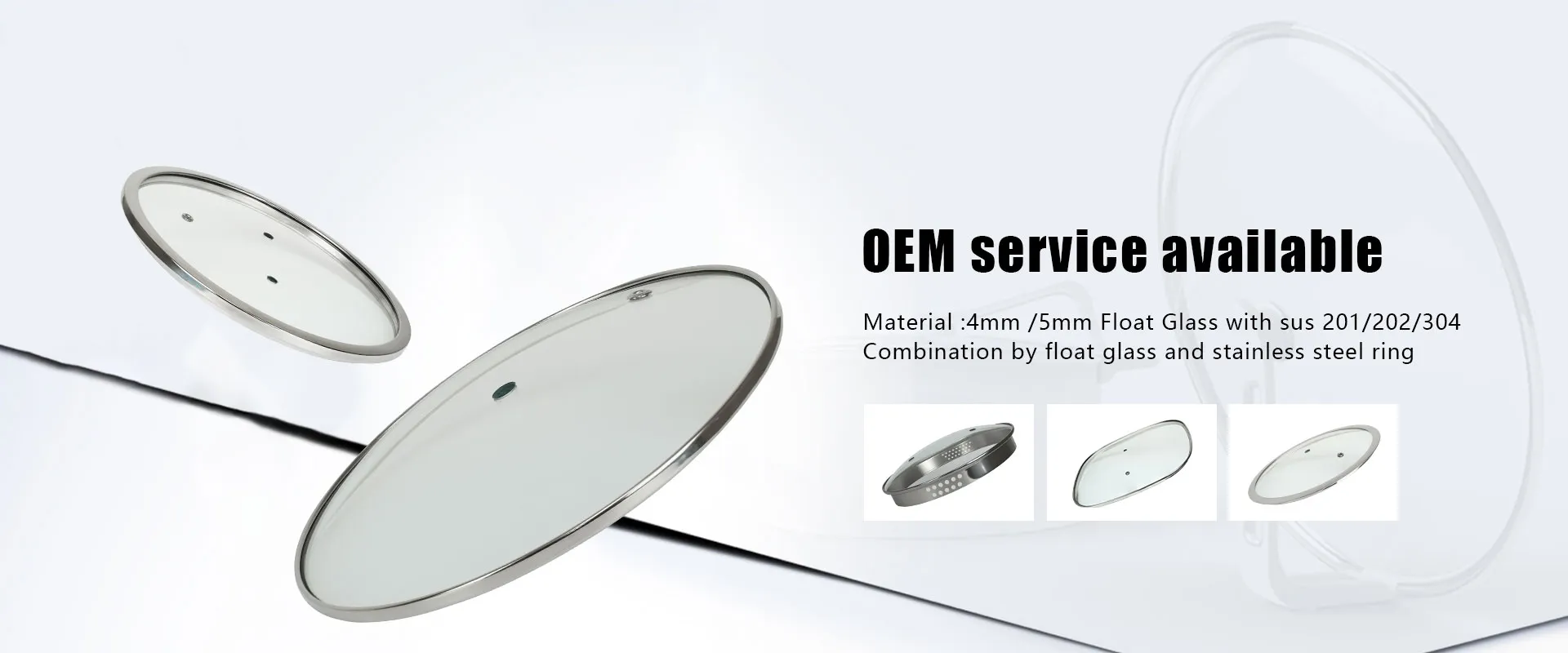
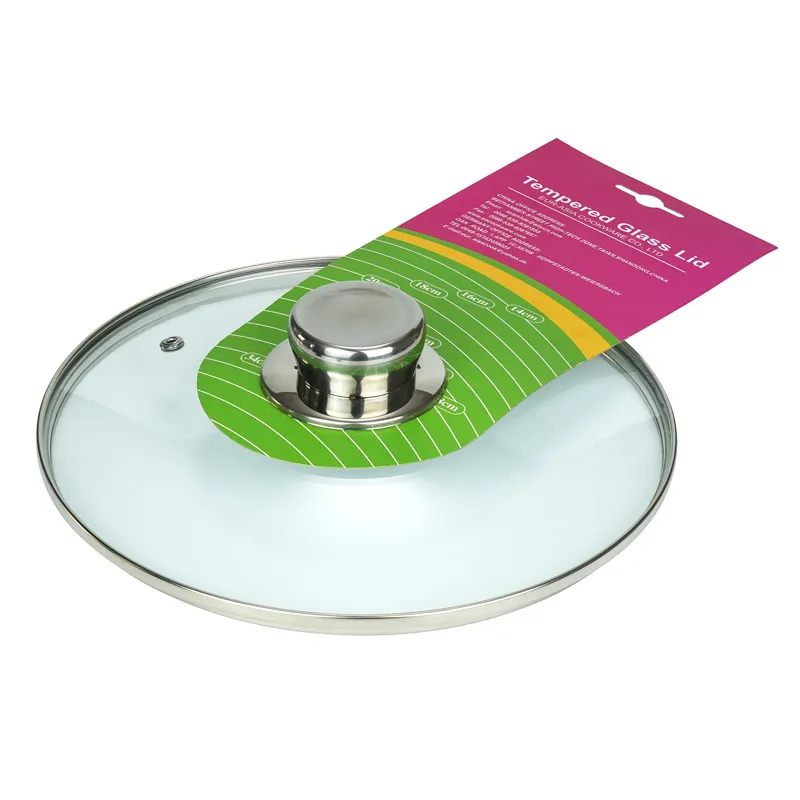
This is where sourcing from a specialist makes a tangible difference. A company like EUR-ASIA COOKWARE CO.,LTD, for instance, with their focus on tempered glass lids, understands this stress point engineering. Their production base in Shandong's High-tech Zone isn't just a location detail; it speaks to a scale (15 million pieces annually) that allows for dedicated R&D on lid-specific glass treatment. When 90% of output goes to markets like Germany and Japan, you're dealing with clients who have brutal quality thresholds for kitchen and barware. Their expertise in glass lid manufacturing directly translates to the durability needed for a beer-specific application.
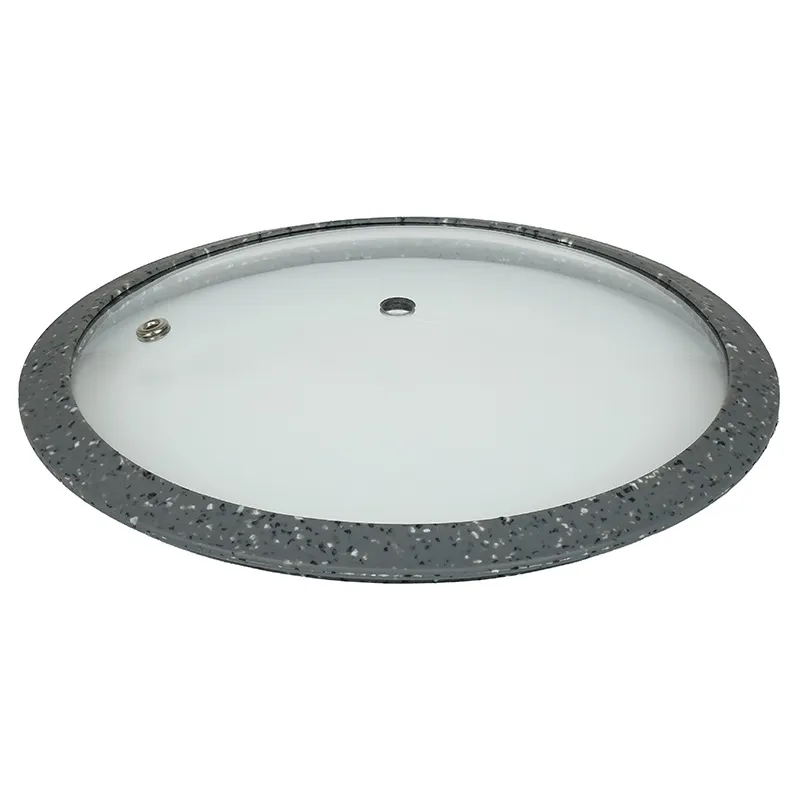
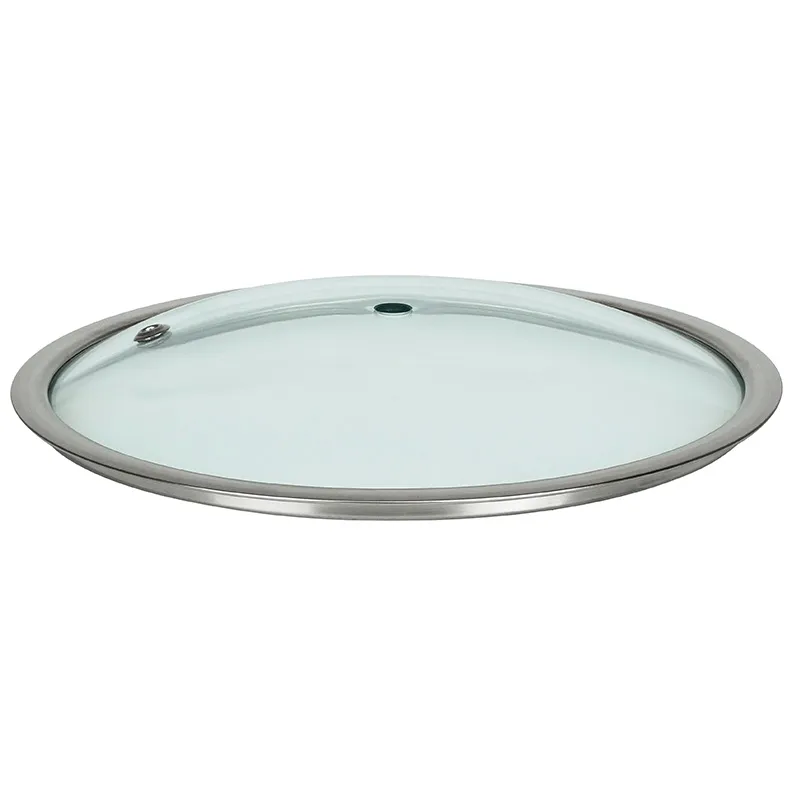
The lid material itself is another layer. Food-grade silicone seals are the norm now, but the hardness (Shore A) matters. Too soft, and it deforms permanently; too hard, and it compromises the seal. The plastic or glass used for the lid body must also have a similar thermal expansion coefficient to the glass. Mismatch here leads to lids that are either too loose or impossibly tight after a dishwasher cycle. It's these silent material dialogues that define a product's lifespan.
The Sealing Mechanism: Where Most Concepts Fail
This is the heart of it. A flip-top, a screw-on, a simple press-fit? Each has its trade-offs. The romantic idea is a hinged ceramic or metal flip-top like on a German stein. For mass production and safety (think breakage), modern versions use reinforced polypropylene. The hinge pin wear over thousands of open-close cycles is a real thing. We tested a prototype where the hinge loosened after simulated heavy use, causing the lid to rattle—a death sentence for perceived quality.
A screw-on lid offers the best seal, hands down. It's great for transport or growlers. But for a drinking glass, it's clunky. The threading needs to be coarse enough to engage quickly but fine enough to seal liquid. It also adds cost. The press-fit with a silicone gasket is the elegant middle ground, but the tolerance is microscopic. A difference of 0.5mm in the glass rim's outer diameter across a production run can turn a snug fit into a wobbly mess or a lid you need a tool to pry off. Consistency in the glass manufacturing, like the kind EUR-ASIA COOKWARE CO.,LTD achieves for its core glass products, is non-negotiable here. You can view their approach to precision at https://www.glass-lid.com—their entire business is built on this kind of consistency for lid applications.
Then there's the vent. A completely airtight seal on a carbonated drink is a potential mini-bomb. Some designs incorporate a tiny, recessed vent channel in the silicone or a minuscule pinprick in the lid itself to allow minimal, controlled pressure equalization. It's a detail most consumers will never notice, but its absence they certainly will.
User Experience: The Unspoken Friction Points
How does the lid feel when you drink from it? Does it hit your nose? Does the liquid flow cleanly, or does it create a weird suction or turbulence? We once designed a lid with a very small drinking aperture for spill prevention. It worked too well—it created a vacuum effect that made the user suck air awkwardly after each sip. Back to the drawing board. The lip of the lid must be thin and smooth, mirroring the feel of the glass rim itself.
Stackability is another huge one for commercial bars. A beer glass with lid that doesn't stack with its siblings is a storage nightmare. This often means the lid profile must be nearly flat, which conflicts with the desire for an ergonomic drinking hole or a prominent handle. It's a constant negotiation between form and warehouse reality.
And cleaning. That intricate hinge or deep gasket groove is a magnet for soap residue and bacteria. A design that can be fully disassembled by a busy bartender in three seconds is worth its weight in gold. If it requires a tool or lengthy soaking, it'll be hated and eventually abandoned.
The Niche and The Application
So who actually needs this? It's more niche than you'd think. High-volume outdoor beer gardens and festivals are the prime market. It's about hygiene (keeping bugs out) and reducing spillage-related losses. Another growing segment is the premium takeaway or delivery for craft breweries—a branded, lidded glass as part of the purchase. It elevates the offering from a disposable container to a branded experience.
There's also the home market for serious enthusiasts. Someone who brews their own beer might use a lidded glass for controlled sampling or to take a sample to a friend's. It's a small but discerning market that values function over gimmickry. For a manufacturer, aligning with a partner that understands diverse market needs is key. A supplier with a broad export footprint, like EUR-ASIA COOKWARE, which ships to markets from Europe to South America, has likely encountered and solved for these varied regional and application-specific demands across their household glass products range.
The failure is in trying to make a one-size-fits-all beer glass with lid. A design perfect for a Munich-style biergarten might be wrong for a Brazilian churrascaria. Climate (humidity affecting seals), serving traditions, and even dishwasher water pressure vary. A successful product line often needs 2-3 variants.
Final Thoughts: It's a Component, Not an Accessory
The biggest shift in thinking is to stop viewing the lid as an add-on. It must be engineered in tandem with the glass from day one. The rim thickness, the curvature, the tempering process—all are influenced by the decision to have a lid. It's an integrated system.
Working with OEM specialists who treat the lid as a core component, not a novelty, changes the outcome. You start discussing stress distribution and annealing curves, not just colors and logos. The product transitions from a marketing idea to a reliable piece of functional ware.
In the end, a successful beer glass with lid disappears in use. It feels solid, seals reliably, drinks smoothly, and cleans easily. When it works, no one comments on it. And in this business, that silence is the best review you can get. The goal isn't to be noticed, but to be depended upon, glass after glass, wash after wash.
Related Products
Related Products