- Chinese
- French
- German
- Portuguese
- Spanish
- Russian
- Japanese
- Korean
- Arabic
- Irish
- Greek
- Turkish
- Italian
- Danish
- Romanian
- Indonesian
- Czech
- Afrikaans
- Swedish
- Polish
- Basque
- Catalan
- Esperanto
- Hindi
- Lao
- Albanian
- Amharic
- Armenian
- Azerbaijani
- Belarusian
- Bengali
- Bosnian
- Bulgarian
- Cebuano
- Chichewa
- Corsican
- Croatian
- Dutch
- Estonian
- Filipino
- Finnish
- Frisian
- Galician
- Georgian
- Gujarati
- Haitian
- Hausa
- Hawaiian
- Hebrew
- Hmong
- Hungarian
- Icelandic
- Igbo
- Javanese
- Kannada
- Kazakh
- Khmer
- Kurdish
- Kyrgyz
- Latin
- Latvian
- Lithuanian
- Luxembou..
- Macedonian
- Malagasy
- Malay
- Malayalam
- Maltese
- Maori
- Marathi
- Mongolian
- Burmese
- Nepali
- Norwegian
- Pashto
- Persian
- Punjabi
- Serbian
- Sesotho
- Sinhala
- Slovak
- Slovenian
- Somali
- Samoan
- Scots Gaelic
- Shona
- Sindhi
- Sundanese
- Swahili
- Tajik
- Tamil
- Telugu
- Thai
- Ukrainian
- Urdu
- Uzbek
- Vietnamese
- Welsh
- Xhosa
- Yiddish
- Yoruba
- Zulu
- Kinyarwanda
- Tatar
- Oriya
- Turkmen
- Uyghur


best stainless steel cookware with glass lids
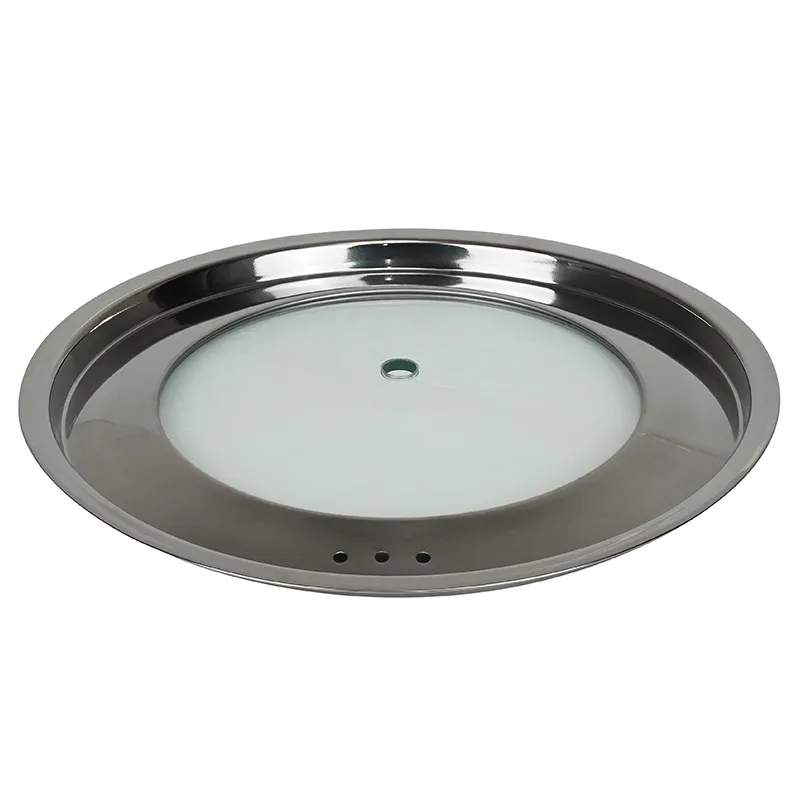
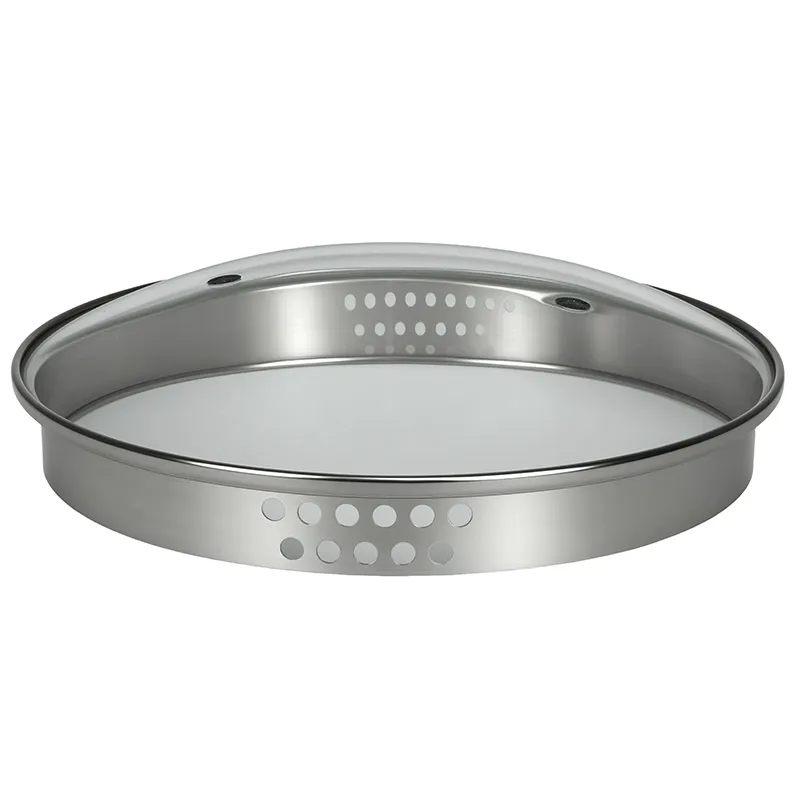
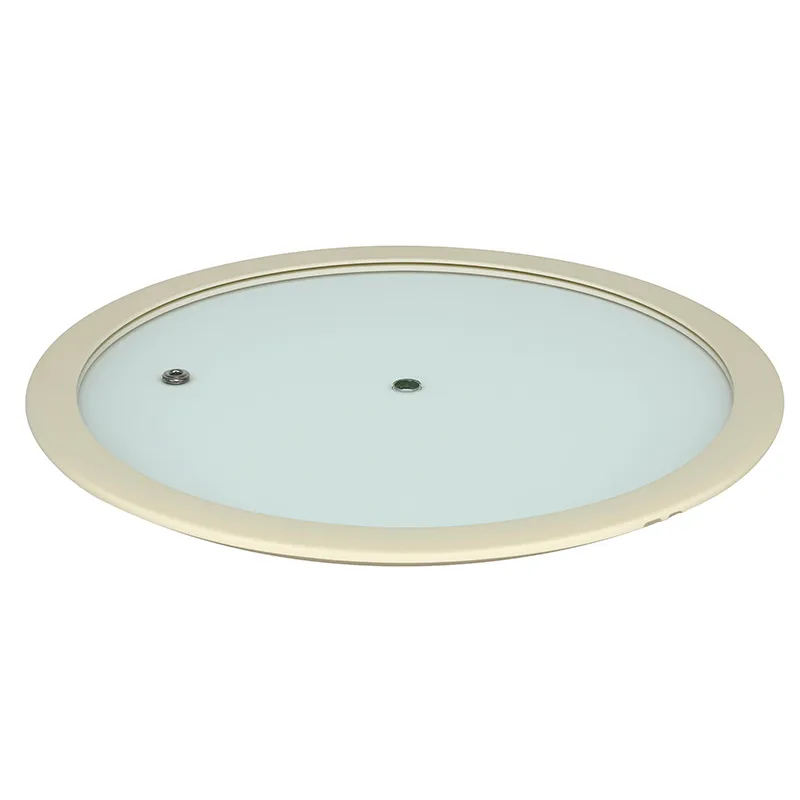
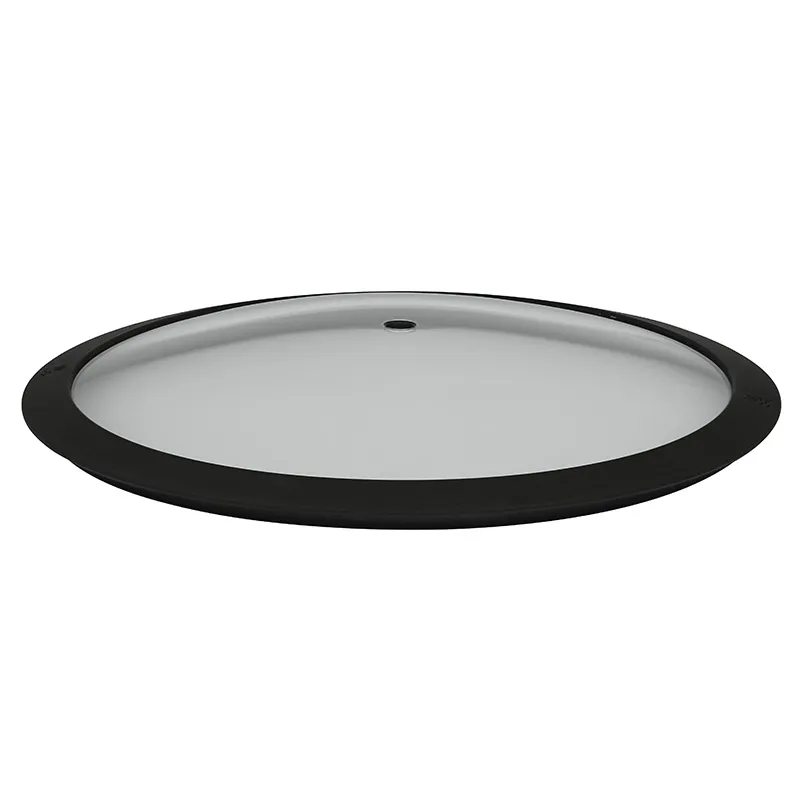
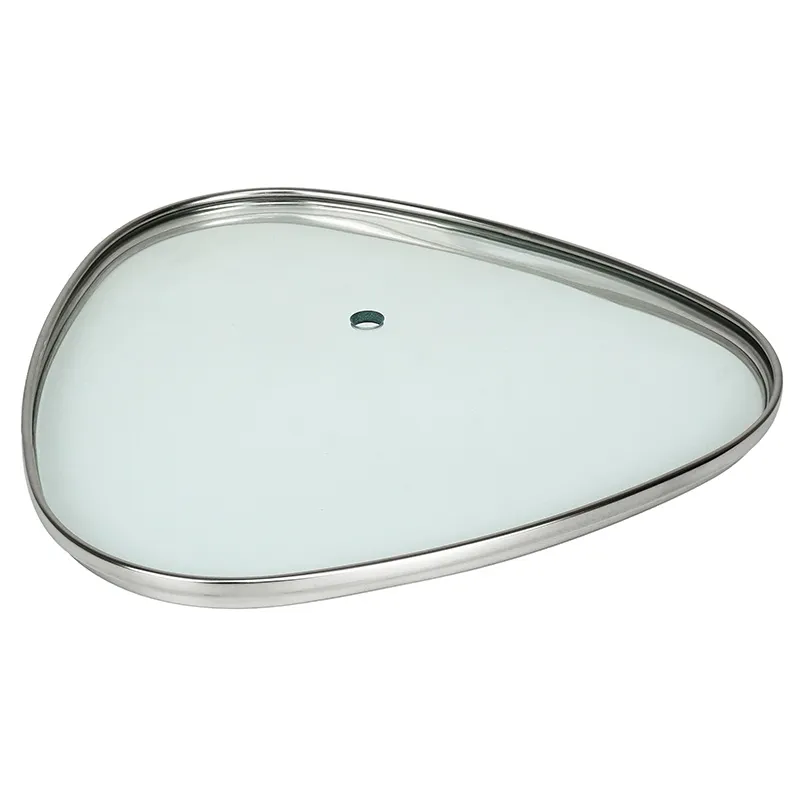
When you hear 'best stainless steel cookware with glass lids', a lot of folks immediately picture a shiny, perfect set in a department store ad. The reality, from years of sourcing and testing, is more nuanced. That glass lid isn't just a window; it's often the weakest link in an otherwise bulletproof pot. The quest isn't just for a lid you can see through, but for a system where the lid and the pot are truly partners, not an afterthought. Many high-end brands outsource their lids, and that's where the mismatch in quality often happens.
The Core Problem: It's a Marriage, Not a Date
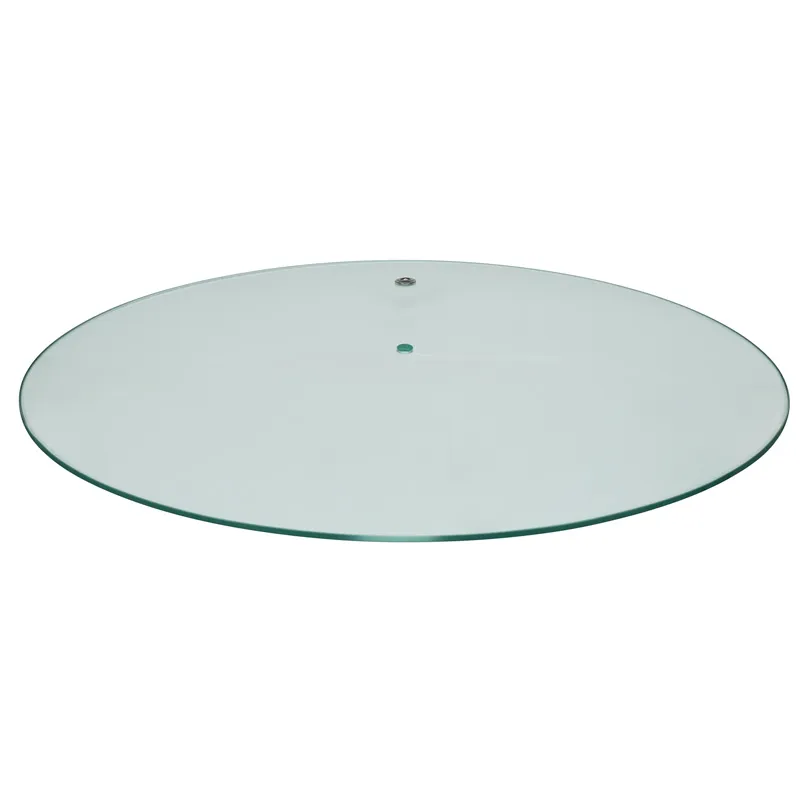
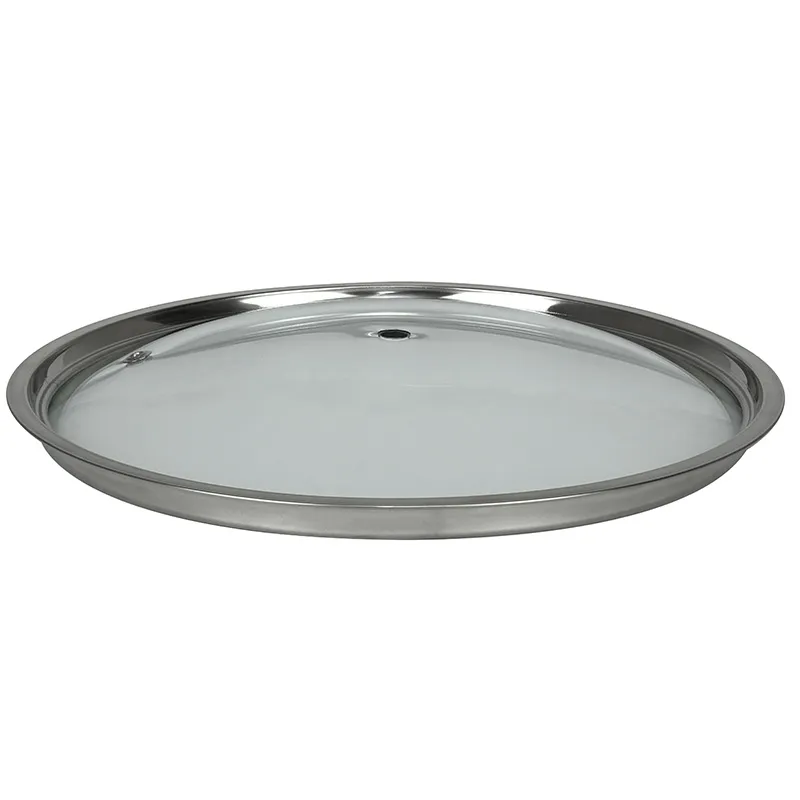
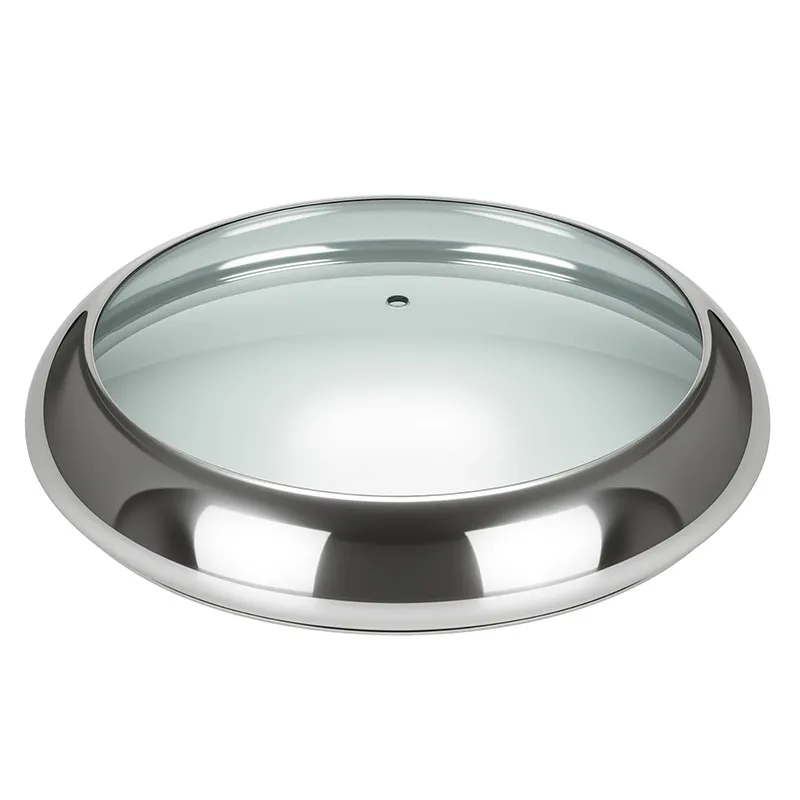
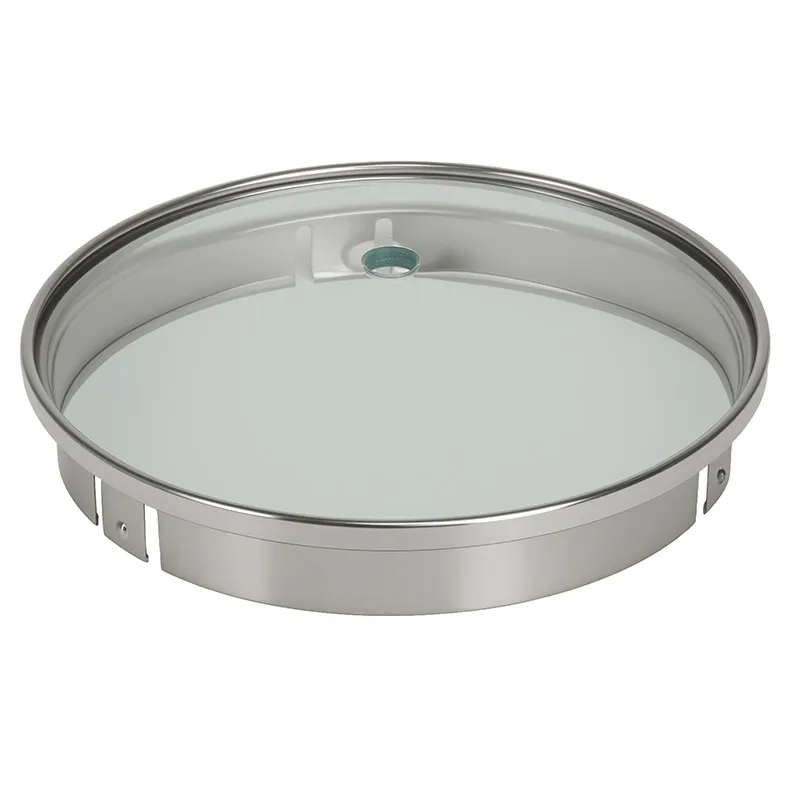
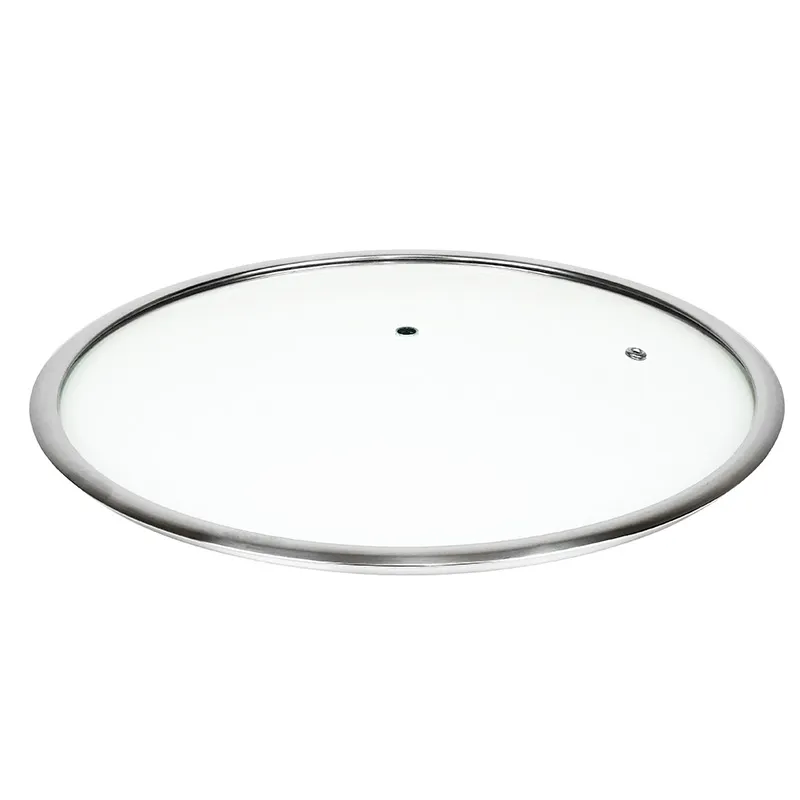
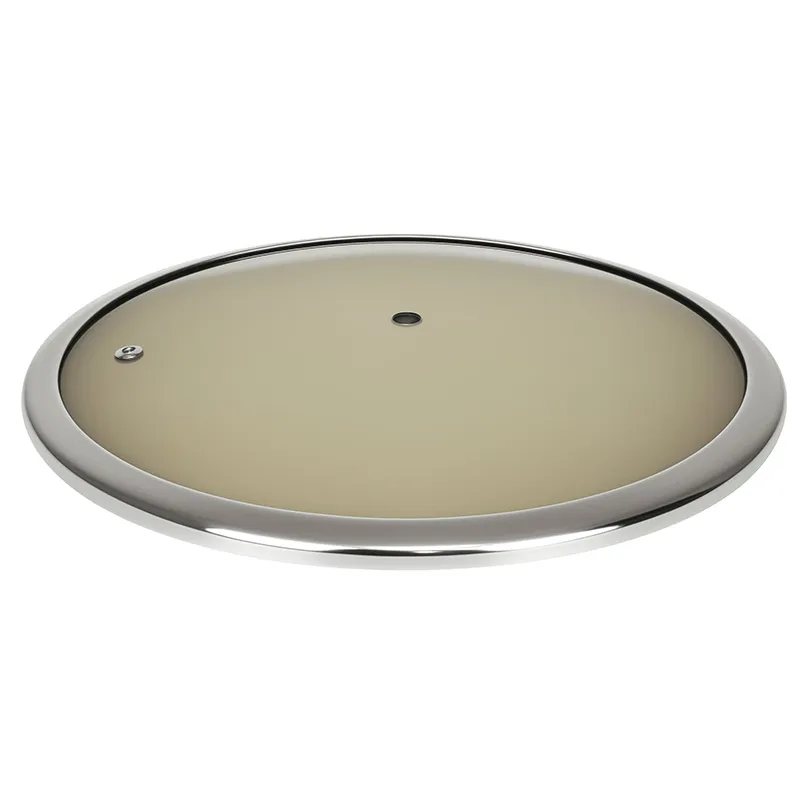
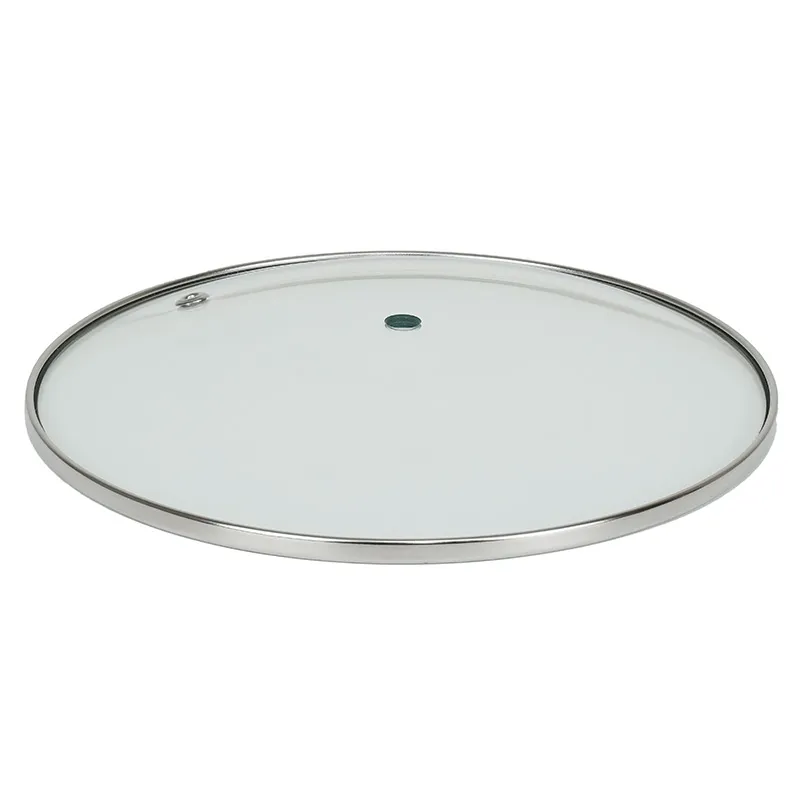
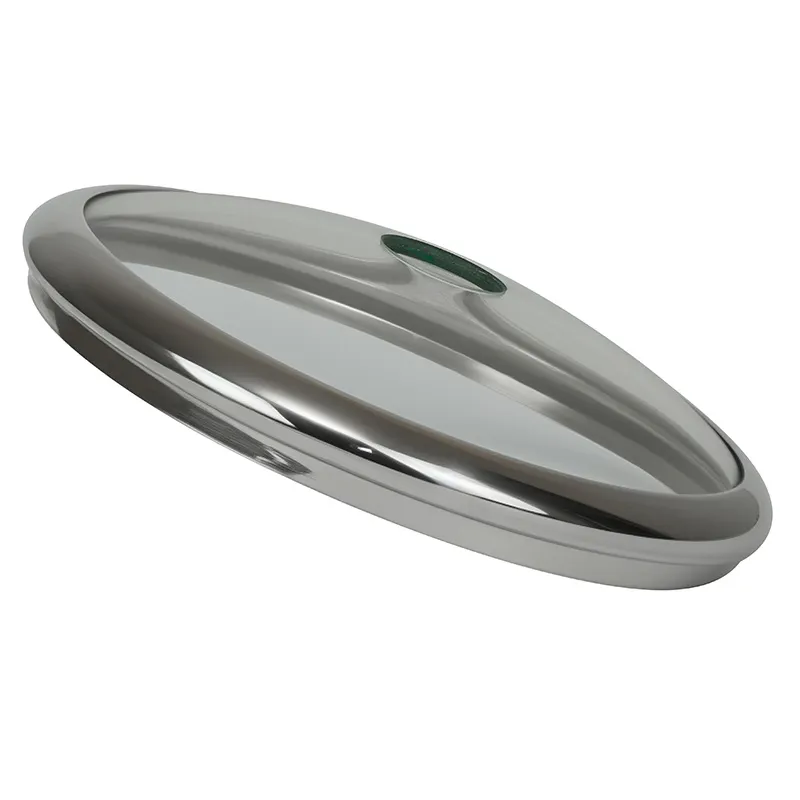
Stainless steel bodies are straightforward. You look at the grade, the ply, the handle riveting. The lid, though, introduces a completely different material. Tempered glass is the only safe option, but 'tempered' covers a vast spectrum. I've seen lids from otherwise decent sets develop micro-fractures after a few months of normal stove-to-sink temperature shocks. The failure point is rarely the center; it's the rim where the glass meets the stainless steel frame, and the quality of that metal frame is everything.
This is where you start looking at manufacturers who specialize in the lid itself. It's a niche. A company like EUR-ASIA COOKWARE CO.,LTD is a perfect example—they're not necessarily a household name for consumers, but in the trade, a factory focused on producing millions of glass lids annually is a key player. Their specialization (glass-lid.com) hints at the scale. When a cookware brand sources from such a specialist, you often get a better-engineered product: the glass thickness, the curvature, the sealing rim are their entire business.
The export list on their site—Germany, Italy, Japan—tells a story. Those markets have brutal safety and durability standards. A lid that passes muster there is likely over-engineered for most home kitchens, which is exactly what you want. It's a behind-the-scenes detail that matters more than the brand name stamped on the handle.
Handle and Hinge: The Devil's in the Details
Assuming the glass itself is sound, the next failure point is the hardware. A glass lid needs a handle and often a hinge or steam vent. Cheap sets use thin, hollow stainless or even plastic handles that get dangerously hot. The best ones use solid, often phenolic, handles that stay cool and are secured with robust, wide-base screws or rivets that distribute pressure.
Hinges are a trickier beast. A good stainless steel lid with a hinged glass top is a luxury, but it adds complexity. The hinge mechanism must withstand constant thermal expansion and contraction. I've tested sets where the hinge loosened over time, creating a wobbly lid that no longer seals. Now, I often prefer a simple, well-made lift-off lid. It's one less thing to break. The steam vent, if it exists, should be a solid stainless steel knob, not a flimsy plastic insert that melts or discolors.
Here's a practical test: hold the lid by its handle and tap the glass rim gently on a wooden countertop. Listen. A solid, dull 'thud' suggests good, thick glass and a secure bond. A higher-pitched, tinny ring can signal thinner glass or a poor seal at the rim. It's not scientific, but it's a quick field check that's saved me from a few bad purchases.
The Body Still Dictates Performance
It's easy to get fixated on the lid, but you're buying a cooking vessel. The stainless steel cookware body must be the priority. A gorgeous glass lid on a thin, warping tri-ply pot is a waste. Look for fully-clad construction—aluminum or copper core extending up the sides. This ensures even heating, which, ironically, also reduces thermal shock on the glass lid. A hot spot on a cheap pot creates a massive temperature gradient across the glass, stressing it unnecessarily.
Weight is a good proxy. Pick up the pot. It should have a substantive, dense feel. The handle should be firmly riveted with no sharp edges. The finish should be satin or brushed, not mirror-polished, which shows every scratch. The best sets understand that the pot and lid are a unit. The lid should sit snugly, with a slight resistance when you rotate it, indicating a good seal—not airtight, but enough to control moisture.
A Case of Mismatch and a Lesson Learned
I once sourced a batch of what looked like premium stainless steel cookware with glass lids for a client. The pots were excellent German-made tri-ply. The lids, sourced separately to cut costs, came from a generic supplier. They fit, visually. But within six months, complaints trickled in. Lid handles loosening. A few glass centers cracking during rapid cooling. The failure was in the specification. The lid's metal rim was a lower-grade steel that expanded at a slightly different rate than the pot, creating constant, low-grade stress on the glass. The lesson was brutal: compatibility in cooking is physics, not aesthetics.
That's why I now look for brands that either manufacture both in-house with tight tolerances or openly partner with dedicated lid specialists. The product description matters. Tempered glass lid is bare minimum. Commercial-grade, 4mm tempered glass lid with stainless steel rim and cool-touch phenolic handle shows they're specifying details. It's those details that separate a good product from the best stainless steel cookware sets.
It also makes you appreciate the scale of a operation like EUR-ASIA COOKWARE. An annual output of 15 million pieces means they've likely seen every failure mode and engineered against it. Their focus on tempered glass lids for export suggests they're dealing with OEM clients who have stringent technical datasheets, not just price points.
So, What Does Best Look Like in Practice?
Forget the dream of a single best brand. It's about identifying the best combination of features for your use. For a home cook who wants durability and clarity, look for a reputable mid-to-high-end brand known for clad construction (All-Clad, Demeyere, or even the higher-end lines of Cuisinart) and examine their lid specs closely. The lid should be as heavy and well-finished as the pot feels.
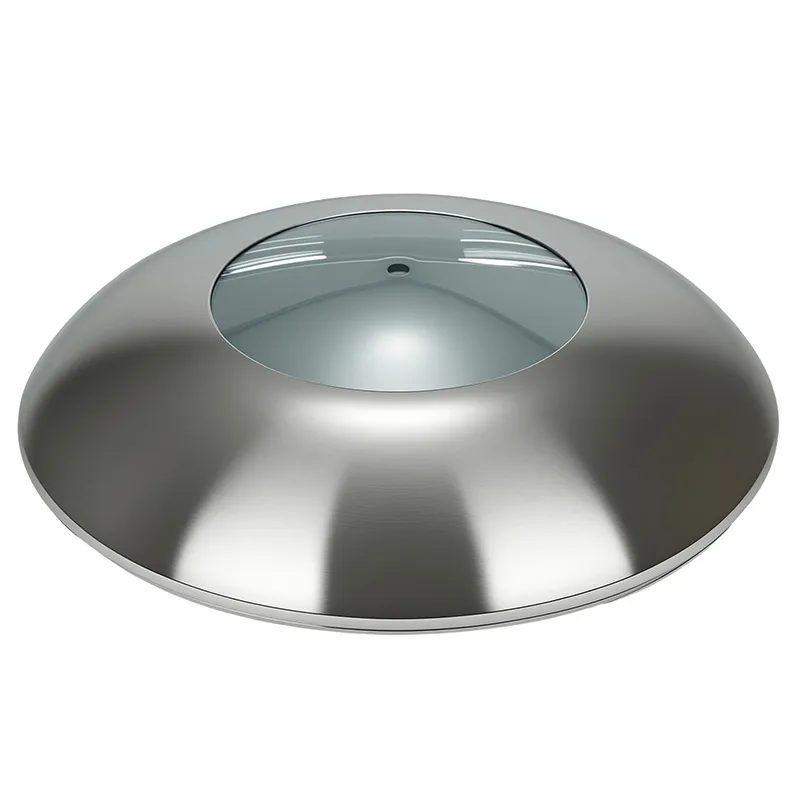
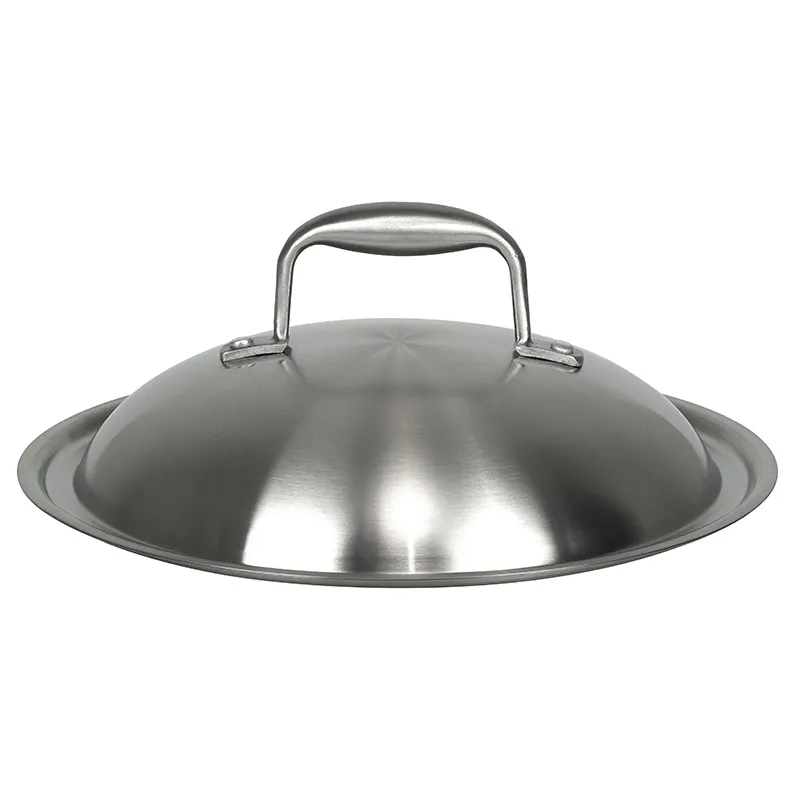
For a commercial setting or a supremely pragmatic home cook, consider that a solid stainless steel lid is often more durable and provides better heat retention for braising. The glass lid is a convenience, not a necessity. Its primary job is visual monitoring, not sealing. If you need a tight seal for precise simmering, a Dutch oven with a heavy, self-basting lid is a better tool.
Ultimately, the best stainless steel cookware with glass lids acknowledges the compromise. It doesn't treat the glass as a cheap add-on but engineers the entire system—from the clad base to the tempered glass center—to work as a coherent tool. It's out there. You find it not by looking for the shiniest set, but by picking up the lid, inspecting the rim, checking the handle screws, and remembering that the real quality is often baked into the parts you don't immediately see.
Related Products
Related Products