- Chinese
- French
- German
- Portuguese
- Spanish
- Russian
- Japanese
- Korean
- Arabic
- Irish
- Greek
- Turkish
- Italian
- Danish
- Romanian
- Indonesian
- Czech
- Afrikaans
- Swedish
- Polish
- Basque
- Catalan
- Esperanto
- Hindi
- Lao
- Albanian
- Amharic
- Armenian
- Azerbaijani
- Belarusian
- Bengali
- Bosnian
- Bulgarian
- Cebuano
- Chichewa
- Corsican
- Croatian
- Dutch
- Estonian
- Filipino
- Finnish
- Frisian
- Galician
- Georgian
- Gujarati
- Haitian
- Hausa
- Hawaiian
- Hebrew
- Hmong
- Hungarian
- Icelandic
- Igbo
- Javanese
- Kannada
- Kazakh
- Khmer
- Kurdish
- Kyrgyz
- Latin
- Latvian
- Lithuanian
- Luxembou..
- Macedonian
- Malagasy
- Malay
- Malayalam
- Maltese
- Maori
- Marathi
- Mongolian
- Burmese
- Nepali
- Norwegian
- Pashto
- Persian
- Punjabi
- Serbian
- Sesotho
- Sinhala
- Slovak
- Slovenian
- Somali
- Samoan
- Scots Gaelic
- Shona
- Sindhi
- Sundanese
- Swahili
- Tajik
- Tamil
- Telugu
- Thai
- Ukrainian
- Urdu
- Uzbek
- Vietnamese
- Welsh
- Xhosa
- Yiddish
- Yoruba
- Zulu
- Kinyarwanda
- Tatar
- Oriya
- Turkmen
- Uyghur


blue diamond cookware lids
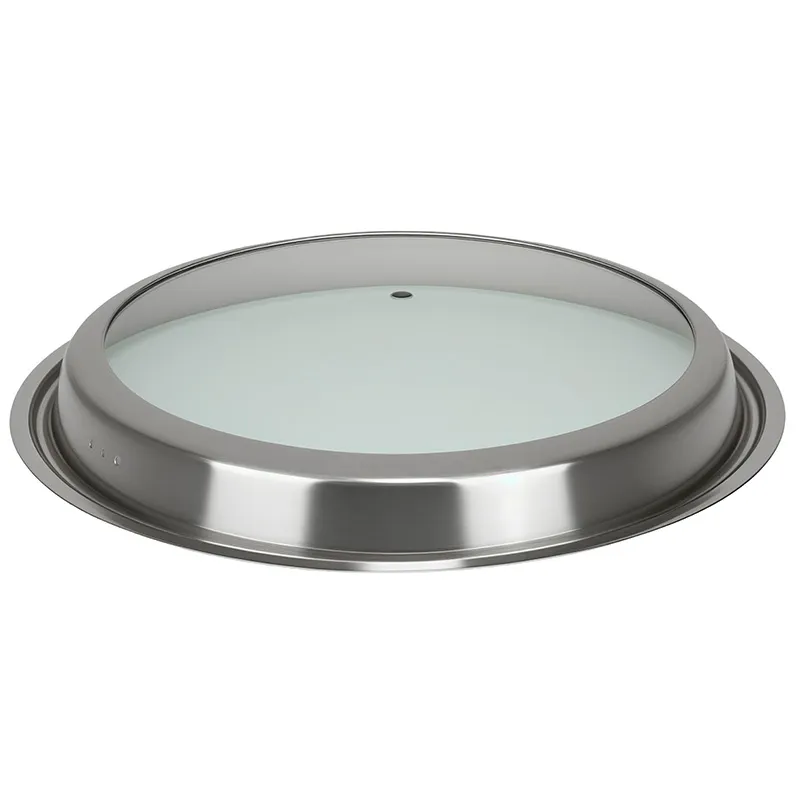
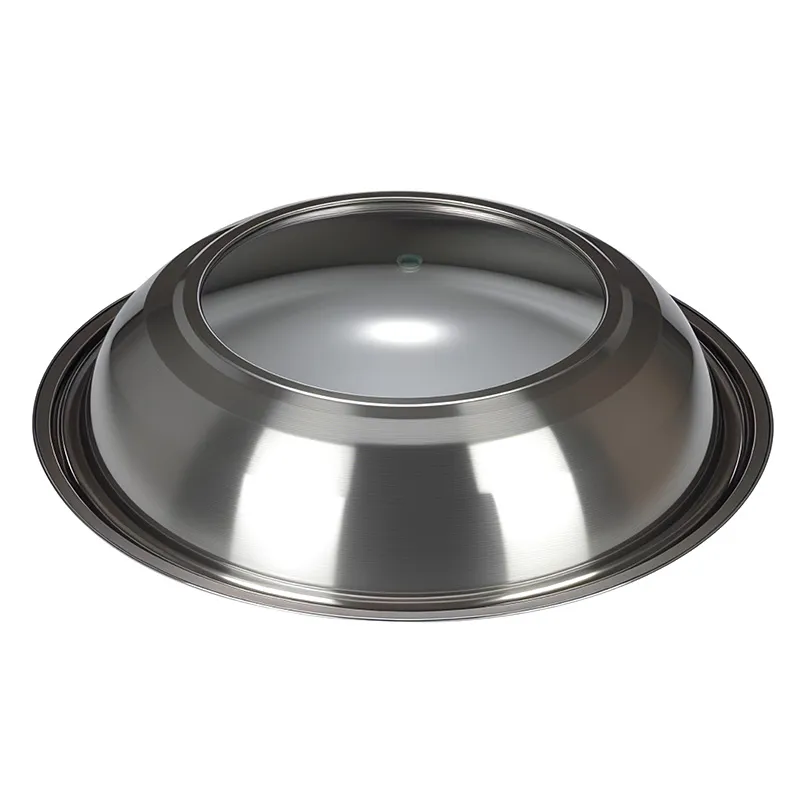
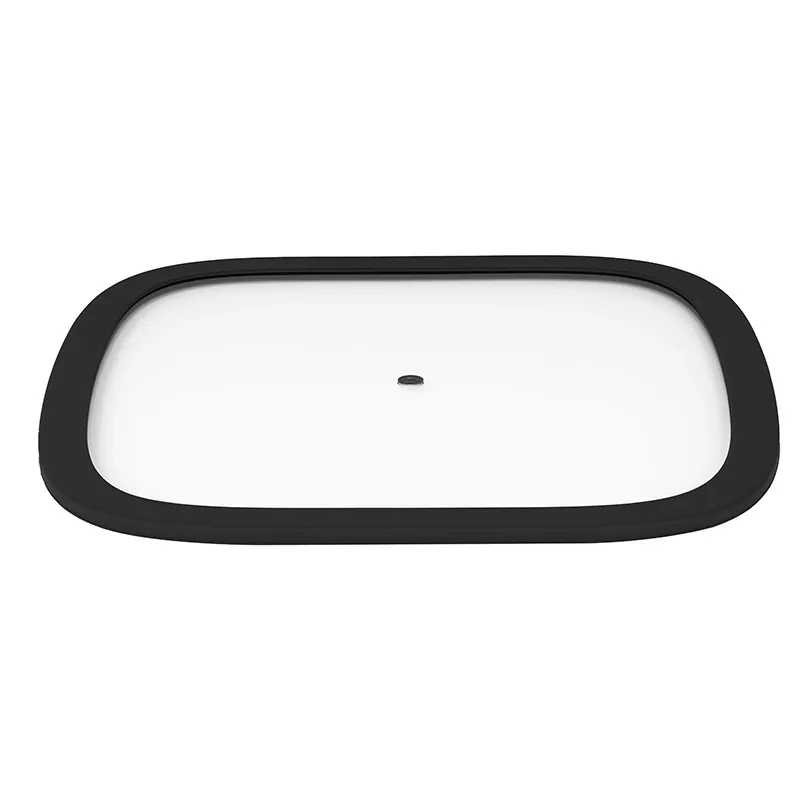
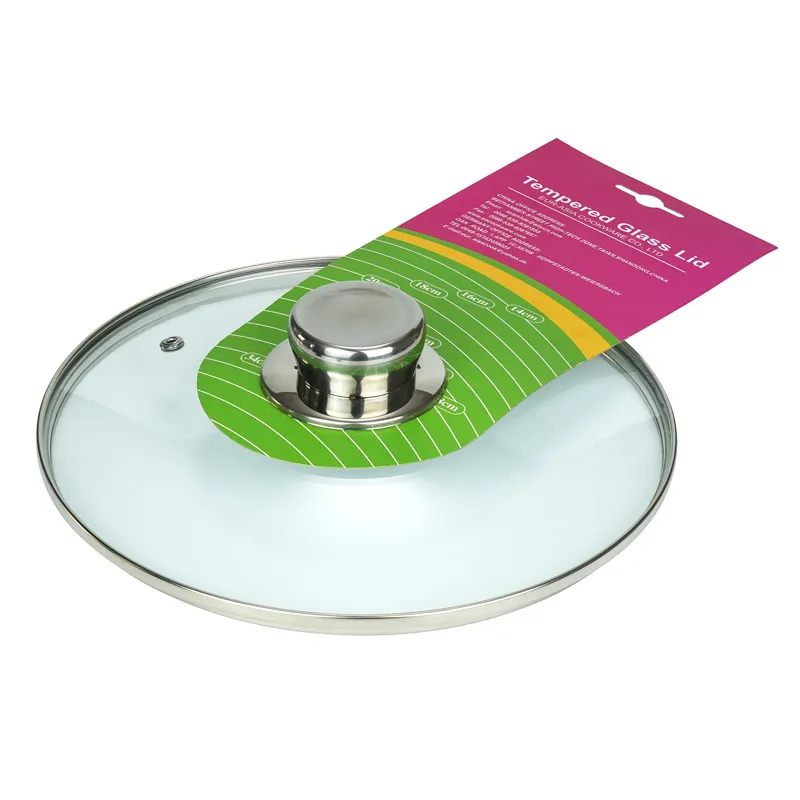
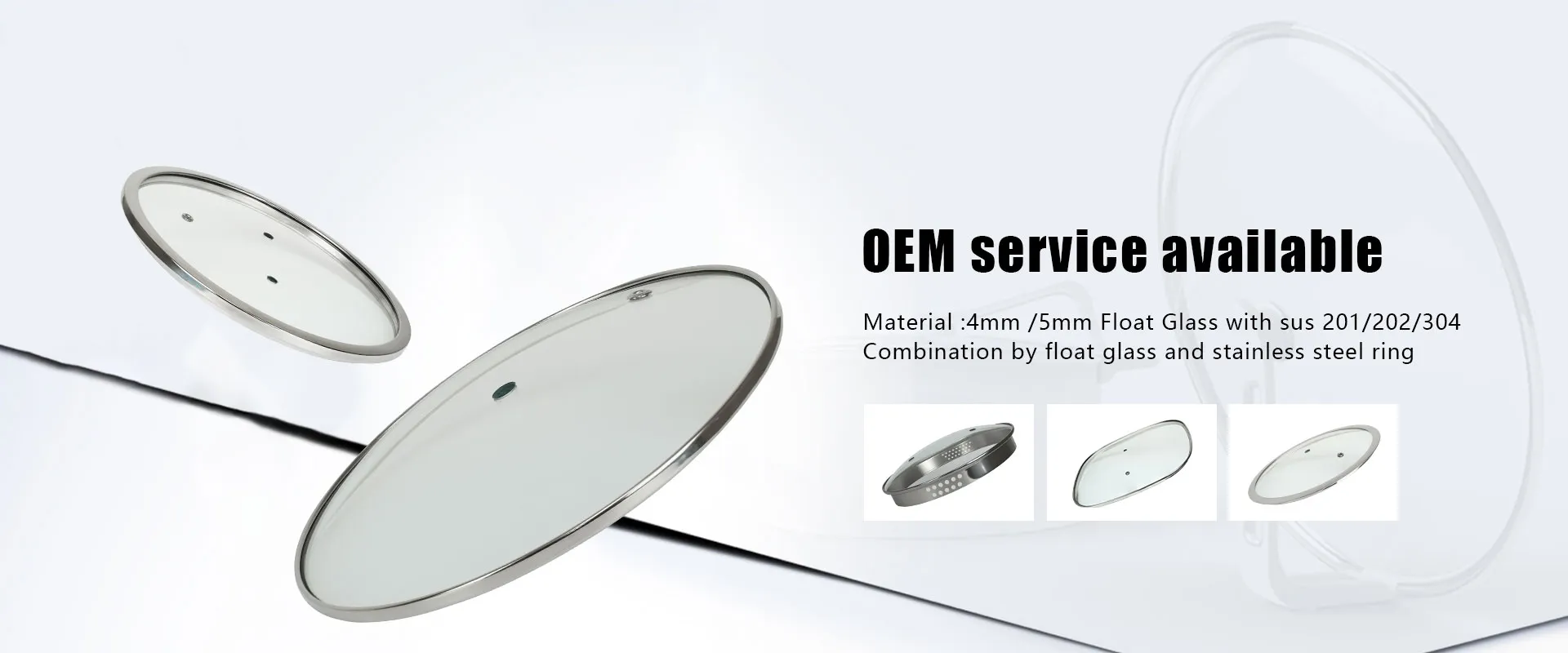
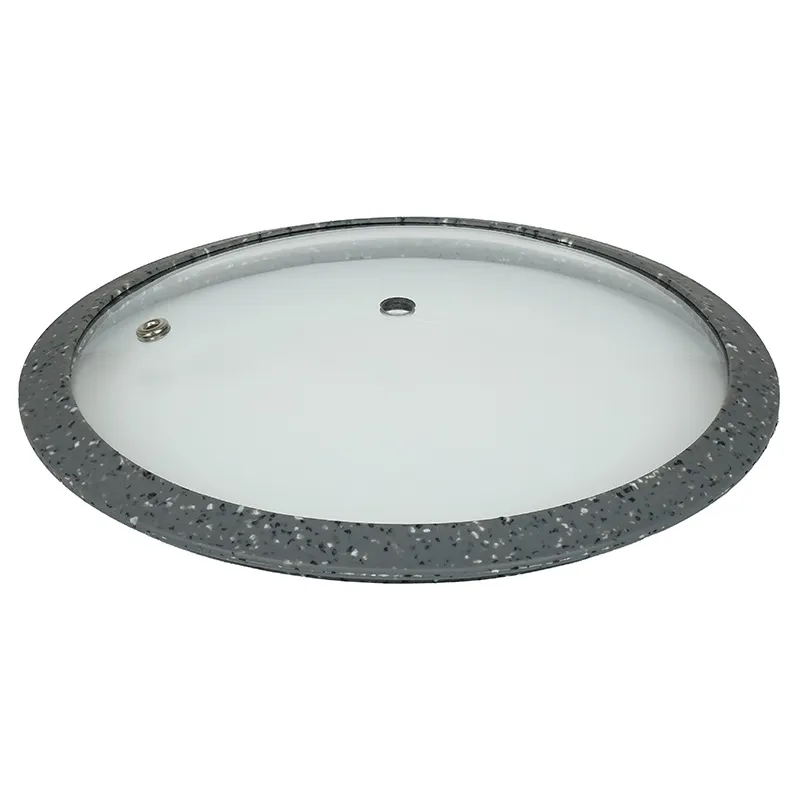
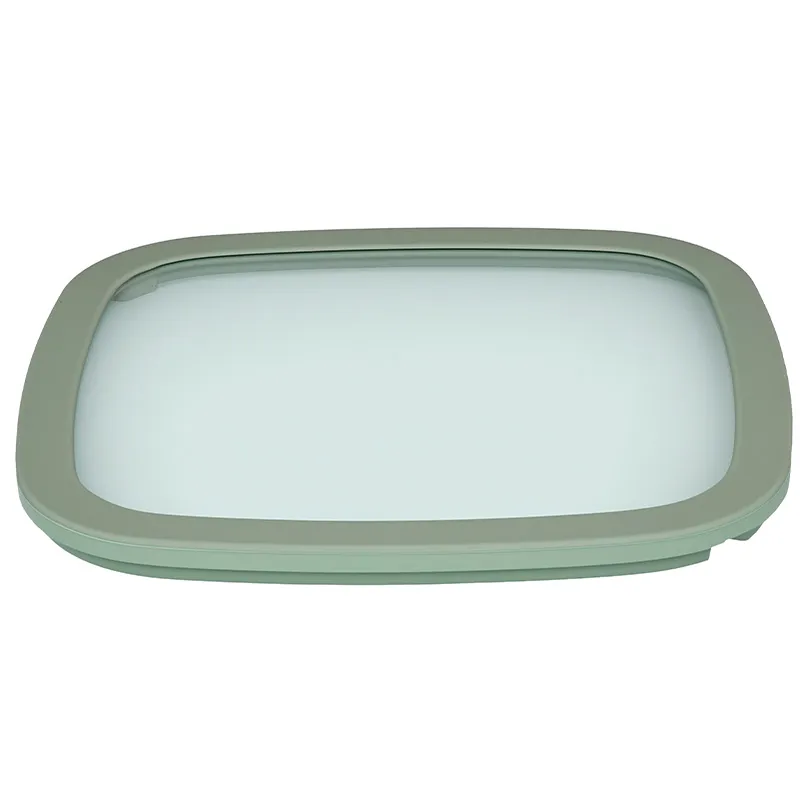
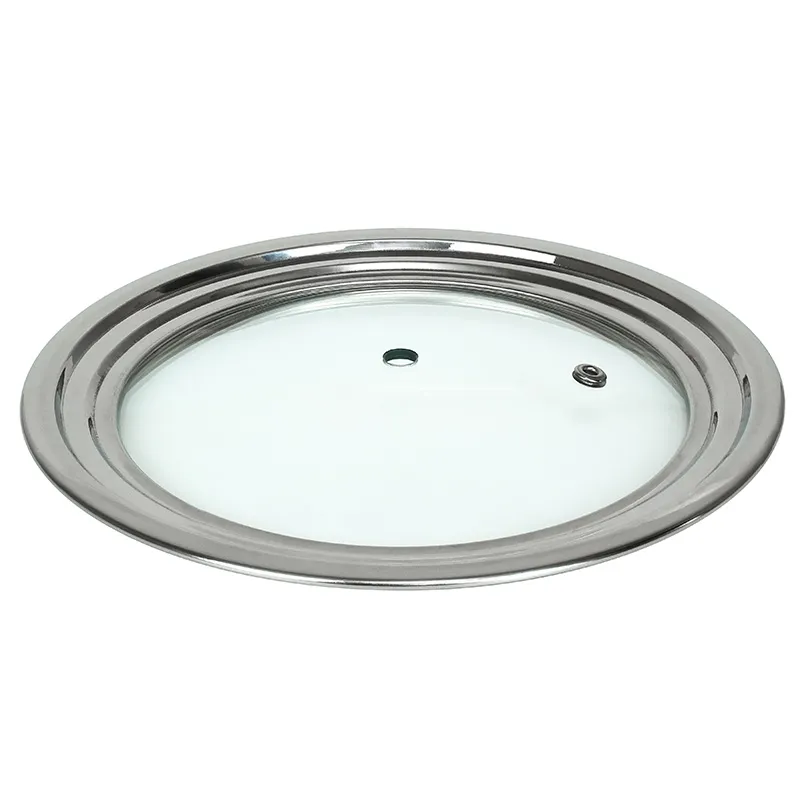
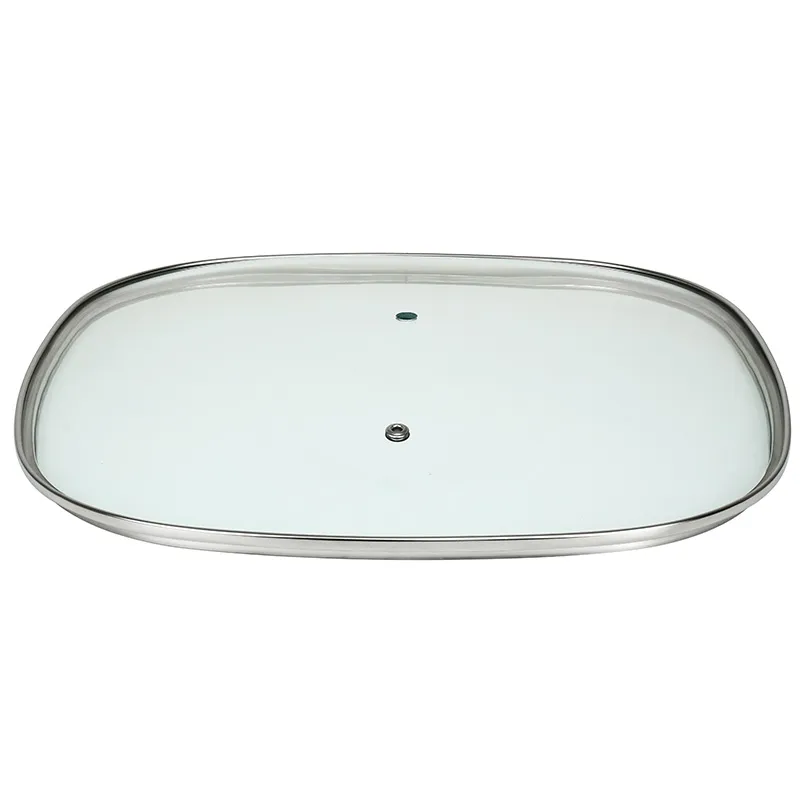
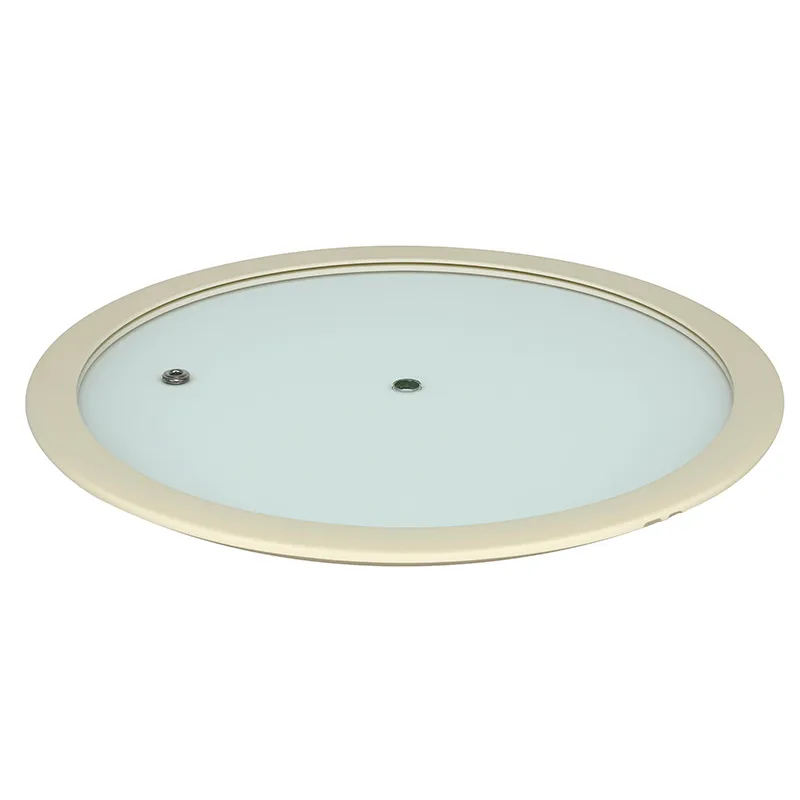
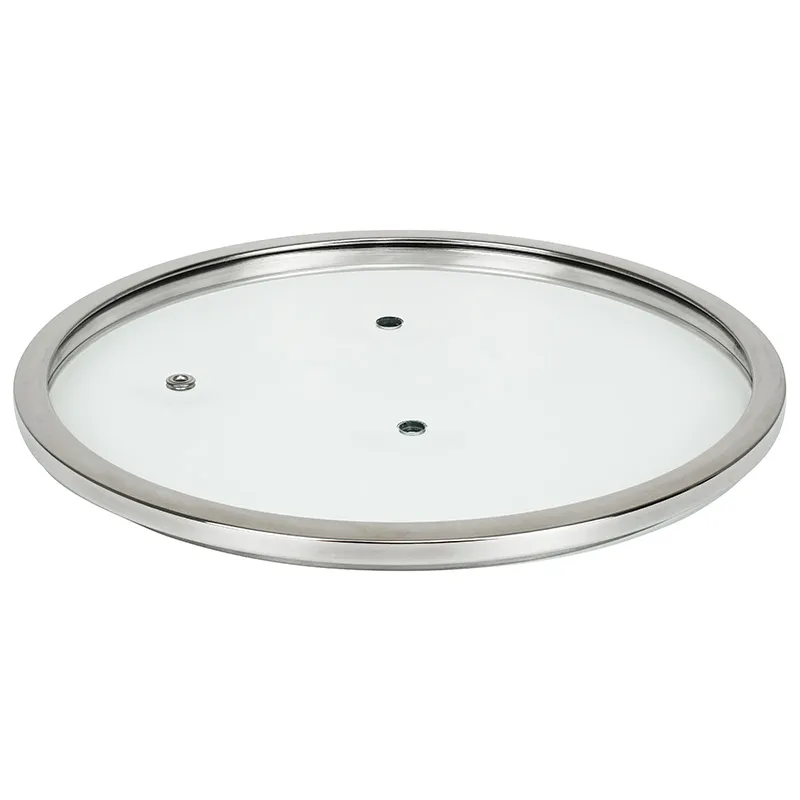
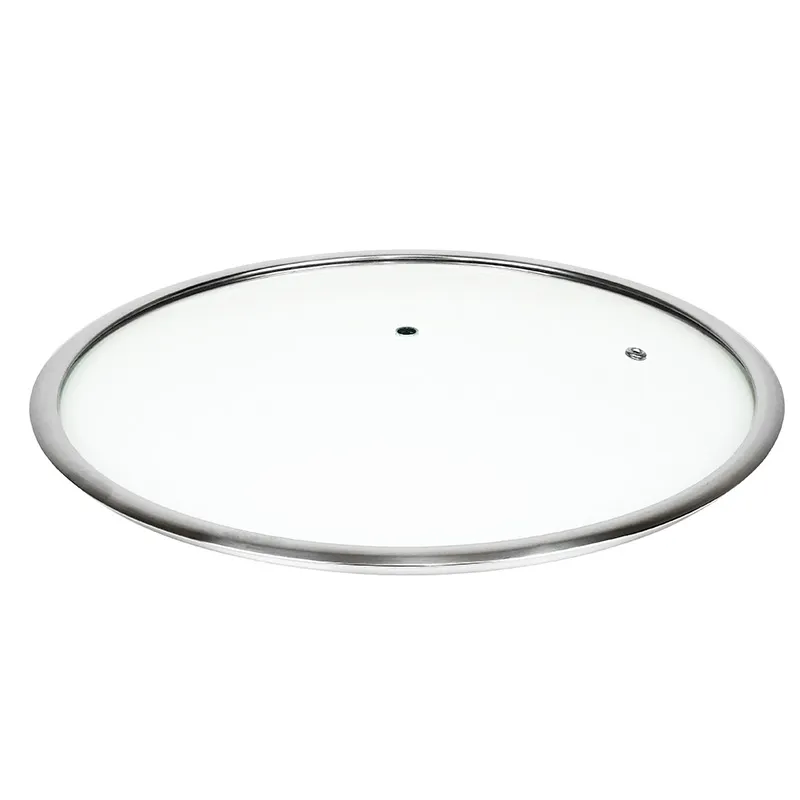
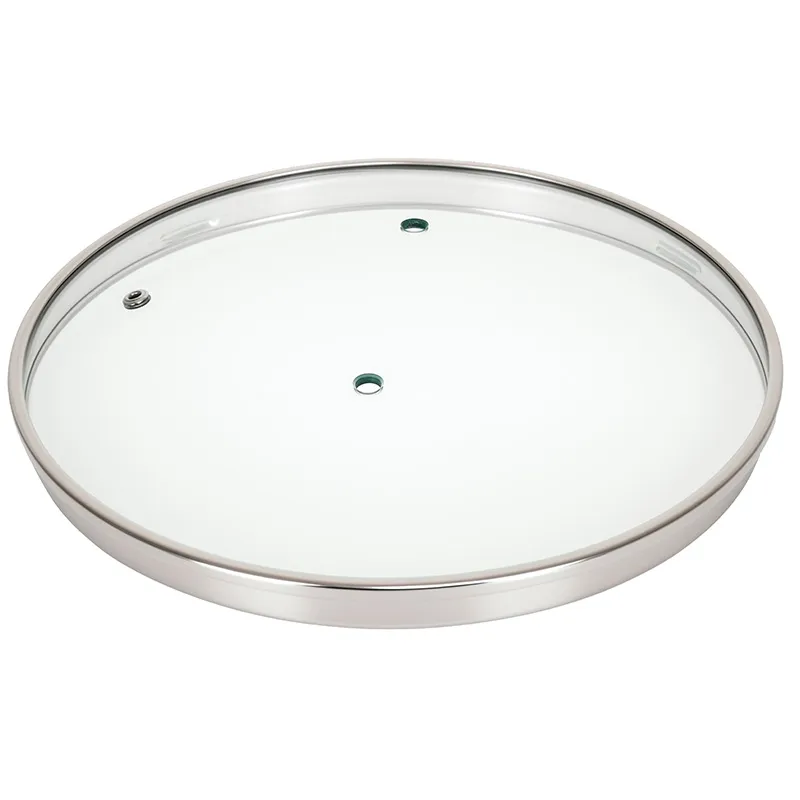
When most people hear 'blue diamond cookware', they think of the non-stick ceramic coating—the pans themselves. The lids are an afterthought. That's the first mistake. In my years sourcing and testing components for European and North American kitchenware brands, I've seen too many projects stumble on the lid. A premium pan paired with a generic, ill-fitting lid undermines the entire system's performance, especially under high heat. The thermal shock resistance, the seal, the handle ergonomics—they're not just 'covers'. They're integral to moisture retention, energy efficiency, and safety. Let's talk about why the blue diamond cookware lids specifically, or more accurately, the tempered glass lids designed for these lines, demand their own rigorous specification sheet.
The Material Reality: It's Not About the Blue Color
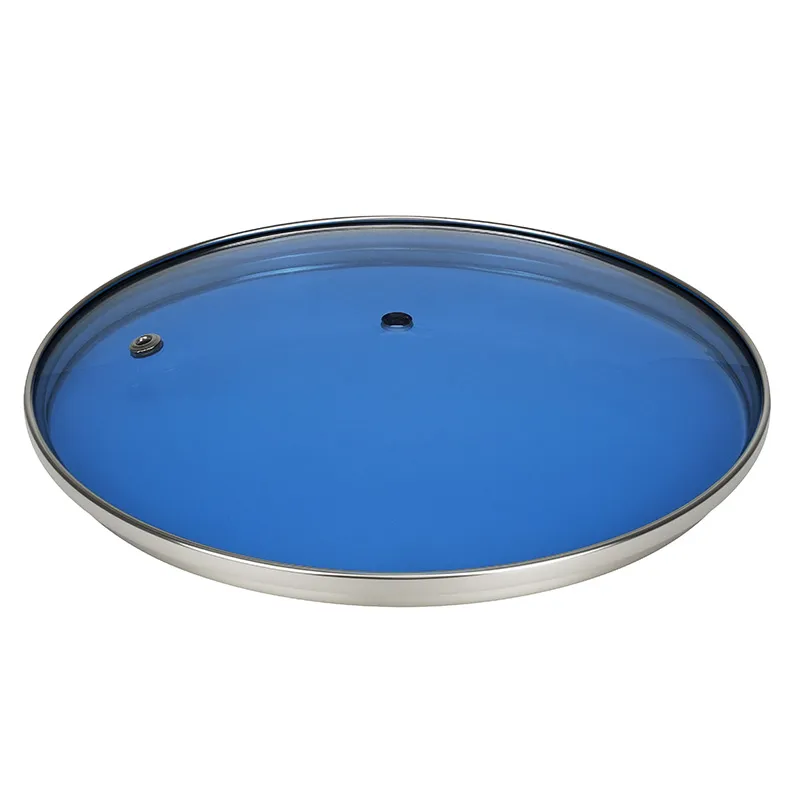
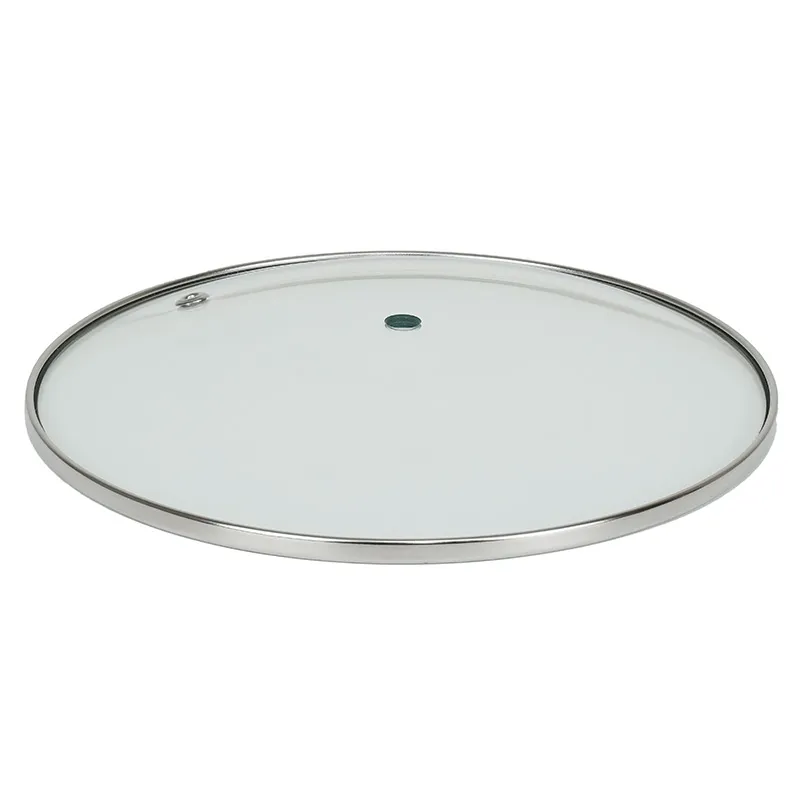
There's a common misconception. The 'blue diamond' refers to the ceramic coating on the pan's interior. The lid is almost always clear, tempered glass—or should be. I've had clients ask for a 'blue-tinted glass lid' to match aesthetically. It's possible, but it often introduces impurities that can compromise the glass's thermal stability. The priority is performance: the glass must withstand the rapid temperature change from a searing 220°C pan to a cool, wet countertop without shattering. That's where the engineering focus lies, not on color matching.
We learned this the hard way on an early project. We sourced aesthetically perfect lids with a slight blue hue from a decorative glass factory. They looked fantastic in the box. The first round of consumer testing in Germany resulted in a 15% failure rate from thermal shock during normal stovetop-to-sink cleaning. The lesson? The substrate material and tempering process are everything. The factory that fixed our problem, EUR-ASIA COOKWARE CO.,LTD, didn't even mention color first. Their spec sheet led with physical properties: thickness tolerance, thermal shock resistance delta-T, and surface compressive stress. That's the language of reliability.
Their production base in Shandong's High-tech Development Zone is set up for volume and consistency. An annual output of 15 million tempered glass lids isn't for the local market; it's for export to markets with strict safety standards. When over 90% of your output goes to Germany, Italy, France, you're not playing around. Their process involves precise oven tempering and rigorous post-production testing, like impact tests and fragment checks, to ensure each lid meets the EN/ISO standards those markets demand. For a blue diamond cookware set destined for EU shelves, this is non-negotiable.
The Fit and Seal: Where Most Generic Lids Fail
Another pitfall is assuming 'universal fit'. The curvature of the pan's rim, the width of the flange—these are proprietary. A lid that sits on the pan versus one that sits in the pan creates two entirely different cooking environments. The former lets too much steam escape, killing the energy-efficient 'braising' effect that these ceramic-coated pans are great for. The latter can create a vacuum seal, which is dangerous if pressure builds.
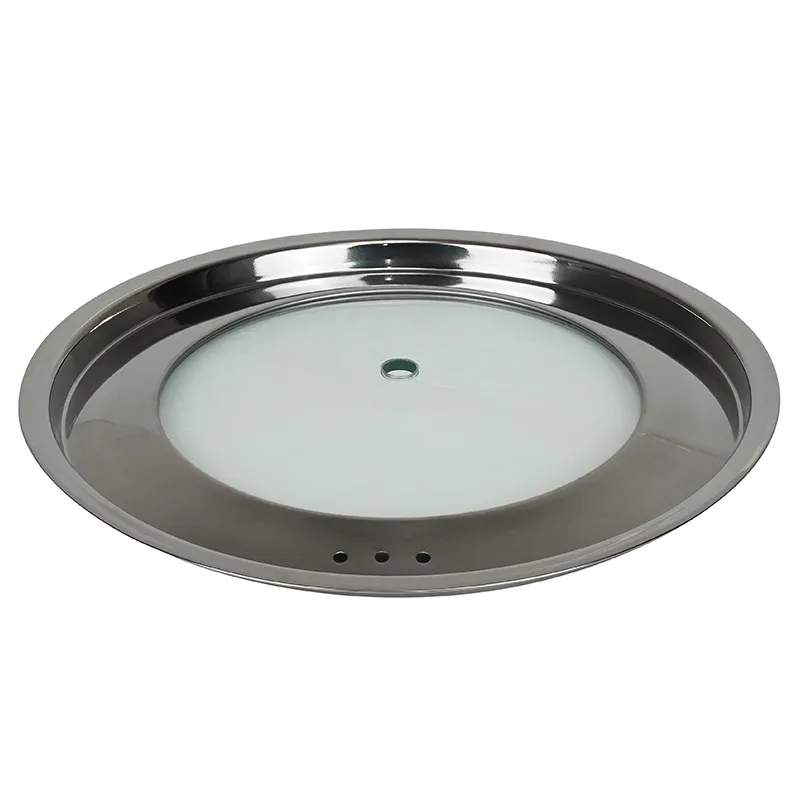
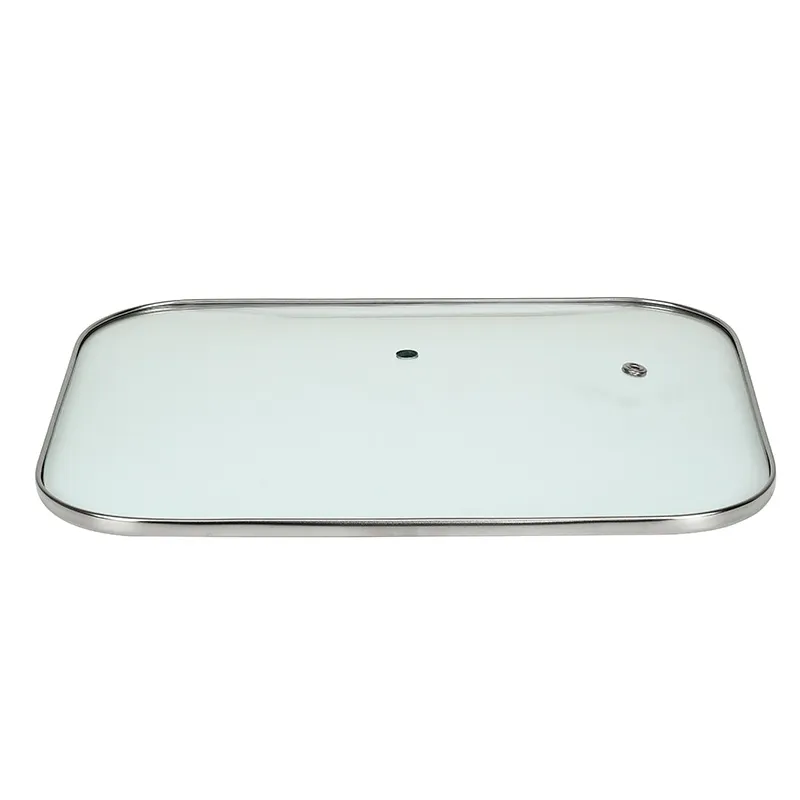
The ideal is a balanced, loose-fit seal that allows a slight vent. I've spent hours with calipers measuring rim profiles from different cookware manufacturers. EUR-ASIA's approach is practical: they work from the pan manufacturer's CAD drawings or even physical samples to create a custom mold for the stainless steel rim that binds the glass. This rim's inner curl is critical. It must cradle the glass securely without pinching it (a stress point for breakage) and interface cleanly with the pan's specific profile.
We tested a batch for a Polish client using a steam test. A generic lid lost 40% more moisture over a 20-minute simmer than the custom-fitted lid from glass-lid.com. That translates directly to wasted energy and drier food. The client's feedback was simple: The lid makes the pan cook better. That's the goal. It turns the pan from a simple heating surface into a controlled cooking system.
Handle and Knob: The User Interface
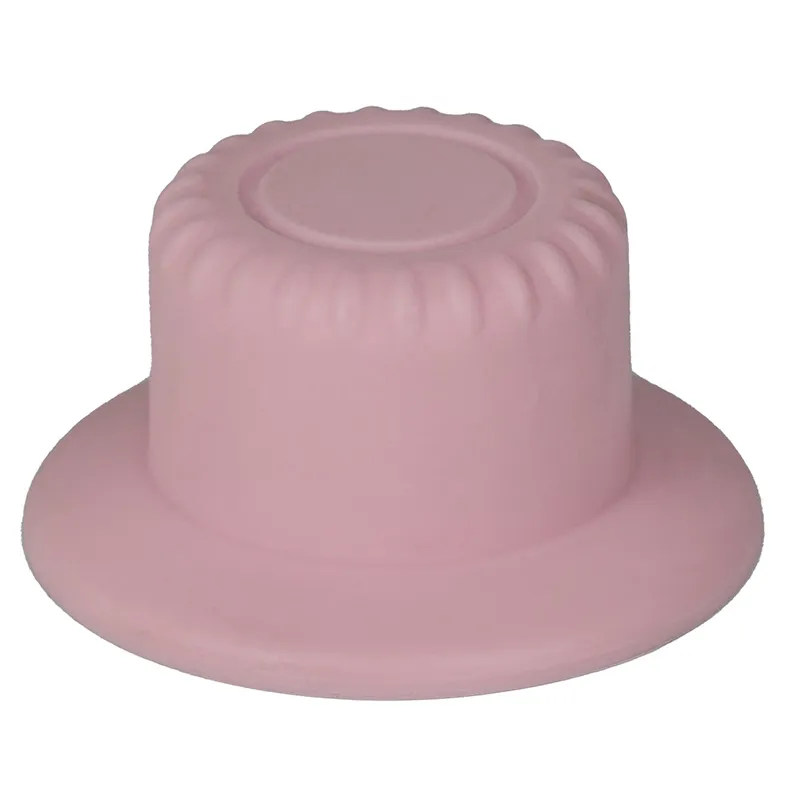
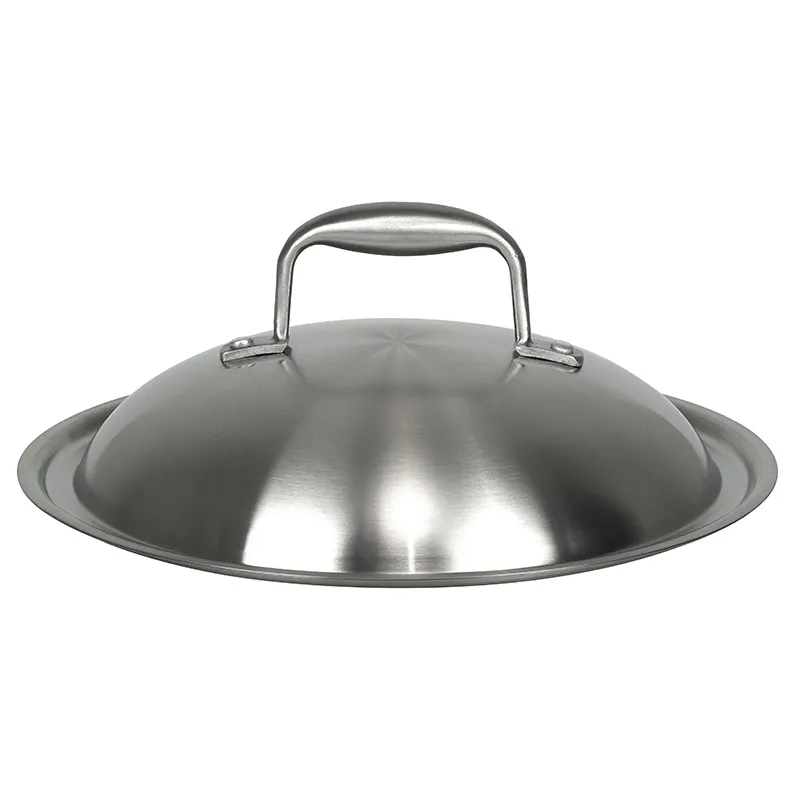
This seems trivial until you burn your hand. The knob is the primary user touchpoint. For blue diamond cookware lids, which often go from oven to stovetop, the knob material is a safety and durability checkpoint. Cheap phenolic resin knobs can crack or discolor under sustained high heat. Metal knobs get scorching hot.
EUR-ASIA typically uses a reinforced, heat-resistant phenolic or a stainless steel core with a silicone sleeve. The attachment method is key. A simple screw from the top is a weak point; it can loosen over time and allows heat to travel directly up the metal screw into the knob. Better designs use a metal bolt that passes through the glass, secured underneath with a nut and a large, insulating washer. This distributes the stress and creates a thermal break. It's a small detail you only notice when a competitor's lid knob falls off into your stew.
I recall a quality audit where we oven-tested lids at 200°C for an hour, then immediately tried to remove the knob with a torque wrench. The failure point told us everything about the assembly's longevity. The ones that passed used that through-bolt design. It's a more expensive assembly, but it's why their products consistently pass the durability tests for brands in Switzerland and Japan.
Logistics and the Reality of Volume
Here's a practical headache: packaging. A glass lid for a 28cm frying pan is a large, fragile, oddly-shaped object. It needs to be packaged securely for ocean freight to Brazil or Turkey without adding excessive weight or volume that kills profit margins. The clamshell plastic blister pack is common, but it must hold the lid immobile. I've seen containers arrive with a 2% breakage rate due to poor package design, which is a financial disaster.
EUR-ASIA COOKWARE CO.,LTD has this down to a science. Their packaging line uses pre-formed EPS (expanded polystyrene) trays that cradle the glass and rim precisely, preventing any movement. The carton is a standard size that optimizes palletization. This operational efficiency is what allows them to hit an output of 15 million pieces. It's not glamorous, but it's as important as the tempering process. A perfect lid that arrives broken is worthless.
Their export footprint—to Russia, South Korea, Denmark, Spain, etc.—means they're adept at handling the documentation and compliance (like REACH for the EU) for different regions. For a cookware brand, this turns a complex component sourcing issue into a turn-key solution. You provide the pan specs, they deliver the certified, packaged lids to your port of entry.
Final Judgment: The Lid as a Value Multiplier
So, circling back. Specifying blue diamond cookware lids isn't about finding a generic glass circle with a knob. It's about engineering a component that matches the pan's thermal characteristics, ensures user safety, and survives a global supply chain. The value of a specialized producer like EUR-ASIA isn't just in making glass; it's in integrating material science, metalworking, ergonomics, and logistics.
The real test is in the kitchen, over years. A good lid feels solid, sits flush, vents just enough steam to control the boil but not dry out the food, and its handle stays cool and secure. When it does, you never think about it. It becomes an invisible, reliable part of the cooking process. And that's the hallmark of a good component—it disappears in its functionality.
For brands, investing in this level of specification for the lid turns a marketing claim about a 'high-quality cookware set' into a tangible user experience. It's the difference between a customer who is merely satisfied and one who becomes a repeat buyer because the entire system, lid included, just works. That's where the real ROI on a properly engineered lid is found.
Related Products
Related Products