- Chinese
- French
- German
- Portuguese
- Spanish
- Russian
- Japanese
- Korean
- Arabic
- Irish
- Greek
- Turkish
- Italian
- Danish
- Romanian
- Indonesian
- Czech
- Afrikaans
- Swedish
- Polish
- Basque
- Catalan
- Esperanto
- Hindi
- Lao
- Albanian
- Amharic
- Armenian
- Azerbaijani
- Belarusian
- Bengali
- Bosnian
- Bulgarian
- Cebuano
- Chichewa
- Corsican
- Croatian
- Dutch
- Estonian
- Filipino
- Finnish
- Frisian
- Galician
- Georgian
- Gujarati
- Haitian
- Hausa
- Hawaiian
- Hebrew
- Hmong
- Hungarian
- Icelandic
- Igbo
- Javanese
- Kannada
- Kazakh
- Khmer
- Kurdish
- Kyrgyz
- Latin
- Latvian
- Lithuanian
- Luxembou..
- Macedonian
- Malagasy
- Malay
- Malayalam
- Maltese
- Maori
- Marathi
- Mongolian
- Burmese
- Nepali
- Norwegian
- Pashto
- Persian
- Punjabi
- Serbian
- Sesotho
- Sinhala
- Slovak
- Slovenian
- Somali
- Samoan
- Scots Gaelic
- Shona
- Sindhi
- Sundanese
- Swahili
- Tajik
- Tamil
- Telugu
- Thai
- Ukrainian
- Urdu
- Uzbek
- Vietnamese
- Welsh
- Xhosa
- Yiddish
- Yoruba
- Zulu
- Kinyarwanda
- Tatar
- Oriya
- Turkmen
- Uyghur


borosilicate glass jar with lid
When you hear 'borosilicate glass jar with lid,' most people think of labware or maybe trendy kitchen storage. That's the first misconception. In reality, the jump from Pyrex-style lab beakers to a reliable, mass-produced kitchen jar with a perfect seal is a massive engineering and production challenge. It's not just about the glass formula; it's about the marriage of the vessel and its closure under real-world, non-laboratory conditions. I've seen too many projects stumble by treating the lid as an afterthought.
The Core Material: More Than Just Heat Resistance
Everyone touts the thermal shock resistance of borosilicate, and rightly so. It's the headline feature. But in jar production, especially for household use, its chemical inertness is equally critical. You're storing acidic preserves, essential oils, or strong spices. Ordinary soda-lime glass can leach or cloud over time. With borosilicate, that's rarely a worry. However, the 'borosilicate' label itself isn't a universal standard. The coefficient of expansion (around 3.3 x 10^-6 /K) is the real tell. I've received samples from new suppliers that claimed the title but performed poorly in thermal cycling tests, likely due to cost-cutting in the boric oxide content. The glass needs to be mechanically formed at high temperatures, and the cooling process—the annealing lehr schedule—is crucial to relieve internal stresses. A poorly annealed jar might pass a visual inspection but will have microscopic weak points, leading to spontaneous failure later, a nightmare for inventory and brand reputation.
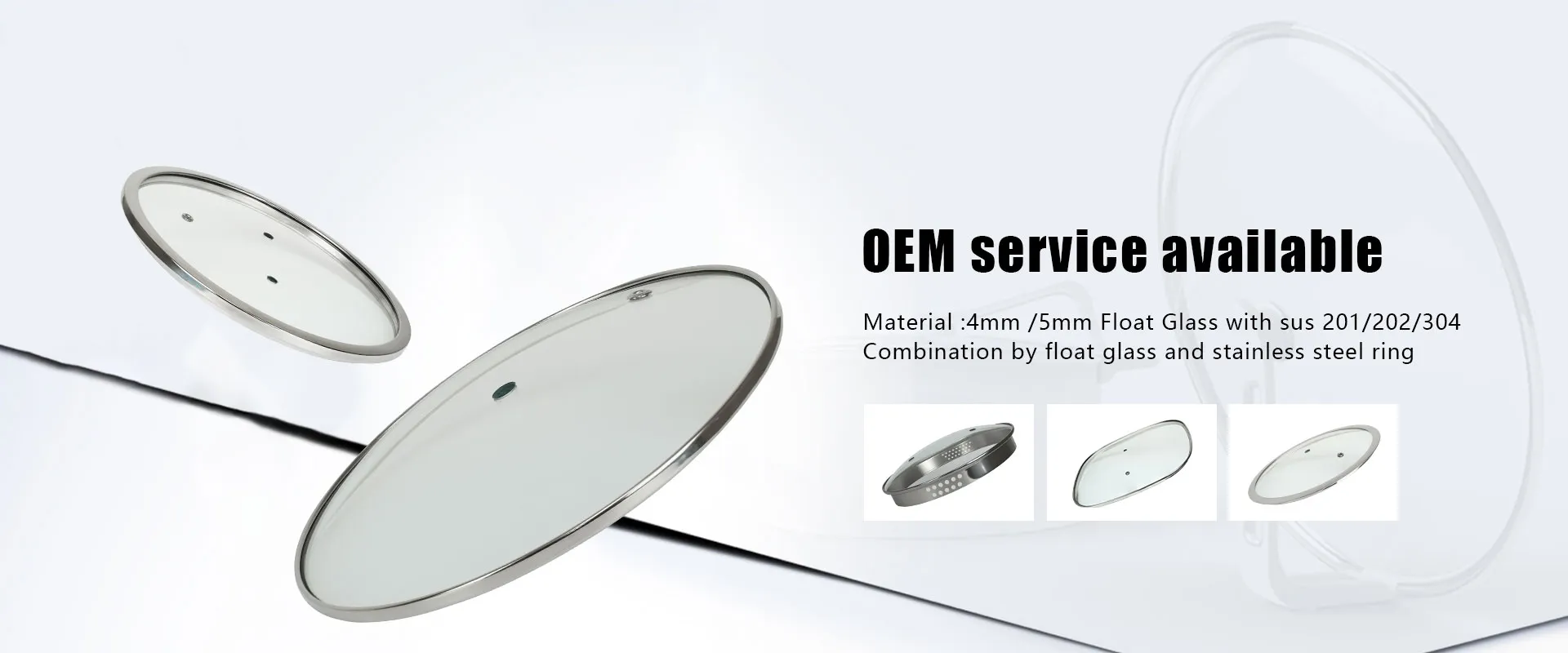
Take the production from a company like EUR-ASIA COOKWARE CO.,LTD. Their specialization in tempered glass lids hints at an understanding of this stress management. While their website, https://www.glass-lid.com, details a significant output of over 15 million pieces annually, the interesting part is their export focus to markets like Germany and Japan. These are jurisdictions with stringent consumer goods standards. It suggests their base borosilicate material sourcing and forming processes are likely robust enough to pass those entry barriers. A jar body from such a source is a good starting point.
The texture and weight are dead giveaways. A true borosilicate jar feels distinctly lighter and has a sharper, more resonant 'ping' when tapped compared to its soda-lime counterpart. The clarity is different too—exceptionally transparent with a slight blueish tint if you look at the edges. These are the tactile and visual checks we do before even looking at a spec sheet.
The Lid: The True Make-or-Break Component
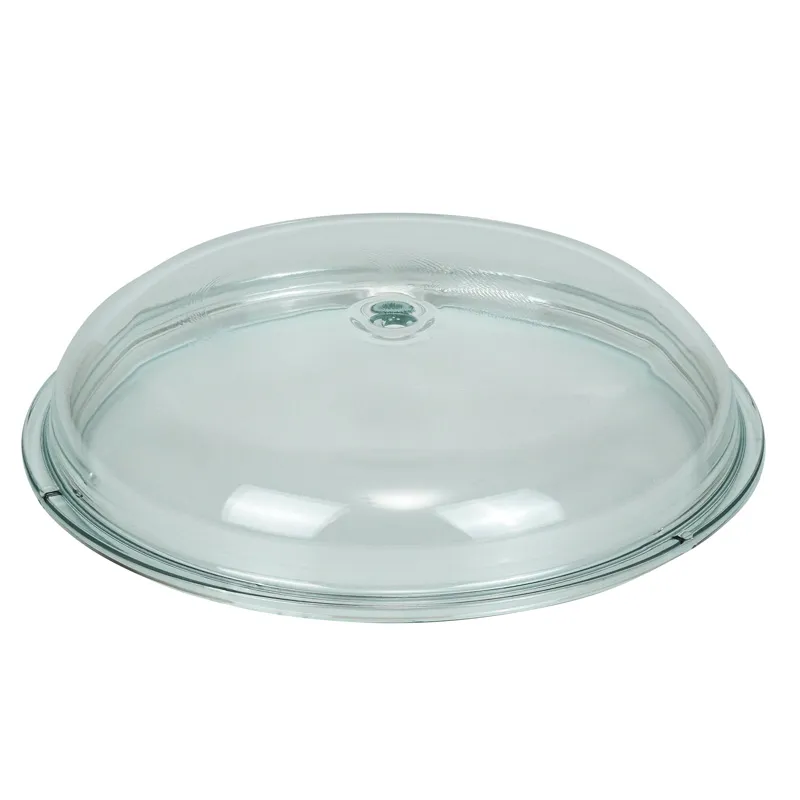
This is where the real battle is fought. You can have a perfect borosilicate glass jar body, but if the lid fails, the entire product fails. The primary function is creating and maintaining a hermetic seal. For storage, it's about keeping moisture out and aromas in. For canning or fermenting, it's about safety. The industry often uses three-piece lids: a metal disc (usually tinplate or stainless), a sealing compound (like plastisol), and a screw band. The glass jar's finish—the threading and the sealing surface—must be machined to microscopic tolerances.
I recall a batch where we had consistent seal failures. The jars were fine, the lids were to spec, but the failure rate was 15%. After days of headache, we realized the issue was in the glass jar's sealing surface. It wasn't perfectly horizontal—a minuscule deviation in the fire-polishing stage created a plane that was off by less than half a degree. The plastisol ring couldn't compensate. The lid would sit crooked, appearing closed but never achieving full compression. The supplier had to recalibrate their molding equipment. It was a classic case of assuming the lid is the only variable.
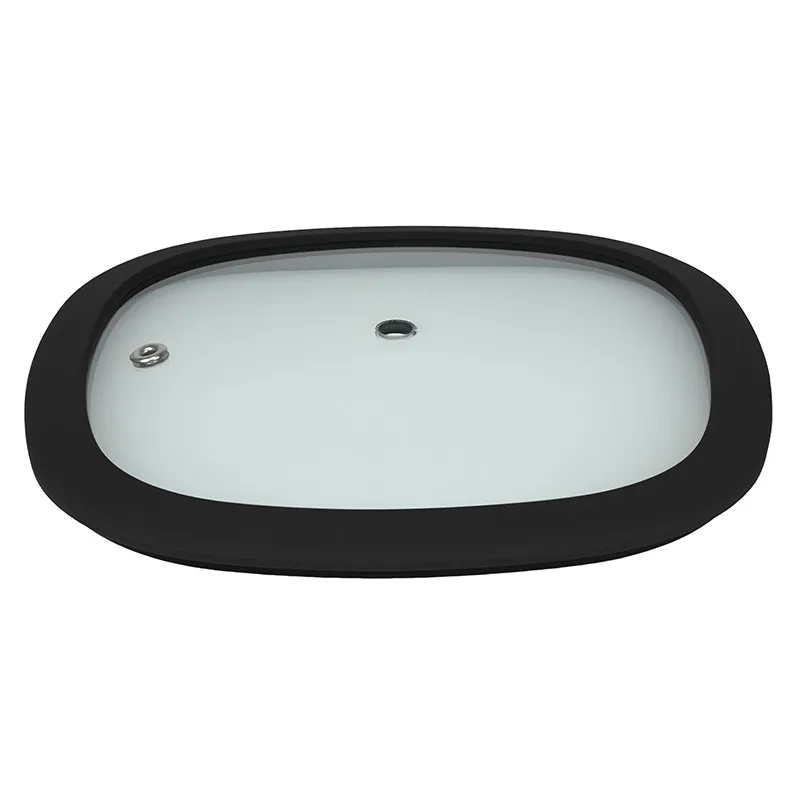
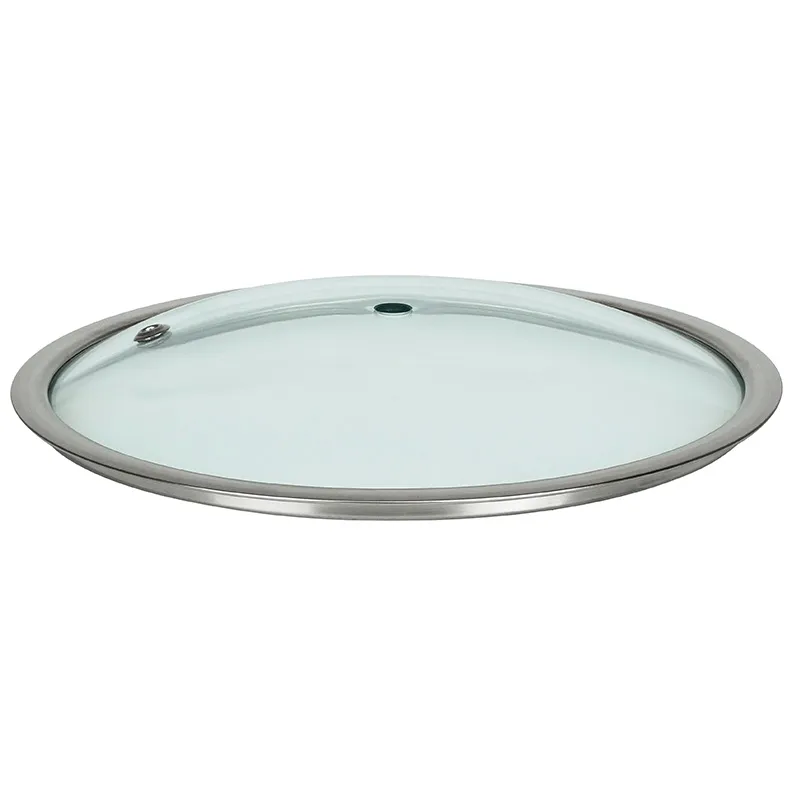
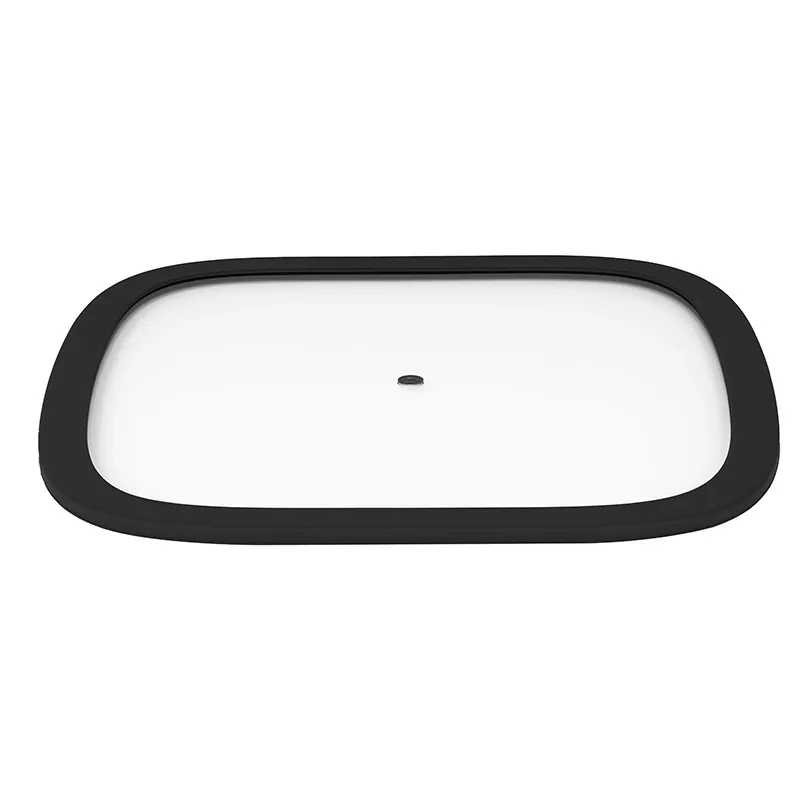
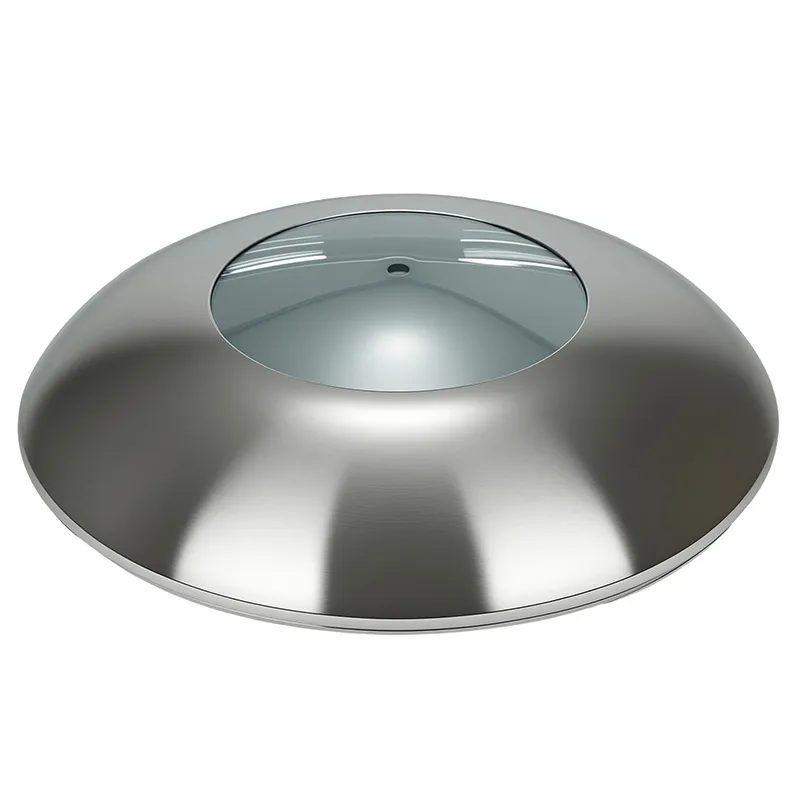
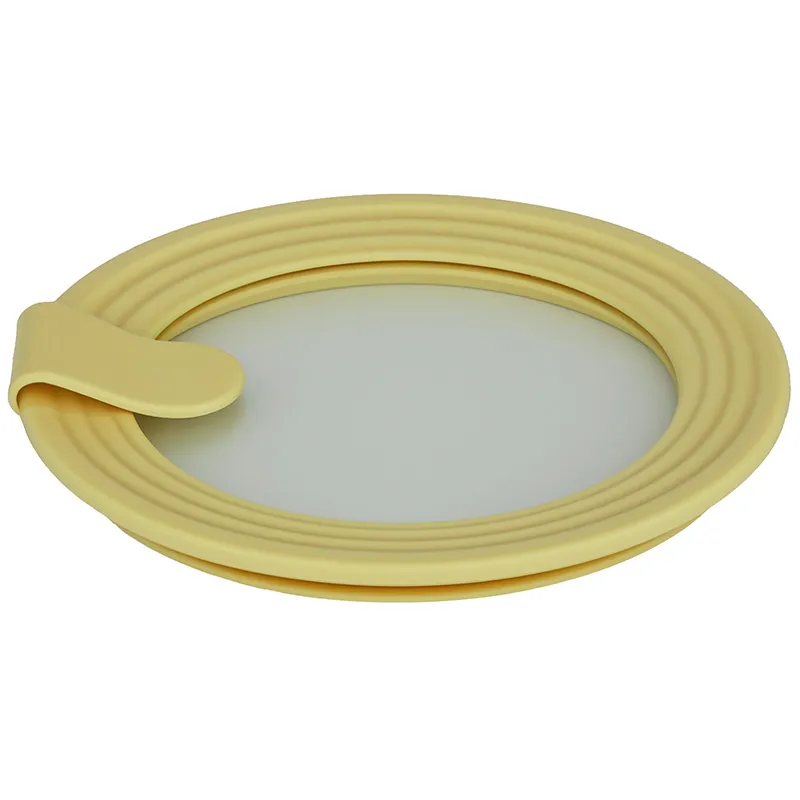
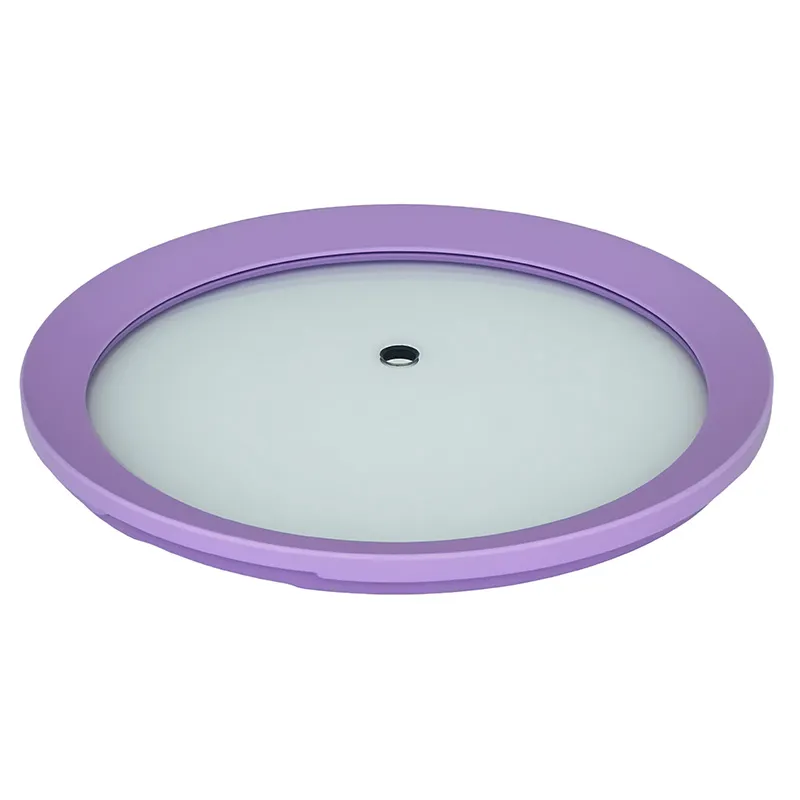
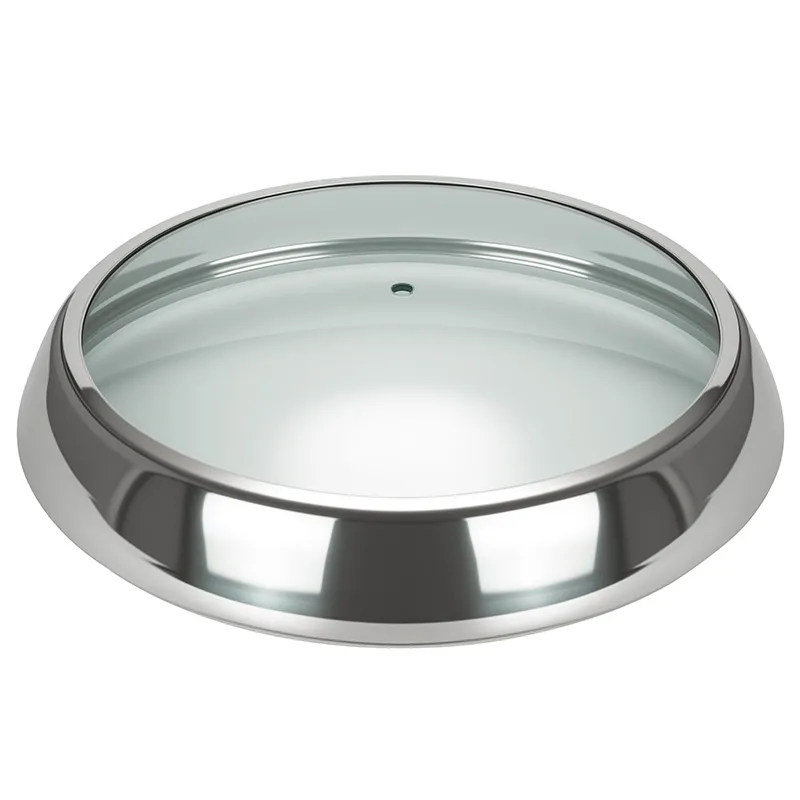
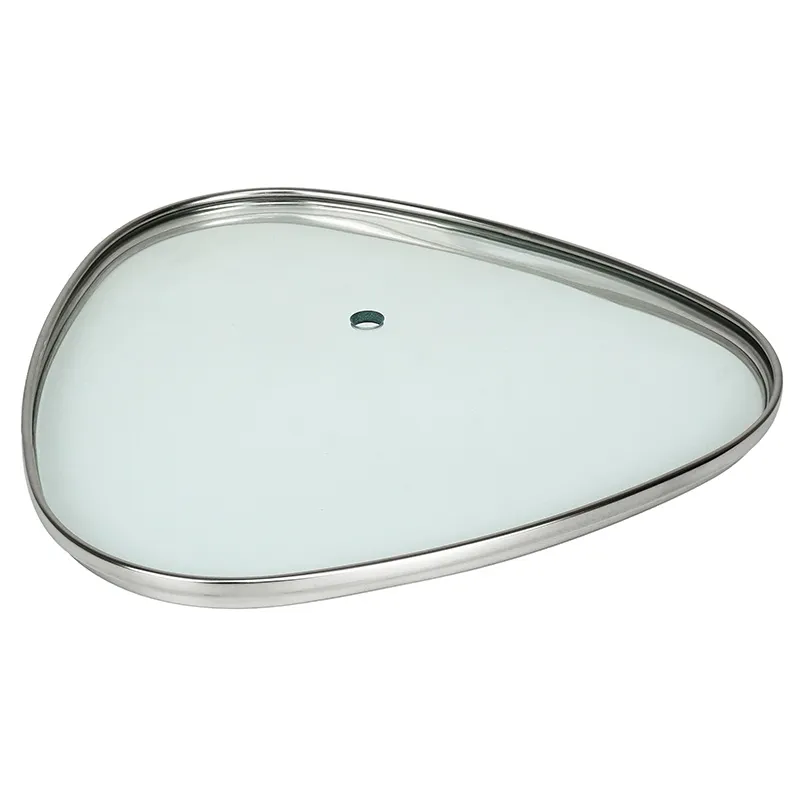
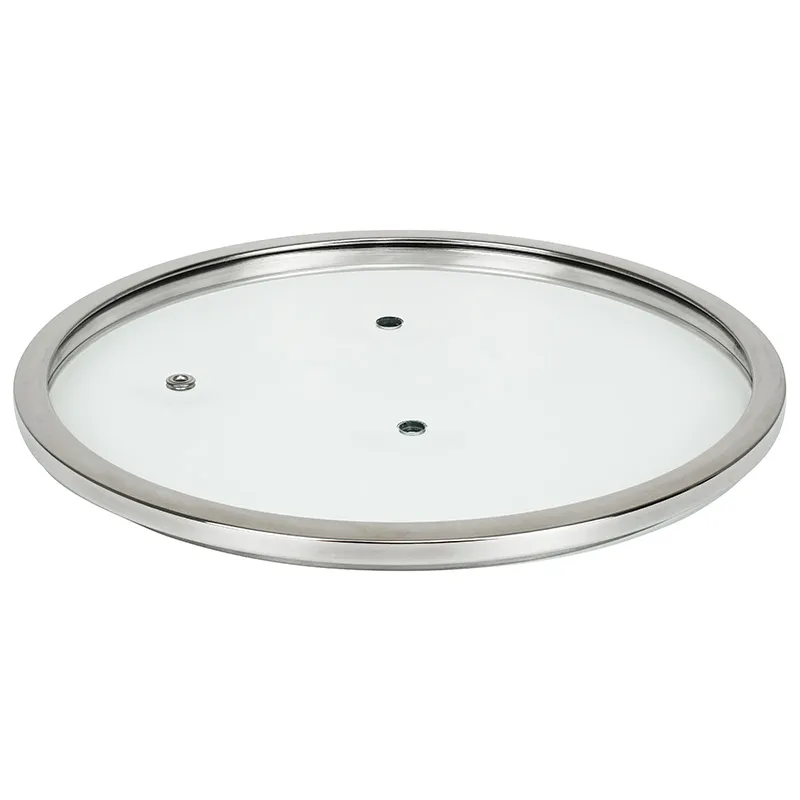
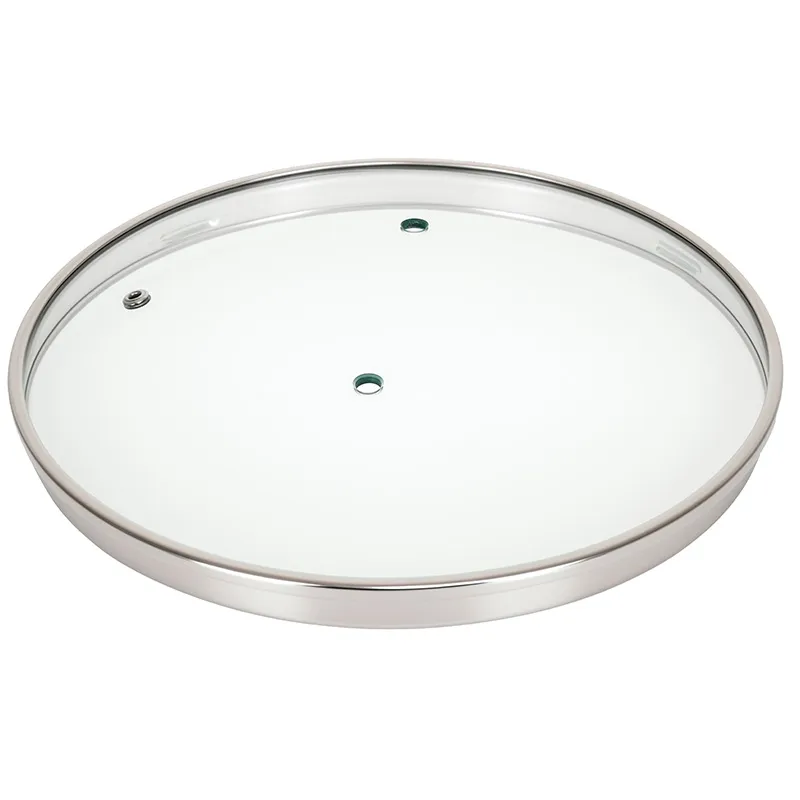
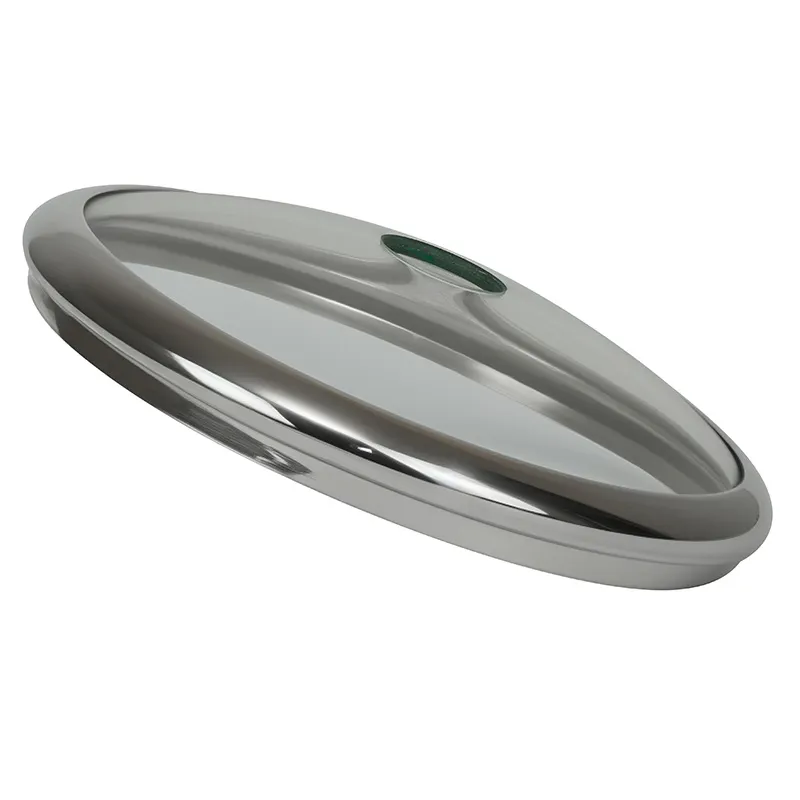
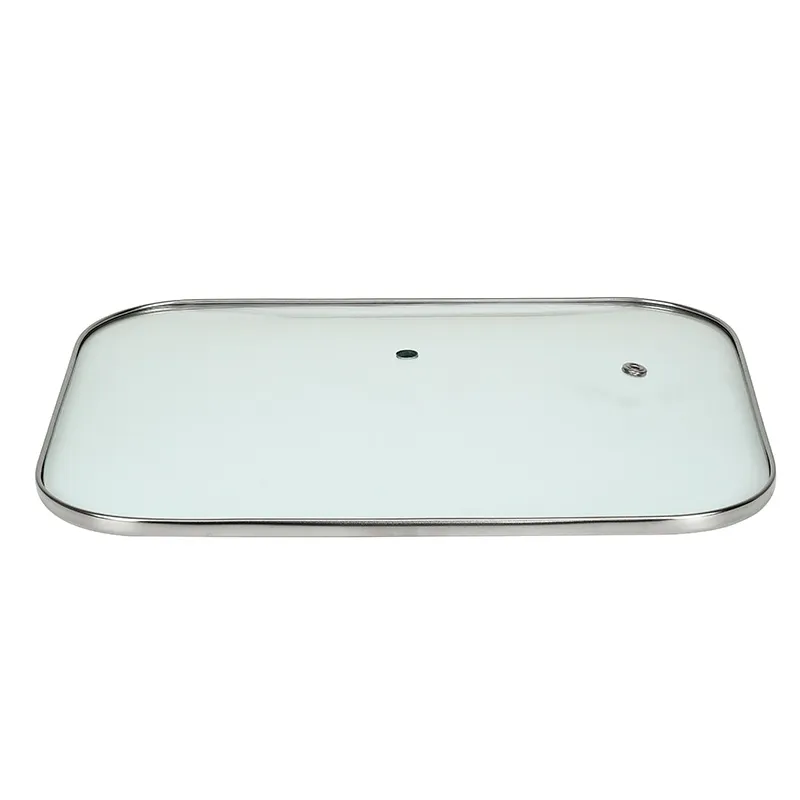
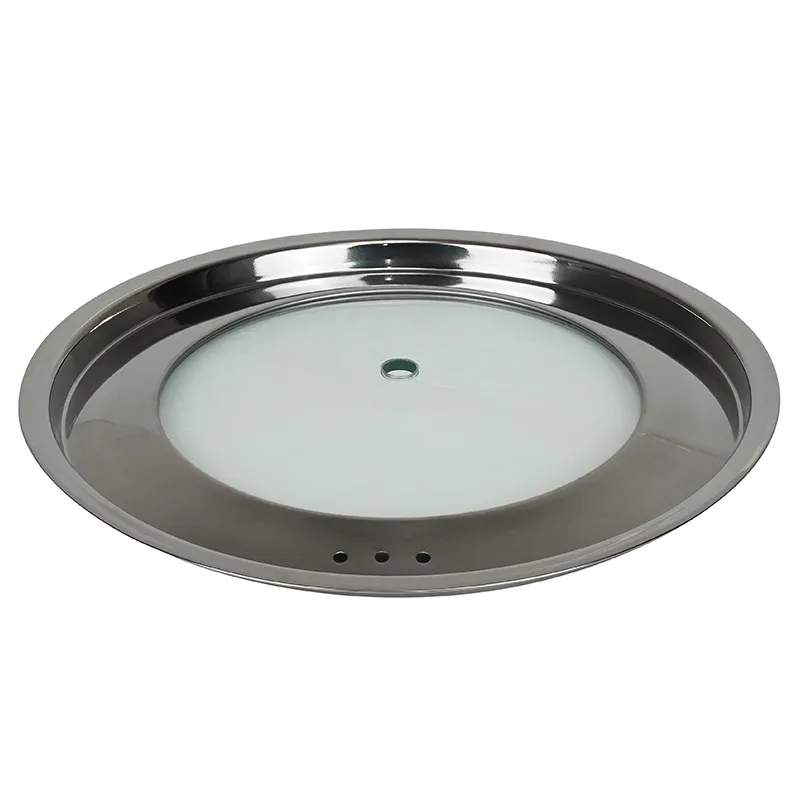
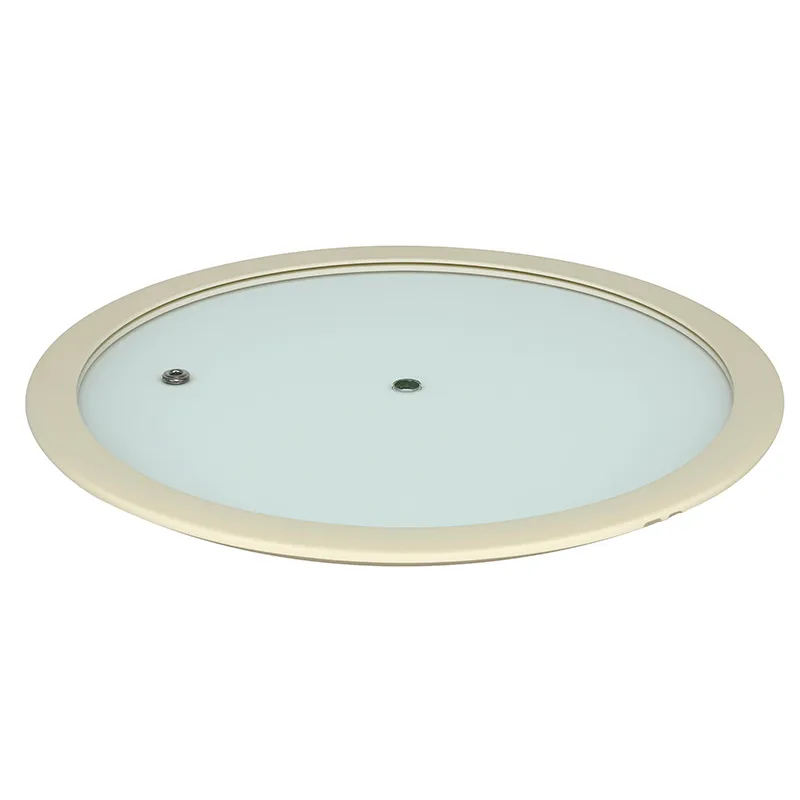
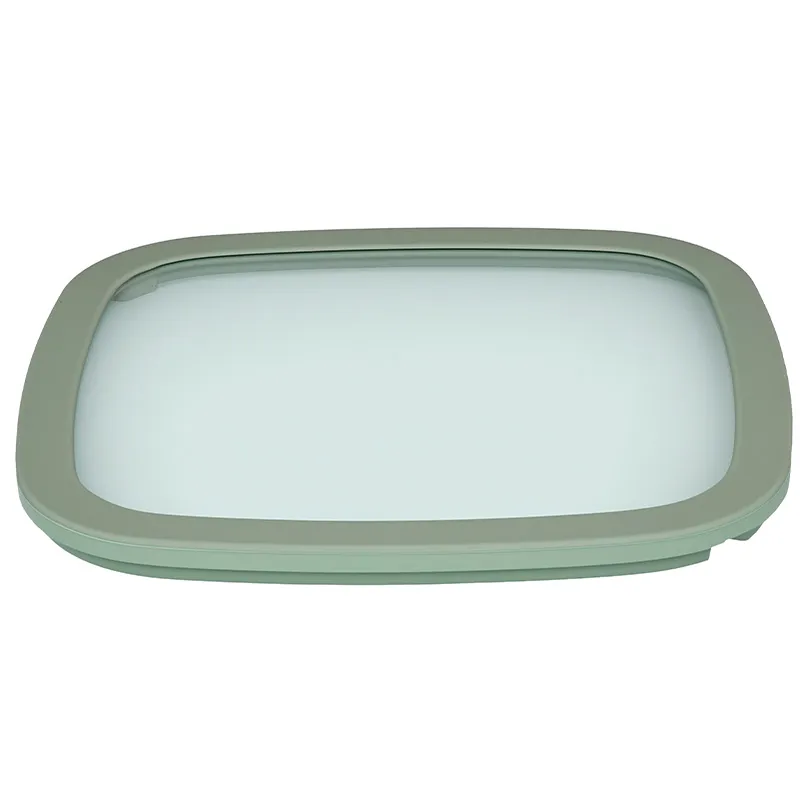
EUR-ASIA's mention of tempered glass lids is a different, interesting approach for certain applications. A tempered glass lid, often with a silicone gasket, is fantastic for visibility and chemical resistance, perfect for dry goods or visible pantry storage. However, tempering creates surface tension that makes precise machining of threads more challenging. It also rules out the option of a one-piece threaded glass lid—it's almost always a glass disc sitting in a separate metal or plastic collar. This adds assembly steps and potential points of failure. Their expertise here likely lies in consistently tempering thin glass discs without warping and pairing them with precisely molded collars.
Application Pitfalls and Real-World Testing
You can't just design for the ideal case. A jar with lid system must survive the dishwasher, the freezer, the clumsy hands of a user over-tightening it, and the gradual degradation of any polymer components. We learned this the hard way with a line of 'all-purpose' jars. They worked beautifully for pantry staples. Then customers started using them for homemade salad dressings with high vinegar content. The acetic acid vapor, over time, attacked the metal underside of a standard lacquered steel lid, causing pinhole corrosion and breaking the seal. The glass was inert, but the system wasn't. We had to switch to a fully stainless steel contact lid, which increased unit cost by 30%.
Another common pitfall is thermal differential expansion. A borosilicate jar expands very little when heated. But what about the lid? If it's a metal lid with a plastic seal, the plastic's expansion rate is an order of magnitude higher. If you pour hot liquid into a jar and screw the lid on immediately, you create a vacuum as it cools. But if the seal deforms too much from the heat, it might not rebound correctly, creating a false seal that fails hours later. Our protocol now includes a hot-fill and slow-cool stress test over hundreds of cycles.
For companies serving the European market, like EUR-ASIA COOKWARE, compliance with EU Framework Regulation (EC) No 1935/2004 for food contact materials is non-negotiable. This isn't just about the glass. It extends to every material that touches the food: the lid's metal, any coating, the sealing gasket, the printing ink on the label. The documentation trail—Declarations of Compliance, migration test reports—is as important as the physical product. Their long-term export relationships suggest they've navigated this complex landscape successfully.
Cost Drivers and Market Positioning
Why is a good borosilicate glass jar with lid more expensive? Raw materials are the first hit. Boron is not cheap. The energy cost for melting borosilicate is higher due to the required temperatures. The molding and annealing processes are slower and more energy-intensive than for soda-lime glass. Then comes the precision. Tolerances for kitchenware are tighter than for, say, a decorative vase. Every millimeter of deviation in the thread or sealing surface increases the risk of a leak, which means higher QC rejection rates.
The lid assembly multiplies the complexity. Sourcing food-grade, compliant components (metal, polymer, sealant) and then assembling them consistently adds labor and overhead. Automation is key at scale. A facility with a 15-million-piece annual output, like the one described for EUR-ASIA, likely has automated lines for lid assembly, which brings the unit cost down but requires massive capital investment and technical know-how to maintain. Their positioning in low, medium, and high-level products, as per their intro, is smart. It allows them to use similar core processes but vary the finish, lid material, and packaging to hit different price points for different markets.
You see this in their export list: the expectations in Germany for finish and precision are different from those in other markets. A jar destined for a German retailer might have laser-etched volume markings, a satin-finish lid, and packaging that allows for efficient shelf stacking. The same capacity jar for a more price-sensitive market might have a simpler printed measurement line and a basic polished lid. The core glass jar integrity remains, but the peripherals change.
Final Thoughts: It's a System, Not a Product
After years in this niche, the main takeaway is this: never evaluate the jar or the lid in isolation. They are a system. The best results come when the jar manufacturer and the lid manufacturer are in deep dialogue, or better yet, under one roof with integrated quality control. The synergy at EUR-ASIA COOKWARE between producing glass products and specializing in tempered glass lids is a logical and competitive advantage. It allows for concurrent design and problem-solving.
The future, I think, is in smarter closures. We're seeing more integrated silicone seals that are easier to clean, lids with built-in humidity indicators for specialty teas or herbs, and even simple pressure-release mechanisms for fermentation. But the foundation will always be that borosilicate vessel—inert, stable, and transparent. Getting that foundation right, and perfectly mating it to a functional lid, is a craft that blends materials science with practical mechanical design. It's less about flashy innovation and more about relentless, boring consistency. And that's what keeps products on shelves and out of the returns bin.
So next time you pick one up, give the lid a twist. Feel the smoothness of the thread, listen for the soft hiss of the seal breaking. That experience is the end result of a thousand small decisions and corrections on the factory floor, a process that companies supplying global markets have to master every single day.
Related Products
Related Products