- Chinese
- French
- German
- Portuguese
- Spanish
- Russian
- Japanese
- Korean
- Arabic
- Irish
- Greek
- Turkish
- Italian
- Danish
- Romanian
- Indonesian
- Czech
- Afrikaans
- Swedish
- Polish
- Basque
- Catalan
- Esperanto
- Hindi
- Lao
- Albanian
- Amharic
- Armenian
- Azerbaijani
- Belarusian
- Bengali
- Bosnian
- Bulgarian
- Cebuano
- Chichewa
- Corsican
- Croatian
- Dutch
- Estonian
- Filipino
- Finnish
- Frisian
- Galician
- Georgian
- Gujarati
- Haitian
- Hausa
- Hawaiian
- Hebrew
- Hmong
- Hungarian
- Icelandic
- Igbo
- Javanese
- Kannada
- Kazakh
- Khmer
- Kurdish
- Kyrgyz
- Latin
- Latvian
- Lithuanian
- Luxembou..
- Macedonian
- Malagasy
- Malay
- Malayalam
- Maltese
- Maori
- Marathi
- Mongolian
- Burmese
- Nepali
- Norwegian
- Pashto
- Persian
- Punjabi
- Serbian
- Sesotho
- Sinhala
- Slovak
- Slovenian
- Somali
- Samoan
- Scots Gaelic
- Shona
- Sindhi
- Sundanese
- Swahili
- Tajik
- Tamil
- Telugu
- Thai
- Ukrainian
- Urdu
- Uzbek
- Vietnamese
- Welsh
- Xhosa
- Yiddish
- Yoruba
- Zulu
- Kinyarwanda
- Tatar
- Oriya
- Turkmen
- Uyghur

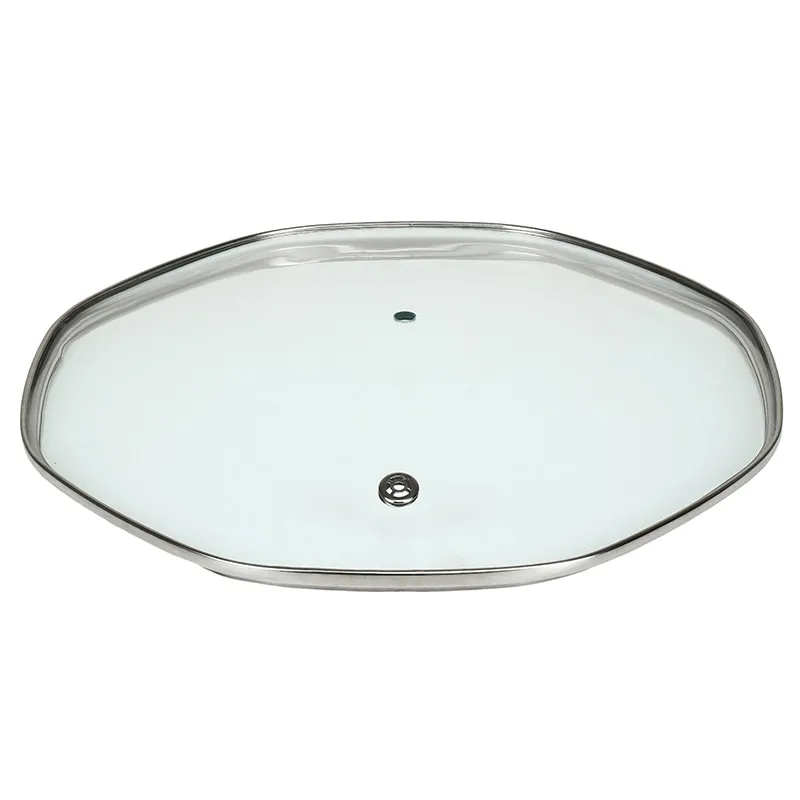
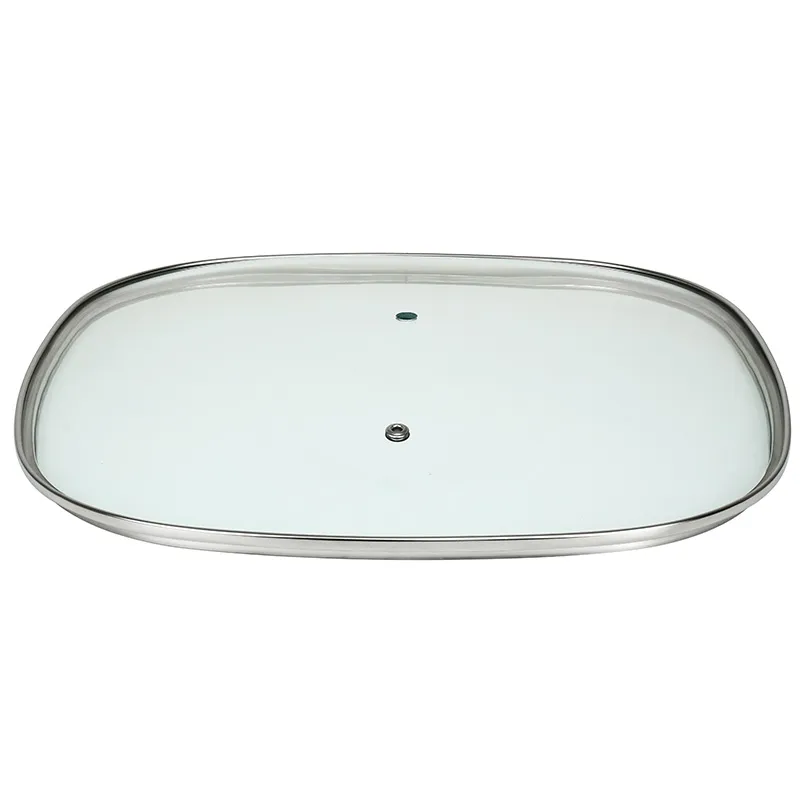
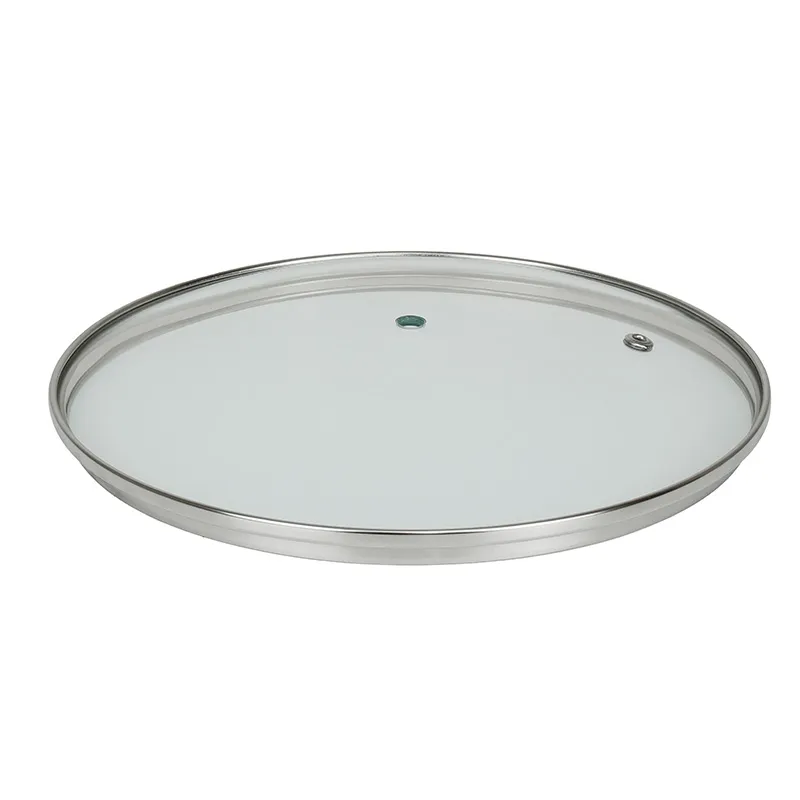
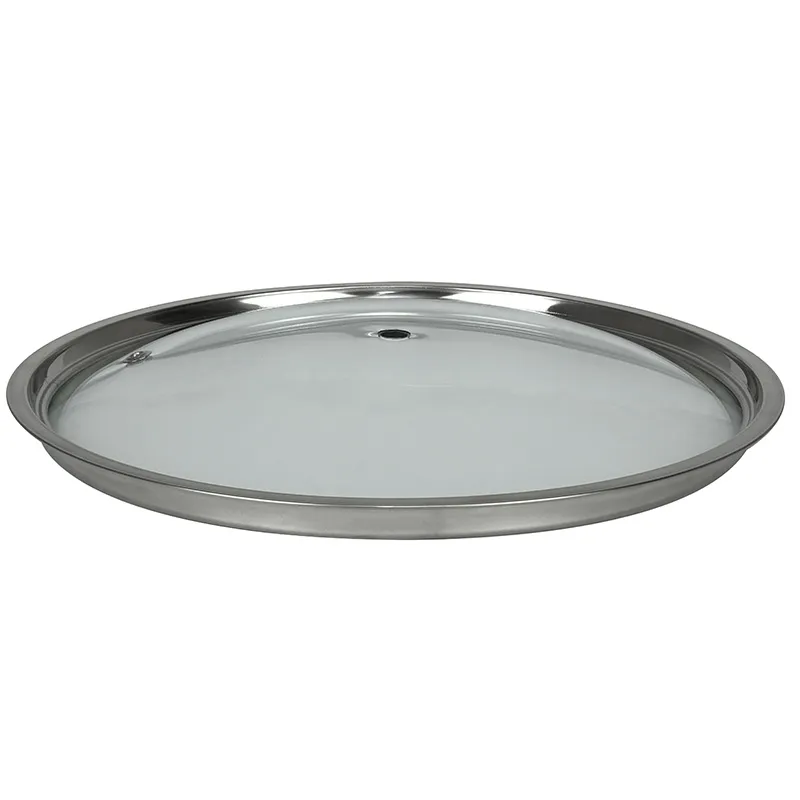
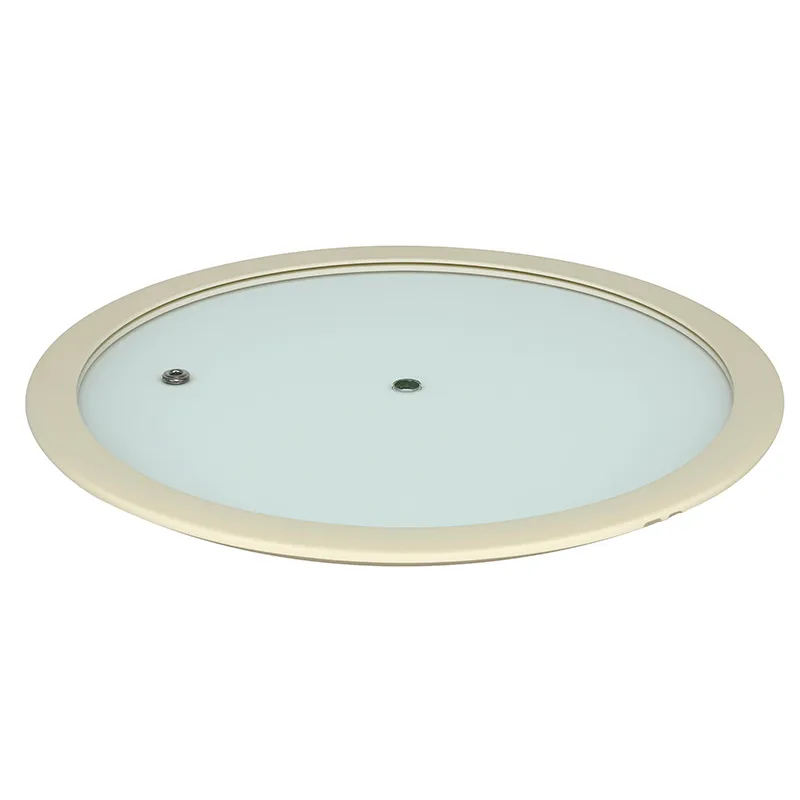
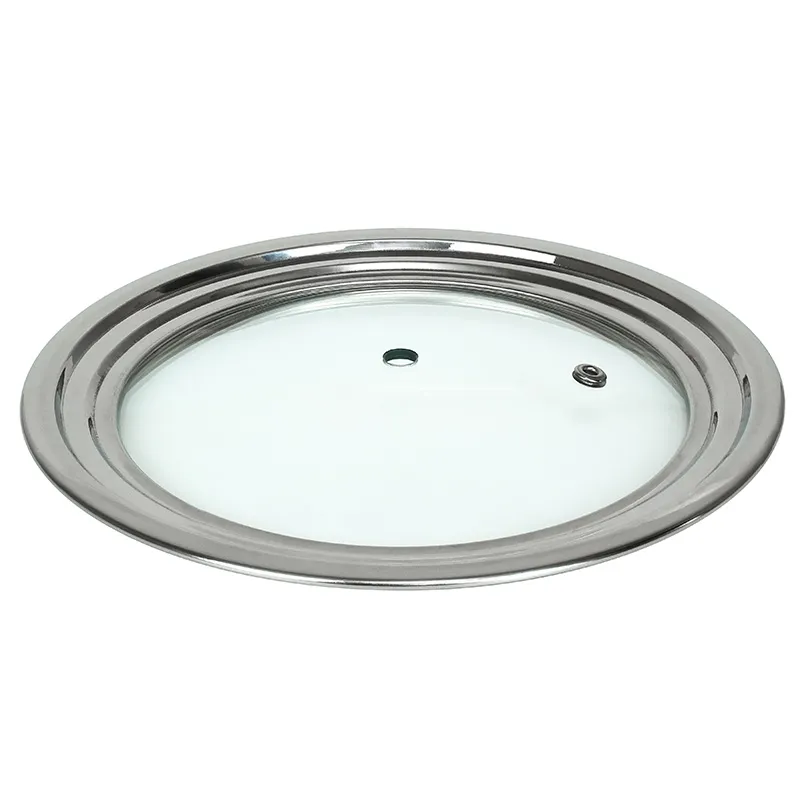
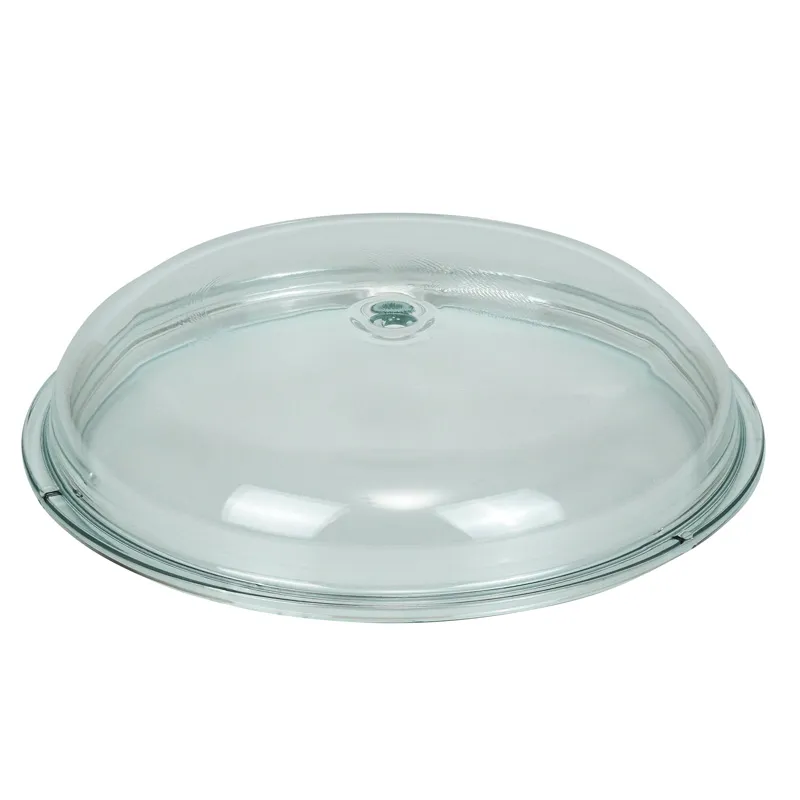
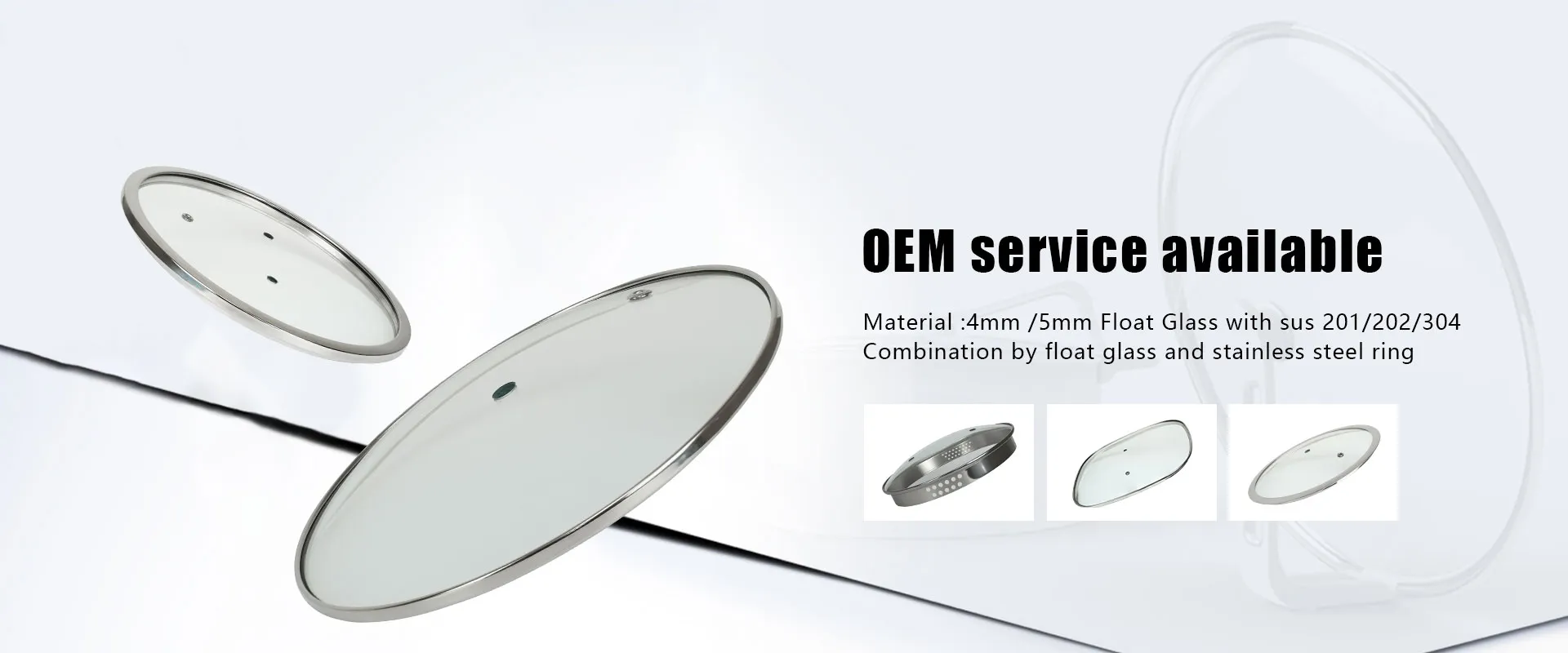
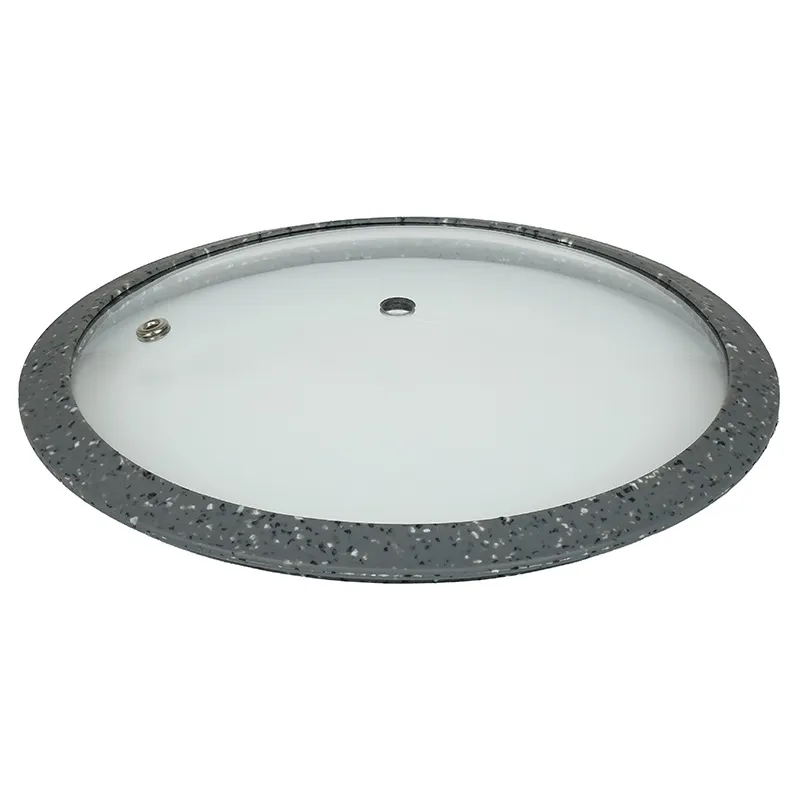
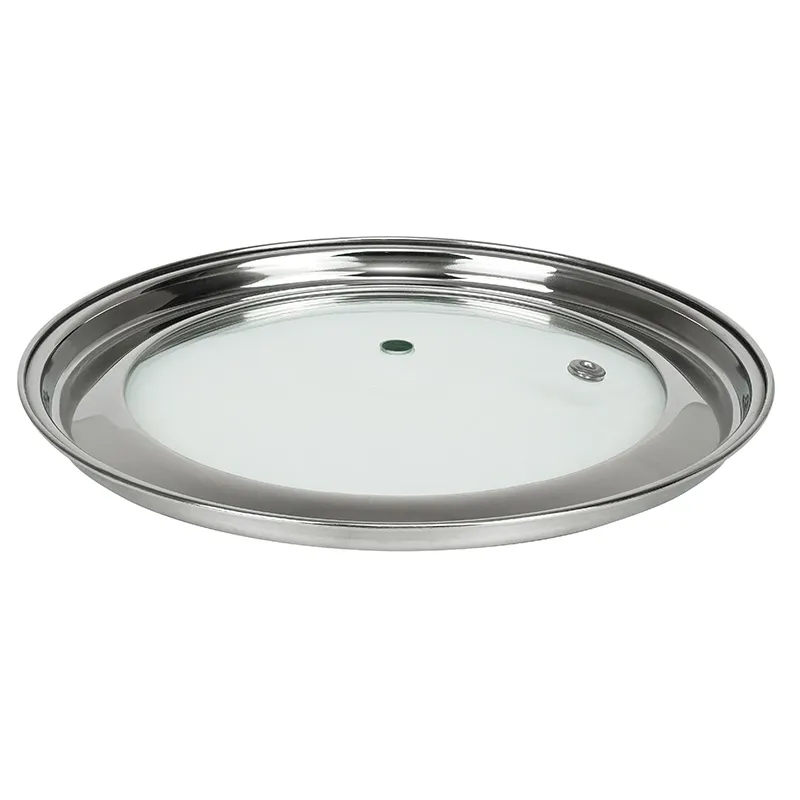
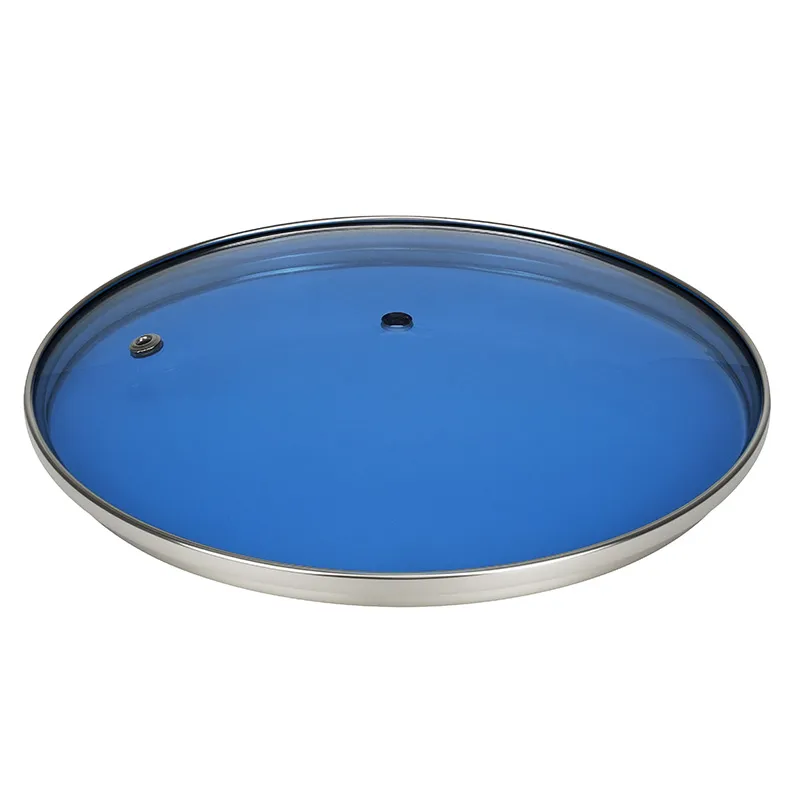
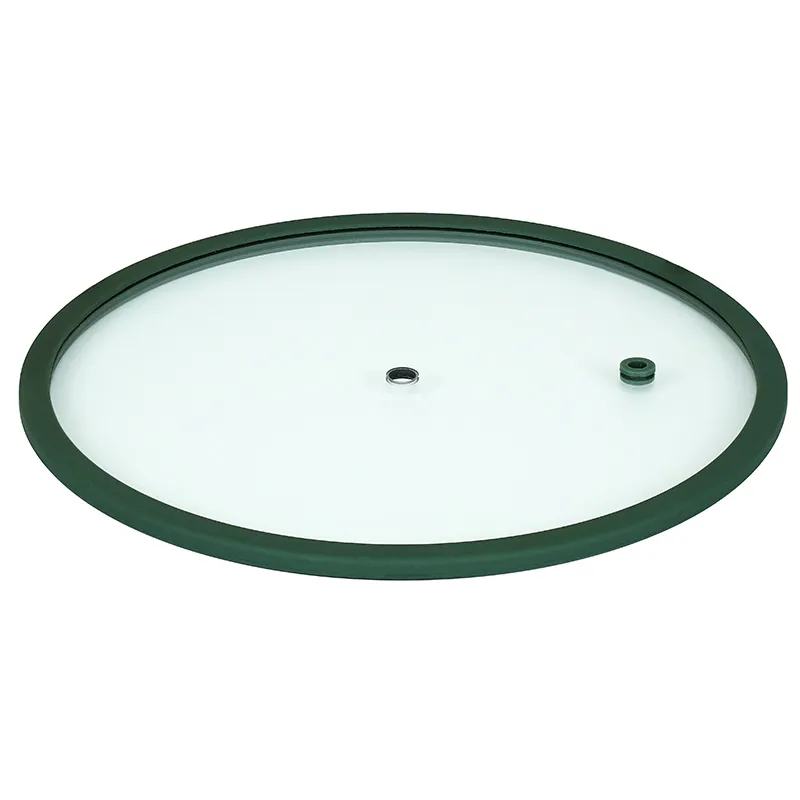
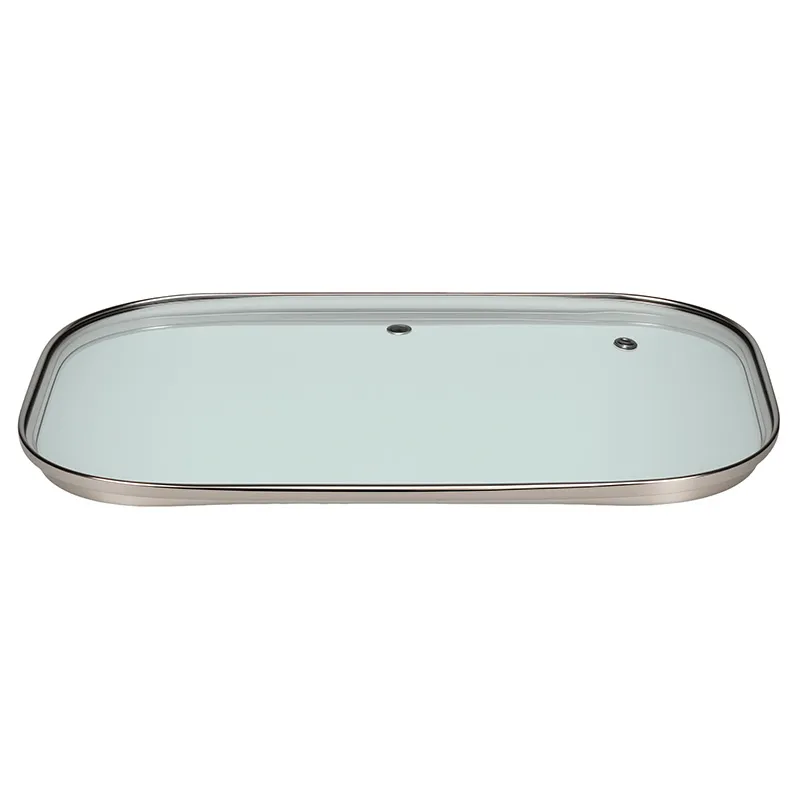
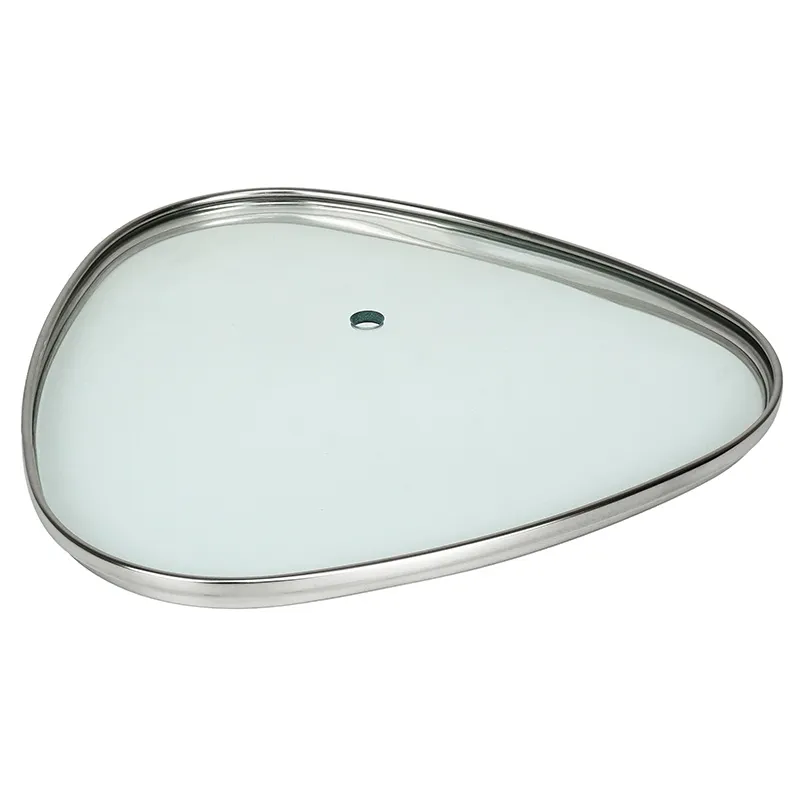
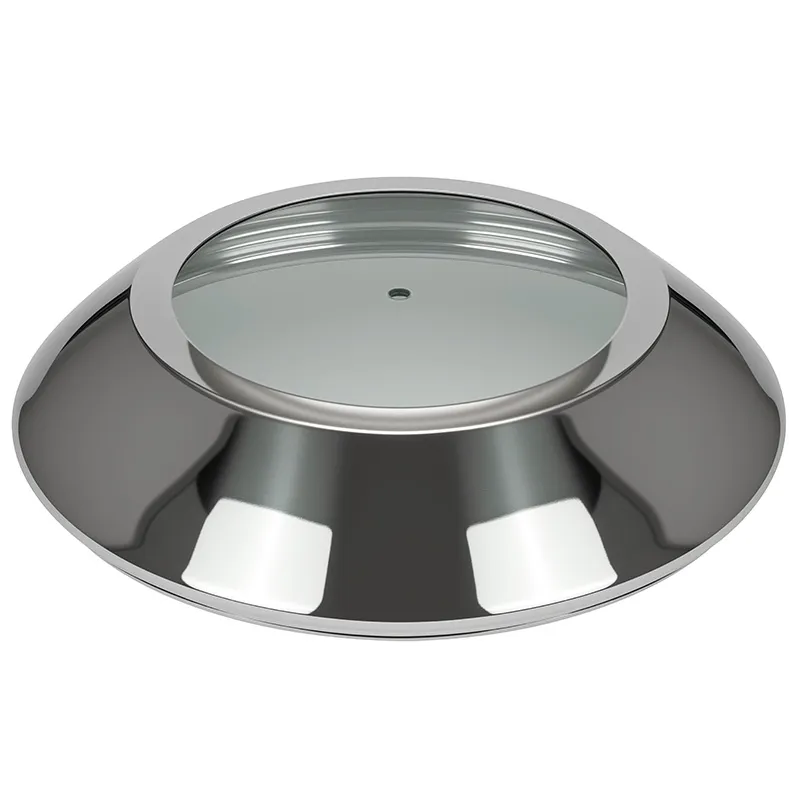
C glass lid
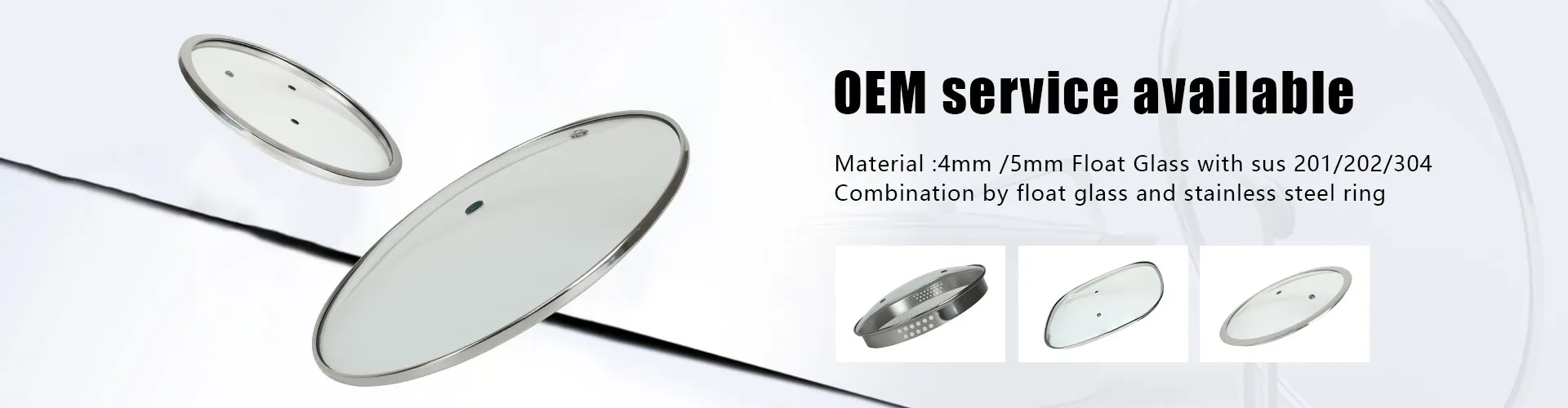
Let’s talk about C glass lids. If you’re sourcing or designing cookware, you’ve heard the term, but there’s a lot of confusion around what the ‘C’ actually signifies in a production context. It’s not a formal material grade; it’s more of a trade shorthand. Some think it refers to a specific chemical composition, others to a thermal shock resistance threshold. In my experience, it typically points to a soda-lime silicate glass formulated for tempering, used specifically for glass lid applications where clarity, cost-effectiveness, and decent durability are key. The misunderstanding starts when people equate it with borosilicate, which is a different beast altogether for different price points and performance demands.
The Core Material: Soda-Lime vs. The Borosilicate Expectation
Most of the so-called C glass we process at our facility is a tailored soda-lime. The primary advantage is optical clarity and a lower material cost, which is crucial for high-volume production runs. The catch is thermal shock resistance. A common client misconception is expecting soda-lime C glass lid units to perform like borosilicate in extreme, rapid temperature changes. They won’t. We temper it, which induces surface compression and improves strength, but the fundamental coefficient of thermal expansion is higher. This means we have to be very precise about the tempering process and the lid’s intended use case. I’ve seen designs fail because someone specified a beautiful, thin C glass lid for a high-heat wok application it was never meant for. The failure isn’t in the glass per se, but in the specification mismatch.
Our production base in Taian focuses heavily on this tempered soda-lime for lids. With an annual output targeting over 15 million pieces, the process has to be dialed in. The ‘C’ formulation we use has minor adjustments—often in the alumina or magnesia content—to optimize it for the tempering cycle and improve its toughness post-treatment. It’s a balancing act: tweak it too much for strength, and you might introduce bubbles or reduce clarity; not enough, and the yield rate from the tempering furnace drops because of spontaneous breakage. We run constant batch tests, and the recipe isn’t static.
A practical detail often overlooked is the edge work. After cutting the glass blank, the edge must be seamed and polished before tempering. Any micro-notch left on the edge becomes a stress concentrator in the furnace. We had a batch where the polishing belt was wearing unevenly, creating a slight, consistent chamfer variation. It didn’t show up in initial inspections, but the tempering yield dropped by 8% that week. It took two days of troubleshooting to trace it back to that mechanical wear. This is the kind of granular, real-world variable that separates a reliable supplier from a problematic one.
The Tempering Process: Where the Real Specification is Made
Tempering is where a C glass lid earns its keep. The glass is heated to around 620-650°C and then quenched with high-pressure air jets. This rapid cooling puts the surface into compression and the core into tension. The resulting product is 3-5 times stronger than annealed glass. But the devil is in the parameters: heating time, temperature uniformity, quench pressure, and conveyor speed. For a lid, which often has a handle mounting hole or a steam vent, the airflow around these features must be modeled to ensure even stress distribution.
We supply to markets like Germany and Japan, where standards are stringent. They don’t just test final strength; they audit the process stability. A key metric is the fragmentation test. A properly tempered soda-lime glass lid must break into small, relatively blunt pieces, not large, sharp shards. We perform destructive tests on a sampling from every furnace run. I recall a client from Switzerland rejecting a shipment because the fragmentation pattern in their own tests showed a few pieces slightly larger than their internal spec allowed. It was a borderline case, but it forced us to revisit our quench air knife alignment. The fix was minor, but the lesson was major: consistency is everything, and ‘good enough’ often isn’t.
Another nuance is the handling post-tempering. The glass is in a state of high internal stress. Drilling, grinding, or etching after tempering is impossible—it will shatter. All features—the central knob hole, steam vent holes, the outer diameter—must be cut and finished before the glass goes into the furnace. This dictates design feasibility. A client once wanted to add a second vent hole post-production for a specific market variant. We had to explain it meant creating a new blank cutting template and running a separate production line, not a secondary machining operation. This upfront design-for-manufacturability dialogue is critical.
Design Integration and Common Failure Points
A lid is a system, not just a piece of glass. The interface with the metal rim (usually stainless or aluminum), the seal, and the handle attachment are chronic failure points if not engineered correctly. The glass expands and contracts with heat at a different rate than the metal rim. The clamping mechanism—often a silicone gasket in a channel—must allow for this differential movement without creating point pressure on the glass edge.
We’ve seen failures where a beautifully tempered C glass lid cracked in use because the metal rim was too rigidly fixed, or the silicone gasket was too hard, transmitting stress directly to the glass. A successful design uses a compliant, food-grade silicone gasket that acts as a cushion and a seal. The handle attachment is another critical area. The metal or plastic knob is typically attached with a bolt through the central hole. A metal washer and a rubber or silicone bushing are essential to distribute the clamping force and prevent direct metal-on-glass contact. Overtightening during assembly at the cookware factory is a surprisingly common cause of delayed breakage.
At EUR-ASIA COOKWARE CO.,LTD., we often work backwards with clients. They send us a pot or pan, and we develop the lid system for it. This collaborative approach prevents these integration pitfalls. Our experience exporting to over a dozen countries, from Brazil to South Korea, means we’ve encountered a wide array of local cooking habits and regulatory requirements, which all feed back into the design details.
Cost, Volume, and Market Positioning
Why does the C glass lid dominate the mid-market? Cost structure. High-purity borosilicate raw material is significantly more expensive. For a volume player producing 15+ million pieces a year, that cost difference multiplies. Tempered soda-lime ‘C’ glass provides an excellent balance of performance and cost for the vast majority of household cooking scenarios—simmering, steaming, baking, light frying. It’s the workhorse.
Our export focus, with over 90% of products going to international markets, dictates a need for this balance. A German discount retailer and a French mid-tier brand have different price targets, but both often land on a tempered soda-lime solution for their core lines. The high-end brands might opt for borosilicate for its superior thermal shock resistance, trading off some clarity (borosilicate often has a slight blueish tint) for performance, but that’s a smaller segment.
The volume also allows for specialization. We maintain a large library of mold shapes and sizes. For a company like ours, covering 20,000㎡ with dedicated production lines, the efficiency comes from running large batches of standardized diameters and profiles, with customization primarily in the handle, knob, and hole patterns. This is the economic reality of the glass lid business.
Looking Ahead: Trends and Material Nuances
The trend isn’t necessarily toward new glass types, but toward refinement of the existing process and smarter system integration. I’m seeing more interest in coated glass—easy-clean hydrophobic coatings applied post-tempering. The challenge is durability and food-contact safety. We’ve tested several; many fail after 200+ dishwasher cycles. The search for a truly robust coating continues.
Another area is improved edge strength. Laser cutting before tempering can produce a smoother edge with fewer latent defects compared to mechanical cutting and polishing. We’re evaluating it, but the capital expenditure for lasers capable of our volume is substantial, and the ROI isn’t clear yet for a cost-sensitive component like a lid. It might come down to pressure from premium clients.
Ultimately, the C glass lid remains a staple because it solves a fundamental need at the right price. Its specification lives in the details of its formulation, its tempering curve, and its integration into the cookware system. For professionals in the field, the discussion rarely starts and ends with “C glass.” It’s about the application, the stresses, the assembly line, and the real-world performance in a kitchen in Poland or Turkey. That’s where the material proves itself, not on a data sheet. The website https://www.glass-lid.com showcases a range of these products, but behind each image is a chain of practical decisions, tests, and adjustments made on the factory floor to get that lid to fit, seal, and last.
Related Products
Related Products