- Chinese
- French
- German
- Portuguese
- Spanish
- Russian
- Japanese
- Korean
- Arabic
- Irish
- Greek
- Turkish
- Italian
- Danish
- Romanian
- Indonesian
- Czech
- Afrikaans
- Swedish
- Polish
- Basque
- Catalan
- Esperanto
- Hindi
- Lao
- Albanian
- Amharic
- Armenian
- Azerbaijani
- Belarusian
- Bengali
- Bosnian
- Bulgarian
- Cebuano
- Chichewa
- Corsican
- Croatian
- Dutch
- Estonian
- Filipino
- Finnish
- Frisian
- Galician
- Georgian
- Gujarati
- Haitian
- Hausa
- Hawaiian
- Hebrew
- Hmong
- Hungarian
- Icelandic
- Igbo
- Javanese
- Kannada
- Kazakh
- Khmer
- Kurdish
- Kyrgyz
- Latin
- Latvian
- Lithuanian
- Luxembou..
- Macedonian
- Malagasy
- Malay
- Malayalam
- Maltese
- Maori
- Marathi
- Mongolian
- Burmese
- Nepali
- Norwegian
- Pashto
- Persian
- Punjabi
- Serbian
- Sesotho
- Sinhala
- Slovak
- Slovenian
- Somali
- Samoan
- Scots Gaelic
- Shona
- Sindhi
- Sundanese
- Swahili
- Tajik
- Tamil
- Telugu
- Thai
- Ukrainian
- Urdu
- Uzbek
- Vietnamese
- Welsh
- Xhosa
- Yiddish
- Yoruba
- Zulu
- Kinyarwanda
- Tatar
- Oriya
- Turkmen
- Uyghur


C type glass cover manufactuer of China
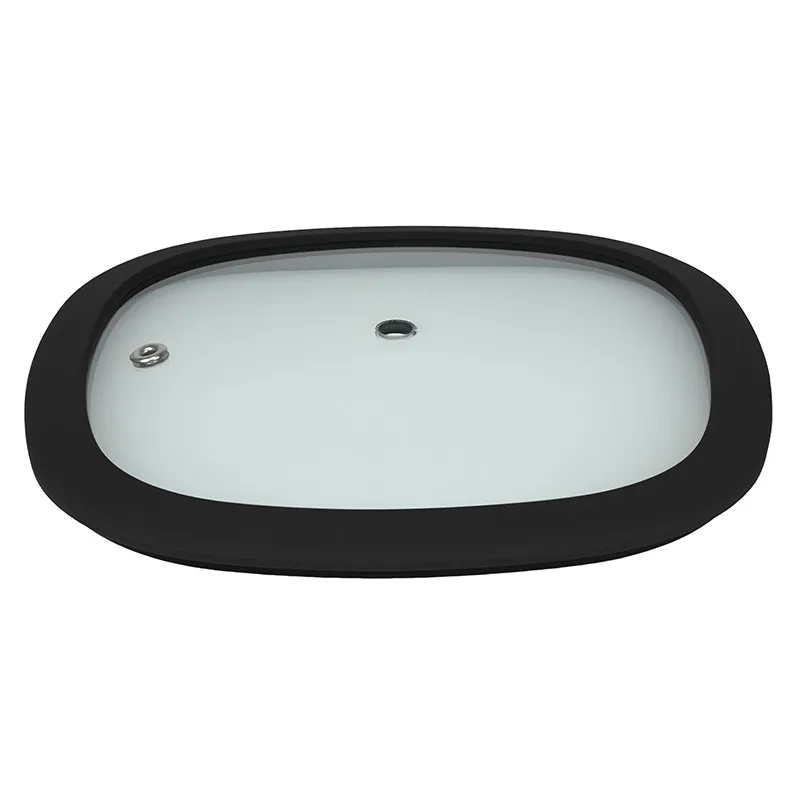
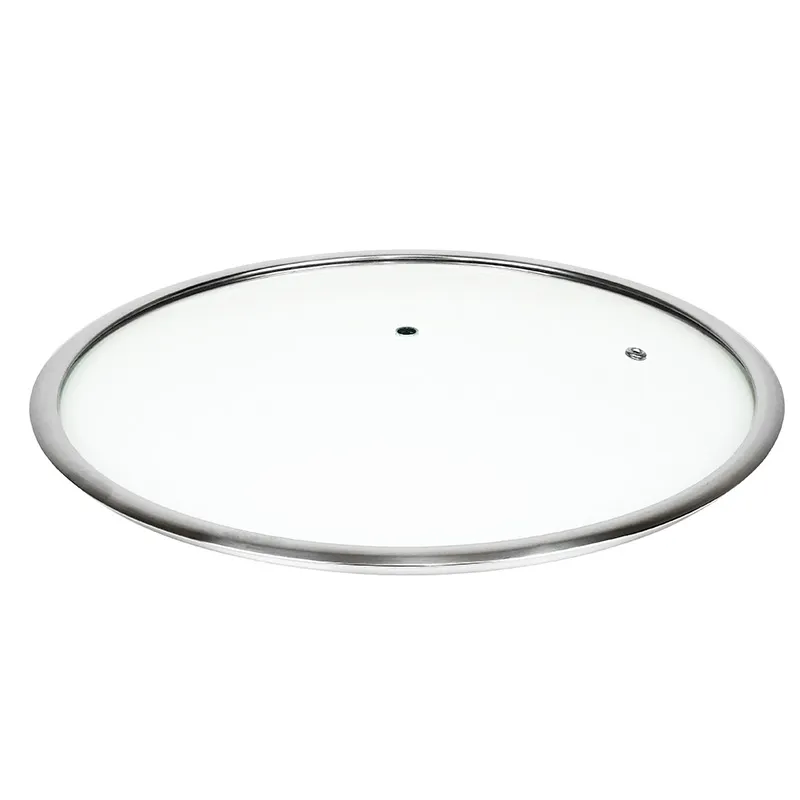
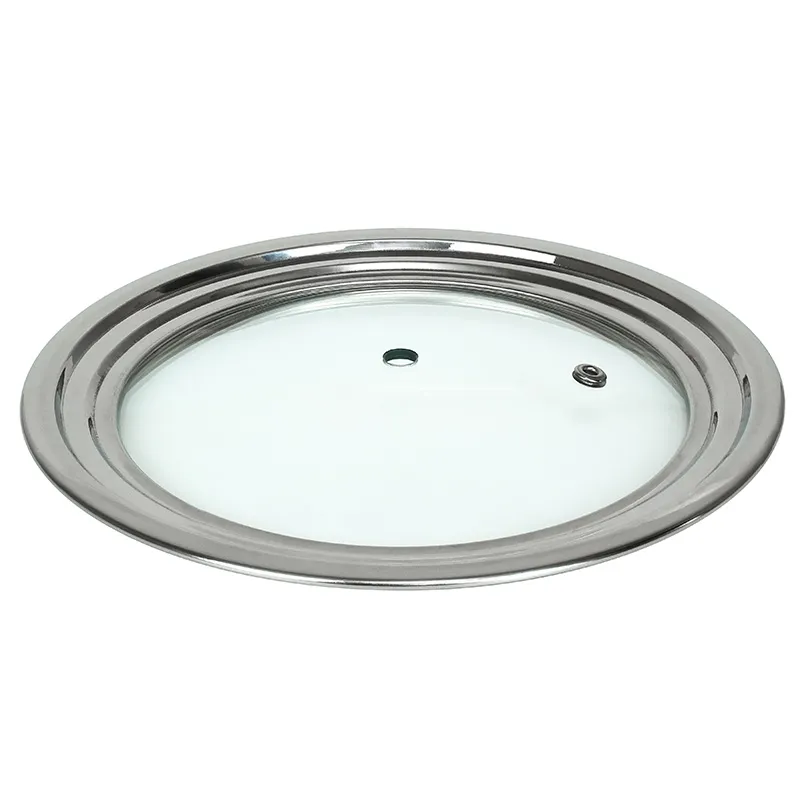
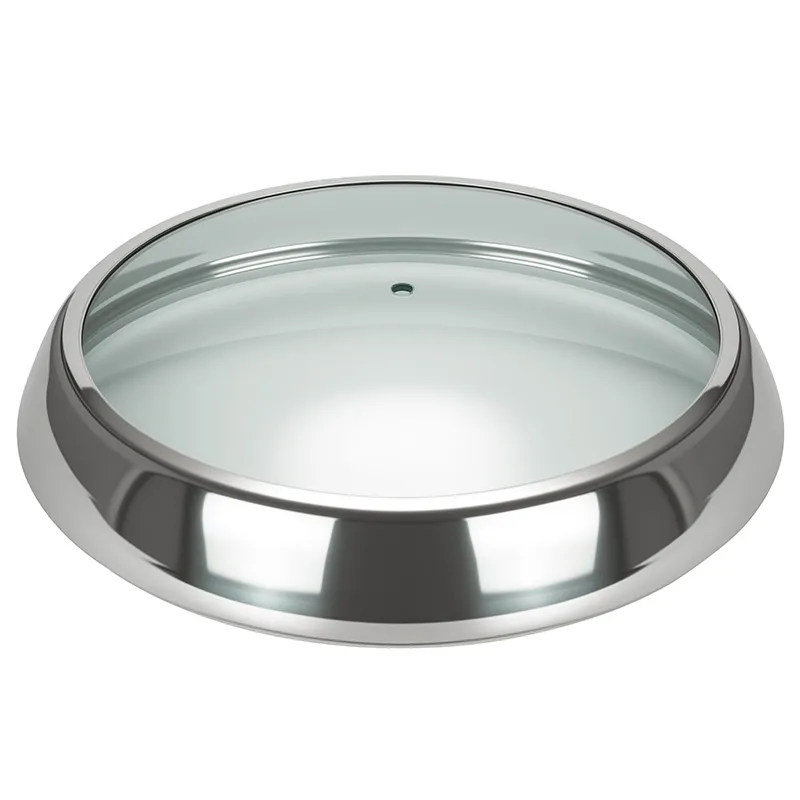
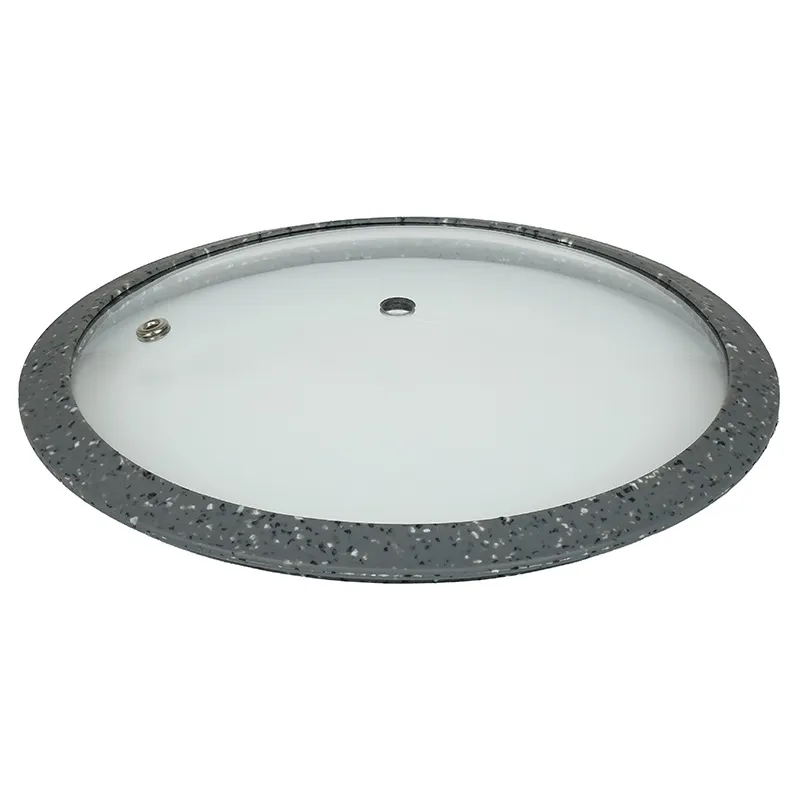
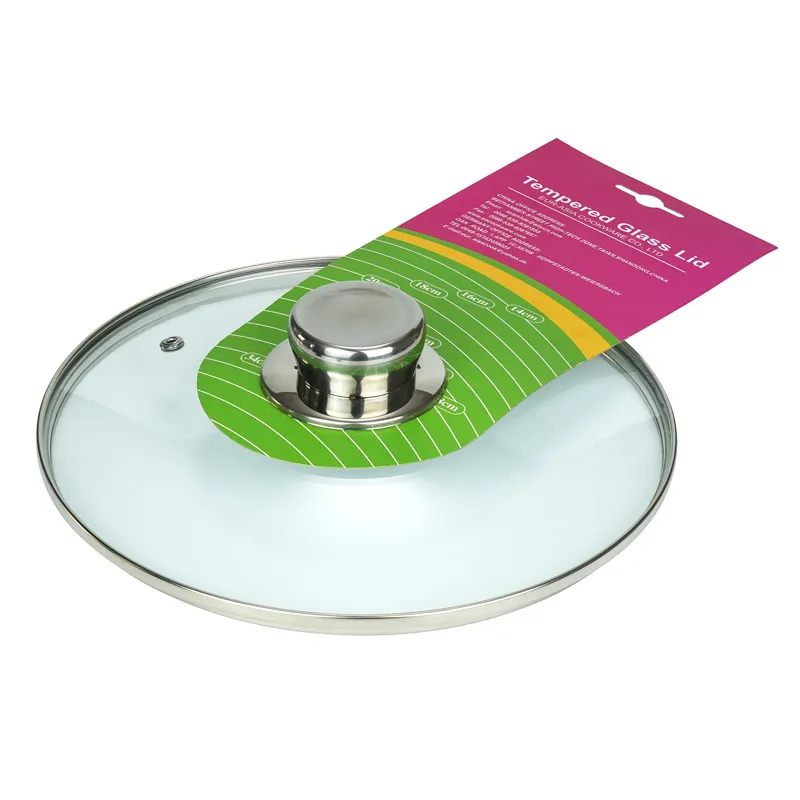
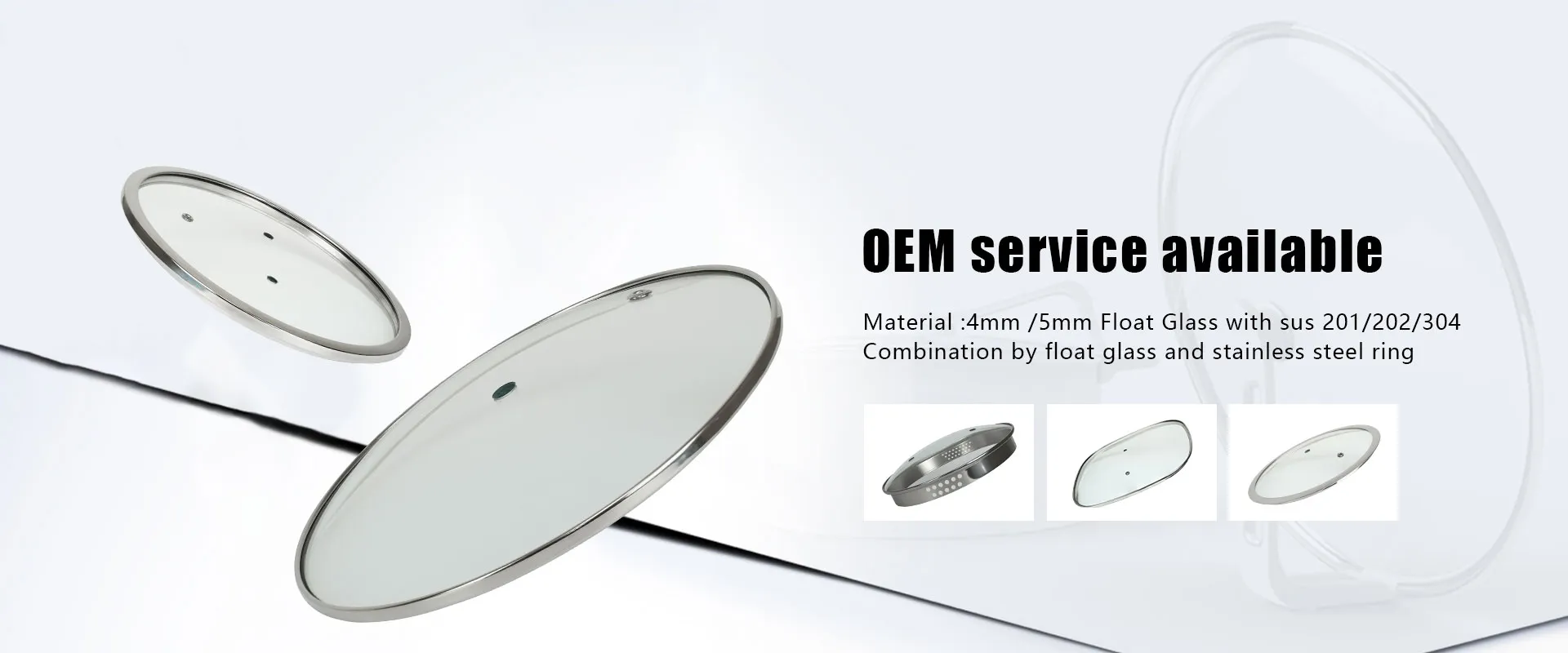
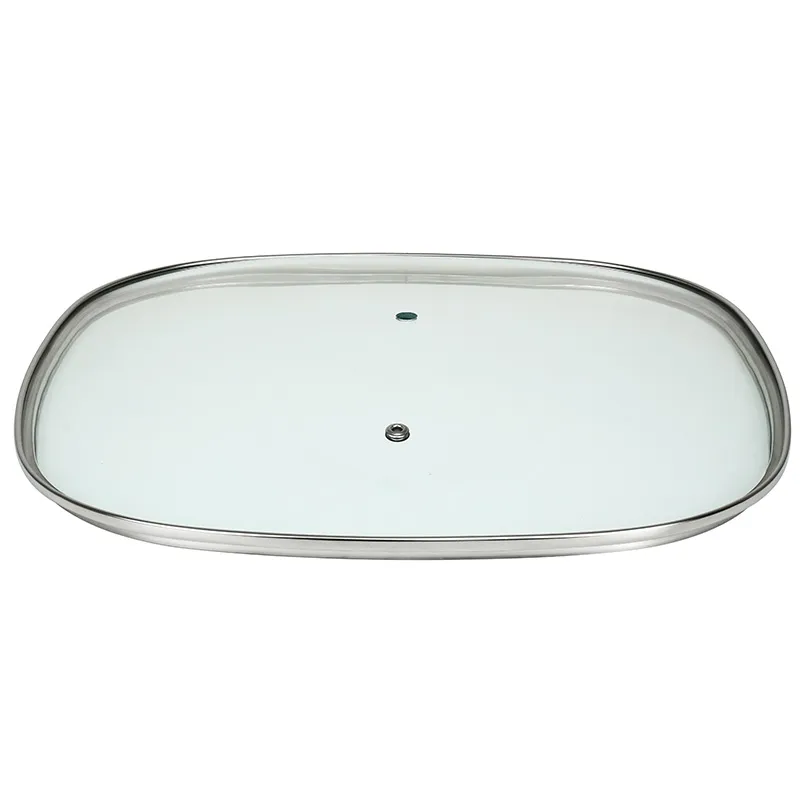
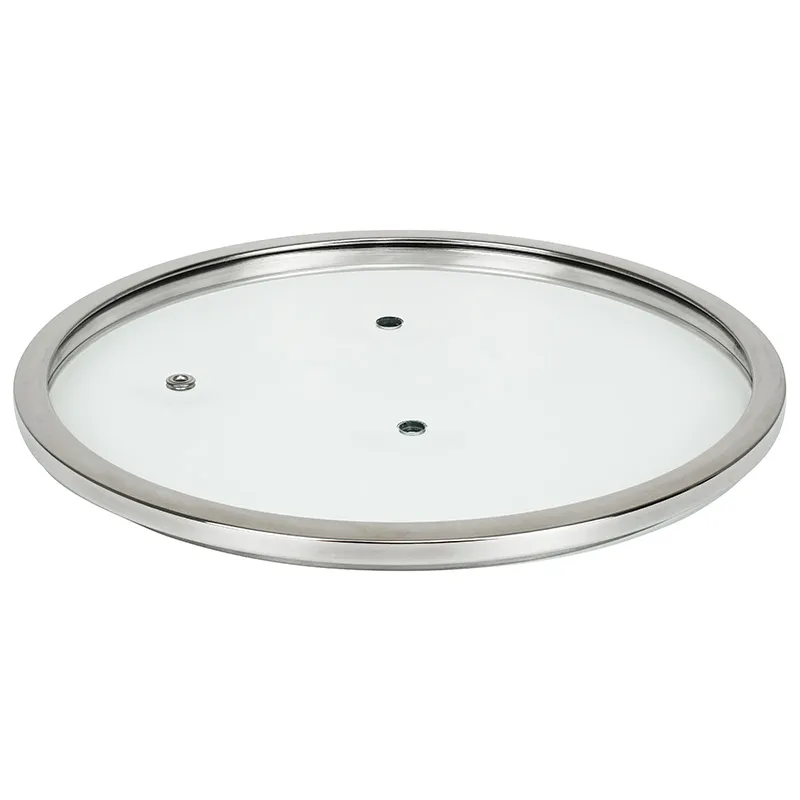
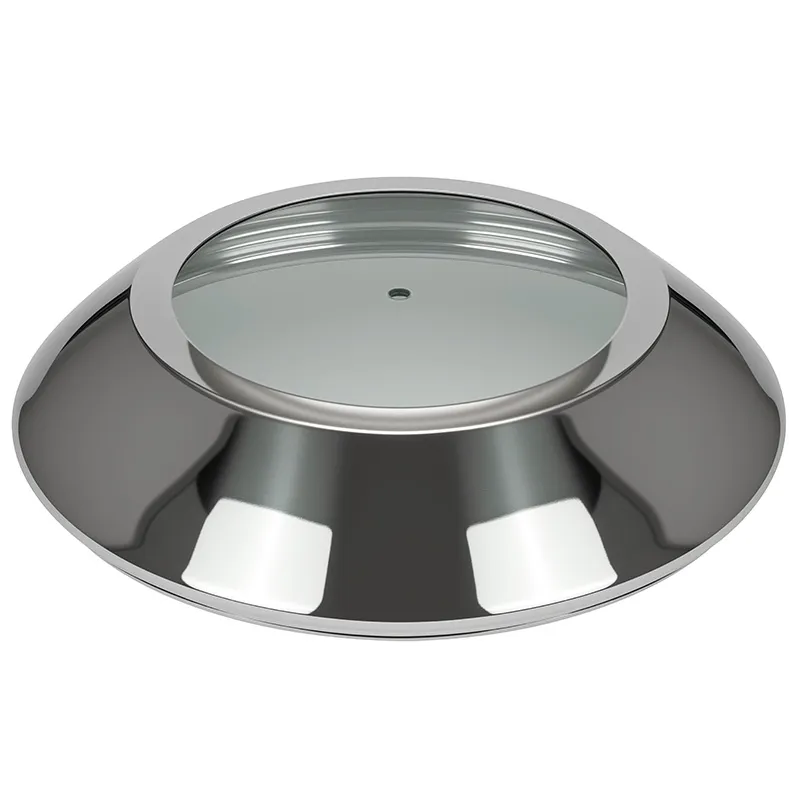
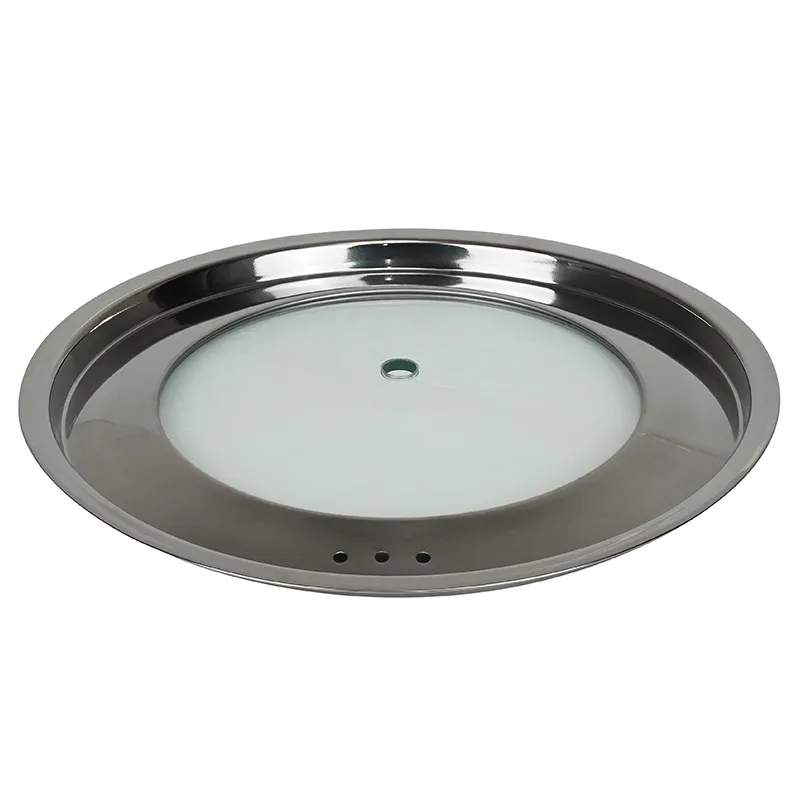
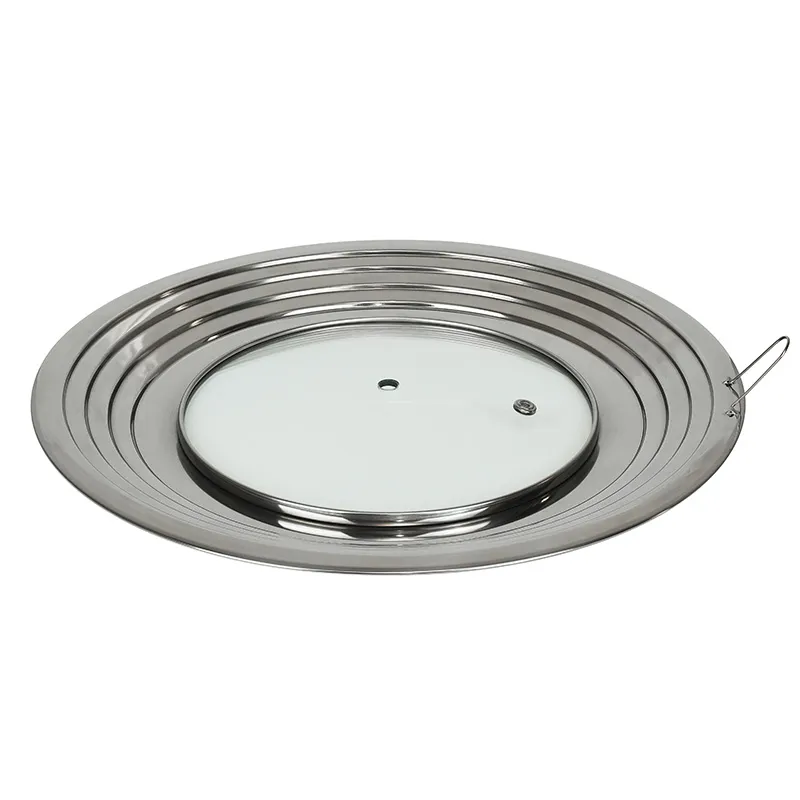
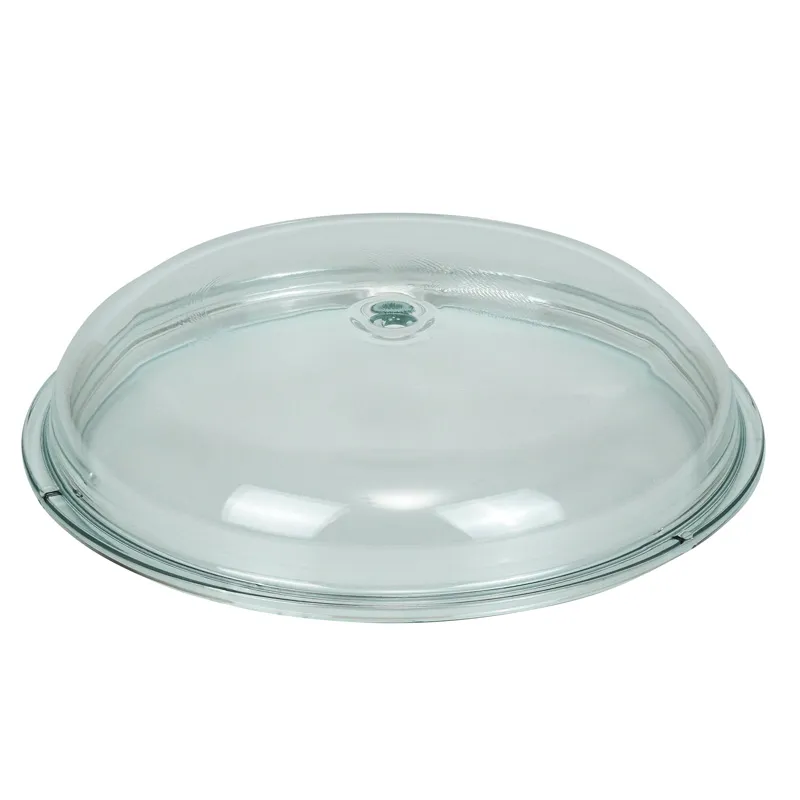
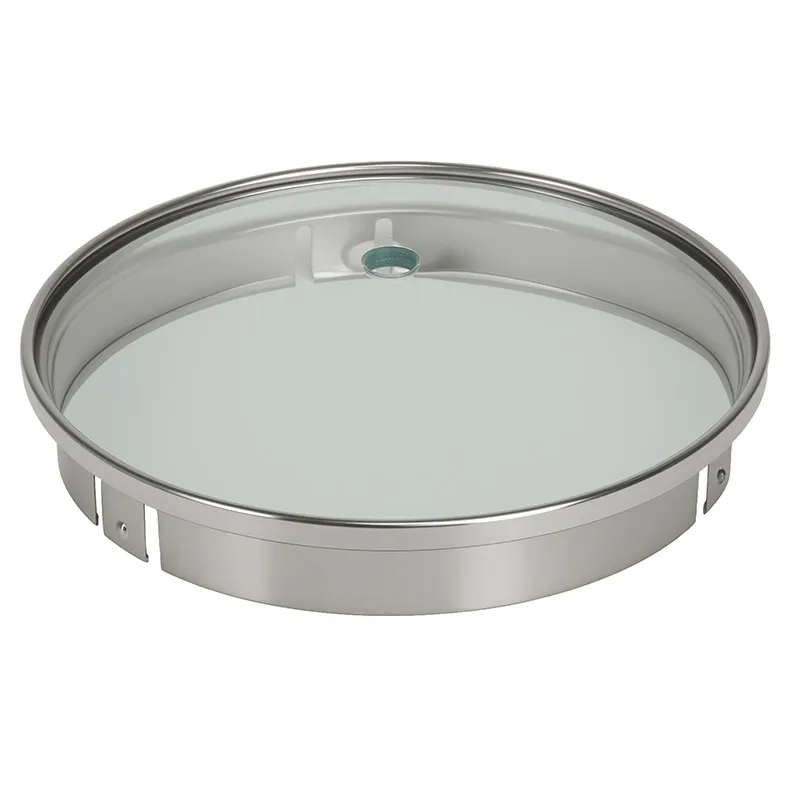
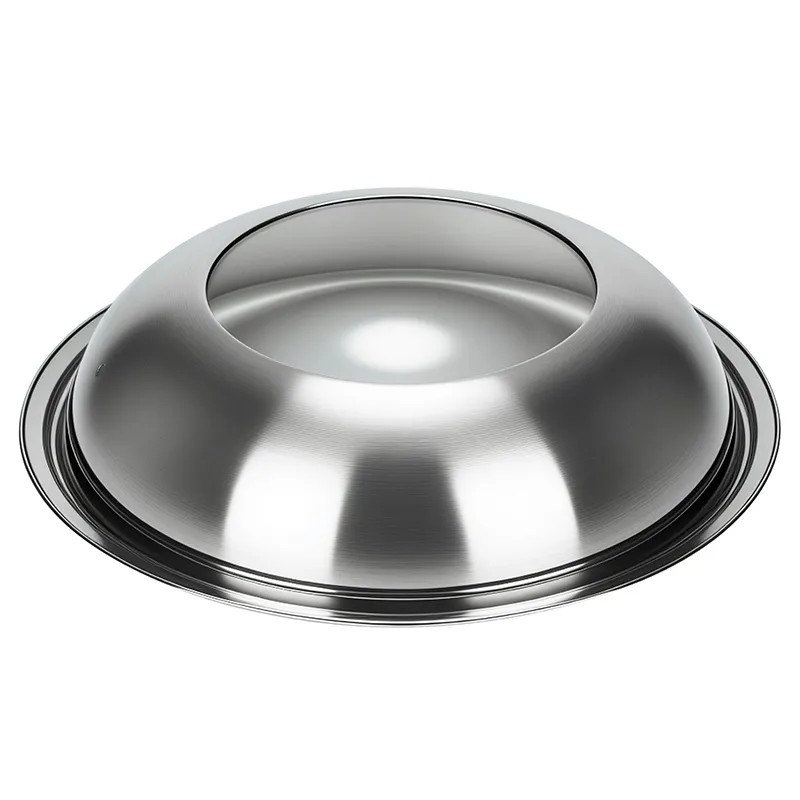
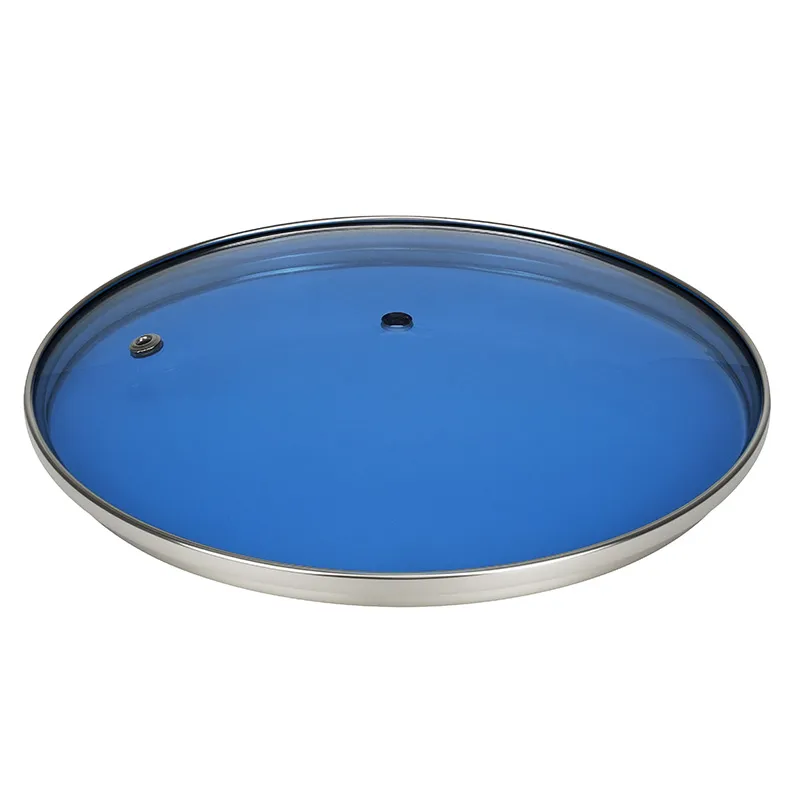
When you hear 'C type glass cover manufacturer of China', it's easy to picture a monolithic, faceless industrial complex. That's the first misconception. In reality, it's a fragmented landscape of specialists and generalists, where the term 'C type' itself can cause confusion—some think it's about a specific curvature standard, others about a tempering process grade. Having sourced and spec'd these components for cookware lines, I've found the reality is less about a rigid classification and more about a functional niche: a C type glass cover typically refers to that ubiquitous, slightly domed tempered glass lid for saucepans and casseroles, where the 'C' often denotes a common handle attachment style or a standard profile in Western markets. The real expertise lies not just in making glass, but in consistently hitting the precise thermal shock resistance and edge-finishing standards that prevent failures down the line.
The Core of Production: More Than Just Tempering
Let's talk about the base. Most manufacturers cluster in areas like Shandong, with access to raw material and logistics. I visited a few over the years. One that comes to mind is EUR-ASIA COOKWARE CO.,LTD. Their setup in Taian's High-tech Zone is a good case study. They aren't the biggest, but their focus on household glass products, specifically lids, gives them a defined lane. Walking their floor, you see the rhythm: cutting, edging, tempering, inspection. The critical point isn't the tempering furnace—everyone has one—it's the pre-processing and the cooling jets. A misalignment there, and your stress pattern is off. I've seen batches where covers passed a basic impact test but failed in real-world rapid cooling, developing hairline cracks. That's often a cooling rate issue, something a good manufacturer of China will have dialed in through brutal trial and error.
Their annual output, quoted at over 15 million pieces, sounds massive. But in this segment, it's a competitive volume. It tells you they're running multiple lines and have the mold library to support various diameters and skirt depths. The 'low-medium-high level' mention in their profile is key. It's industry shorthand. 'Low' might be for basic promotional cookware sets, where optical clarity is secondary. 'High' is for the European brands, where not just clarity but also the consistency of the silk-screen printing on the lid—the logo, the max temperature indicator—becomes a major QC point. The glass cover for a German retailer has different tolerances than one for a regional brand.
Why does the location in Shandong matter? Proximity to high-quality silica sand sources is one thing. But more pragmatically, it's about the ecosystem. Within a few hours' drive, you can find specialists in metal stamping for the handles, packaging, and logistics agents familiar with container loading for fragile goods. This ecosystem efficiency is a hidden advantage for a C type glass cover manufacturer there, allowing a company like EUR-ASIA to integrate handle assembly and final packaging tightly, reducing handling damage.
The Export Reality: Compliance Isn't Just a Certificate
Over 90% export rate to markets like Germany, France, and Japan isn't just a sales statistic; it's a testament to a grueling compliance journey. Each market has its own unspoken rules. The German buyers, for instance, are obsessed with the edge finish. They'll run a finger around the entire perimeter of a glass cover feeling for the slightest chip or sharpness. Their standards often exceed the formal ISO specs. For the Japanese market, it's about packaging precision and documentation. A single pallet loaded incorrectly, leading to a crack, can trigger a whole shipment rejection.
I recall a project where we needed a lid to pass a specific FDA-type compliance for food contact in the US, even though it's glass. The issue wasn't the glass itself, but the inks and enamels used for printing. The manufacturer of China we worked with (not EUR-ASIA in this case) had certificates, but their batch-to-batch consistency on ink adhesion failed during our lab tests. The lesson? A certificate is a starting point, not a guarantee. You have to audit their chemical sourcing logs. Many manufacturers now understand this and have segregated production lines for different compliance zones, which is what a dedicated exporter would likely have in place.
The list of export countries—Brazil, Turkey, Poland, etc.—also hints at something important: product adaptability. A lid destined for Brazil might need a different rubber gasket material due to humidity, while one for the Middle East might prioritize resistance to dry, high heat. A factory truly experienced in exports doesn't just ship the same product everywhere; they have a matrix of small modifications. Checking if a C type glass cover manufacturer has this adaptability is a quick litmus test for their depth.
On the Ground: Failures and Refinements
You learn more from a failure than a perfect shipment. Early on, we had an issue with 'spontaneous breakage' in a warehouse. Lids were cracking just sitting in the box. The supplier was baffled. After ruling out impact, we traced it back to nickel sulfide inclusions—a tiny impurity in the glass that can expand over time and cause a rupture. It's a known but rare risk in tempered glass. The manufacturer of China we used hadn't implemented a rigorous hot-soak test (HST) for that particular mid-range product line. HST involves heating the tempered lids in an oven to accelerate the expansion of any inclusions, causing weak ones to break before shipment. It's costly and time-consuming. Now, it's a non-negotiable line item in our spec for any volume order, and any serious producer should offer it as an option, if not standard for high-level products.
Another practical headache is logistics. Glass is heavy and fragile. I've seen beautifully made covers arrive with a 5% breakage rate because of poor palletization. The best factories don't just make the product; they engineer the pack. They'll have specific corner protectors, interleaf sheets, and pallet strapping patterns that minimize in-transit movement. Visiting EUR-ASIA's website at https://www.glass-lid.com, you can infer this capability from their scale. A facility with 15,000㎡ of building area likely has a dedicated packing and logistics section that has learned these lessons through millions of shipments.
Then there's the handle. The 'C type' often relates to this. It's usually a metal bail handle attached with a rivet or a clamp. The point of failure is rarely the glass; it's the attachment point. Corrosion of the rivet, loosening of the clamp, or thermal conductivity causing the handle to get too hot. A good manufacturer will have a range of handle options and have tested the thermal transfer. They should be able to tell you the max temperature at the handle's apex after 30 minutes on a boiling pot. If they can't, they're just glass cutters, not solution providers.
The Evolution and the Niche
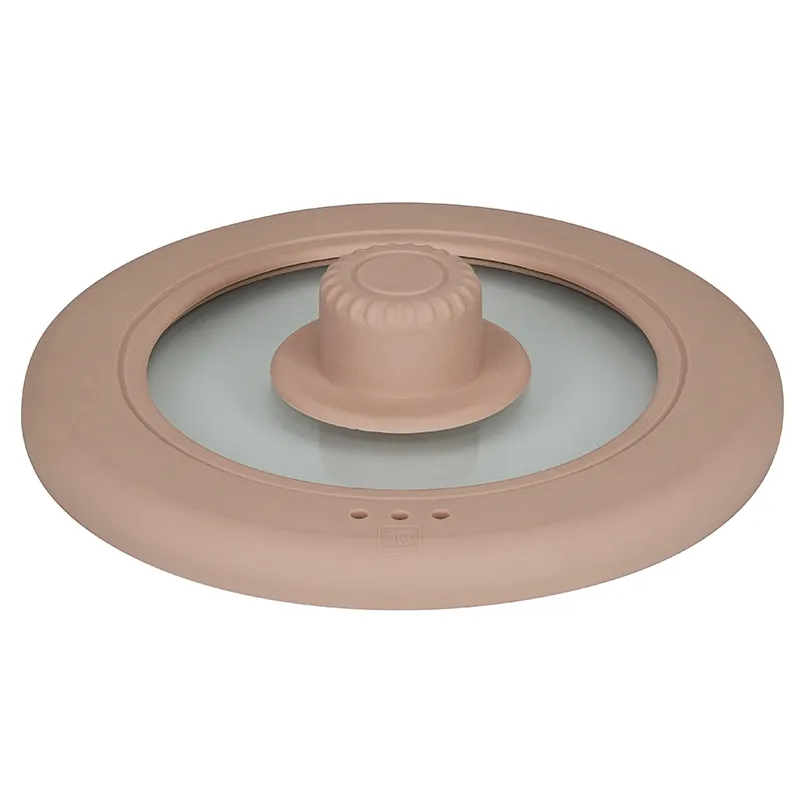
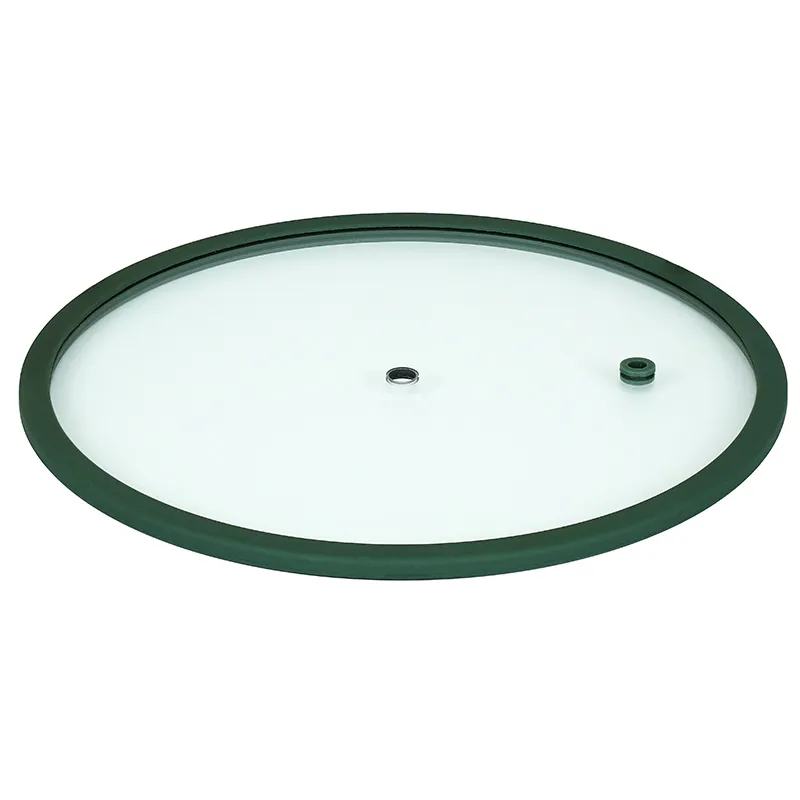
The market isn't static. The classic C type glass cover is facing competition from silicone-sealed versions and hybrid designs with steam vents. The manufacturers that survive are those adding value. This could be offering custom silk-screen printing with low minimum order quantities (MOQs), developing covers for new induction-ready cookware shapes, or even moving into full glass-ceramic lids for high-end lines. The production of tempered glass lid products is becoming more integrated. It's not uncommon to see the same factory also supplying the matching glass bowls or ceramic cookware bases, acting as a one-stop shop.
For a company like EUR-ASIA COOKWARE CO.,LTD., with its stated specialization, the path forward is likely deeper integration into cookware brands' supply chains. Being in a development zone probably gives them access to certain tech partnerships or tax incentives for R&D. The real question for any buyer is: can they move from being a supplier of a component to a partner in product development? Can they help design a lid that improves a pot's thermal efficiency or reduces weight without sacrificing strength?
Looking back, the keyword 'C type glass cover manufacturer of China' points to a mature, competitive, and surprisingly nuanced sector. It's not about finding the cheapest source; it's about finding the most competent partner who understands that their product sits on a pot on a stove, in a home, under real and often stressful conditions. The manufacturers that get this, the ones with the scars from past export rejections and the data from their HST ovens, are the ones worth dealing with. They've moved past just making glass to engineering a reliable component. And in this industry, reliability is the only brand that truly matters.
Related Products
Related Products