- Chinese
- French
- German
- Portuguese
- Spanish
- Russian
- Japanese
- Korean
- Arabic
- Irish
- Greek
- Turkish
- Italian
- Danish
- Romanian
- Indonesian
- Czech
- Afrikaans
- Swedish
- Polish
- Basque
- Catalan
- Esperanto
- Hindi
- Lao
- Albanian
- Amharic
- Armenian
- Azerbaijani
- Belarusian
- Bengali
- Bosnian
- Bulgarian
- Cebuano
- Chichewa
- Corsican
- Croatian
- Dutch
- Estonian
- Filipino
- Finnish
- Frisian
- Galician
- Georgian
- Gujarati
- Haitian
- Hausa
- Hawaiian
- Hebrew
- Hmong
- Hungarian
- Icelandic
- Igbo
- Javanese
- Kannada
- Kazakh
- Khmer
- Kurdish
- Kyrgyz
- Latin
- Latvian
- Lithuanian
- Luxembou..
- Macedonian
- Malagasy
- Malay
- Malayalam
- Maltese
- Maori
- Marathi
- Mongolian
- Burmese
- Nepali
- Norwegian
- Pashto
- Persian
- Punjabi
- Serbian
- Sesotho
- Sinhala
- Slovak
- Slovenian
- Somali
- Samoan
- Scots Gaelic
- Shona
- Sindhi
- Sundanese
- Swahili
- Tajik
- Tamil
- Telugu
- Thai
- Ukrainian
- Urdu
- Uzbek
- Vietnamese
- Welsh
- Xhosa
- Yiddish
- Yoruba
- Zulu
- Kinyarwanda
- Tatar
- Oriya
- Turkmen
- Uyghur

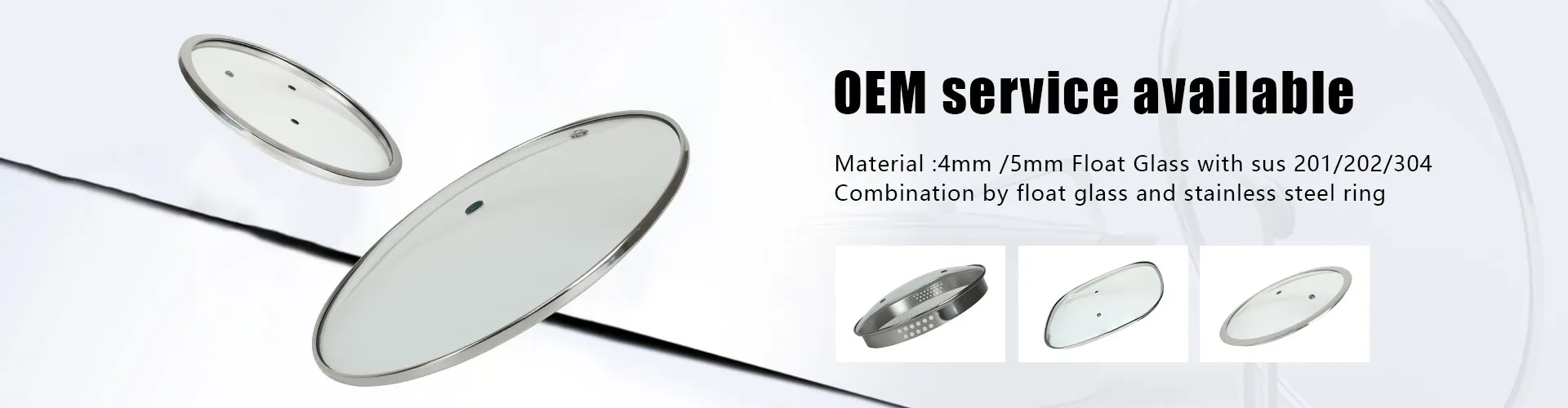
C type glass cover manufacturer
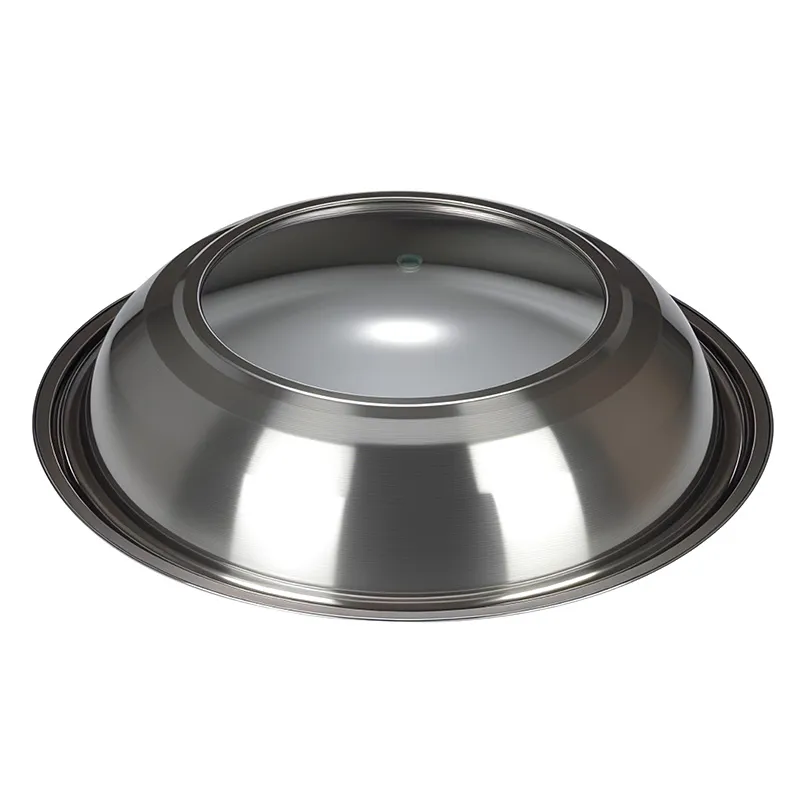
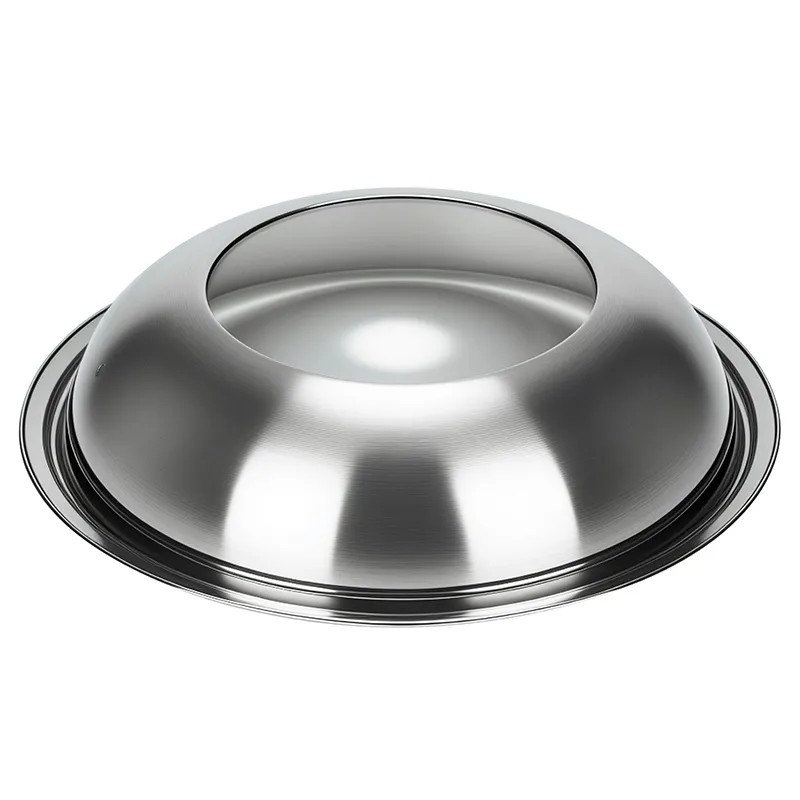
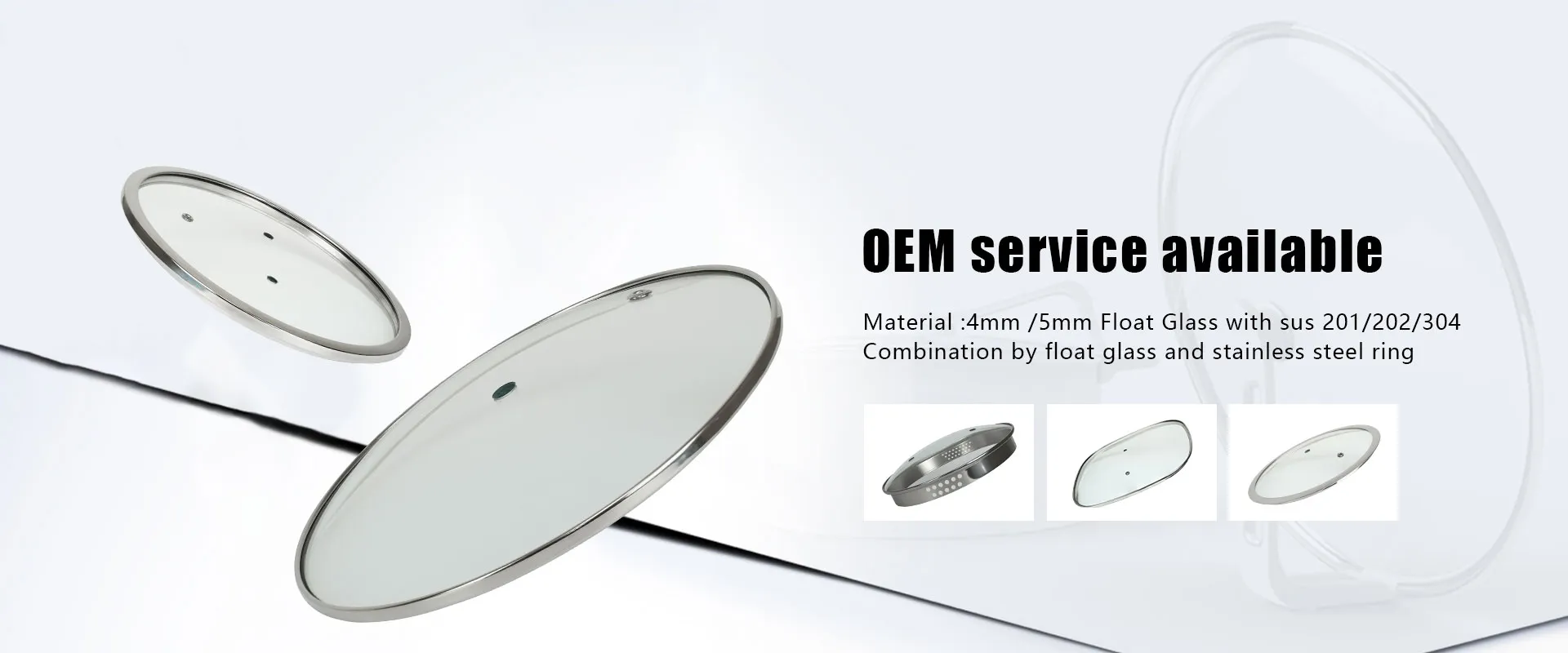
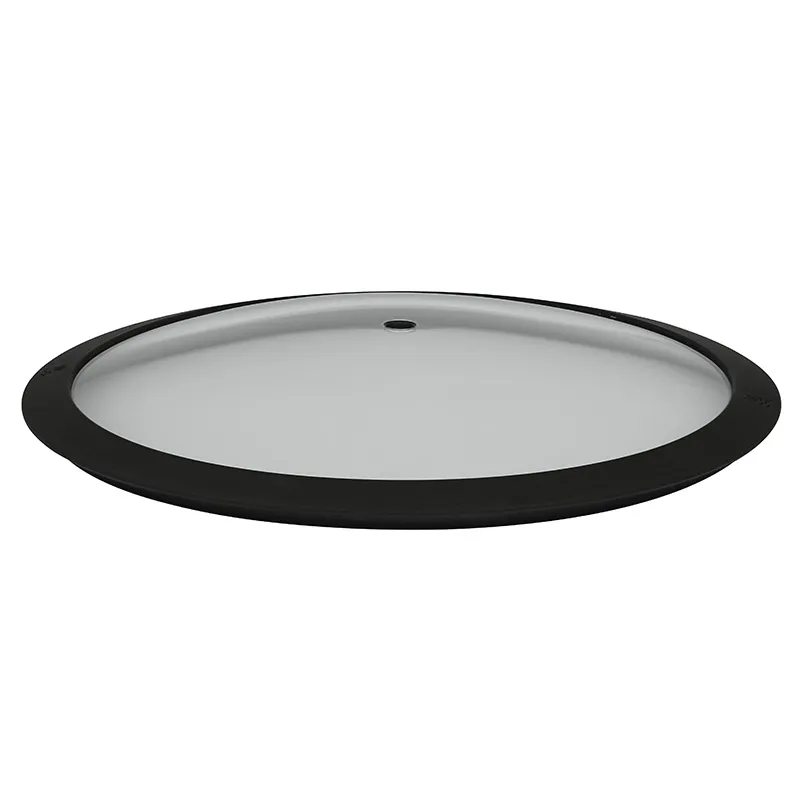
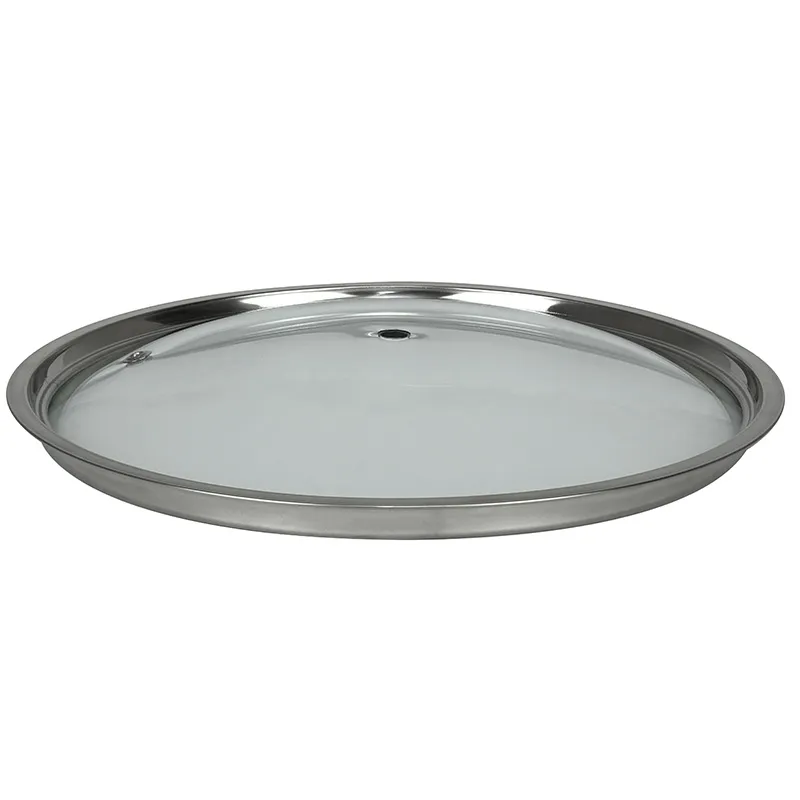
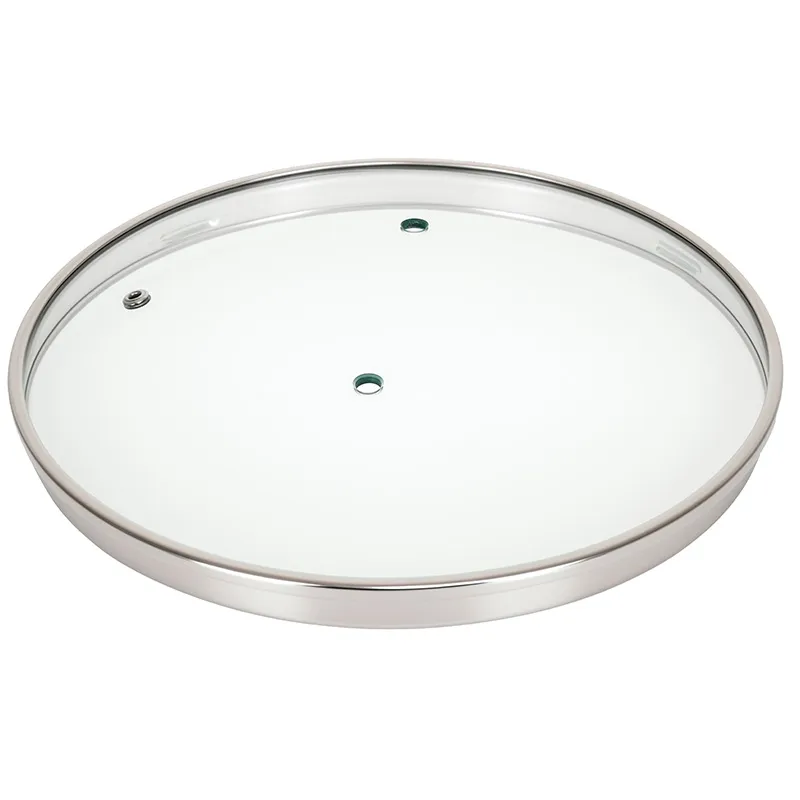
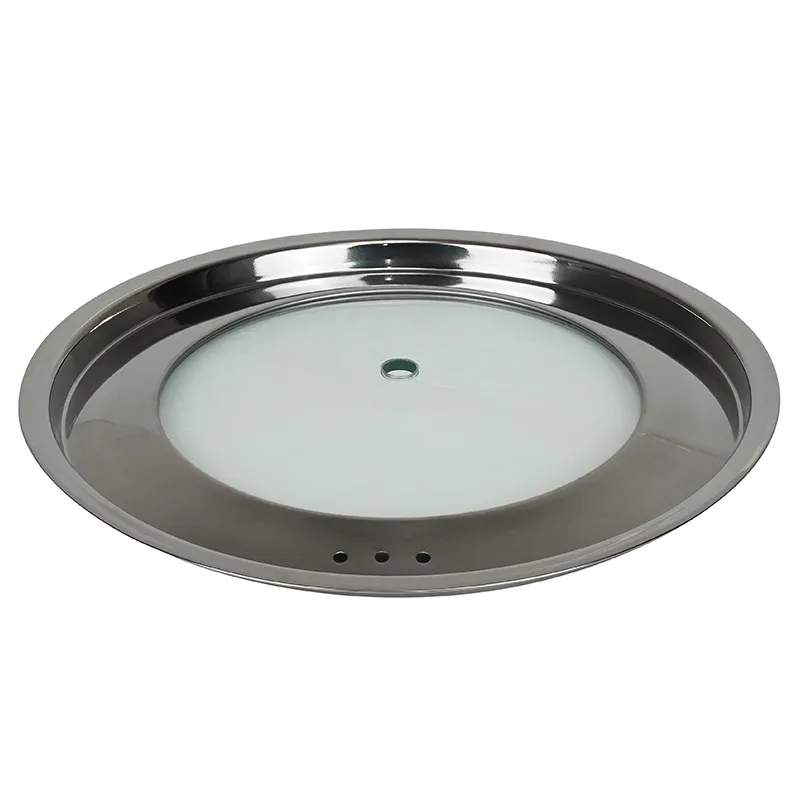
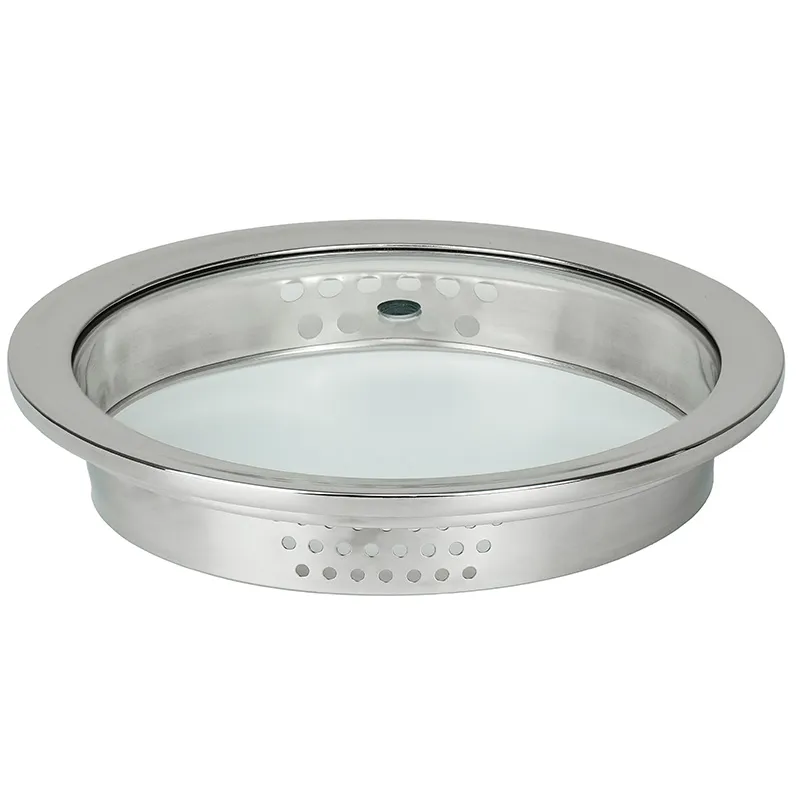
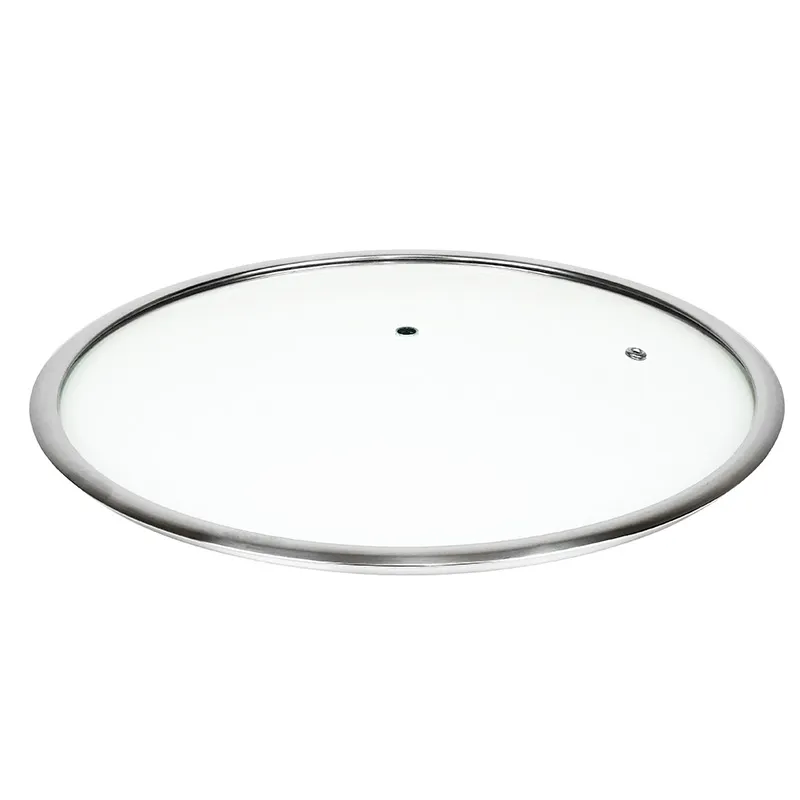
When you hear 'C type glass cover manufacturer', it's easy to picture just another factory stamping out generic lids. That's the first misconception. In reality, it refers to a specific, often under-discussed segment of tempered glassware production focused on covers with a distinct 'C' shaped handle or rim design, primarily for cookware. The nuance isn't just in the shape; it's in the engineering for thermal shock resistance, the cladding compatibility, and the safety standards that vary wildly by market. Many buyers, even seasoned ones, conflate this with general glass lid manufacturing and end up with fitment or durability issues. The difference is in the details you only learn by dealing with the production line and the breakage reports.
The Specifics of the 'C' Type Design
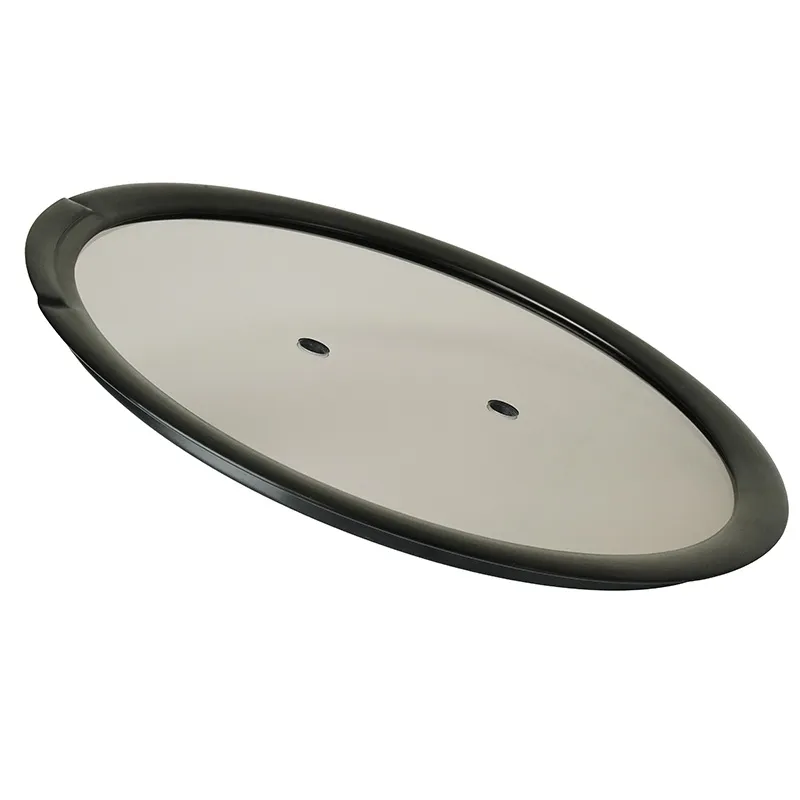
The 'C' isn't arbitrary. This design, often a handle or a pronounced rim profile, is about ergonomics and heat distribution. A flat glass lid with a knob is simple. A C-type cover has a thicker, reinforced border in that shape to provide a secure grip area that stays cooler relative to the center. It also often dictates the sealing mechanism with the pot. I've seen prototypes where the C-shape's curvature wasn't calculated correctly for the cladding metal's expansion rate, leading to micro-fractures after repeated use. It's a classic case of form following a very strict function.
Manufacturers who get this right, like EUR-ASIA COOKWARE CO.,LTD, treat it as a precision component. Visiting a facility that specializes in this, you notice the mold maintenance for the C-border is more frequent. The tempering process has to account for the uneven thickness. If the cooling jets aren't calibrated for the denser C-section, you get weak points. It's not something every glass factory can switch to overnight. Their production base in Taian's High-tech Zone has the kind of setup for this volume – 15 million pieces annually isn't just a number, it speaks to a dedicated line for these specific products.
Where others fail? Underestimating the annealing time. Rushing the cooling after shaping the 'C' profile introduces internal stress. The lid might pass a basic impact test but will shatter unpredictably during a rapid temperature change, like moving from a stovetop to a cold granite counter. It's a failure that doesn't show up in initial quality checks but in customer complaints months later. This is where the specialization of a true C type glass cover manufacturer separates from a generalist.
Material Sourcing and the Export Reality
You can't talk manufacturing without talking raw glass. For export-grade C-type covers, especially to markets like Germany or Japan, the silica composition and the iron content (which affects clarity) are critical. Low-iron glass is almost a given for high-end lines. But here's a practical hiccup: securing consistent, high-purity raw material batches in volume. A supplier might meet spec for ten containers, then the next batch has slight impurities that affect the tempering curve. You need a procurement team that understands the material science, not just the logistics.
This ties directly into the export focus of companies like EUR-ASIA. Over 90% export to Europe and Asia means their production is built against EN, GS, or LFGB standards, not just domestic ones. The testing isn't optional; it's baked into the process. I recall a batch destined for Poland where the covers passed all physical tests but failed a lead and cadmium migration test because the color pigment on the silk-screen border was from a new supplier. It halted everything. It's these non-core material choices – the inks, the silicone seals for the handle – that trip up many.
Their website, https://www.glass-lid.com, lists those key export destinations for a reason. It signals an understanding of fragmented compliance landscapes. A cover for the Brazilian market might have different handle adhesion requirements than one for South Korea. The manufacturer has to maintain these parallel technical files. It's a operational complexity that's invisible in the final product but defines a reliable glass cover manufacturer.
Production Scale and the Flexibility Paradox
A 20,000㎡ facility with 90+ employees sounds substantial, and it is. For C-type covers, scale brings efficiency but also rigidity. The real test is handling mid-run changes. Say a European client wants to modify the C-handle's underside for a new latch system on their cookware line. On a high-volume tempering line running 24/7, inserting this change requires stopping, cooling, changing molds, recalibrating the furnace temperature for the new glass thickness, and running tests. The downtime cost is enormous.
This is where the 'low- medium- high level' product range in their company intro becomes a strategic advantage. It suggests modular production lines. The high-level line for complex C-type designs might be separate from the medium-level one. It allows some flexibility. I've seen manufacturers without this segmentation refuse small-but-critical modifications because it derails their entire output. EUR-ASIA's structure likely allows them to absorb these customizations for key clients without shutting down the whole show.
The annual output of 15 million pieces is impressive, but the insightful question is: what's the mix? How many of those are the more complex, higher-margin C-type variants versus simpler lids? That mix ratio tells you about their specialization depth. A factory producing a majority of simple lids might treat C-types as a side project, with less expertise. The dedicated focus is key.
The Overlooked Challenge: Packaging and Logistics
This might seem trivial, but it's where profit evaporates. A C-type glass cover, with its uneven shape and stress points, is a nightmare to pack securely for container shipping across oceans. Standard cardboard and foam won't cut it. You need custom molded pulp or EPS inserts that cradle the C-profile precisely. Any movement during transit creates micro-abrasions or, worse, hidden cracks.
Many manufacturers, in a bid to cut costs, use generic packaging. The lids arrive with a 3-5% breakage rate, and the relationship sours. From the description of EUR-ASIA's export volume, they've likely invested in this. It's a capital cost (custom mold for each lid shape) and a space cost (bulkier packaging inventory). But it's non-negotiable. I learned this the hard way early on, approving a cheaper packaging solution that led to a full container claim. The loss far outweighed the savings.
Furthermore, the 'C' shape often makes stacking inefficient. You lose container space compared to flat lids. This gets factored into the freight cost. A savvy manufacturer will have optimized this stacking pattern, sometimes designing the C-handle to interlock, to maximize load efficiency. It's these operational granularities that you only grasp after managing shipping logistics directly.
Future Pressure: Automation and Customization
The trend is toward more automation, but for C-type covers, full automation is tricky. The inspection process – checking for minute bubbles, stress patterns, and rim smoothness around the complex shape – still often relies on experienced human eyes under polarized light. Machines struggle with the nuanced gradients of a curved, tempered edge. The 90+ employees likely include a significant quality control team.
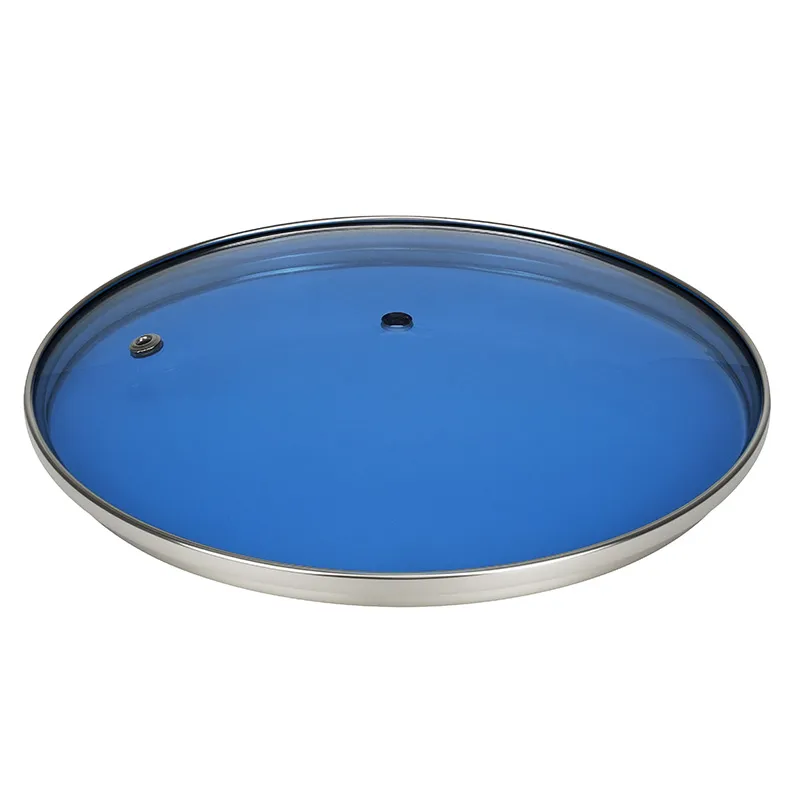
At the same time, brands are demanding more customization: colored borders, graduated tints, integrated stainless steel handles clipped into the C-form. This pushes back against full automation. The future for a C type glass cover manufacturer isn't in becoming a lights-out factory, but in mastering hybrid processes. Precision automation for cutting and initial shaping, followed by skilled craftsmanship for finishing and inspection. The production base described suggests this scale allows for such hybrid setups.
The real pressure point is sustainability. Tempered glass is recyclable, but the energy-intensive process is under scrutiny. The next wave for manufacturers in this space won't just be about making a durable lid, but about optimizing furnace efficiency and potentially integrating recycled cullet without compromising the clarity and strength needed for a premium C-type cover. It's the next hurdle, and it's coming fast from those European markets they supply.
So, when evaluating a partner for this component, look beyond the keyword. It's about finding a manufacturer whose entire ecosystem – from material science and mold engineering to compliance logistics and packaging – is built around the peculiar demands of that simple-seeming 'C' shape. That's the difference between a supplier and a specialist.
Related Products
Related Products