- Chinese
- French
- German
- Portuguese
- Spanish
- Russian
- Japanese
- Korean
- Arabic
- Irish
- Greek
- Turkish
- Italian
- Danish
- Romanian
- Indonesian
- Czech
- Afrikaans
- Swedish
- Polish
- Basque
- Catalan
- Esperanto
- Hindi
- Lao
- Albanian
- Amharic
- Armenian
- Azerbaijani
- Belarusian
- Bengali
- Bosnian
- Bulgarian
- Cebuano
- Chichewa
- Corsican
- Croatian
- Dutch
- Estonian
- Filipino
- Finnish
- Frisian
- Galician
- Georgian
- Gujarati
- Haitian
- Hausa
- Hawaiian
- Hebrew
- Hmong
- Hungarian
- Icelandic
- Igbo
- Javanese
- Kannada
- Kazakh
- Khmer
- Kurdish
- Kyrgyz
- Latin
- Latvian
- Lithuanian
- Luxembou..
- Macedonian
- Malagasy
- Malay
- Malayalam
- Maltese
- Maori
- Marathi
- Mongolian
- Burmese
- Nepali
- Norwegian
- Pashto
- Persian
- Punjabi
- Serbian
- Sesotho
- Sinhala
- Slovak
- Slovenian
- Somali
- Samoan
- Scots Gaelic
- Shona
- Sindhi
- Sundanese
- Swahili
- Tajik
- Tamil
- Telugu
- Thai
- Ukrainian
- Urdu
- Uzbek
- Vietnamese
- Welsh
- Xhosa
- Yiddish
- Yoruba
- Zulu
- Kinyarwanda
- Tatar
- Oriya
- Turkmen
- Uyghur


C type glass cover manufacturer in China
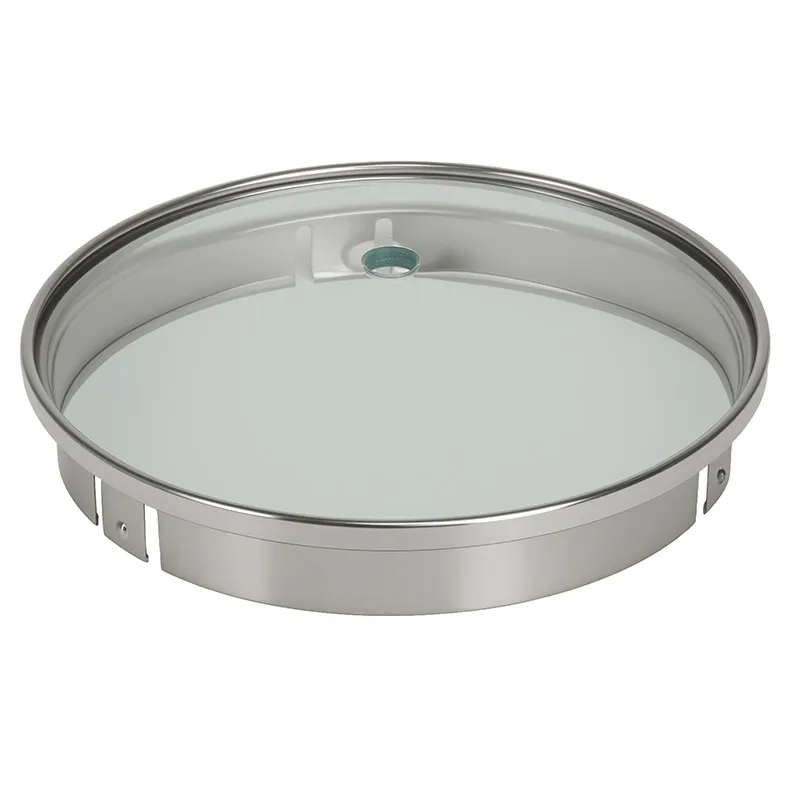
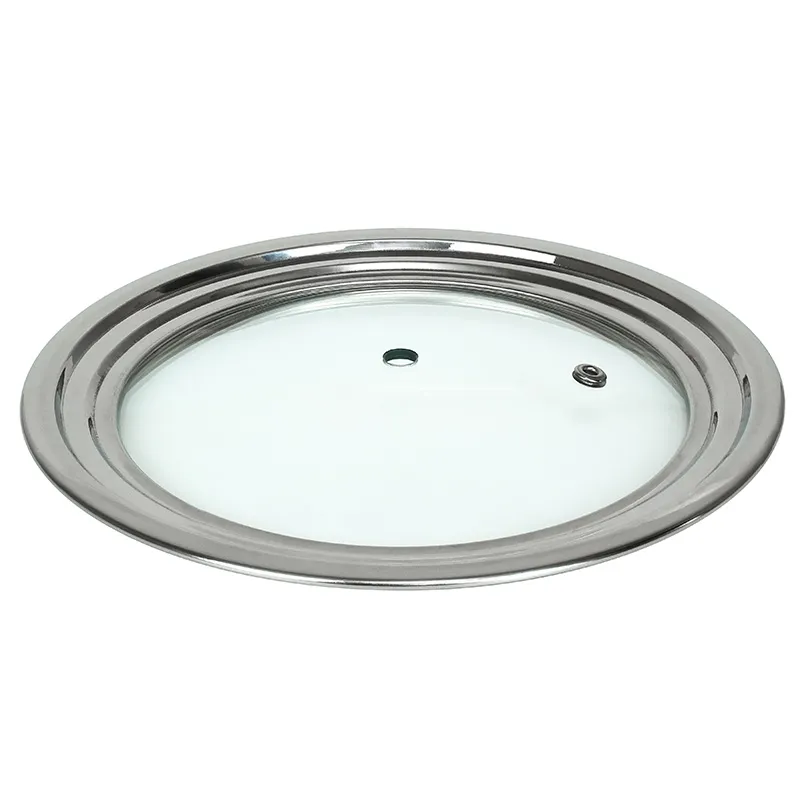
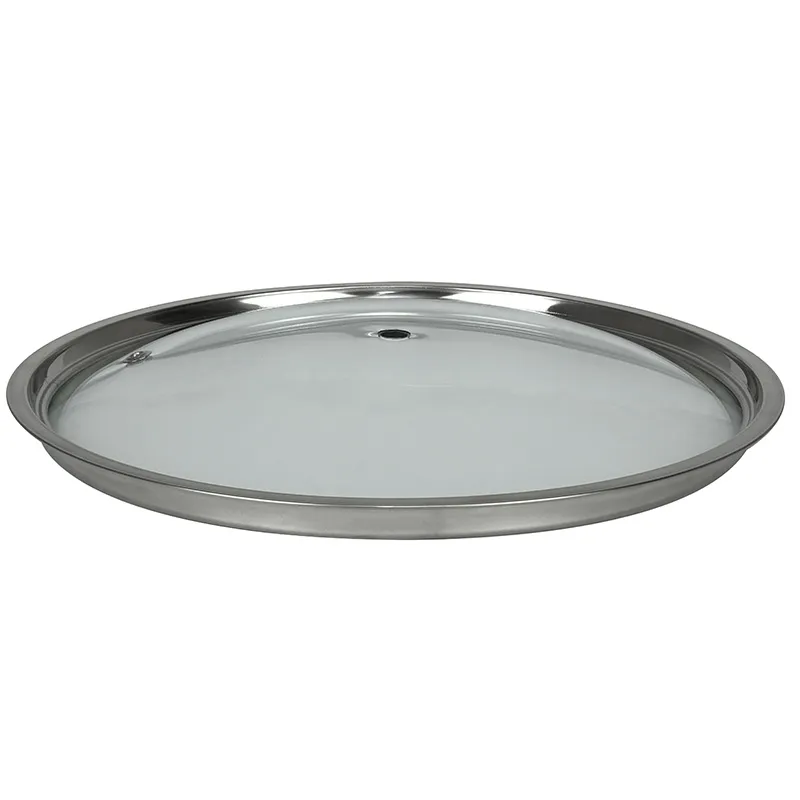
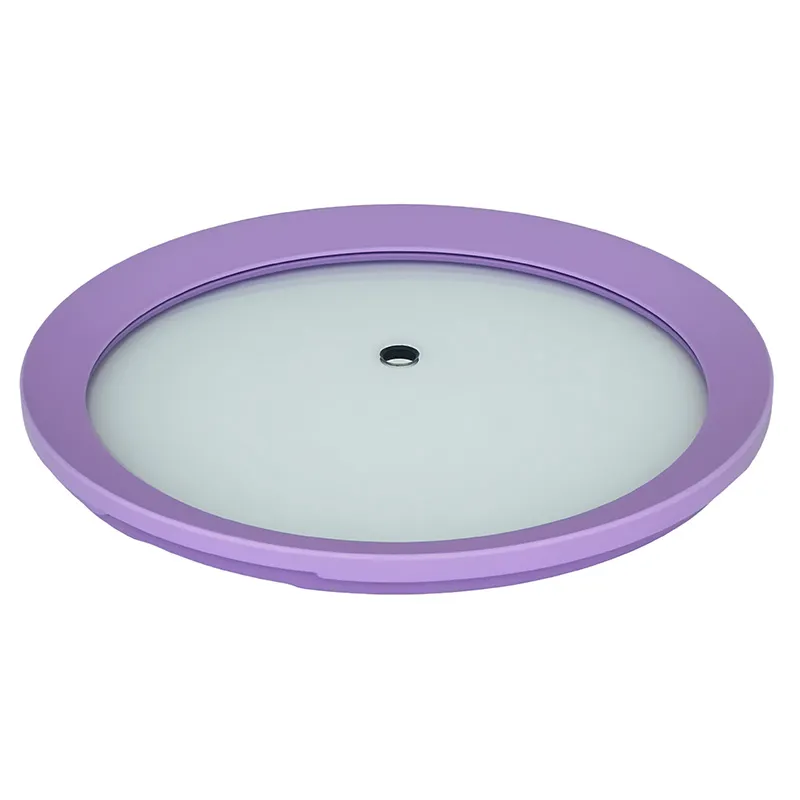
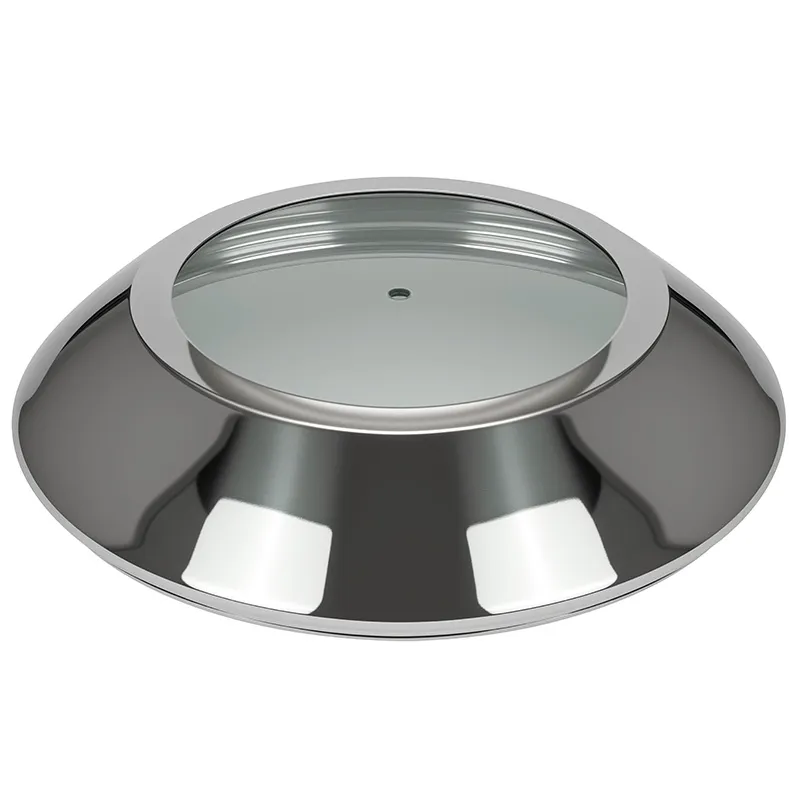
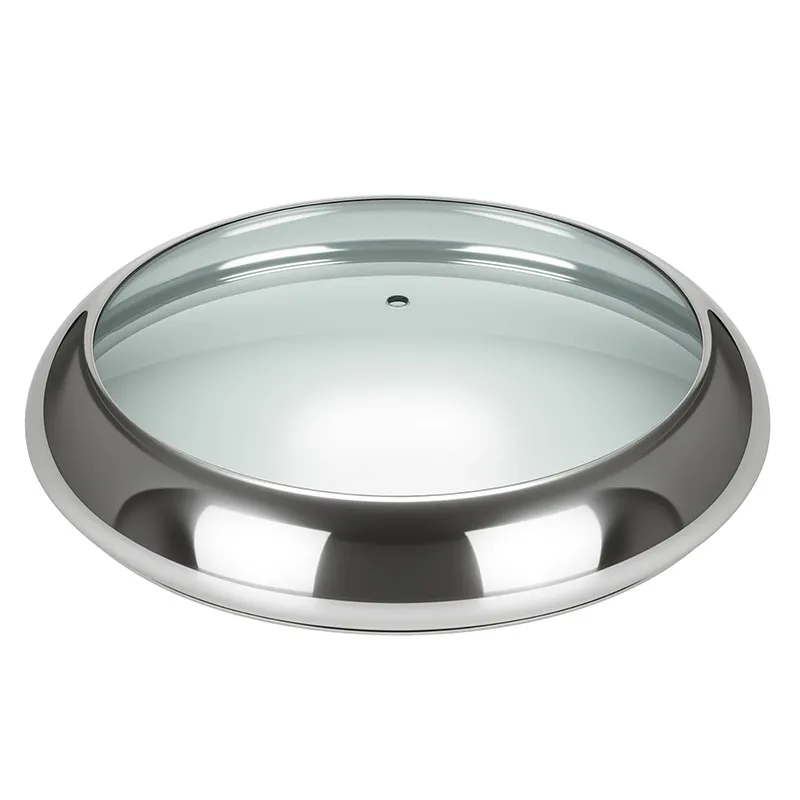
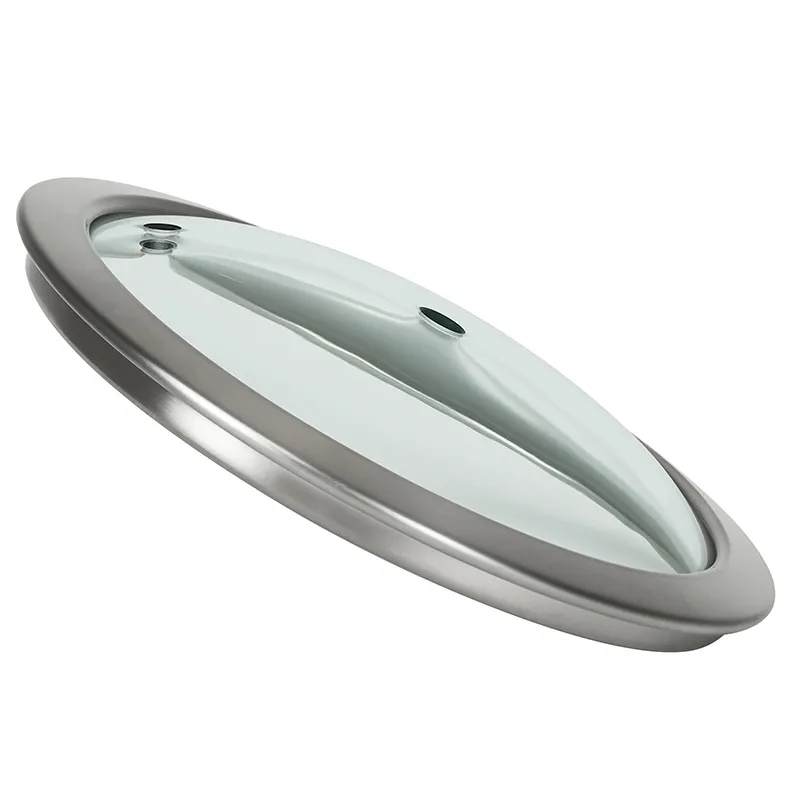
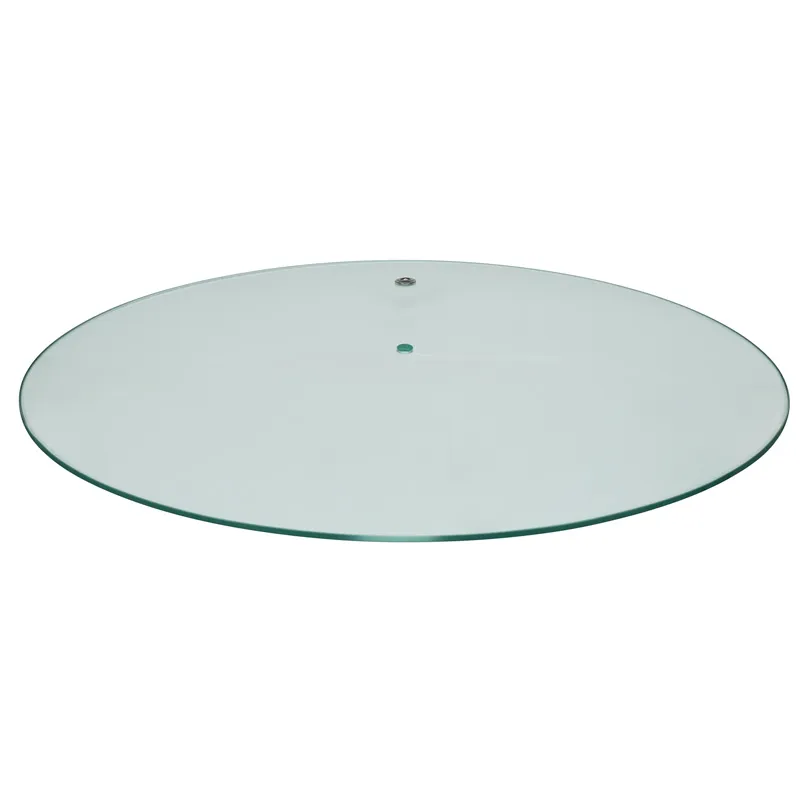
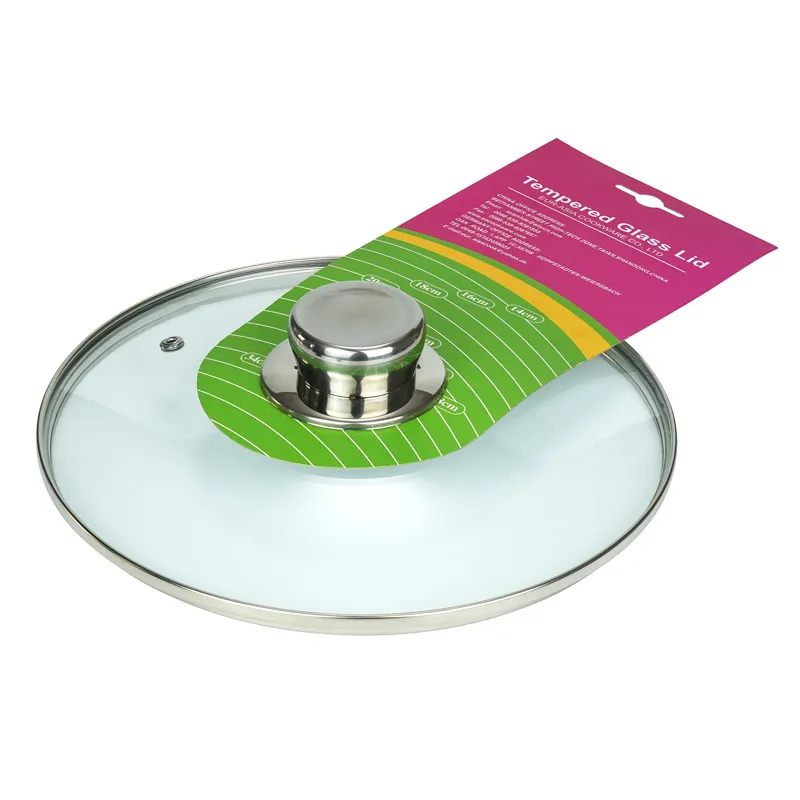
When you hear 'C type glass cover manufacturer in China', the immediate image might be a vast, faceless industrial complex churning out identical parts. That's the first misconception. In reality, it's a nuanced segment within the broader kitchenware glass industry, where the 'C type'—often referring to a specific handle or rim design for cookware lids—is just the starting point of a conversation about tempering precision, export compliance, and the subtle differences between a supplier that merely makes glass and one that engineers a functional component.
The Core of the Matter: What Defines a Specialist?
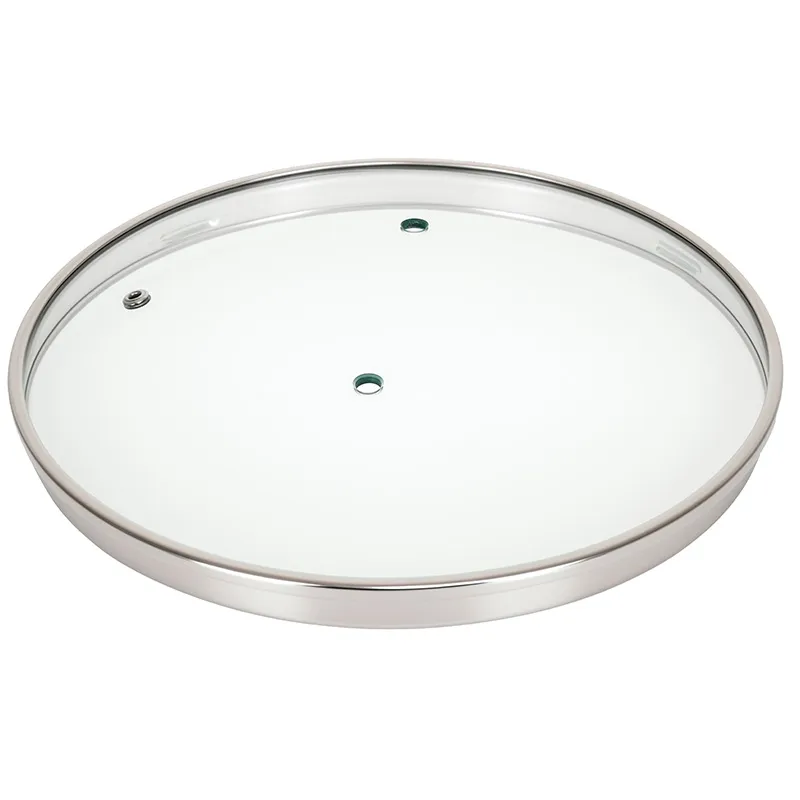
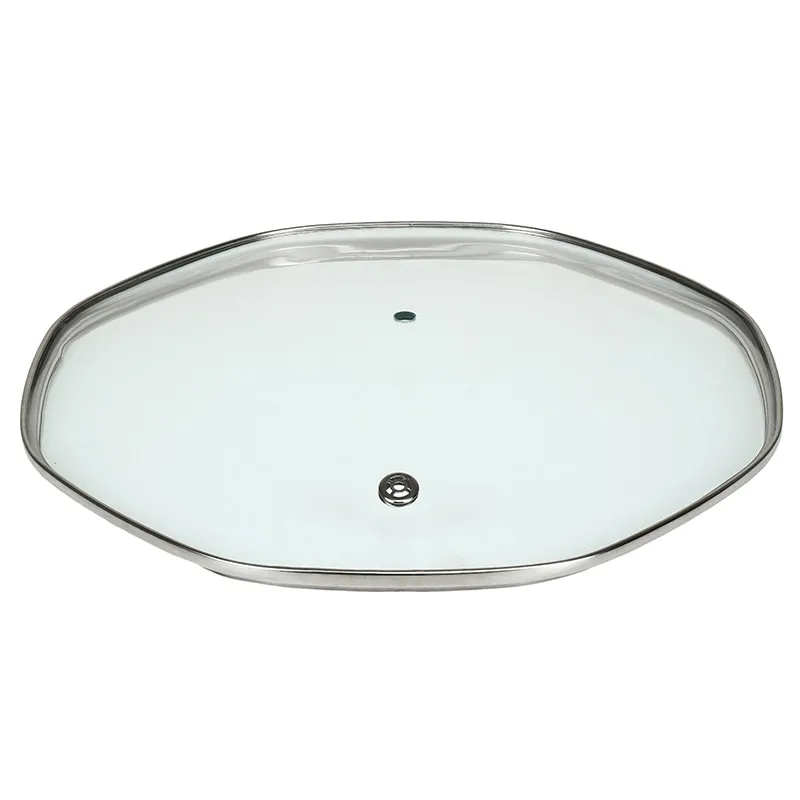
Not every tempered glass lid factory is equipped for true C type production. The distinction lies in the handle attachment system and the edge finishing. I've visited plants where they produce beautiful, flat tempered glass circles, but their molding and grinding setups for the reinforced, often metal-clad or wrapped, 'C' profile handle bases are an afterthought. The result? Inconsistent bonding strength and alignment issues. A genuine specialist, like EUR-ASIA COOKWARE CO.,LTD, typically integrates this into their core production flow. Their facility in Taian's High-tech Zone is structured around such integrated manufacturing, which is why they can hit an annual output of over 15 million pieces without (theoretically) sacrificing on the fiddly details of the C-type design.
Their export focus—over 90% to markets like Germany, Italy, and Brazil—is a telling sign. European buyers, in particular, have stringent tests for handle torque resistance and thermal shock cycles specifically for these designs. A manufacturer surviving in that space has already passed a brutal filter. It's not just about having the equipment; it's about the ingrained quality protocols. I recall a sample batch from a different supplier a few years back where the silicone gasket channel around the C-type rim was uneven, leading to sealing failures during our lab tests. The root cause was traced back to inconsistent cooling after tempering, warping the glass just enough to matter. That's the kind of process control a serious player has locked down.
So, when evaluating, the question shifts from Can you make this? to How do you manage the stress points on the handle base during the tempering process? The answer often separates the commodity vendors from the engineering partners.
On the Ground: Observations from Taian and Beyond
Shandong Province is a hub for glass kitchenware, but density doesn't mean uniformity. The location of EUR-ASIA COOKWARE CO.,LTD in a National High-tech Development Zone isn't just an address line; it often correlates with better infrastructure and, crucially, a workforce accustomed to more systematic production. The 20,000㎡ area suggests a vertically integrated operation likely handling glass cutting, edging, tempering, printing, and assembly under one roof. This is key for C type covers, as outsourcing the handle fitting introduces massive quality variables.
One practical headache many overlook is packaging for these items. A C type lid isn't flat; its protruding handle makes it prone to chipping during transit if not nested correctly. I've seen containers arrive with damage rates over 5% because the interleaving foam was the wrong density. A competent manufacturer will have developed, through painful trial and error, a custom carton and insert design that cradles the handle. It's a small detail that speaks volumes about their experience with real-world logistics, especially for long-haul exports to South Korea or Japan where retail packaging standards are high.
Another point is material sourcing. The glass quality—often clear or smoked borosilicate or soda-lime—for these covers must be consistent to ensure even tempering. Fluctuations in raw material composition lead to stress patterns that might only show as spontaneous breakage months later. The larger, stable manufacturers usually have long-term contracts with primary glass producers, which is a significant risk mitigator.
The Pitfalls and Failed Experiments
Early on, I made the mistake of prioritizing unit cost above all else. We sourced from a smaller workshop promising the same C type glass cover spec at a 20% lower price. The samples were acceptable. The first production run? A disaster. The tempering was uneven, leading to a 'potato chip' effect—a slight but unacceptable curvature that prevented a proper seal on the pot. The factory didn't have an optical scanning system to check flatness post-temper, just a manual spot-check. The entire order was scrapped. The lesson was that for a component where fit and function are critical, the manufacturing process's inspection points are as important as the press and tempering oven.
Another common pitfall is assuming all 'C type' designs are interchangeable. The inner diameter, the angle of the skirt, the depth of the silicone gasket groove—these are often custom to a cookware series. A manufacturer used to long runs of a standard design might struggle with rapid changeovers. This is where a company's flexibility, hinted at by their diverse export portfolio across different continents, becomes an asset. They're likely accustomed to adapting specs for different clients.
Communication is another hidden trap. Technical drawings for glass require specific callouts—like stress zone markings and handle torque test points. I've spent weeks going back and forth with factories that didn't fully interpret the ISO or ASTM standards referenced. The ones that get it right often have a dedicated engineering liaison team, a feature more common in established entities with a significant export volume.
Integrating with the Supply Chain
For brands, a C type glass cover manufacturer is rarely a standalone supplier. The lid must interface perfectly with the metal pot body produced elsewhere. This requires precise dimensional control and, often, providing matching metal handle components to the glass factory for assembly. A manufacturer like EUR-ASIA, with its stated specialization in household glass products and other kitchen accessories, is probably set up for this kind of coordinated assembly. They might even offer value-added services like silk-screening logos or packaging the lid with the pot, which simplifies the final brand's supply chain.
The export documentation and compliance piece is non-trivial. Shipments to the EU need CE marking and relevant material migration tests; to the US, FDA compliance. A manufacturer deeply embedded in export markets will have these certifications streamlined and can provide the necessary test reports. It's a bureaucratic hurdle that can sink a timeline if the factory is inexperienced.
Finally, there's the issue of scalability. An output of 15 million pieces annually indicates capacity for large orders, but what about smaller, developmental runs? The best partners offer flexible pilot lines. It's worth asking about their MOQ for a new C type design—the answer can reveal their business model's adaptability.
Concluding Thoughts: Beyond the Search Term
So, searching for a C type glass cover manufacturer in China is really a search for a precision engineering partner with deep export compliance knowledge. It's less about the glass itself and more about the systems surrounding its production. The company profile of EUR-ASIA COOKWARE CO.,LTD, accessible at their site glass-lid.com, encapsulates many of these traits: a substantial production base, explicit export orientation, and a focus on the integrated product. Their listed export destinations read like a who's who of demanding kitchenware markets.
In the end, the key is to look past the generic term. Drill into the specifics of their process control for the C-type handle integration, audit their final inspection methodology, and verify their compliance history for your target market. The manufacturers that can articulate their approach to these gritty details—often learned through past failures—are the ones that turn a simple search keyword into a viable, long-term supply solution. The rest are just selling pieces of glass.
Related Products
Related Products