- Chinese
- French
- German
- Portuguese
- Spanish
- Russian
- Japanese
- Korean
- Arabic
- Irish
- Greek
- Turkish
- Italian
- Danish
- Romanian
- Indonesian
- Czech
- Afrikaans
- Swedish
- Polish
- Basque
- Catalan
- Esperanto
- Hindi
- Lao
- Albanian
- Amharic
- Armenian
- Azerbaijani
- Belarusian
- Bengali
- Bosnian
- Bulgarian
- Cebuano
- Chichewa
- Corsican
- Croatian
- Dutch
- Estonian
- Filipino
- Finnish
- Frisian
- Galician
- Georgian
- Gujarati
- Haitian
- Hausa
- Hawaiian
- Hebrew
- Hmong
- Hungarian
- Icelandic
- Igbo
- Javanese
- Kannada
- Kazakh
- Khmer
- Kurdish
- Kyrgyz
- Latin
- Latvian
- Lithuanian
- Luxembou..
- Macedonian
- Malagasy
- Malay
- Malayalam
- Maltese
- Maori
- Marathi
- Mongolian
- Burmese
- Nepali
- Norwegian
- Pashto
- Persian
- Punjabi
- Serbian
- Sesotho
- Sinhala
- Slovak
- Slovenian
- Somali
- Samoan
- Scots Gaelic
- Shona
- Sindhi
- Sundanese
- Swahili
- Tajik
- Tamil
- Telugu
- Thai
- Ukrainian
- Urdu
- Uzbek
- Vietnamese
- Welsh
- Xhosa
- Yiddish
- Yoruba
- Zulu
- Kinyarwanda
- Tatar
- Oriya
- Turkmen
- Uyghur


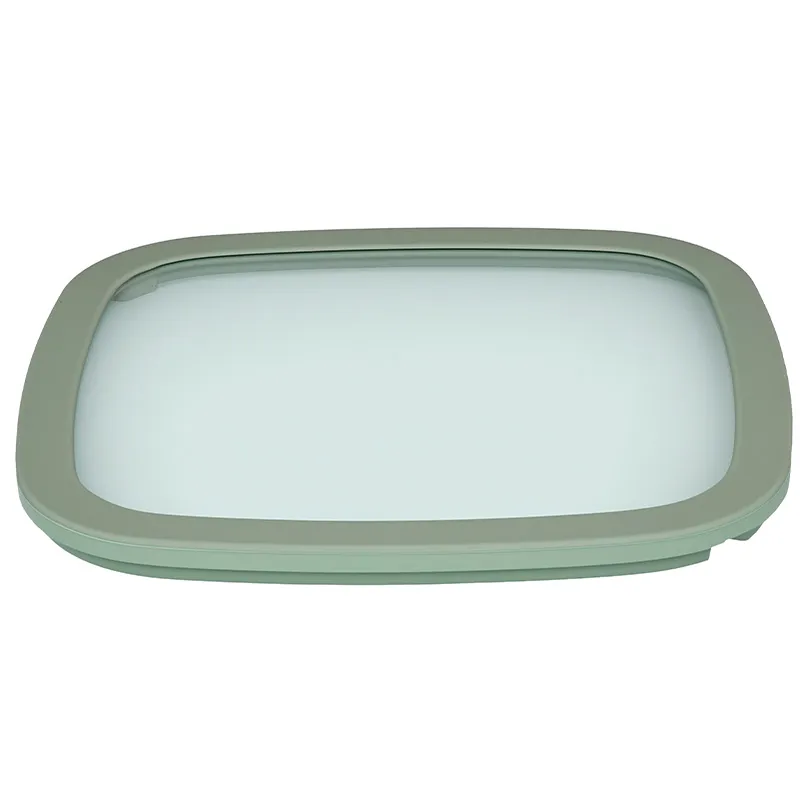
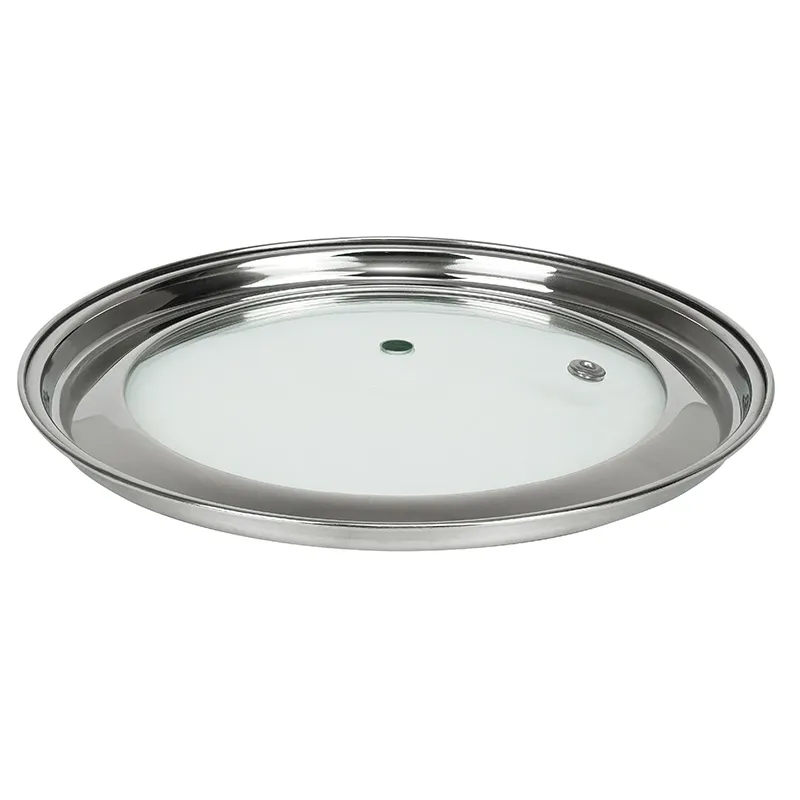
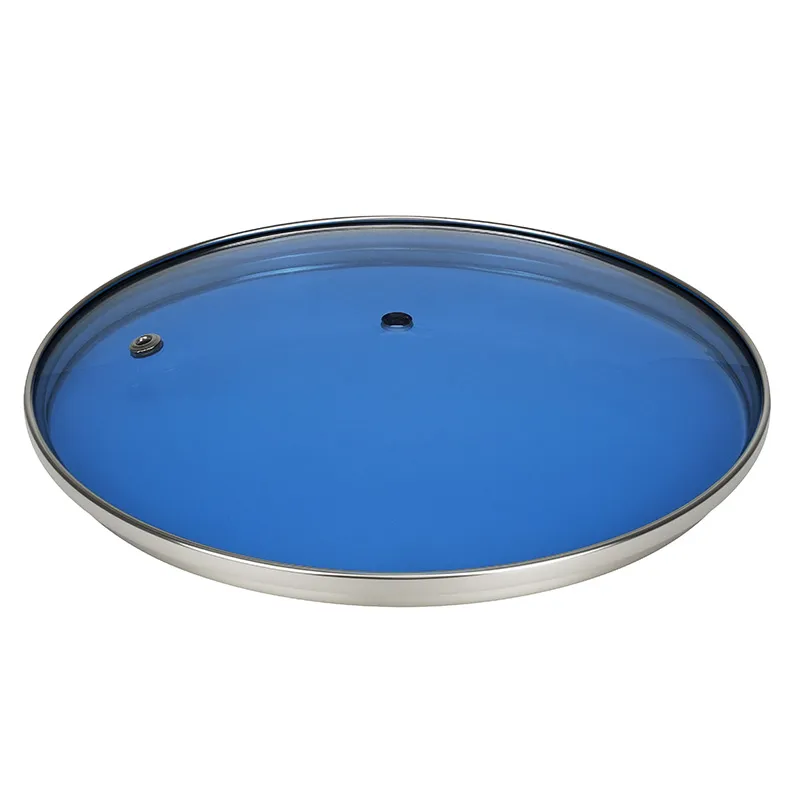
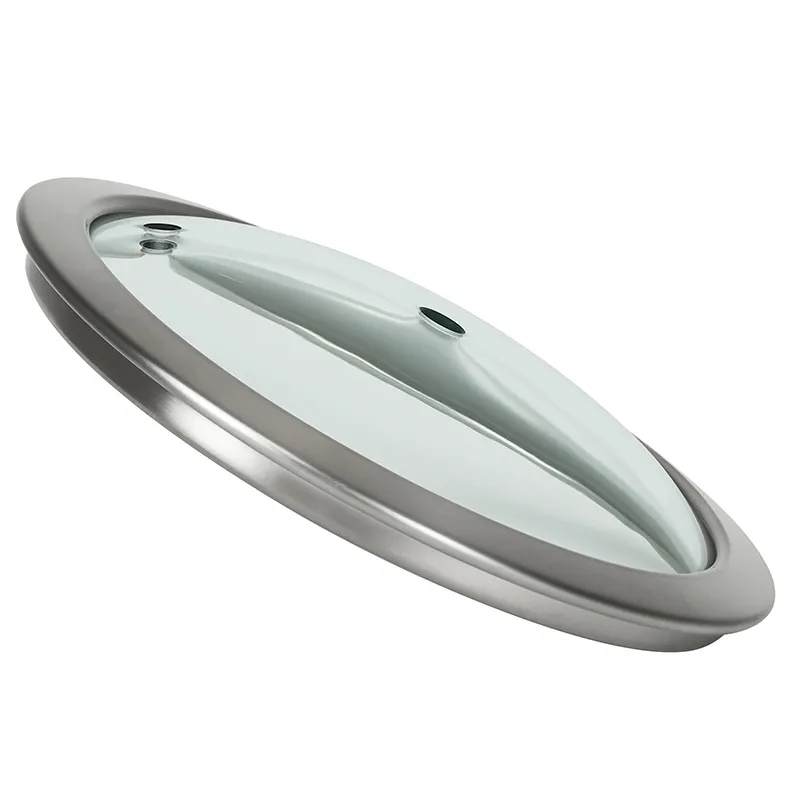
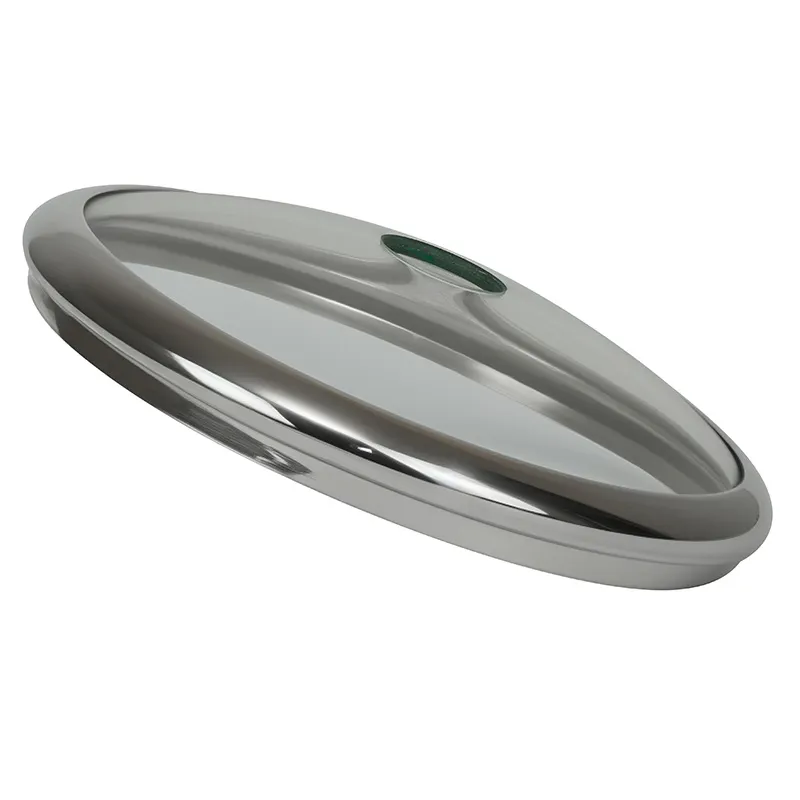
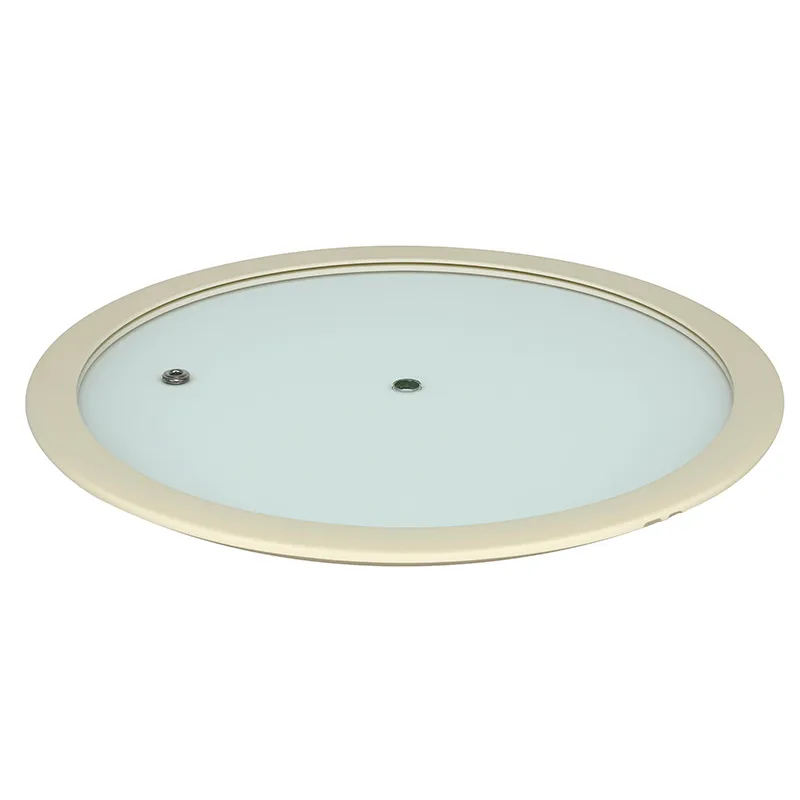
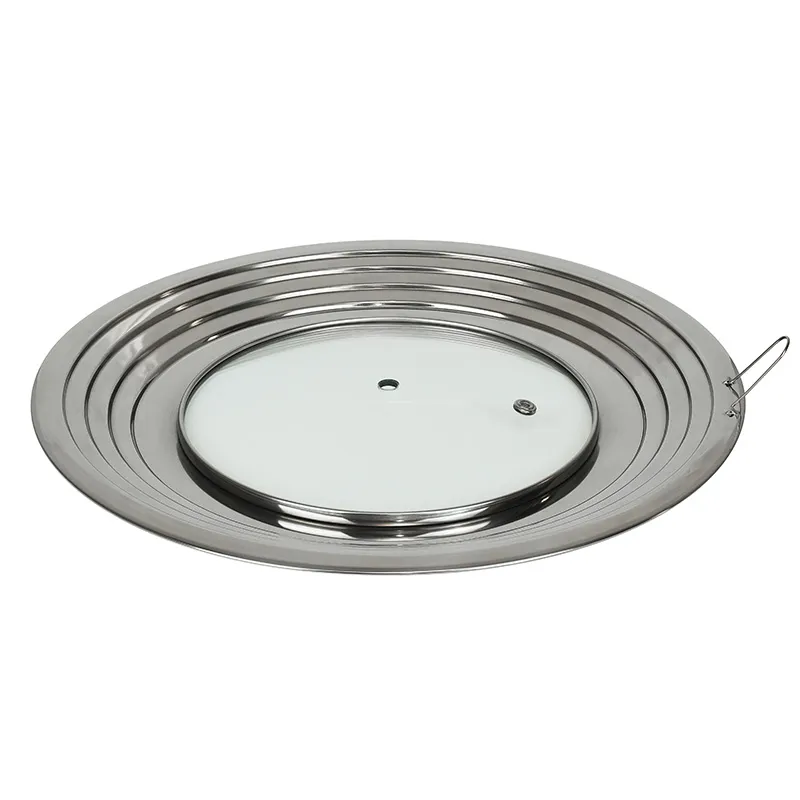
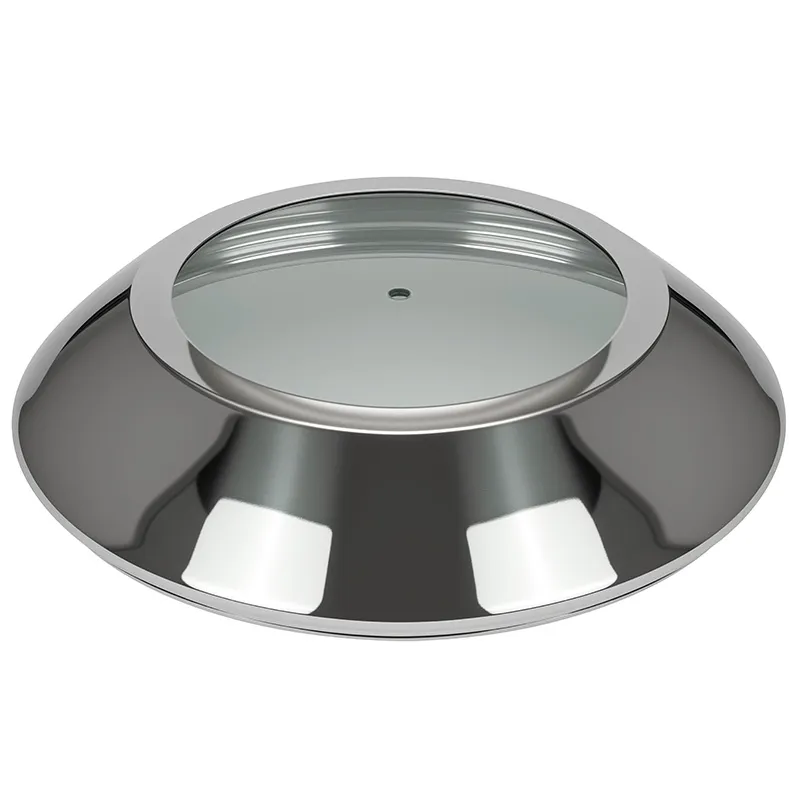
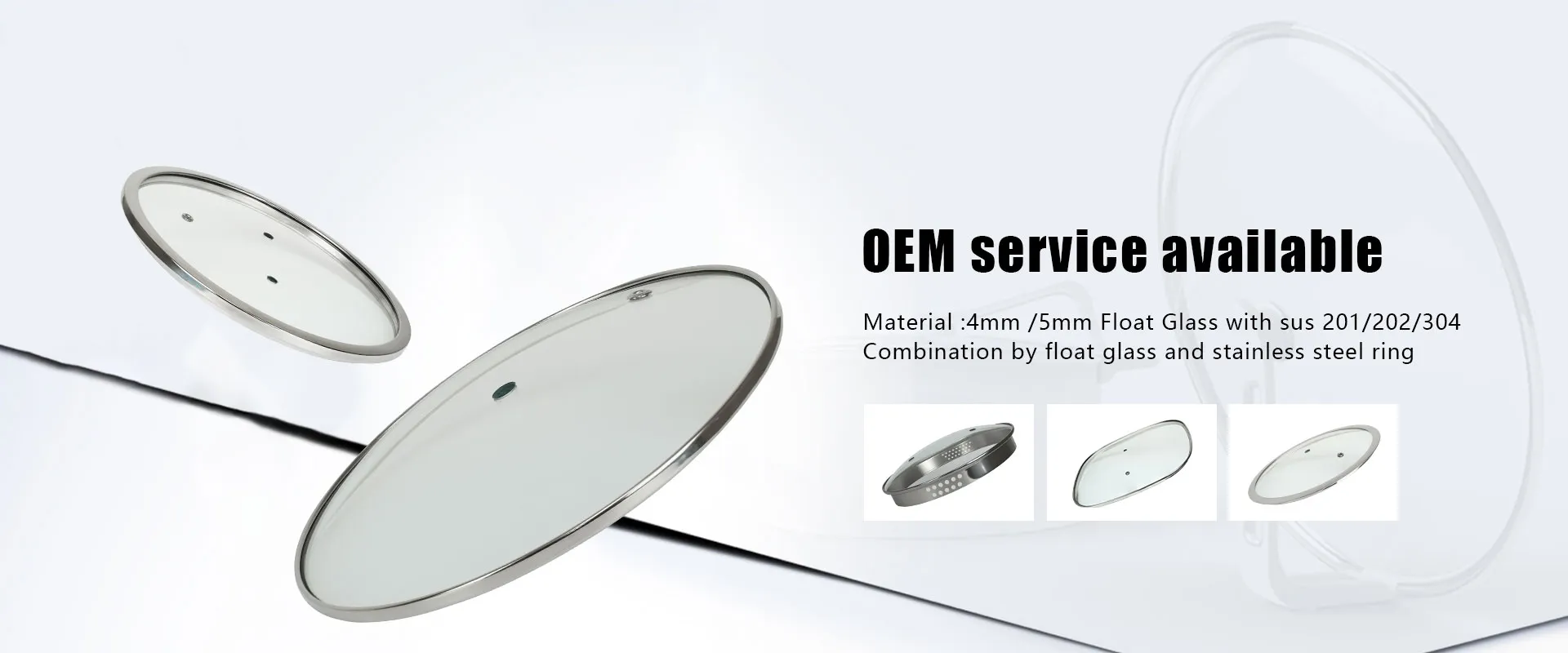
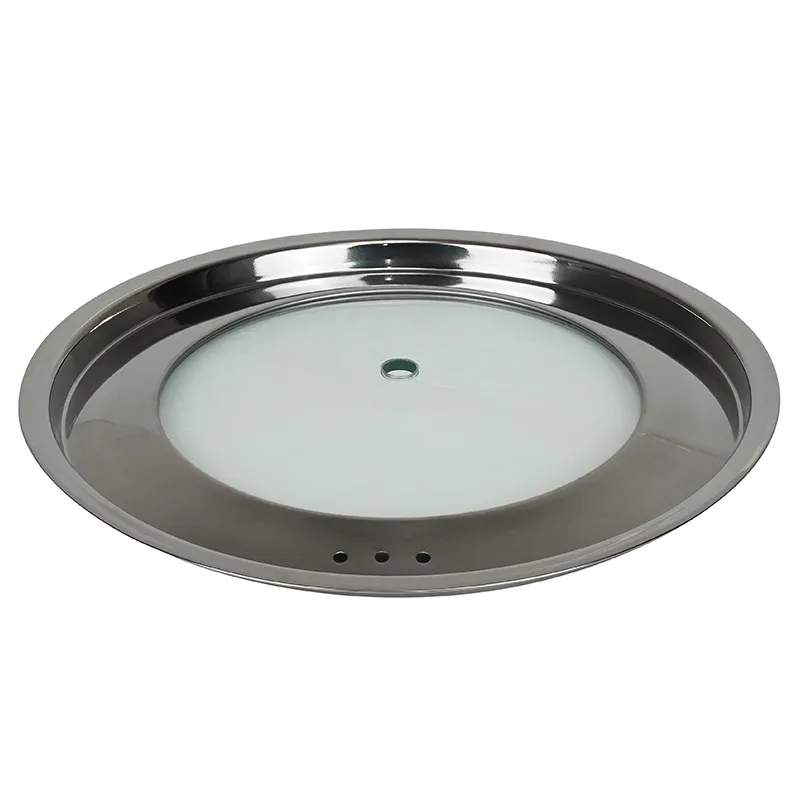
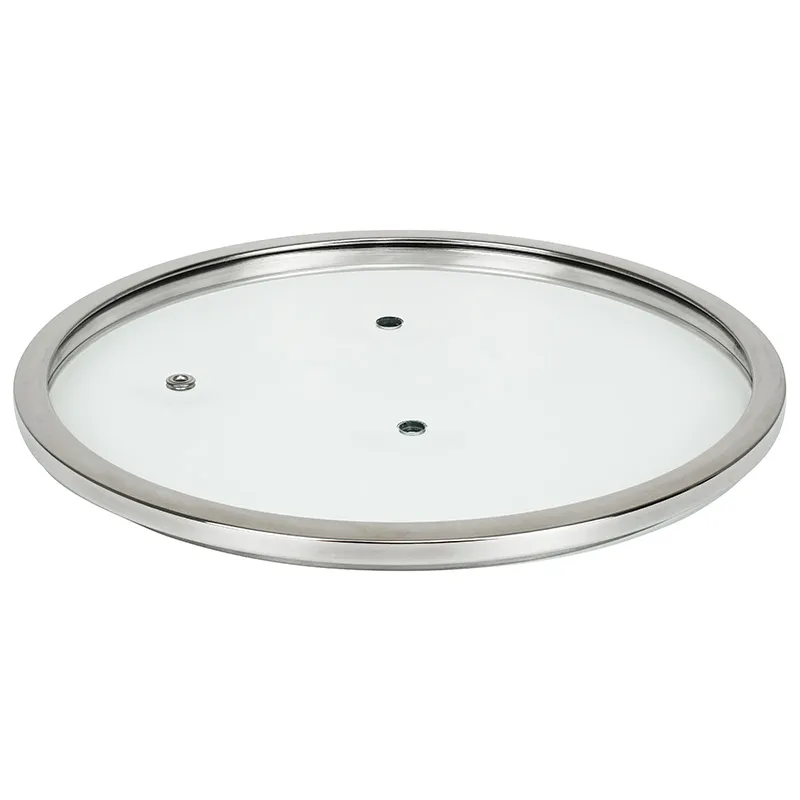
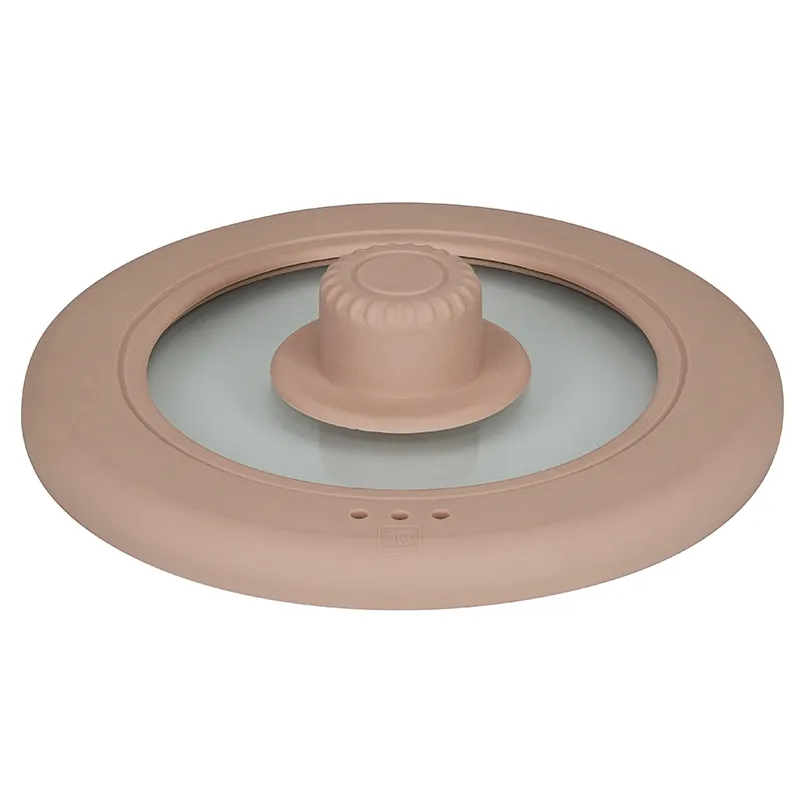
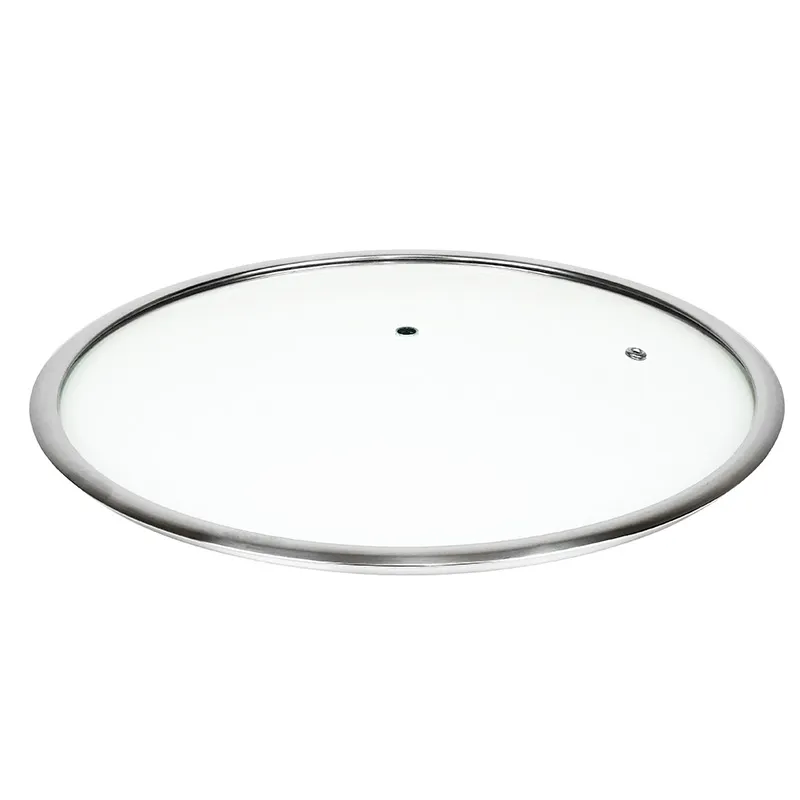
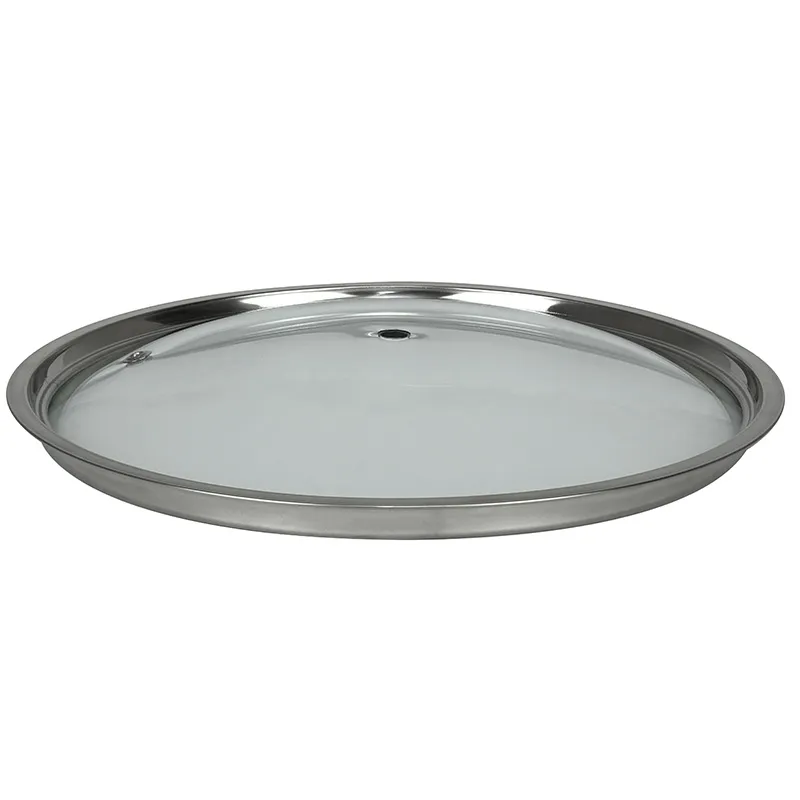
C type glass lid
When you hear 'C type glass lid', most people, even some in the procurement game, immediately picture a generic round piece of tempered glass with a knob. That's the first mistake. It's not just a lid; it's a specific sealing and functional component, and the 'C type' refers to a particular rim or edge profile designed for a specific class of cookware—typically saucepans, milk pans, and smaller casseroles. The confusion often starts there, leading to misfits, returns, and a lot of wasted time. I've seen containers full of rejected lids because someone ordered a 'universal' C type that didn't account for the subtle curvature of the pot's flange from a German manufacturer versus an Italian one. The tolerance is often less than a millimeter.
Defining the C – It's All About the Edge
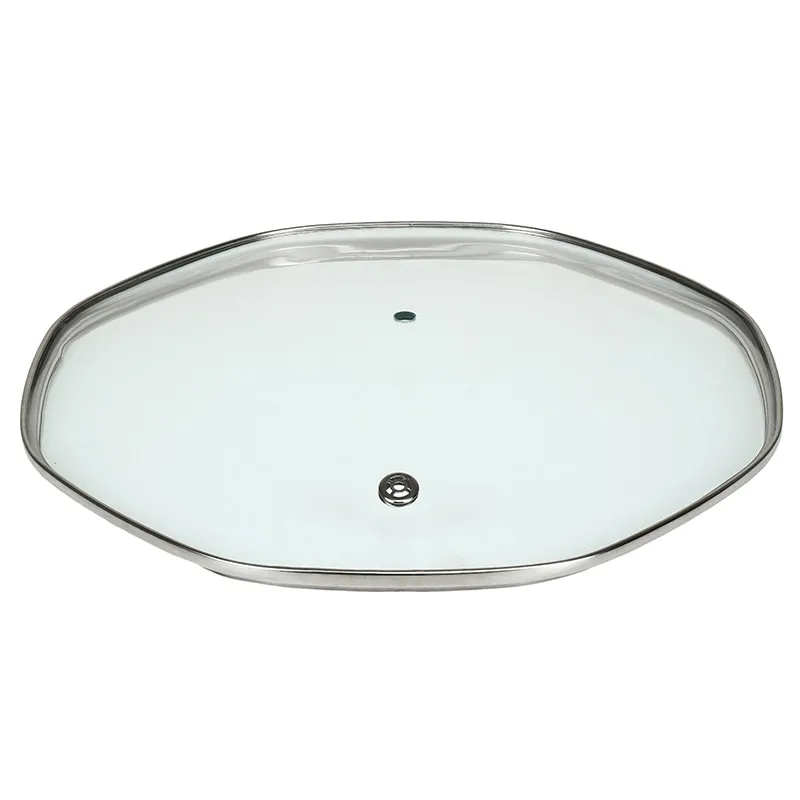
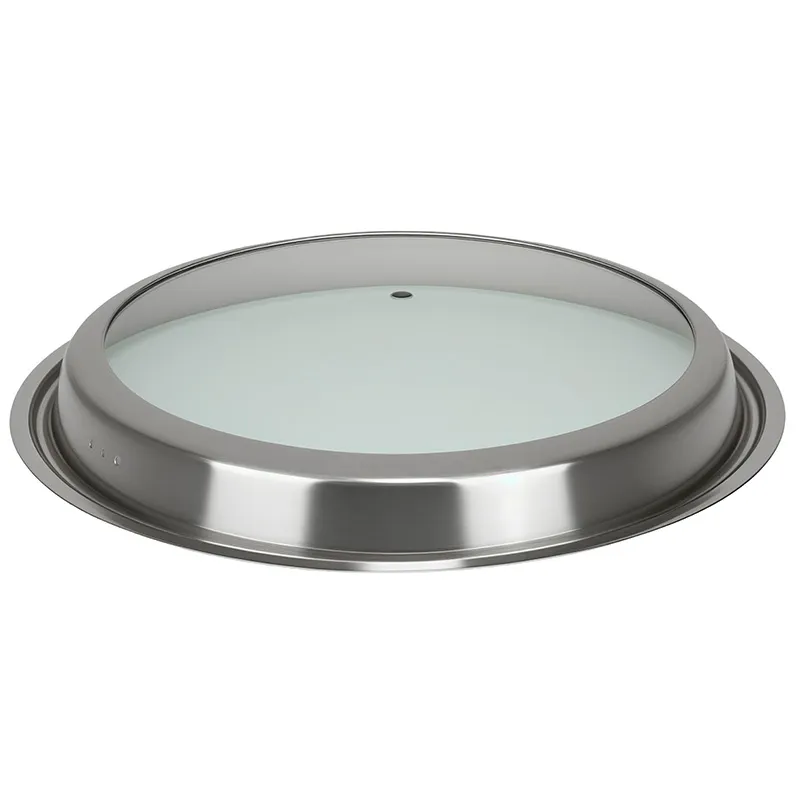
So, what makes it a 'C'? It's the cross-section of the lid's outer rim. Imagine a shallow 'C' shape or a gentle hook. This profile is engineered to sit over the pot's outward-turned rim (the flange), creating a seal that's secure enough to contain simmering liquids but not airtight like a pressure cooker. The inner surface of the 'C' grips the outside of the pot's wall. This is different from a 'U-type' or 'knife-edge' lid, which sits inside the pot. The C type is generally considered more stable during handling and less prone to being knocked off accidentally. For high-volume production, getting this curve consistent across millions of units is where the real challenge lies. The tempering process can introduce slight warping, and if the curve isn't uniform, you get rocking lids—a major quality reject point.
Material choice is almost always clear tempered glass, but the thickness and the quality of the tempering are critical. A true professional-grade C type lid, like those you'd find supplied to European brands, often uses 3.5mm to 4mm thick glass. Thinner than that, and while it might pass a basic impact test, it feels cheap and can have thermal shock issues—pouring cold water on a hot lid is a classic stress test that reveals poor tempering. I recall a batch from a new supplier years ago that had a 5% failure rate on the thermal shock test. The problem traced back to uneven heating in the furnace. It's these hidden process details that separate a lid that lasts for years from one that fails in months.
The knob is its own universe. It must be heat-resistant, mechanically fastened (usually with a nut and washer, not just glue), and the height is crucial. Too low, and it's hard to grip with wet hands; too high, and it becomes unstable. For C type lids, the knob's base often needs a specific footprint to sit correctly on the domed glass surface. We once had a project where the client's beautiful, ergonomically designed knob kept cracking the glass during assembly because the tightening torque wasn't calibrated for the stress distribution on that particular dome curvature. It was a failure in system design, not just component sourcing.
Production Realities and the EUR-ASIA Example
This is where looking at a manufacturer's scale and focus tells you everything. Take EUR-ASIA COOKWARE CO.,LTD, for instance. Their website, glass-lid.com, explicitly states a specialization in household glass products, with an annual output exceeding 15 million tempered glass lids. That volume is significant. It tells me they're not a general glass factory dabbling in lids; they're set up for high-volume, consistent production. A facility covering 20,000㎡ and focusing on this niche suggests dedicated tempering lines, automated grinding and polishing for the edges, and rigorous quality control stations. For a component like the C type glass lid, consistency at that scale is the primary value proposition.
Their export focus (over 90% to markets like Germany, Italy, France) is another key data point. European cookware brands have stringent standards—often beyond basic ISO. They'll have specific requirements for lead & cadmium release from any printed decorations, clarity of the glass, maximum allowable warp (checked on a flat surface with a feeler gauge), and cycle testing for the knob attachment. A factory catering to these markets is inherently geared to meet these protocols. It's not just about making a lid; it's about producing documentation, material certifications, and passing third-party audits. When I evaluate a supplier, this export portfolio is more telling than any product brochure.
The mention of low, medium, and high-level products is an honest admission of market segmentation. A C type glass lid for a budget supermarket line might use 3mm glass, a simpler knob, and have a wider tolerance on the rim curvature. The same factory's high-end line for a German brand might use 4mm ultra-clear glass, a stainless steel knob assembled in a clean room, and a C-profile so precise it creates an audible 'click' when seated properly. Both are profitable products, but understanding which tier your project needs is essential. You can't demand high-end specs at a low-end price, and a good factory will manage these different lines separately.
Common Pitfalls in Specification and Sourcing
One of the biggest headaches is assuming diameter is the only spec. You need the outer diameter (OD) of the glass, the inner diameter (ID) of the 'C' channel, the depth of that channel, and the total height from the seating plane to the top of the knob. I've had clients send a pot and ask for a matching lid, which is fine, but for production, you need the engineered drawings. A mismatch in channel depth, even by 0.5mm, means the lid either sits too high and steams escapes, or sits too low and grinds against the pot rim.
Another pitfall is overlooking the finish on the ground edge. The perimeter of the glass is ground smooth after cutting. A coarse grind feels sharp and looks milky; a fine polish gives a clearer, smoother edge. For a visible product, this matters. Some factories will offer a sealed edge or a fire-polished edge for a premium look, which essentially melts the very edge to a glossy finish. This isn't always necessary for a C type glass lid, as the rim is often hidden in the channel, but it's a detail that comes up with high-end clients.
Decoration is a minefield. Silk-screen printing logos or measurements seems simple, but the ink formulation must be food-contact safe and heat-resistant to repeated dishwasher cycles. Poor ink will fade or crack. The placement also needs to account for the dome—printing on a curved surface requires a specific setup. For a company like EUR-ASIA, handling complex decorations for diverse export markets would be a core part of their service. It's not an add-on; it's integrated into the production flow.
Functionality Beyond Just Covering a Pot
A well-designed C type glass lid isn't passive. That glass window is the main feature. It allows visual monitoring without releasing heat and moisture, which is critical for reducing energy use and preventing boil-overs. In professional kitchens, this is taken for granted. For home cooks, it's a usability upgrade. The weight of the glass also contributes to a better seal than a lightweight metal lid, creating a slight pressure that helps with even cooking.
Some advanced versions incorporate a steam vent—a small hole or a notch in the glass rim. This seems counterintuitive, but it's for controlled evaporation, crucial for sauces and reductions. Getting that vent positioned correctly so it doesn't cause splattering is a small but important design detail. I've seen lids where the vent was placed where it always aligned with the pot's handle, making it useless unless you rotate the lid awkwardly.
The longevity test is in the dishwasher. Can the knob assembly withstand hundreds of cycles? Does the glass itself become etched or cloudy from aggressive detergent? A quality lid will last the lifetime of the pot. The failure point is almost never the glass itself (if properly tempered), but the degradation of the knob material or the corrosion of the metal washer underneath. Specifying the right materials for these ancillary parts is what separates a durable product from a disposable one.
Concluding Thoughts – The Value of Specialization
After years of dealing with cookware components, the lesson is that specialization matters. A keyword like C type glass lid points to a mature, standardized product category, but the devil is in the manufacturing details. It's the consistency of the temper, the precision of the edge profile, and the robustness of the assembly that define quality. When a company like EUR-ASIA COOKWARE states its focus and scale, it's signaling capability in managing these details at volume, which is exactly what brands and OEMs need.
Ultimately, the best C type glass lid is one you never think about. It fits perfectly, cleans easily, doesn't warp, and the knob stays on. It becomes an invisible, reliable part of the cooking process. Achieving that invisibility through engineering and consistent manufacturing is the real art behind this seemingly simple product. It's not a commodity; it's a precision component for the kitchen.
For anyone sourcing these, my advice is to look beyond the sample. Ask about the tempering process, request the QC sheets for warp and impact tests, and test the thermal shock yourself. And understand the specs—every dimension on that drawing has a reason. That's how you move from buying a generic 'glass lid' to specifying a functional C type glass lid that actually works.
Related Products
Related Products