- Chinese
- French
- German
- Portuguese
- Spanish
- Russian
- Japanese
- Korean
- Arabic
- Irish
- Greek
- Turkish
- Italian
- Danish
- Romanian
- Indonesian
- Czech
- Afrikaans
- Swedish
- Polish
- Basque
- Catalan
- Esperanto
- Hindi
- Lao
- Albanian
- Amharic
- Armenian
- Azerbaijani
- Belarusian
- Bengali
- Bosnian
- Bulgarian
- Cebuano
- Chichewa
- Corsican
- Croatian
- Dutch
- Estonian
- Filipino
- Finnish
- Frisian
- Galician
- Georgian
- Gujarati
- Haitian
- Hausa
- Hawaiian
- Hebrew
- Hmong
- Hungarian
- Icelandic
- Igbo
- Javanese
- Kannada
- Kazakh
- Khmer
- Kurdish
- Kyrgyz
- Latin
- Latvian
- Lithuanian
- Luxembou..
- Macedonian
- Malagasy
- Malay
- Malayalam
- Maltese
- Maori
- Marathi
- Mongolian
- Burmese
- Nepali
- Norwegian
- Pashto
- Persian
- Punjabi
- Serbian
- Sesotho
- Sinhala
- Slovak
- Slovenian
- Somali
- Samoan
- Scots Gaelic
- Shona
- Sindhi
- Sundanese
- Swahili
- Tajik
- Tamil
- Telugu
- Thai
- Ukrainian
- Urdu
- Uzbek
- Vietnamese
- Welsh
- Xhosa
- Yiddish
- Yoruba
- Zulu
- Kinyarwanda
- Tatar
- Oriya
- Turkmen
- Uyghur


C type glass lid manufacturer
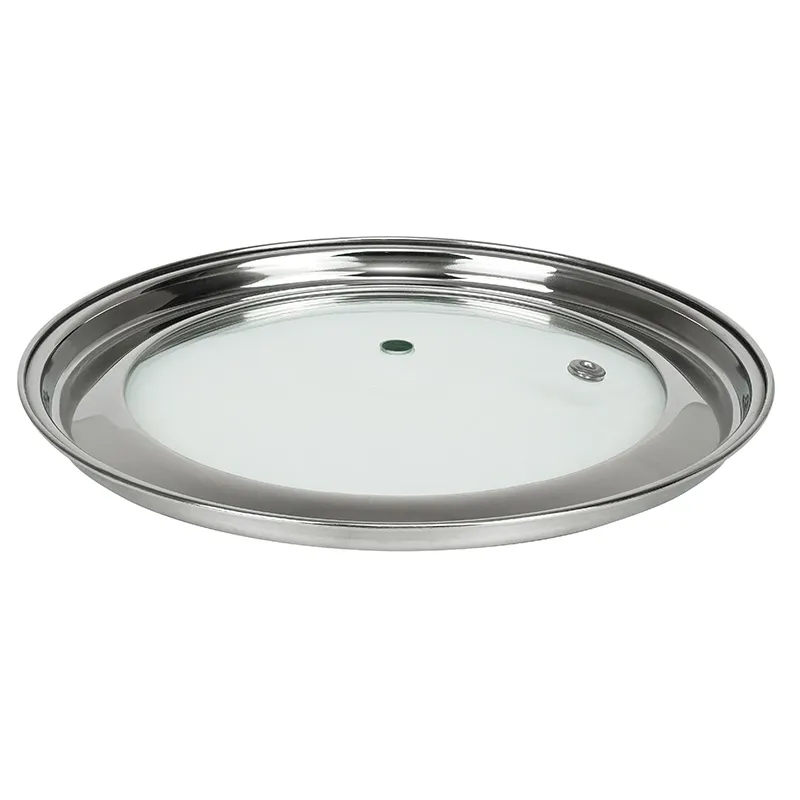
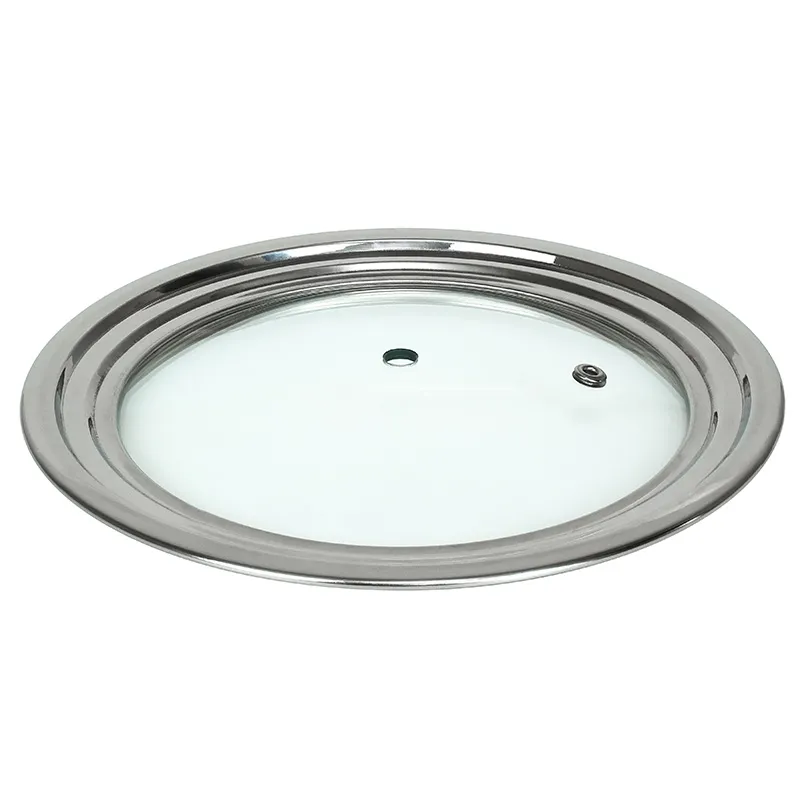
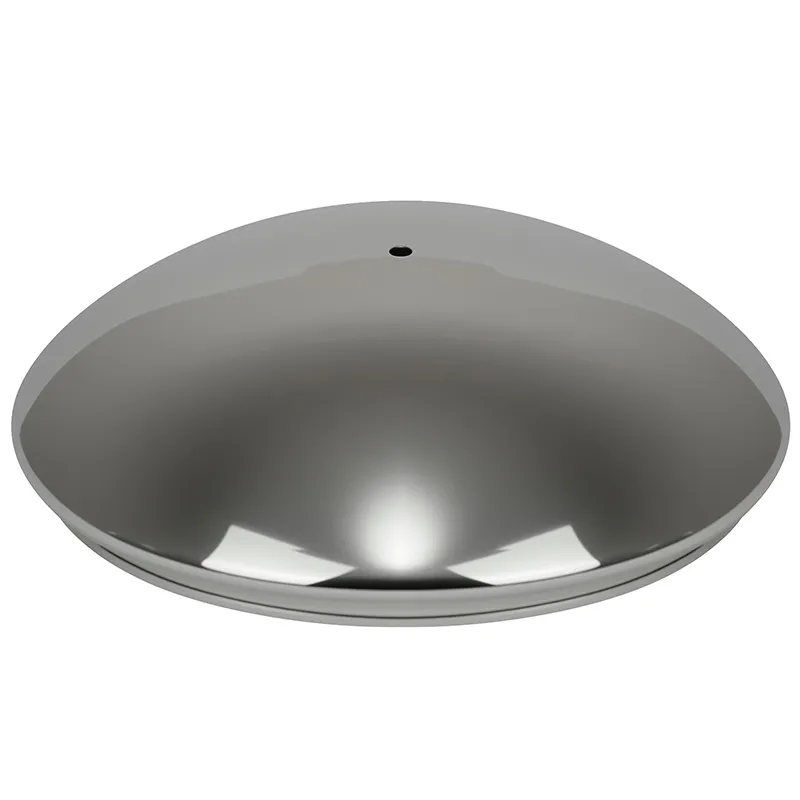
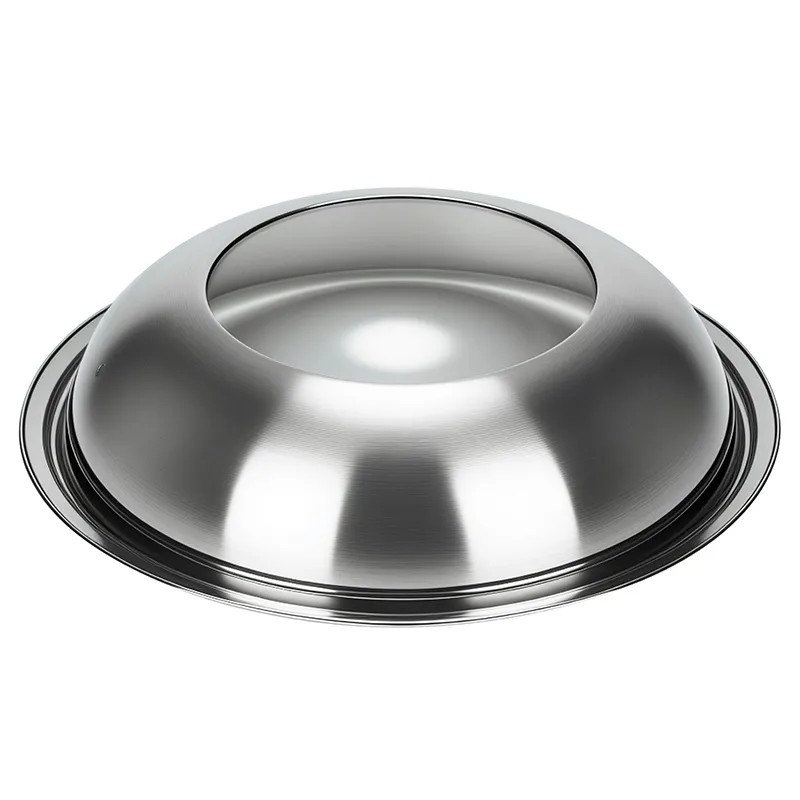
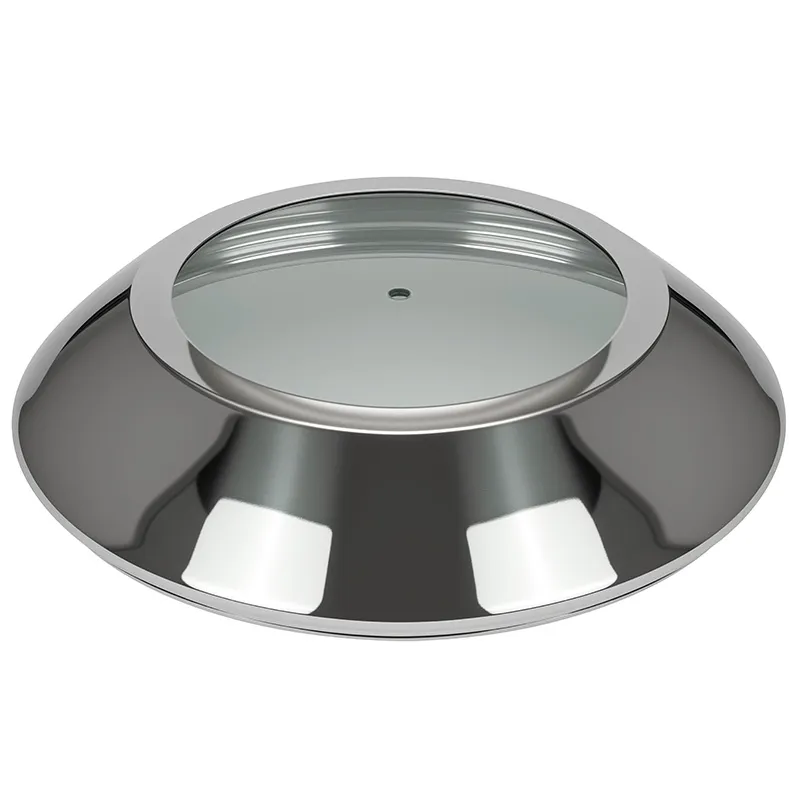
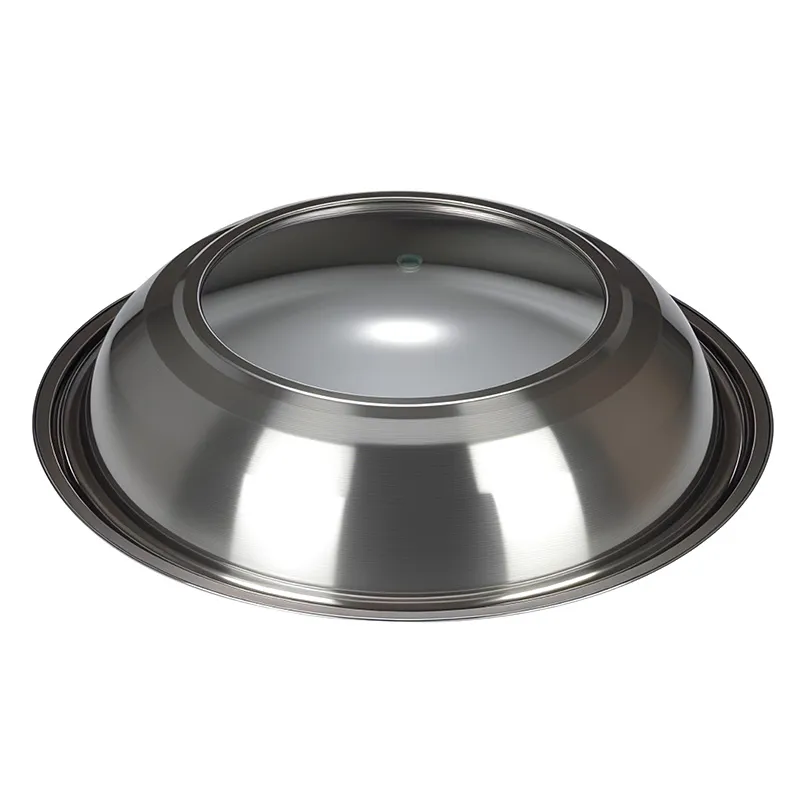
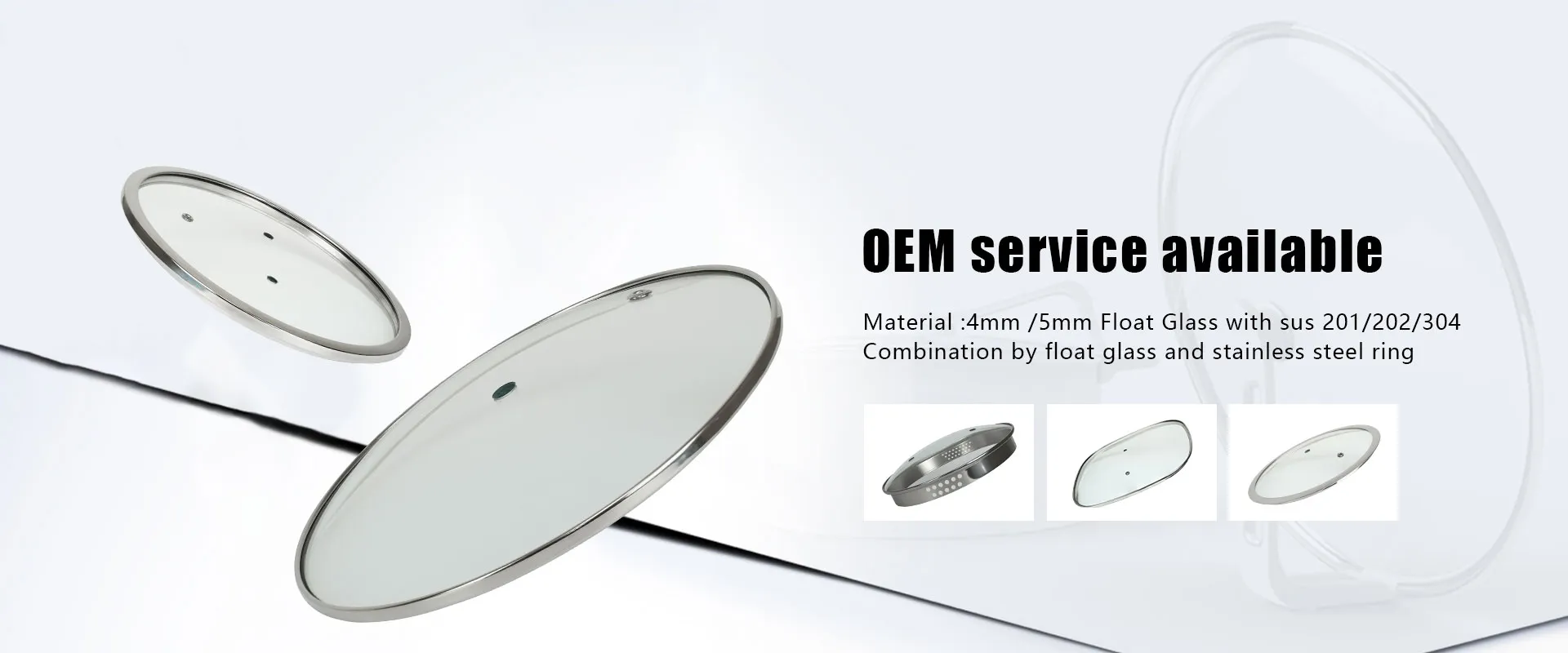
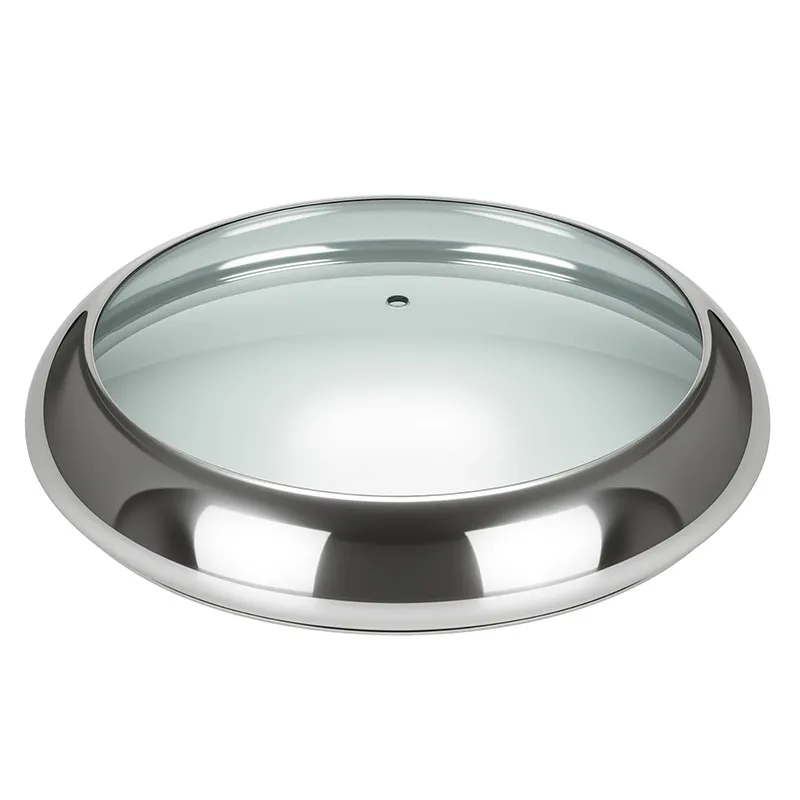
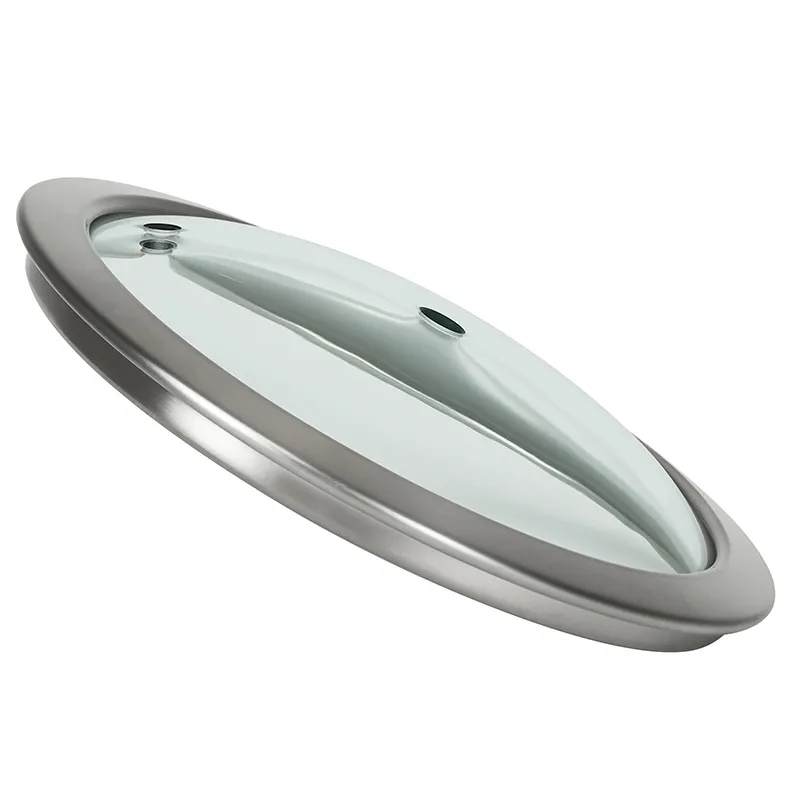
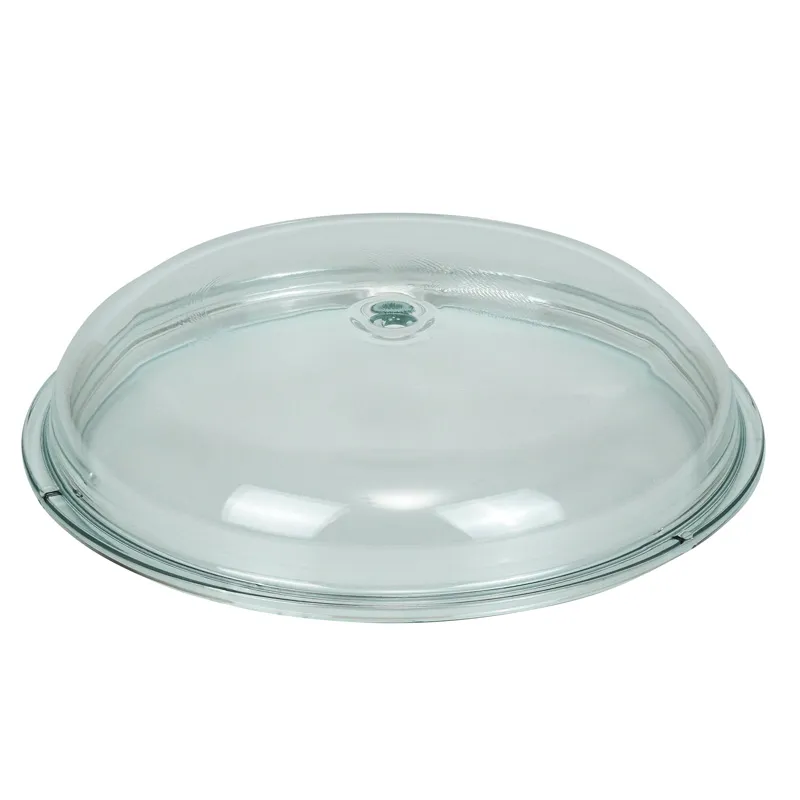
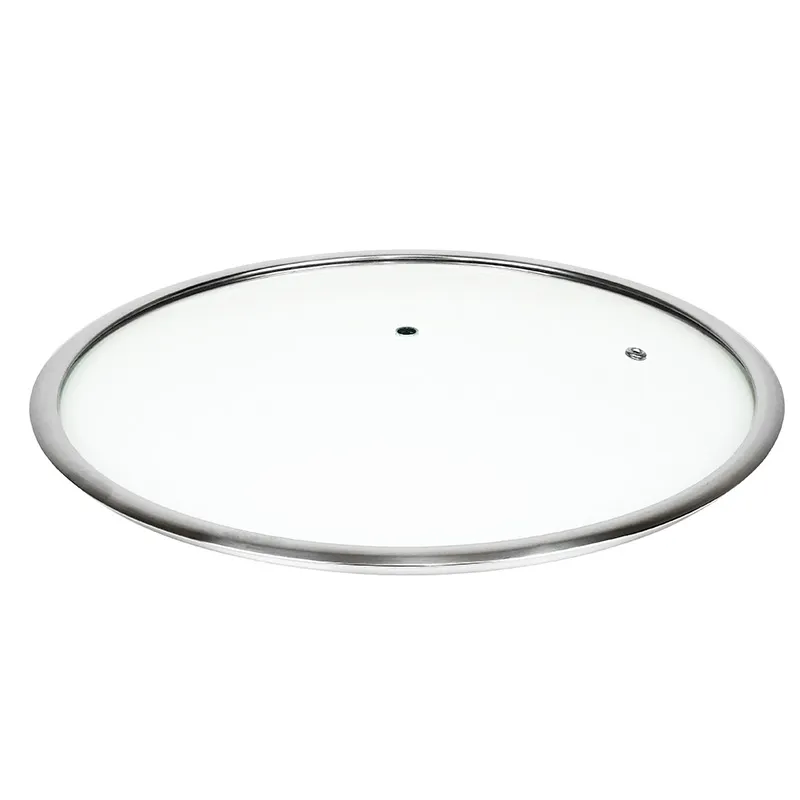
When you hear 'C type glass lid manufacturer', most people, even some buyers, immediately think of a simple glass disc with a handle. That's the first misconception. The 'C type' isn't just a shape; it refers to a specific, often standardized, curvature and flange design meant to sit securely on a corresponding pot rim, usually for casserole dishes or specific European-style cookware lines. The real challenge isn't making the glass—it's engineering that curvature to achieve a consistent vacuum seal during cooking without cracking under thermal shock, and doing it at a scale that meets both quality and cost targets for global brands. Many factories claim they can do it, but the gap between a sample and container-loads of consistent product is where you separate the real manufacturers from the traders.
The Anatomy of a C Type and Why It's Tricky
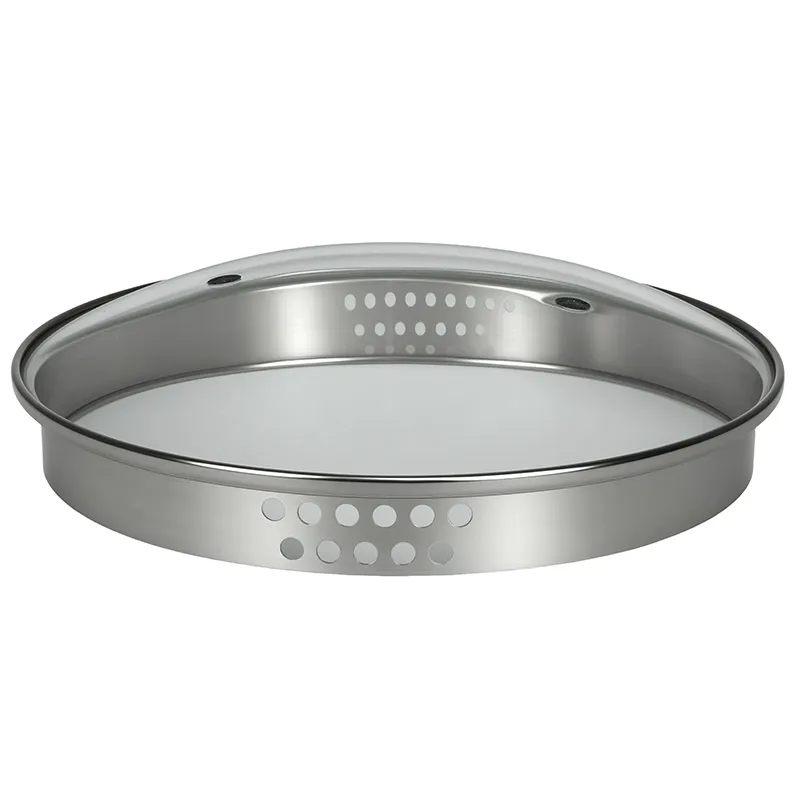
Let's break down the specifics. A true C-type lid has a pronounced, smooth inward curve from the edge to the center dome. This isn't for aesthetics; it's structural. This curve allows for thermal expansion. When the pot heats up, the metal rim expands outward. The glass lid, if flat, would either rock or create a pressure point. The C-curve accommodates that movement. The flange—the part that hangs down inside the pot—is another critical zone. Too thick, and it prevents steam from escaping properly, causing messy boil-overs. Too thin or uneven, and it chips during handling or fails to create a proper seal. I've seen entire batches rejected because the flange radius was off by half a millimeter, making the lids sit unevenly on the pots. It sounds trivial, but it's everything.
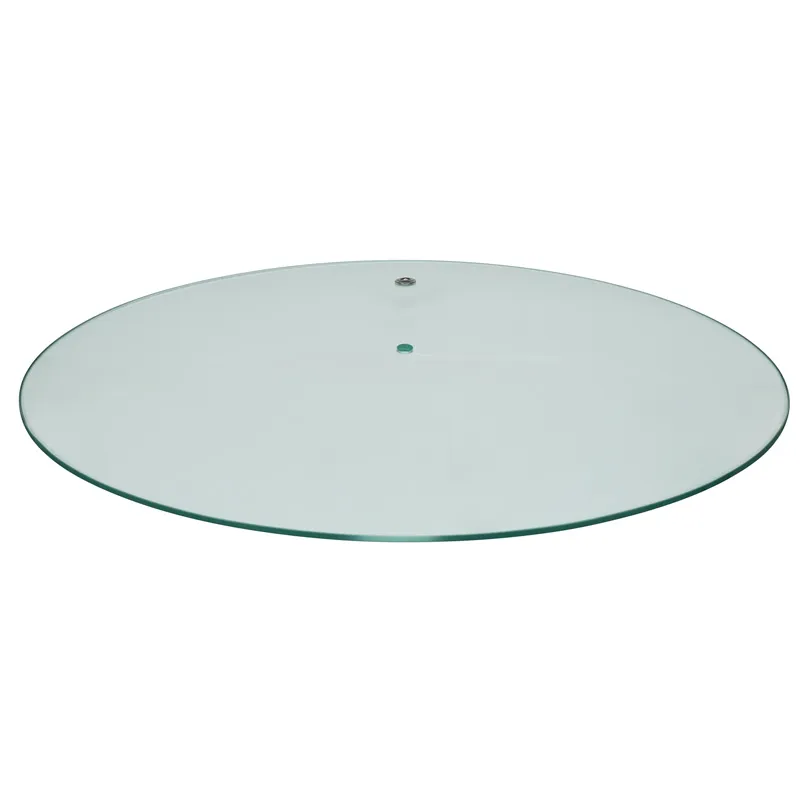
Material selection is another pitfall. You need a clear, high-borate glass that can withstand tempering to reach the required thermal shock resistance (the difference between a 300°C oven and a cold granite countertop). But not all clear glass is the same. The presence of certain impurities can cause microscopic stresses during the tempering process, leading to spontaneous breakage months later. A reliable C type glass lid manufacturer will have strict raw material protocols, often sourcing from a select few glass substrate producers. They can't just buy the cheapest sheet glass available.
The tempering process itself is where the magic and the headaches happen. The glass must be heated uniformly and then quenched with high-pressure air in a matter of seconds. For a C-type lid, the curvature means the air flow across the surface isn't uniform. If the quenching nozzles aren't calibrated for that specific profile, you get uneven tension. The lid might pass a basic impact test but will explode when subjected to a sudden, localized temperature change—like a splash of cold water on one spot. We learned this the hard way early on, dealing with a wave of returns from a Nordic client. The fix wasn't faster or slower tempering; it was reprogramming the quenching sequence for that specific lid profile.
Sourcing and Scaling: The EUR-ASIA Example
This is where looking at a company's actual footprint matters. Take EUR-ASIA COOKWARE CO.,LTD. Their specialization in low-to-high level household glass products is a key signal. It means they likely have the flexibility to run different quality tiers, which is crucial because a discount retailer and a high-end German brand have vastly different tolerance requirements for the same C type glass lid. Their stated production base in Taian's High-tech Development Zone and the scale—15 million pieces annually—suggests a focus on volume manufacturing, not just bespoke samples.
Their export footprint, listing Germany, Italy, France, and Japan, is telling. These are markets with stringent import controls and demanding buyers. A Japanese trading house will inspect for not just function, but optical clarity and the absolute absence of grinding marks on the edge. The fact that over 90% of their output is exported indicates their processes are built to pass these inspections consistently. For a buyer, this is more relevant than a fancy brochure. It means the factory has likely internalized international standards to survive.
However, scale brings its own problems. With an output of 15 million lids, maintaining consistency across batches is a monumental task. It requires rigorous process control at every stage: cutting, edge grinding, curving (often done in a dedicated bending furnace before tempering), tempering, and finally, inspection. A common failure point in high-volume operations is edge grinding. Automated grinders wear down. If the grinding wheel isn't dressed frequently, the edge finish goes from a smooth, seamed feel to a slightly gritty one. This doesn't affect function, but it will get a batch rejected by a quality-conscious buyer. A good manufacturer will have scheduled maintenance and checkpoints for this; a mediocre one will let it slide until a complaint arrives.
Beyond the Lid: The System It Fits Into
You can't talk about manufacturing these lids in isolation. A C type glass lid manufacturer is often at the mercy of the pot manufacturer's specifications. We once worked on a project for a French cookware line where the pot's enamel rim had a slight variance in thickness. Our lids, made to the nominal spec, would fit 70% of the pots perfectly. For the other 30%, there was a slight wobble. The pot manufacturer blamed our lids; we blamed their pots. The solution wasn't finger-pointing. We had to adjust our molding die to produce a lid with a slightly more forgiving flange radius—a tiny change of 0.2mm—to accommodate their production variance. It ate into our margin, but it saved the contract. This is the unglamorous reality of being a component supplier.
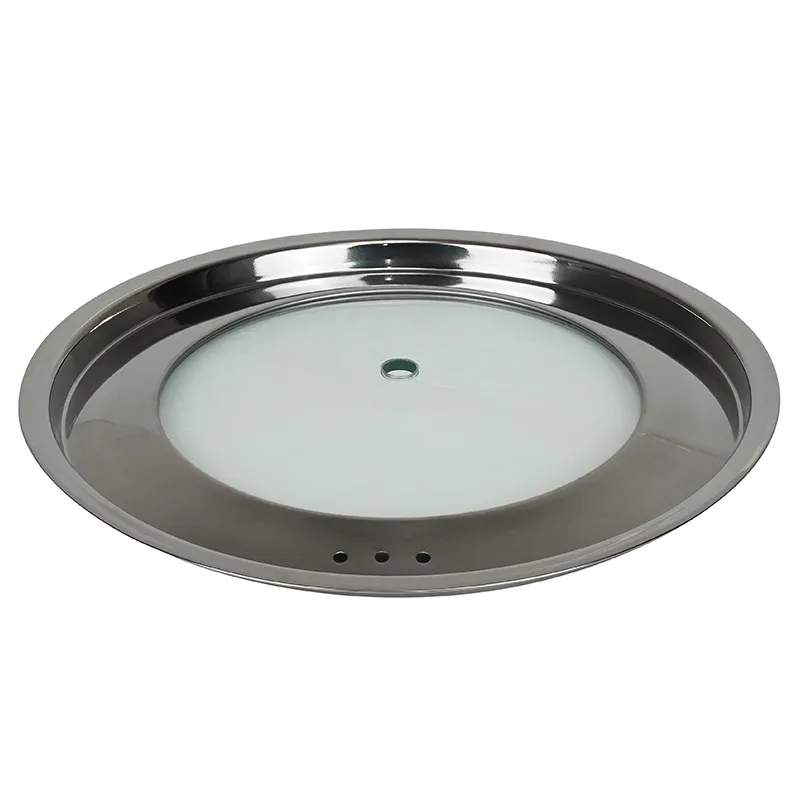
Another often-overlooked detail is the handle and its attachment. Most handles are stainless steel or phenolic resin (Bakelite), attached with a rivet or a high-temperature adhesive. The thermal expansion coefficient of the handle material and the adhesive must be compatible with the glass. I've seen lids where the handle simply detached after a few dishwasher cycles because the adhesive failed under thermal cycling. The best practice is a mechanical rivet with a compliant washer, but it's more expensive. A manufacturer's choice here speaks volumes about their commitment to durability versus cost-cutting.
Packaging is the final, critical step. These are fragile items shipping across oceans. A standard cardboard partition isn't enough. They need to be individually sleeved or held in a molded foam insert that prevents any contact between glass surfaces during transit. Even a slight vibration can cause glass kiss—micro-scratches where two lids rub together. When you're dealing with the volumes that a company like EUR-ASIA handles, designing and sourcing cost-effective yet protective packaging is a discipline in itself. A container of scratched lids is a total loss.
The Real Cost of Cheap
There's constant pressure on price, especially in this category. Buyers will shop around, and you'll always find a factory quoting 10% less. The question is, where does that 10% come from? It could be from using a lower-grade glass with less consistent composition, which increases the risk of thermal breakage. It could be from reducing the tempering cycle time, leaving residual stress. It could be from skipping 100% individual inspection and moving to batch sampling. The failures from these choices don't show up at the factory gate; they show up in a consumer's kitchen six months later, damaging the brand's reputation, not just the lid manufacturer's.
Building a relationship with a competent manufacturer isn't about getting the lowest first cost. It's about shared risk management. You want a partner who will flag an issue with the raw material batch before production starts, who will suggest a design tweak to improve yield and durability, and who has the quality systems in place to catch a process drift before it ruins 50,000 lids. The operational details on EUR-ASIA COOKWARE's site—the employee count, the square footage—hint at a certain scale of operation where such systems become necessary to manage complexity.
So, when evaluating a C type glass lid manufacturer, don't just ask for a price and a sample. Ask about their tempering curve for your specific profile. Ask about their protocol for inspecting edge finish. Ask how they handle a mismatch between your pot's spec and their lid. Their answers, or their hesitation, will tell you far more than any glossy catalog. The good ones live in these details. The rest are just selling pieces of glass.
Related Products
Related Products